

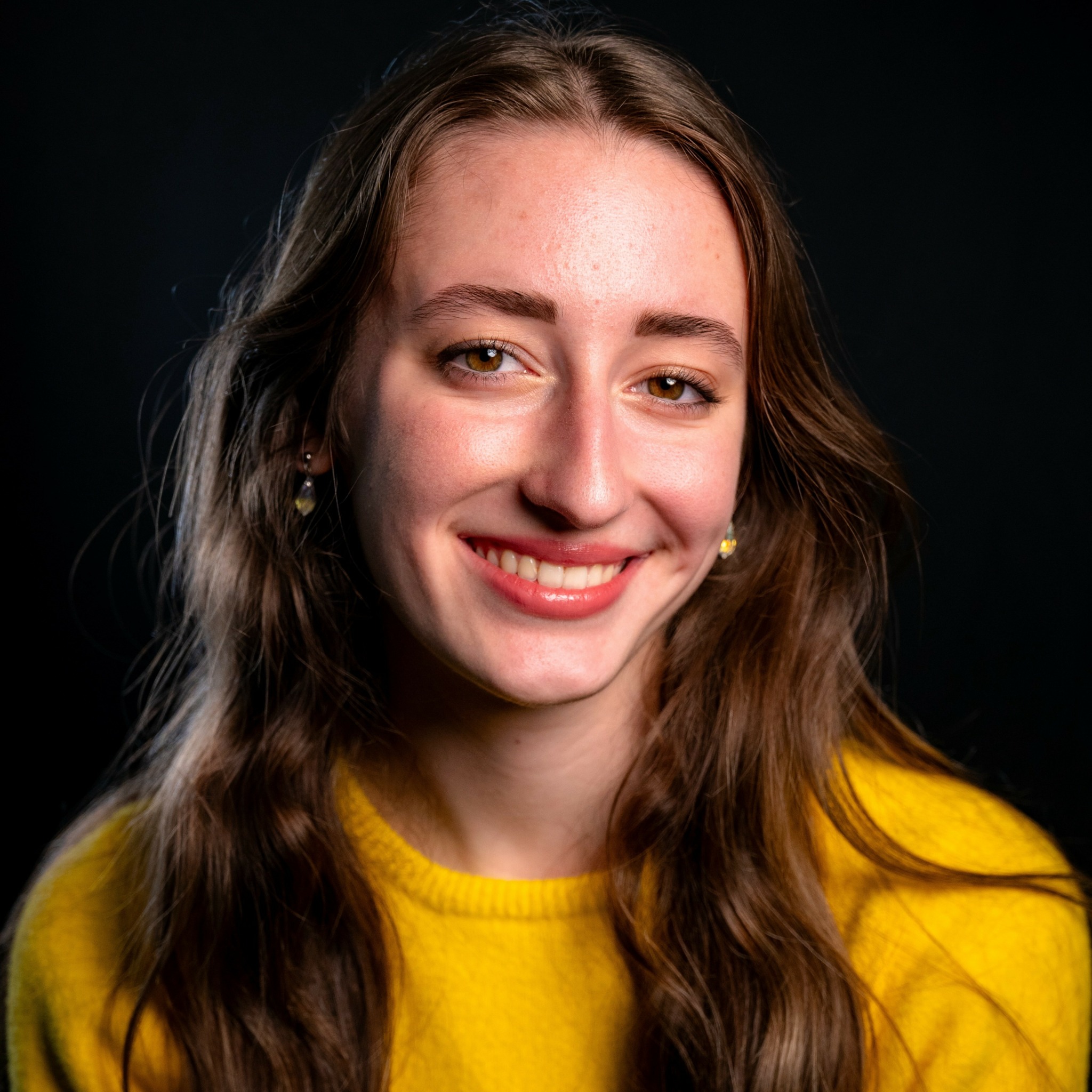

We caught up with the brilliant and insightful Emma Stuart a few weeks ago and have shared our conversation below.
Alright, Emma thanks for taking the time to share your stories and insights with us today. Did you always know you wanted to pursue a creative or artistic career? When did you first know?
I was a senior in high school when I locked in my decision to study music in college, but my love of music is almost as old as I am. I started classical piano lessons as a seven year-old and even before that I was writing my own songs in a little notebook (not good ones). I’ve always been drawn to music and the way it makes me feel emotions that I can’t find anywhere else. But there was an inciting incident where I realized that I could, and wanted to, compose music professionally. It started with a video game called Undertale. In 5th grade, I was super into telling and writing stories, so the game was one of my favorite things in the world. It had a cast of compelling characters, a unique and subversive narrative, funny jokes, and so so many secrets and easter eggs. And of course, the soundtrack was straight heat, so I was obsessed. It was my first introduction to the use of leitmotifs, using musical themes to represent characters and ideas, and kindled my love for storytelling through music. After playing the game I remember I used to write themes for characters from my own stories trying to bring them to life through song. When I learned that the whole game and soundtrack was essentially created by one guy with some help from his friends, I was inspired. I remember thinking, “Hey, I could do that too!” It made me feel like it was possible to create anything I wanted to create. I also realized around that time that making music for video games was actually a real job. After that I always had this pipe dream of spending my days composing music for awesome stories and becoming internet famous. There wasn’t really a plan, just a love of music and storytelling and a hopeful attitude. For the years that followed, I began practicing producing music in GarageBand and continued my piano lessons. I was in five musicals. In high school, I joined two choirs and the marching band and even led an a cappella group. I upgraded from GarageBand to Cubase and released an album on spotify. Now I go to the Boston Conservatory at Berklee and I’m majoring in composition with minors in film and game scoring. It wasn’t like I had this plan in mind since elementary school. I just followed my heart and kept getting involved in music in any way I could, and every opportunity gave me valuable experience and knowledge and honed my musical ear. I just kept bringing the dream closer to reality, and as time went on and my skills improved, it became more and more clear that this was what I was going to do with my life. By the time college applications arrived in my senior year of high school, I had worked on my very first game, and by then I was absolutely sure that this is what I wanted to pursue.
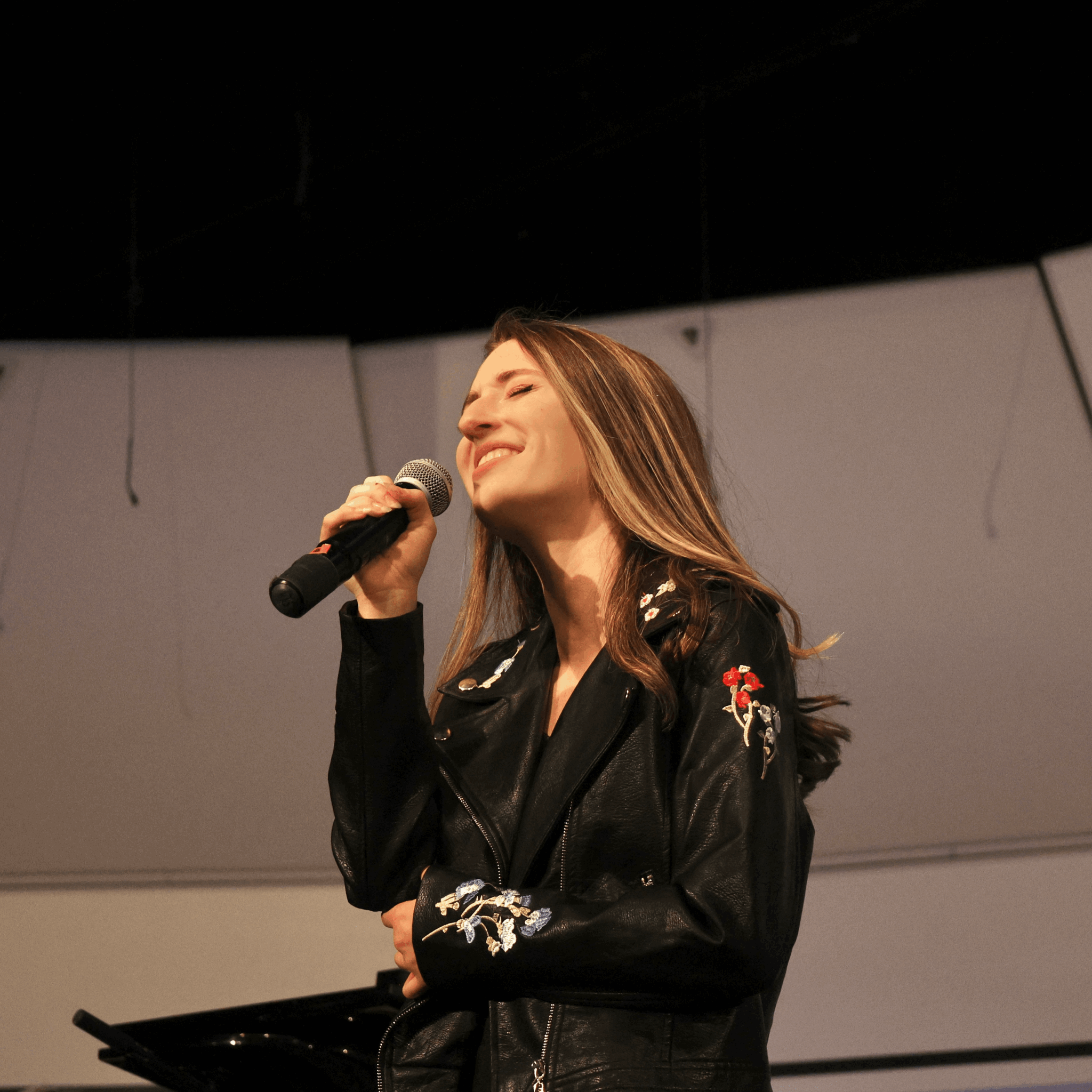
As always, we appreciate you sharing your insights and we’ve got a few more questions for you, but before we get to all of that can you take a minute to introduce yourself and give our readers some of your back background and context?
I’m a composer and a producer, and I love the idea of storytelling through visual media, so I compose soundtracks for video games, films, and other media. A pianist, singer, and mallet percussionist, I have extensive musical experience and strive for a deliciously unique sound. Raised on grunge and alternative rock, my music blends raw emotion with melodic clarity, drawing influence from melodic EDM, Japanese pop, video game soundtracks, as well as classical piano repertoire. I aim to create immersive, theme-driven pieces that balance modern production with musical depth, and I’m always stretching myself creatively. I’m based in San Francisco but I go to school at the Boston Conservatory at Berklee, and I’m always excited to take on new projects and opportunities.
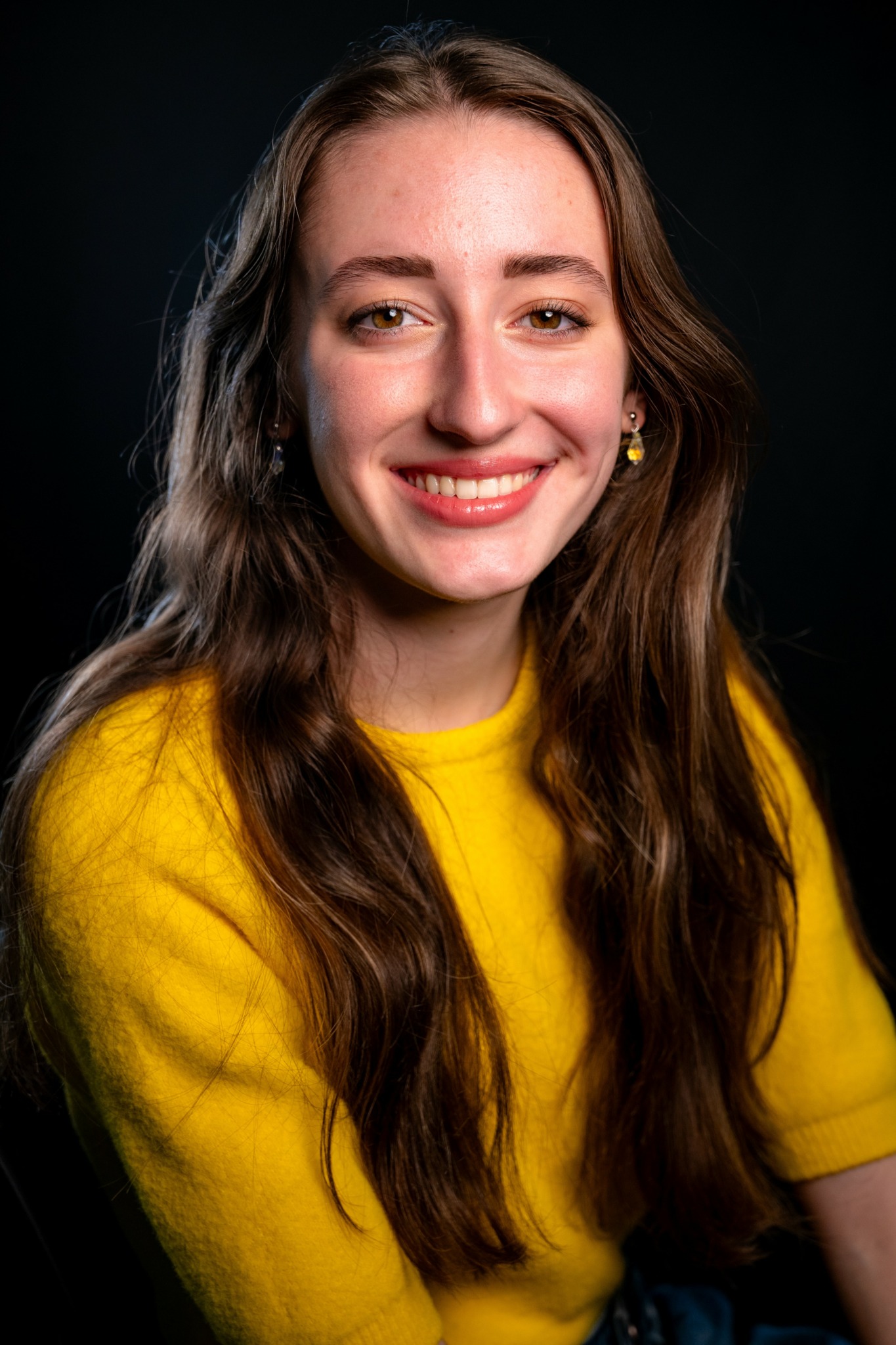
For you, what’s the most rewarding aspect of being a creative?
The most rewarding thing for me as a musician is to see that my music had an impact on someone else. Music is a special thing because it can inspire people and bring them together in a way nothing else can. The raw emotions that it can draw out in you are a universal thing that everyone can feel and share with each other. I want to be able to have that kind of impact on other people. I have so many fond memories of songs and soundtracks that I love: music that just fills me with a radiant joy whenever I hear it, or music that can instantly calm me down, or music that never fails to make me cry. When I can compose something that makes someone else feel the same raw emotions that I feel when I listen to my favorite music, I’ll consider my career a success.
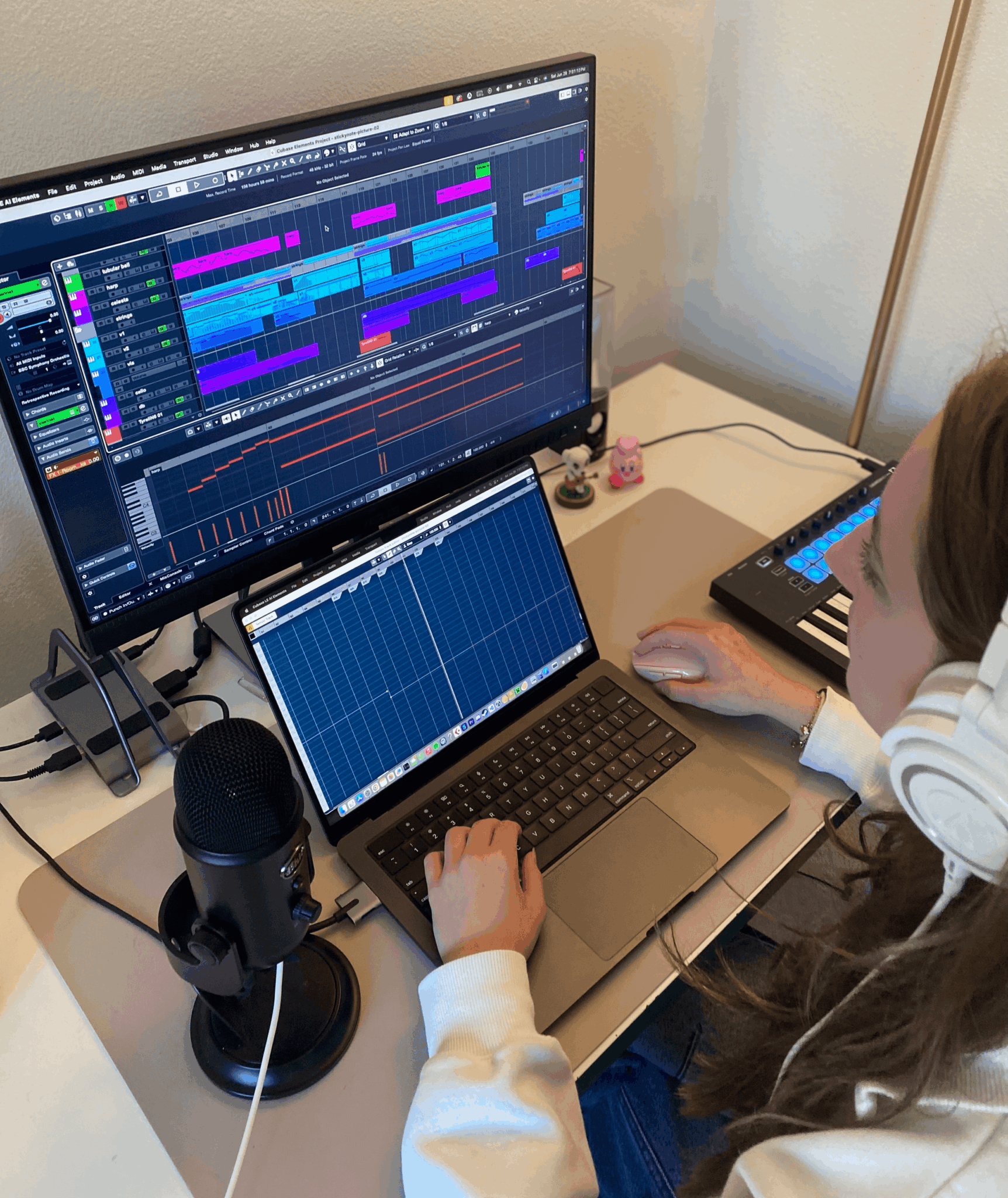
What can society do to ensure an environment that’s helpful to artists and creatives?
The creative ecosystem relies on hiring creatives. It sounds obvious, but with the emergence of AI, it’s becoming harder to find a job. Studios may still be hiring artists for large jobs, (in my case, scoring a blockbuster film or AAA game,) but a lot of low-level positions are being erased because of the convenience of AI. It makes it much more difficult for artists to break into the industry and gain the experience they need for those bigger jobs. What many people don’t recognize is that you may be able to use AI to replicate something you’ve seen or heard, such as an art style or a popular music genre, but AI does not have creative direction. A big part of the job for an artist or a musician is using their experience and expertise to craft the perfect art or music for your project, no matter the size. Hiring a real person also forms connections and friendships that might lead to an unexpected opportunity down the line. I urge employers to consider the human option, especially when it comes to creative opportunities.
Contact Info:
- Website: https://emmastuart.com/
- Instagram: https://www.instagram.com/eflat_music/
- Linkedin: https://www.linkedin.com/in/emma-stuart-069515252/
Image Credits
Teddy Kent
Miki Tsubota