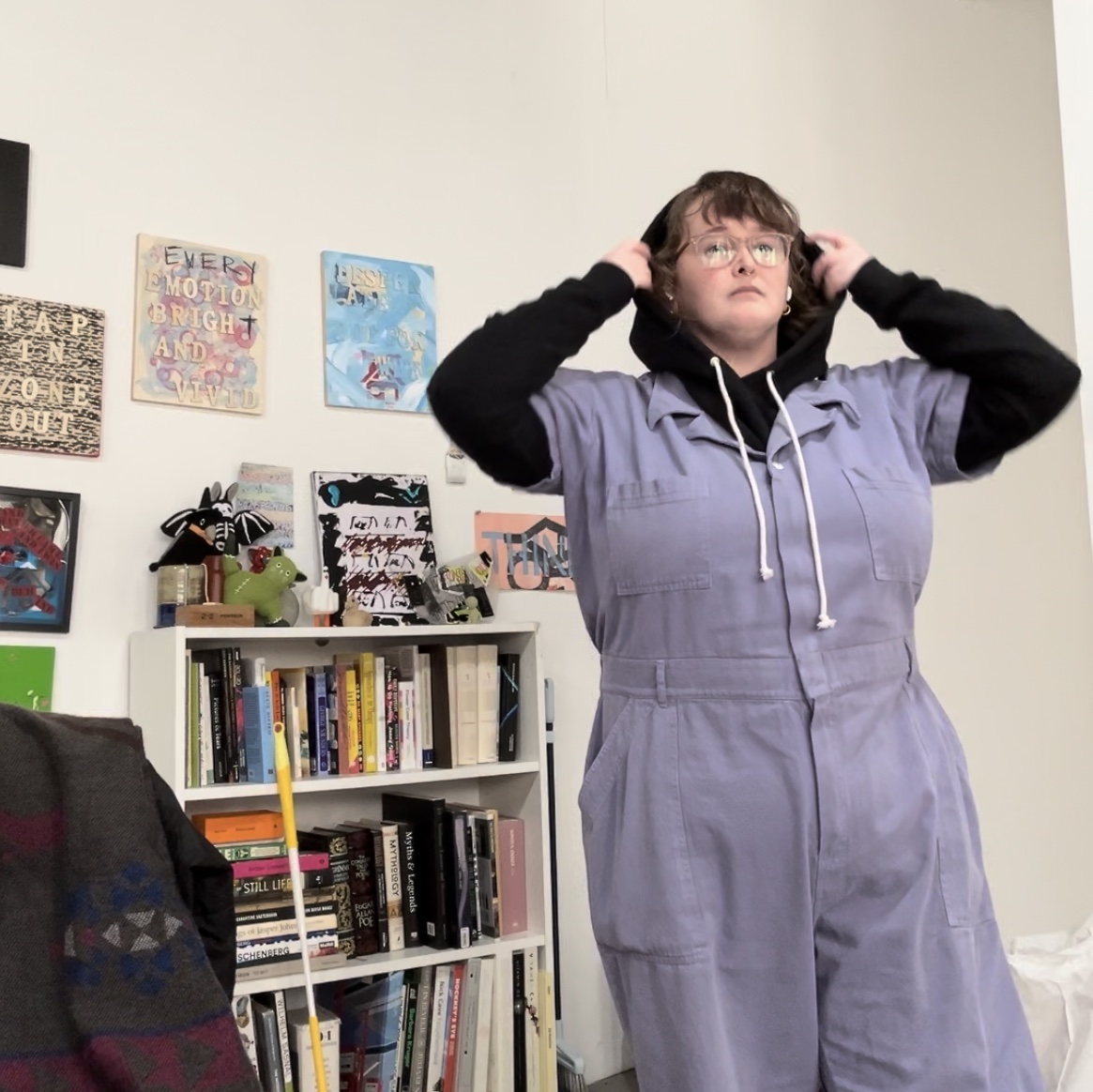

Alright – so today we’ve got the honor of introducing you to Emily Murray. We think you’ll enjoy our conversation, we’ve shared it below.
Hi Emily, thanks for joining us today. Can you talk to us about how you learned to do what you do?
I went to school for fine art. I majored in Painting and minored in Art History in undergrad and just recently earned my MFA in Studio Art. In the undergrad program I was in, we applied into BFA and it was an additional 30 units and I earned most of those extra units in printmaking and drawing classes. I definitely could have spent more of my free time drawing and painting and researching, and I think even now I could bare to spend more time on it, but I also think that’s an easy answer. I could’ve spent more time actually doing, rather than just thinking about doing, but I’m proud of how far I’ve come so far. In both educational environments, I learned a lot about community and talking to people, purely in the sense of making personal connections. I think knowing how to talk and interact with people is an essential skill and has helped me a lot in building community. An obstacle that’s repeatedly stood in my way is time. One has to be intentional with it in creative fields, as there are always endless things to do but you have to allot time to different tasks and include what you need in order to take care of yourself, which can be more difficult to do outside of a built in 9-5 5 days/week kind of schedule. This sort of balance is already hard for those within the more average parameter. A lot of people in creative fields have multiple jobs, their own projects, a social life, and then stick housework, cooking, personal relationships, and maintaining a sense of self on top of that. It can be really difficult to feel a balance within any number of those things, let alone all of them at once. I struggle quite a bit with my own definitions of balance when it comes to those pieces.
Emily, before we move on to more of these sorts of questions, can you take some time to bring our readers up to speed on you and what you do?
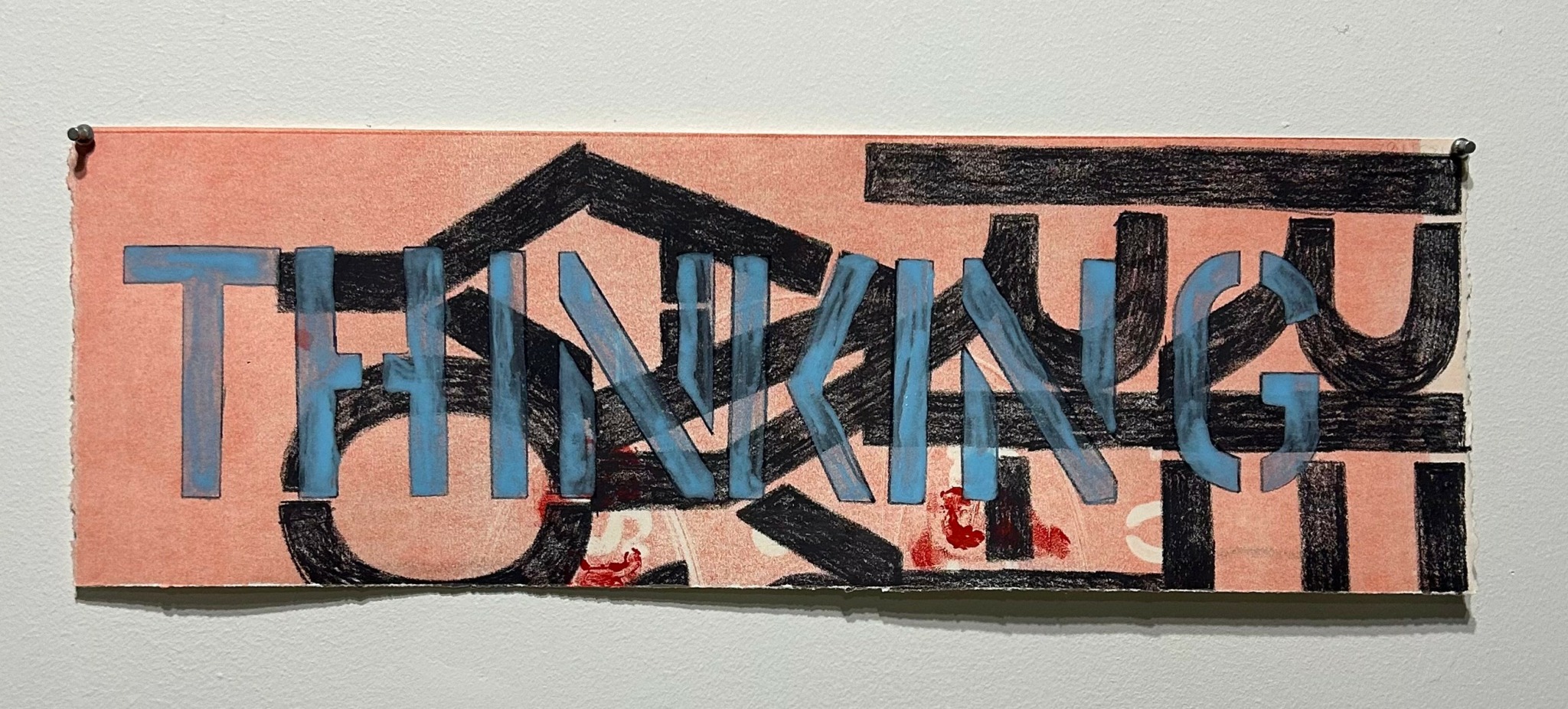
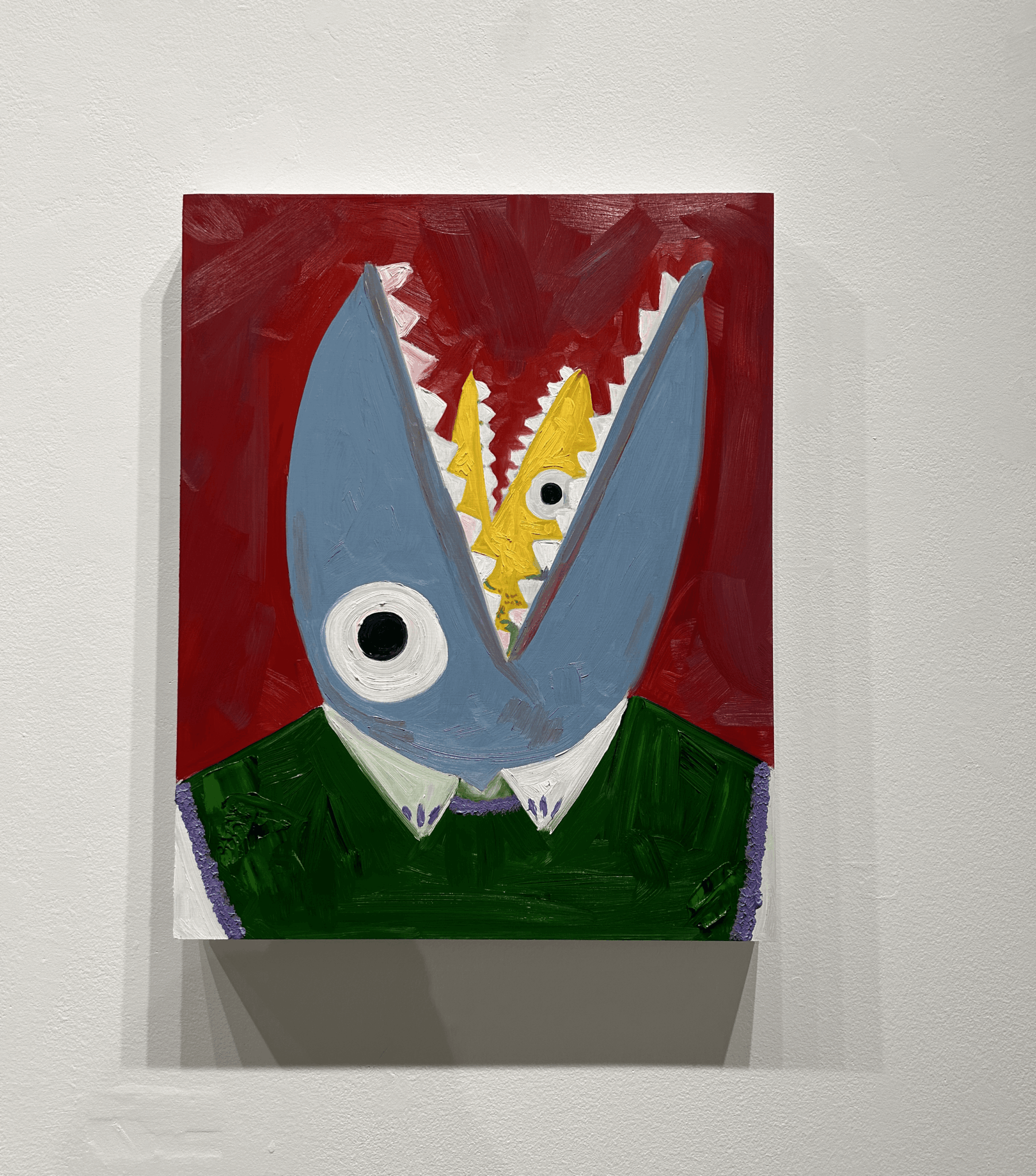
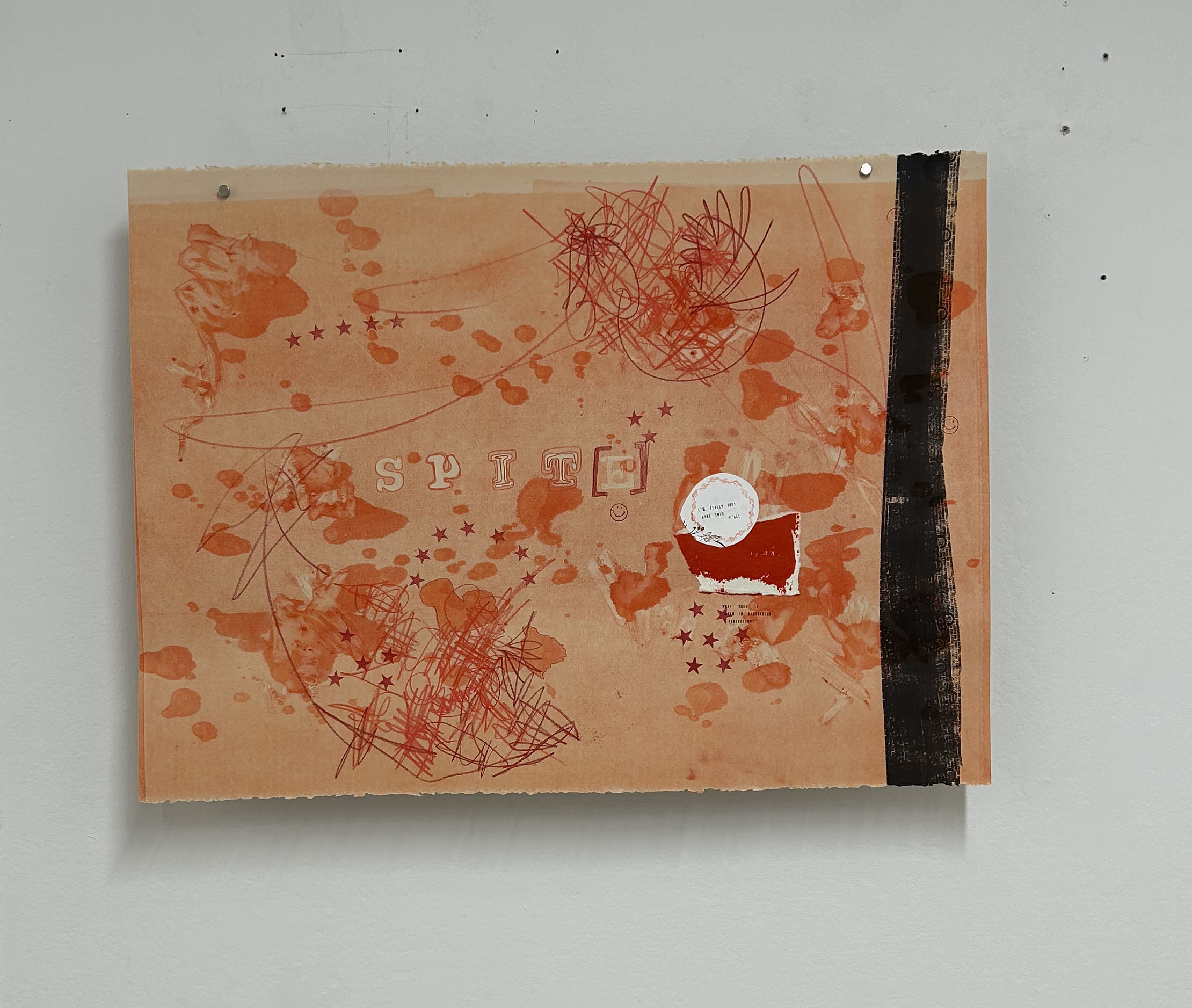
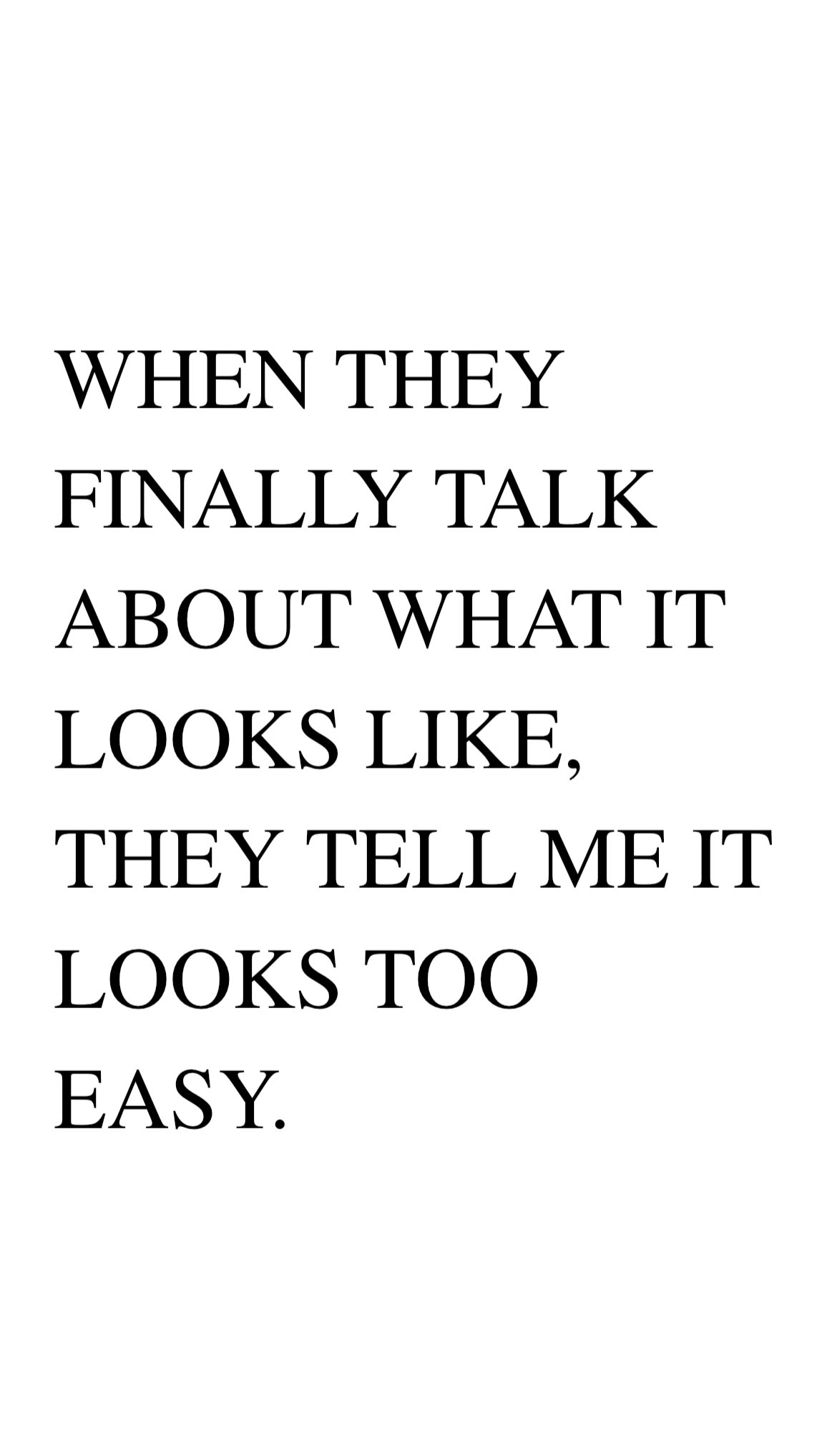
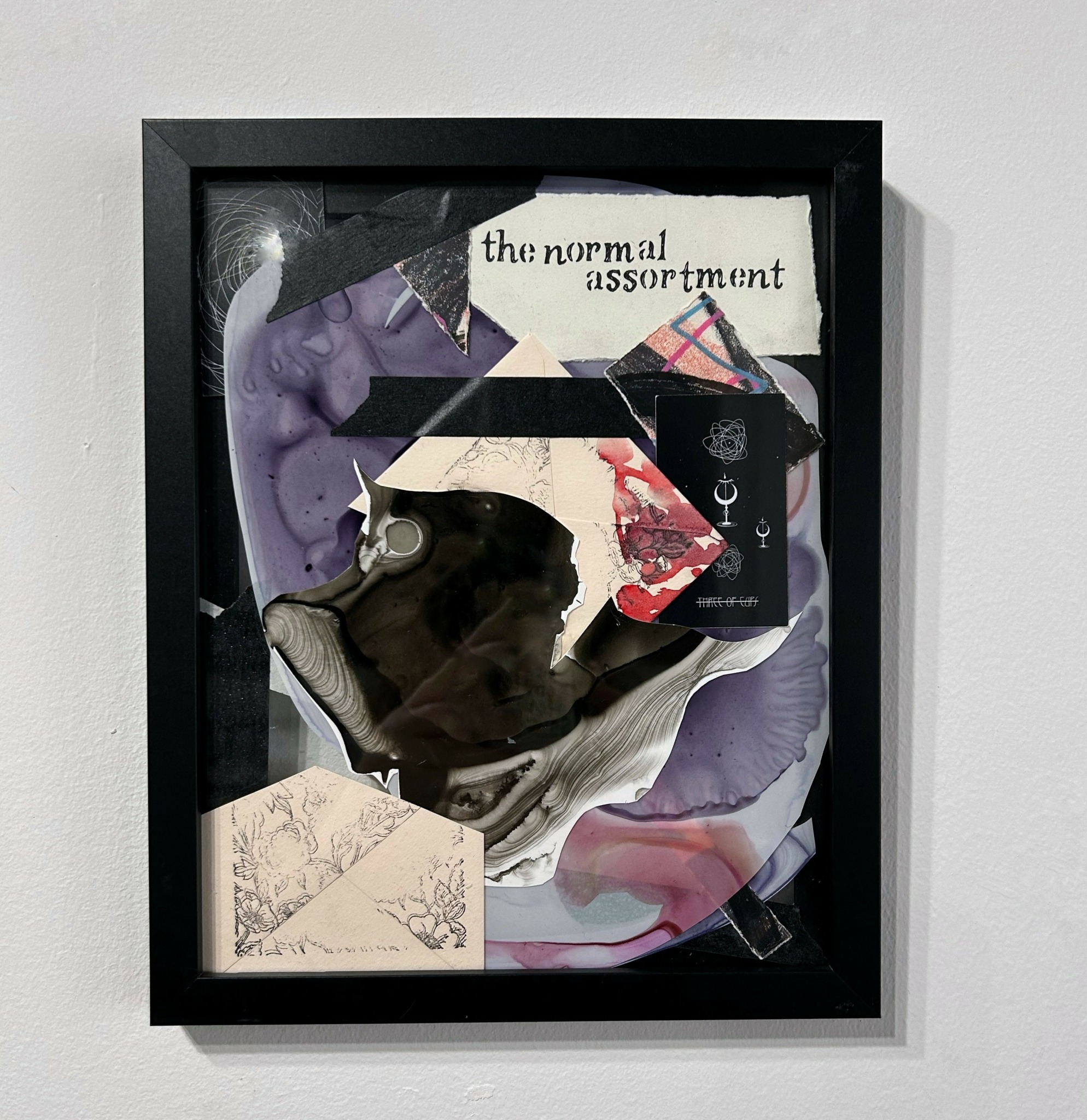
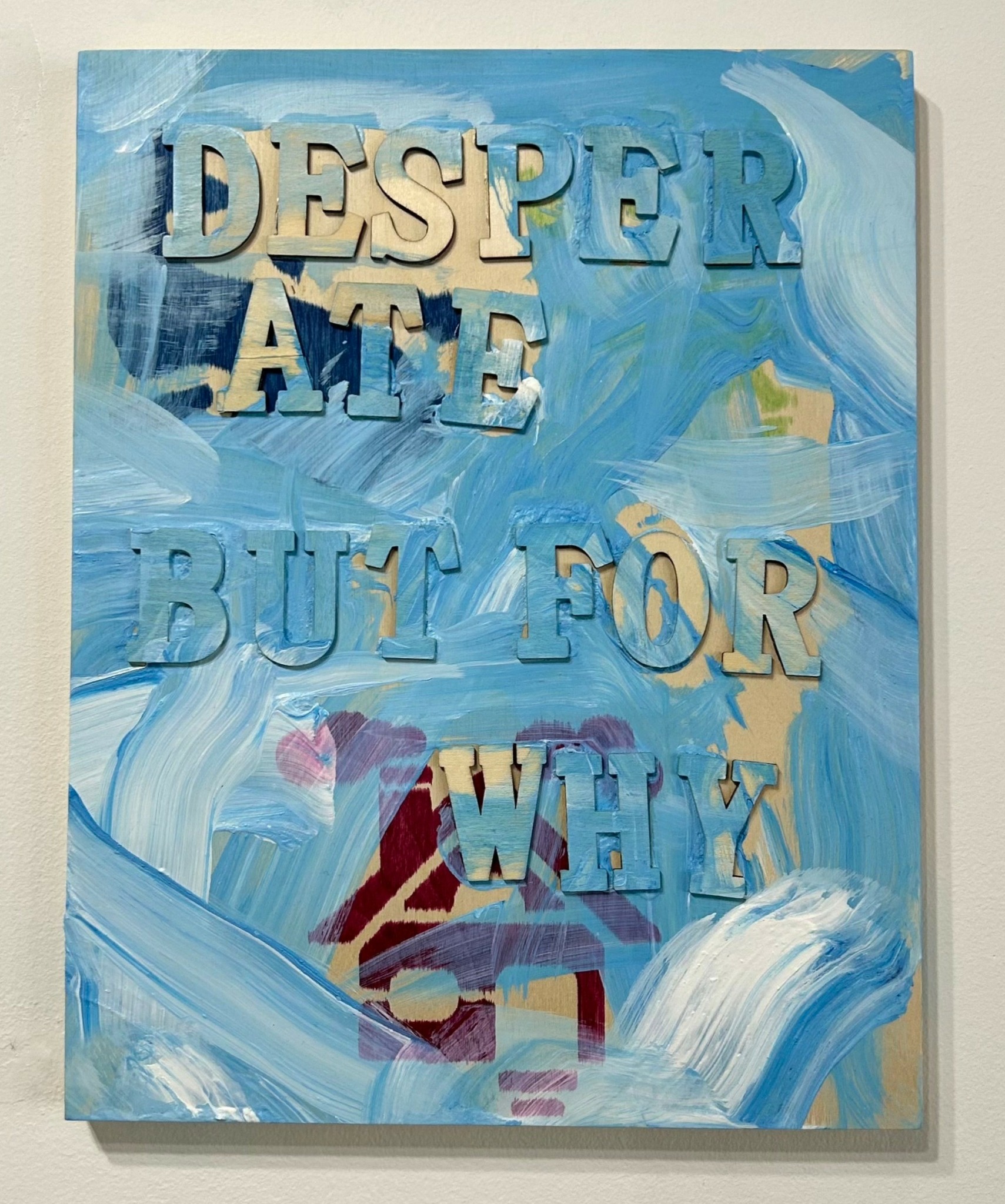
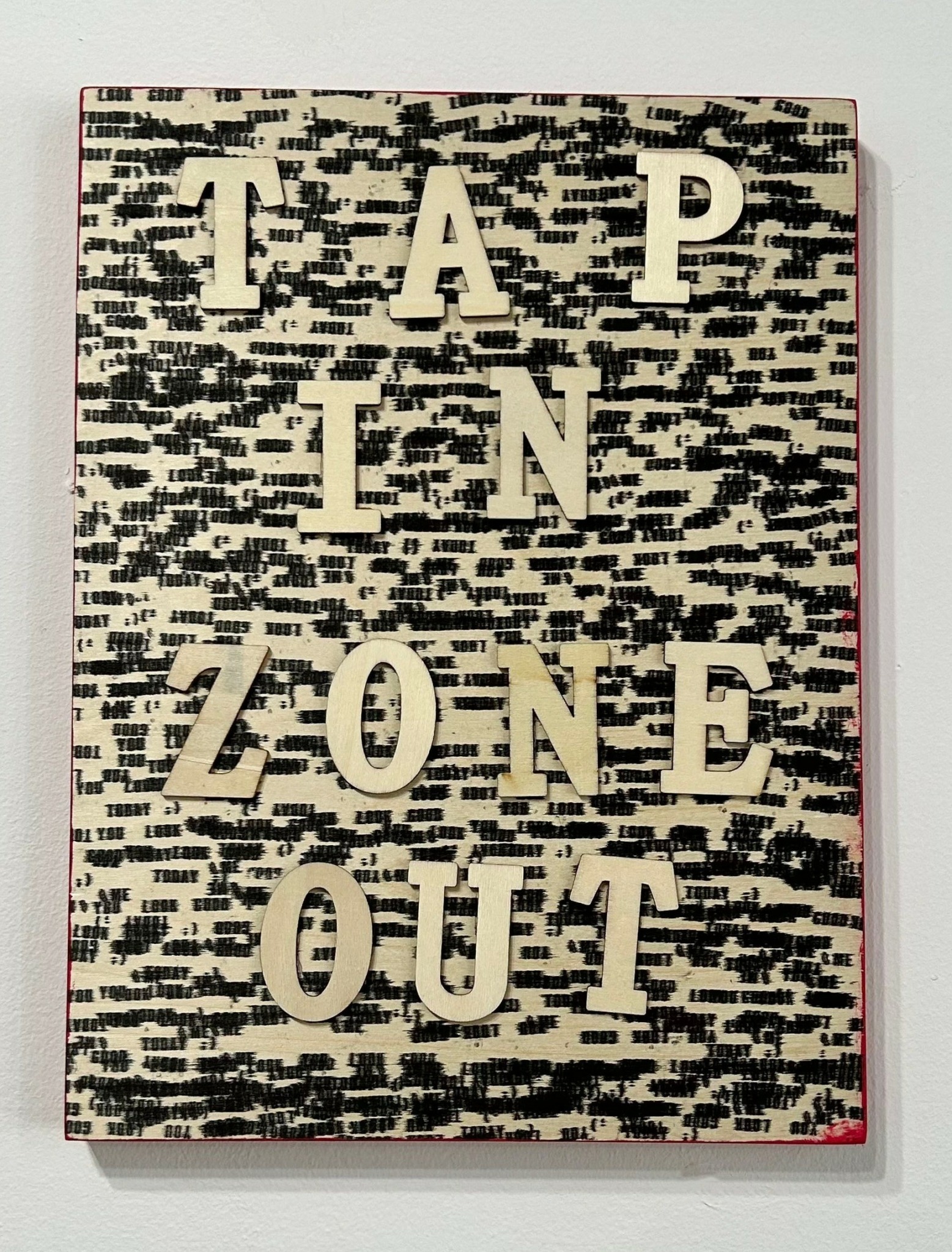
My name is Emily Nicole Murray and I’m an artist. I learned I could major in art when I was a junior in high school but knew absolutely nothing about the art world before deciding I was going to be a part of it. I set my mind on the world of fine art when I was in my third year of college and have been furthering the development of my craft since. I work primarily in painting, drawing, print media, and writing. My practice speaks to the tension, time, and layering between trauma, grief, and humor. I use text broadly, pulling from my everyday experience to unpack nonlinear narratives and what it means to build and interact with the world around me. I’m interested in the patterns of thought that connect all of us and the experiences that many share but don’t always talk about for fear of being judged or misunderstood. As much as we’re all different as people, we’re all still human and it’s quite a messy thing to be.
What’s a lesson you had to unlearn and what’s the backstory?
There’s no one correct way to be an artist. I always got tied up with how things were supposed to be, or look, or seem based on what other people had or how they lived. But my version of being an artist is just as valid as the next person’s and I think that’s a lesson that’s been valuable to learn. If you look at everyone who’s living and working as an artist, there are a lot of similarities but there are also endless differences. It’s a reminder I still need to work on for myself at times, but it’s one of the biggest lessons there is for people in creative fields.
How can we best help foster a strong, supportive environment for artists and creatives?
If society didn’t take creative ventures for granted, I think we’d all be better off. Not everyone has to be an artist to be creative and everyone should be given the opportunity to participate in creative ventures. Creatives are often taken for granted or told we’re not contributing unless it can be quantified by monetary gain, but it doesn’t have to be about that to be worth while. At the same time, people are less willing to pay creatives for the time and energy it takes to make progress on creative projects. Without money in the arts, life become less exciting, but art shouldn’t only be made with monetary gain in mind.
Contact Info:
- Website: https://emilynicolemurray.com
- Instagram: @em_lymurray