

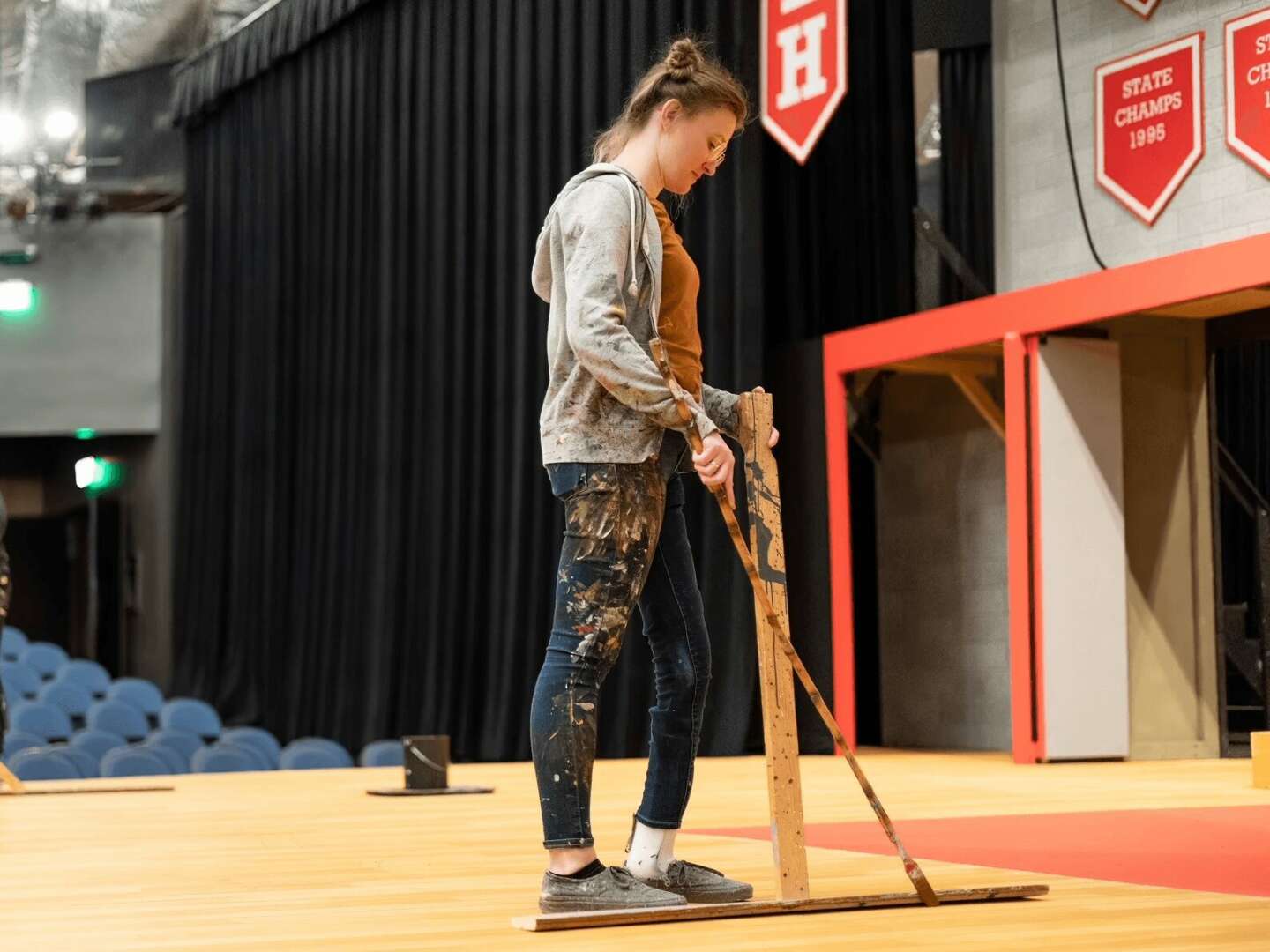

We recently connected with Emily Haueisen and have shared our conversation below.
Emily, looking forward to hearing all of your stories today. Can you talk to us about how you learned to do what you do?
My first introduction to the type of work I do was when I took a course where I got to work in the scenery shop for the university theater department. I had a bit of past experience in carpentry and woodworking and thought that I would go in there and build scenery. I had never really thought about what happens to the scenery in between the carpenters building it out of wood, foam or steel and it getting loaded onto the stage. It seems silly now, but I had no idea the magic that a scenic artist had to perform.
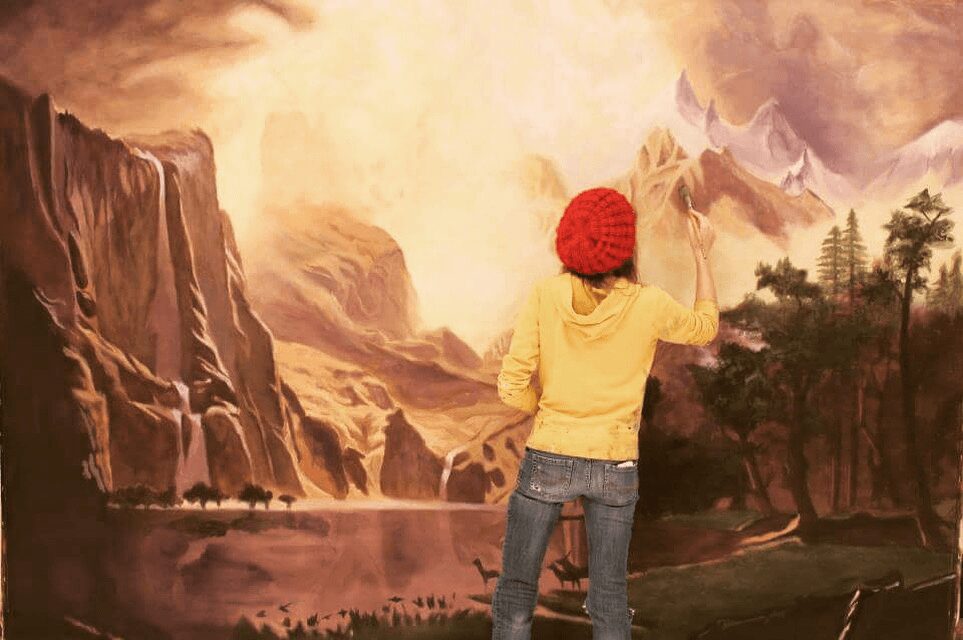
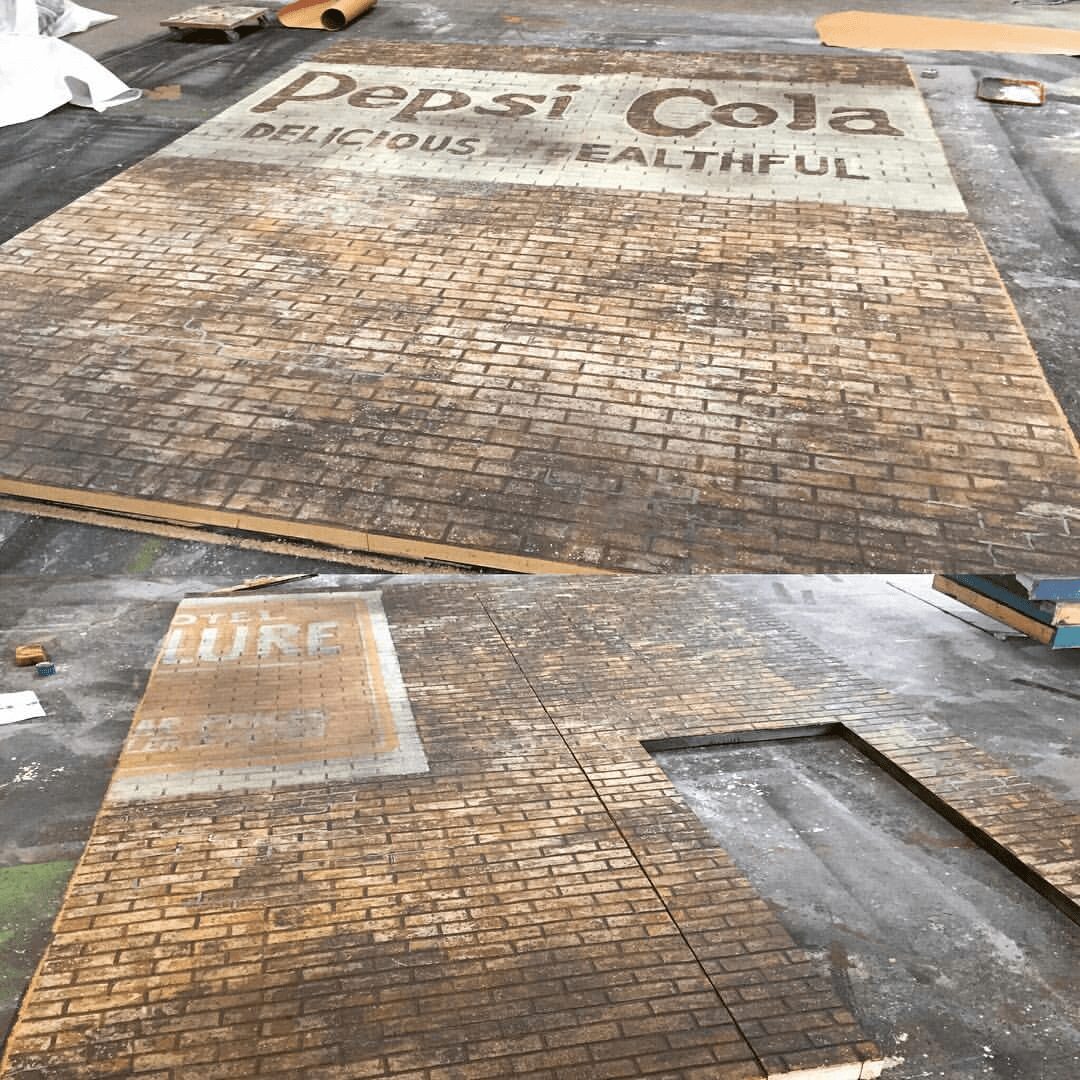
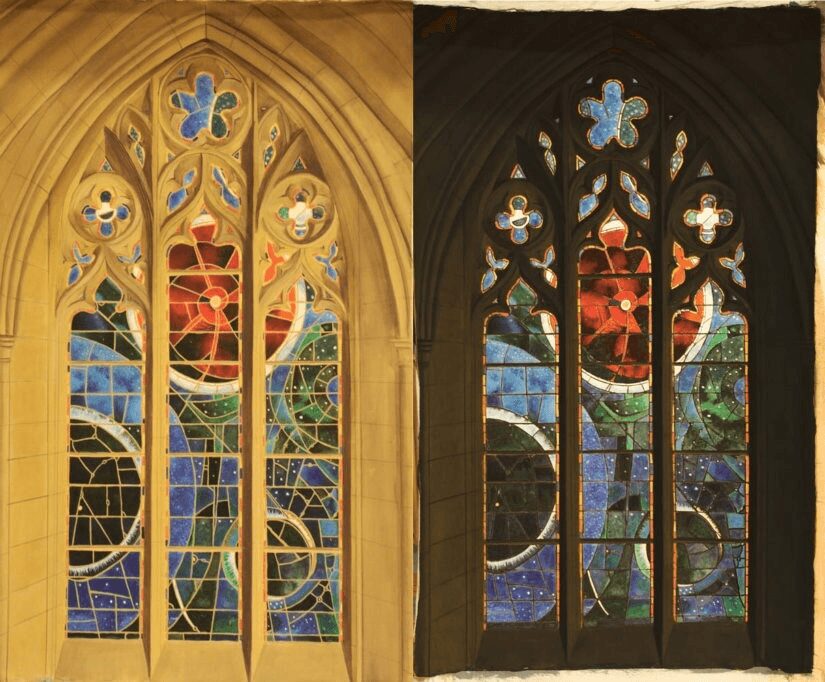
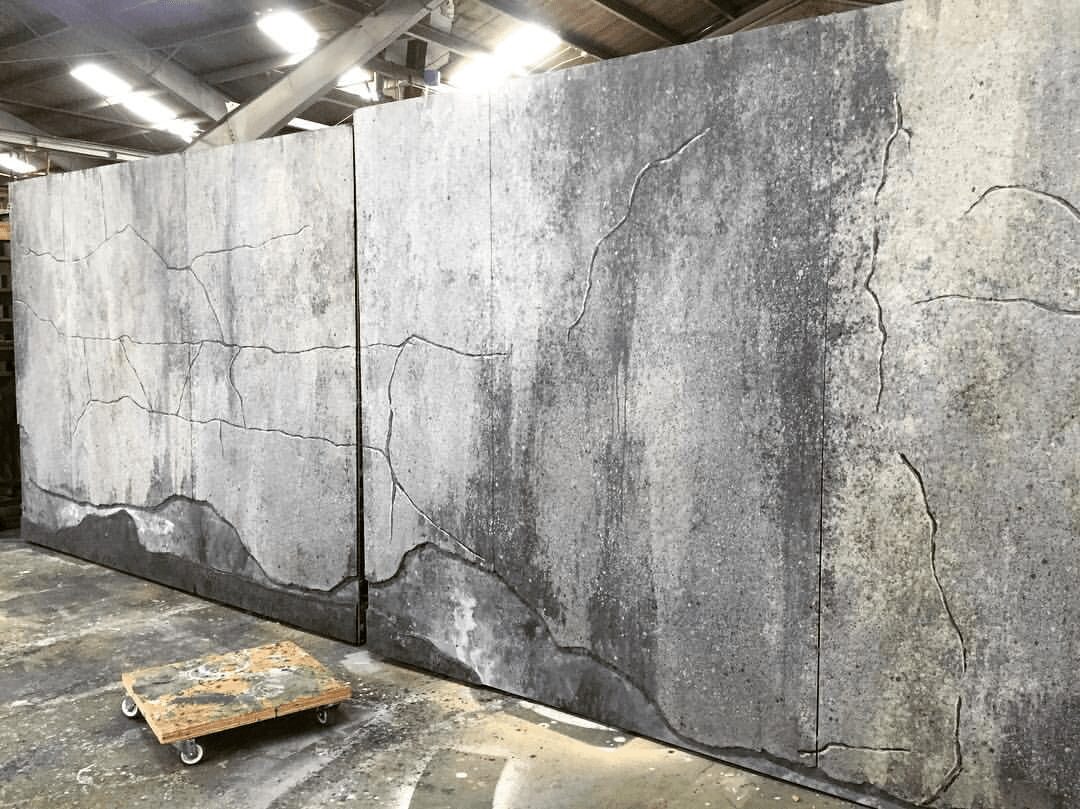
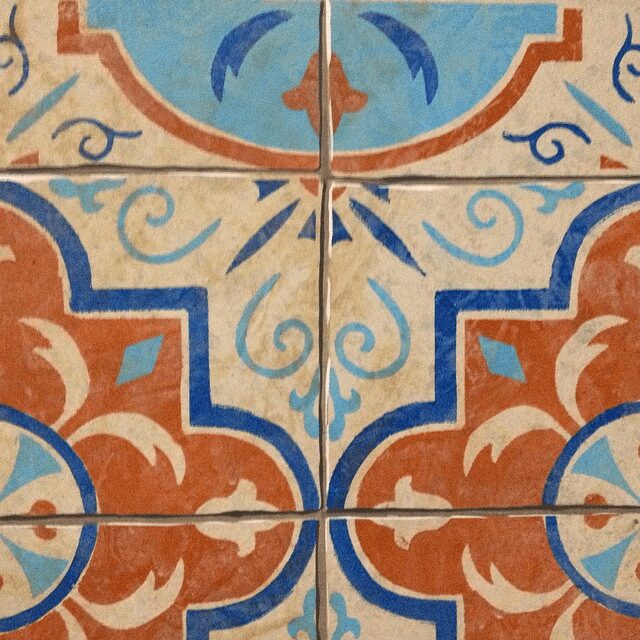
My first time in the scenery shop was for the initial safety orientation and introduction. Along with the rest of the students, I was shown around the shop and the Scenic Charge Artist, the person in charge of all painting aspects, had several paint samples set out as examples of stuff we might encounter in the shop. There were samples for faux wood of all different types, faux marble, cracked and peeling paint, stone that looked and felt real, painted wall paper, trompe l’oeil so realistic you would second guess if it was a painting or not. I was blown away by the craft of a scenic artist and the magic that they could perform.
I had never picked up a paint brush in my life, but I spent the next three years learning the magic and skill of scenic art.
My first official day working in the shop, the shop staff was dividing up the student workers on who would work in carpentry and who would work in paint that day. To my horror, I was chosen to go to the paint side. I had a history of drafting and carpentry. I was not artistic or creative. I had never picked up a paint brush in my life. I didn’t know what I was going to do.
Flashforward, I spent the next three years in that shop guided by the best the best instructors learning the art of scenic painting.
Awesome – so before we get into the rest of our questions, can you briefly introduce yourself to our readers.
I have always been obsessed with stories and world building. Every child from my generation went through a phase where they wanted to be a paleontologist just because they saw Jurassic Park, picked up a stick in their backyard and pretended it was lightsaber, or imagined ET was in their bike with them as they pedaled down the street. Stories are powerful and can have huge impacts on our life, but those stories are not believable without a proper world and setting.
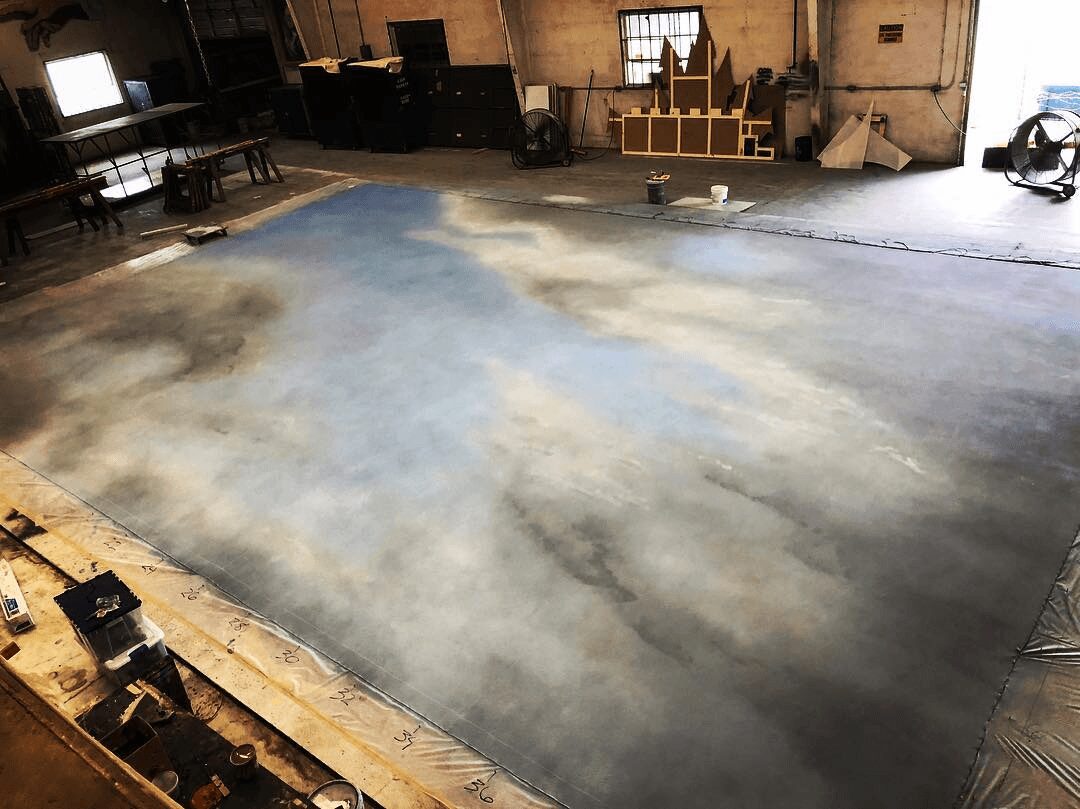
As a scenic artist and designer, my goal is to create that world, create that setting, and transport people into a story. In the industry we always say that if our work is done good, you should never know that we were there.
What’s the most rewarding aspect of being a creative in your experience?
What I love about being a creative is the freedom allowed in my work. As a freelancer, I get to decide the projects I work on. It allows me to curate my life and time management in ways that benefit my career goals, my personal goals, and my mental health.
Starting out, I definitely had to take every job that was offered to me. I needed to have as many people know who I was as possible in order to build a client list. After a decade as a creative, I get to be pickier about the projects I choose.
Oftentimes as a freelancer, it can be scary when you go a couple weeks without work, but I have learned to embrace that time and work on personal projects and building new skills.
I have learned that as long as your work is good, you deliver what is asked, and you are pleasant to be around your clients will continue to come back.
Can you tell us about a time you’ve had to pivot?
My career has taken several pivots. I have learned that the more skills you have to offer, the more resilient you become to change. My undergrad degrees are in Theatre & Dance and Radio/Television/Film. The majority of my career had been focused on painting scenery for film and the stage. I was coming to the inevitable realization that scenic art is a very physically taxing job and something that I would not be able to do forever. While I was currently able to do it, the day would come when I would begin to slow down. I wanted to get ahead of that day and start to make a pivot before it happened.
In 2019 I went back to school to get a Master of Architecture. My goal with that degree was to further my understanding of design while learning digital design software that was not taught in my undergrad coursework so that my career could pivot towards design. Many people questioned my decision and wondered why I did not go back and get a MFA in Theater.
After a semester and a half into my architecture degree, the world shut down from the Covid pandemic. While many industries were disrupted, the live entertainment industry, where I had made my career, shuttered. There was no work for anyone and many of my colleagues changed career paths. In this moment, I understood the importance of having a wide variety of skills that you can open up to multiple career paths. While I did not decide to pursue a career in architecture at this time, there is safety in knowing that my design skills are transferable to industries outside of entertainment.
Contact Info:
- Website: https://emilyhaueisen.com
- Instagram: emilys_artanddesign
- Linkedin: https://www.linkedin.com/in/emily-haueisen
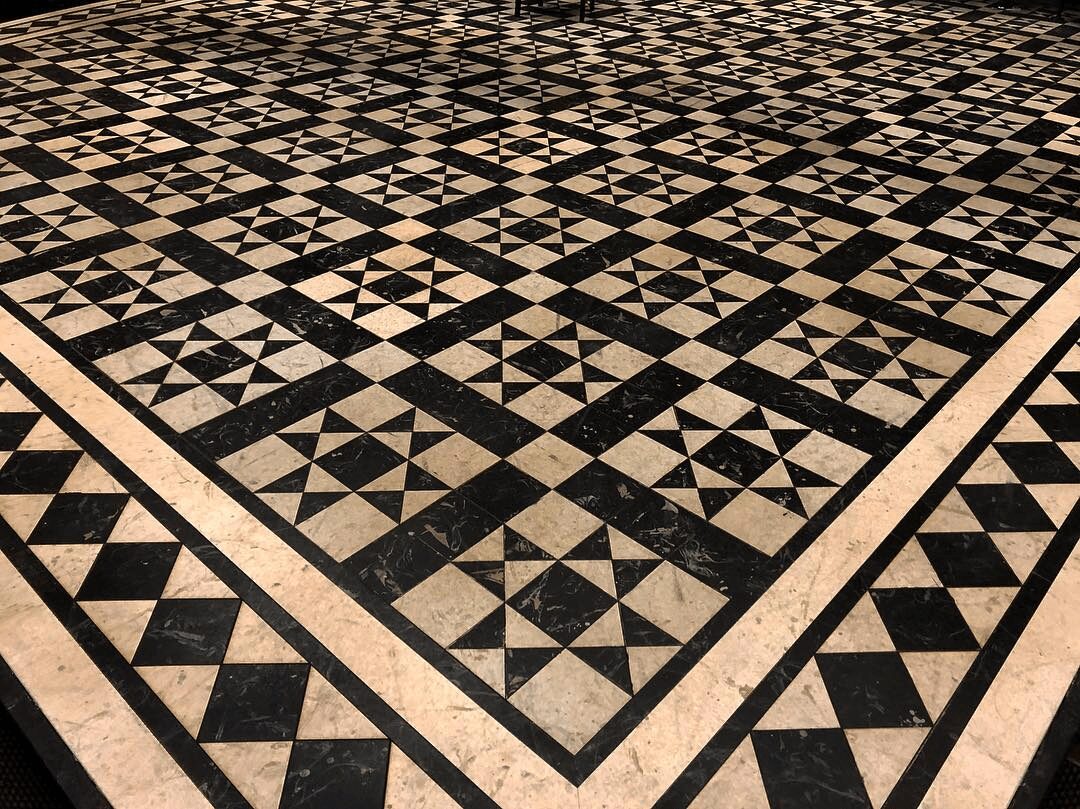
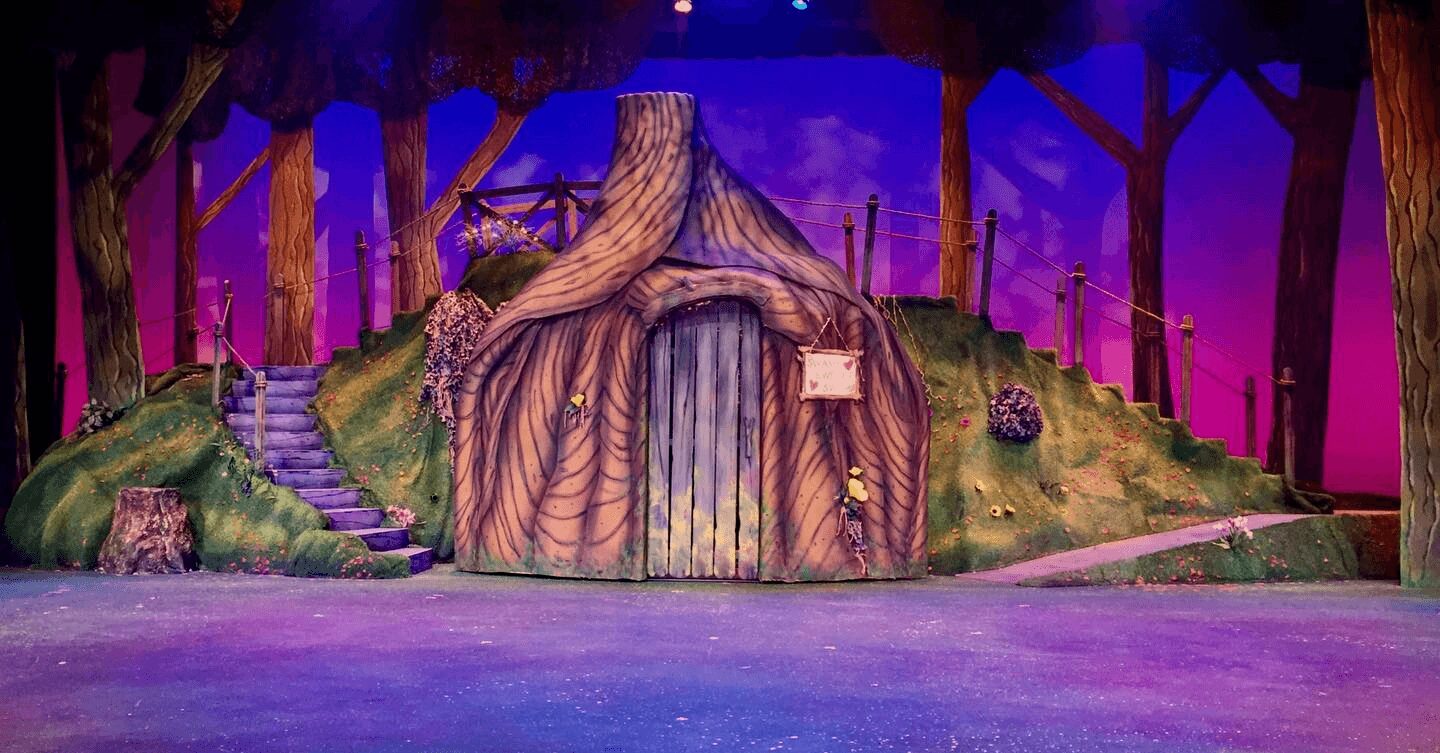
Image Credits
Personal photo was taken by Chip Tompkins.
All other photos were taken by myself and do not need a credit.