
We caught up with the brilliant and insightful Emily Hammack a few weeks ago and have shared our conversation below.
Emily, thanks for joining us, excited to have you contributing your stories and insights. Have you ever had an amazing boss, mentor or leader leading you? Can you us a story or anecdote that helps illustrate why this person was such a great leader and the impact they had on you or their team?
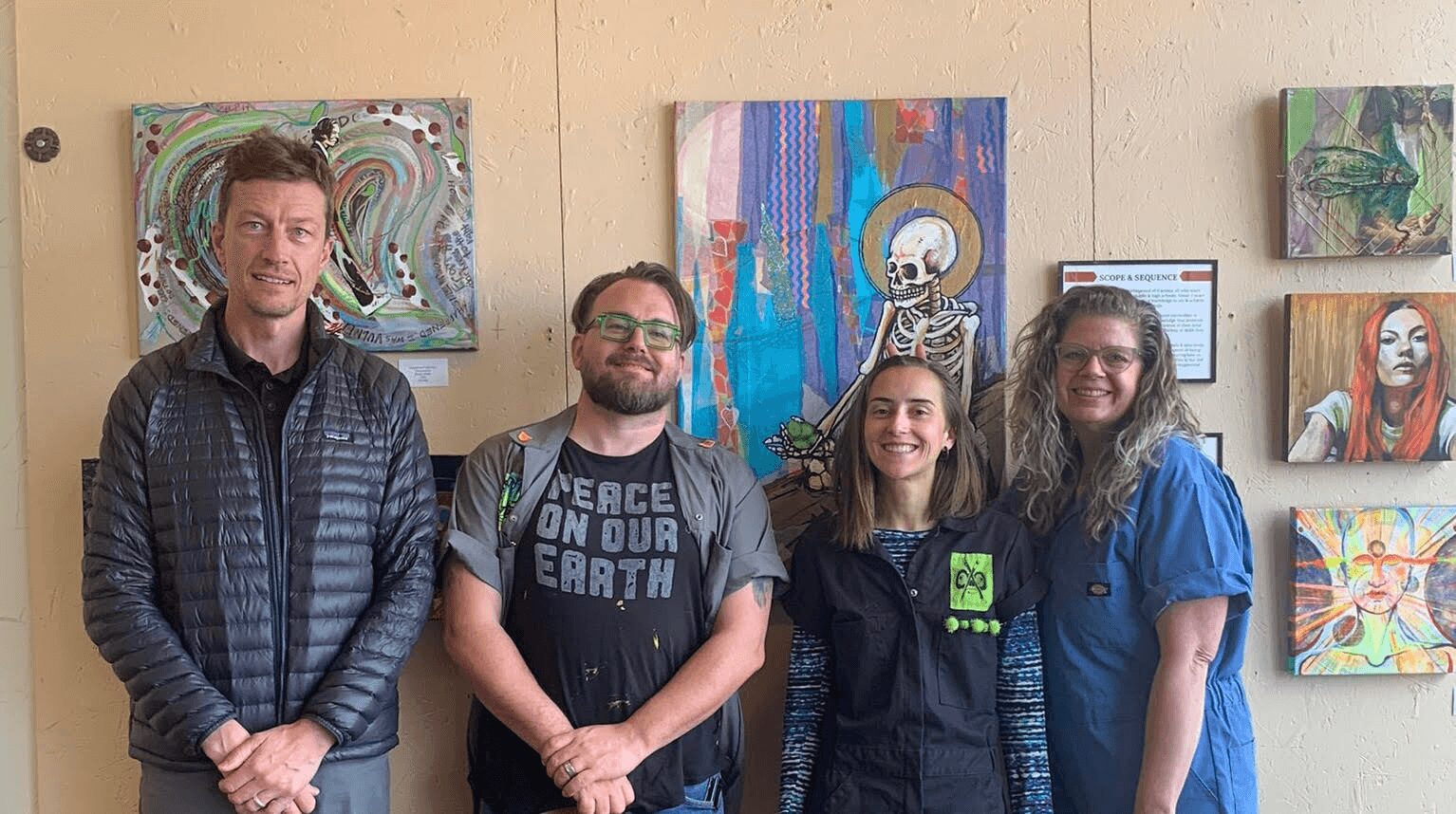
The best bosses I have ever had are Rick and Debra at The Shop at Matter in Denver. They do an amazing job of making you feel appreciated and welcome in their space. I worked in the bookstore during covid times when everything felt scary and uncertain. We grew close as the world was reduced to our immediate surroundings and I will always be grateful for their kindness and generosity. I think it is amazing when you can find a job where you are seen, heard, and appreciated. This is what I found in the activist bookstore and workshop next door. When I graduated, I had to leave the bookstore behind and start teaching. Now I am getting to work with them again organizing workshops in their printing makers space next door to the bookstore. They do amazing things for Denver’s art community and I use every chance I get to gush about how amazing these two humans are. If you ever find yourself in Denver on Market st. you have to stop by and give them a visit.
Emily, before we move on to more of these sorts of questions, can you take some time to bring our readers up to speed on you and what you do?
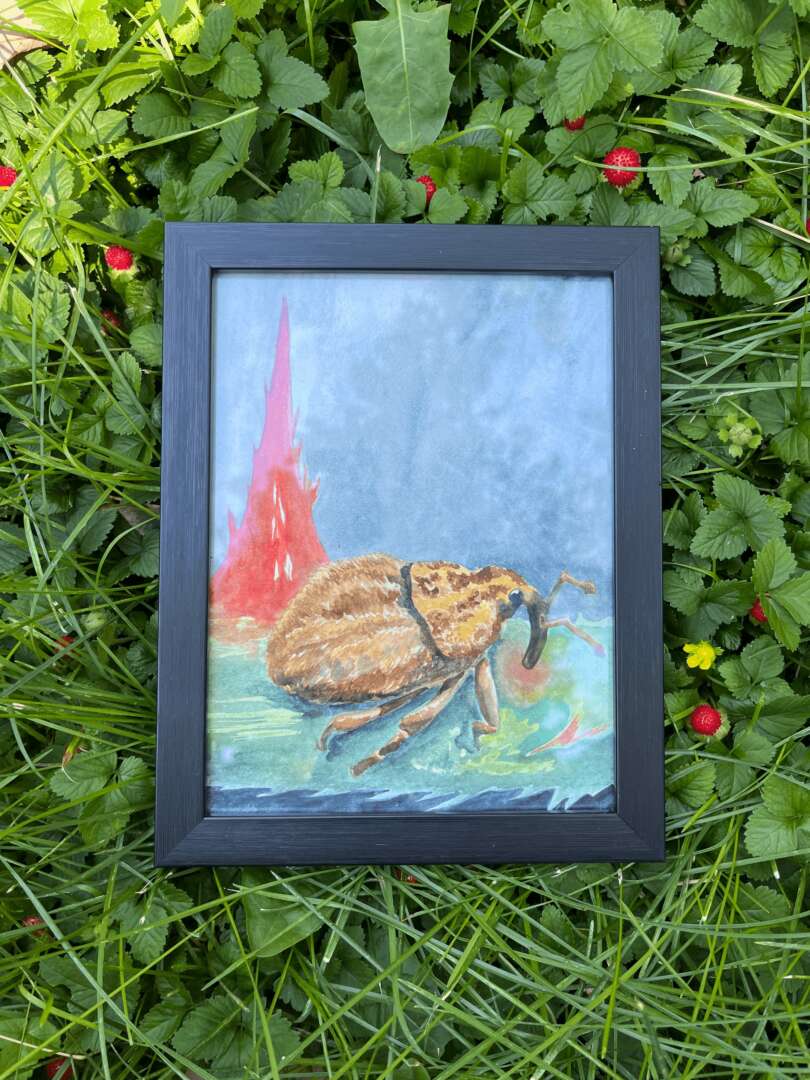
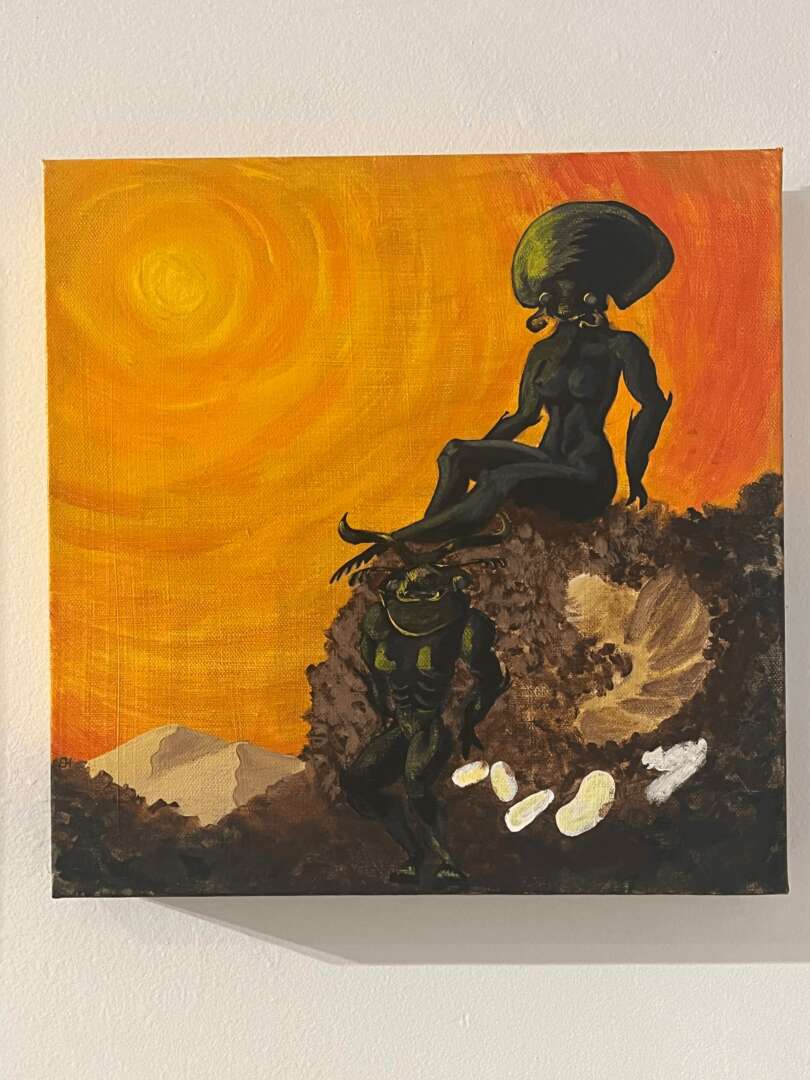
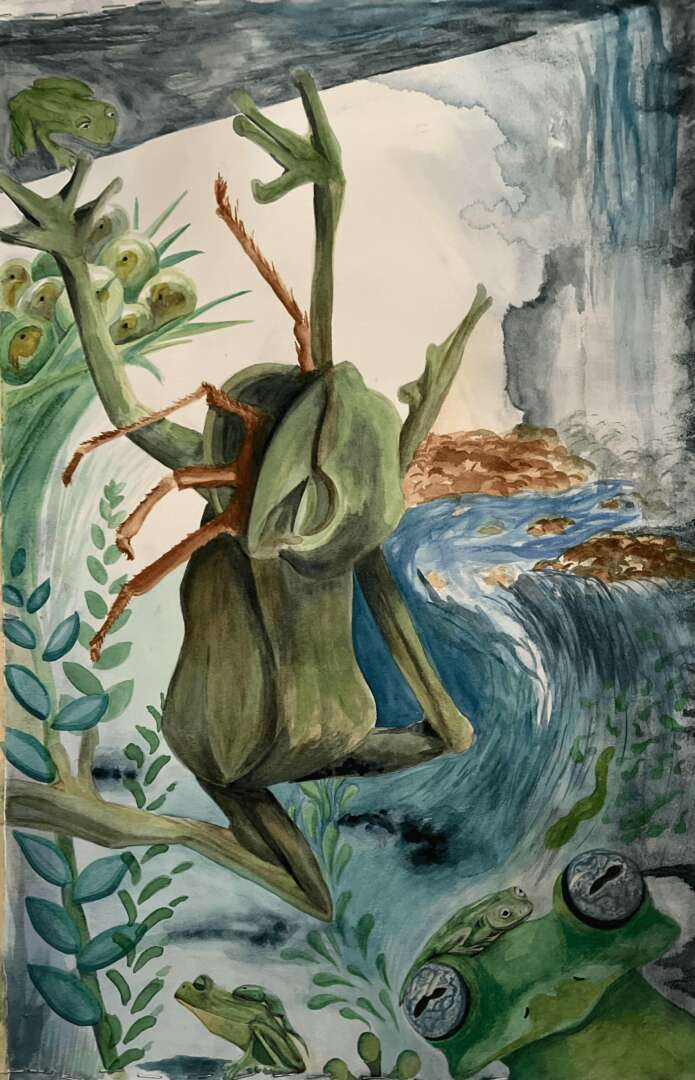
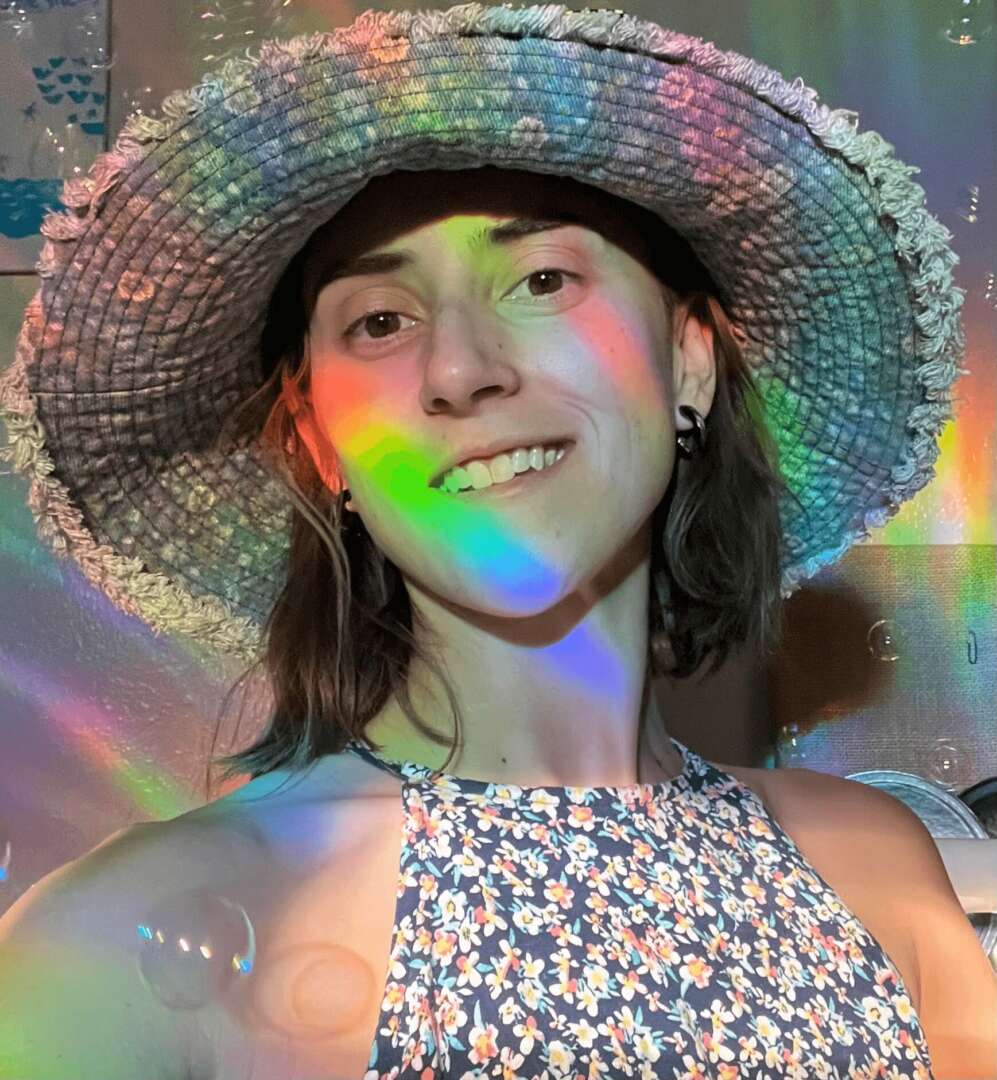
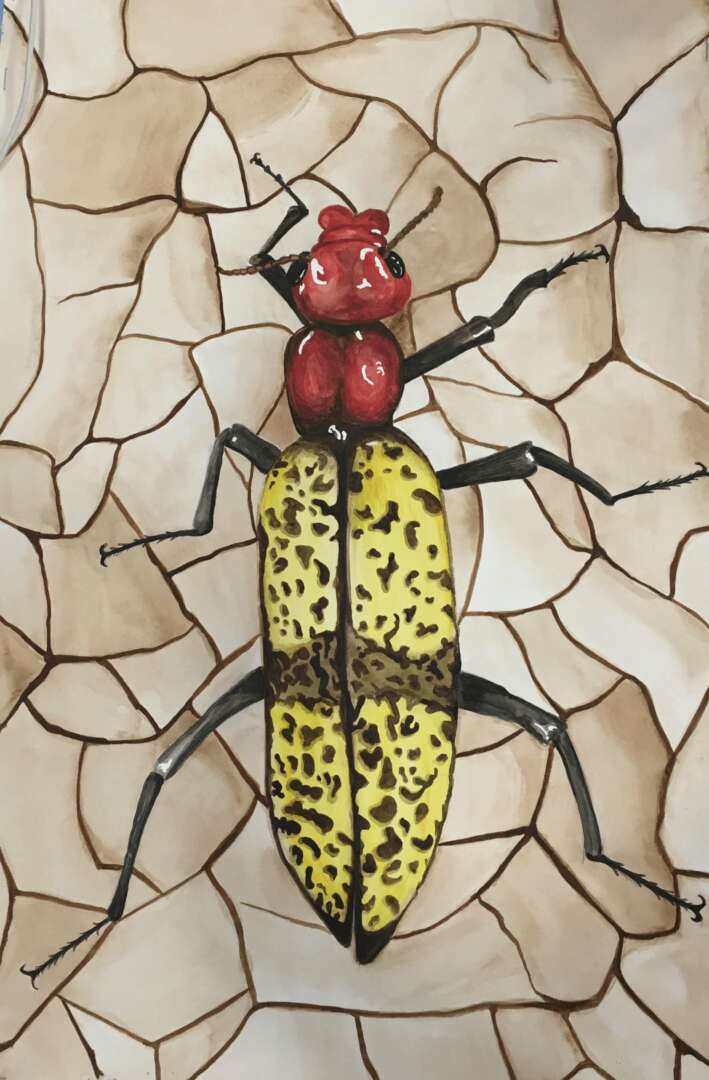
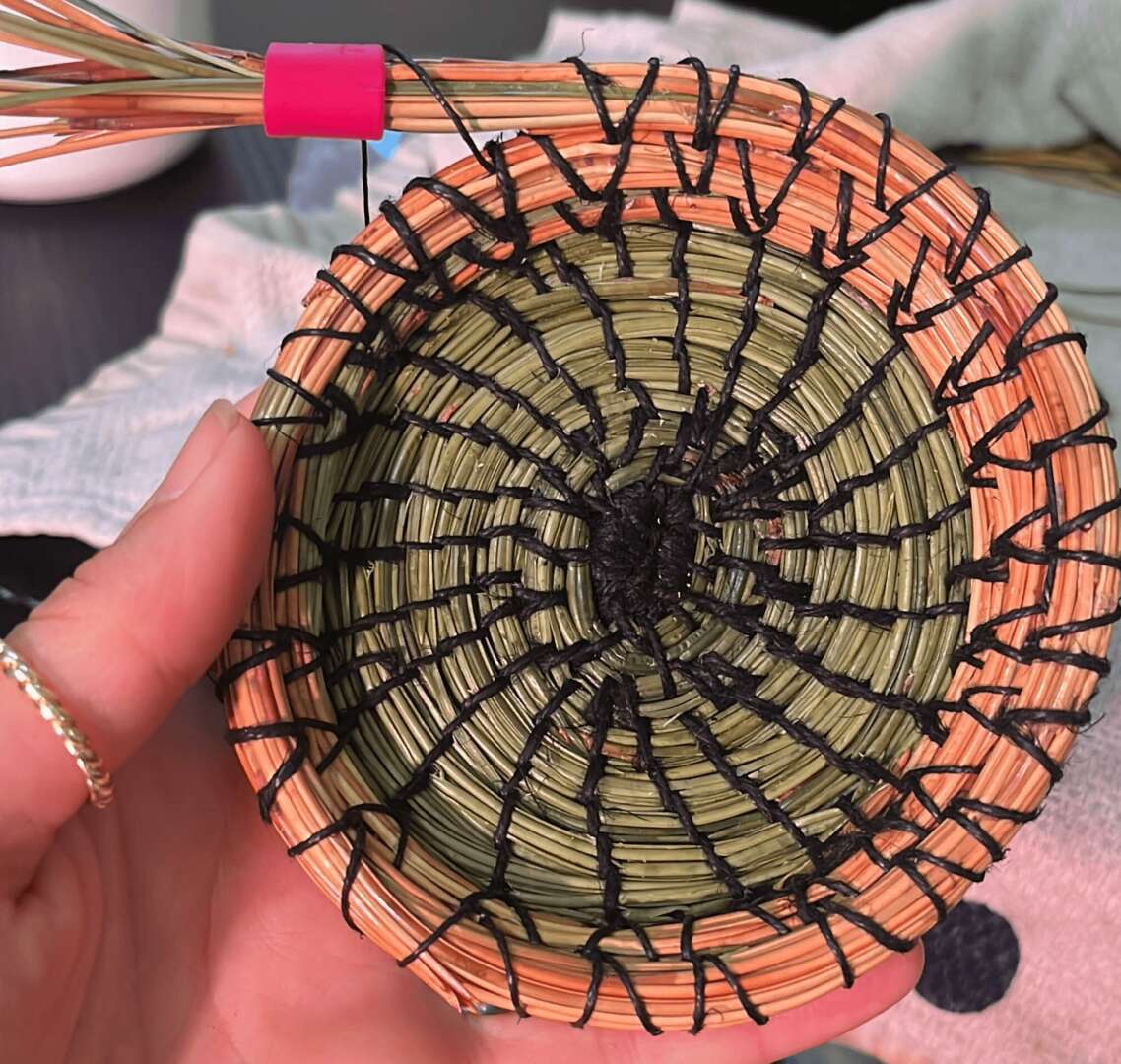
I am an elementary art teacher in Denver public schools and beginning my career as an artist who exhibits, sells, and commissions artworks. I went to MSU Denver which has an amazing program for ArtEd where you can graduate with a teaching certificate and a BFA. I have been experimenting in mixed media paintings for the last few years and my muse is natural science. I find insects particularly beautiful and love to depict them in my artworks. I also really enjoy fiber arts such as crocheting, knitting, macrame, and making pine needle baskets. I love to commission pet portraits and find new galleries, breweries, and shops to exhibit my artworks.
I am most proud of my ability to make time for my artistic career while teaching full time. I worked toward the goal of graduating for five years while paying my own way. When I graduated and started teaching it was like I finally reached the top of the mountain, but didn’t know which peak to look toward next. I realized 6 months teaching that my creative juices were being dried by my focus on my new career. I knew that if I didn’t refocus on my own art practice, I would soon burn out like so many teachers have been the last few years. One of my main supports in my new focus on my practice is my membership in the Chameleon Art Collective. We are a group of teaching artists who get together to support each other in our artistic endeavors, as well as teaching each other and creating collaborative artworks. I am learning and growing so much just by knowing this awesome group of artists.
What do you find most rewarding about being a creative?
The most rewarding aspect of being an artist is that I get to express my interests and share them with the world. This outlet helps me build community, as well as educate others through my artworks.
Being a lover of insects, especially spiders, I am often met with people saying how much they ‘hate’ the creatures I choose to paint or draw. When this happens, I get to engage in a meaningful conversation about where this dislike comes from and help create more understanding of a micro part of our world that is overlooked. Most often, people hate spiders because of fear, and we can usually combat this by learning more about that which we fear. If I can get one person or child to think twice before they kill a bug in their house or spray an insecticide around their home, I feel like my art has important purpose in the world.
What can society do to ensure an environment that’s helpful to artists and creatives?
The average person can support the creative ecosystem by simply buying art that they enjoy. Instead of looking online for a factory produced photo to fill a space in your wall, go to a gallery, art market, or online platform where real artists are getting the profits for their hard work.
As a teacher, I have to say that this needs to start with our public education system. Right now, public education discourages free thinking, creativity, and challenging the status quo and encourages following orders. If we are systematically erasing these traits from children starting at the age of 5, we cannot expect our creative culture to grow and change in a natural way.
To have a thriving creative ecosystem we need people, policy, and governing bodies to put money, time, and effort into supporting creative people from a young age. I know most young artists are told that they will never make enough money to live being an artist. I am told this whether I tell someone I am a teacher or an artist. If someone with a creative mind is told they will never have financial stability for following their creativity it becomes less and less likely they will pursue their passions. The creative economy is in a recession in our country and the best way to fix it is invest back into our young creative minds.
Contact Info:
- Website: https://chameleon-collective.com/home-2/the-artists/emily-hammack-2/
- Instagram: @hammack.emily