

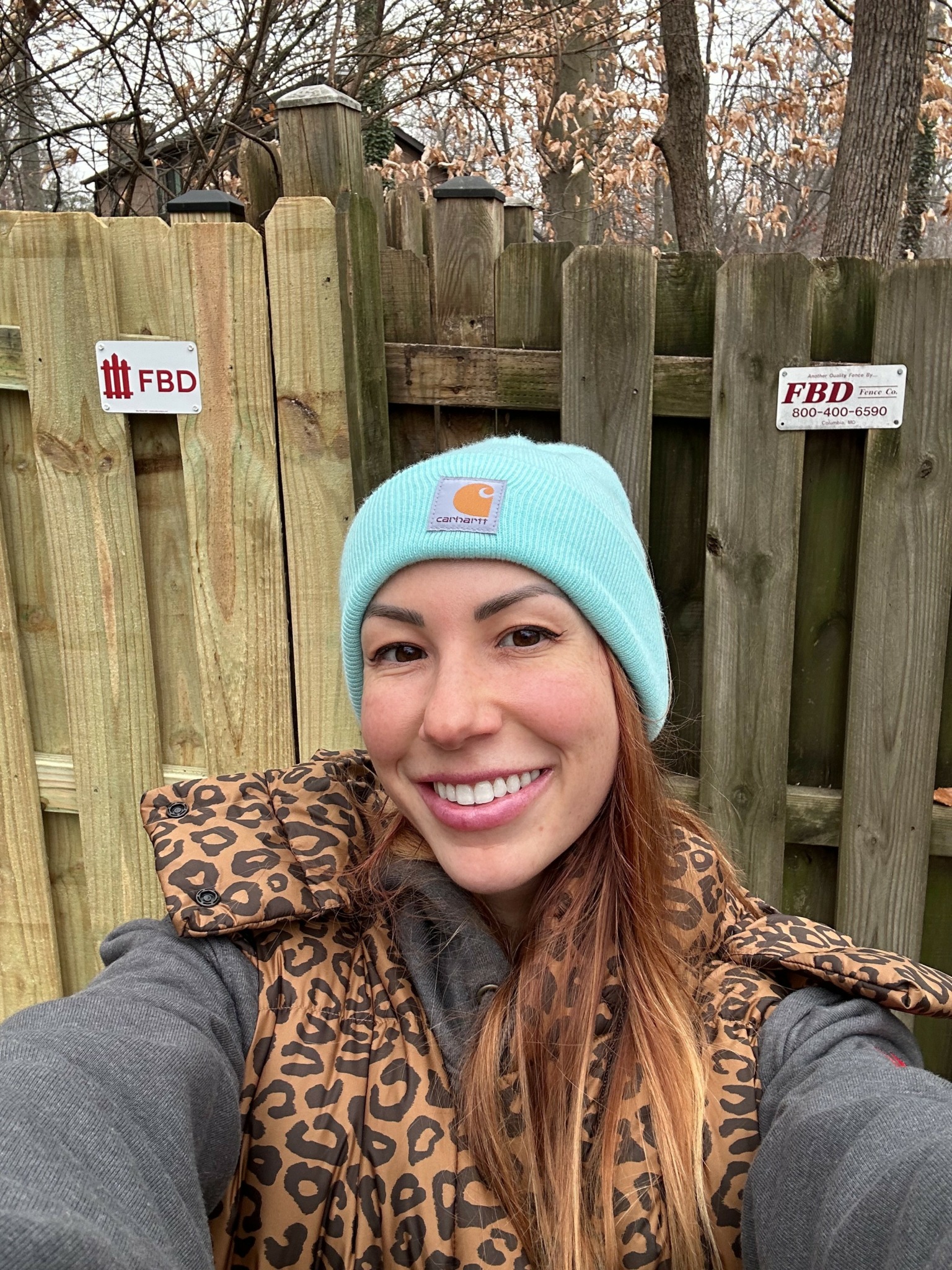

We were lucky to catch up with Emily Depasse recently and have shared our conversation below.
Alright, Emily thanks for taking the time to share your stories and insights with us today. Can you talk to us about a risk you’ve taken – walk us through the story?
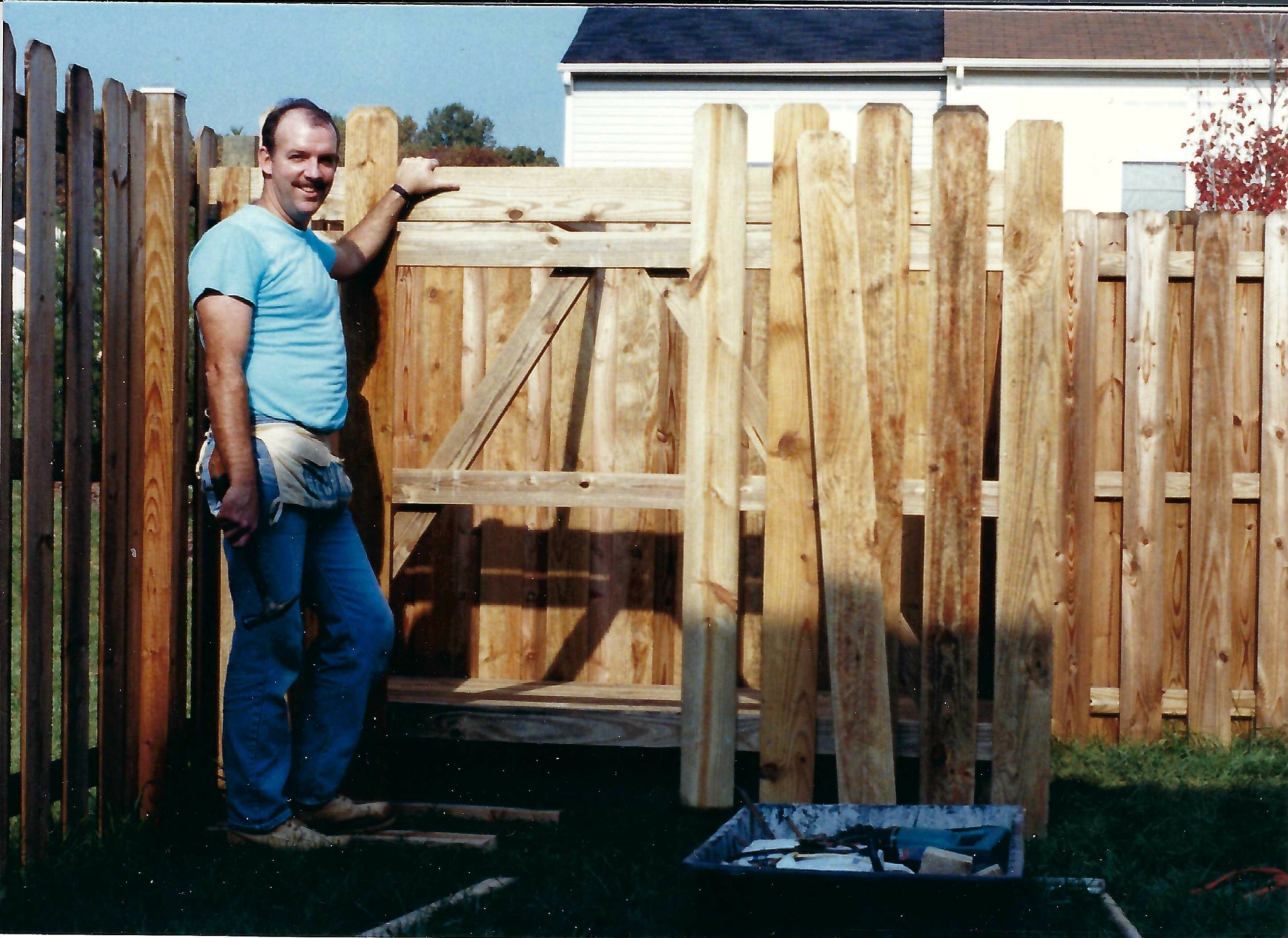
The biggest risk I’ve taken is stepping into my dad’s shoes and running his fence company after he died in its 40th year. Fences By Doug (FBD), which is now under my leadership, was my dad’s company. He formally started it in 1986 after his father passed away when he was 32. In a twist of intergenerational patterns, I took over FBD at 32 years old after my dad passed away suddenly.
Last year, my dad was diagnosed with stage IV cholangiocarcinoma, a rare cancer of the bile ducts. We had no idea he was ill. In the 16 days he was in the hospital before he passed, there came a moment when it wasn’t about planning for my dad to come home; it was about how to establish and honor the legacy he would leave behind.
When I made the decision to continue FBD into its 40th year, I was unemployed. I had been laid off from my corporate job in legal and compliance the year prior. So when my dad became ill, I had no salary to walk away from, no obligations outside of being at his side when he needed me most. In some ways, the timing was the only thing that made this transition possible.
In less than a week, we had conversations with lawyers and accountants about how to accommodate the transition, all while I sat with my dad at his hospital bedside absorbing everything I could from him, and slowly grieving him. He showed me how to pay the guys and calculate their wages for each job. I remember him looking at me when I said simply, “I’ll run it.” True to his blunt form, he said, “You’re going to make mistakes.”
Not only was I taking over my dad’s established small business, it meant taking a risk on myself, and trusting that our crews would learn to trust me, too. Not only as a new owner, but as a woman in a male-dominated industry.
Within a month of my dad’s passing, I formalized the new business structure, studied for and passed my MHIC exam, and started planning for FBD’s future. After closing the jobs my dad had contracted, we paused for the summer. We were back up and running by September.
My dad’s business was well-known in our community. He was known for quality craftsmanship at an honest and reasonable price. When I stepped into his shoes, I quickly realized the glue of FBD’s success wasn’t just the fences he built, but the relationships he made along the way. Vendors who had known him for decades, crew members who had worked alongside him for thirty years. People who picked up the phone because it was “Doug the fence guy” calling. I inherited those relationships, and the responsibility that comes with recognizing their importance.
That reputation is a significant one to step into, though in some ways, I’d been stepping toward it my whole life. I grew up around this business, I even helped usher FBD into the digital era with its website and social media presence. My career took me through legal compliance and sexual health and mental health education, but the skills translate. Knowing how to hold a difficult conversation, how to make someone feel heard, how to make a decision under pressure, and planning for things to go wrong while hoping they never do.
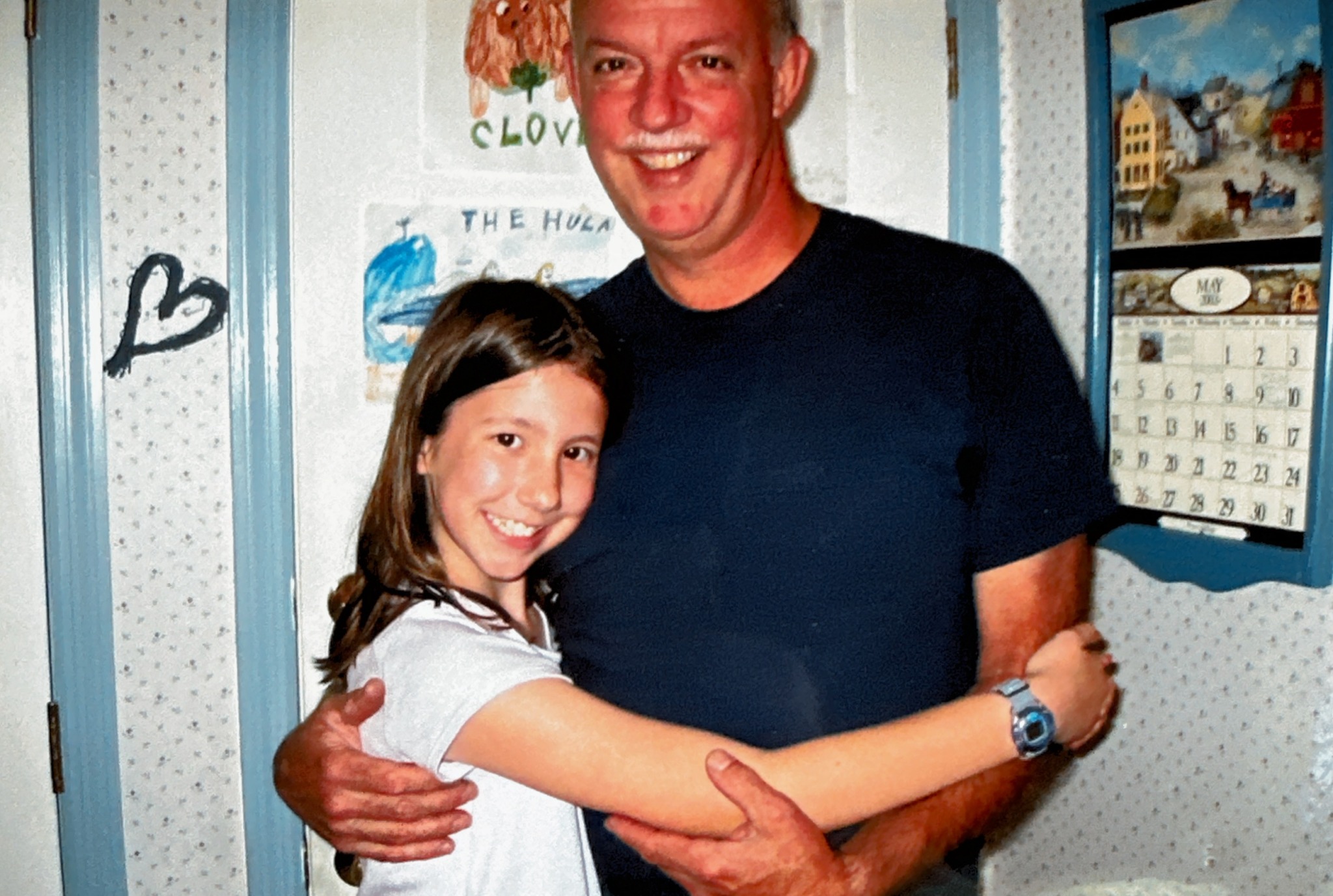
May will mark one year since my dad’s passing, and I think he would be proud of how much has been accomplished in such a short time without him. He was right that there would be mistakes. There always will be, no matter the profession or the circumstances. But when I drive past one of those small red and white FBD signs on a fence my dad built (and there are more of them than I ever noticed before) I feel him. Taking this on has been the hardest thing I’ve ever done, but it’s been an unspoken privilege to learn my dad in an unexpected way.
Emily, before we move on to more of these sorts of questions, can you take some time to bring our readers up to speed on you and what you do?
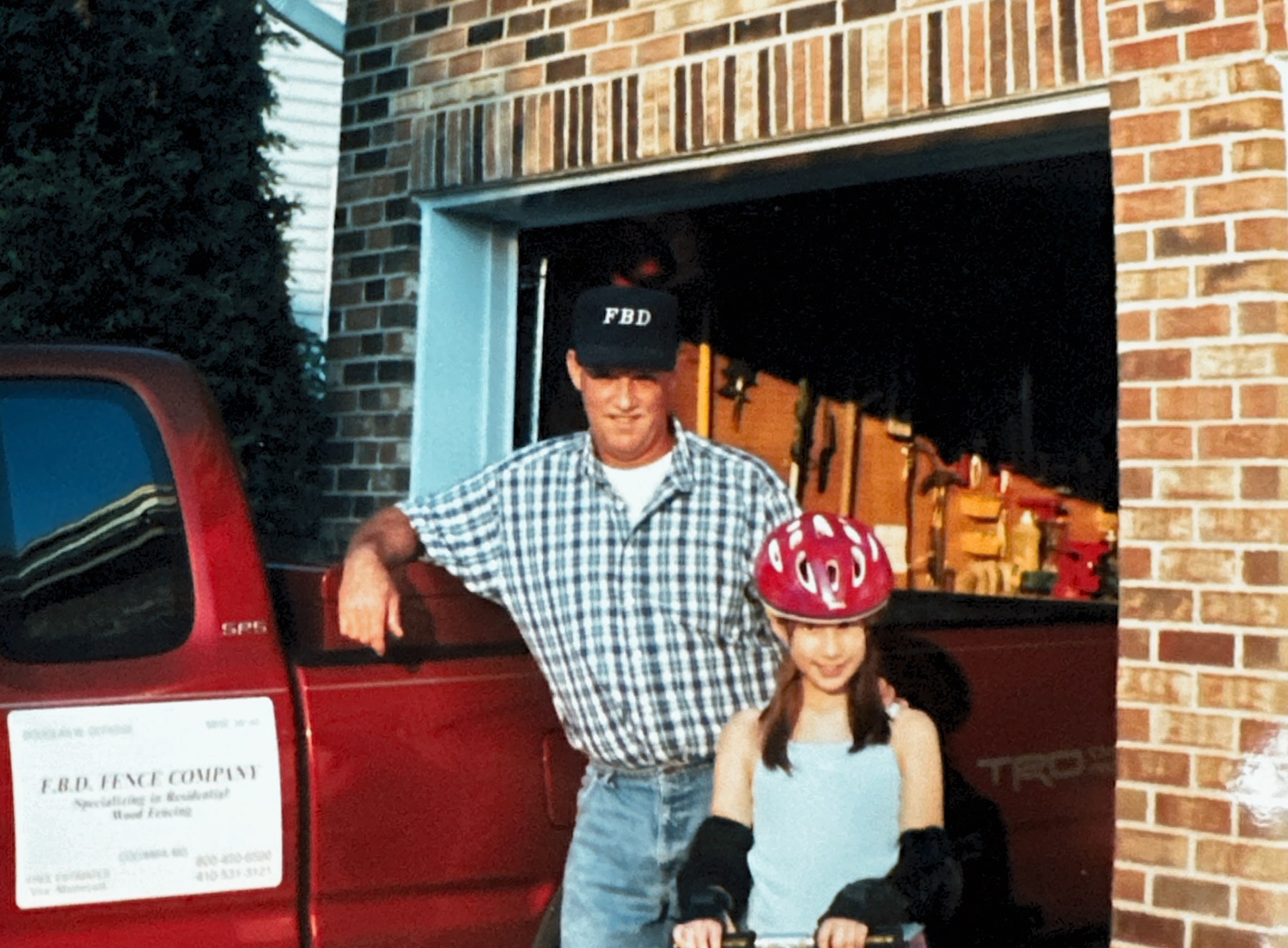
I am a small, residential construction business owner with a background in legal and compliance and graduate education in social work and human sexuality education (which is not the typical path to running a fence company). I grew up watching my dad do exactly that. He worked full-time in government contracts while simultaneously running Fences By Doug (FBD), and every afternoon he would come home and change out of his corporate clothes and into his jeans and a pocket t-shirt. That image never left me, and I still smell the sawdust sometimes if I close my eyes long enough. I’ve always had a strong work ethic because of him, and an entrepreneurial spirit that I think was quietly being shaped all those years.
FBD offers residential wood fencing in Howard County, Maryland. We have been building quality fences for 40 years, and our work speaks for itself. Locals will recognize our small red and white signs on fences throughout this community. What sets us apart is simple, when you work with FBD, you work with me, the owner, every step of the way. From your estimate to your installation, there are no sales reps, no commission-driven upsells, no middleman. Just someone who genuinely wants to understand what you need, and will tell you honestly if you don’t need a new fence at all. Just like my dad.
I want to meet your pets and your kids. I want to understand how you use your yard and what matters to your family.
I am most proud of my resilience, my adaptability, and my determination to build something that lasts. The most common compliment I receive these days, from customers and vendors alike, is about my toughness. I’ll take it. Running a business ethically doesn’t mean negating profit, but at the end of the day, I care more about doing right by you than making a sale.
One thing I always want potential customers to know is that I am one person. I work hard to be prompt and responsive, and in peak season I ask for your patience in return. What you will always get from me is honesty, care, and a fence built to last.
We’d love to hear a story of resilience from your journey.
FBD’s entire origin story is one of resilience. From my dad starting this company after his father died, to me taking over after my dad died. But resilience isn’t just in the big moments, it shows up in the small ones too.
Earlier this year, I learned that a 30-year FBD customer had chosen another company for his next fence. My dad had built two fences for this man. When I found out, I did something that felt uncomfortable but necessary. I asked him why. I told him that FBD deeply values long-term relationships and wanted to understand.
What I got back was a series of run-on sentences, searching for a reason that wasn’t “you’re not Doug” or “you’re a woman.” There was a suggestion to bring a laptop to estimates, delivered with the authority of someone who had “been a business owner for many years.” I doubt he would have offered my dad the same unsolicited advice.
I sat with it, and honestly, I was angry. Because when I really examined the feedback, the only difference between me and my dad was me. Same crews. Same quality. Same commitment to the work. Being a woman in this field, you come to recognize when sexism is present. But addressing it becomes an issue you can’t bring up, because the moment you do, you’ve lost the room.
There was commentary about speed, about how quickly a quote gets turned around. And I understand that. This generation, myself included, is wired for haste. I’ve actually improved our quote turnaround speed since my dad’s time. But faster isn’t always better when it comes to an estimate, especially when I’m the only one writing them. That’s when mistakes get made. Where speed actually matters is in communication — responding promptly, keeping customers informed, making people feel like they’re not waiting in the dark. The quote itself deserves care.
I took what was useful and moved on. Not every customer who loved my dad will choose me, and I’ve made peace with that. What I won’t do is rush my process to win someone over who was never really evaluating the work to begin with.
Do you have any insights you can share related to maintaining high team morale?
My approach to leadership is collaborative. I don’t have all the answers, and I’ve never pretended to. Everyone on my team has a specific skillset and expertise that I trust completely. Micromanagement is where I see teams fail, and I’ve never been interested in it. I’ve experienced that earlier in my career during a leadership transition and know how delicate these moments are and how much damage they can do.
But more than philosophy, I think respect is earned through action. I inherited a team that had worked alongside my dad for decades. John, my foreman, has been with FBD for over 30 years. These are not people who were going to hand me their trust because I signed the paperwork. I had to show up and prove it.
So I did. I’ve carried wood on job sites. I’ve taken out the trash. Not as a gesture, but because I never want to ask someone to do something I wouldn’t do myself. I think the crews have noticed, and I think it mattered.
I also try to create an environment where people feel comfortable coming to me with questions or feedback. I want everyone on this team to feel ownership over the work because at the end of the day, every fence we build carries my dad’s legacy. That means something to me, and I believe it means something to them too.
Greed is the other place I see teams fall apart. When people feel taken care of, they take care of the work–and that includes everyone, even those with roles that might seem small. Every part of this operation matters.
Contact Info:
- Website: https://www.fbdfence.com
- Instagram: https://www.instagram.com/fbdfence
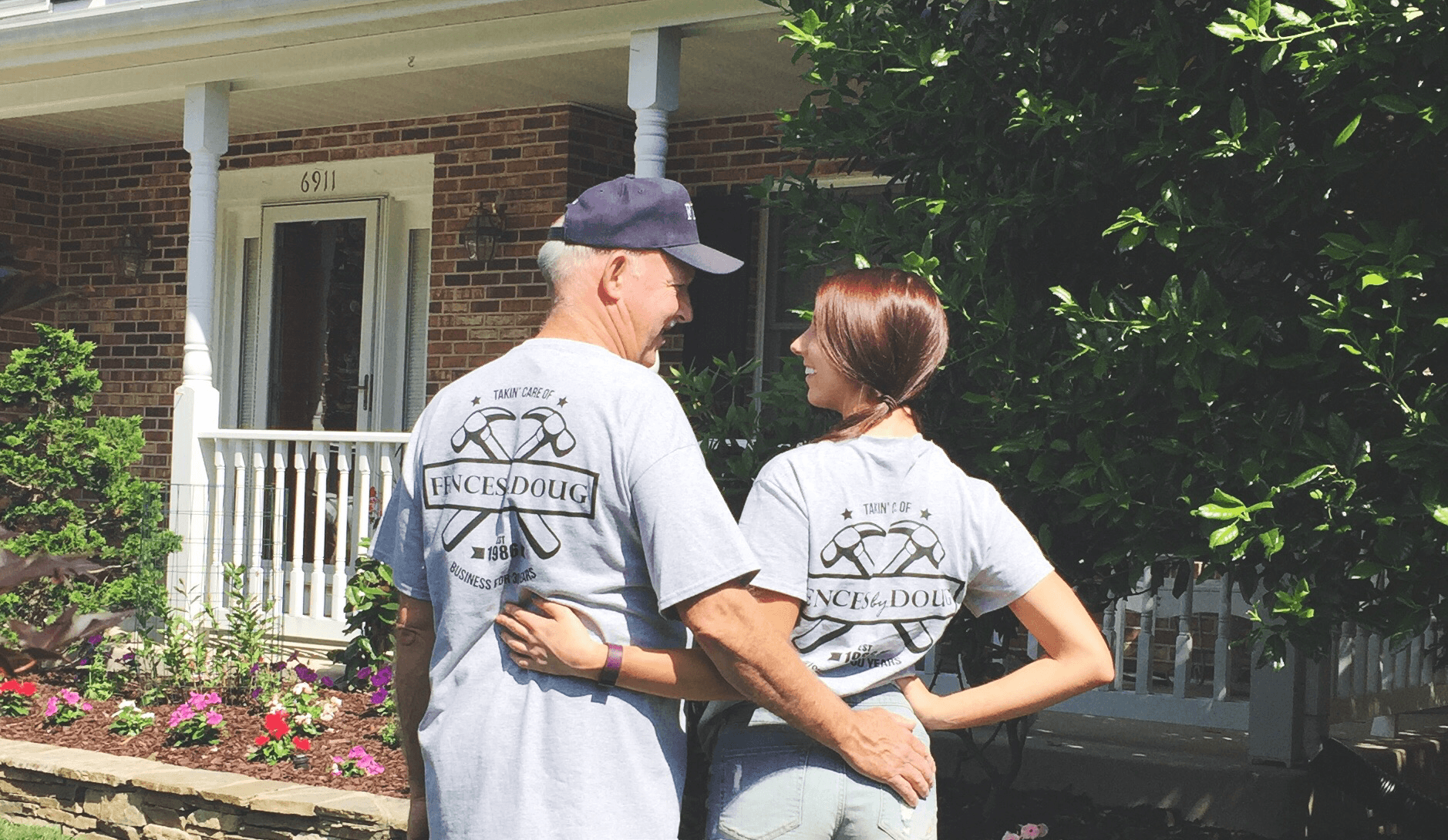
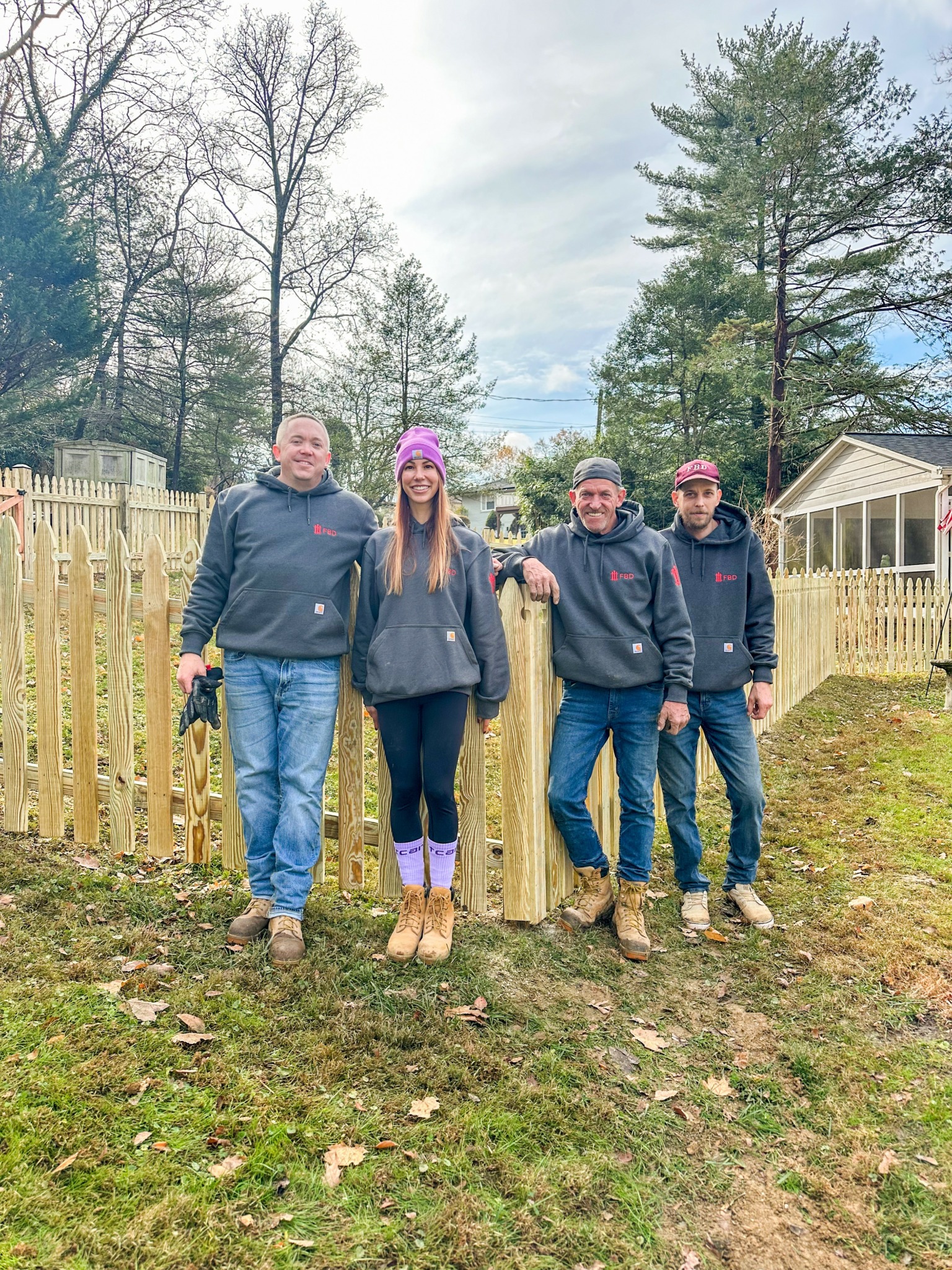
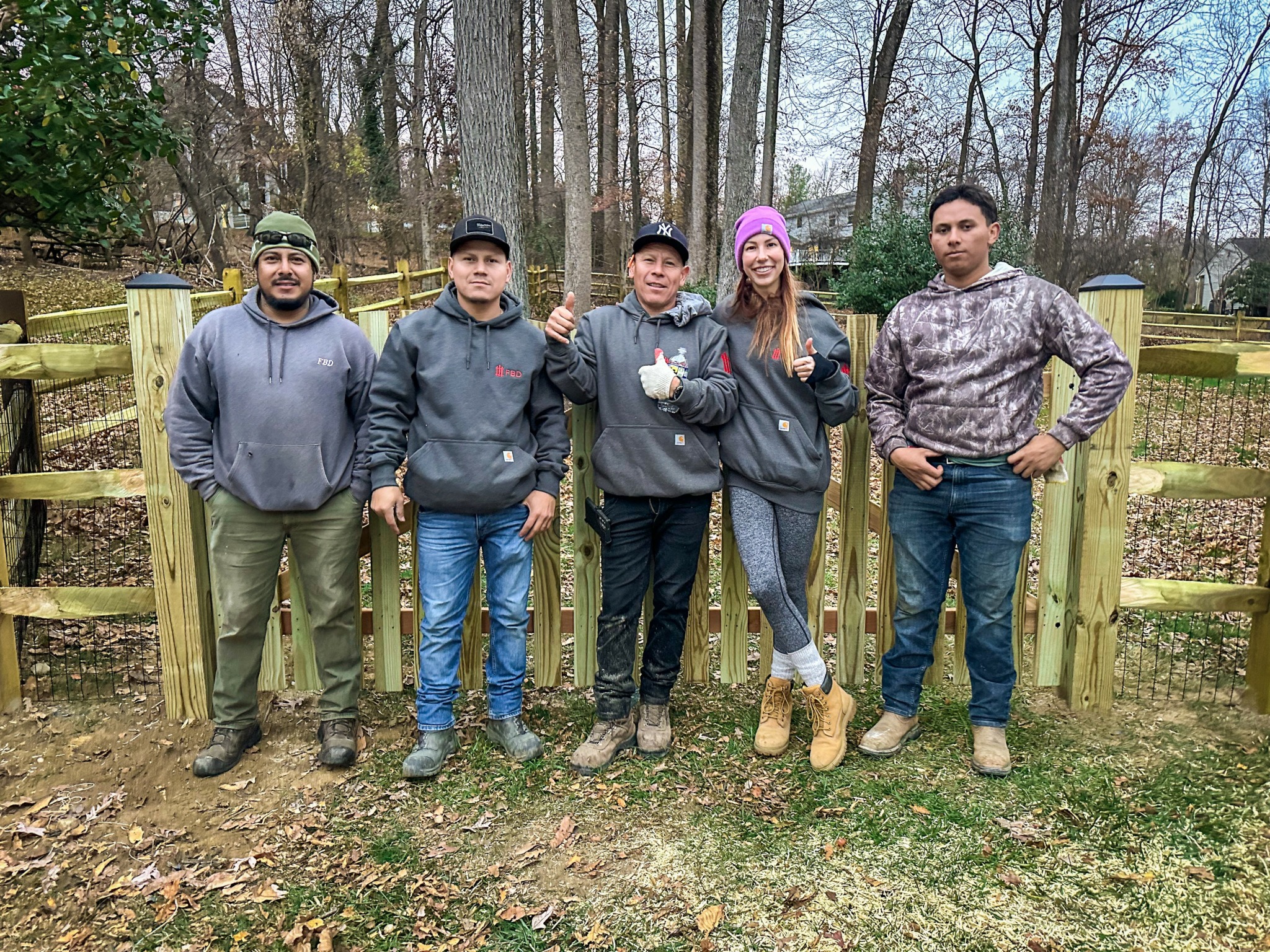
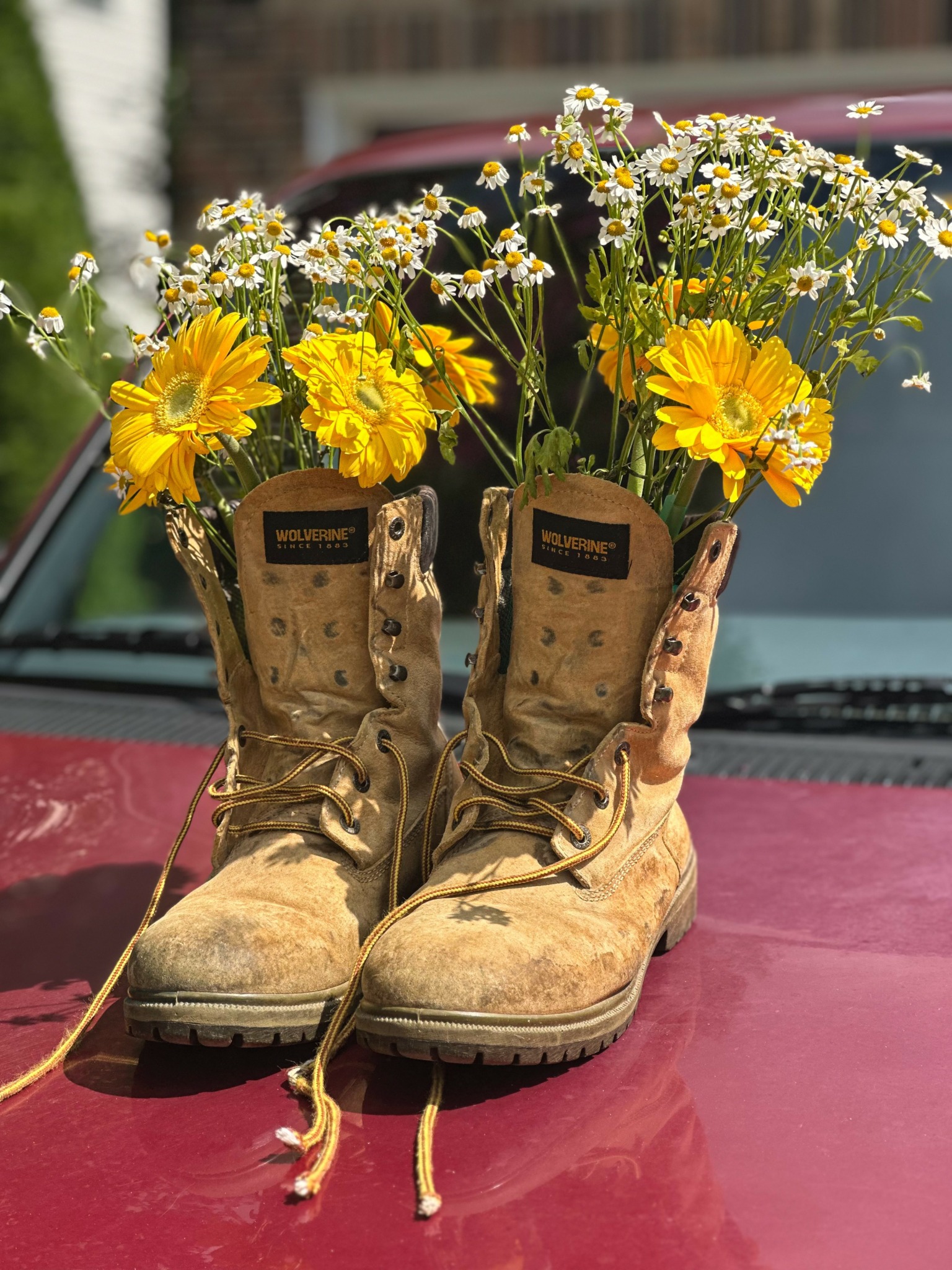
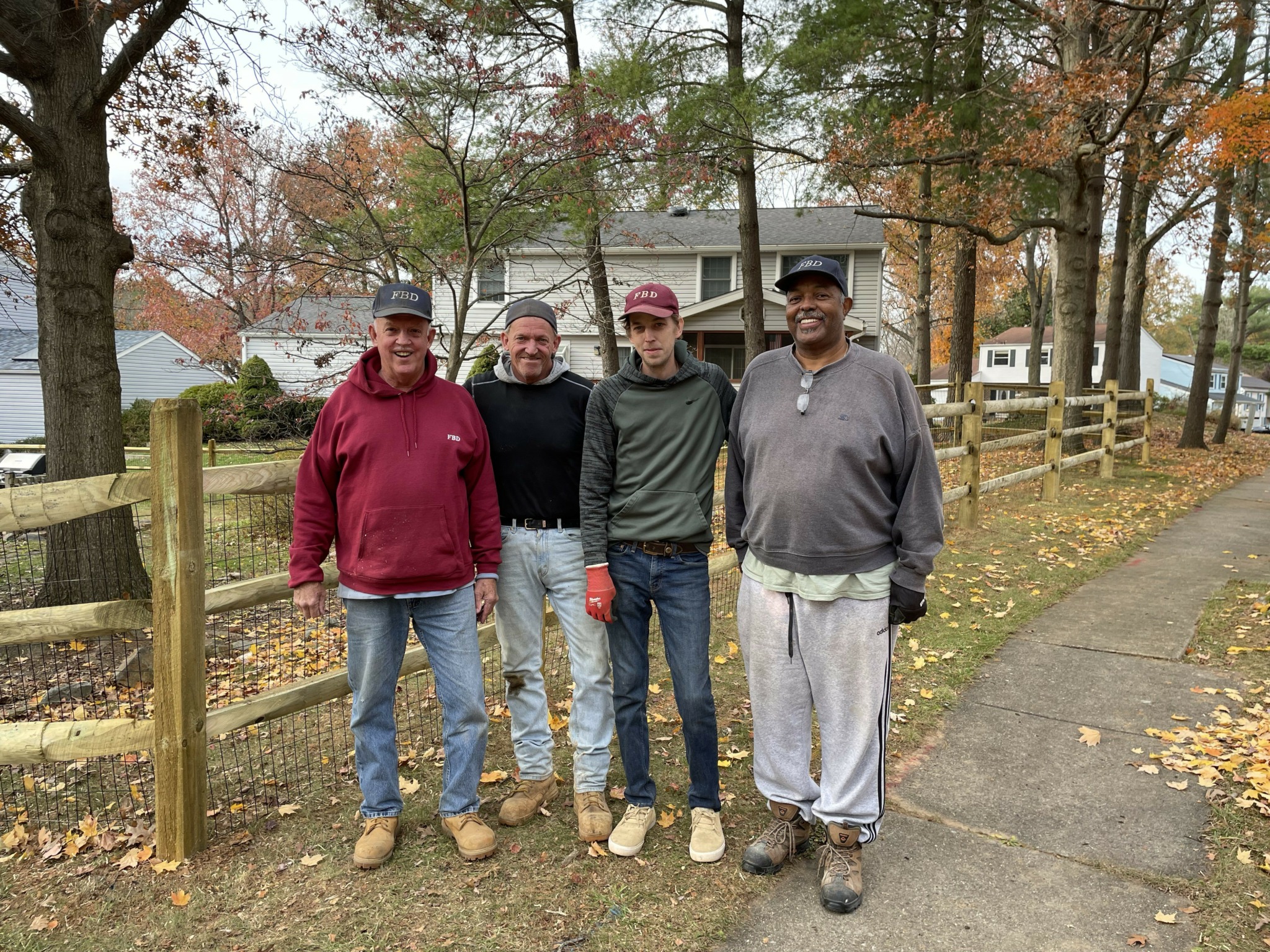
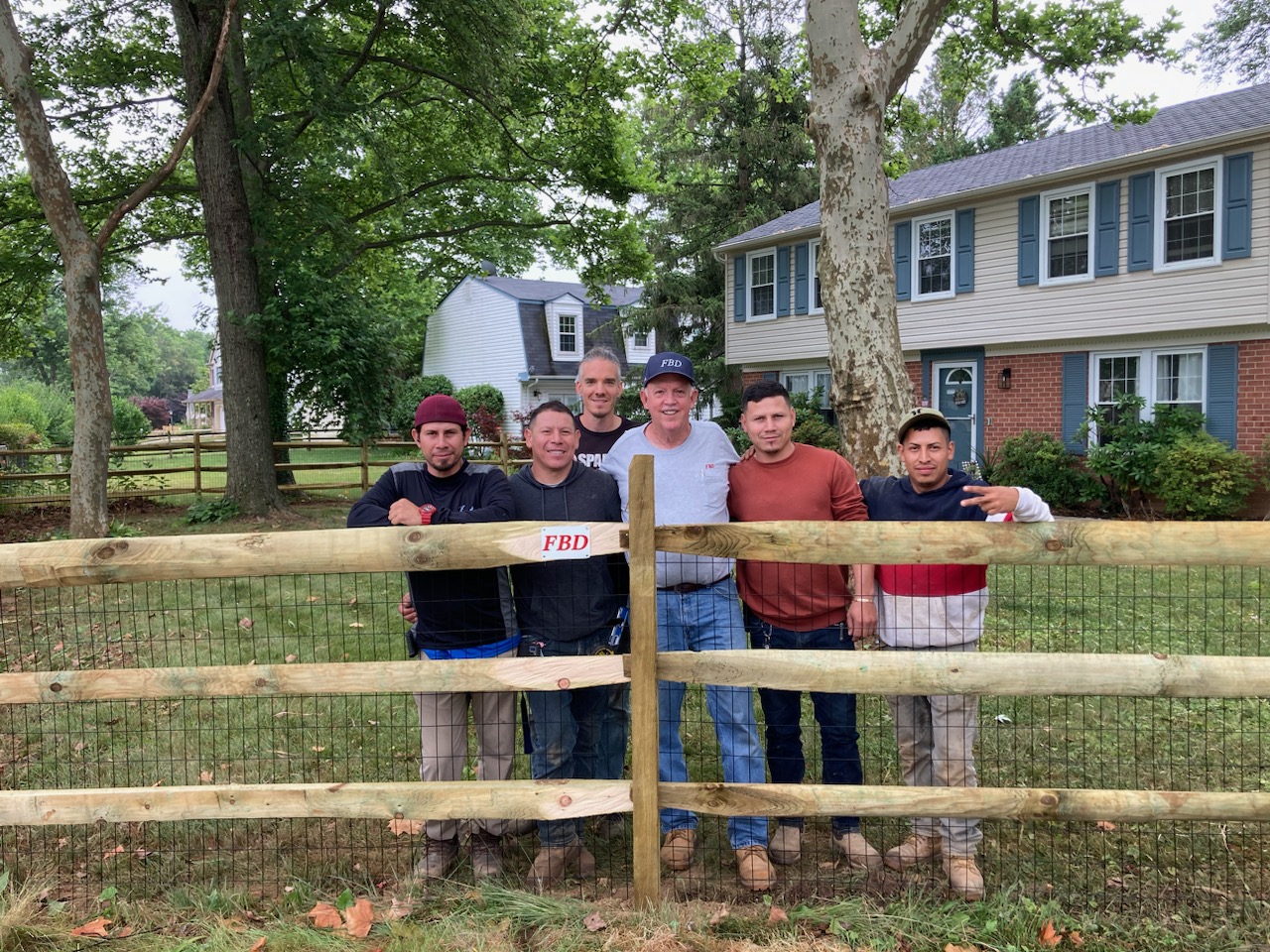
Image Credits
I am the owner of the photographs.