

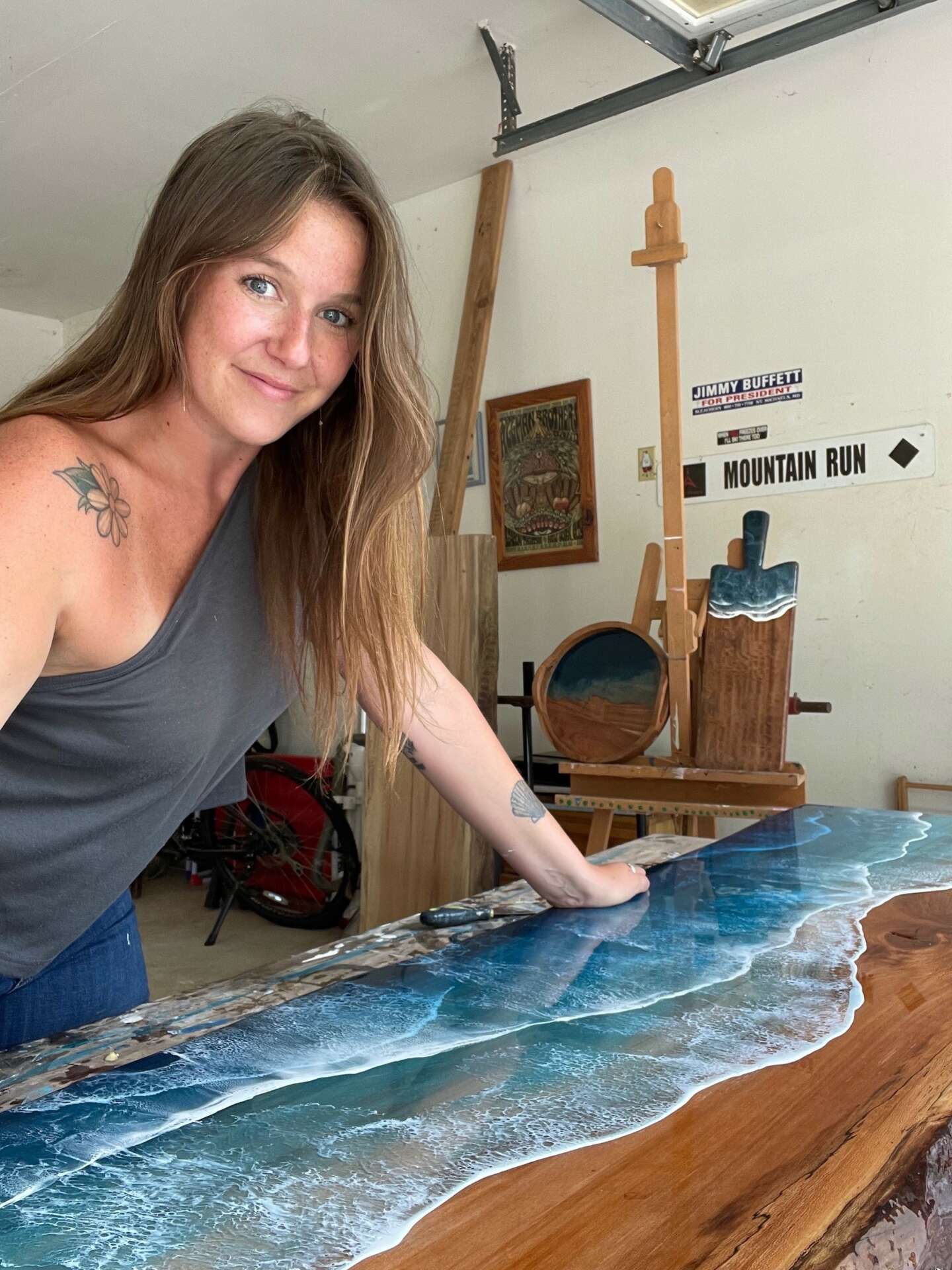

We caught up with the brilliant and insightful Emily Arenberg a few weeks ago and have shared our conversation below.
Emily, appreciate you joining us today. Earning a full time living from one’s creative career can be incredibly difficult. Have you been able to do so and if so, can you share some of the key parts of your journey and any important advice or lessons that might help creatives who haven’t been able to yet?
I have been able to earn a full-time living from my creative work, but it was not an overnight success. It took me several years to reach the point where I could call myself a full-time artist. Before making this transition, I held nearly 20 different service industry jobs as I searched for my true calling. I explored various roles, including waitressing, although I wasn’t particularly skilled in that area, which led to frequent job changes.
During this time, I dedicated myself to my art, painting before or after my shifts, and started sharing my work on social media. Gradually, I began to build a following, and I continue to do so to this day. While establishing an online presence is crucial, I discovered that my career truly flourished when I took the initiative to participate in different art events and craft shows. Interacting with people face-to-face and allowing them to connect with the artist behind the art really makes all the difference in building a loyal community.
Reflecting on my journey, I sometimes wish I had pursued in-person events earlier, as I believe it could have expedited my progress. However, I firmly believe that everything happens in perfect timing, and I am grateful for the path I’ve taken to get to where I am now.
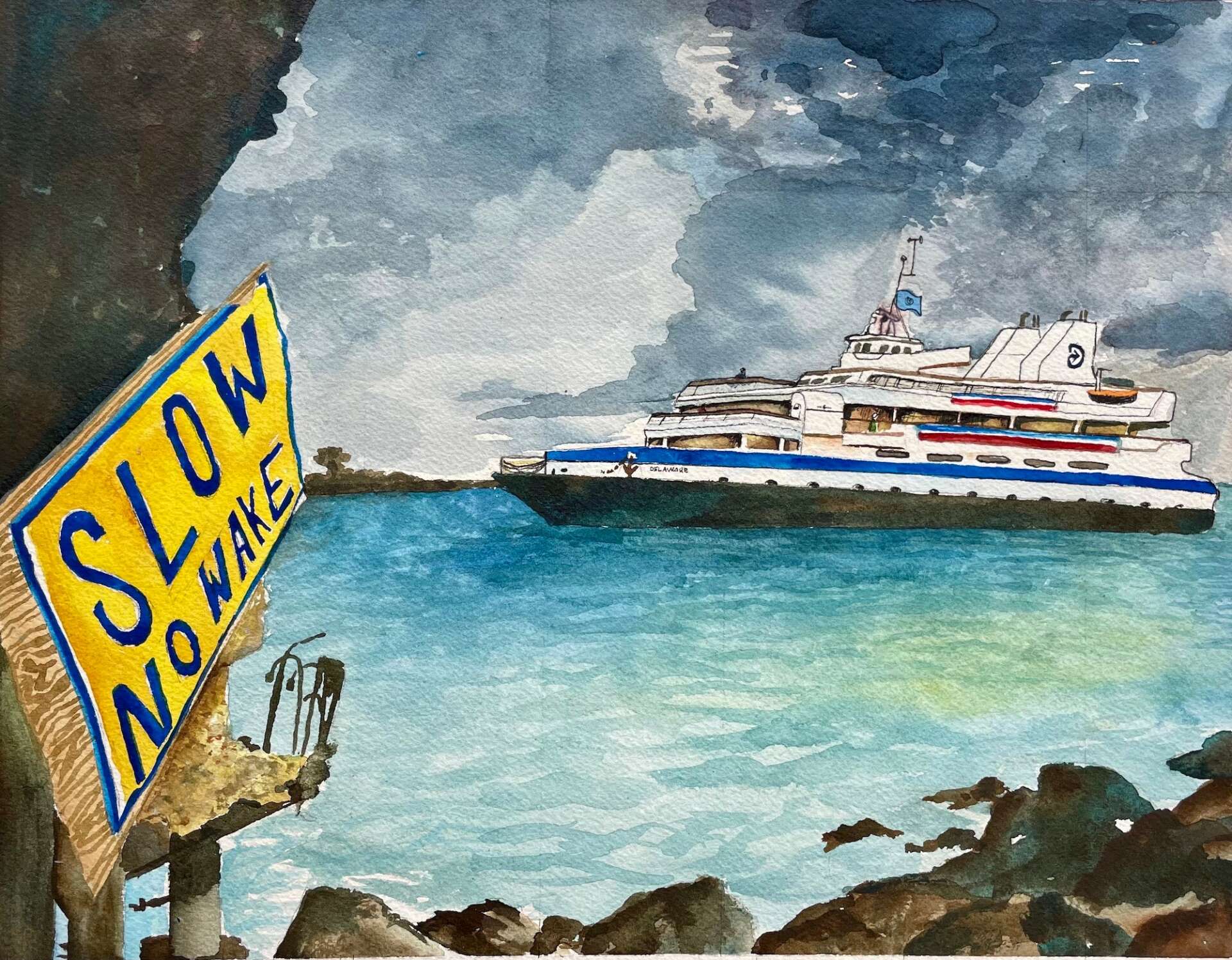
Awesome – so before we get into the rest of our questions, can you briefly introduce yourself to our readers.
Absolutely! Let me share my story with you. From a young age, I had a passion for art and always knew I wanted to pursue it as a career. Growing up, I was fortunate to have artistic influences within my family, with one aunt being an artist and another aunt and uncle owning an art gallery. However, I hesitated to fully dive into art and lacked the confidence to believe I could make a living from it.
During my college years, I switched my major three times, from education to art history, then finally to fine art when I finally allowed myself to jump all in. I had a professor warn us in one of our earlier classes that choosing art as a major is one of the hardest majors a student can choose. She told us how art requires a level of dedication beyond what most fields demand. Choosing art as a major means committing your entire life to it in order to succeed. There’s no conventional schedule, no 40-hour work weeks, or a boss telling you what to do to secure an end-of-year bonus. That lecture I heard at 20 years old has stayed with me, reminding me of the dedication and sacrifices required.
Embarking on this artistic journey can be nerve-wracking. Spending hours on a piece that may not yield immediate profit can be challenging. However, I’ve found that consistency is key. Balancing my painting practice, seeking inspiration, and maintaining a niche while offering variety have been vital for my progress. As an artist, you have to advocate for yourself because no one else will. However, it’s crucial to prioritize your mental health and maintain a genuine love and passion for your craft.
Transitioning from part-time to full-time in my art career meant more painting, handling emails, paperwork, and all the responsibilities that come with running a business. Yet, it’s crucial to prevent burnout from overshadowing the joy of creating. I make sure to take walks, play with my dog, spend time with loved ones, visit the beach, or enjoy moments with my boyfriend at the dock where he keeps his fishing boat. These activities not only provide inspiration but also serve as a reminder that creativity never stops—it’s a constant flow.
Being a creative professional means deviating from the typical 9-5 routine, which is both demanding and beautiful. Staying organized and on track can be challenging, but establishing a routine over time is important. Personally, I rely on a daily planner to jot down weekly tasks with a specific intention for each week. I aim to tackle five tasks per day and if I have the capacity to do more, I take on additional tasks. If not, I remind myself not to be too hard on myself and save them for tomorrow. Over the years, I’ve learned that having grace and compassion for myself goes a long way.
It’s difficult to pinpoint one specific achievement that makes me most proud as an artist. If I had to choose, it would be my journey itself. Looking back just five years ago, I was living in California, waiting tables, feeling like my dream of becoming an artist was slipping away. I felt like I wasn’t making any progress with my art degree, aside from sharing some paintings on Instagram, which sometimes left me feeling discouraged. However, when I reflect on the opportunities I’ve had since then and the wonderful people I’ve met along the way, I am filled with pride. I’ve showcased my artwork in various states, made my first international sale, formed friendships with clients, and expanded my artistic style.
From solely painting, I have ventured into creating custom tables and bar tops for private homes and businesses. Additionally, I have recently started painting custom designs on Swordfish bills, which has been an incredibly unique canvas to work on. Witnessing my brand organically evolve into what it is today, and knowing that my journey involved overcoming feelings of hopelessness and uncertainty in my 20s, fills me with pride. It takes time, passion, love for what you do, and confidence to reach your desired level of success. While I’m not yet where I want to be in my career, I am grateful to be fully immersed in the process and enjoy every step of the journey.
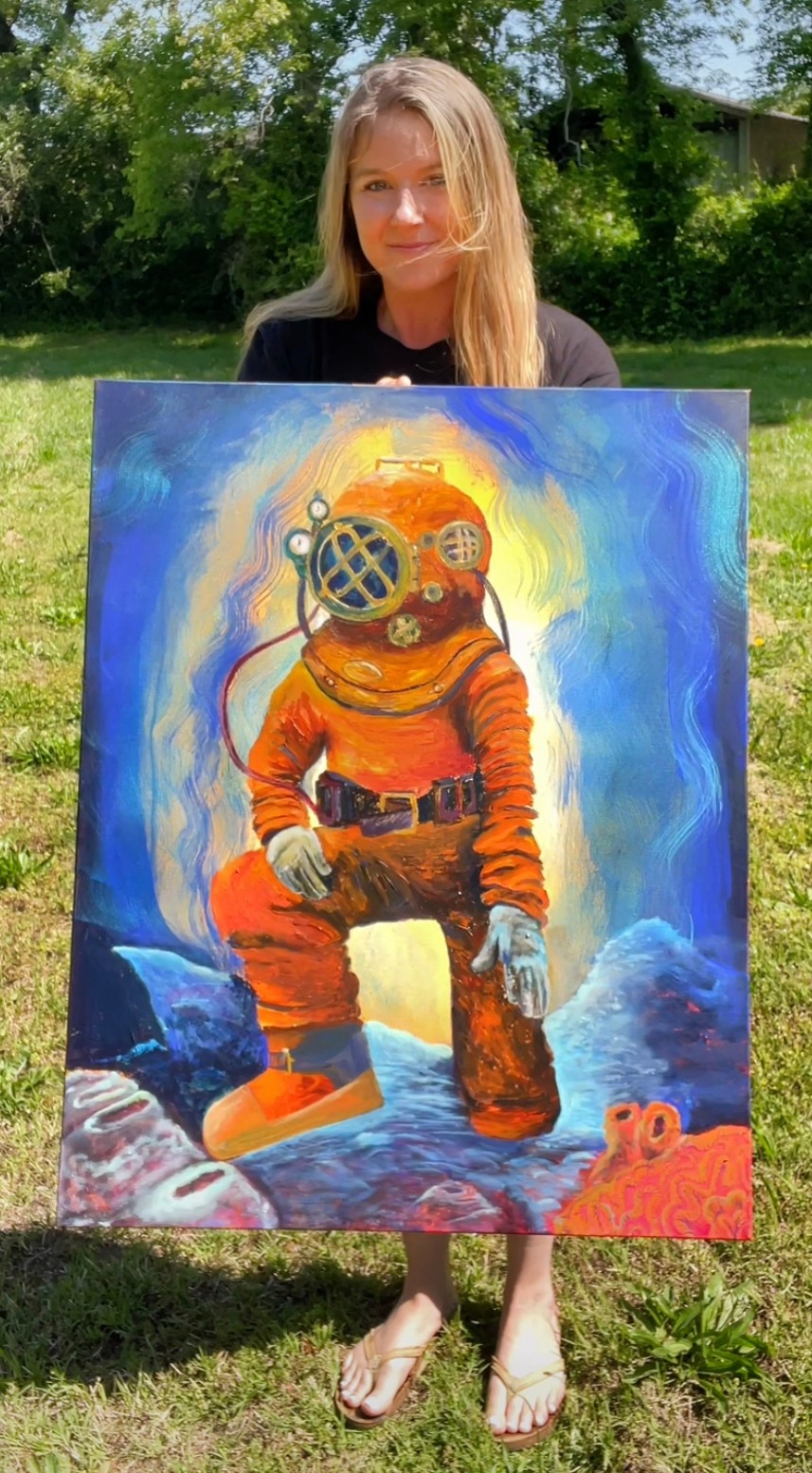
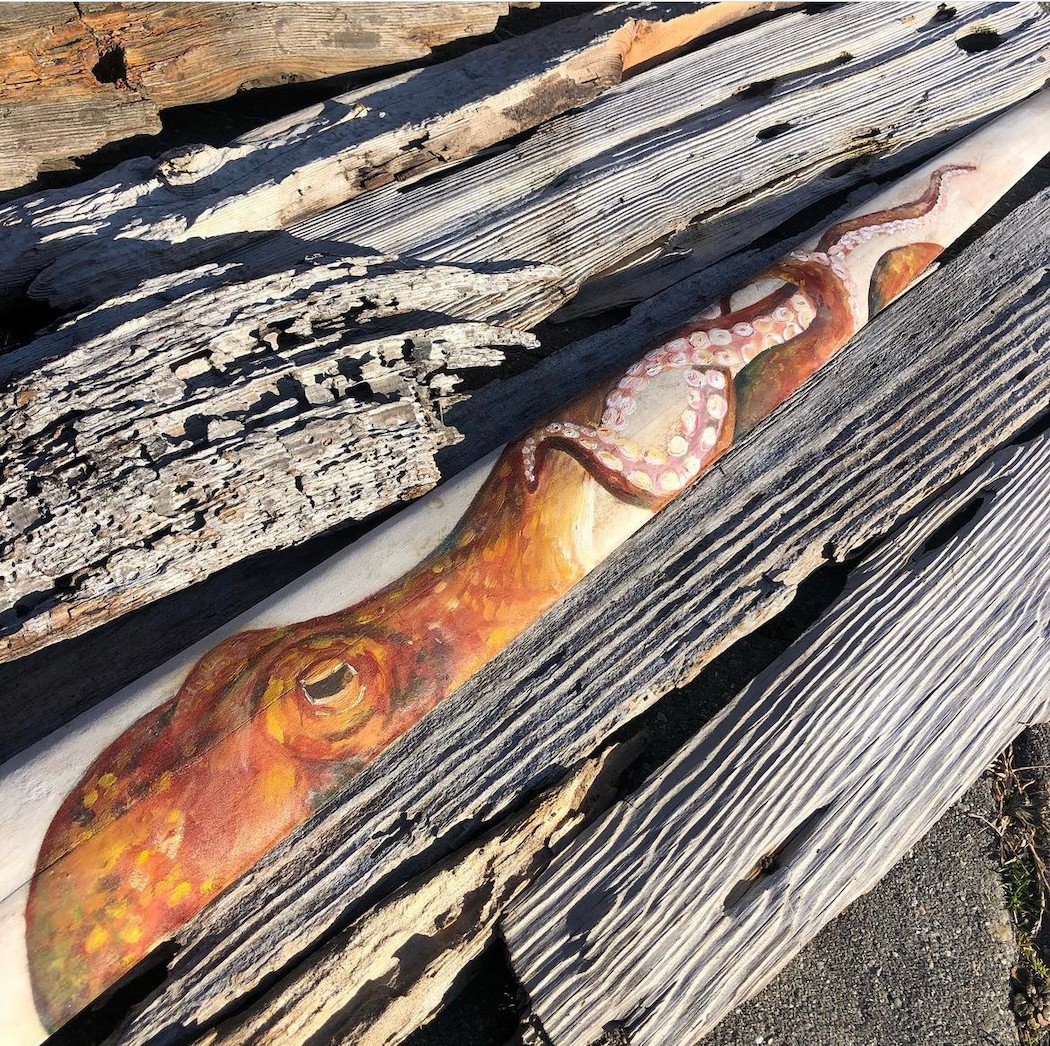
Are there any books, videos or other content that you feel have meaningfully impacted your thinking?
“The Artist’s Way” by Julia Cameron holds a special place in my heart. My mom gifted it to me before I moved to California in my twenties. It’s a super helpful tool for artist that serves as a guide to unlocking and nurturing your creativity. There’s a weekly guide that offers prompts and exercises that help you overcome creative blocks, develop self-confidence, and cultivate a more fulfilling creative practice.
I often go back and re read this book when I’m feeling stuck or in a creative slump. I highly recommend The Artist’s Way to creatives at all levels since it’s such a great tool for self-reflection and challenging limiting beliefs which is something we sometimes all struggle with.
Do you think there is something that non-creatives might struggle to understand about your journey as a creative? Maybe you can shed some light?
Sure! There are a few things that non-creatives might have a hard time understanding about the journey. First off, there’s this constant flow of inspiration and creation that drives us. It’s not like we can schedule a certain time for creativity to strike then bam, a masterpiece is born. It hits us at the most unexpected moments, and we find ourselves captivated by the beauty and potential in the simplest things.
Another thing that might be tricky for non-creatives to grasp is the emotional investment we have in our work. Every piece we create is an extension of ourselves, carrying a piece of our heart and soul. It’s a super vulnerable process, where we put ourselves out there and express our innermost thoughts and feelings. That emotional connection can be hard for others to truly understand since they often view our work from an external standpoint.
On top of that, the non-linear nature of a creative career can be a real head-scratcher for non-creatives. Unlike traditional jobs with clear paths to success, we creatives often find ourselves navigating a winding and unpredictable road. Our definition of success might not align with a steady paycheck or a conventional career trajectory. Instead, it comes in the form of personal growth, shows in a new venue, or the connections we make with people who appreciate and resonate with our work.
So, it’s important for non-creatives to realize that creativity is more than just a hobby or a little indulgence. It’s a vital part of our identity that brings purpose and meaning to our lives. By appreciating and supporting the creative journey, non-creatives can gain insight into the passion, dedication, and resilience it takes to pursue a life driven by artistic expression. Who knows, maybe it’ll even inspire them to tap into their own creativity and discover the joy and fulfillment it can bring.
Contact Info:
- Website: www.emilyarenbergart.com
- Instagram: @em_a_art
- Facebook: Facebook.com/CapeMayResin
- Other: Tiktok: @em_a_art
Image Credits
None