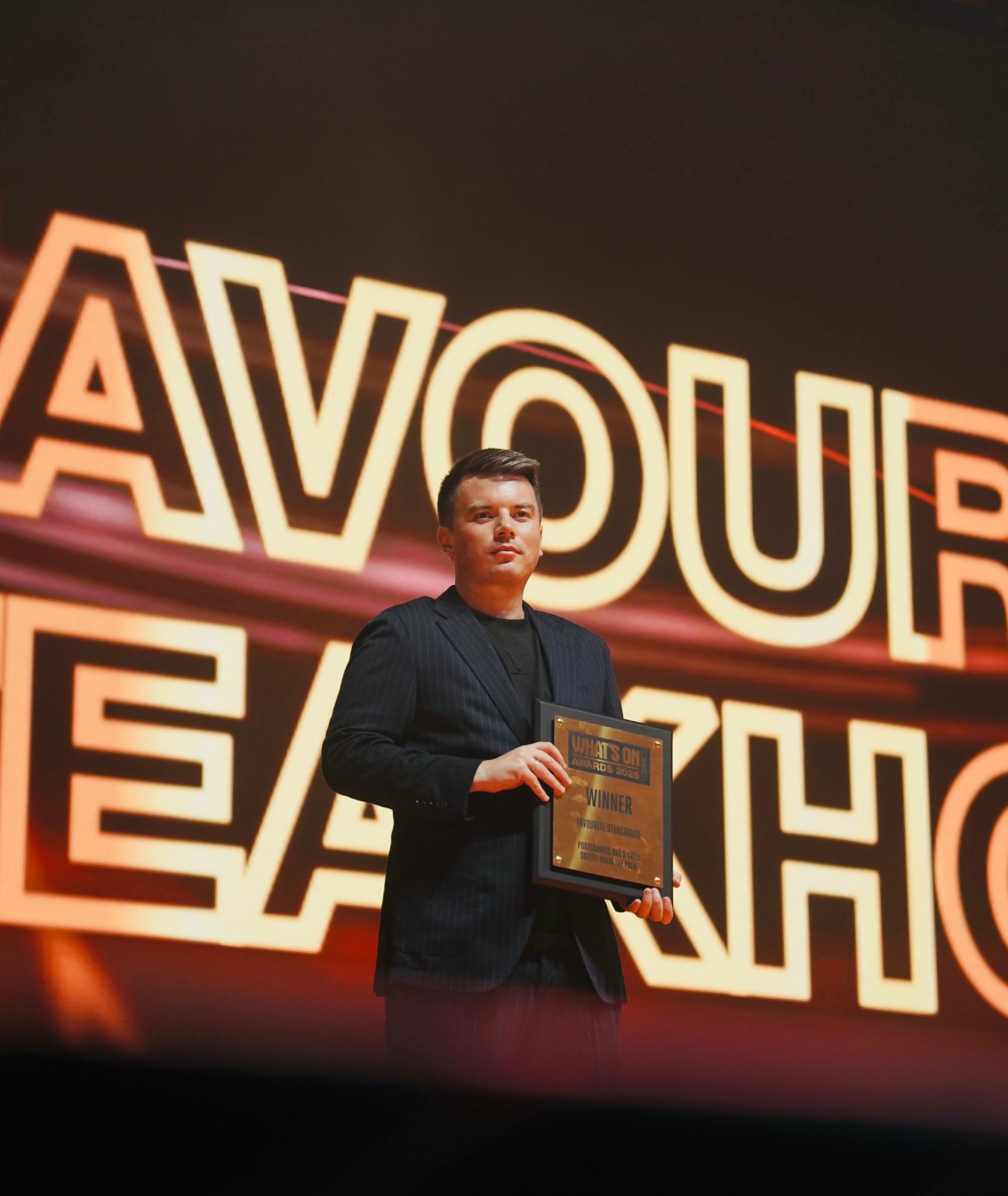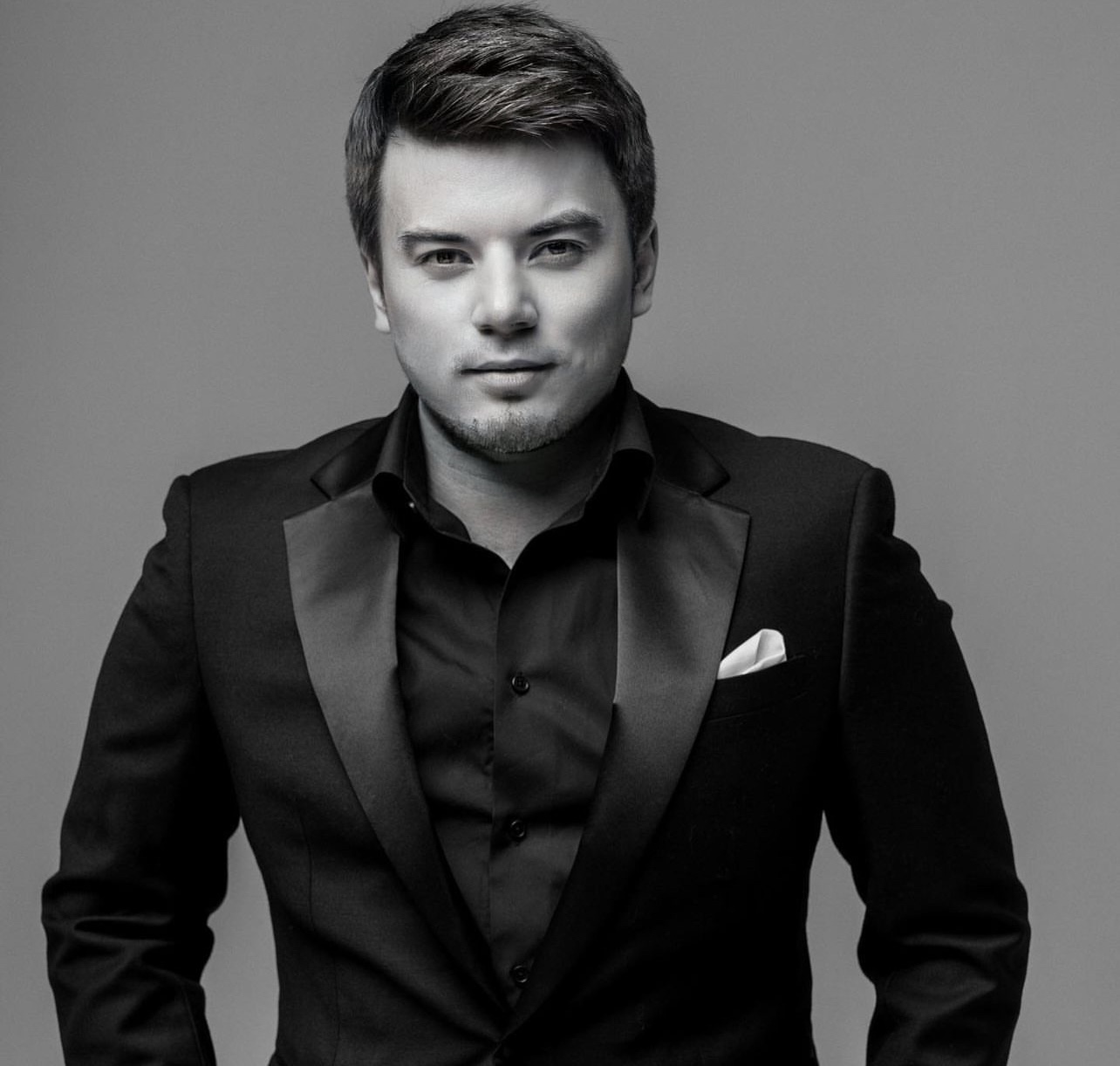

We were lucky to catch up with Emil Bedretdinov recently and have shared our conversation below.
Hi Emil, thanks for joining us today. How did you come up with the idea for your business?
The idea didn’t come from a business plan or a lightbulb moment. It came from necessity, then evolved into passion.
At 15, I was washing dishes at IKEA to help support my family after my father fell ill. By 17, I was handing out flyers for nightclubs, and that’s when I saw the potential. I borrowed money, partnered with a club owner, and organized my first party. It was a huge success, and that night I realized hospitality wasn’t just about serving people it was about creating emotions and memories that last.
Over the years, I worked nearly every role in the industry: promoter, operations, marketing, finance. Each position taught me to see hospitality from a different angle. Eventually, I understood that this industry, despite its complexity, offered something unique: the privilege of touching people’s lives through experiences.
THE DNA GROUP was born from that realization. I wanted to build concepts that didn’t just entertain, but created genuine human connection—whether through a perfectly timed dish, the right song at the right moment, or an atmosphere that made guests feel alive. That’s still our mission today.
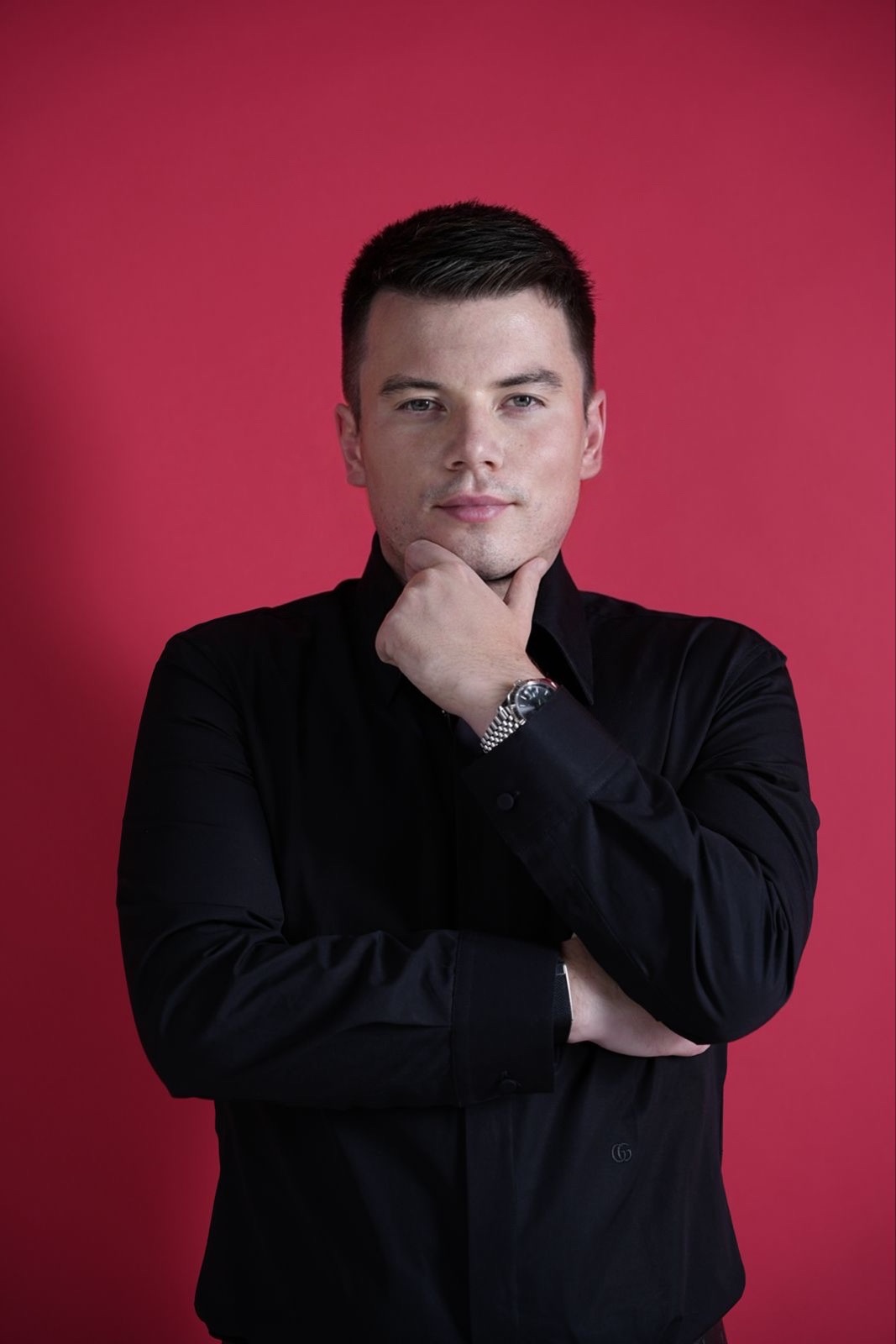
Emil, before we move on to more of these sorts of questions, can you take some time to bring our readers up to speed on you and what you do?
My name is Emil Bedretdinov, and I’m the Founder and CEO of THE DNA GROUP, an international hospitality holding headquartered in Dubai. My journey in this industry started at the very bottom. At 15, I was washing dishes at IKEA to help support my family after my father fell ill. By 17, I was promoting nightclubs and organizing events. That first party I organized was a turning point. I borrowed money, partnered with a club owner, and when it became a huge success, I realized hospitality was more than just a job. It was my calling.
Over nearly two decades, I’ve worked almost every role in this industry, from dishwasher to promoter to operations to executive leadership. That ground-level experience taught me to see hospitality from every angle, and it shaped the foundation of THE DNA GROUP, which I founded in 2007.
Today, we create hospitality concepts that redefine nightlife and dining for global audiences. Our flagship projects, Papa Dubai and Papa Moscow, have become destinations known for their energy, atmosphere, and the way they blend music, design, gastronomy, and storytelling into unforgettable experiences. We operate across four countries with a team of 127 professionals, and since our founding, we’ve been involved in over 800 projects.
What we do goes beyond opening venues. We solve a problem many hospitality businesses face: how to create consistent, memorable experiences that keep guests coming back while building sustainable operations that scale. We do this in two ways. First, we develop new concepts from scratch, designing everything from the menu to the music programming to the service flow. Second, we take over struggling venues and transform them into market leaders through strategic repositioning, operational restructuring, and our systematic, technology-driven approach.
What sets us apart is our commitment to systems over improvisation. Hospitality is one of the most complex industries in the world. It demands excellence in logistics, branding, service, and human connection all at once. Most businesses in this space rely on hustle and instinct, which doesn’t scale. We combine the latest technology with proven management frameworks, using real-time data to track everything from staffing patterns to guest preferences. But we never lose sight of what matters most: people. Every concept we create is grounded in human values, and our mission is simple: to deliver positive emotions through experiences that stay with people for life.
I’m most proud of our ability to turn around distressed businesses and transform them into world-class brands. It’s one thing to build something new with a blank canvas. It’s another to inherit heavy liabilities, broken reputations, and operational chaos, then systematically rebuild them into destinations people love. That challenge is what drives me.
What I want people to know is this: hospitality isn’t about lights, luxury, or trends. It’s about understanding people and creating moments that matter. Whether you’re a guest, an employee, a partner, or an investor, every interaction with us is designed to deliver value, with surplus. That’s our standard, and it’s what we’re building toward as we expand into new markets and work toward our long-term vision of becoming a globally recognized hospitality brand valued at over $1 billion.
We’re currently developing two new concepts that I’m particularly excited about. One merges fine dining with immersive theater, and the other introduces a next-generation “phygital” lounge that blends physical space with digital experiences. Both are designed to push the boundaries of what nightlife can be in the Middle East and beyond.
If there’s one thing I’ve learned from washing dishes to leading an international group, it’s that success in this industry comes from building real value, creating strong systems, and never forgetting that at the end of the day, it’s all about the people.
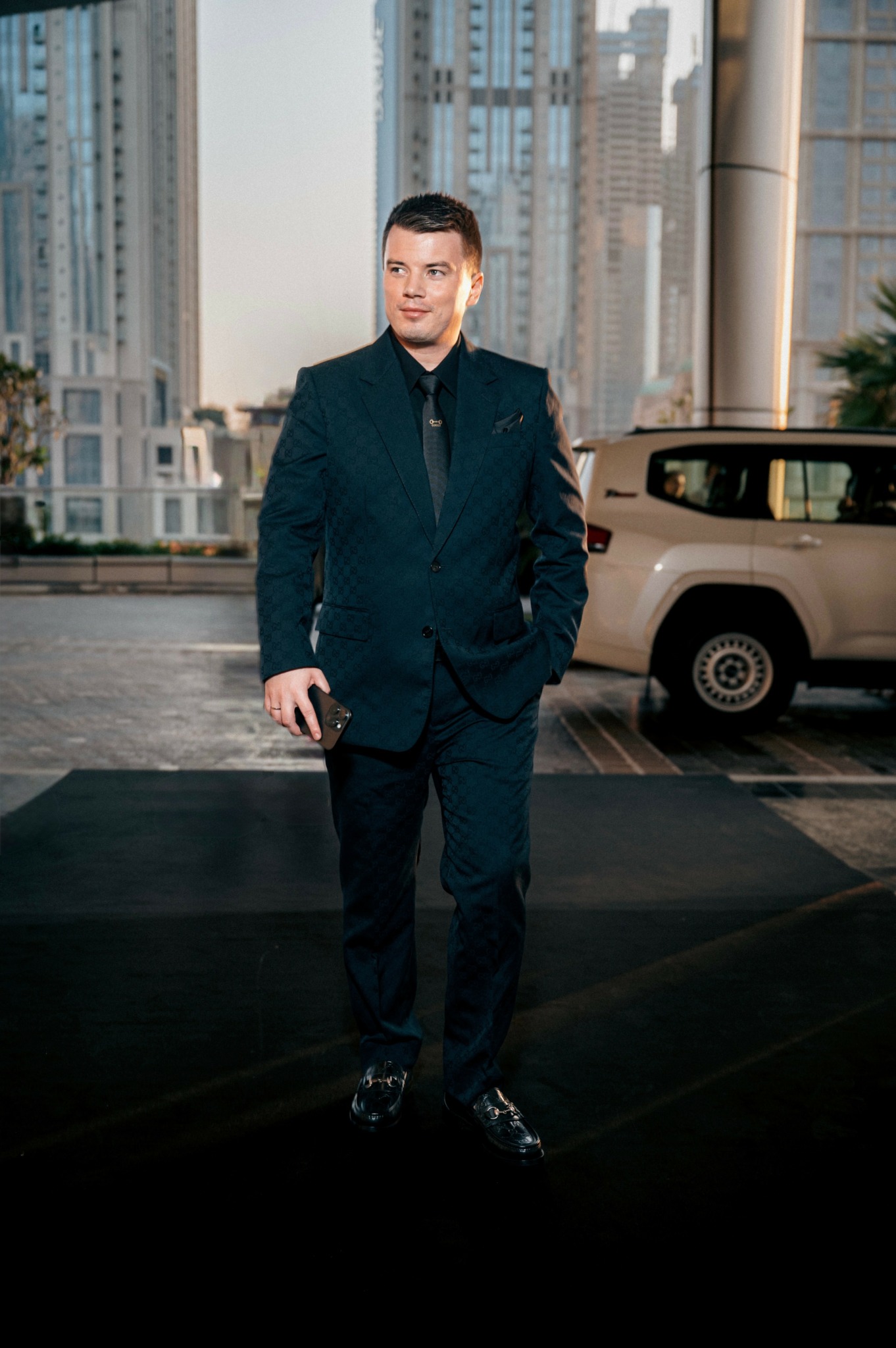
We’d love to hear a story of resilience from your journey.
Resilience isn’t something you learn from a book. For me, it was forged through necessity and tested repeatedly throughout my journey.
When I was young, my father became seriously ill. The financial and emotional weight fell heavily on my mother, and even as a teenager, I understood that I needed to step up. At 15, I took my first job washing dishes at IKEA. It wasn’t glamorous, but it was honest work, and it taught me accountability. Every shift mattered. If I fell behind, the kitchen stopped. That pressure built something in me that I carry to this day.
But resilience was also shaped by something else: football. From age nine, I was a youth football player, traveling across Moscow alone every day for training and spending summers in intense bootcamps. That lifestyle demanded discipline and independence at an age when most kids were still being driven everywhere by their parents. On the field, you’re not just responsible for yourself. You’re responsible for your teammates. You learn quickly that when things get tough, you can’t quit. Your team depends on you.
When my father passed, it was devastating. But I had already learned that you don’t wait for ideal conditions. You face reality, take responsibility, and keep moving forward. My mother showed me what that looked like every single day through her strength and perseverance.
At 17, I transitioned from dishwashing to promoting nightclubs. I borrowed money to organize my first party, which was a huge risk. If it failed, I’d be in debt with nothing to show for it. But it succeeded beyond expectations, and that experience taught me another dimension of resilience: the courage to take calculated risks even when the outcome isn’t guaranteed.
Over the years, I’ve faced crises that tested everything I built. Market collapses, failed partnerships, venues on the brink of collapse. In hospitality, there’s no safe ground. The industry is volatile, and setbacks are inevitable. What I learned is that resilience isn’t about avoiding failure. It’s about having the structure, the team, and the mindset to adapt quickly when things go wrong.
Today, when I look at what we’ve built with THE DNA GROUP, operating across four countries with over 800 projects completed, I know that none of it would have been possible without those early experiences. The discipline from football, the responsibility forced on me by my family’s circumstances, and the lessons learned from every setback shaped my ability to persist when others would have quit.
Resilience is the foundation of everything. It’s what allows you to turn a distressed venue into a market leader, to rebuild when a concept fails, and to keep moving forward even when the path isn’t clear. It’s not a skill you develop once. It’s something you practice every single day.
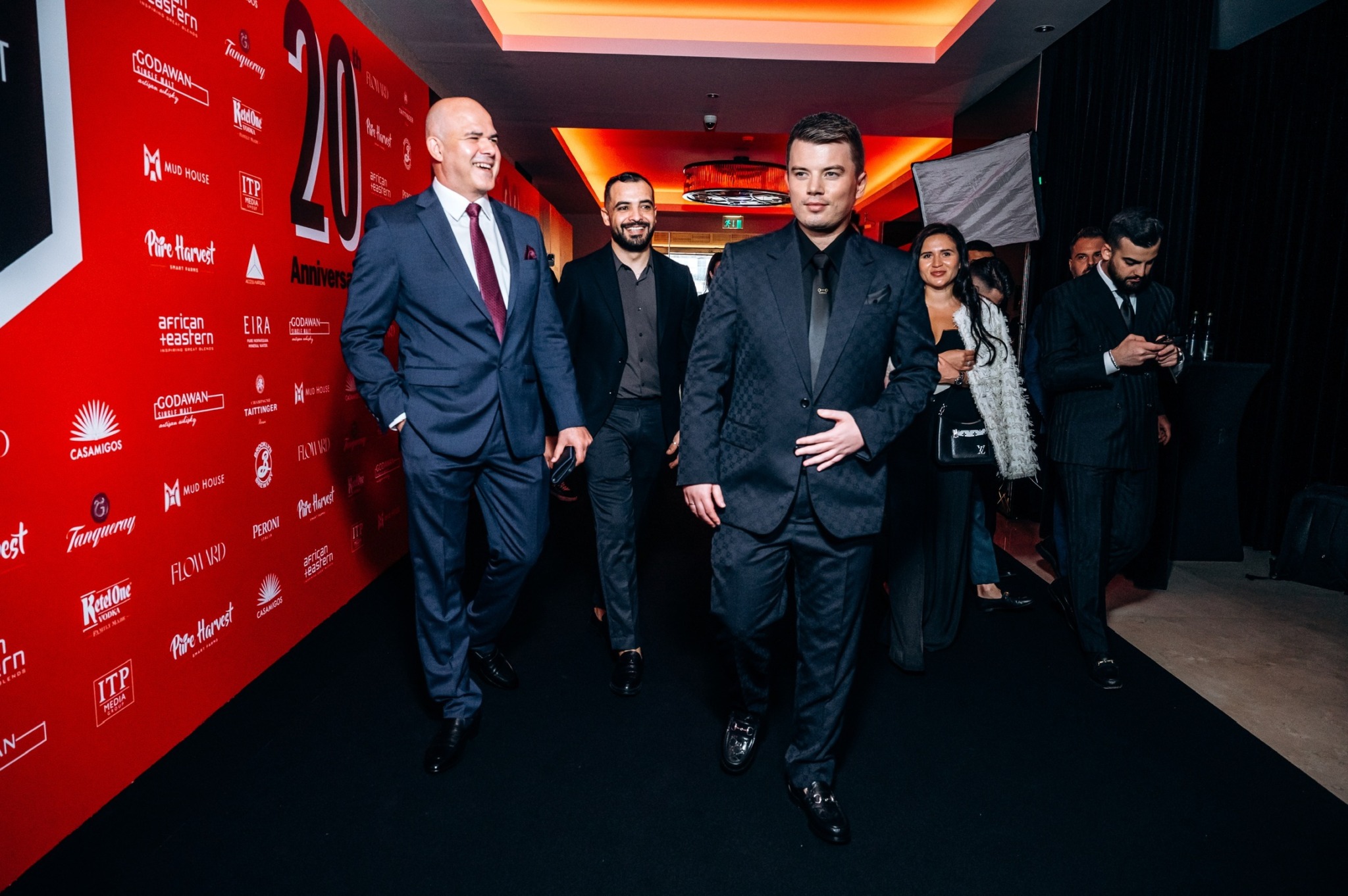
Can you talk to us about how your side-hustle turned into something more.
Absolutely. What started as a teenager handing out flyers for nightclubs eventually became THE DNA GROUP, an international hospitality holding operating across four countries.
The journey began out of pure necessity. At 15, I was washing dishes at IKEA to help support my family after my father became ill. By 17, I had moved into nightclub promotion, handing out flyers and learning how to read people, create desire, and build anticipation for events. That’s when I saw the real potential. I borrowed money, partnered with a club owner, and organized my first party. It was a huge success, and that night changed everything. I founded my first promotional group and realized I had found my calling.
For years, it remained a side hustle in the sense that I was constantly learning and building. I worked nearly every role in hospitality: operations, marketing, finance, guest management. Each position taught me to see the industry from a different angle. I wasn’t just promoting parties anymore. I was studying how the entire ecosystem worked.
The first major milestone came in 2007 when I officially founded THE DNA GROUP. At that point, the “side hustle” became a full-time mission. I started developing concepts from scratch and taking on partnerships with existing venues. Between 2007 and 2020, I founded or co-founded several companies in the hospitality and events sector: ElitE7Jet, Emil E7 Events, Shakti by Emil E7, and [E7.DIGITAL](http://E7.DIGITAL). Each venture expanded my expertise and network.
The next critical milestone was shifting from improvisation to systems. Early on, I relied heavily on hustle and instinct, but I learned the hard way that only systems scale, not luck. I invested heavily in education, including completing my Doctor of Business Administration in 2021. I began spending over $200,000 annually on executive programs and coaching to continuously upgrade my skills and stay ahead of market trends.
The breakthrough came when we started taking over distressed venues and transforming them into market leaders. Papa Dubai and Papa Moscow are the flagship examples. Both were struggling when I became involved. Through strategic repositioning, operational restructuring, and implementation of technology-driven management systems, we turned them into destinations known throughout their markets. This turnaround model became our competitive advantage.
Today, THE DNA GROUP employs 127 professionals across four countries and has been involved in over 800 projects since founding. We’ve received multiple awards, including Hospitality Entrepreneur of the Year from Entrepreneur Middle East, and our work has been featured in major publications.
The key milestones that made this possible were: taking the risk to organize that first party at 17, formalizing the business in 2007, shifting to a systems-first approach, successfully executing our first major venue turnarounds, and building a team that shares our vision and values.
Looking ahead, we’re developing two new concepts and expanding into Dubai and Riyadh, with a long-term vision to build a globally recognized hospitality brand valued at over $1 billion. What started as handing out flyers has become an international operation, but the core mission remains the same: creating experiences that deliver positive emotions and stay with people for life.
Contact Info:
- Website: https://thedna.group/
- Instagram: https://www.instagram.com/emil_e7
- Facebook: https://www.facebook.com/EmilBedretdinov.e7/
- Linkedin: https://www.linkedin.com/in/emilbedretdinov
- Twitter: https://x.com/emilbedre