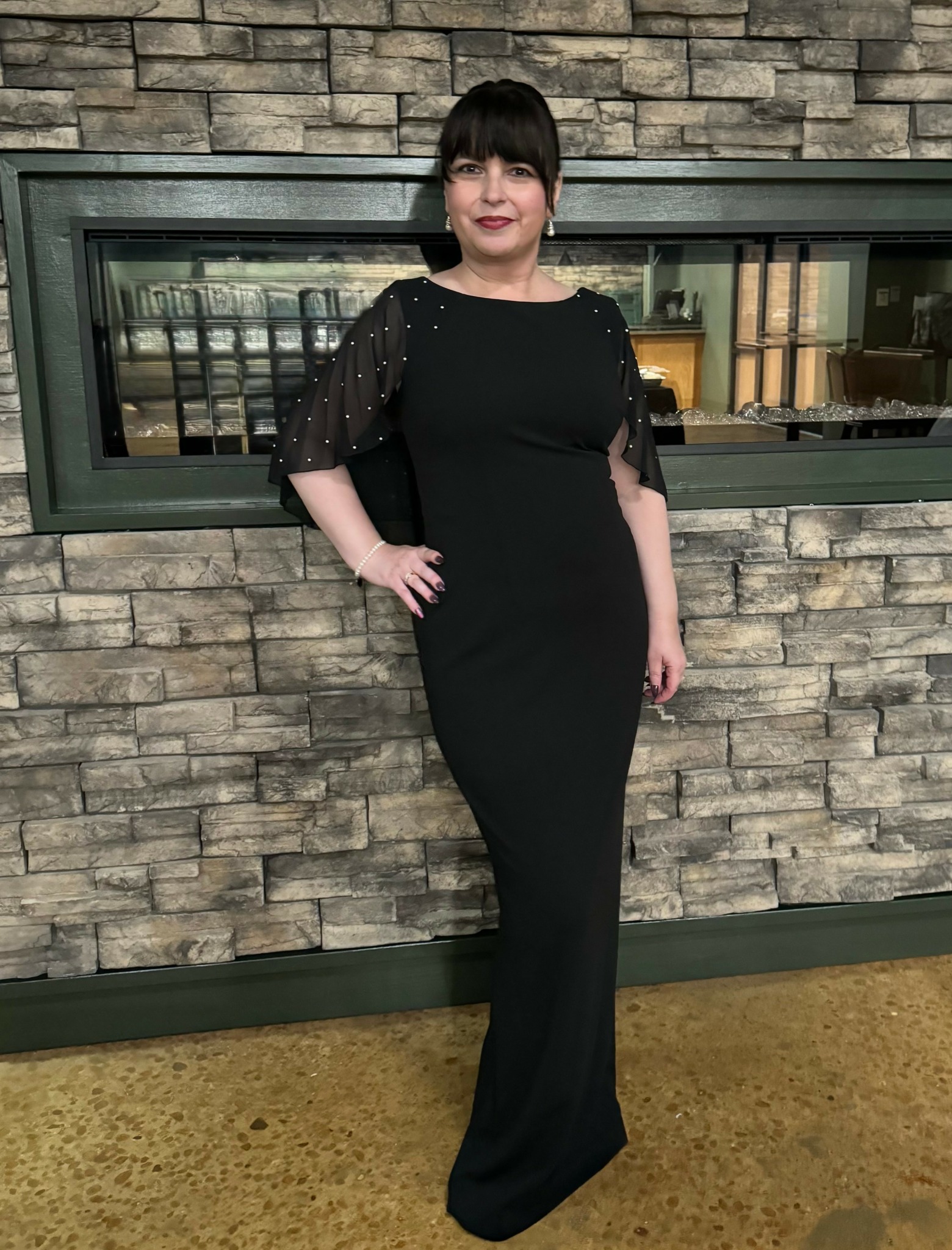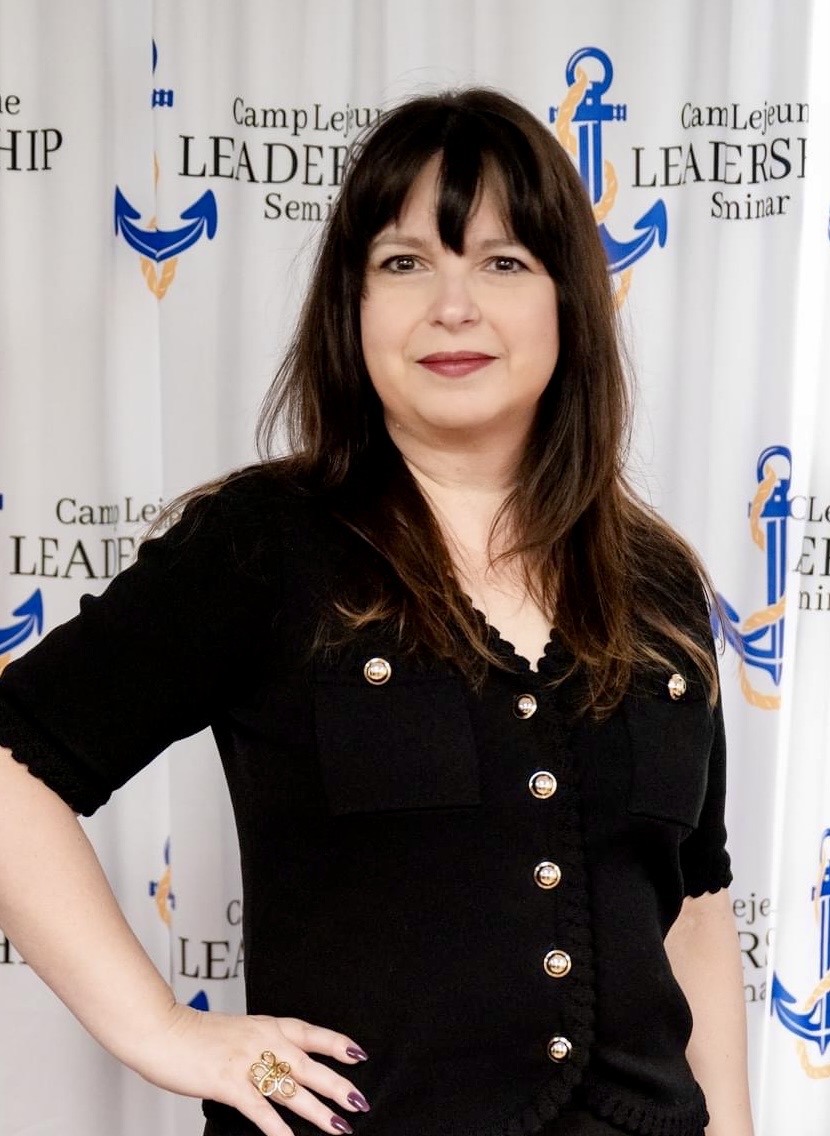

We caught up with the brilliant and insightful Emese Hamilton a few weeks ago and have shared our conversation below.
Emese, looking forward to hearing all of your stories today. Being a business owner can be really hard sometimes. It’s rewarding, but most business owners we’ve spoken sometimes think about what it would have been like to have had a regular job instead. Have you ever wondered that yourself? Maybe you can talk to us about a time when you felt this way?
Yes, I am genuinely happier as a business owner. Not because it is easier, it is not, but because it feels like mine. I get to shape my work, listen to my strengths, and build something that reflects what I believe in. I do not have to ask permission to follow an idea or wait for someone to decide I am ready. I know what I am capable of, I know my limits, and I am accountable only to the person whose standards matter most: myself.
But I will be honest, I do sometimes imagine what it would feel like to have a regular job, to clock out at five, close the laptop, and know that the paycheck will arrive whether inspiration does or not. The last time I had that thought was on a quiet Tuesday afternoon when I stared at my calendar and saw nothing but white space. Leads that seemed promising faded. People I spoke to did not follow up. It felt like walking through fog, uncertain, directionless, aware that the next step was mine to figure out alone.
Those are the moments when I think, just for a second, that a regular job might feel easier. No hunting for clients. No pressure to constantly prove value. No subtle comments from well-meaning people who do not see entrepreneurship as real work and wonder why success is not instant. They do not see the hours behind the scenes, the planning, the self-education, the risk. They see the result, not the building of it.
But then something shifts. With entrepreneurship, I get to work when I am most alive: late at night, early morning, or in the middle of a thought that pulls me to the keyboard. No one with less understanding of my craft is telling me how to do it. I do not have to shrink my ideas to fit someone else’s box. I am building my own.
So yes, sometimes I long for the security of a steady paycheck. But the conclusion I keep returning to is this: comfort cannot replace ownership. A traditional job offers certainty. My business offers possibility. And even on the hard days, possibility feels worth the risk.

Emese, before we move on to more of these sorts of questions, can you take some time to bring our readers up to speed on you and what you do?
I am an AI Educator, consultant, and advocate for accessible, human-centered technology adoption. I work with individuals, small businesses, and creative professionals who want to understand AI instead of fearing it, who want to use it with intention rather than racing behind it. My work exists at the intersection of culture, adaptation, and innovation.
My background began traditionally, supporting executives and organizations as a secretary, project coordinator, and later as a virtual assistant. I built systems, structured operations, and guided busy, creative minds who needed clarity and calm — especially neurodivergent clients, women balancing multiple roles, and people who simply needed someone to think beside them.
I built my business around the skill I believe matters most today: AI literacy. I teach people how to use AI confidently, safely, and strategically, not as a shortcut, but as an amplifier of human capability. I create workshops, training programs, one-on-one sessions, and soon a signature course designed for those who want not only to keep up with the future, but to shape it. My clients learn how to research faster, create smarter, build more sustainably, and unlock opportunities that were once out of reach.
What sets my work apart is my approach: calm, structured, inclusive, and rooted in lived experience rather than theory. I don’t teach AI from a technical pedestal — I teach it as someone who knows what reinvention feels like. Someone who has rebuilt her professional identity across continents, across languages, and across rapidly changing technology. I believe AI should be a tool for empowerment, not a gatekeeper of success, and that everyday people deserve access to this new era just as much as institutions and corporations do.
I’m proud of the impact AI education has already had in the lives of my clients: more confidence, more time, more income, more freedom. And I carry one more hope with me: that AI will accelerate medical innovation and improve the quality of life for people living with chronic conditions, including myself. I advocate for AI not only because it reshapes how we work, but because it holds the possibility to change how we live.
My mission is simple: to ensure people don’t stand outside the future, but inside it: equipped, literate, and limitless.
We often hear about learning lessons – but just as important is unlearning lessons. Have you ever had to unlearn a lesson?
For most of my life, I believed success was something you earned slowly through endurance, hierarchy, and following the traditional path step by step. I was raised in Hungary, where discipline and quiet strength are part of the national character. Later, in Kuwait, I learned to adapt to new language and cultural rhythms, to read subtle cues without shared words. After spending more than a decade in Kuwait, I arrived in the United States in 2016, and life asked me to reinvent myself once again.
The world has changed faster than the system that raised us. Today, knowledge is no longer linear. It no longer lives exclusively in books, universities, or decades of climbing ladders. AI collapsed the distance between a question and the skill needed to answer it. The lesson I had to unlearn was that expertise must be earned the slow, tiring way.
Once I understood that speed and adaptability are the new foundations of learning, I stopped waiting for permission. I stepped into AI education because I see clearly what many still don’t want to face: the future won’t wait for us to catch up. AI Literacy isn’t optional; it’s economic power, creative leverage, and future security.
My hope is that AI not only transforms how we build and learn, but also becomes the tool that changes lives physically, gives us creative freedom, and a more enjoyable life, saving precious time.
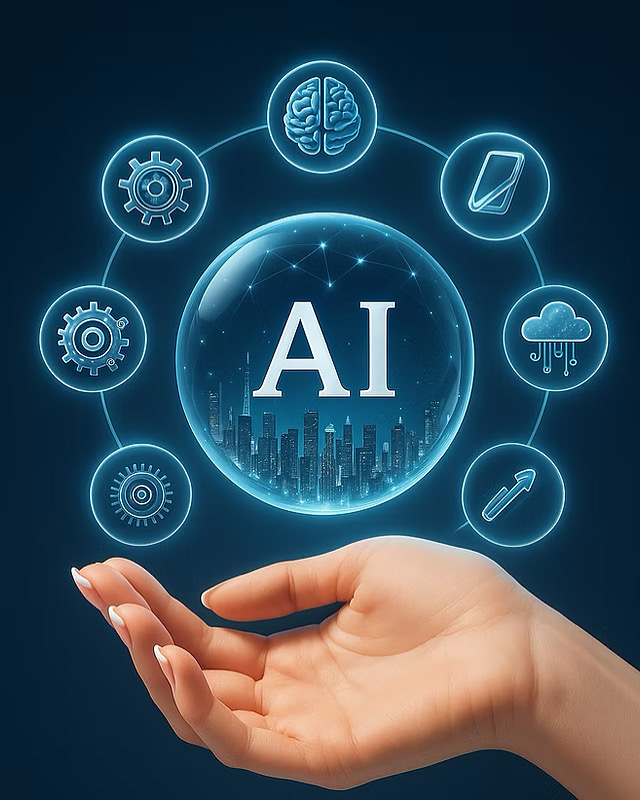
How about pivoting – can you share the story of a time you’ve had to pivot?
My life is made of pivots across continents, cultures, and identities.
I began my professional journey in Hungary as a secretary: structured, meticulous, quietly holding things together behind the scenes. In Kuwait, I learned Arabic social customs, diplomacy, and how to navigate life and work where hospitality and hierarchy speak louder than shared language. Then I moved to the United States, where military life with my husband in the U.S. Marine Corps. meant starting over every time duty called – new state, new community, new chance to build from nothing.
My first pivot was into a housewife. I had been working crazy hours since my 20s, never had time to concentrate on my life outside of the office. It was a great time of my life; I never imagined I could enjoy it so much. Once I learned all the baking, knitting, and crocheting, I felt it was time to return to the work that I loved so much. Finding work with the military lifestyle was difficult. So I decided to start my own business as a virtual assistant, creating systems for writers, artists, and business owners, many of them neurodivergent or overwhelmed. I became their anchor when life felt like too much. But I noticed something: people weren’t lacking talent or ambition; they lacked tools. They lacked access.
So, when AI became publicly accessible, I knew it was time to shift, because a revolution had begun. I pivoted again, this time with unmistakable direction, into AI education and advocacy.
I built a business that helps people not only use AI, but also understand it deeply and work with it ethically, responsibly, safely, and strategically. I teach AI as a new literacy because I’ve seen what happens when people miss technological turning points. Jobs will disappear. Industries will restructure. Opportunities will move to those who know how to think and create with AI. And I want everyday people – not just tech insiders – to have a place in that future.
AI gave me the chance to create work that travels with me, across the U.S. and Europe, hopefully globally. It helped me navigate work during times my health required flexibility. It is not just a tool. It is a bridge to possibility.
Contact Info:
- Website: https://www.emesehamilton.com
- Linkedin: https://www.linkedin.com/in/emese-hamilton