

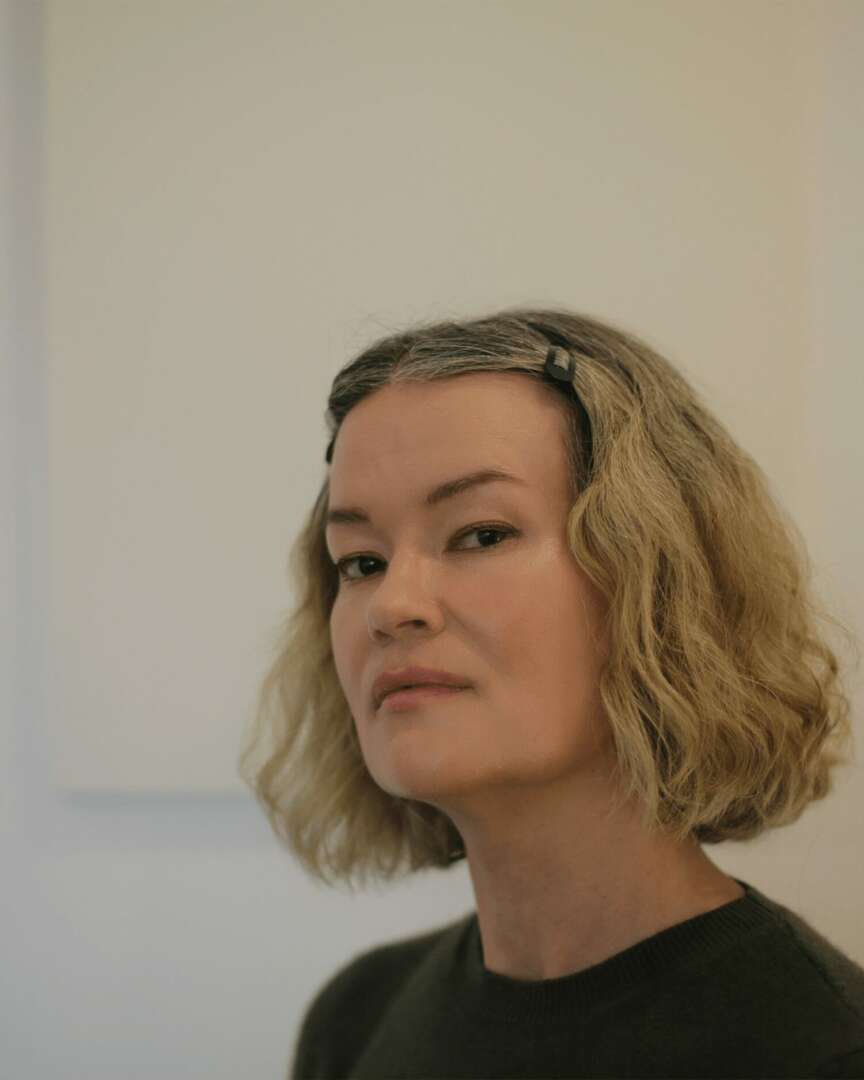

We caught up with the brilliant and insightful Emberly Modine a few weeks ago and have shared our conversation below.
Hi Emberly, thanks for joining us today. Can you talk to us about a project that’s meant a lot to you?
When I decided to come back to fine art after working for a decade in the fashion industry, I had a hard time. There was this habit of second guessing what the ‘client’ would think – an extra voice in my head judging salability and attractiveness.
Before a career in design, I had been making art that was conceptual and political. I couldn’t return to artmaking where I left off with my current commercial mindset.
I made a decision to start from the absolute beginning.
I grew up in Moab, Utah; in the Southwestern United States. You couldn’t turn your head without seeing a magnificent view, and this is how I learned to draw and paint; replicating the awesome forms and formations that were around me.
My mother paid for a couple painting lessons with a local artist, Serena Supplee. With her I learned that there was space in visual representation for me to speak. While replicating line and form, I could parley with my subject about how it made me feel, using gesture and color. I could change the size and shape of trees and clouds to let them become larger characters in the story I was reading in the landscape, and writing in my work. This was the moment I transformed from a kid who could draw well, into an artist.
This fundamental internal conversation would be my (re)starting point, I decided. I got into my truck and drove home to the high desert.
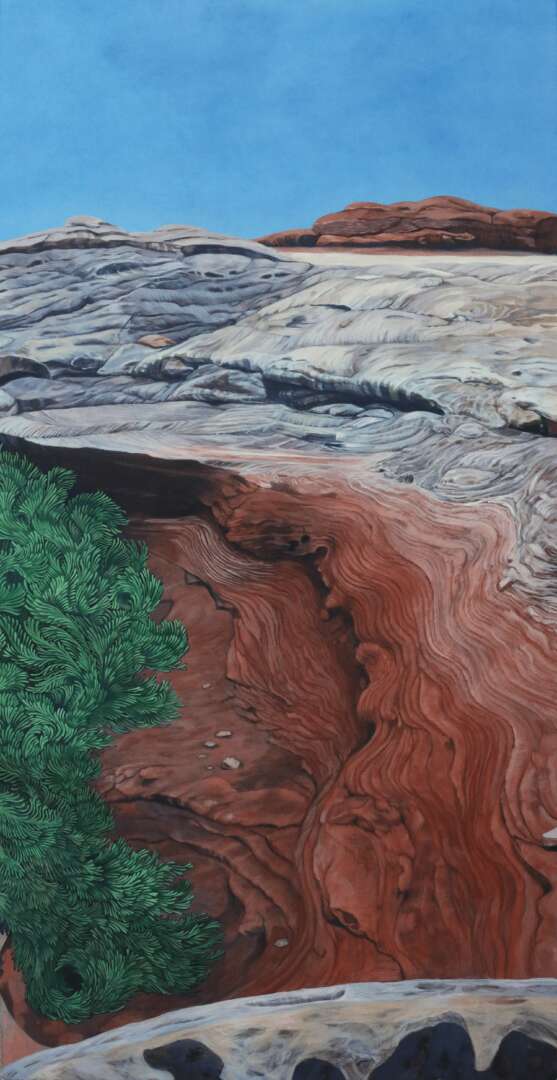
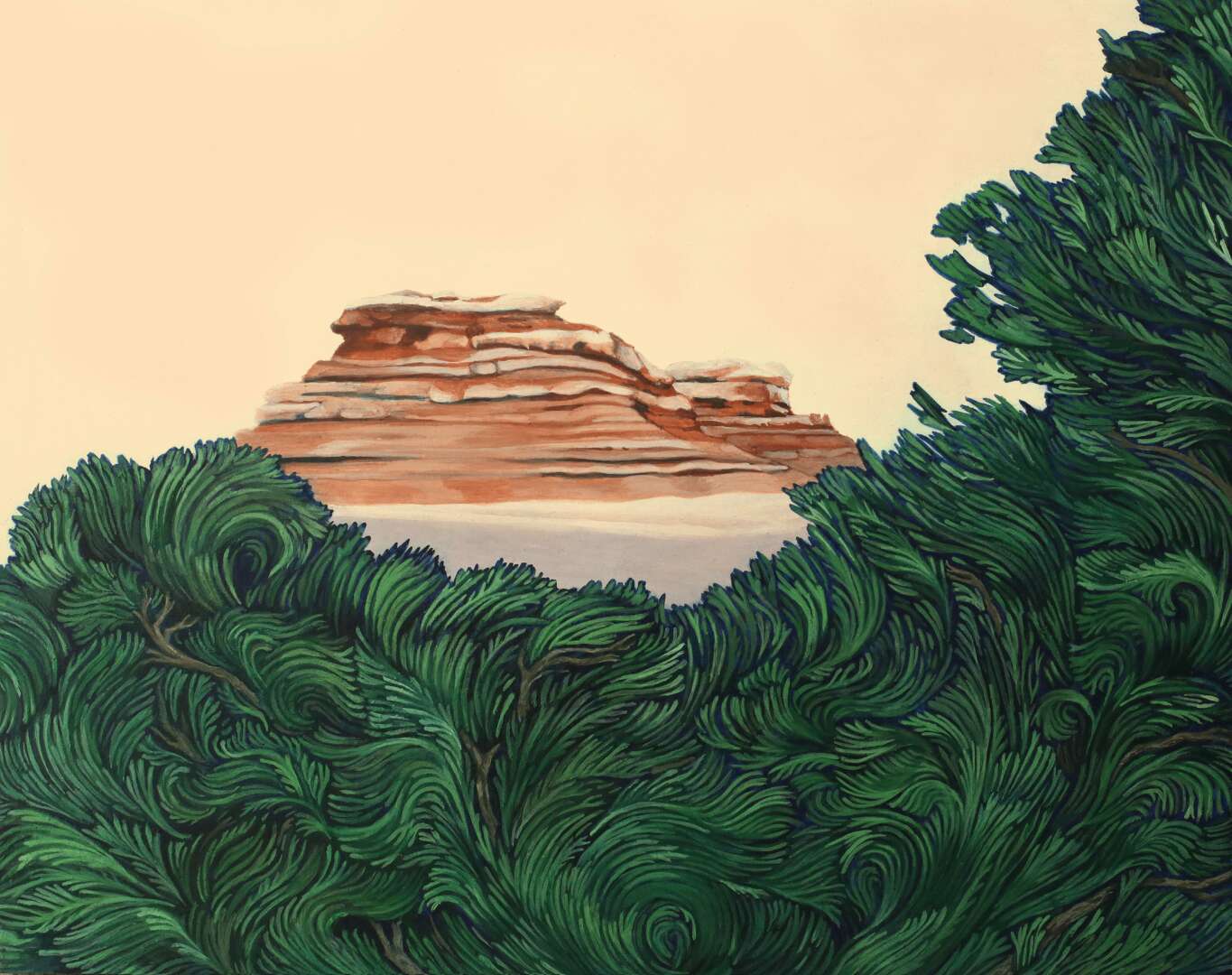
I spent four days camping and hiking in Canyonlands, taking photos and notes. I recorded impressions and stories that I read in the scenery, took them home and made a small body of work that I named Old Water – after the element that, while scarce in the desert, is responsible for so much of it’s appearance.
These paintings were shown in my home town gallery. Family and friends and even Serena Supplee came to view it. I was overwhelmed with love and gratitude for the support, the land, and most especially for a return to the artist mindset.
As always, we appreciate you sharing your insights and we’ve got a few more questions for you, but before we get to all of that can you take a minute to introduce yourself and give our readers some of your back background and context?
In the past, I made a lot of artwork with all sorts of harmful plastics and toxic paints like enamels. I wish that someone had pointed this out to me. I think that culturally we elevate artists to a level that exceeds personal accountability, and this is no longer acceptable. The abundance of cheap acrylic and vinyl art supplies has created a low barrier to entry for painting, especially. Creativity and self expression are so important but there are just too many of us to keep using these materials, disposing of the packaging and washing microplastics down the drain. It’s essential for me to have a practice that acknowledges my impact on the planet, animals and people; and seek to minimize that impact.
I was introduced to egg tempera by a dear friend who had traveled to Georgia to learn Icon painting. She showed me how to temper pigment with just egg yolk and water, and I was hooked. There are no tubes or plastic caps to throw away. You can make as much or as little paint as you mean to use for each session; there is very little waste. Tempera does not stick to acrylic gesso – you must use a traditional ground made with animal skin glue and white pigment – so there is no room for convenience.
My chosen medium requires planning – it is not forgiving of mistakes or painting out portions due to a change of mind. If you had told me I would be working this slowly and deliberately 20 years ago I would have laughed. Now I love that I have to weigh each idea against the time and effort of making it. It has made me a better artist, thinker and person. I salute the artists making work from recycled and salvaged materials – I wish I could create like that. I make new things ‘from scratch’, but I put every effort into making something that deserves to exist.
What do you think is the goal or mission that drives your creative journey?
My interest and purpose is to bear witness and communicate with the events of my time.
Recently, I started a collection of paintings featuring buildings by futurist female architects. They are afloat yet isolated in turbulent waters. They are rendered simply in grey tones as if paper maquette – the work in progress, the idea. The buildings I choose are educational or cultural facilities and I see them as token for the role women must take in these chaotic times: forward thinking leaders, brilliant, scientific, encapsulating knowledge and holding space for community and culture.
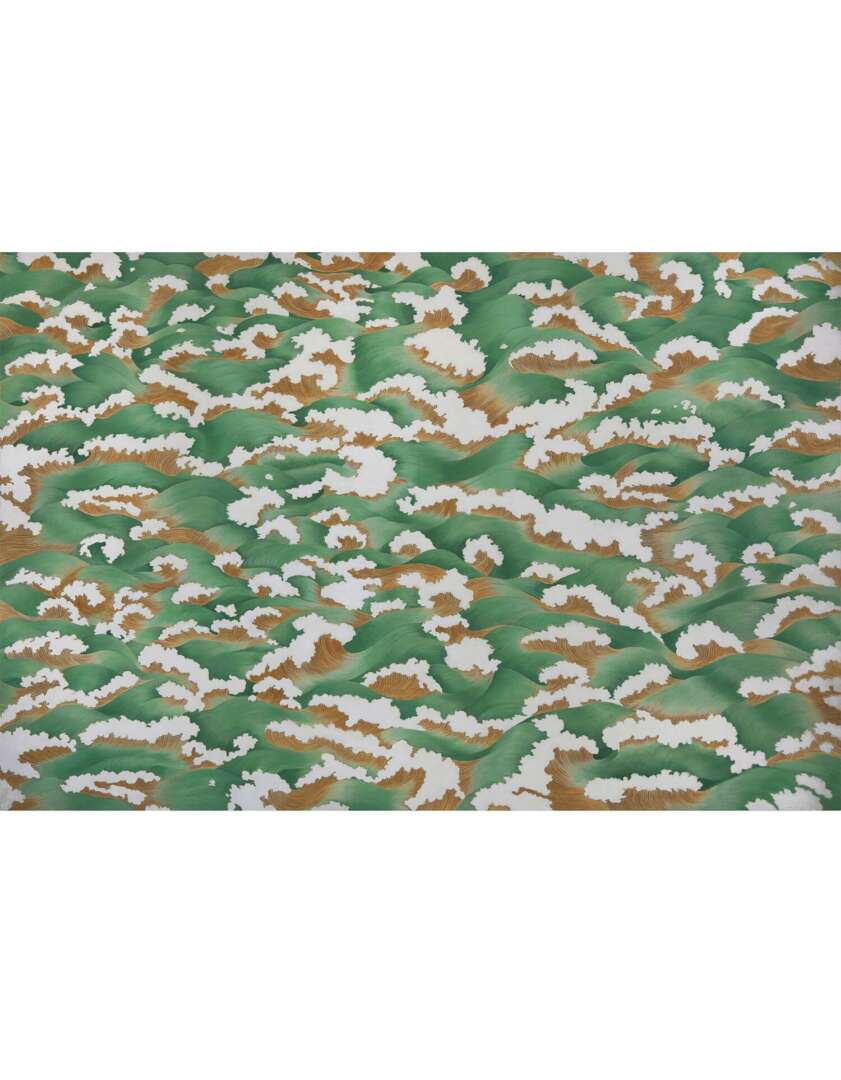
At a recent exhibition I showed a painting that took me four years to make. I started at the beginning of the pandemic – a large seascape roiling with waves, 84 people swimming. They were everyone I wanted to save – family, friends, writers, artists, scientists, thinkers…. By the end of public restrictions when most people had been vaccinated and we were entering a safe zone, there was so much data about how the human race being locked up had been beneficial to the environment. My ocean started to look crowded. I decided to paint everyone out. What was left was a green and gold sea of tranquility. The seas no longer seemed rough with no one in them.
We often hear about learning lessons – but just as important is unlearning lessons. Have you ever had to unlearn a lesson?
When I was young, people always told me I was spacey and forgetful because I was an artist. I think I took this to heart and gave myself a pass when it came to paying attention and remembering things I needed to do.
It took me a while to play catch up as a young adult. I ended up putting myself through college while working two jobs, and running two businesses after that. You can’t manage multiple clients and delivery deadlines without a decent memory. Change can happen but you have to do the work!
Contact Info:
- Website: https://emberly.com
- Instagram: @emberlymodine
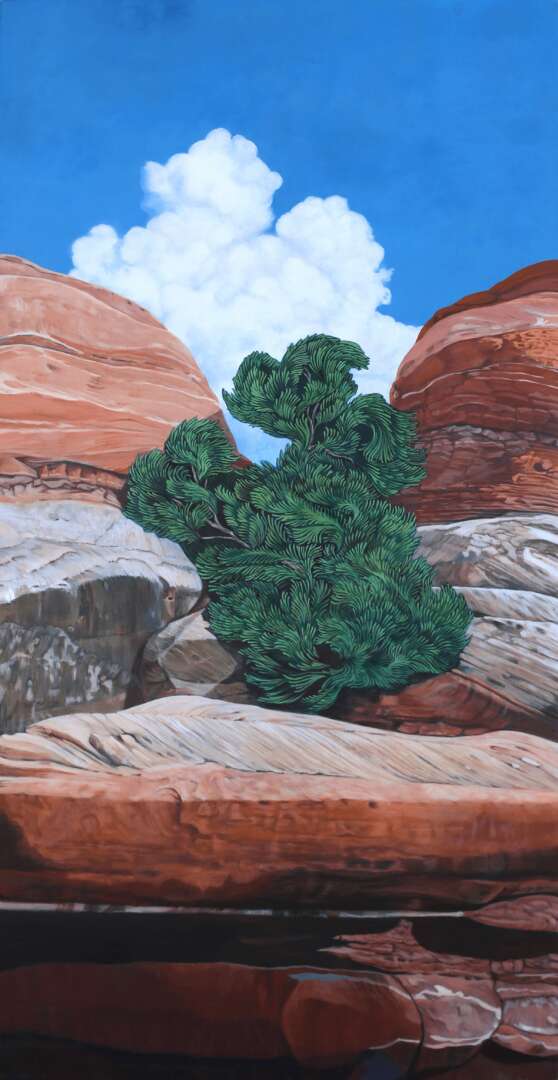
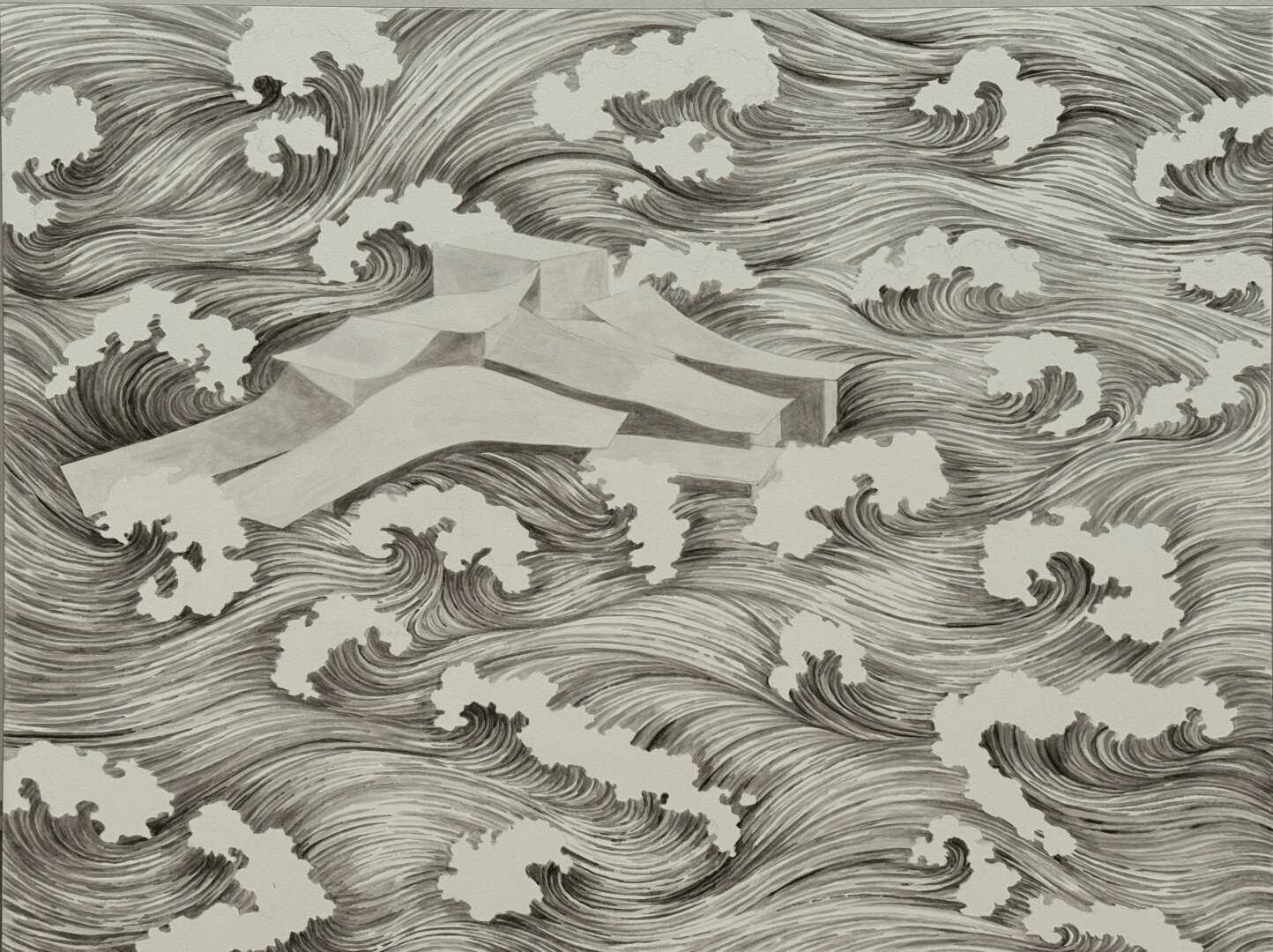
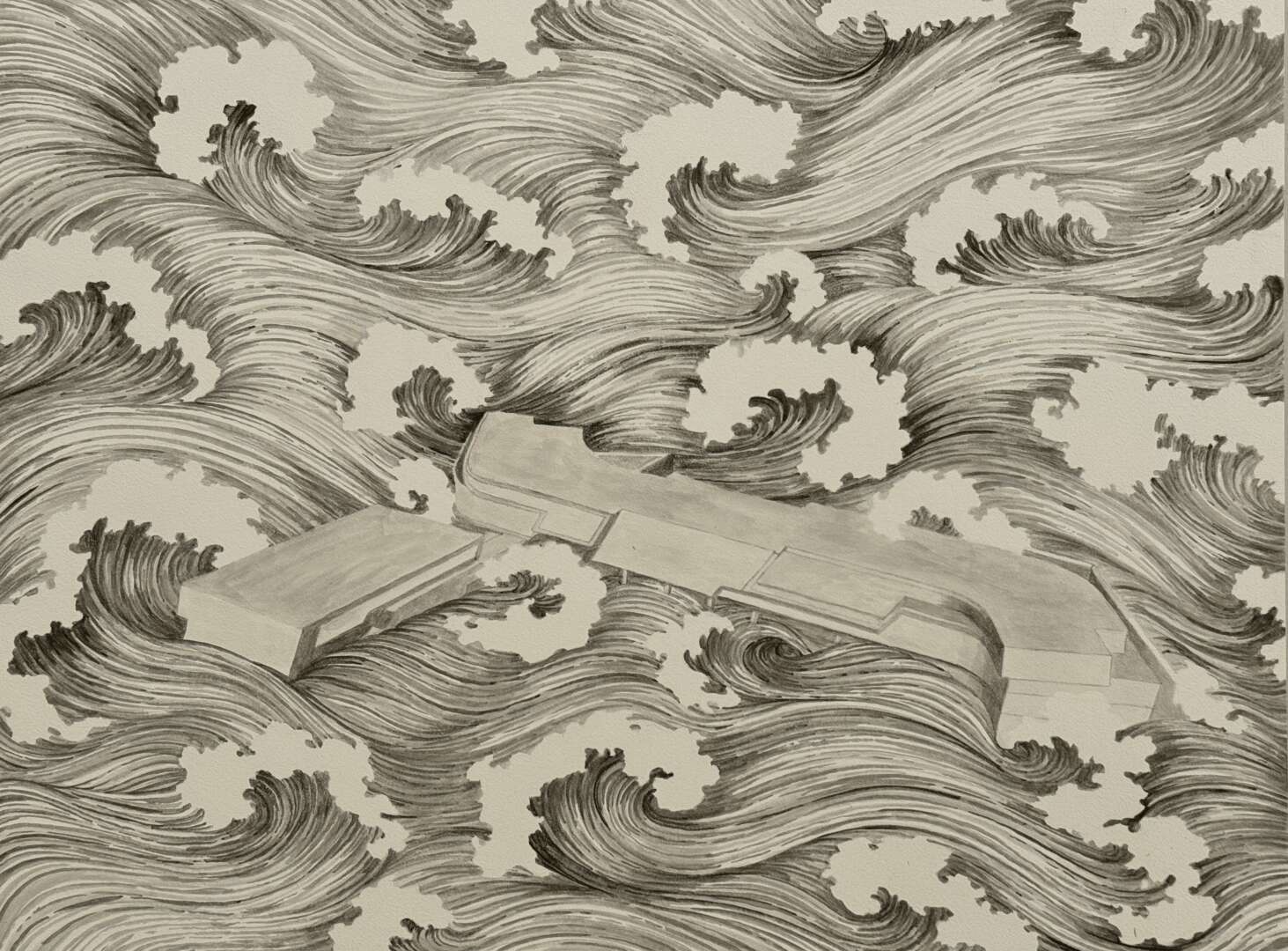
Image Credits
All images credited to Louis Elfman