

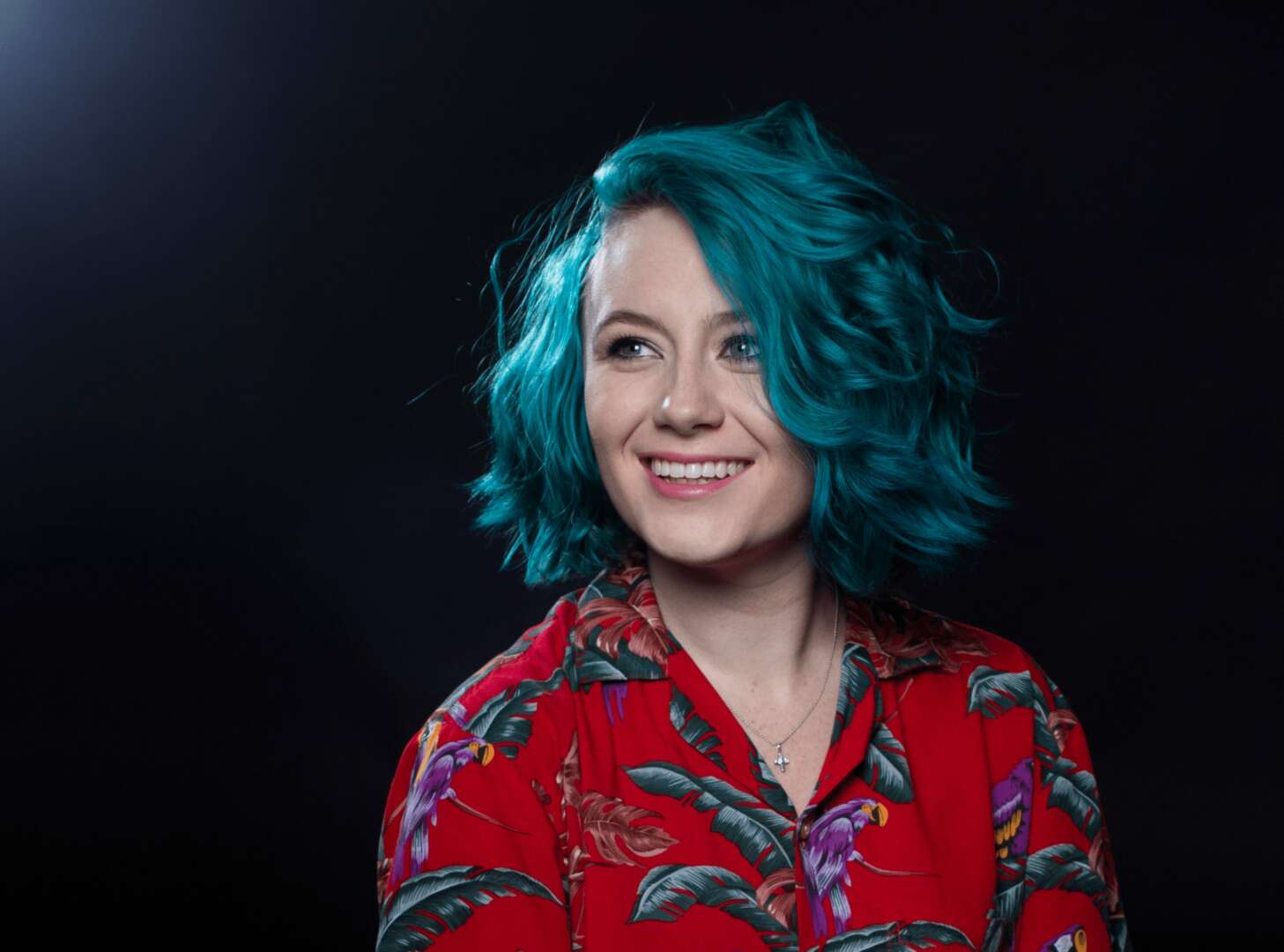

We were lucky to catch up with Em Wright recently and have shared our conversation below.
Em, appreciate you joining us today. We’d love to hear about a project that you’ve worked on that’s meant a lot to you.
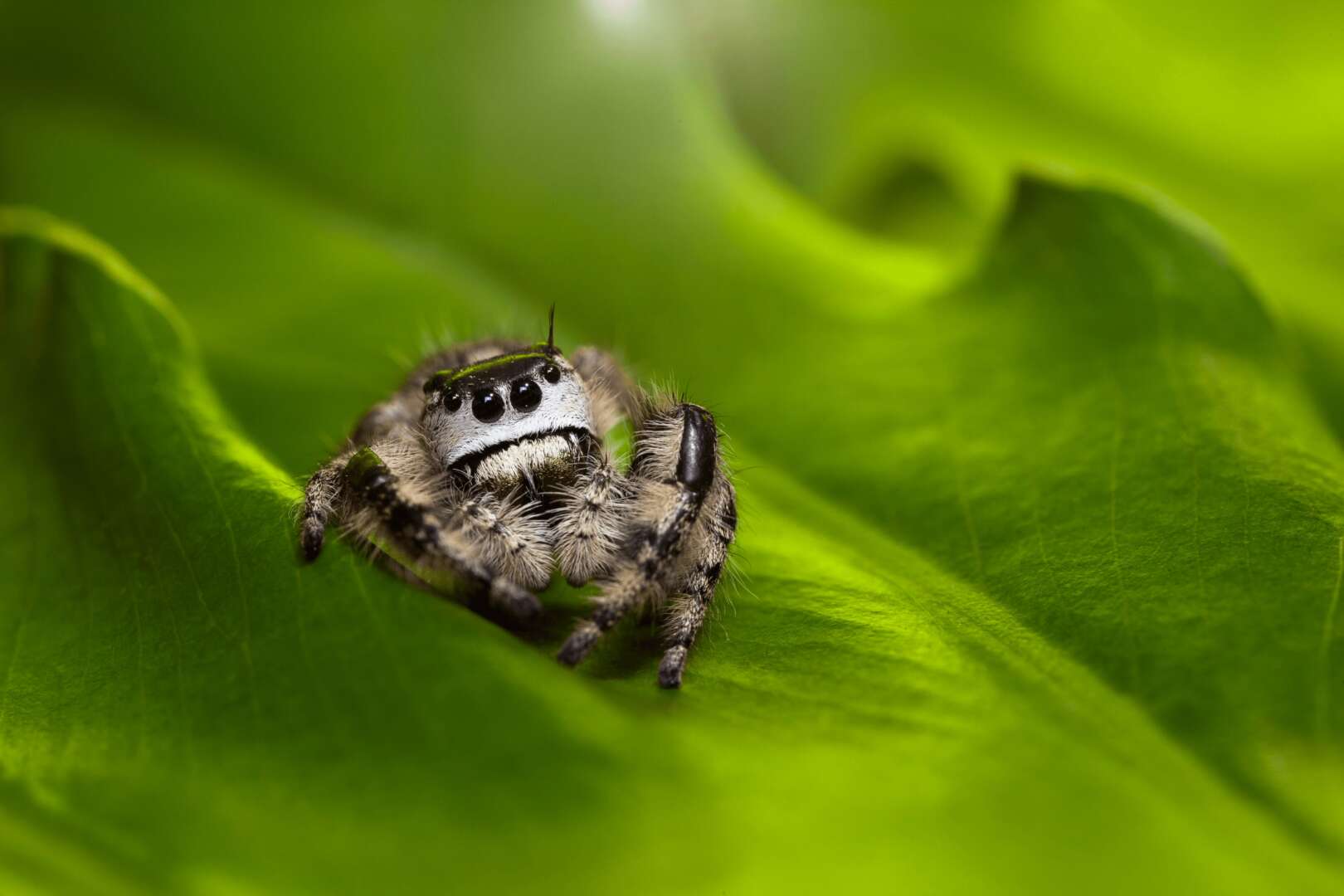
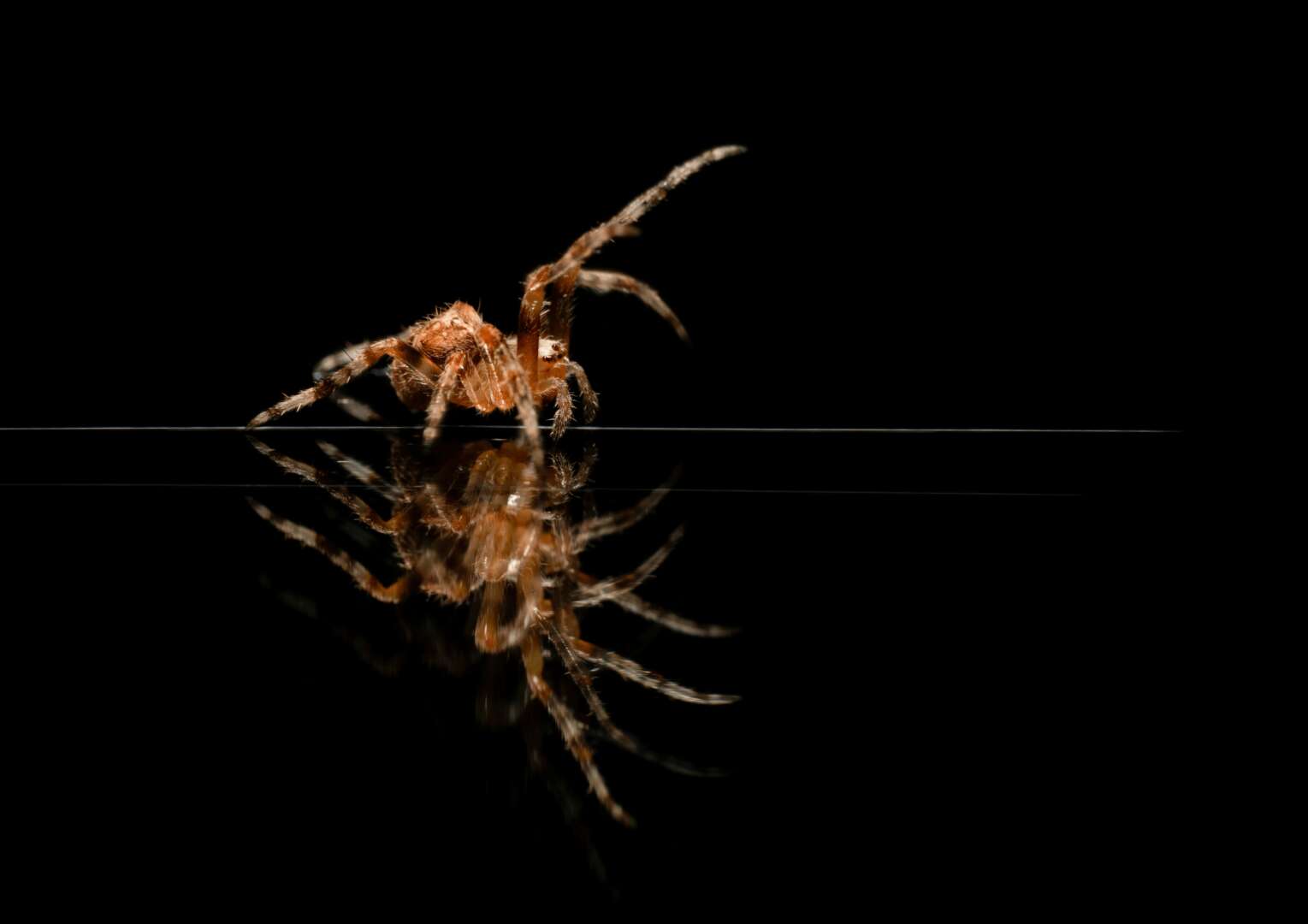
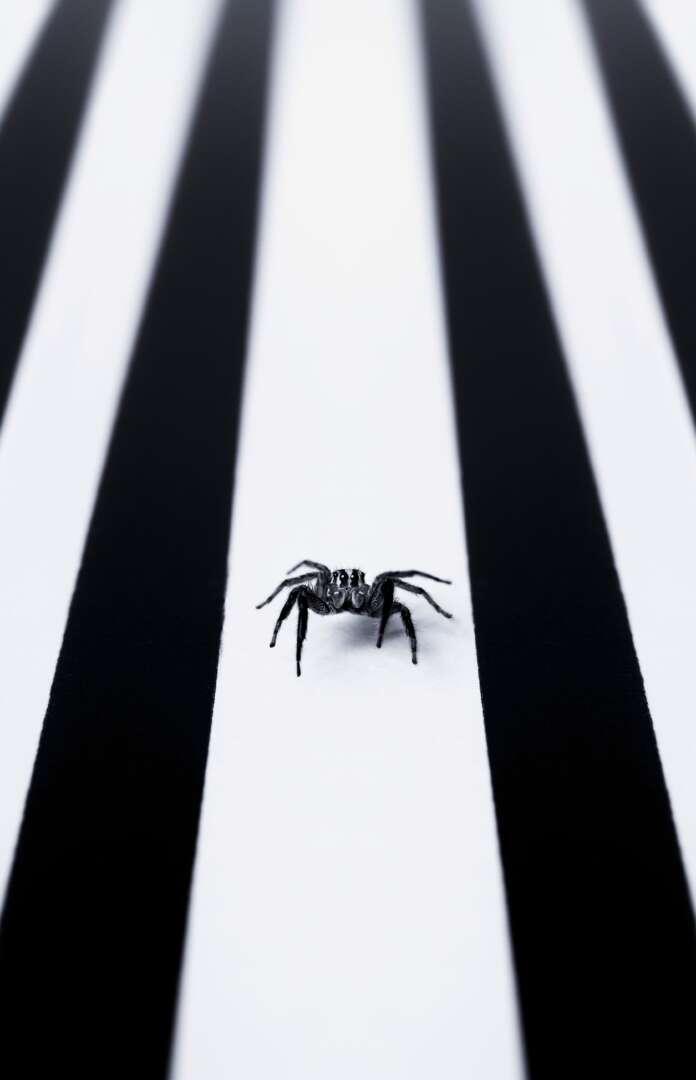
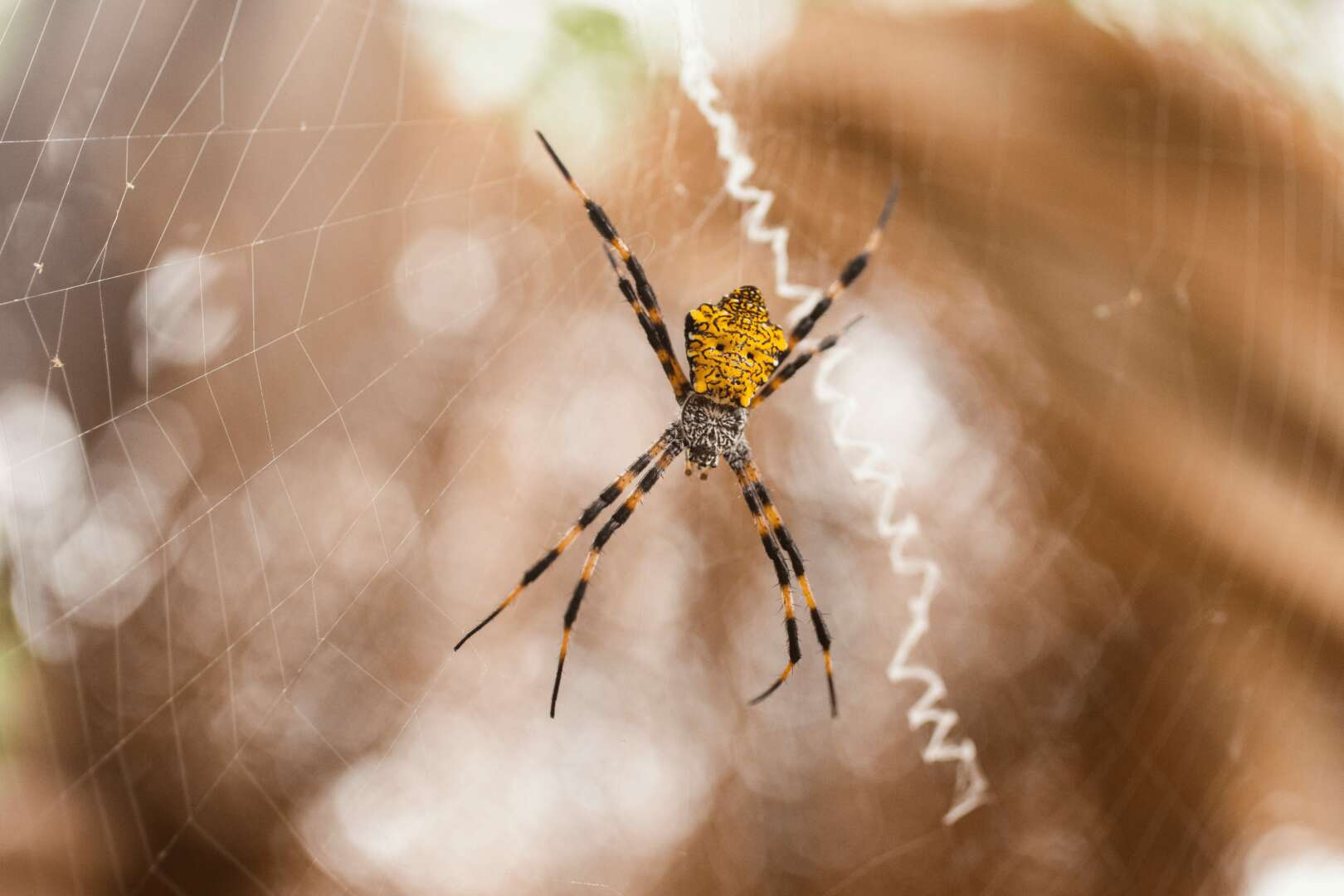
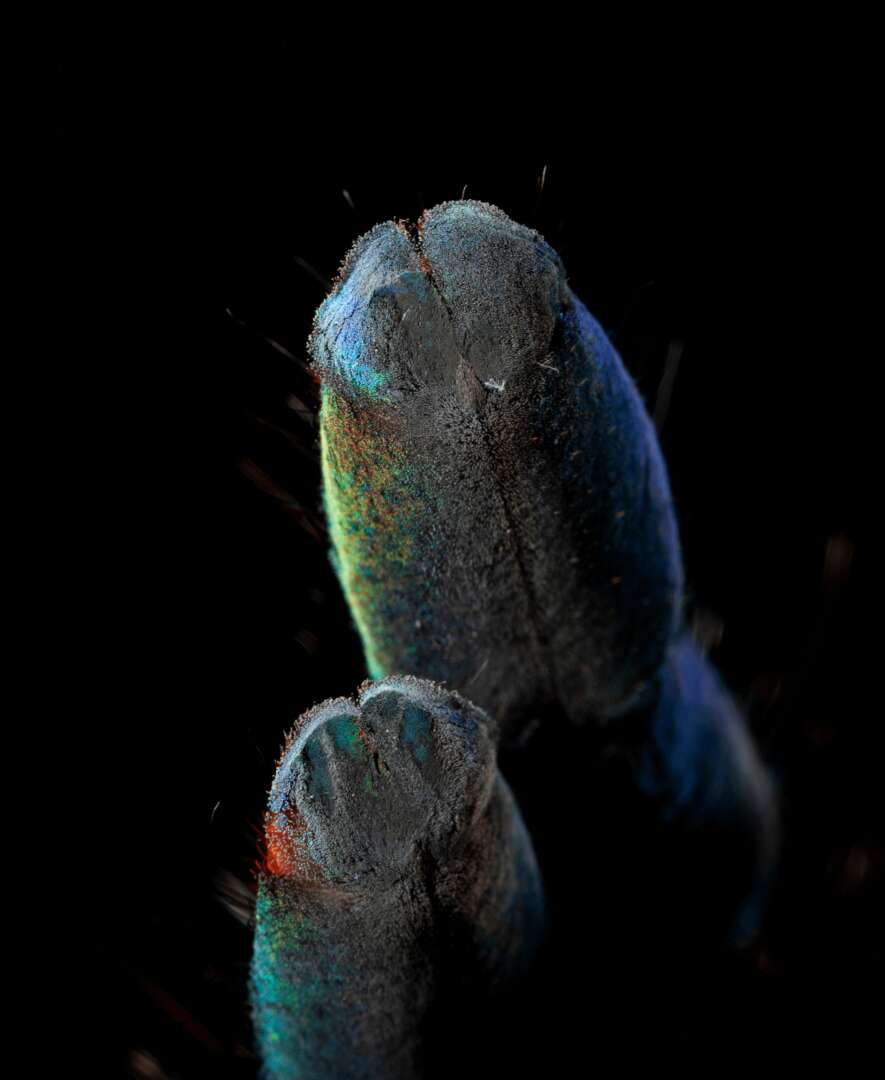
The most meaningful project I have worked on is my life’s work focusing on spiders and insects. While I consider myself a wildlife photographer and have a love for documenting any species, I always try to make time to continue my work involving spiders. Growing up in the rural area of Northern San Diego County, I was surrounded by all kinds of wildlife. I was always seen picking up rocks looking for different beetles or holding the daddy long legs that would make webs in the corner of my room. I was enchanted by their exoskeletons and loved looking at their anatomy because it differed so much from our own. As I grew older, I noticed that most people did not share my sentiments and found bugs, especially spiders, to be terrifying and dangerous. The truth is that less than one-tenth of one percent of all spider species have venom capable of causing illness in humans. So why are so many people afraid of them? I have spent the past 10 years trying to have conversations with my peers regarding the fear associated with spiders and have come to a few conclusions. Some say it is because they are too different from humans to relate to them because they have a hard shell and more legs than we do. Others say that it is because they are so small, that they can’t see them properly and form conclusions in their heads about what the spider looks like. Most have said that they are dangerous and aggressive to humans, therefor they are terrifying “evil” creatures. I also have been shot down from even beginning the conversation because of the fear people have. So, as I take into consideration how others feel, I have realized that I want to dedicate my life to showing that spiders are beautiful and not inherently evil. Through my photography, I try to tackle people’s concerns so that we can continue the conversation in a positive light and hopefully change people’s opinions. I break down my photography into two groups, photos for those who are willing to look at and discuss spiders, and photos for those who refuse to entertain the conversation and view any images. Separating my photographic process into these two groups helps me set up how I want to control the narrative of my work. Will I be showing the entire animal in the frame highlighting its beauty as a whole, or will I do extreme macro close-up images highlighting individual aspects of the spider to make it easier for the viewer? I may not be the most famous well-known photographer, but in my community, I have changed the opinions of many peers and that is what drives my work. Each time someone comes to me and says “Every time I see a spider I think of you” or “I used to kill the spiders in my house, but now I think of you and I safely remove them and let them go outside” fills me with joy and hope. Hope to change the hearts of others to see spiders as simple animals and not some kind of horror movie monster. Since this is my life’s work, not all of my spider photos fall within one specified project. However, I do have a series I have spent years working on that has not been published yet. Once I find more species and complete my series, I hope to share it with everyone and I hope it allows me to continue the conversation on the beauty of arachnids.
Em, love having you share your insights with us. Before we ask you more questions, maybe you can take a moment to introduce yourself to our readers who might have missed our earlier conversations?
I can’t say there was a specific event or reason that I got into the photographic industry. I have always loved photography and known it was what I wanted to spend my life doing since I was a child. I’ve had other thoughts for careers like zoology or conservation sciences, but I have always been pulled back to my camera. Nothing fills me with joy like taking photos and there is nothing better than the sound of the shutter, the quiet serenity of the darkroom, or the instant gratification of seeing your digital photo pop up on the back of your camera to reveal that you got the shot of the day. When I was in high school, I knew I wanted to be a wildlife photographer, but that was all I had planned. Then, my photography teacher, Joseph Darrough, sat me down to discuss my future. He recommended that I find a niche in photography that was not as common so that I could stand out with my work. I did not have to think very long, maybe less than a minute before I answered “I want to specialize in spiders”. Since that day my mind has been occupied by arachnids and insects. What new species can I photograph? How can I show them differently than “This is a spider, look at it.”? How can I change people’s opinions to make them less afraid? All of these questions are constantly buzzing around in my head as I work. I do not want my work to be just informational and show what a spider looks like, I want it to be conversational. I want to discuss the animals with everyone and I want to challenge preconceived notions of what spiders are.
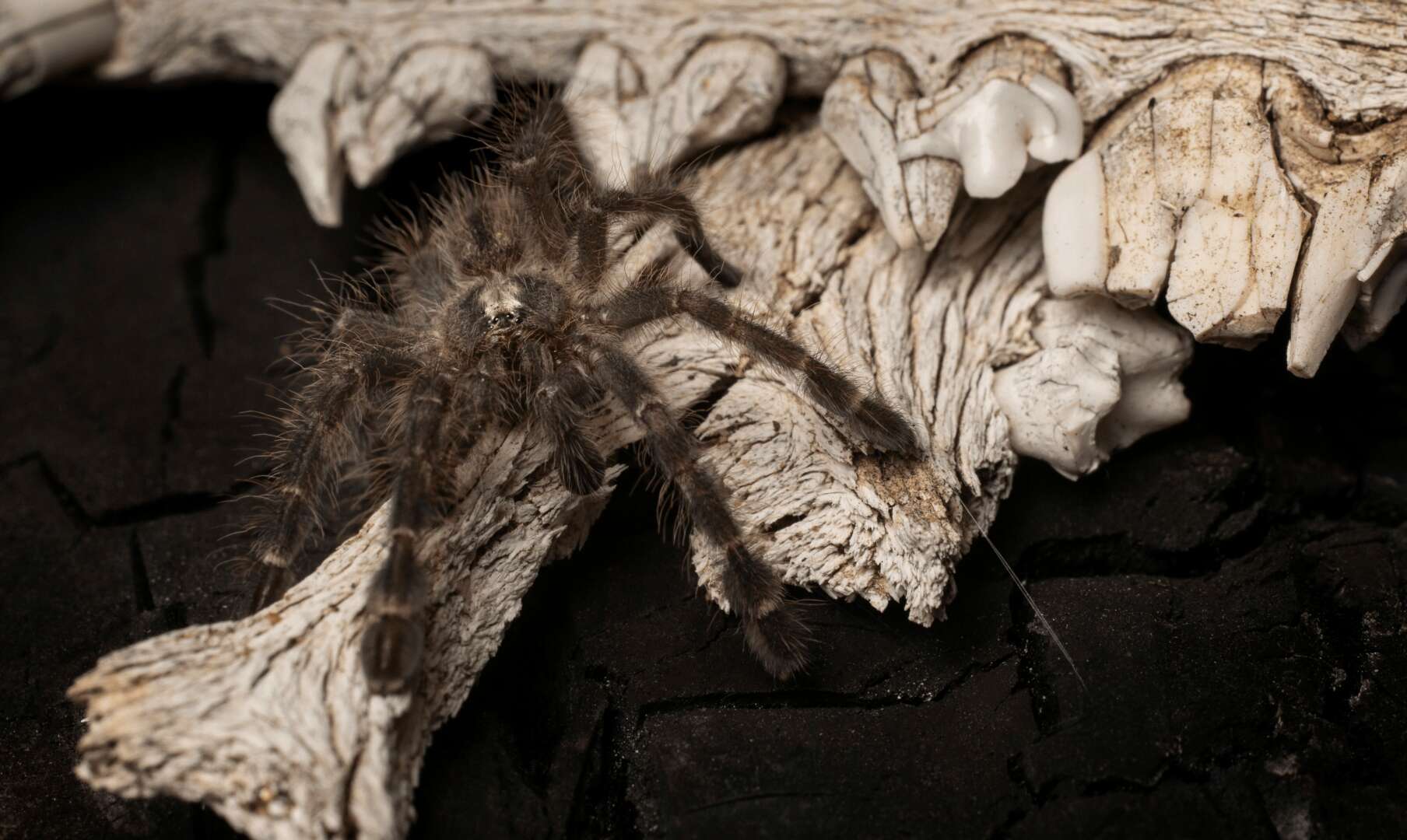
I mostly work in the digital sphere because arachnids can be very quick and it’s easy to miss the shot. So, being able to instantly see my photos as I take them is extremely helpful. However, I have a passion for film photography and I try to utilize it where I can. There is something about seeing the hairs on a Honduran Curlyhair tarantula on black and white film that is so beautiful and not easy to replicate with digital. So, I try to not dwell on the medium that I am working with and instead focus on what narrative I can tell about the subject of my image. Having the viewer see my love for the animals and their beauty is all that really matters to me. Most of my photos are taken on a set because I love building backgrounds or controlling the light to highlight specific aspects of the subject. Many have said that when I am working, I tend to talk to the arachnids without realizing it, saying things like “Please behave” and “work it, that’s the pose… now don’t move!” I rarely notice that I am talking because I am so engrossed in the moment and getting the right shot that I block out all my surroundings. I try not to take things so seriously and like to have fun while taking photos because I truly believe that your emotions are reflected in the final images and I want people to see my work as positive and joyful. That being said, working with live animals can be very difficult so I take every precaution that I can to ensure that they are safe and not stressed during the shoot. No image is worth harming or taking a life, even if it’s “just a spider.” Working with others on set and my genuine desire to talk to everyone about spiders has branded me the “spider lady” or even the “crazy spider lady,” so I lean into it and try to brand myself as the eccentric spider lover who’s work is filled with color and joyful emotions. In the end, it’s my passion for these incredible creatures and the joy of capturing their essence that drives me to create images that resonate with wonder and appreciation.
Have you ever had to pivot?
I think many creatives had to pivot in their career when COVID happened especially those like me that were graduating college and starting their careers during the lockdown. While I am not giving up on my dream to be just a wildlife photographer, I had to slightly change my focus after COVID. Since we were in lockdown for so long and the only places people could get out of the house were parks, many people invested in cameras and began taking wildlife photos. This created a surge in volunteer photographers for the conservation groups. San Diego is a region with extremely diverse wildlife and nature, so there is no shortage of conservation groups. However, almost every single group I have marketed to has replied with the same response, “I am sorry, we have a network of volunteers so we have no need to hire photographers.” While I understand the reasons, it was very disheartening to get the same response from so many companies. So, I made the decision to temporarily switch to non-profit event photography until I can build a better network for conservation wildlife photography. I am by no means giving up. If anything, I feel more motivated to show the importance of my work and build a career out of wildlife photography.
What’s the most rewarding aspect of being a creative in your experience?
The most rewarding aspect of being a photographer is the conversations I can have with clients and viewers. Being a non-profit event photographer has allowed me to witness my community gathering to do amazing things like cleaning up the city or feeding the homeless. My camera opens a door to talk to the people I am documenting and I get to hear so many stories of the community coming together. My wildlife photography allows me to discuss passions with my peers, whether it be talking about spiders for hours or listening to others discuss their favorite animals and passions. Sure, I can walk up to people during events and simply ask these questions, but it is a lot easier to have these conversations when I am holding a camera. The conversation normally starts with “Do you specialize in event photography?” and then once I explain that my true passion is arachnid photography, the conversation opens up and I am able to learn about others as they learn about me. I think community and friendship are something that we do not focus on enough in society, so I am thankful to work in a career where I can watch people come together and help each other while making new connections and friendships.
Contact Info:
- Website: https://emwrightphoto.com
- Instagram: @EmWright_Photo
- Linkedin: https://www.linkedin.com/in/em-wright-2637b117a/
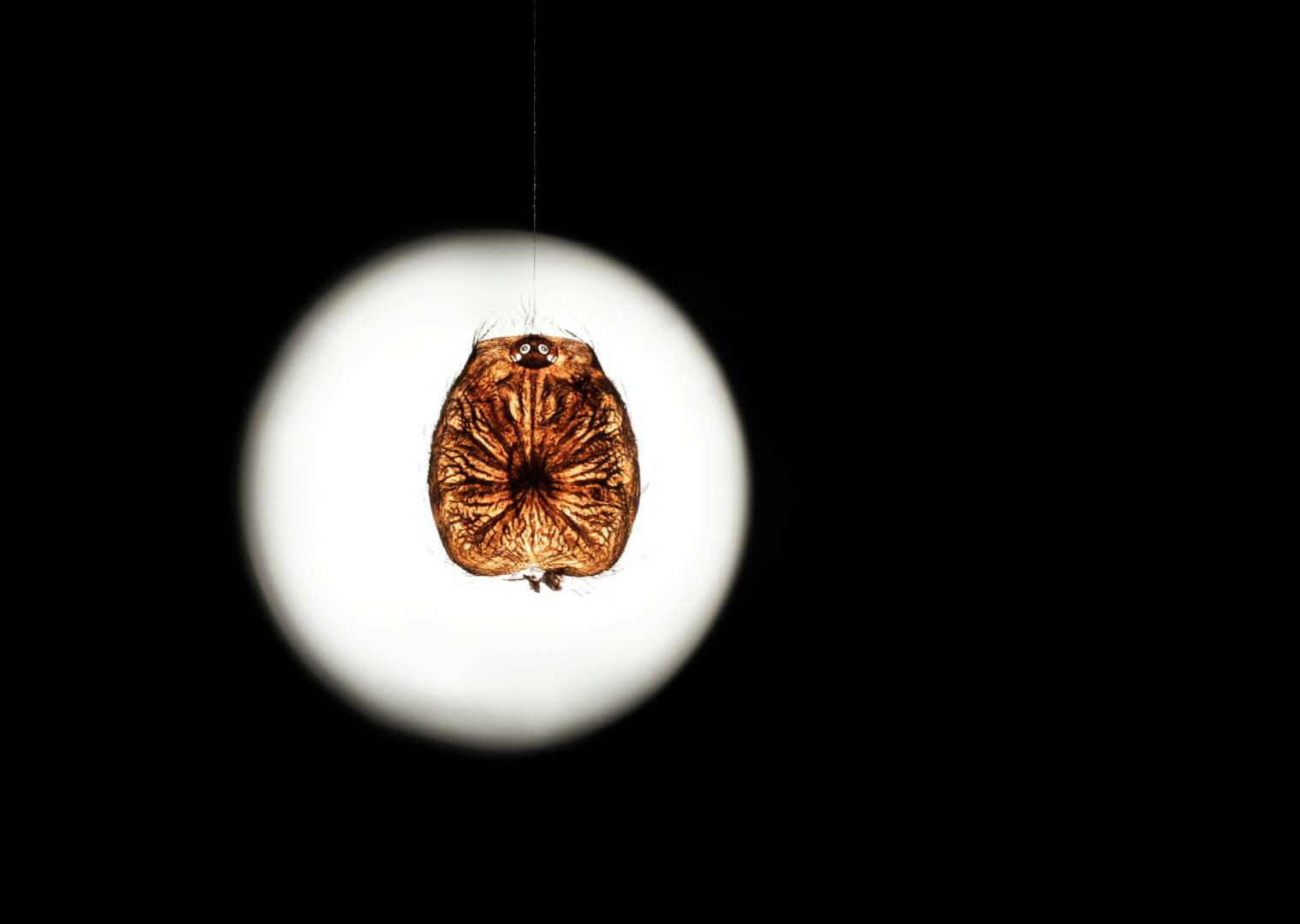
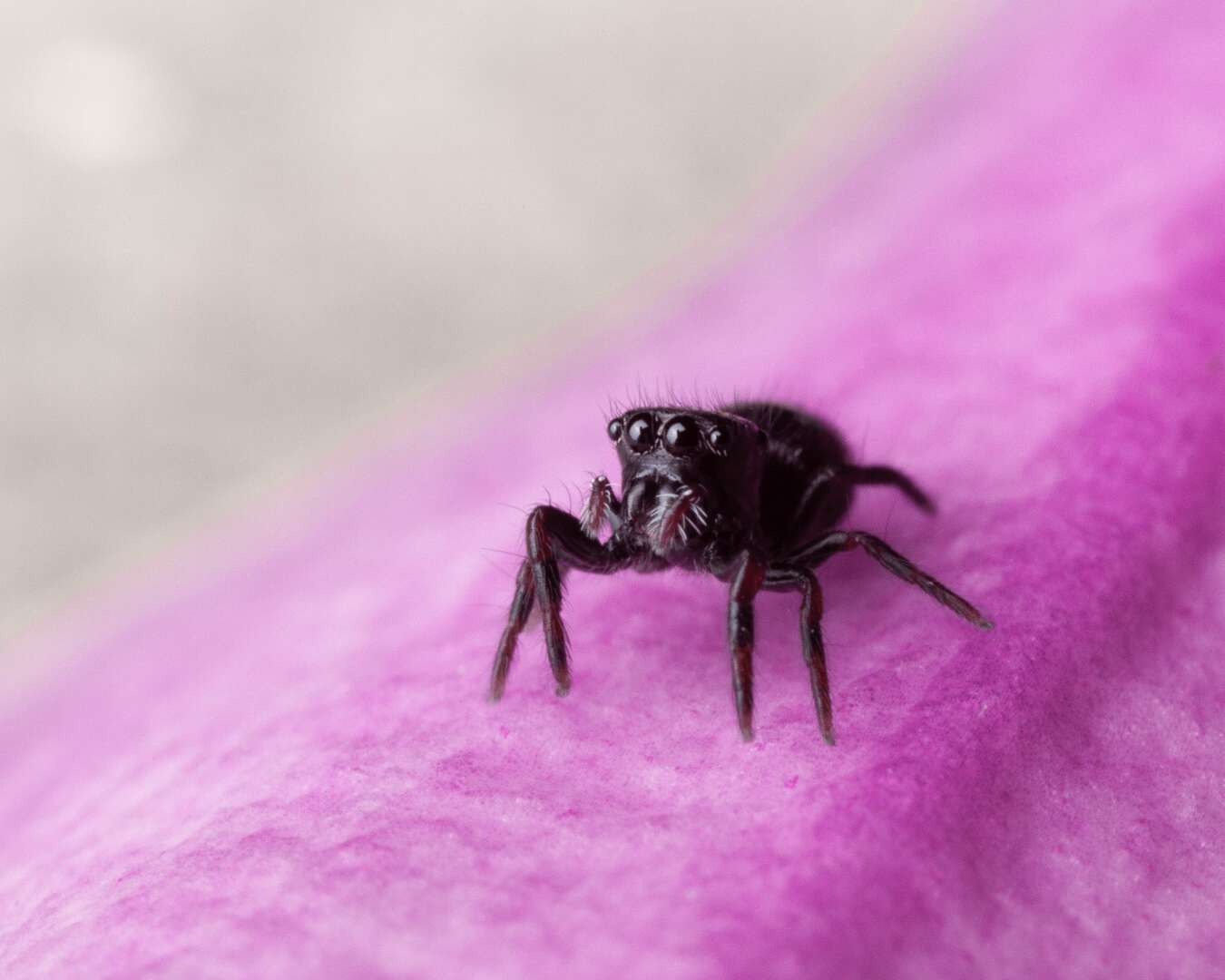
Image Credits
Em Wright