

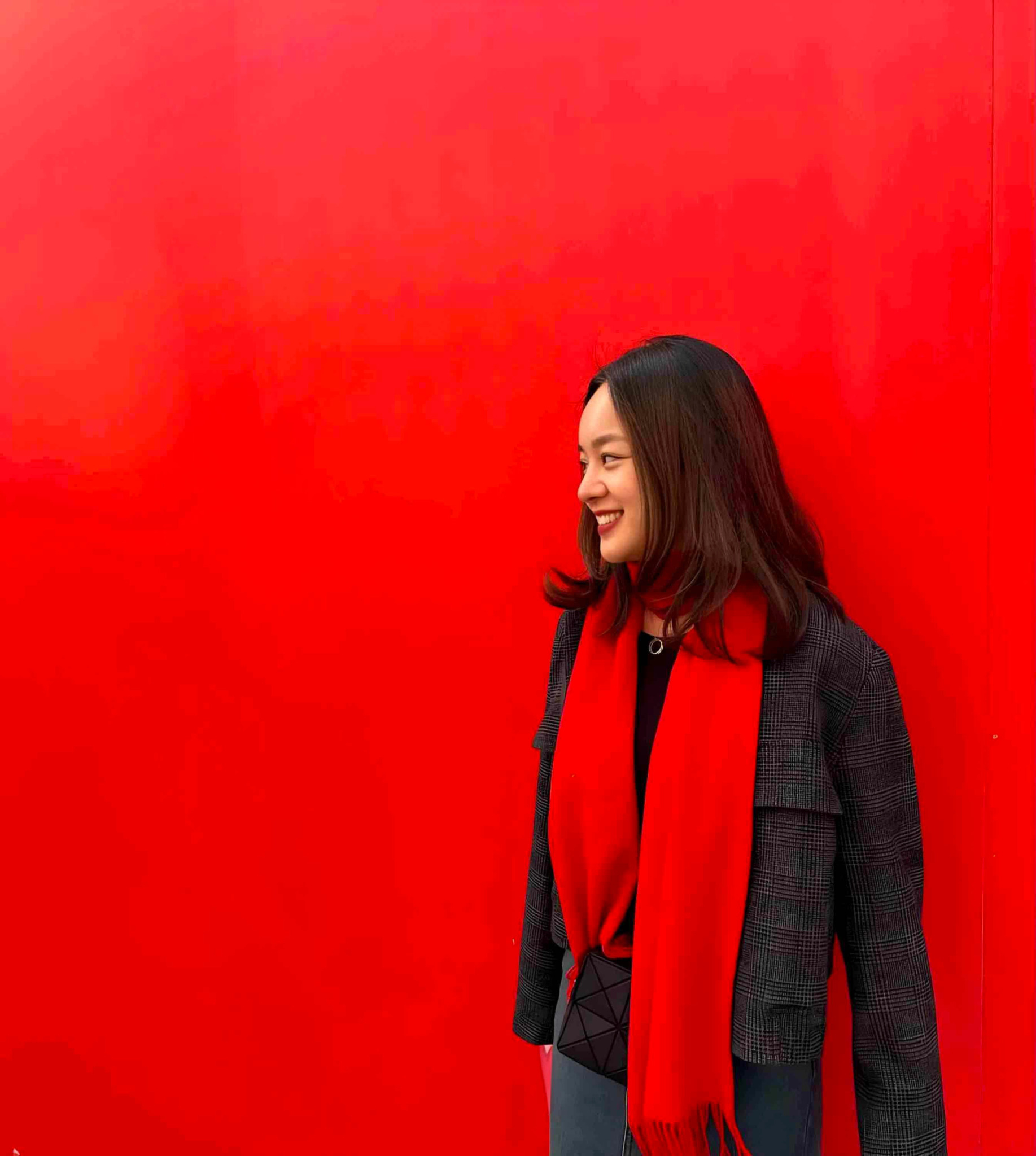

We recently connected with Eloise NG and have shared our conversation below.
Eloise, looking forward to hearing all of your stories today. Did you always know you wanted to pursue a creative or artistic career? When did you first know?
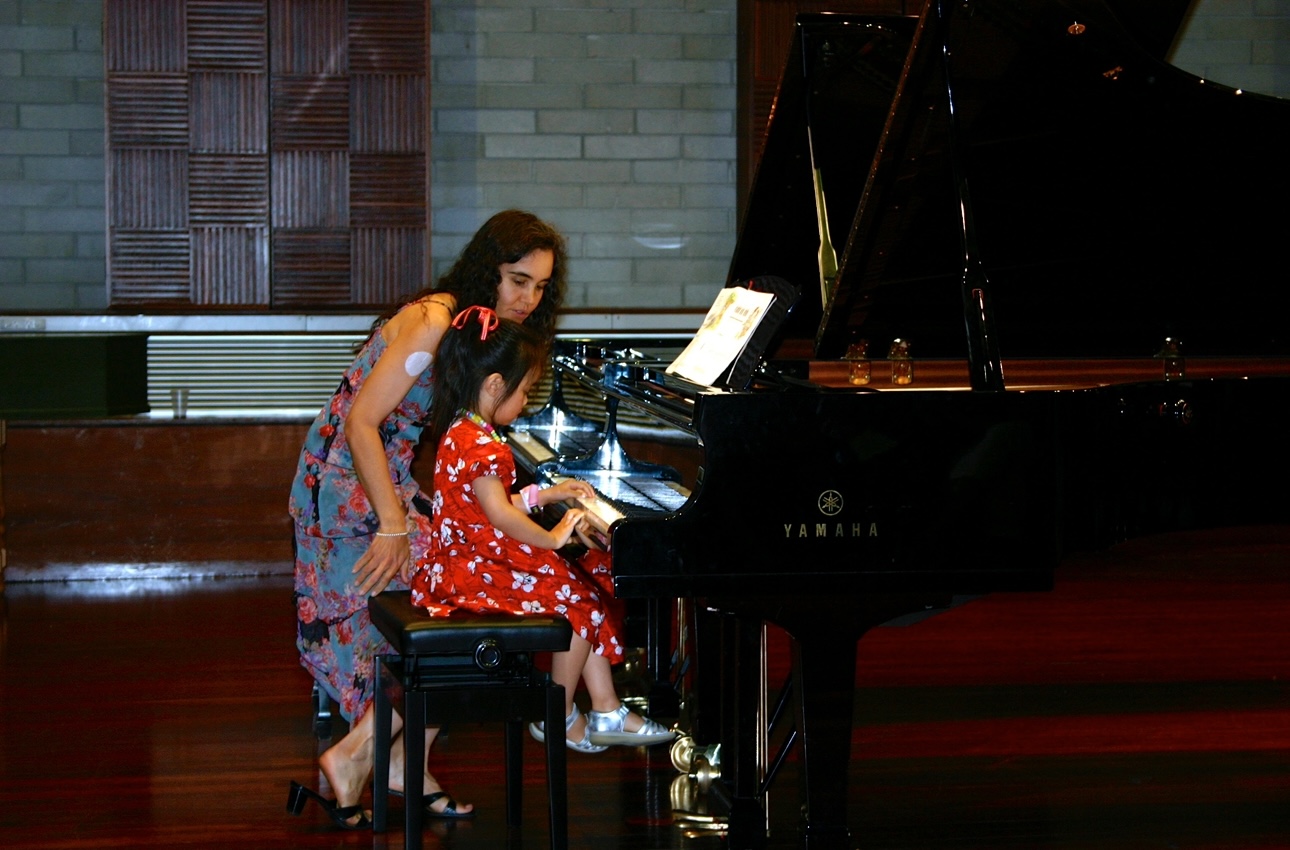
I’ve always been immersed in music, and looking back, I think the turning point for me came when I was still very young. My parents enrolled my brother and me in music lessons at the age of four, and I was immediately drawn to the process of learning new instruments. It felt like a world of endless possibilities—each instrument had its own character, its own challenges, and its own way of expressing emotion. Much to my parents’ surprise (and at times frustration!), I found myself exploring voice, piano, violin, cello, oboe, and acoustic guitar, each offering a unique experience that shaped my understanding of music in profound ways.
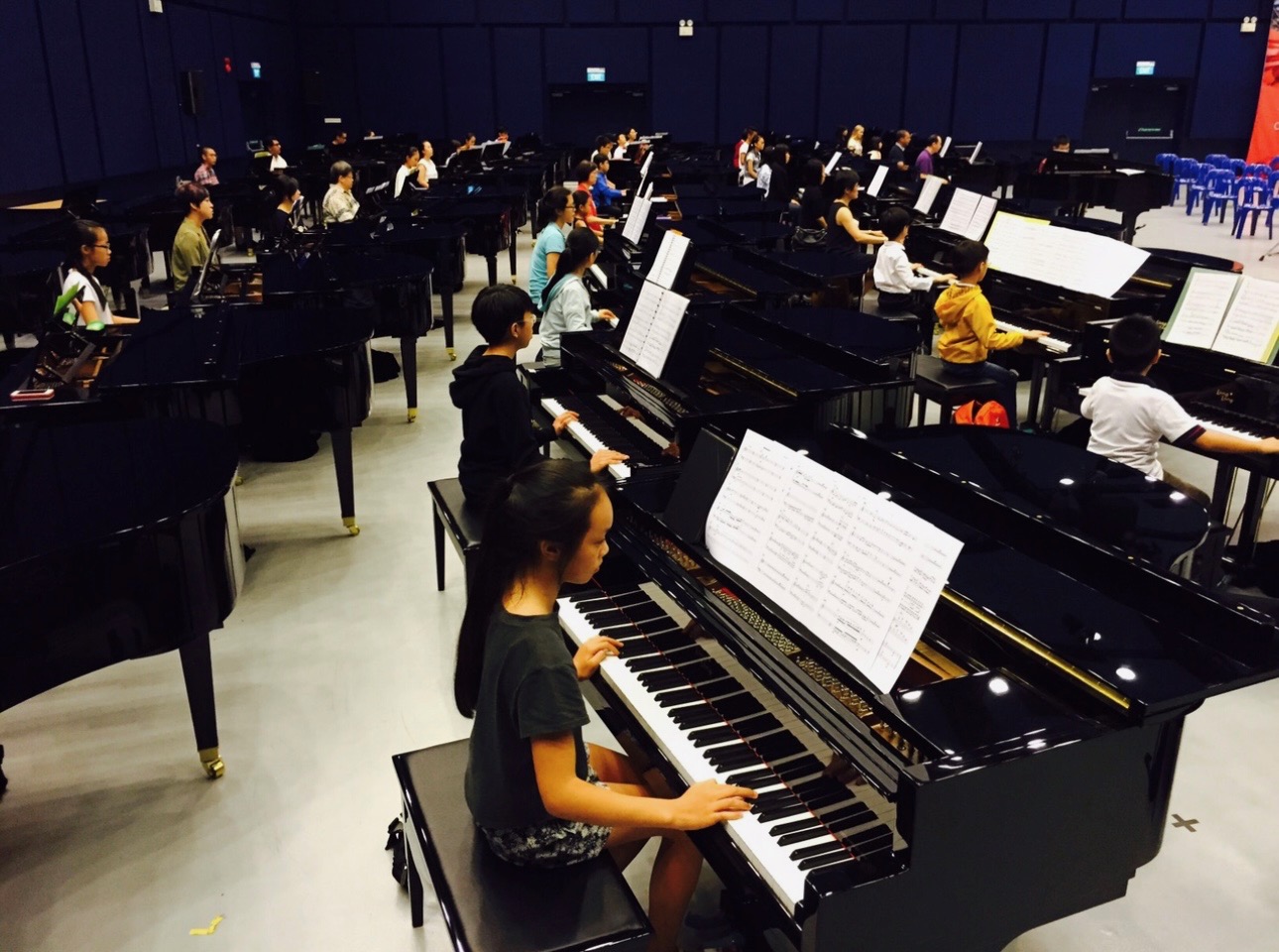
By the time I was around ten, I had gravitated towards the piano as my primary instrument, with the oboe a close second. What started as a curiosity about music grew into something I could see myself pursuing professionally. There was something about the combination of artistic expression and technical mastery that deeply resonated with me. I realized that I wanted to dedicate myself to a career where I could not only express my own ideas but also contribute to its larger world.
Great, appreciate you sharing that with us. Before we ask you to share more of your insights, can you take a moment to introduce yourself and how you got to where you are today to our readers.
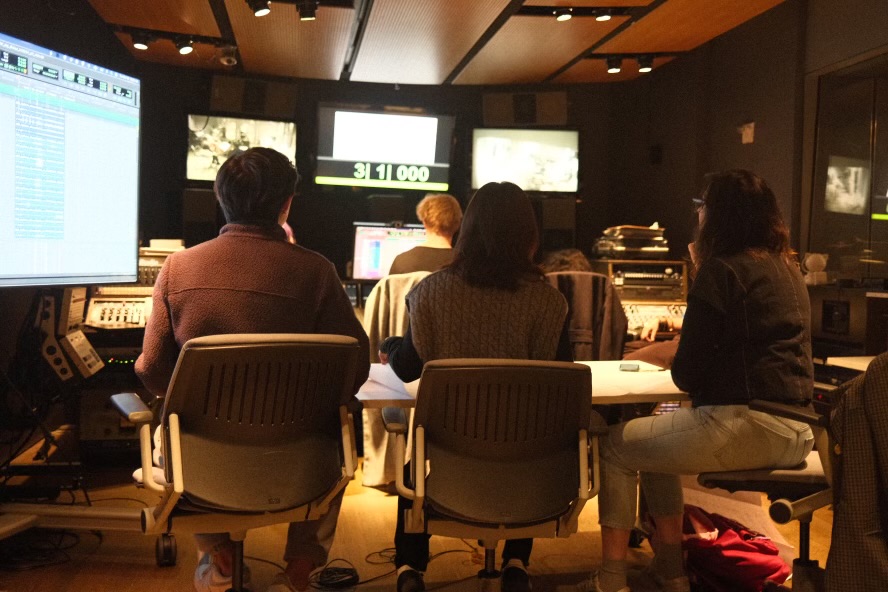
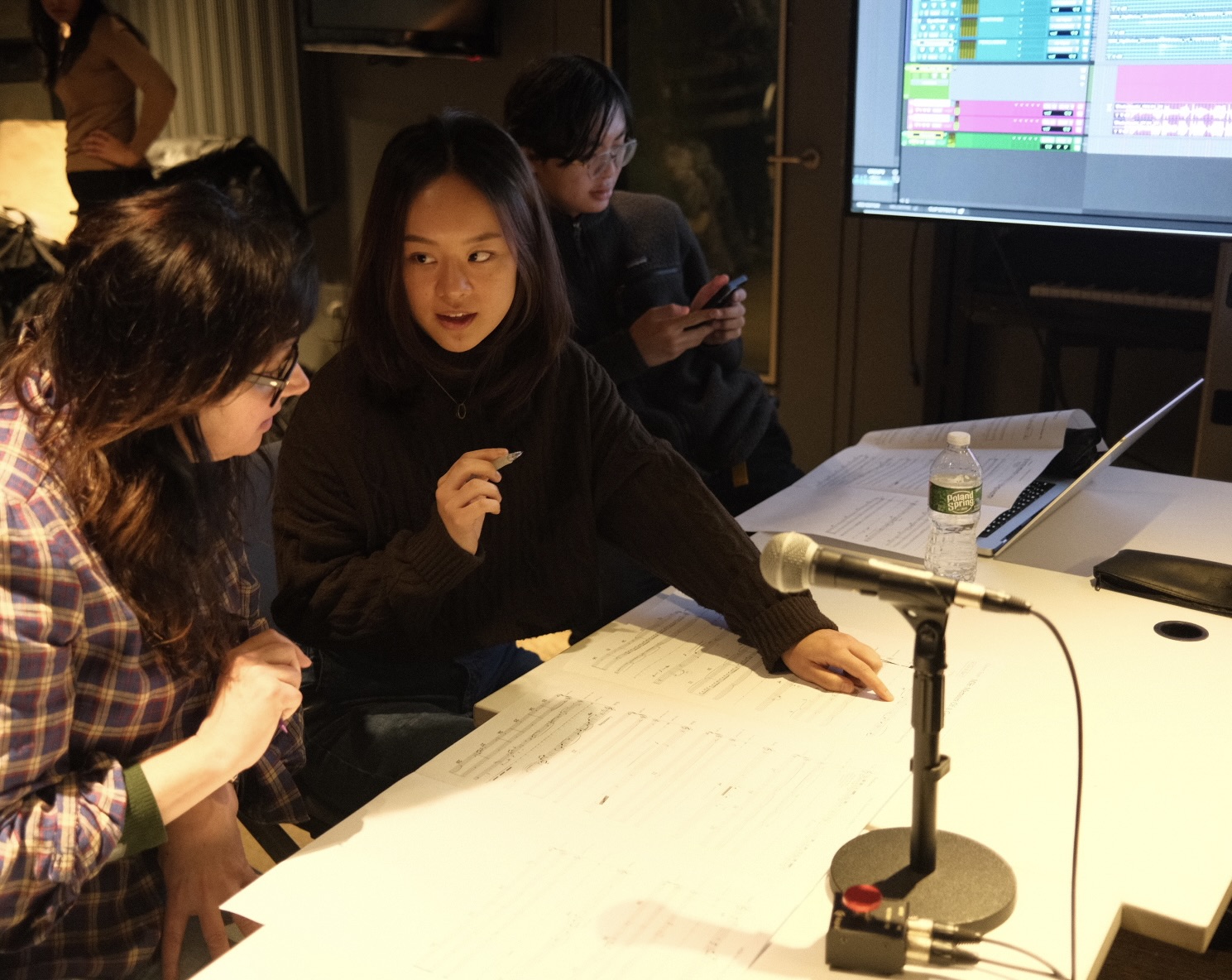
Hi there! I’m Eloise NG, an Australian composer and pianist. I grew up in Perth, Australia, and moved to Singapore when I was 12. Music has been a big part of my life from an early age. I started out focusing on performance, but it wasn’t until my late teens that I really started exploring composition. A turning point for me was watching the film The Boy in the Striped Pyjamas when I was 17. The emotional impact of the film inspired me to compose a piece for clarinet and piano, which won a composition prize in Singapore. That moment made me realize I wanted to pursue a career as a composer. I went on to study musicology and composition at King’s College London and took music technology and film composition courses through Berklee Online. Currently, I’m based in New York City, pursuing a master’s in Screen Scoring at NYU.
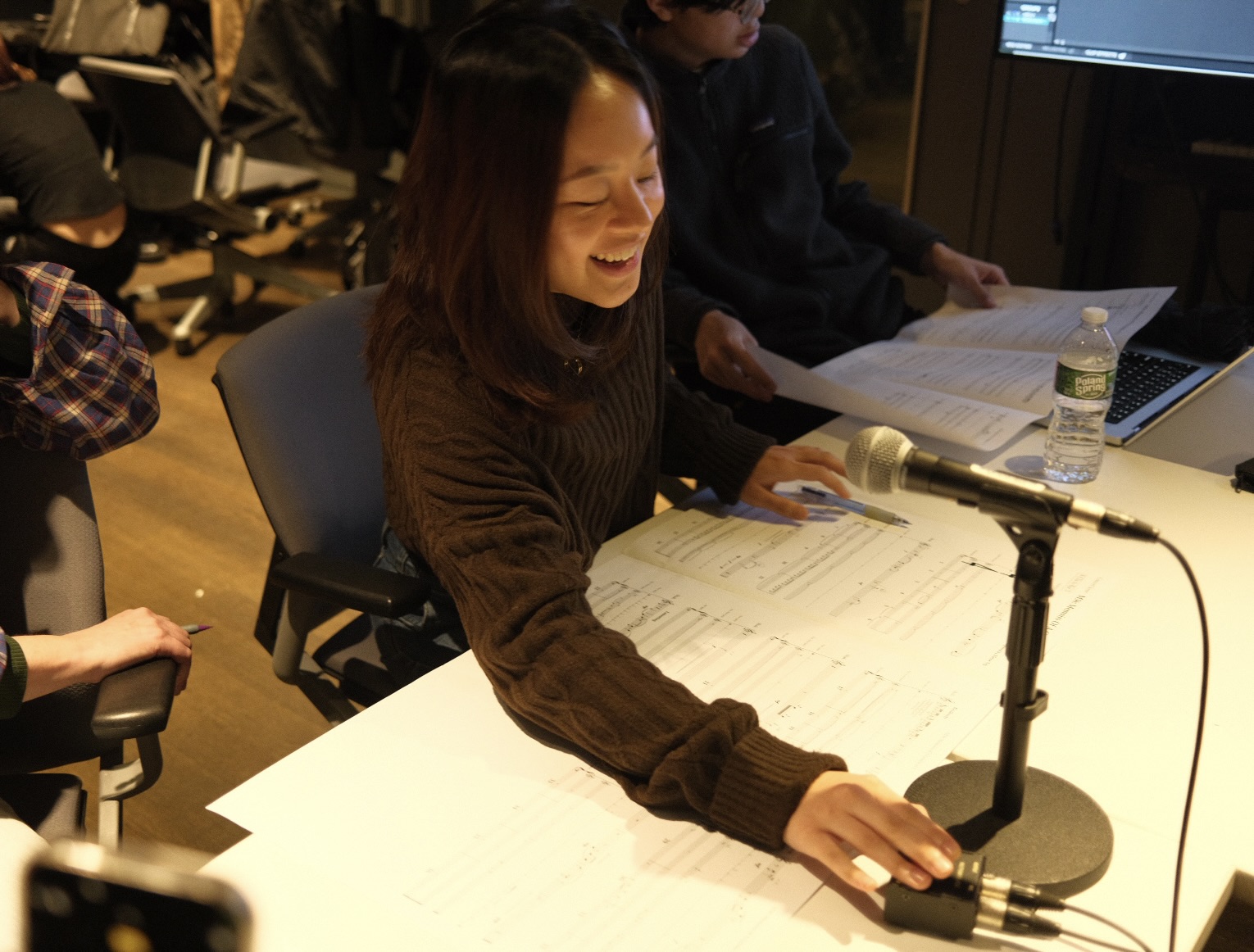
I specialize in writing music for visual media, so I compose for film, TV, theater, video games, and other multimedia projects. My goal is always to create music that supports the story, whether it’s for a fast-paced action scene, an intimate moment, or something more atmospheric. I have a classical background, but I’m also very much interested in exploring new sounds and techniques using modern technology. I think mixing the old with the new is what makes my work feel fresh and versatile. I feel that what sets me apart as a composer is my focus on the story. When I start a project, I immerse myself in the narrative. Whether it’s through reading the script, looking at stills, or discussing the director’s ideas, I make sure I understand the emotional core of the project. To me, scoring is all about collaboration, and I see myself as a partner in helping bring the director’s vision to life through music.
I feel that I’m developing a strong instinct for how to match my music to what’s happening on screen, and I’ve worked hard to be efficient in delivering a sound palette that really works with the visuals. My main goal is always to create music that connects with the audience. Music has the power to transform how people experience a story, and I love the opportunity to help tell a story through sound, whether it’s for a film, an advertisement, or an installation. I truly enjoy collaborating with others and am always open to new projects. I believe in the power of teamwork, and I’m always excited to see how different ideas come together to create something unique.
What’s the most rewarding aspect of being a creative in your experience?
For me, the most rewarding aspect of being an artist is the ability to connect with others through my work. Whether it’s composing for screen, performing a piece, or collaborating with fellow creatives, there’s a unique power in sharing an emotional experience through music. Though it may sound cliché, I do believe that music, more than most forms of expression, has the ability to transcend words and create a direct, visceral connection with people.
I also find deep fulfillment in the process of creation itself. The journey of turning an initial idea or emotion into something tangible is always exciting. There’s a certain magic in watching a composition evolve, as it takes shape over time and begins to resonate in ways you perhaps couldn’t predict at the start. Even amidst challenges, there’s a sense of development that feels incredibly rewarding.
Finally, I’d say that collaborating with others is a significant part of what makes this work so rewarding. Coming from a solo performance background—which can sometimes feel isolating—I’ve grown to love the energy that comes from working alongside directors, musicians, and other artists. It’s inspiring to see how different perspectives can shape the creative process and bring a project to life in unexpected ways. This collaborative aspect makes the work feel more dynamic and gives me the sense that I’m contributing to something much bigger than just my own efforts.
What’s a lesson you had to unlearn and what’s the backstory?
A lesson I’ve had to unlearn is the idea that perfection is always the end goal, especially in the creative process. Early on, I was very much invested in achieving perfection, particularly in my piano performance. I would spend hours practicing, refining every note, every passage, believing that getting it exactly right was the key to success. This mindset served me well in the context of performance, where precision and technical mastery are highly valued.
However, when I shifted to composing, I quickly realized that the pursuit of perfection could be more paralyzing than productive. Composition is a much more fluid, evolving process. There isn’t always a clear, defined “perfect” version of a piece—rather, it’s about discovering what feels right over time and letting the music breathe and grow. I’m definitely still unlearning that need for immediate perfection and embracing the idea that it’s okay for a piece to be messy at the beginning, allowing it to naturally change and shift as it develops. The creative journey often involves experimentation, uncertainty, and even failure. I’ve found that these moments can be just as valuable as the moments when things “click.” This perspective has definitely felt freeing and has allowed me to take more creative risks, knowing that the imperfections are part of the story I’m trying to tell.
Contact Info:
- Website: https://www.eloiseng.com
- Instagram: https://www.instagram.com/eloiseng
- Youtube: https://www.youtube.com/@eloisengmusic
- Soundcloud: https://www.soundcloud.com/eloiseng
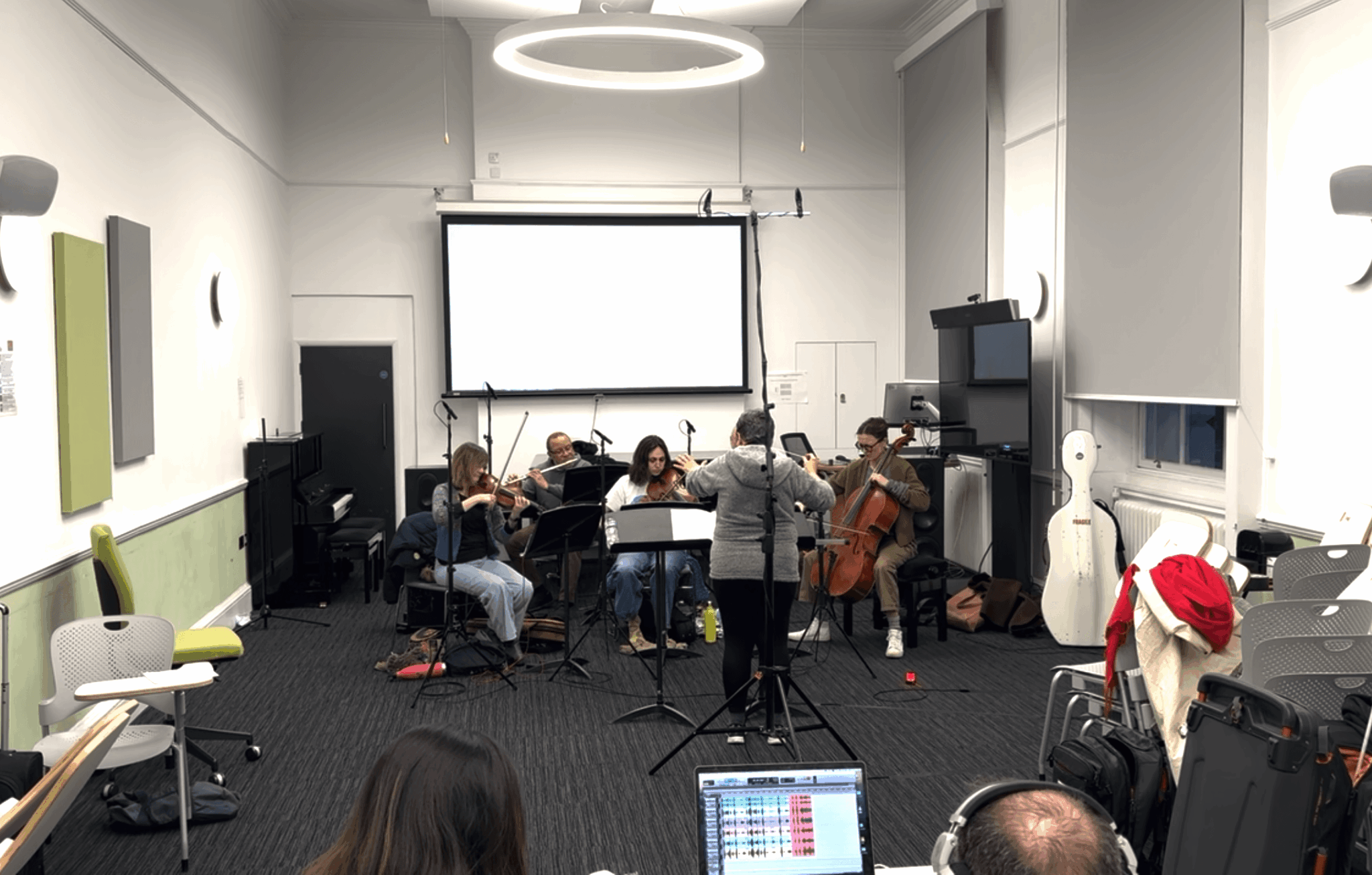
Image Credits
Cameran Johal