We were lucky to catch up with Elliot Matson recently and have shared our conversation below.
Hi Elliot, thanks for joining us today. One of the things we most admire about small businesses is their ability to diverge from the corporate/industry standard. Is there something that you or your brand do that differs from the industry standard? We’d love to hear about it as well as any stories you might have that illustrate how or why this difference matters.
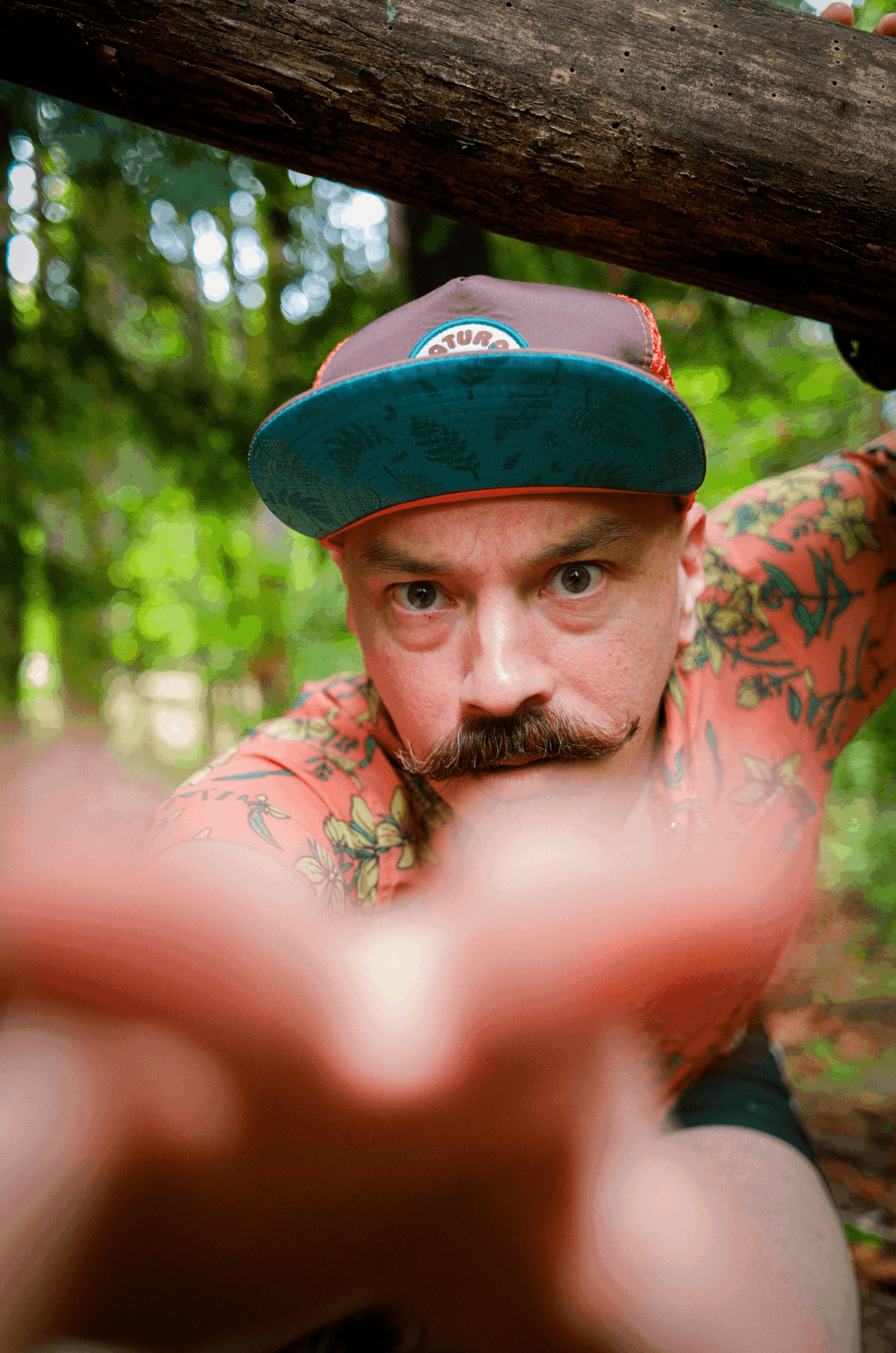
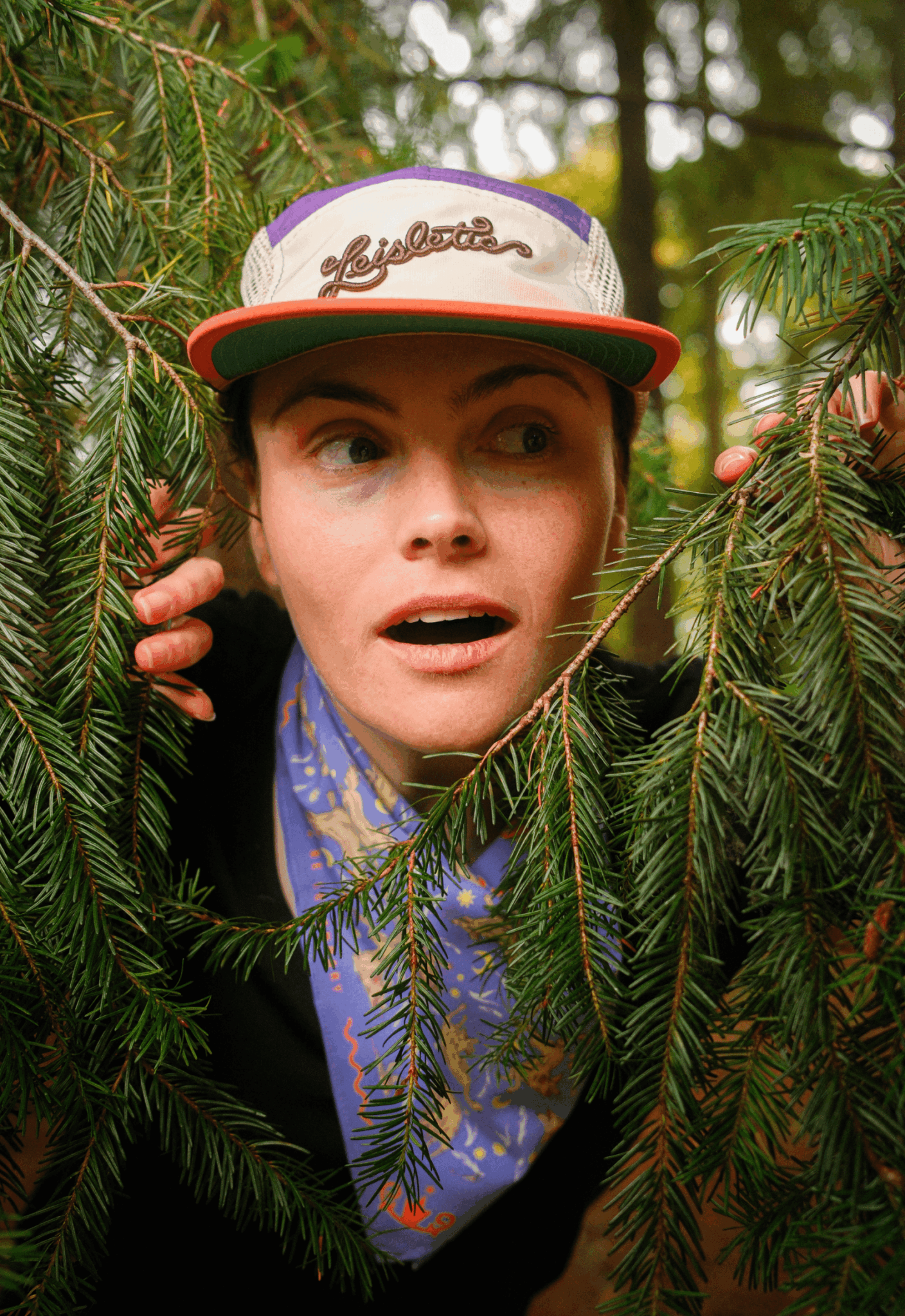
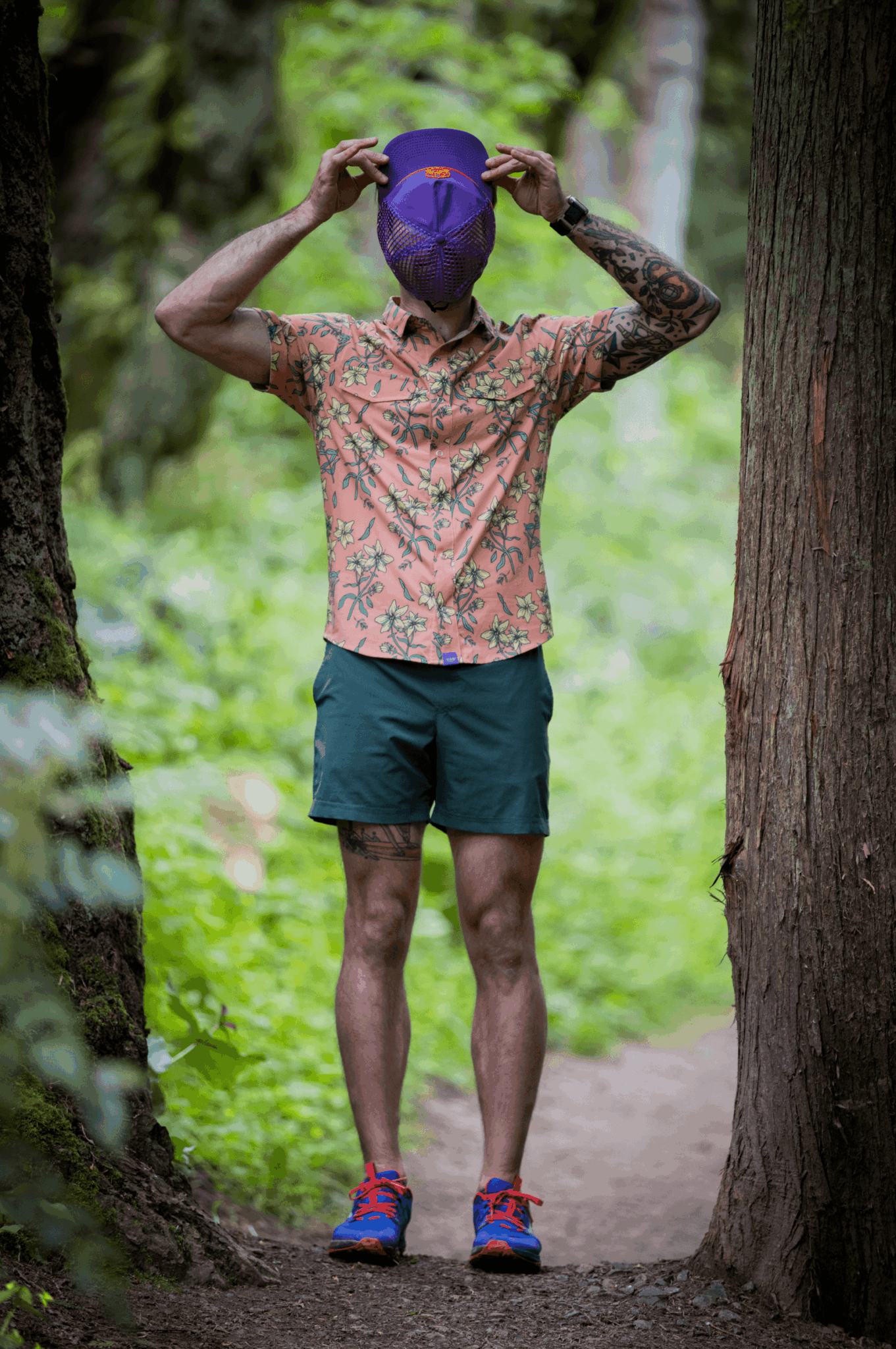
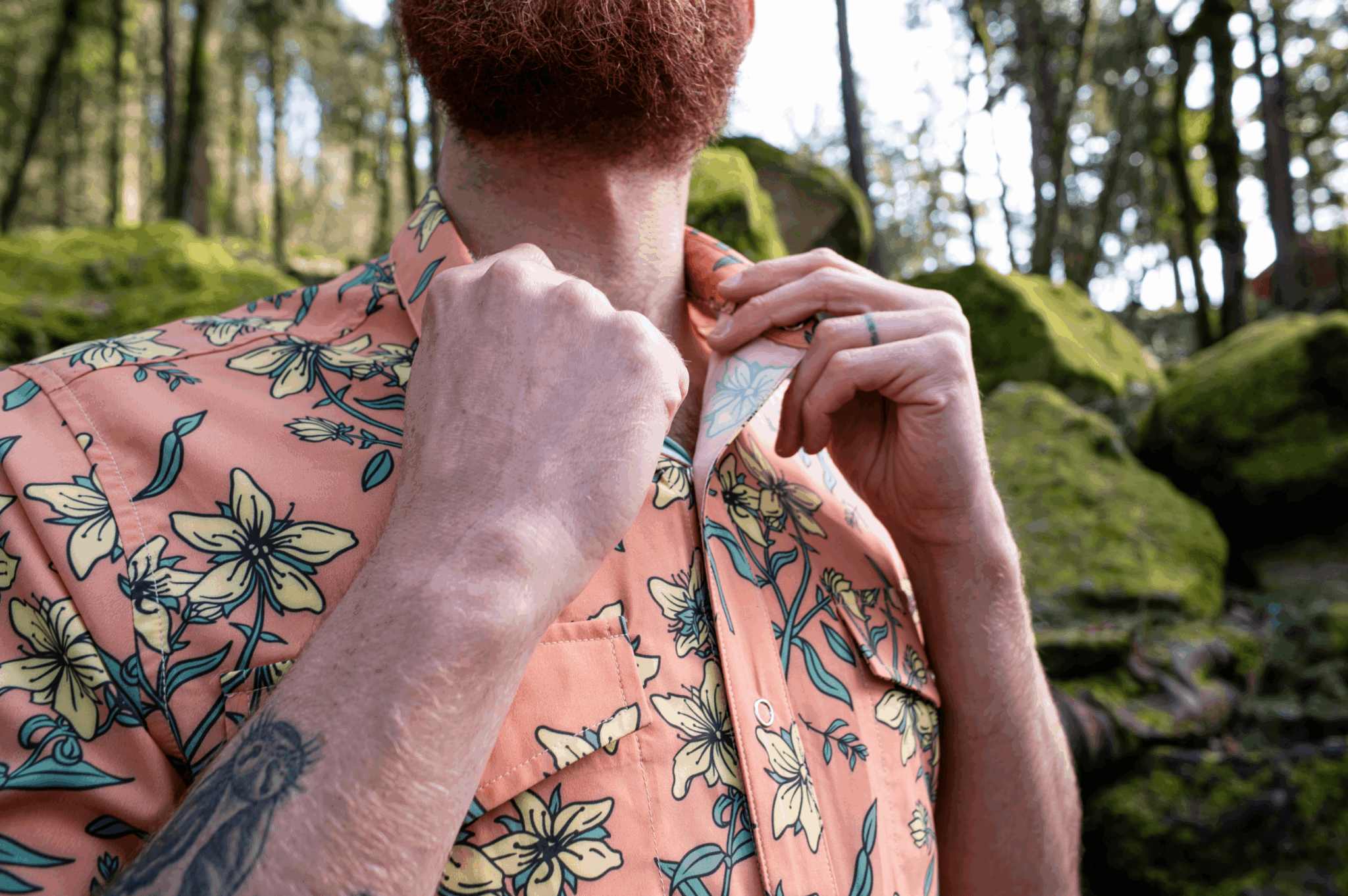
I started Folklord because I wanted to make trail running apparel that didn’t look like trail running apparel. Obviously, athleisure wear has become an industry in and of itself, but I was never happy with the fit or look of the clothing I tried for running. Mainly, because I didn’t want to look like I was ever running or working out in the first place! So, I coined the term “Leisletic”—the opposite of athleisure—and Folklord was born.
I’m trying to do something unexpected in an industry full of neutrals, gradients and uninspiring patterns. All the artwork in my prints I illustrate myself and every one of them has a story or folklore behind it. So when you wear Folklord, you are adding to the story: you’re becoming that legend. I think it’s important for people to feel that way and feel confident to get out and run regardless of skill level, and often times that confidence is exuded through our clothing. So why not have fun with it? Be a little weird; be a little out there. Be a Folklord.
Great, appreciate you sharing that with us. Before we ask you to share more of your insights, can you take a moment to introduce yourself and how you got to where you are today to our readers.
I like to say I have no competition in the running apparel industry because that would imply that any other brand knows I exist. But a tall tale has to start somewhere, right? And my background and entire career have been built on storytelling. I’ve done just about every job in the creative industry, working at ad agencies, in-house marketing teams, doing graphic design, writing, video editing, motion graphics, creative direction, and probably some other stuff too. I’ve always been a jack-of-all-trades, one-man-band type of guy who has a lot of creative pursuits and side projects—whether it’s writing novels or creating podcasts or artwork. I’ve also always been very active and fond of endurance sports, and living in Portland, OR, has been conducive to becoming an avid trail and ultra runner over the years. Folklord is in many way a synthesis of everything I do best.
It was really important to me to launch a brand that felt—like many folk tales and legends—as if it had always existed. I spent over a year developing the idea and the brand, creating the prints, working with manufacturers on apparel items and making a lot of content to explain both what I’m doing, and how it sets me apart. In today’s world of social media and digital marketing, I think having a clear brand perspective is so incredibly important, and I wanted to ensure that all of my products and content were thoughtful, had layers of meaning and could easily exude the core idea of the brand on their own.
I think most people who start brands like this do not have a creative background. So, I’ve tried really hard to lean into what I know, and whereas I might lack some business acumen here and there, building the brand based on the content and creative vision is what I care about. I’ve always been a self-starter, and despite the learning curve, if I set a goal for myself, I’m going to do it. Running has over the years been such a meditative experience for me and helped with mindfulness, stress and anxiety. But it’s also an opportunity to push myself and to explore the wilderness, and I think that kind of joyful and fun perspective is lacking in the running industry. In a sea of brands touting the pain and suffering of running, I want Folklord to be a beacon of bizarreness and fun and inclusivity.
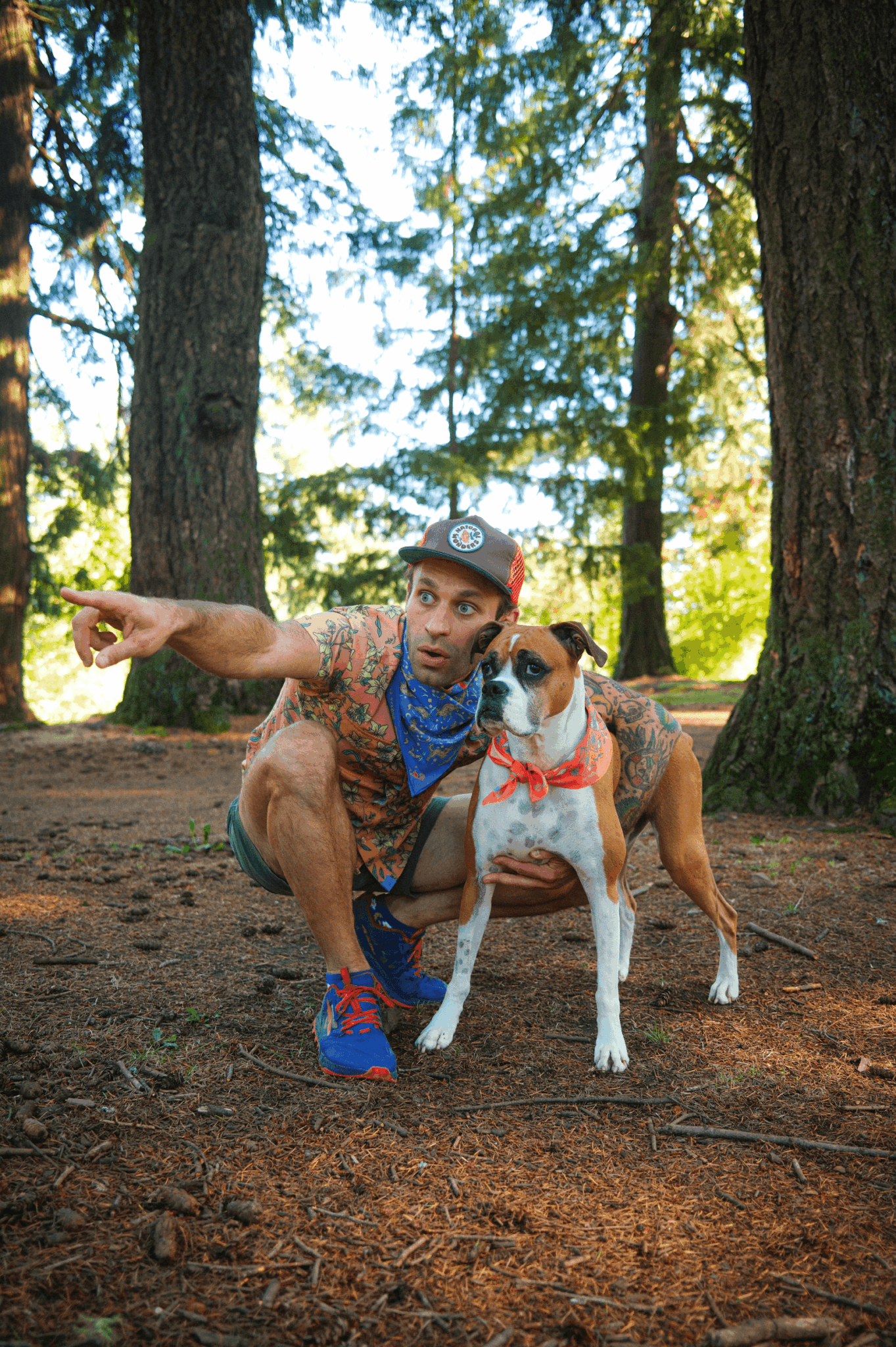
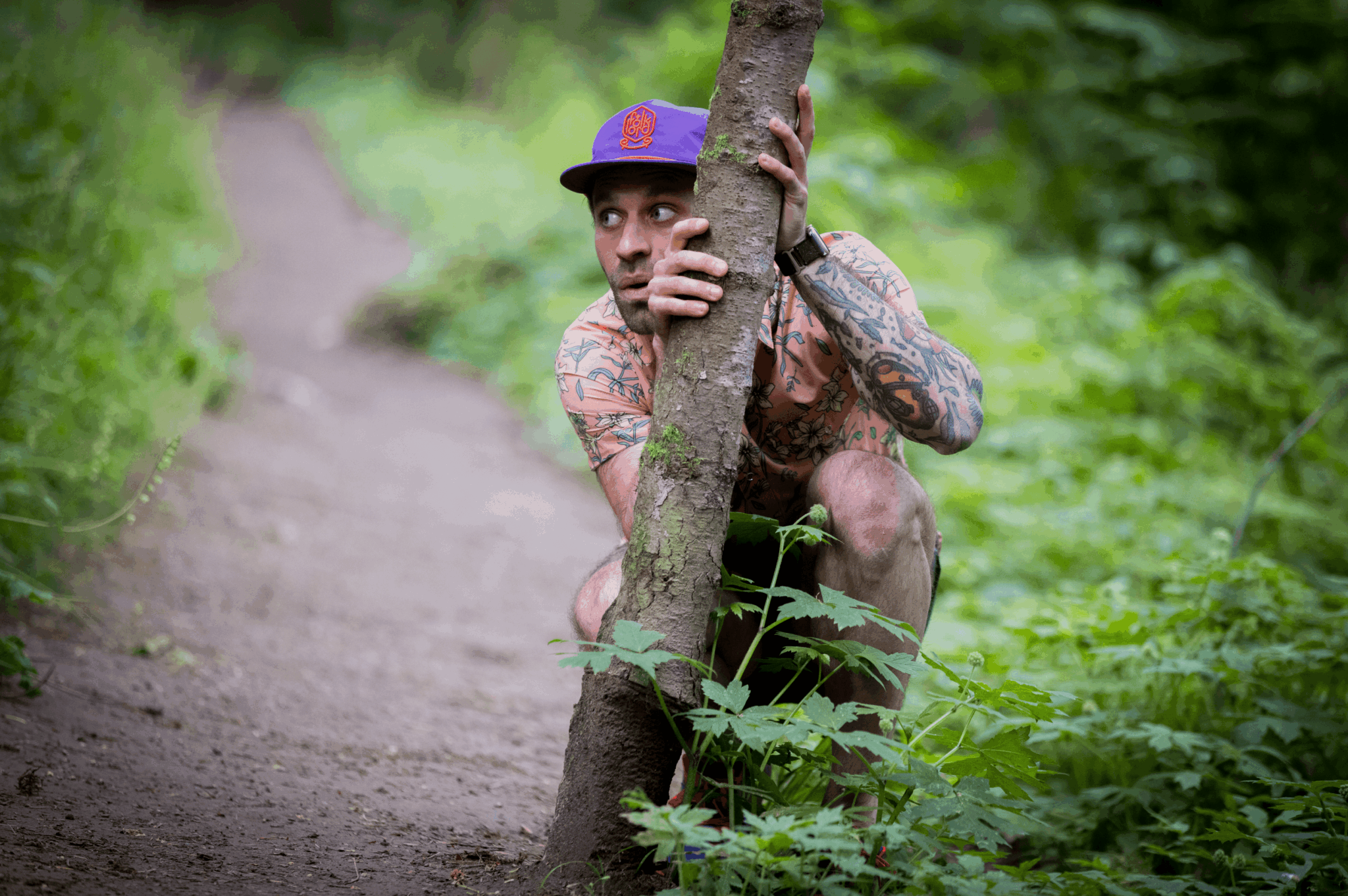
Folklord makes mythically stylish, high-performance endurance apparel designed for legendary days. And a legendary day is any day with a story to tell. Whether you jogged over to the coffee shop or ran an ultra-marathon, you have a story. And that makes you a Folklord.
Can you tell us about what’s worked well for you in terms of growing your clientele?
I think that being authentic has done more for me than anything else. Despite having a really high-quality product that I really believe in, nobody is going to care if they can’t connect with the brand or the story. I struggled a lot with putting myself out there as the “face of the brand” even though Folklord is literally just me. But it’s hard, right? It’s vulnerable, it’s uncomfortable, it can seem incredibly delusional or narcissistic.
However, I’m glad I did, and developed my own “brand persona” for myself. Time and time again people tell me that’s what they connect to. That they open up Instagram or their email every day excited to laugh about something for 30 seconds or so. And that has been so incredible to hear and to connect with people on a much deeper level than a brand transaction. Sure, this approach doesn’t work for every brand, but in the position I am in, it’s been really helpful to not only show that Folklord is only one person doing everything, but that I do truly enjoy it, that I have a unique perspective and that I genuinely want people to love the brand.
The energy I put into everything I create is the energy I want people to take away from it. And so far, in many small ways, that’s worked. Hopefully those small ways continue to add up.
Have you ever had to pivot?
Since I started my career, I always wanted to work for myself. And when the stars aligned and I was able to make that happen with a freelance creative business, I was probably the most happy (and most stressed) I’ve ever been professionally. A number of years later when a lot of my clients had to restructure or tighten their budgets at coincidentally the same time, I was standing at a fork in the road of either holding out for more work indefinitely, or taking a traditional full-time job again. I pragmatically chose the latter for a variety of reasons, and I’ve had a couple jobs since, while retaining freelance gigs here and there.
It was a really hard decision for me, to give up that autonomy, to go back to traditional career structures I’ve always bristled at. But at the time, it was the right decision. I try to look back on my career and view even the jobs or projects I’ve absolutely hated as necessary, even a catalyst, to getting me where I am today. If I hadn’t worked in the industry at many jobs I didn’t like over the years, I would never have gained the knowledge and skill necessary to work for myself; if I hadn’t worked for myself, I would never have been able to get the job that helped me out of a bind. And if I hadn’t have been exposed to all of these things, I would never have even attempted to start Folklord. And if this fails, I’m sure it’ll lead to something else.
I think in corporate America, we are trained only to laud our very obvious accomplishments to build our resumes and keep climbing the ladder. But if you give yourself the opportunity to look back at a job or a project or an instance in your career that you particularly disliked or found awful, I’m sure that you learned something from it—and having gone through it, you’re able to be where you are now.
Contact Info:
- Website: https://wearfolklord.com
- Instagram: https://www.instagram.com/wearfolklord/
- Linkedin: https://www.linkedin.com/in/elliot-matson-19467a49/