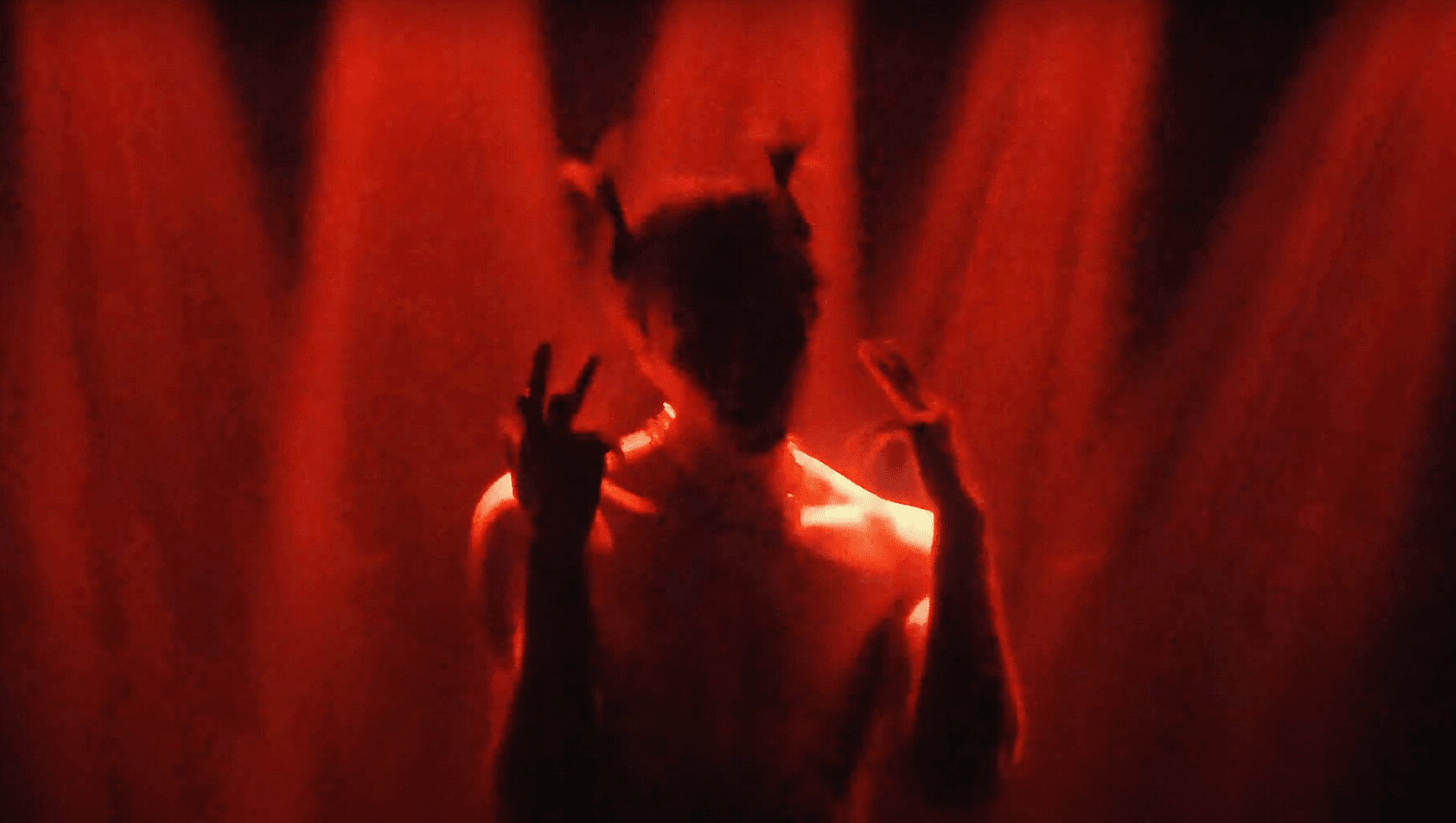
Alright – so today we’ve got the honor of introducing you to Ellie Holliday. We think you’ll enjoy our conversation, we’ve shared it below.
Ellie , thanks for taking the time to share your stories with us today Are you happy as a creative professional? Do you sometimes wonder what it would be like to work for someone else?
Being an artist is being a storyteller. It is a way of navigating the world and paying attention to the finer details. As a multi-disciplinary artist, I often have moments of deep satisfaction when I’m in the flow of creating. Whether I’m filming, building, writing, designing, or collaborating with another creative, there’s this undeniable sense of fulfillment that comes from expressing myself. But there are also times—like anyone, I suppose—when I look at my life and wonder what it might be like to just… not have to think so much. To just show up to a regular job where everything is straightforward, and I’m not always battling with my inner critic, struggling to keep the creativity flowing, or searching for my next freelance gig.
The last time I had that thought was just after I had graduated from studying a Master’s in Live Music Production and Design at Berklee NYC. One moment from our commencement ceremony stuck in my mind. We were told that we would feel rudderless for a while, feel as though were a boat in the middle of a vast ocean with no sense of a clear direction.
I was filling out endless job applications which, as a creative mind, is completely draining. It is an impossible thing to get your head around, the fact that you have to answer such monotonous questions that will most likely be read by a computer when the work you create and the field you’re in is so personal and innovative.
I instead re-directed my energy into freelance work. It was hard at first. I was getting gigs here and there but nothing sustainable and nothing that my heart was fully invested in. I stuck with it because I trusted that it would get better. It was a hard balance between pursuing work that I believed in and pursuing work because I needed to build up my clientele and make some money. I wanted nothing more than the two to co-exist.
It was at this point that I was particularly struggling with this feeling. I didn’t feel motivated by my process because I only had myself to rely on, and I felt that other people were ahead of me in their careers. The creative mind can be a dangerous place if you spend too long comparing yourself to others. I thought about how much easier it would be if I just had a 9-to-5 job. No endless brainstorming, just a predictable rhythm. The idea of stability and certainty was comforting at that moment.
But as I contemplated, I realized something. The very idea of living a life without creative freedom felt suffocating. It made me think about the reasons I chose this path in the first place: the thrill of creating something from nothing, the constant learning and growth, the freedom to express myself in ways that a traditional job would never allow and the freedom to have a voice. Even on the toughest days, I realized that the joy of artistic expression always outweighed the security of a routine job. It’s not an easy path, but it’s my path, and that’s what keeps me going.
I didn’t quit my creative work, and I didn’t suddenly wish I had a regular job. My freelance work picked up and I was finally back to being involved in projects that inspired me and got me out of bed in the morning. But that moment of doubt reminded me of the complexity of being a creative. It’s not all brilliance and inspiration—it’s hard work, uncertainty, and struggle. Part of being a creative is feeling rudderless.
So, even though I sometimes fantasize about the simplicity of a regular job, deep down I know that I wouldn’t trade the unpredictability of being an artist for anything else. Allow for the unexpected, trust the process, and most importantly, trust yourself.
Ellie , before we move on to more of these sorts of questions, can you take some time to bring our readers up to speed on you and what you do?
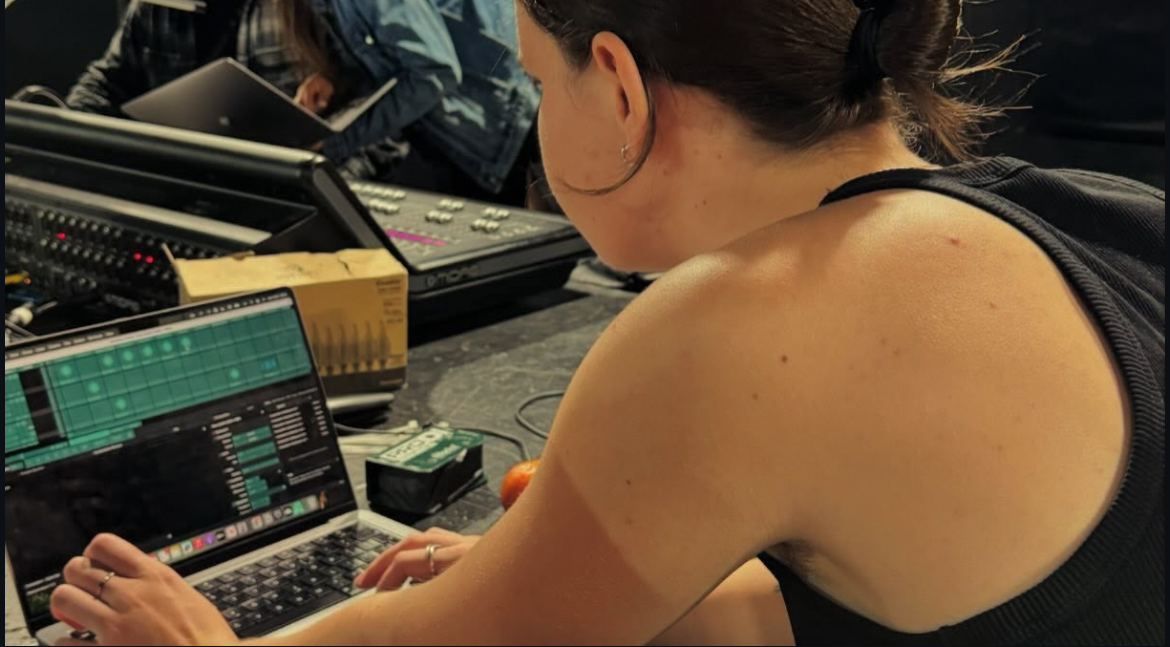
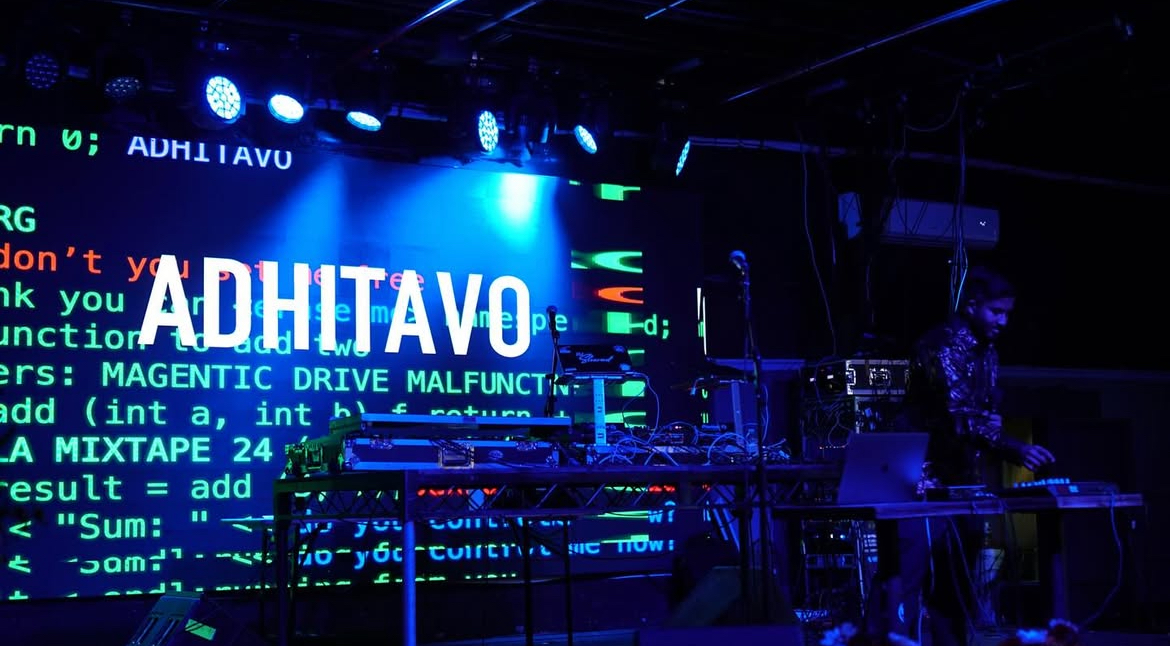
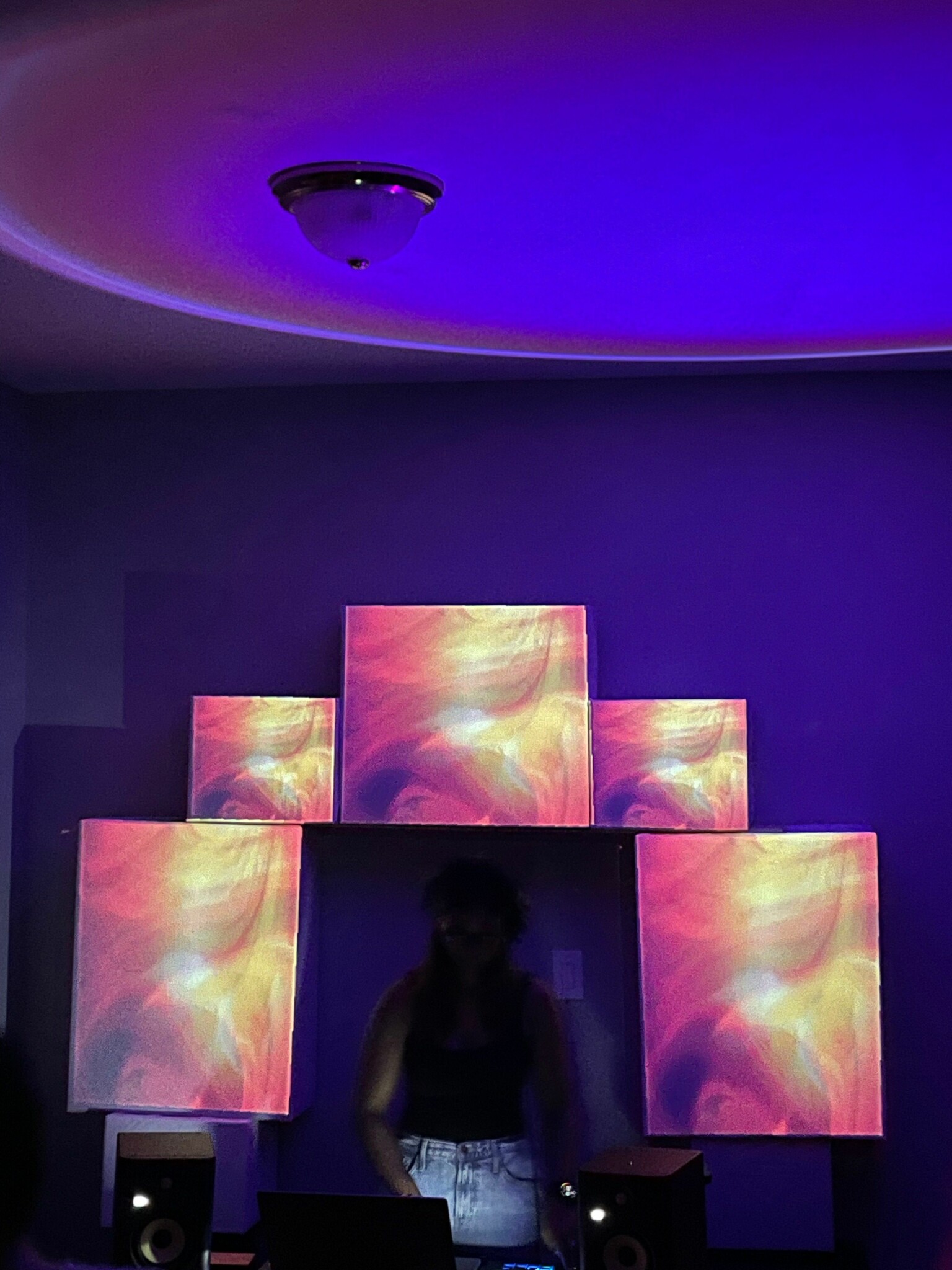
Hi, I’m Ellie Holliday, a visual artist and storyteller born in the UK but currently based in New York. I consider myself a storyteller because my mission is to tell as many stories as possible, across as many different mediums as I can. As a freelance artist and recent graduate in Live Music Production and Design at Berklee NYC, I create worlds through projection mapping, lighting design, and installation-based work. I am a visual jockey for live events, I direct, shoot, and edit music videos for musicians, create content for social media, photograph, animate, and illustrate, as well as build miniature models for film and music.
With a background in theatre and film, I came to New York to breathe new life into the skills I already had. I think giving a visual identity to any kind of music and sound design is vital and I want to re-invent how we do that.
I used to get frustrated by the fact that I didn’t have one passion that I could stick with. I envied the kids that knew what they wanted to be when they grew up. But now I consider my multi-disciplinary nature my biggest strength. It is the reason I call myself a storyteller. I know how to make people feel something. I know how to create a world and immerse people in it. I translate emotions into something more tangible. Whether that manifests into a video, a flash of light, or a physical installation you can walk through or hold. It makes that emotion more accessible, more universal. It’s all about making people trust you and your vision.
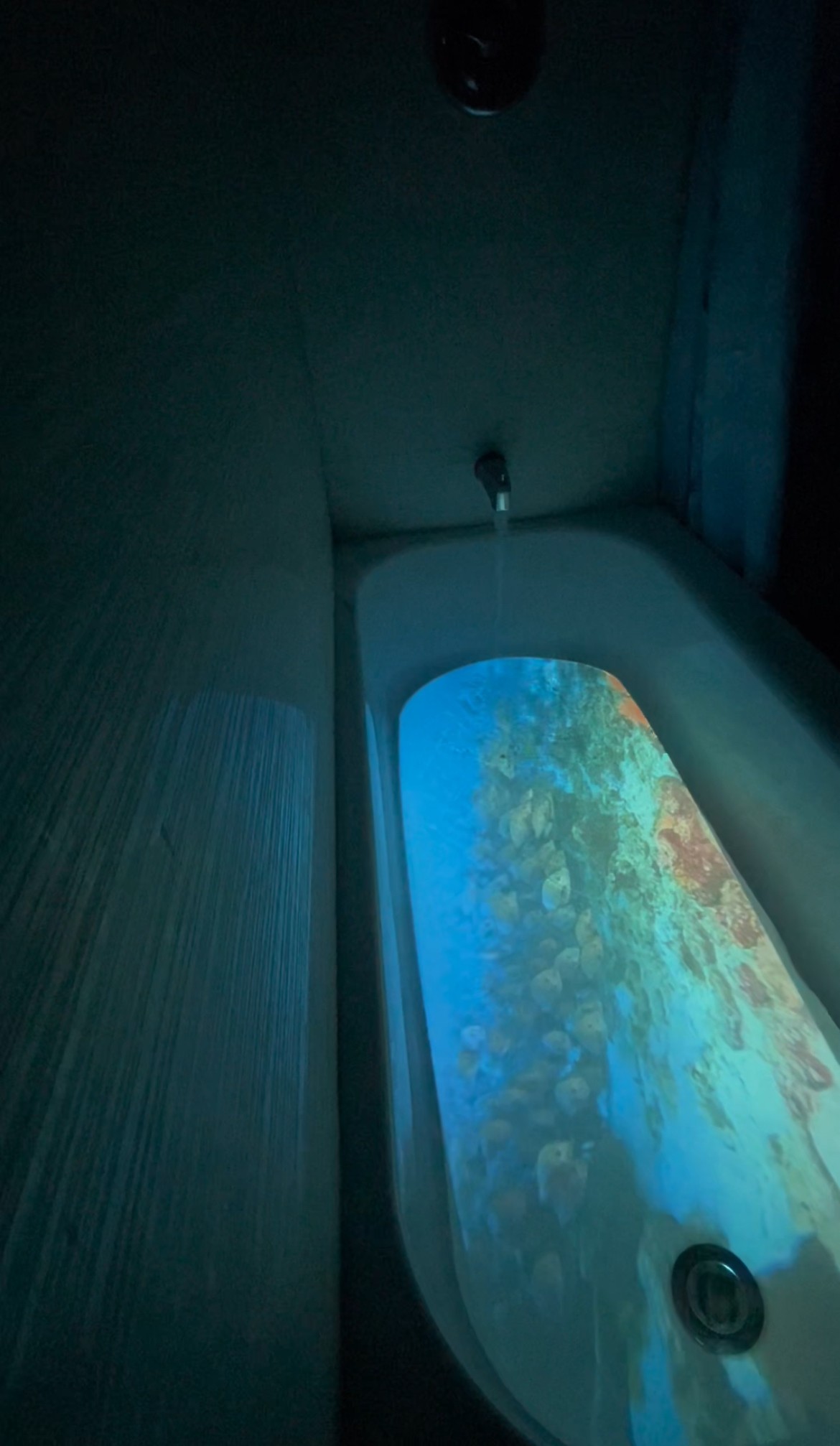
I have always been interested in architecture and the spaces around me from a young age. As I have grown older, I have been constantly looking at how to manipulate these spaces through art. How can I use different environments as my canvas? How can I make the ordinary extraordinary? Designers such as Es Devlin have also influenced this perception of mine. I am most proud of the fact that I am not afraid to try to answer these questions.
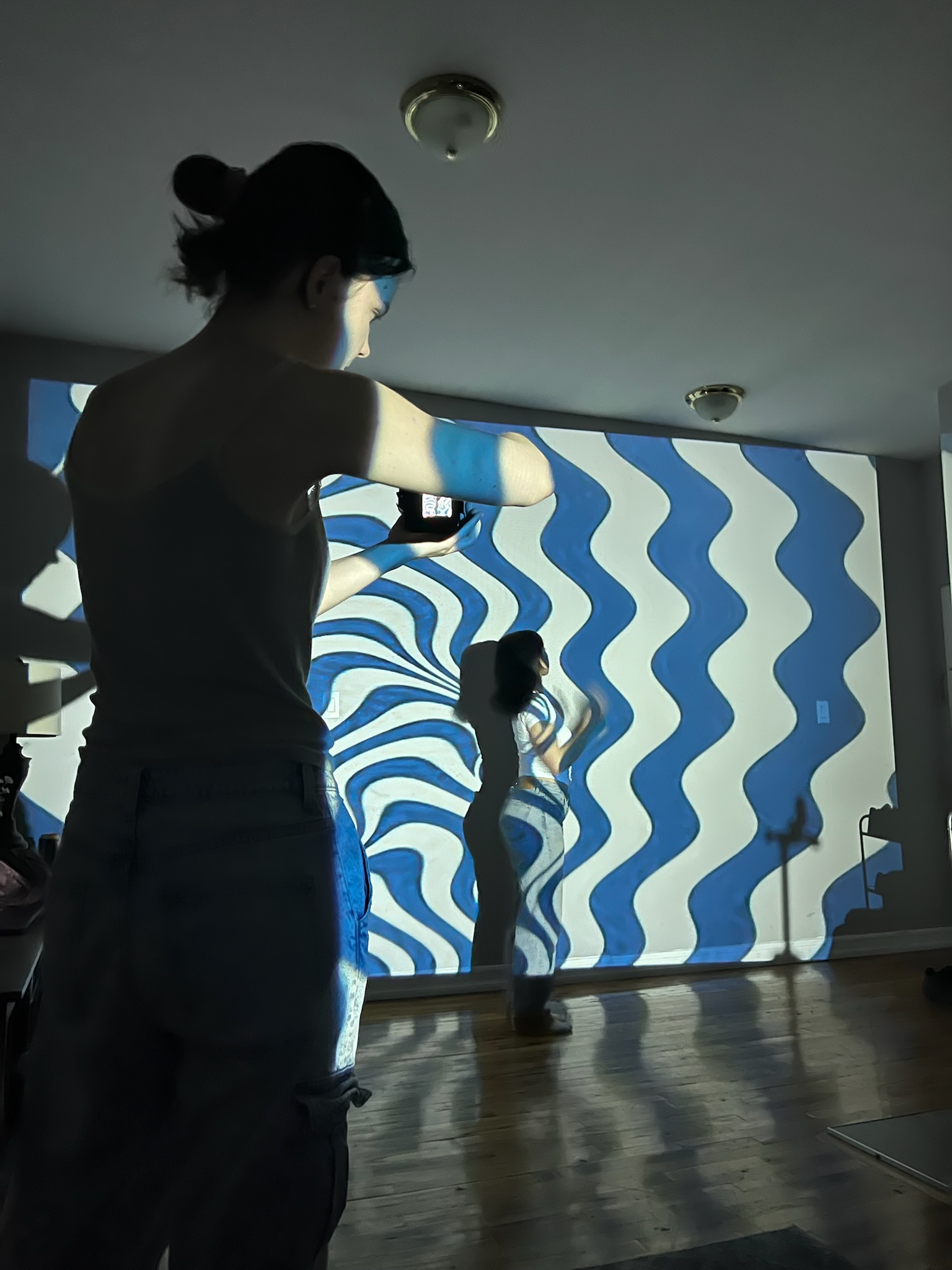
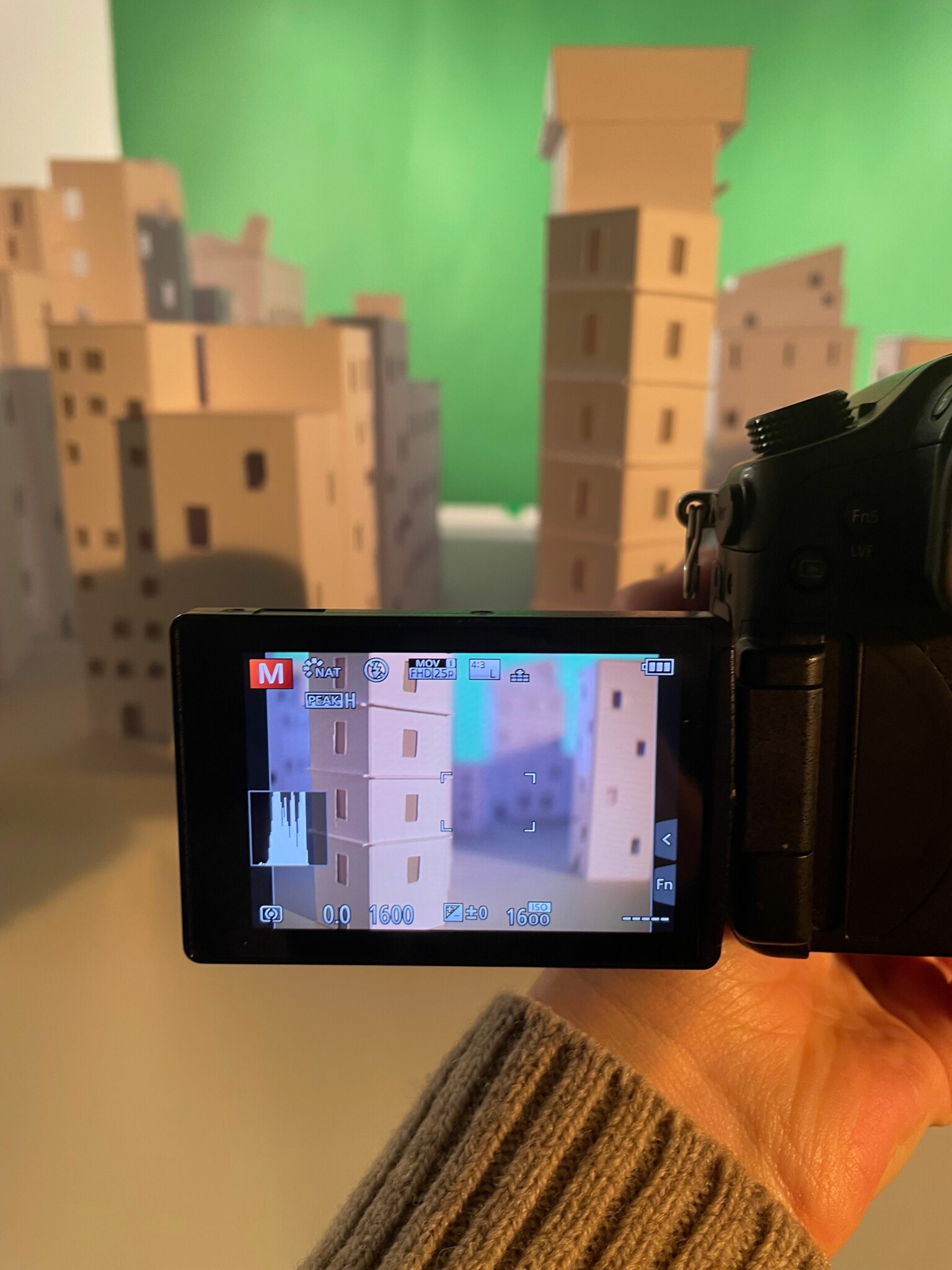
To improve my projection mapping skills, I needed a canvas. So of course, I looked to the streets of New York. Are you even a real New Yorker if you haven’t taken the subway with a cart filled with cardboard boxes? I then built an installation in the living room and painted with light (projection mapped) to project visuals onto these boxes. A few of us were in the room and all thought, “How can something so simple, be so powerful?” I took it upon myself to experiment with mapping everyday objects. One evening, I mapped every single photo that I had on the wall of my bedroom, illuminating these memories with moving light. I posted my process and the result to TikTok, not thinking anything of it. This singular video racked up 11.7 million views. It was a fulfilling moment to see that the environments I was creating in my bedroom were resonating with people all around the world. Projection is now one of the main forms of art that musicians and artists come to me for. We collaborate and dream up the best way to translate their sonic worlds into a visual expression. Projection mapping is an established art form but it is still something that deserves more attention. The reason I connect with it so much is that the possibilities are endless. I want potential clients to know that I take on challenges head-first, that I thrive on pushing boundaries, and that no idea is ever too big or too crazy.
Is there something you think non-creatives will struggle to understand about your journey as a creative? Maybe you can provide some insight – you never know who might benefit from the enlightenment.
I think that someone who is a non-creative would struggle to understand the impulsivity and spontaneity of my journey as a creative. It is rare that I will plan out my process completely, which may seem counter-productive, but it instead nurtures inspiration and abandons the concept of restriction. Non-creatives don’t always understand where the ideas I have come from. It is as if we speak two different languages. I learn by doing, I learn by experimenting and I learn by bringing to life all these wild ideas that live in my head. Most non-creatives go by what is already known. It is a more A to B way of thinking, whereas my process has no set order. It would be the same if I tried to put myself in the shoes of a non-creative. I would have to almost unlearn everything I know and re-wire my brain to follow a new set of rules. So, the main thing a non-creative would struggle to understand is that there are no set rules to follow with the creative process. The whole point of being an artist is to break rules and push boundaries. Non-creatives push boundaries in different ways, sure, but the process is still systematic. I think non-creatives need to think of creativity as a room where rules don’t exist. It is a room that has 4 walls and a door but, as an artist, you have to think about what’s beyond that. Is there a different way out of this room other than the doorway?
What do you find most rewarding about being a creative?
The most rewarding aspect of being a creative is being able to think of creativity as an extension of myself. It is taking a small idea you have and breathing life into it. It is the constant development and knowing that imagination has no limits. Sometimes the most rewarding part is when you make mistakes. It gives a moment to reflect and it only makes you stronger. It is seeing something that you have put your everything into become a reality. It is being inspired by everything around you and inspiring others.
The most rewarding aspect of being a creative…is being one.
Contact Info:
- Website: https://www.ellieholliday.com/
- Instagram: @elliehollidaay
- Linkedin: https://www.linkedin.com/in/ellie-holliday-2a637320a/
- Other: TikTok: https://www.tiktok.com/@elliehollidaay