



We recently connected with Ellen Nemetz and have shared our conversation below.
Alright, Ellen thanks for taking the time to share your stories and insights with us today. How did you learn to do what you do? Knowing what you know now, what could you have done to speed up your learning process? What skills do you think were most essential? What obstacles stood in the way of learning more?
My journey as an artist began at a very young age. I’ve always felt a strong desire to create beautiful artwork, driven by an innate talent in visual arts. These early inclinations towards art have been a guiding force throughout my life. Despite my innate abilities, one recurring problem has been having confidence in my own work. That struggle was a significant hurdle to overcome and has been a recurring theme in my artistic development. Mastering a new skill requires dedicated effort to find the most effective ways to learn, whether that’s through formal schooling, watching instructional videos, or embarking on a path of self-discovery. Each method has its own set of advantages and drawbacks, and finding the right balance among them has been crucial for my growth.
I could have sped up my learning process by being willing to stand back and accept criticism rather than jumping in to defend my choices. I would have improved faster if I had taken critique from others not as a criticism but rather as a learning tool. The self confidence that comes with accepting critique is vitally important for growth.
Motivation and the drive to continually improve are essential parts of my artistic practice. I find that I am seldom fully satisfied with any piece of artwork. This feeling of incomplete satisfaction serves as a powerful motivating force, pushing me to strive for more—to create better illusions and convey deeper mysteries in my work. It is this relentless pursuit of improvement that sustains my artistic journey.
A turning point in my development as an artist was the realization that confidence in my own abilities is incredibly important. When I learned to take criticism in a constructive manner, I also learned to value my skills. External validation, while momentarily uplifting, is not nearly as valuable as finding and nurturing one’s own validation of skills. This internal sense of worth has been far more pivotal for my growth and has allowed me to embrace my unique style and strengths.
Great, appreciate you sharing that with us. Before we ask you to share more of your insights, can you take a moment to introduce yourself and how you got to where you are today to our readers.
My journey as an artist began with a passion for creation, kindled from a young age. Like many other artists, I always loved the act of creating. However, my path took a unique turn when I first chose to pursue undergraduate and graduate degrees in science and then married a man in the military. Despite or possibly because of these detours, I realized that my true happiness lay in the desire to create on paper or canvas. During these times of transition, art provided me with a fulfilling outlet, allowing me to stay grounded and connected to my creative core.
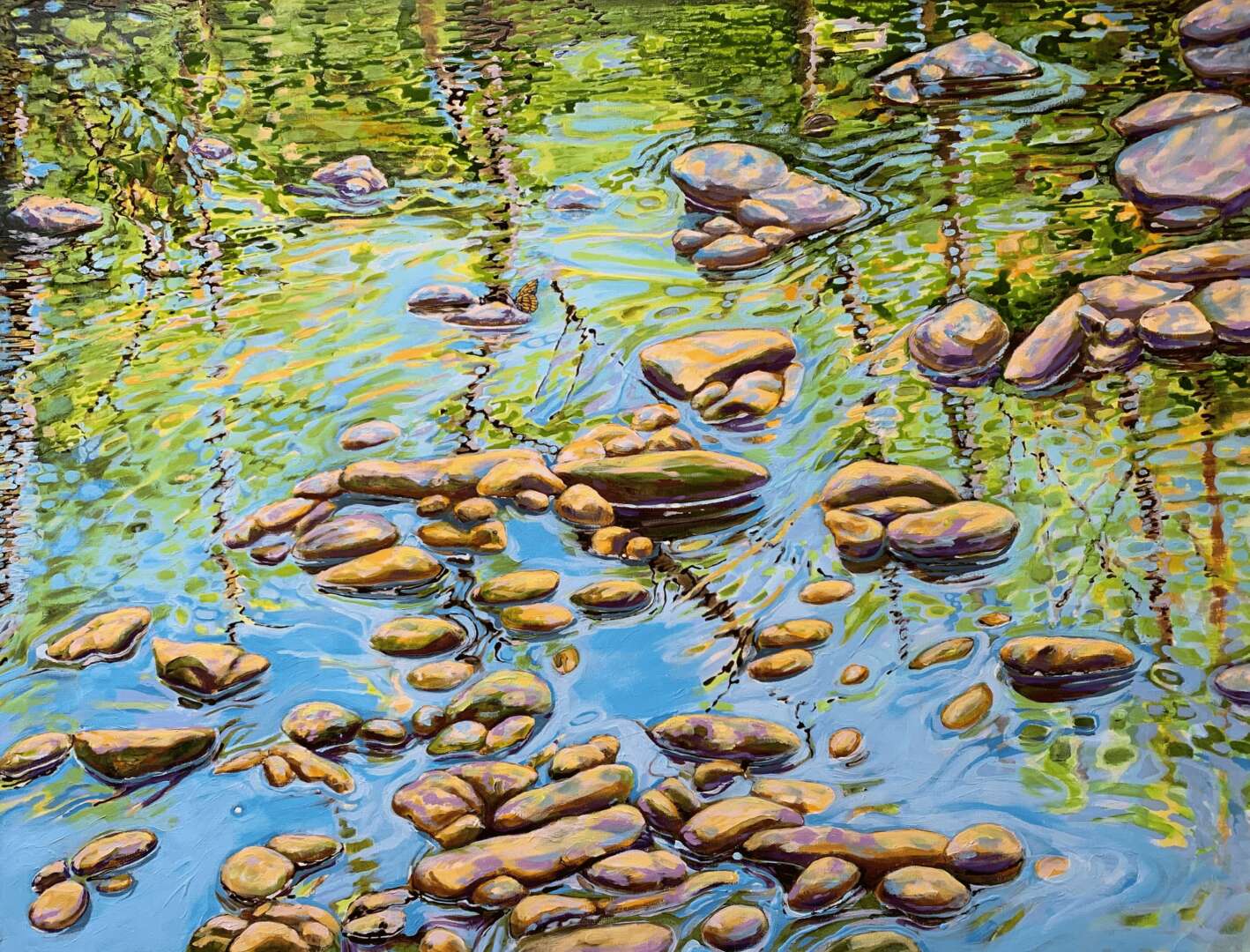
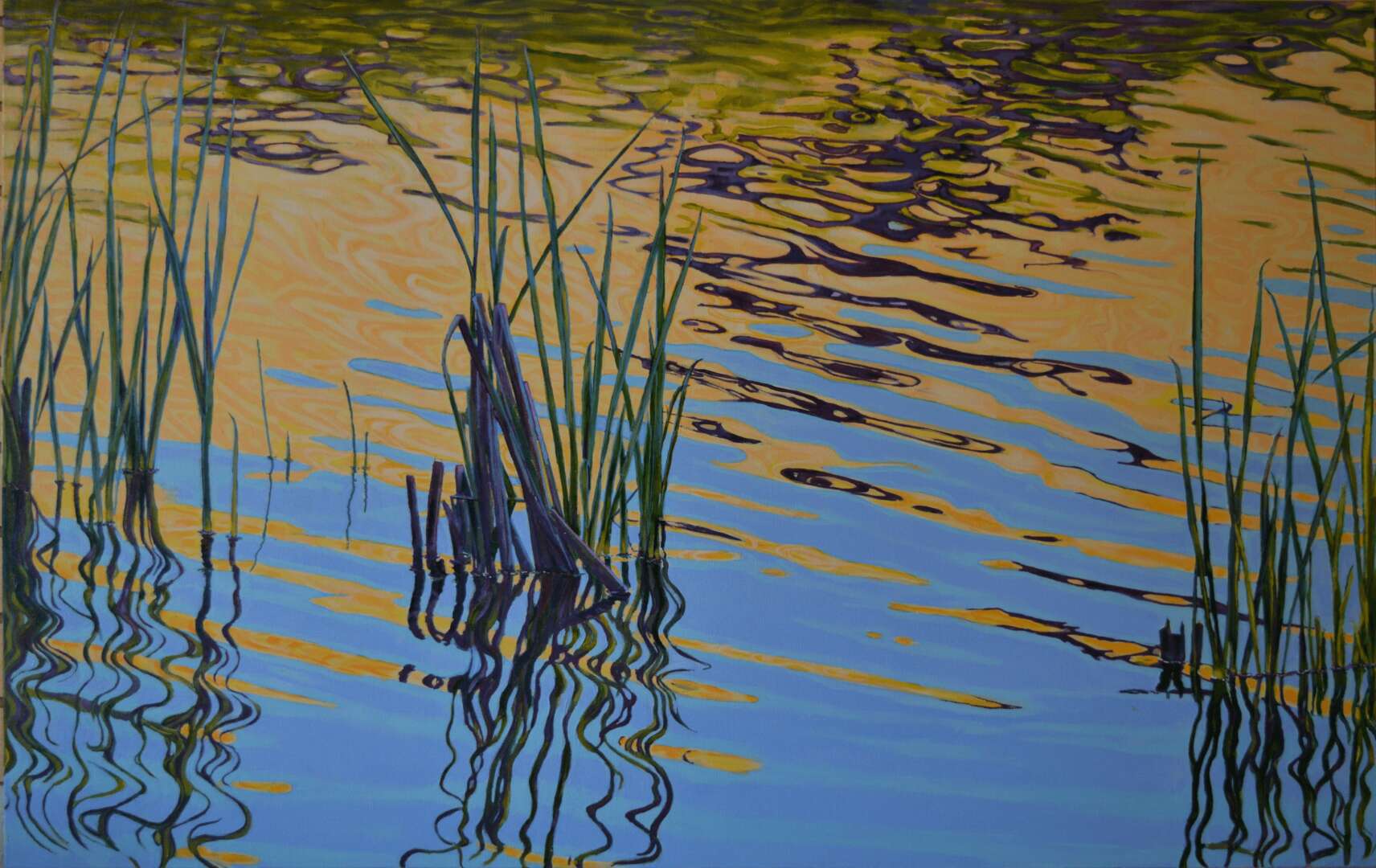
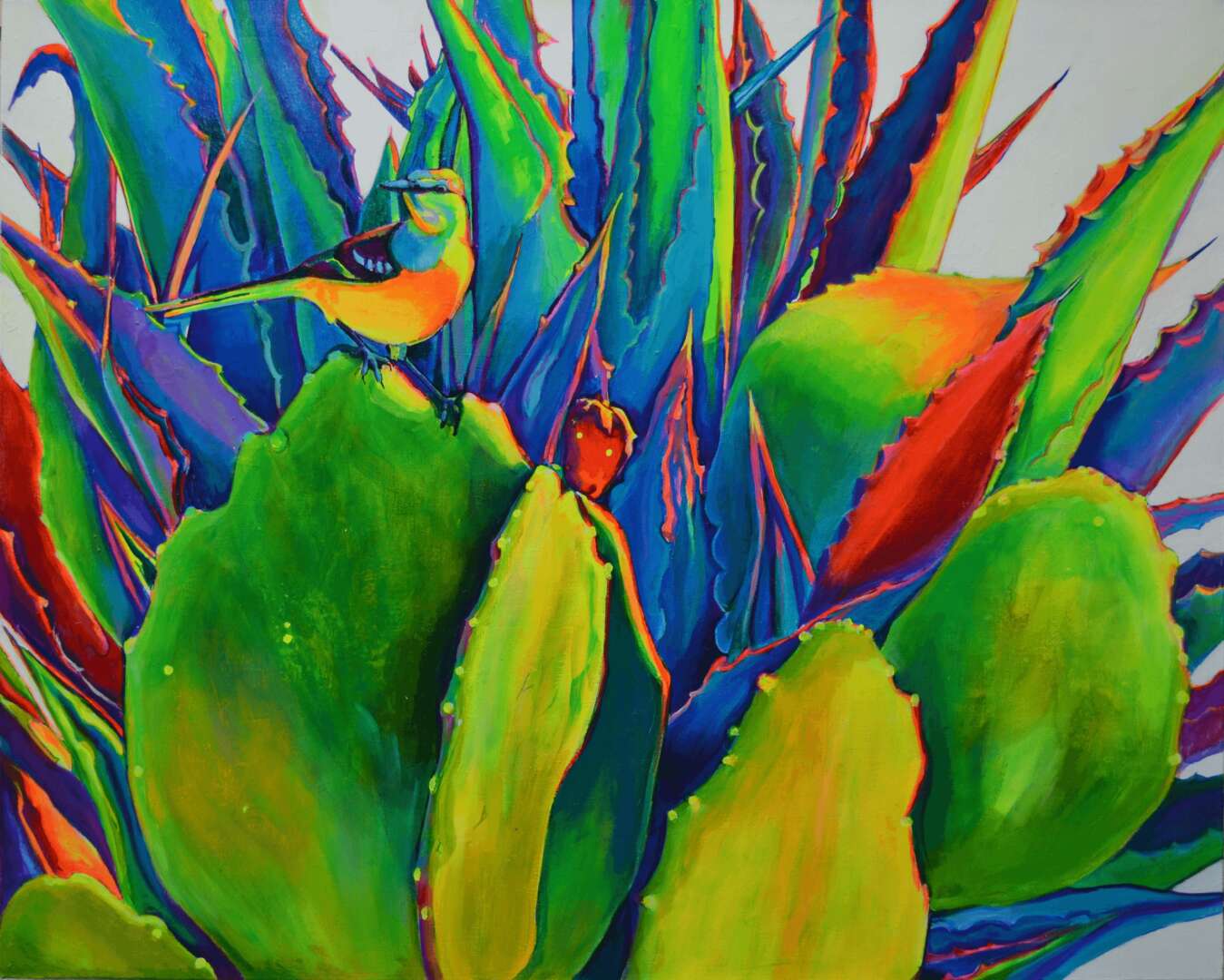
My bodies of work primarily consist of realistic acrylic paintings with varying subject matter. The most important thing for me is that my artwork brings a sense to the viewer that there is something more than just paint on canvas. I want the artwork to take them away from the mundane and into their feelings. I am proud of the skills I have obtained and continue to work on to make the world a more beautiful place.
Learning and unlearning are both critical parts of growth – can you share a story of a time when you had to unlearn a lesson?
For a long time, I held onto the belief that criticism was inherently bad. It was something to be avoided, a sign that my work wasn’t good enough. However, my journey as an artist led me to unlearn this lesson and adopt a completely new perspective.
My initial belief revolved around the notion that criticism was a negative force. I felt it was something that hindered rather than helped. This mindset made me defensive whenever I received feedback, seeing it as an attack rather than a tool for growth.
The turning point came when I started to observe the correlation between accepting criticism and improving one’s craft. I noticed that as I began to welcome critiques, my art noticeably improved. I became more confident in my abilities, realizing that feedback offered me a unique opportunity to see my work through another person’s eyes. It allowed me to pinpoint weaknesses I hadn’t noticed and strengths I hadn’t fully appreciated. Criticism wasn’t my enemy; it was a valuable ally in my artistic development.
Let’s talk about resilience next – do you have a story you can share with us?
My story is one of resilience and persistence. Through many years of not being able to put all of my creative force into art, I believe in never giving up and encourage others to keep working on what they love whenever they can. My journey stands as a reminder that it is never too late to learn, grow, and follow one’s passion. Art has been more than just a vocation for me it has been a lifeline, a form of expression, and a testament to my spirit of endurance.
Contact Info:
- Website: https://www.ellennemetz.com/
- Instagram: https://www.instagram.com/ellen_nemetz_artist/
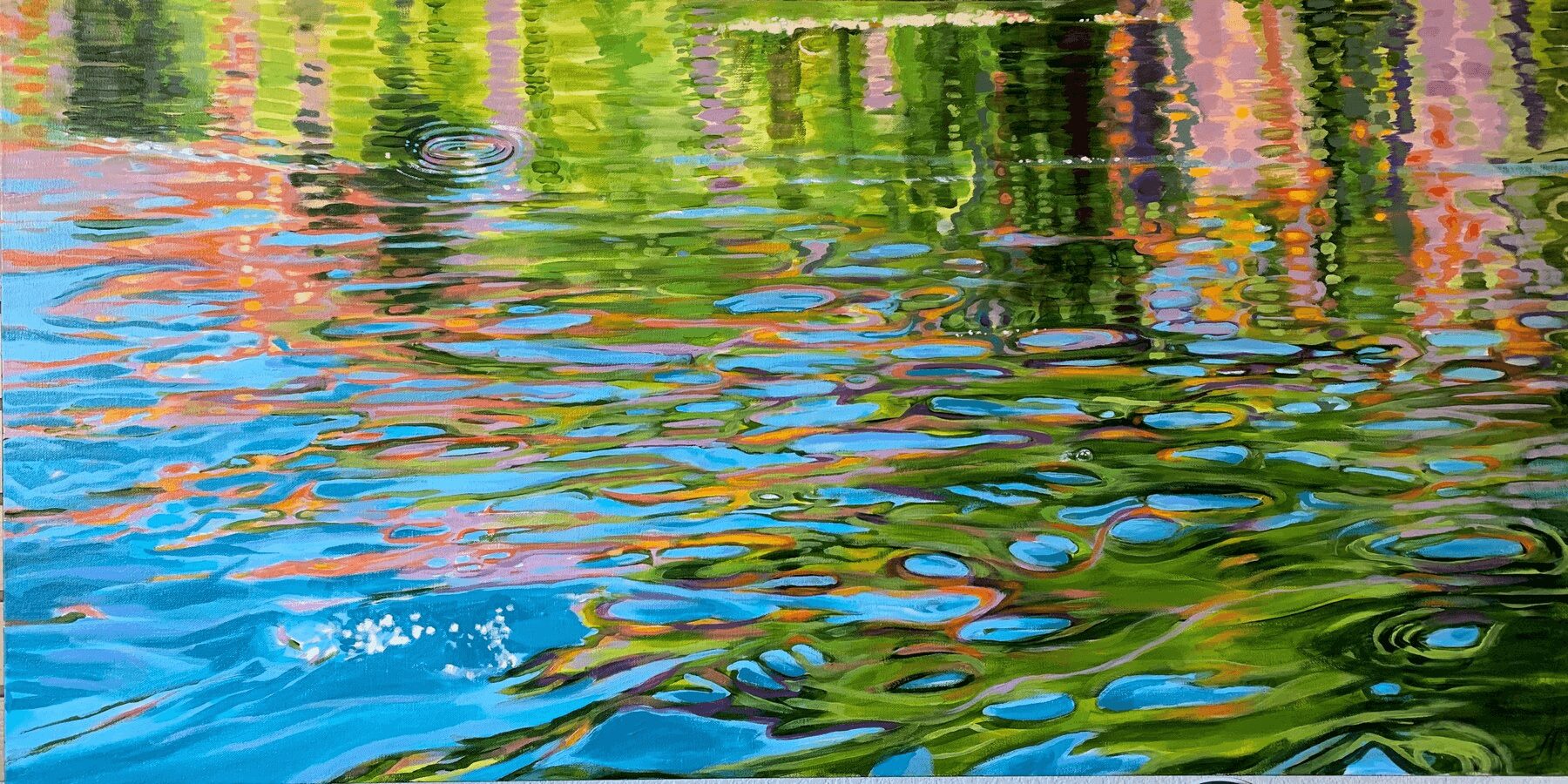
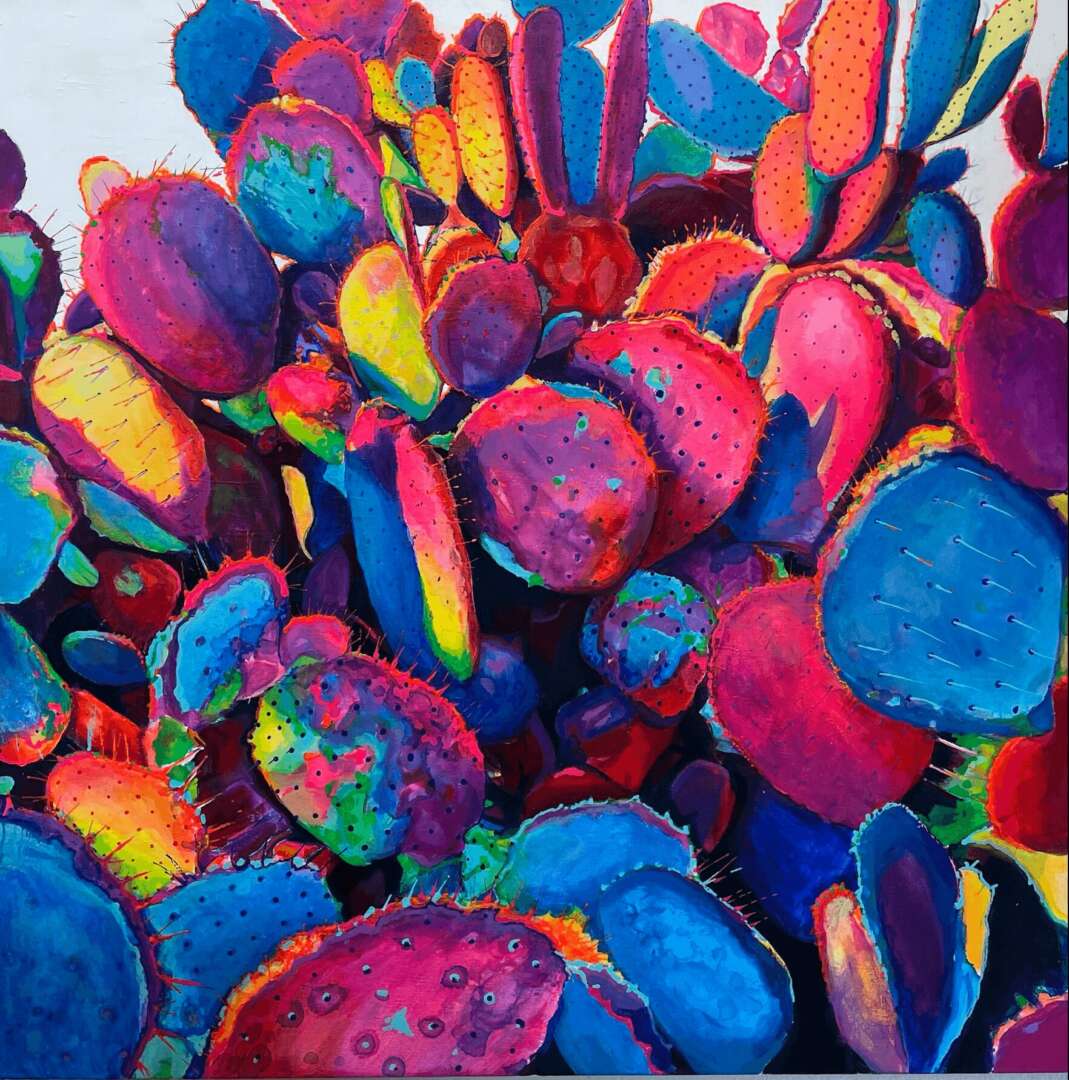
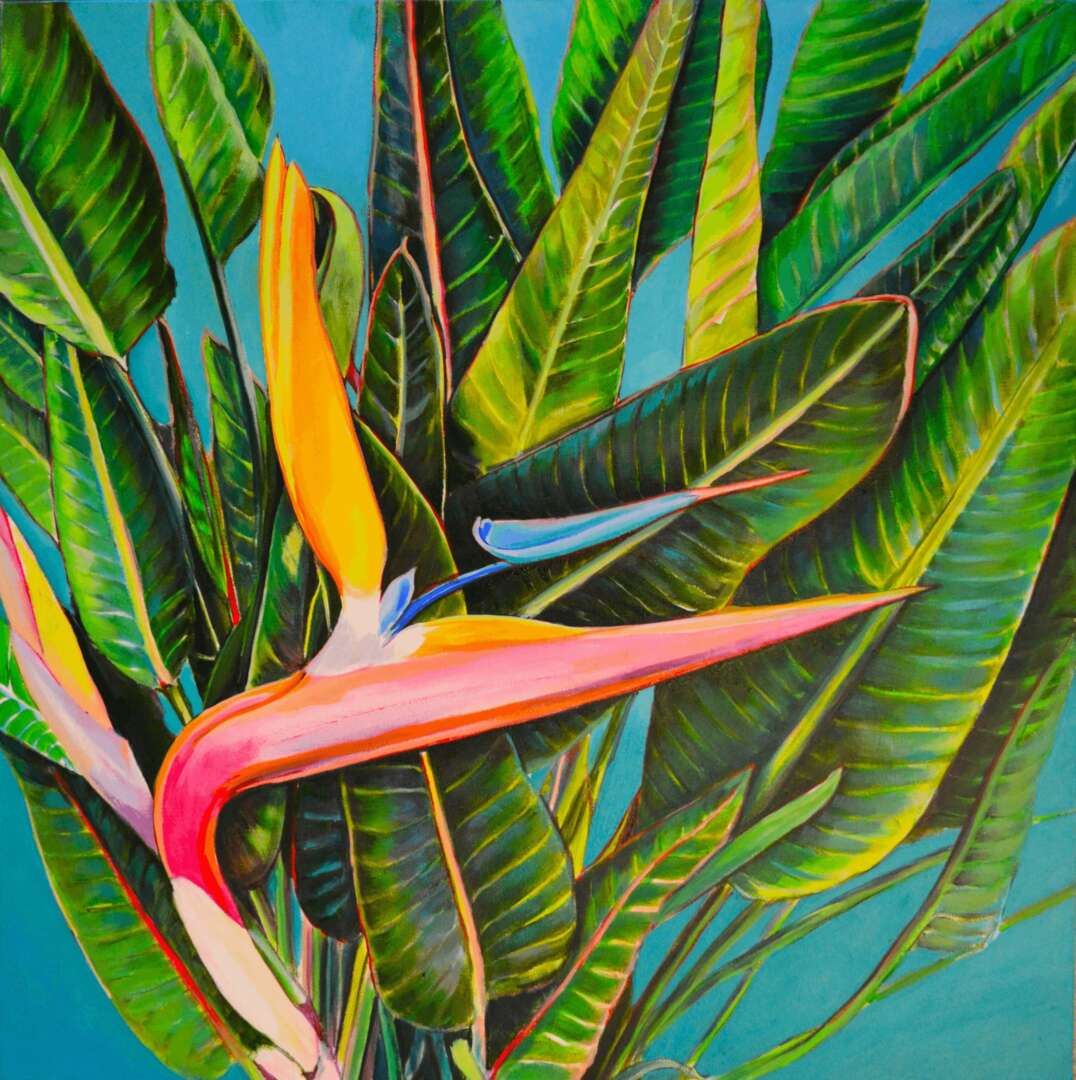
Image Credits
Photos are all mine. Ellen Nemetz