



We caught up with the brilliant and insightful Elizabeth Wilson a few weeks ago and have shared our conversation below.
Elizabeth, appreciate you joining us today. We’d love to hear about when you first realized that you wanted to pursue a creative path professionally.
Being a visually oriented and curious child, I was fascinated by everything in nature. I’d study the micro world of insects and lie in the grass for hours studying cloud formations and the delicate tree canopies framing the sky. I’d pour through books and magazines with photographs and reproductions of art. On car rides, I’d visually survey architecture and their juxtapositions to other buildings and surrounding landscape. I intuitively knew when something ‘worked’ and what didn’t. And for those, I’d reimagine changes for a more harmonious world. Despite not yet having the vocabulary or understanding of basic design concepts, I was always absorbed with looking and thinking and rearranging something to make it better.
My earliest memory of valuing something I made as “art” was around age five, when I regretted giving away a drawing to my friend’s father who lived across the street. I remember it being an enormous relief when I got it back. I had an insatiable need to draw as a child, always drawing from my head, preserving observations and memories. First with graphite and later in color markers and began creating narratives of invented people, often times groups of them whose dress, gestures, hair styles, accessories, expressions and the interiors I placed them in, created stories that came alive to me. I also began making collages from pictures cut from magazines that became an obsession––one that was incredibly beneficial at honing my design skills. I’d find pieces of wood or heavy paperboard to glue them to and hang them around my parent’s house and study them. I still make collages though digitally on my phone as a creative outlet and mental challenge. Later as a teacher, I instilled the importance of design/composition to my students.
Despite my innate need to create, as I got older I didn’t know how to channel it. My experience in public school art classes and an outside art class did little to inspire me. I actually didn’t consider “art” a possible life nor career because I thought most artists were long dead, like those whose work I’d seen in books and museums. And the famous living artists I was aware of I thought were the last of their kind. Drained by the public school system, I took a break from education after graduating and worked for a year. I continued drawing at every opportunity and began working with pastels. Craving intellectual stimulation, I applied to art school and began studying at the Corcoran School of Art in Washington, D.C., the second oldest museum/art school in the United States, but the curriculum focused more on theory than skill-building. Intuitively I knew I was missing an academic foundation that would teach me the fundamentals of learning to see, draw and how to paint representationally. By sheer happenstance, I discovered an article in Philadelphia Magazine that showcased current work of students and faculty at the Pennsylvania Academy of the Fine Arts (PAFA) in Philadelphia, my hometown, and the oldest museum/art school in the United States. Awestruck by the quality of work, I took summer classes there and ultimately transferred. This is where I found the focused and disciplined education I sought and where I found my universe. My years studying at PAFA were transformative and allowed me to pursue a life dedicated to the arts.


Great, appreciate you sharing that with us. Before we ask you to share more of your insights, can you take a moment to introduce yourself and how you got to where you are today to our readers.
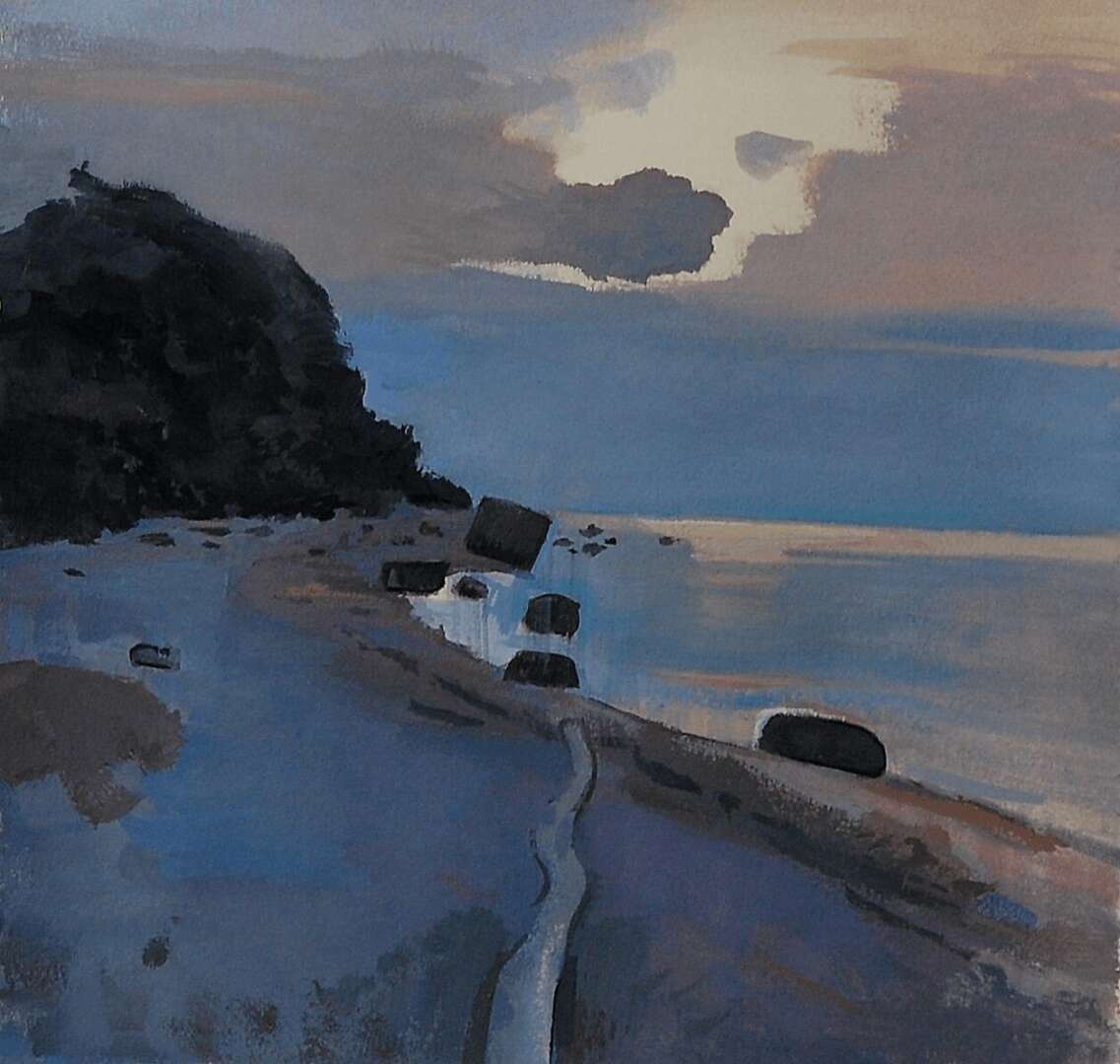
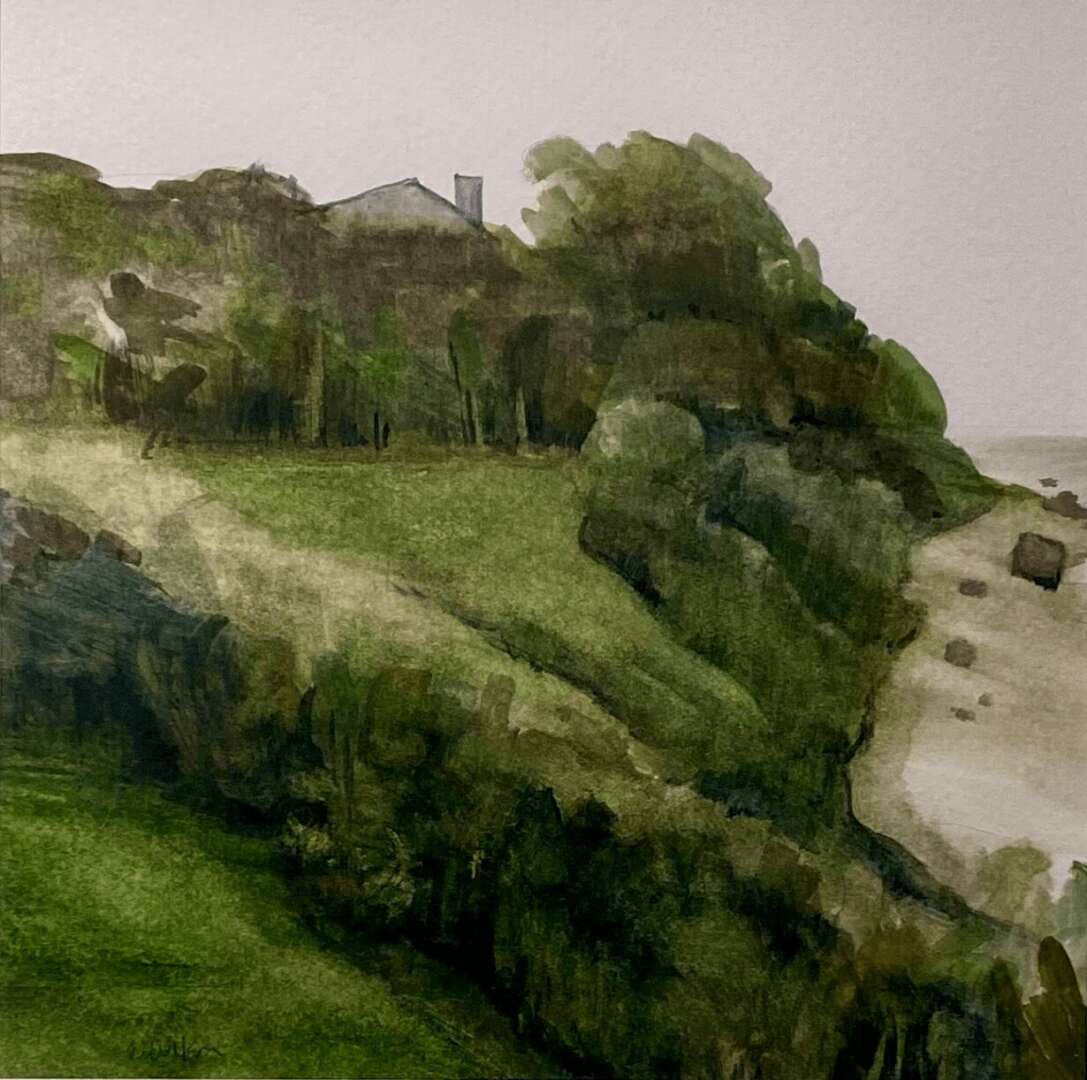
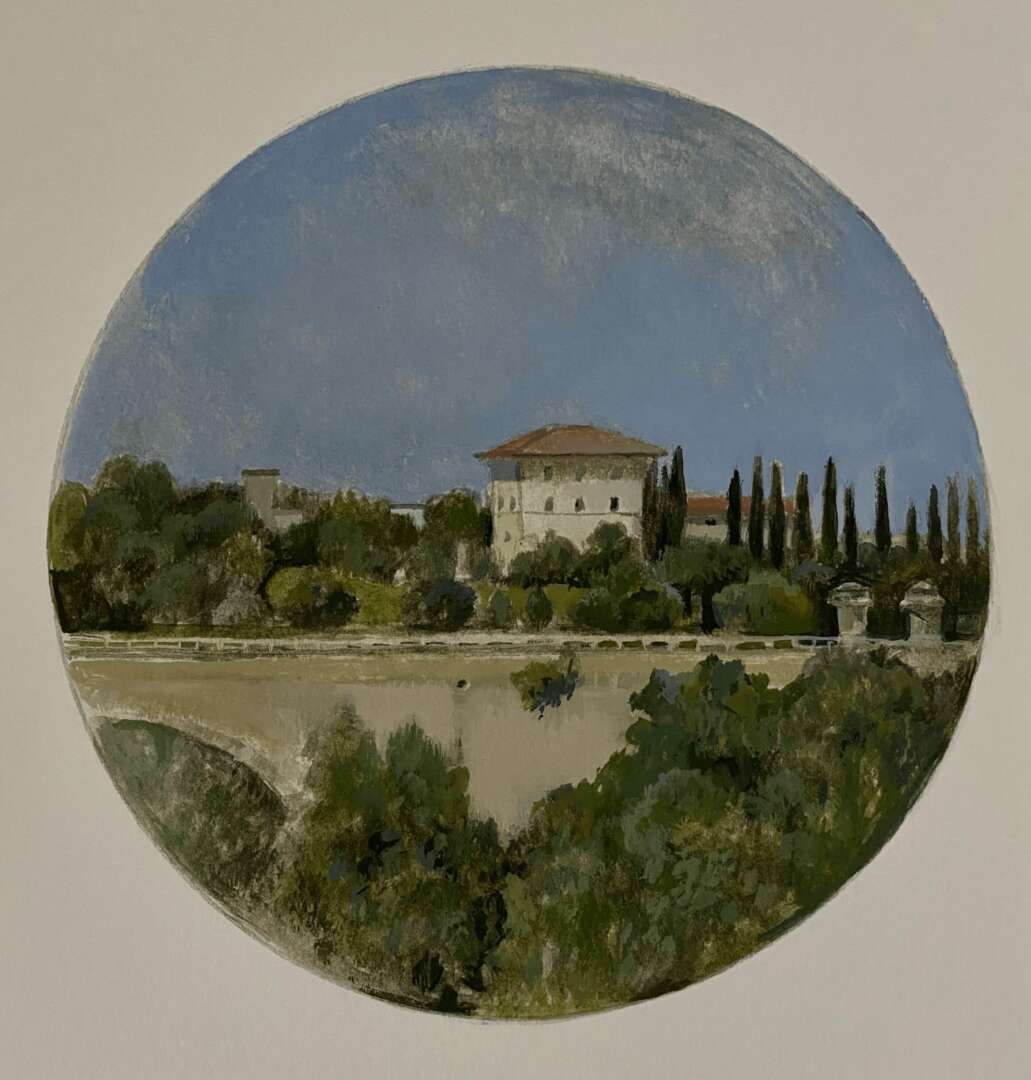
Since graduating from the Pennsylvania Academy of the Fine Arts, I have been a working artist and prolific painter, dedicated to a career in the arts. My work has evolved over the years and continues to grow. I am a representational painter based in Philadelphia; primarily a painter of landscape but have also worked extensively with the figure. My work is largely inspired by travel though I have created a large body of work inspired by my hometown of Philadelphia and surrounding communities. I work from a combination of direct observation, memory, visual references such as studies, sketches and photographs and imagination with a focus on strong composition, color harmonies and careful editing that at times verge on abstraction, though maintains a tangible reality. My paintings have been described as small gems, luminous and having a quiet energy. A trip to England in 1996 changed the trajectory of my work and when I began experimenting with gouache, a new medium for me though it has long roots in art history. Best described as an opaque watercolor. I planned to use it temporarily while traveling but it suited my artistic sensibilities and have continued working with it ever since. Gouache allows for quick, responsive painting that is fast drying but allows reactivation and manipulation of the paint and has a sensuous matte surface. But can be a stubborn medium to work with and you can easily overwork a painting or have areas ruined by minute water droplets that depending on where they land are nearly impossible to color match. I have ruined some of the best skies. I also began working smaller scale; a departure from my previous work that was predominantly larger scale oil paintings. I would visit the UK often which provided a wealth of subject matter that fueled and informed all my work over the following decades. While I work on site, the majority of work is done back in the studio, finishing and starting new ones. I also have a habit of reworking paintings over consecutive years.
I have an extensive exhibition history spanning four decades exhibiting in galleries and museums throughout the United States, solo, curated and juried, reviews and profiles in various publications and was a longtime art educator. My work has been included in exhibitions at the Philadelphia Museum of Art, Asheville Art Museum, National Academy of Design, Southern Alleghenies Museum of Art, among others. Gallery representation has included Gallery Henoch in New York, Marian Locks Gallery, More Gallery, Gross McCleaf Gallery and F.A.N. Gallery in Philadelphia, among others. My work is held in numerous private and public collections that include the Woodmere Art Museum, State Museum of Pennsylvania, Southern Alleghenies Museum of Art, Bryn Mawr College, McGraw Hill Publishing Company, among many others. While I no longer teach on a regular basis, I was honored to be invited to teach workshops at The Art Students League of New York and JSS In Civita (Italy); summer program of the prestigious Jerusalem Studio School.
Despite the logistical challenges posed by the pandemic, I began a new series closer to home of the nearby woods. And re-channeled my need for visual stimulation by pushing the boundaries of my artistic practice, revisiting past locations and creating new imaginary landscapes from the studio. I also began experimenting with acrylic when my supplies dwindled. I was pleased that the work created during this period of isolation and introspection embody a freshness, strong sense of place and atmospheric luminosity.
What can society do to ensure an environment that’s helpful to artists and creatives?
The best way to support artists and a creative thriving ecosystem is through funding, exposure and education. These are essential components to the visual arts that benefit both artists and the broader community.
The act of creating art is a fundamental aspect of human nature and the contribution of the artist/the arts to the cultural fabric of society cannot be underestimated or ignored. But over recent decades the arts have been demoted to a frivolous and unessential perk in the United States by limiting or removing exposure to creating and learning in public schools, by media coverage, by scaling back funding. Culture is not elitism nor superfluous; it’s the pulse of the city and of society. Great cities are defined by their architecture and their thriving visual and performing arts communities. Exposure to art and artists is a critical link to humanity and a critical link to nature; the two are deeply intertwined. Nurturing this link fosters intellectual curiosity, creativity, empathy, pride and maturity that enriches individuals and communities as a whole in multifaceted positive ways. There are no downsides.
Art is also a powerful industry. Cities with thriving arts communities attract foot traffic which reduces crime and stimulates economic growth. The success of art communities often leads to gentrification of depressed areas. The irony is, that success almost always results in displacing the artists and galleries who helped revitalize those neighborhoods. Having to move to more affordable and usually, less desirable areas where this pattern repeats itself. Where art is, people come, then the restaurants, the shops, the residential rush to live amongst it all, the tourists, the hotels, the developers and new construction and the tax revenue benefitting the entire community.
Strategic funding initiatives can support the growth of art districts and ensure that artists have access to resources and opportunities. It can support educational opportunities in public schools and within the local communities. It is essential to secure funding from various sources through grants, philanthropy and government funding for educational initiatives in schools and community centers, that can promote art appreciation and provide opportunities for aspiring artists of all ages. Advocating for increased media coverage of the arts and organizing outreach programs can help raise awareness and engagement with the local art community. By investing in arts education, art appreciation and promoting cultural enrichment ensures that the arts remain a vital and vibrant part of our lives, which serves everyone.
Artists are generally part of a close-knit community working under that radar, dedicated to their craft that requires discipline, creativity, perseverance, space and money. Artists often juggle how to financially survive to support this. Exhibiting is a way to gain exposure, which often leads to new opportunities. While many artists struggle with self-promotion, what stands in the way most is lack of opportunities to gain exposure. The internet and social media in particular have filled a huge void, but artists are mostly engaging with other artists…not the general public who remain in the dark or the wider art community. Collectors and opportunities are the lifeline of artists.
Over recent years in Philadelphia (where I live and work), it has largely become a cultural desert in regards to media coverage. Our Pulitzer Prize winning newspaper used devote two days a week to art reviews of gallery exhibitions and occasional museum exhibitions often with accompanying reproductions, by two critics who over the decades followed the careers of artists and discovered emerging ones. Now there are none. The lack of cultural commentary and exposure deprives not just the artist and gallery, but deprives the entire community of valuable insights and perspectives while limiting interest, knowledge and support. This also comes at a time where the internet plays an integral role in how people get their news. The lack of global exposure of Philadelphia’s immensely talented art community is a substantial lost opportunity for artists and the city. And this isn’t just happening in Philadelphia.

Is there something you think non-creatives will struggle to understand about your journey as a creative?
This is difficult question to answer because non-creatives are more removed then ever from the arts and therefore have little understanding that it’s a valuable asset, one that enriches the community in multifaceted ways, including fostering economic growth, which is usually the bottom line for them.
I’d explain that exposure to the arts in its many forms are a key factor in stimulating intellectual and personal growth, creating a feeling of accomplishment, pride, inspiration and peaceful sense of wellbeing; as important as physical fitness. And why investing in art education and other cultural initiatives within the community are essential.
I would point out that the arts have long been supported by funding and advocates at various stages of their creation, including their preservation. Cultural institutions serve as stewards or guardians of this rich and important history and should be sustained by funding and education.
And on a micro-personal level. I’d explain that the new restaurant they found so intriguing from the interior down to the presentation of the food on the plate, is not by accident but part of the larger thread of the visual arts. Of a passionate dedication to enriching people’s experiences and quality of life. An example of how art functions quietly, weaving seamlessly into their life and is ever present. That being enlightened by the arts only enhances their personal experiences in life and will do the same to future generations.
Contact Info:
- Website: https://www.elizabethwilson.com
- Instagram: @elizabethwilson.painting
- Facebook: https://m.facebook.com/elizabethwilsonfineart
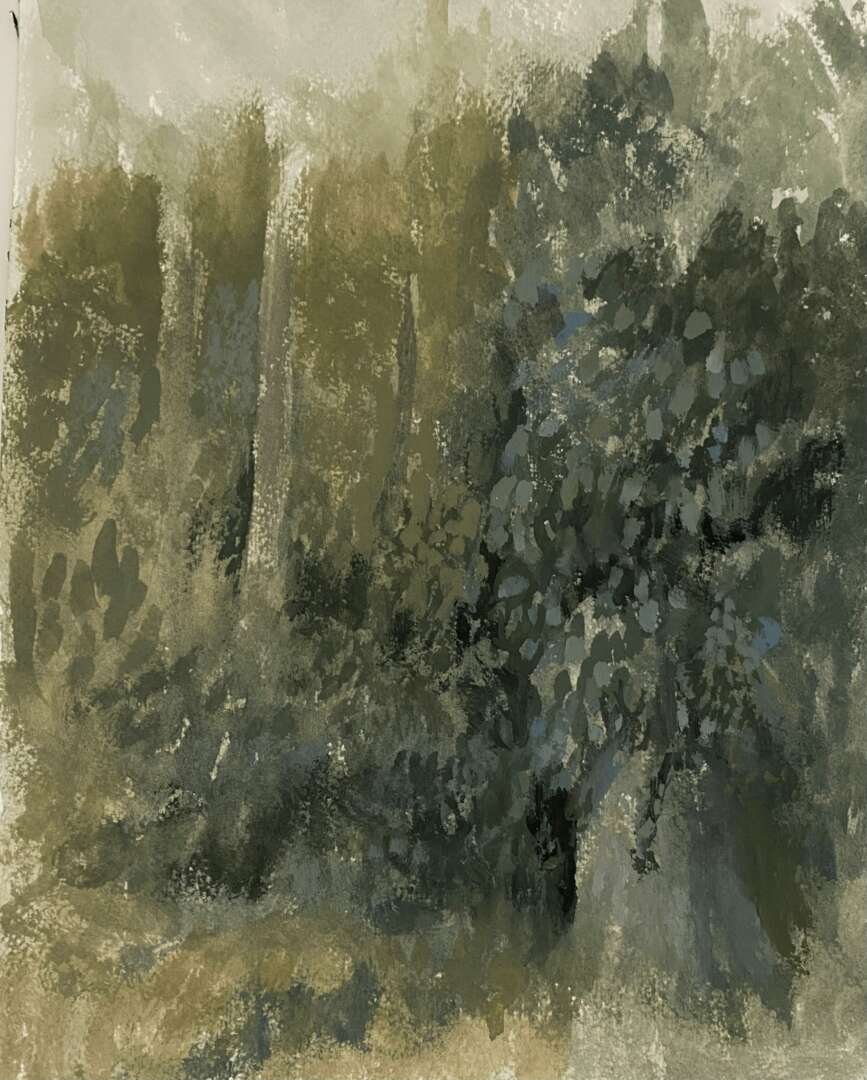
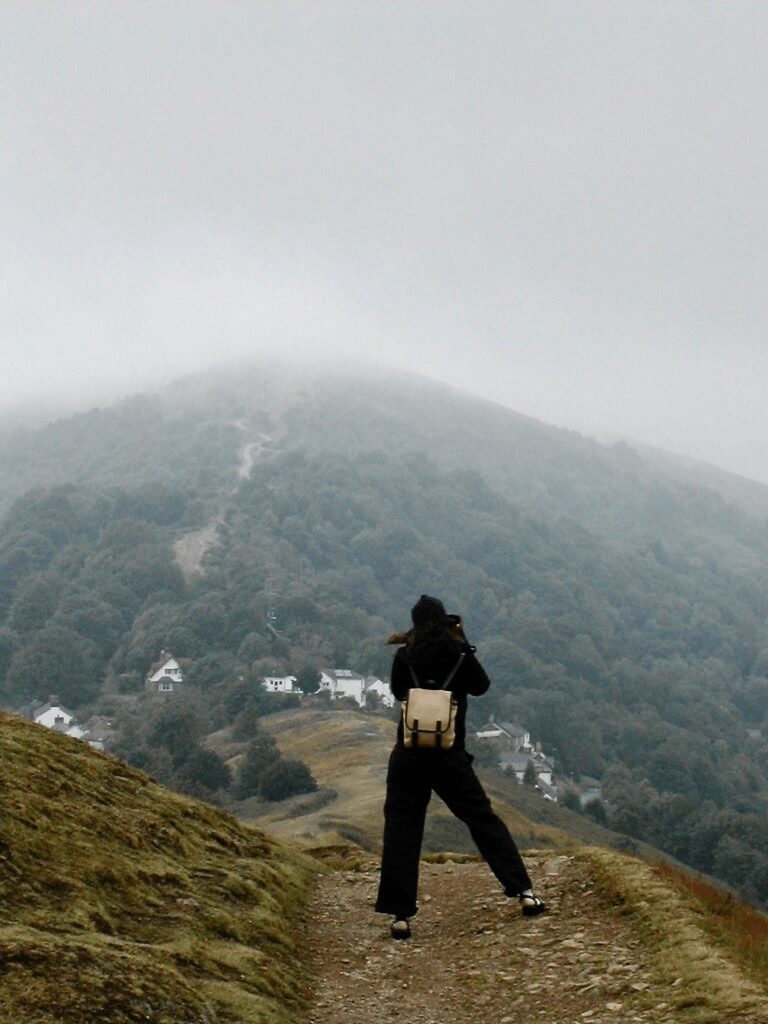
Image Credits
Courtesy of Elizabeth Wilson