

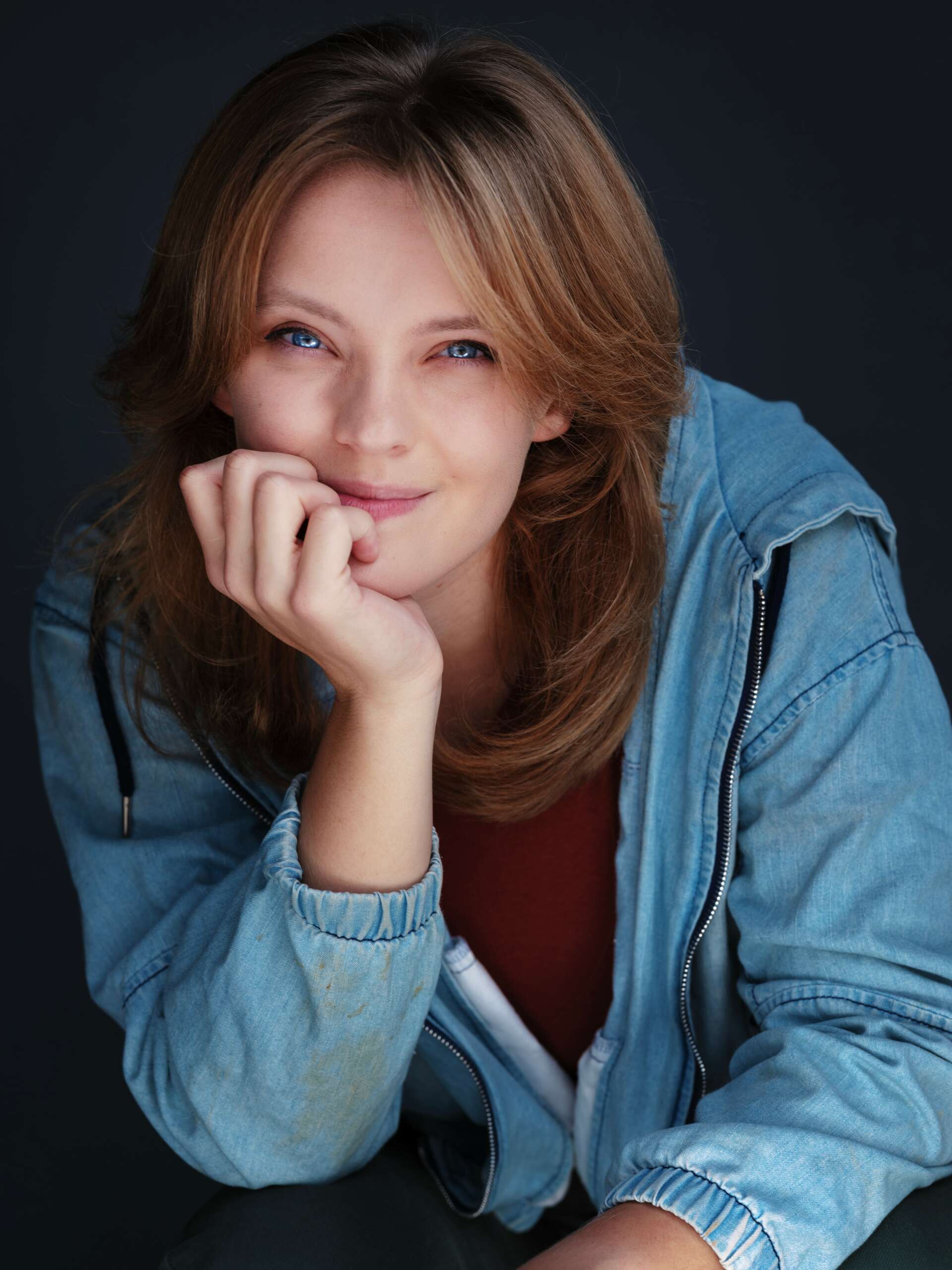

We were lucky to catch up with Elizabeth Sherman recently and have shared our conversation below.
Elizabeth, appreciate you joining us today. We’d love to hear about a project that you’ve worked on that’s meant a lot to you.
Every time I begin a new script or start forming a new idea, I ask myself: what do I wish I could watch right now that doesn’t exist? On the surface, the answer is usually something kind of fun and wacky — a 1950s Housewife/Witch, a boy-crazy co-ed, a gigantic, space-dwelling praying mantis… you get the idea. But as I get deeper into the process and peel back the candy wrapper of the story, there’s always something deeper I have to wrestle with. There’s a part of me that’s still confused or hurt or angry or sad about something — a part that’s looking for an outlet. Once I discover that, it’s really where the true meaning and depth of the project start to emerge.
One of my best friends joked once that everything I write is just a long self-therapy session. He was completely correct. I’ve had a couple friends ask me if I’d ever write a book. And while I’m not ruling it out (because I think every story “asks” to be in a certain medium), my true main focus is on the screen” with “I love writing for the screen.
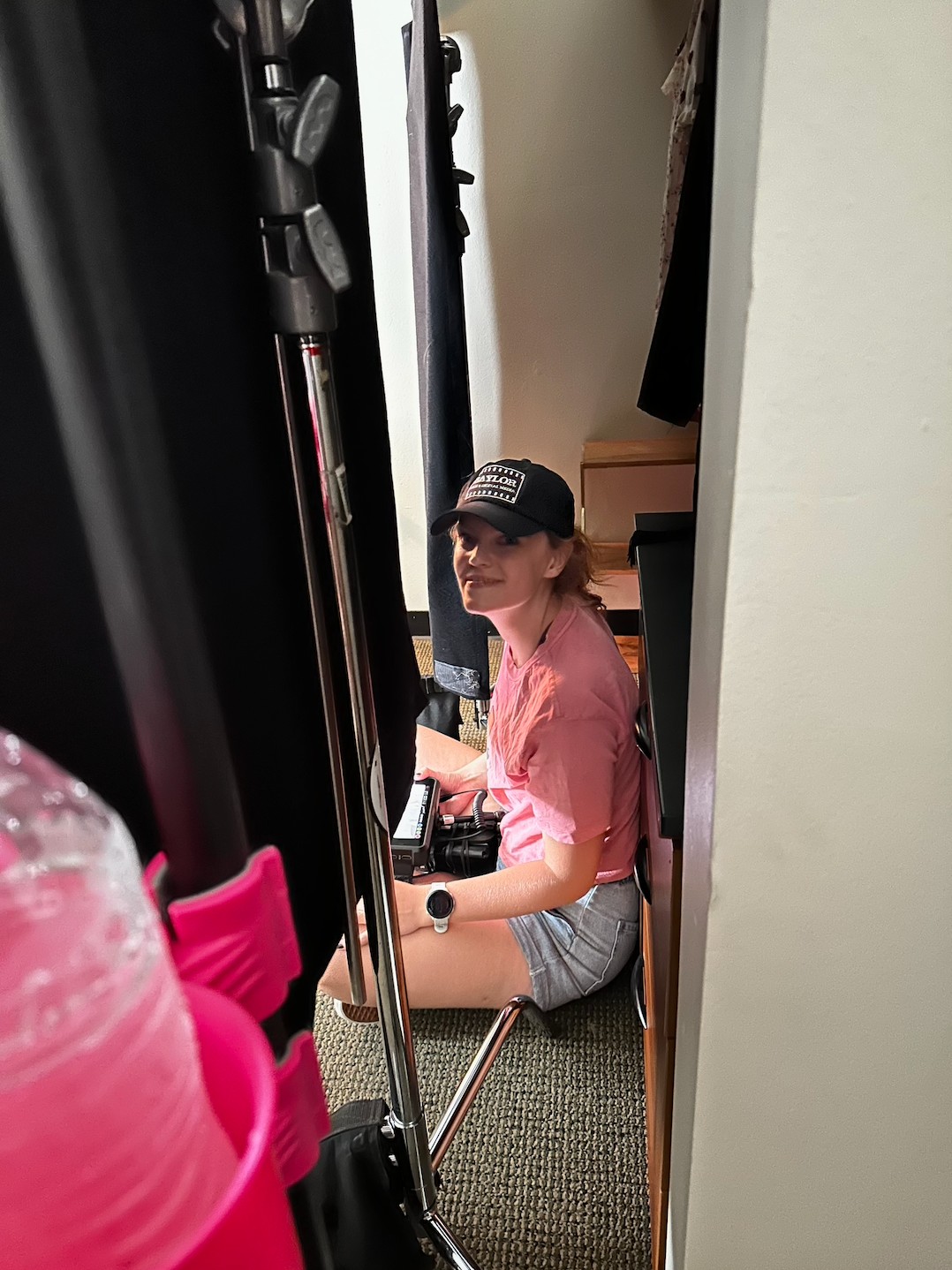
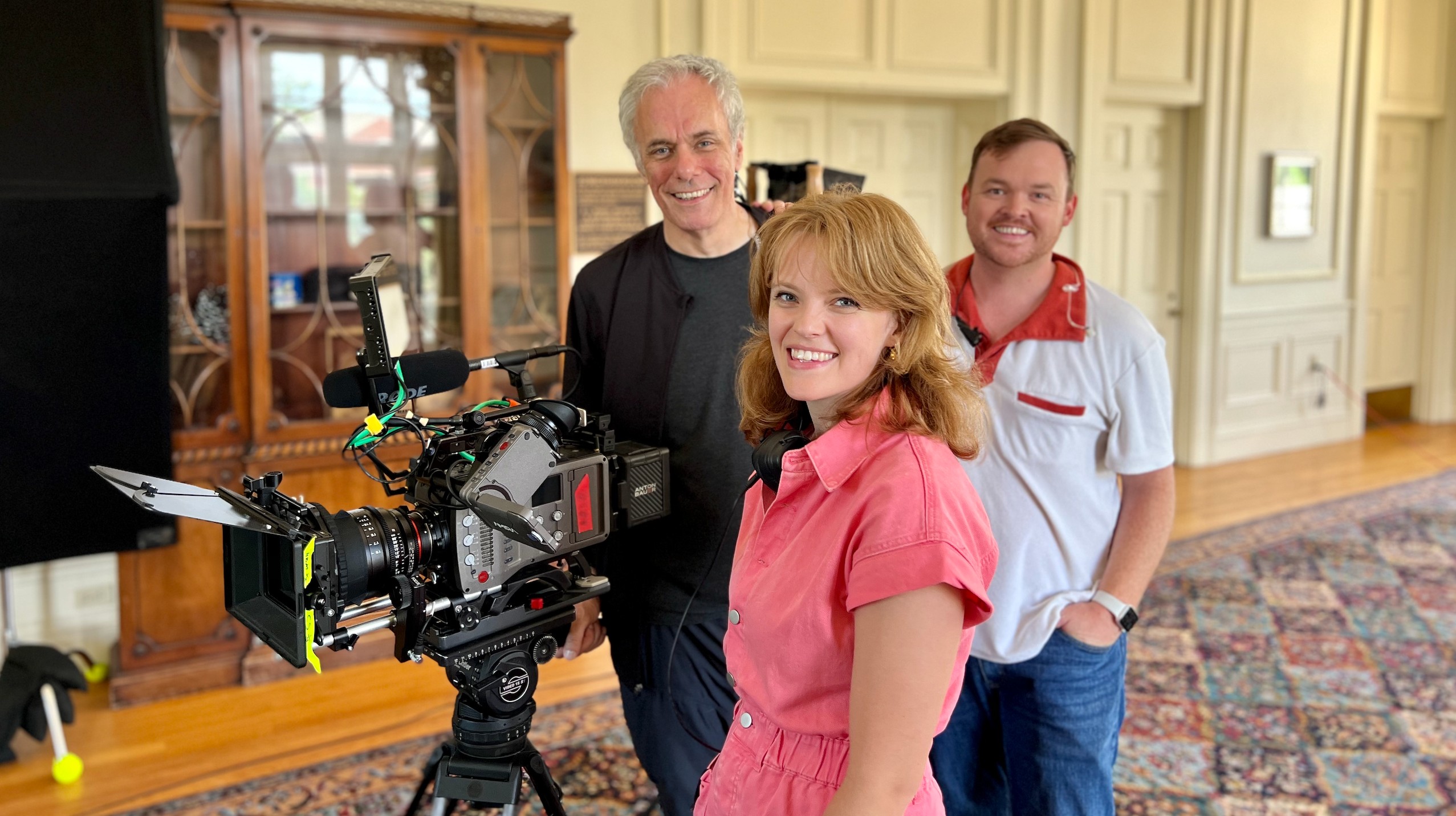
Elizabeth, before we move on to more of these sorts of questions, can you take some time to bring our readers up to speed on you and what you do?
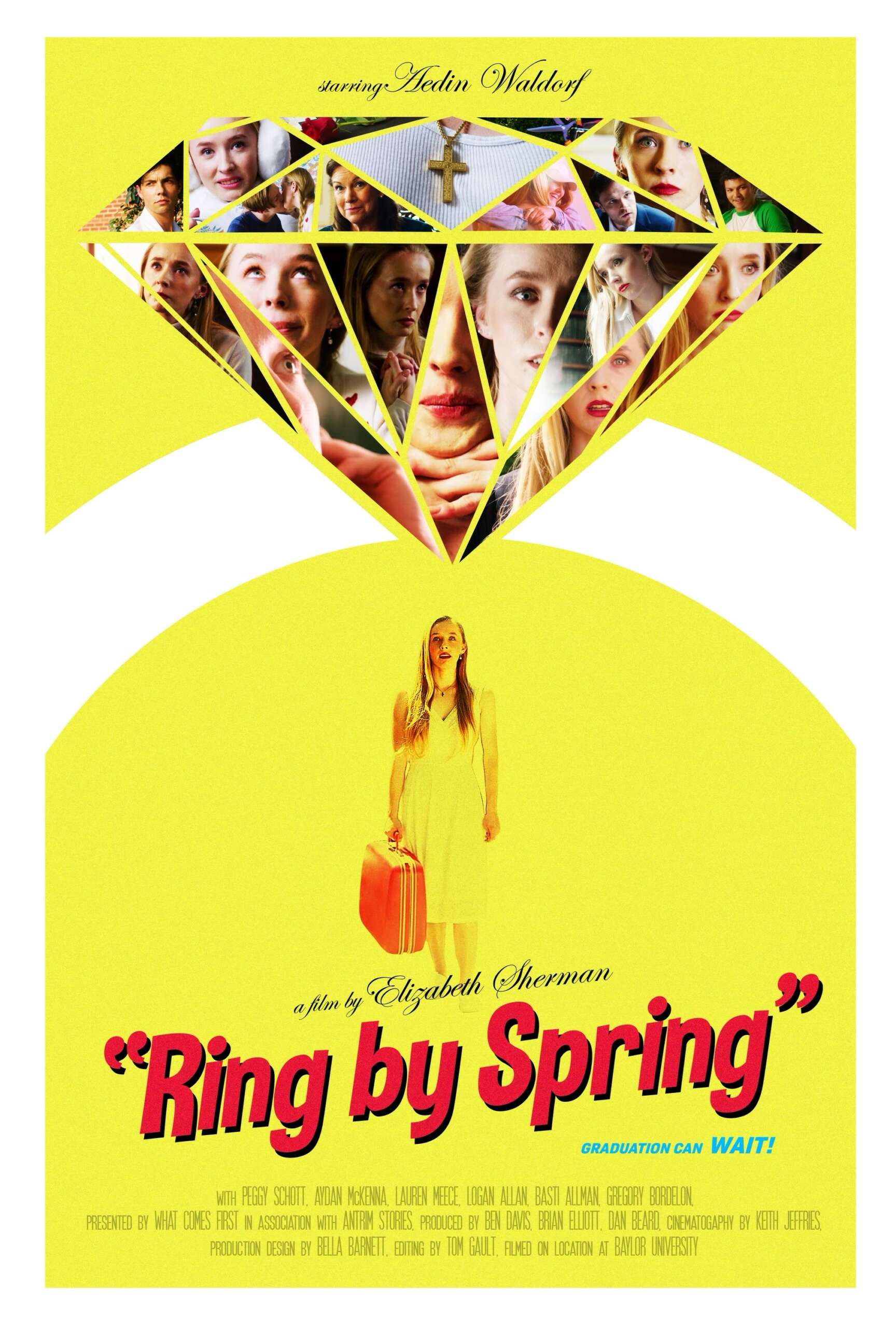
I’m a writer and director born in Colorado, now based out of Los Angeles and Austin, TX. I’ve always loved telling stories (my first was a 25-page handwritten saga about magic guinea pigs when I was 8 years old), but I guess my real career started at Baylor University. I’d planned on majoring in political science, but when I took my first screenwriting class, something warm, fuzzy, and hungry switched on in my brain. I knew just a couple weeks in that I wanted to spend my life pursuing writing for television and movies.
As both a Christian and an LGBTQ+ woman, I find myself repeatedly exploring the complexities of each identity and how they can coexist in a modern world. I’m also fascinated by and adore telling stories about insane women — of all types — insanely funny, insanely angry, insanely grief-stricken. I think the pantheon and well of human emotions is a beautiful, God-given thing — and through tv and movies, we can experience it all.
I’ve had a couple friends ask me if I’d ever write a book. And while I’m not ruling it out (because I think every story “asks” to be in a certain medium), my true main focus is on the screen. It’s a collaborative medium from start to finish and a vast number of artists and technicians are required to see a story come to life. I think this process — from location scouts to sitting in the editing bay — is precious. Artists working together is a holy thing! (I can get very “woo-woo” about this, if you can’t tell). And when I’m directing, I remind myself that stories can have a great effect, but our day-to-day work with one another is, arguably, just as (or more) impactful. Running film sets where all people feel valued and all ideas feel heard is just as important to me as telling a moving story.
What’s the most rewarding aspect of being a creative in your experience?
Writing doesn’t necessarily get easier. Over time, I’ve discovered more about what works and doesn’t work for me and my “process,” and I’ve found little tricks I sometimes use if I’m stuck or can’t seem to find the right words (one is: I write the absolute worst version, on purpose — then improve from there)… but since each script and project is so different, they each present their own problems and struggles.
It’s like putting jigsaw puzzles together. You can finish a 500 piece lion puzzle, but the next one might be 750 pieces and it shows fish, not lions. You know the essentials of the task – and maybe a little hack is to always start with the edge pieces. But the bulk of the work is brand new every time.
I love when the picture starts to come together. When, after struggling with it, I can see how each piece of the story fits together. Then it’s a rush of excitement to the finish line and to type the words “The End.”
Have you ever had to pivot?
During the summer of 2023, the Writers Guild went on strike. I was out of a job for the summer months, so I decided to take an acting class — something I’d been wanting to do but never had time for.
It was incredibly fun to step out of my “lane” and learn more about that side of storytelling. As a writer, it brought new perspective to character and improved how I approach story immensely. As a director, I learned some of the challenges actors face that I wasn’t privy to.
I’m focused on writing and directing again now, but it’s with renewed excitement and fresh ideas and approaches that wouldn’t have happened if I hadn’t gone outside my comfort zone.
Contact Info:
- Instagram: @ebethsherm
- Twitter: @ebethsherm