

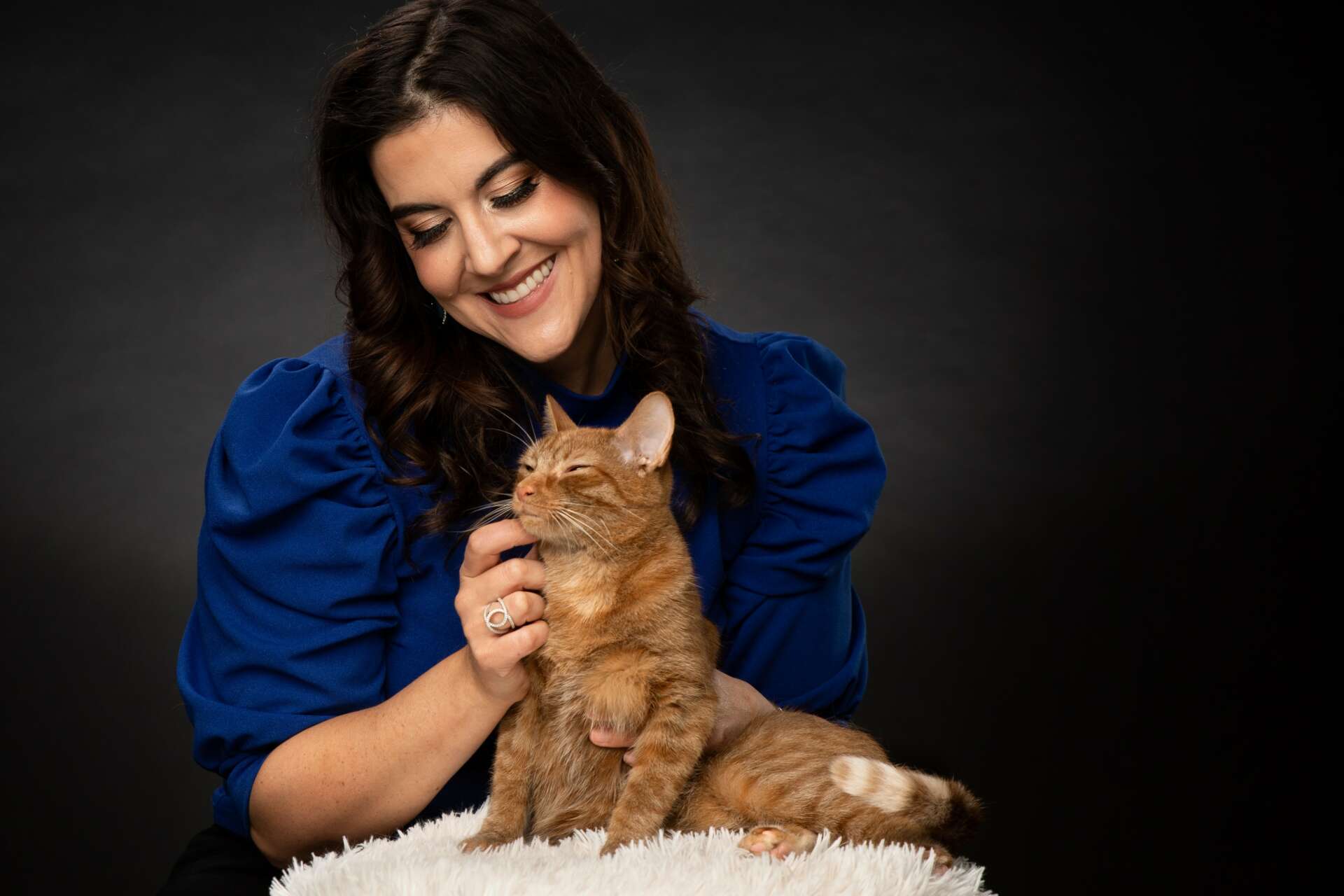

We were lucky to catch up with Elizabeth Italia recently and have shared our conversation below.
Alright, Elizabeth thanks for taking the time to share your stories and insights with us today. Taking care of customers isn’t just good business – it is often one of the main reasons folks went into business in the first place. So, we’d love to get a conversation going around how to best help clients feel appreciated – maybe you can share something you’ve done or seen someone do that’s been really effective at helping a customer feel valued?
I work with cat owners, and if a cat owner is going through the effort and expense to hire a cat behaviorist, they already show a loving commitment to the happiness of their cat and home. I’m always moved when I see all that owners have done or are willing to do to create a harmonious environment for their cats (and themselves). One of my clients had a senior (older) cat, and adopted a kitten. The two did not get along. The kitten’s energy was too much for the older cat. I visited their home, and showed the family what to do to help the cats get more integrated. What followed were emails, text, calls, and another visit. Eventually, the two cats were able to coexist. Although the older one’s health was starting to decline, the family was able to enjoy both cats and in a much less stressful environment.
A few months later, I received a text with a picture of the two cats calming sleeping on a cat bed next to one another. It was heartwarming. The next morning, I received a text that the old kitty had passed overnight. Doing this work, I know many who lose their fosters or pets. It’s a bit of helpless feeling, because what can I ever do to make it better? The best thing I could think of, was to donate to a cat and dog rescue in honor of the cat that passed. I did that and sent a screenshot to my client, telling her I was thinking of her family. She expressed gratitude for what I did and how everyone has been there for her to help her and her family get through their loss.
As always, we appreciate you sharing your insights and we’ve got a few more questions for you, but before we get to all of that can you take a minute to introduce yourself and give our readers some of your background and context?
As a child, my grandparents had an outdoor colony of cats. My mom worked for their business, and I would spend summers outside all day with the colony. I learned so much about cat behavior, and seemed to always have a way with the shy and fearful cats.
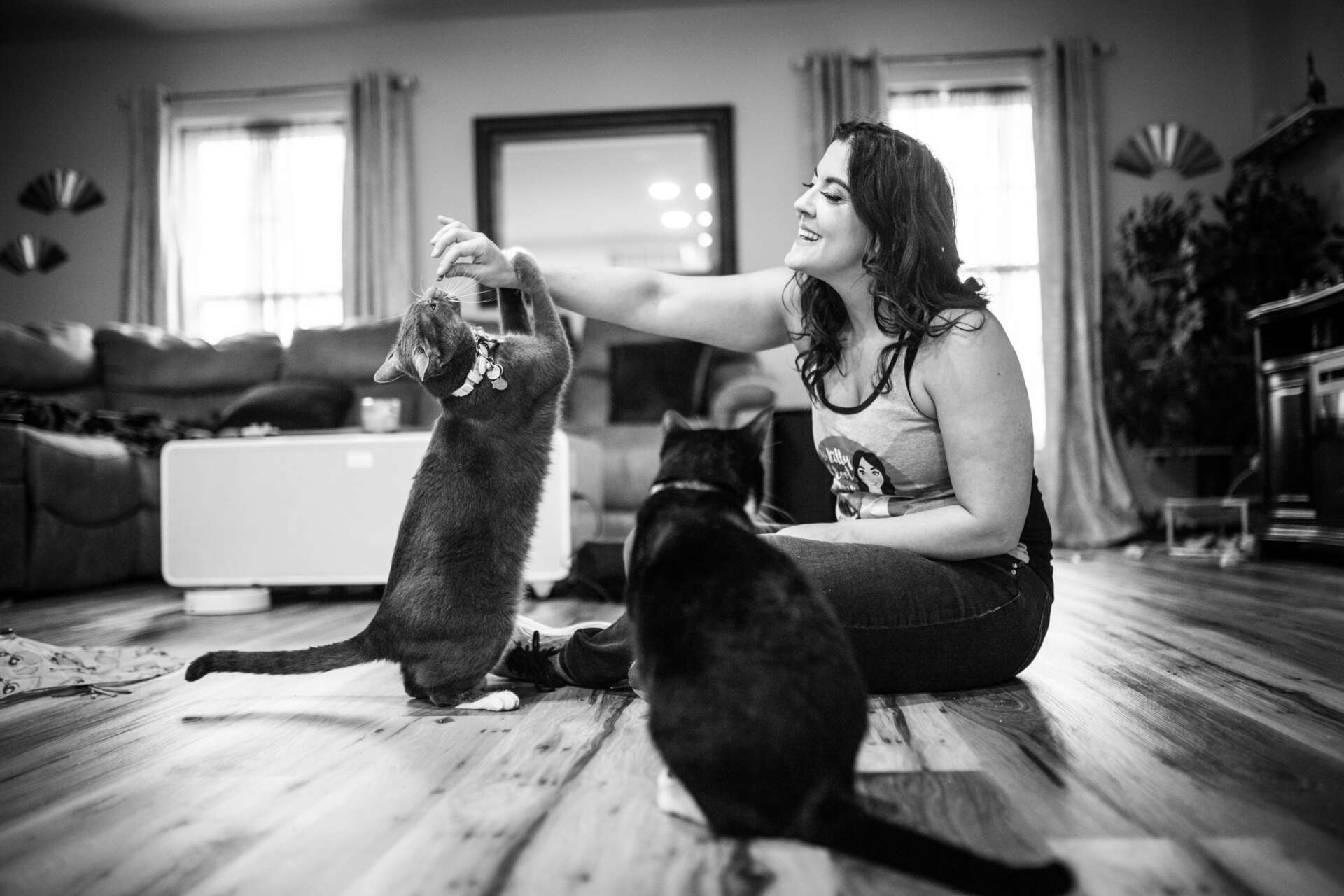
As an adult, I began fostering cats for Philadelphia’s open intake shelter a number of years ago. Within a few months, I discovered there was a room where they kept all the kitties with behavioral issues. I fell in love with helping these cats rehab and get adopted. Cat owners started coming to me for advice on issues their cats were having, so I decided to start a social media page and blog, Liz’s Kitty Boot Camp, with no other thought than it would be a fun hobby for me and hopefully help others. One day, a cat products company (that I know contract for) approached me for an interview assuming I was a cat behaviorist. My wheels started turning. When I looked into cat behaviorists on my own, there weren’t very many, and the ones I found were extremely booked up. I was fortunate enough to meet with one, and she told me I understood cat behavior unlike she had ever seen before. I wondered, could I pursue this love of mine and turn it into something bigger?
I had a lot of knowledge from my experiences with cats as a child, plus all I was learning from fostering challenging cats. The only piece I felt was missing was on the academic side. I chose to get a certificate in Applied Animal Behavior from the University of Washington. After completing it, I launched my official business and offered consulting services to cat owners and rescues. I used my blog and social media to promote it. I soon added training and content services to my offerings.
Through my business, I’m able to help cat owners have better relationships with their cats, and help decrease shelter surrenders. I’ve also been able to train fosters at shelters on how to foster difficult cats. Plus, I’ve worked with vets to write blog articles educating their clients. I pride myself on being approachable, and breaking down complicated aspects of cat behavior into nuggets people can understand, and also provide them with encouragement and confidence that they CAN help their cats be their best selves.
How did you build your audience on social media?
Social media is actually a struggle for me, but I’ve been able to build an audience and connect with people over the years. I try to mix personal experiences with knowledge, as well as pose questions and ask my audience what they’ve experienced. I think a big piece to understanding cat behavior is observing, so when I notice something, I like to video or take a picture, and post it with an explanation. If a post is going to be heavy on education, I always says “Tails & Tips” which is the name of my blog. My audience knows when they see that intro, I’m going to share education.
I also think it’s important to show what fostering is like. It’s far from glamorous. I’m often taking videos in my pjs with no makeup on, because that’s what it’s like to train and crawl around with cats. I think this gives me a level of authenticity, and I hope makes me more approachable. I think it’s also important to show when I’ve made mistakes, because that’s how all of us learn. Another thing I try to do, is have fun. I will make fun of myself for talking in a funny voice to my cat or doing something silly. Again, just trying to be relatable.
Although I avoid talking about anything controversial overall, I do pepper in topics that impact cat behavior, like declawing, TNR, and euthanasia. I try to be kind and understanding with my words, as to not alienate, but hopefully just set the stage for discussion.
Being in the fostering and cat behavior space, I work with many others, including rescues and vets. I try to tag everyone to expand my reach, and have had success with that.
Overall, my advice is to provide education while still having fun, and stay positive in your communications. Positivity will always attract other more positive people!
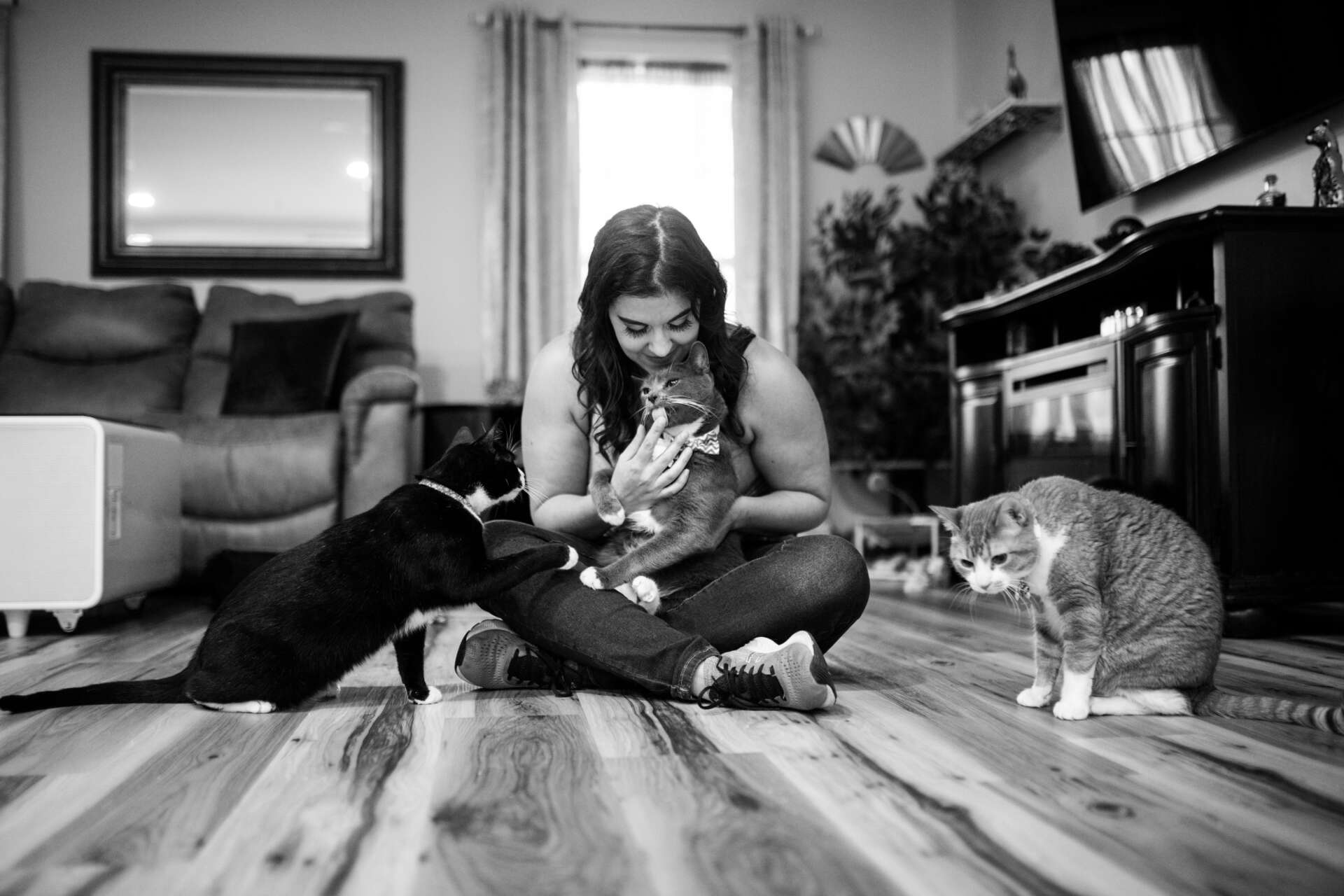
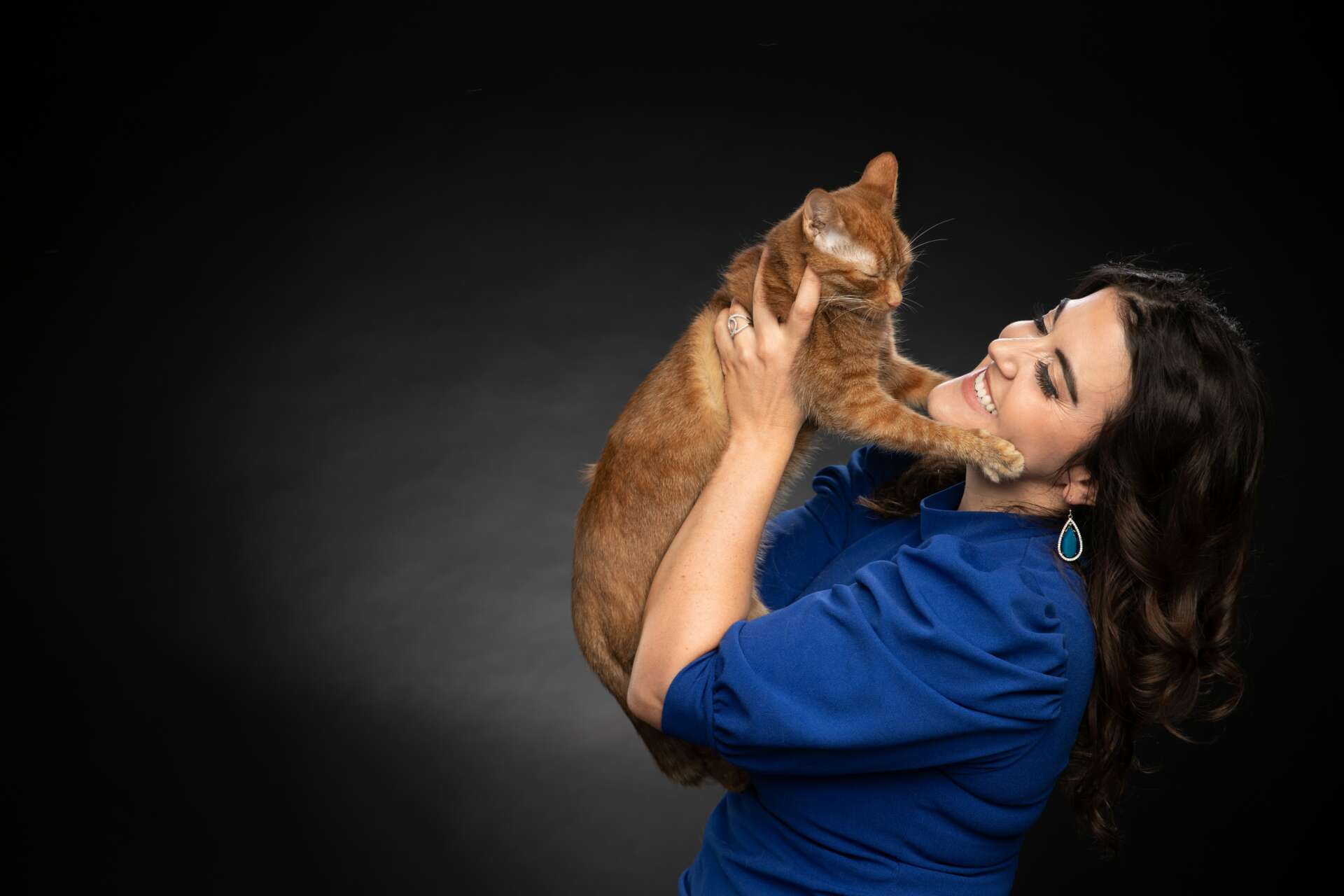
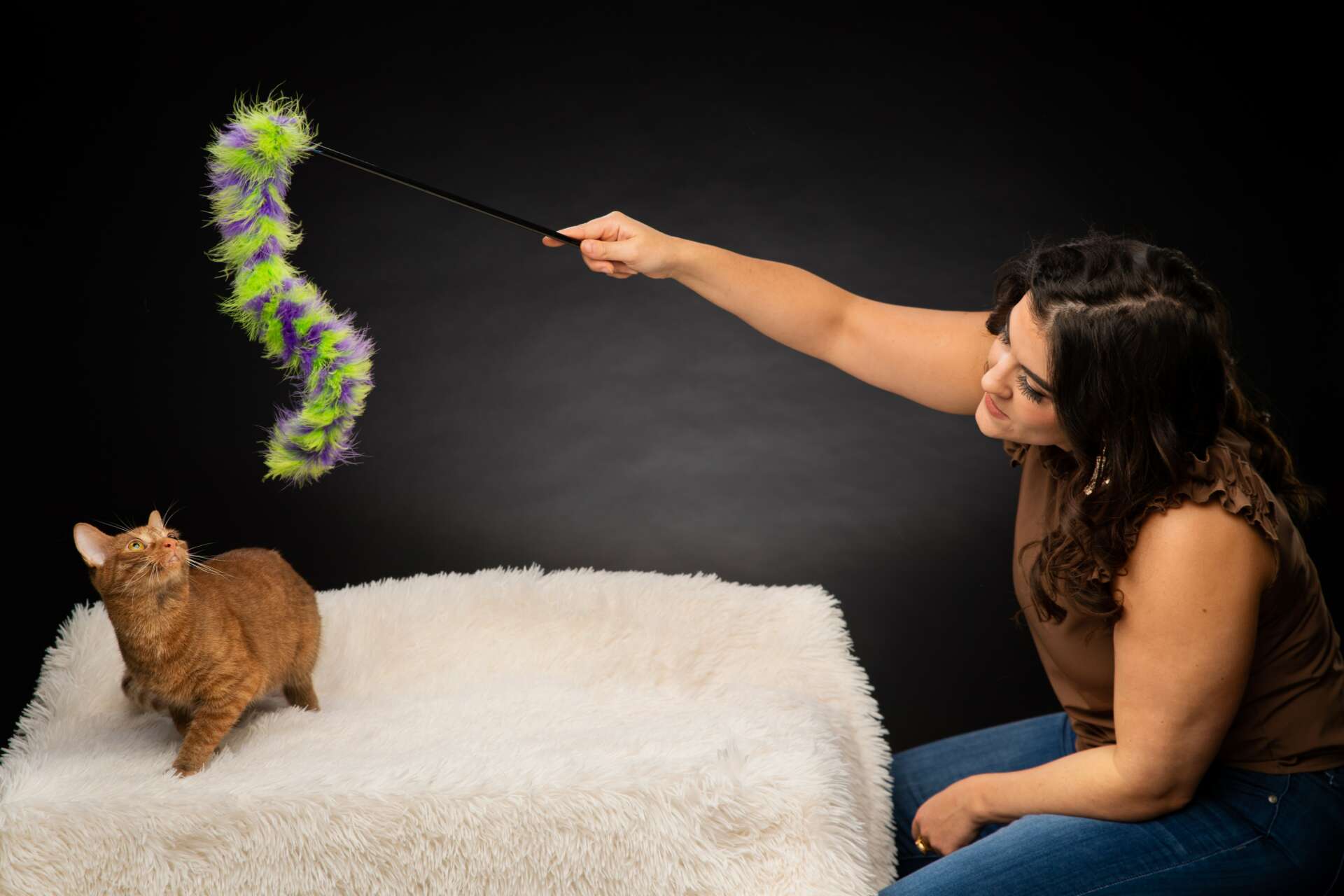
Any stories or insights that might help us understand how you’ve built such a strong reputation?
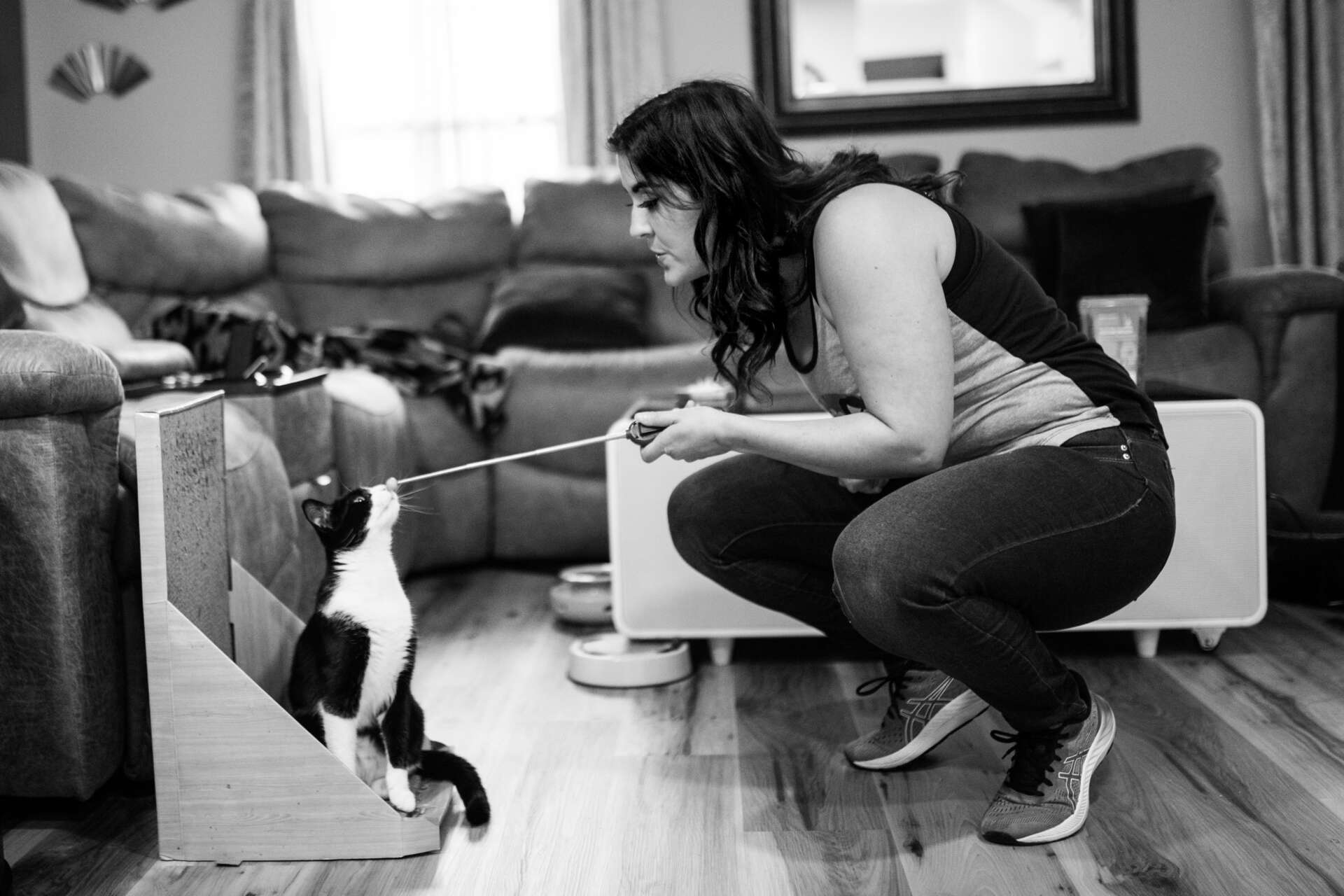
The fact that I foster cats with behavioral issues is a huge deal. I’m living with cats that have issues all the time. I talk the talk, but I walk the walk. When I’m recommending products or techniques, it’s because I’m using those exact items and applying those techniques. I fully understand the stress of cats that don’t get along or struggle with inappropriate urination – two of the most common issues cat behaviorists face.
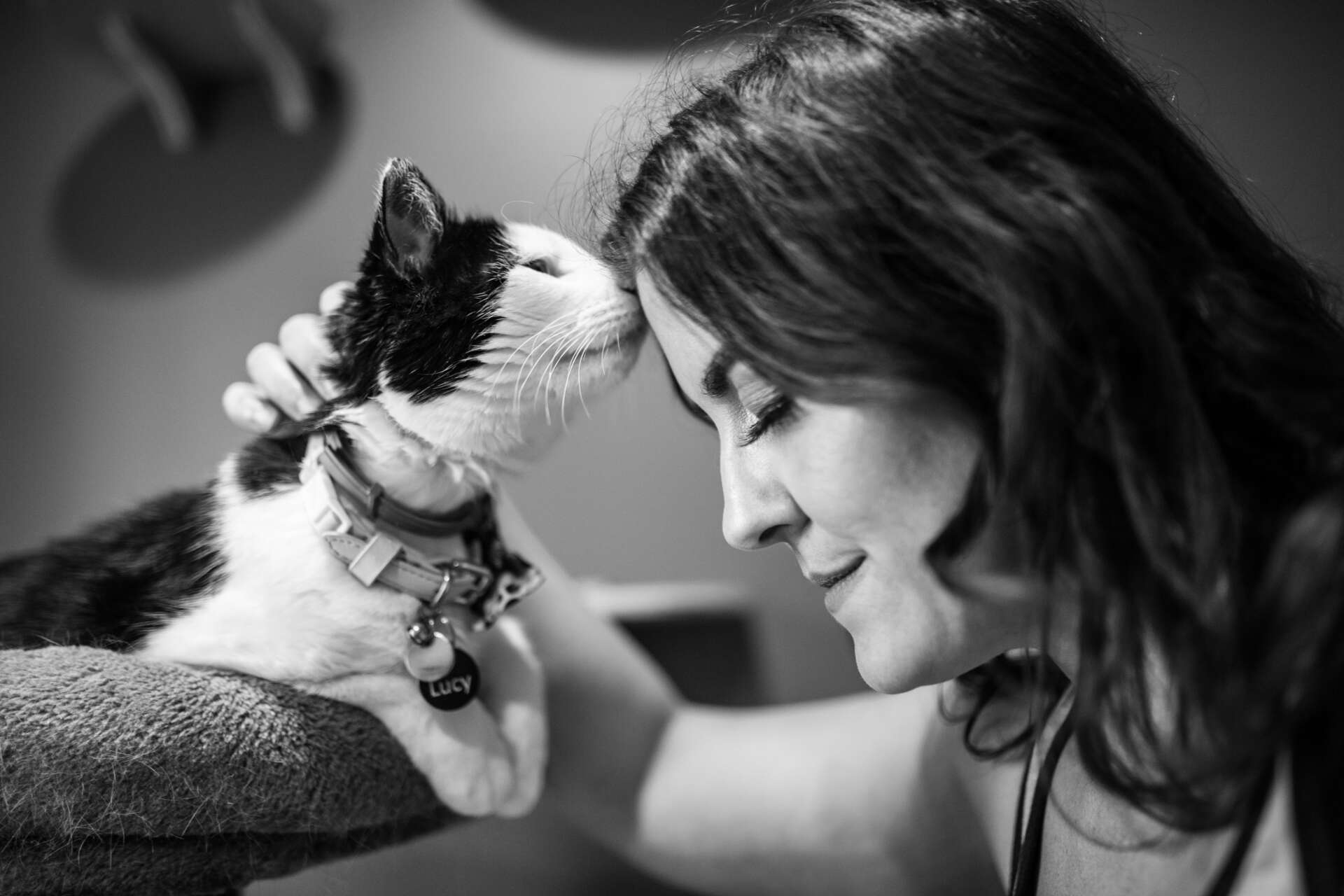
I also have a love and a passion for cats that’s unmistakable. I’ve had clients tell me after I leave how beautiful it was to watch me interact with their cats. This shows my commitment to the cats and their owners.
This is all further supported by my social media. Anyone can log on and see me working with my foster cats or my own; trying new things and celebrating milestones; struggling with picky eaters or aggressive cats; even showing pics of a cat bite (which are thankfully few and far between).
The vets I work with know how dedicated I am, which also helps my reputation. I never have a shortage of questions and insist on getting all the information and understanding it before I make a decision.
Rescue groups and even other fosters can count on me to answer questions if they need me, since again, I’m living this life in my own home every day with my foster cats.
Contact Info:
- Website: https://lizskittybootcamp.com
- Instagram: https://instagram.com/lizskittybootcamp
- Facebook: https://facebook.com/lizskittybootcamp
- Twitter: https://twitter.com/kittybootcamp
- Youtube: https://www.youtube.com/channel/UCouZ1GCiErB627OKX14xxhQ
- Other: https://tiktok.com/lizskittybootcamp
Image Credits
Lux Summit Studio