
We recently connected with Elise Weber and have shared our conversation below.
Hi Elise, thanks for joining us today. Can you talk to us about how you learned to do what you do?
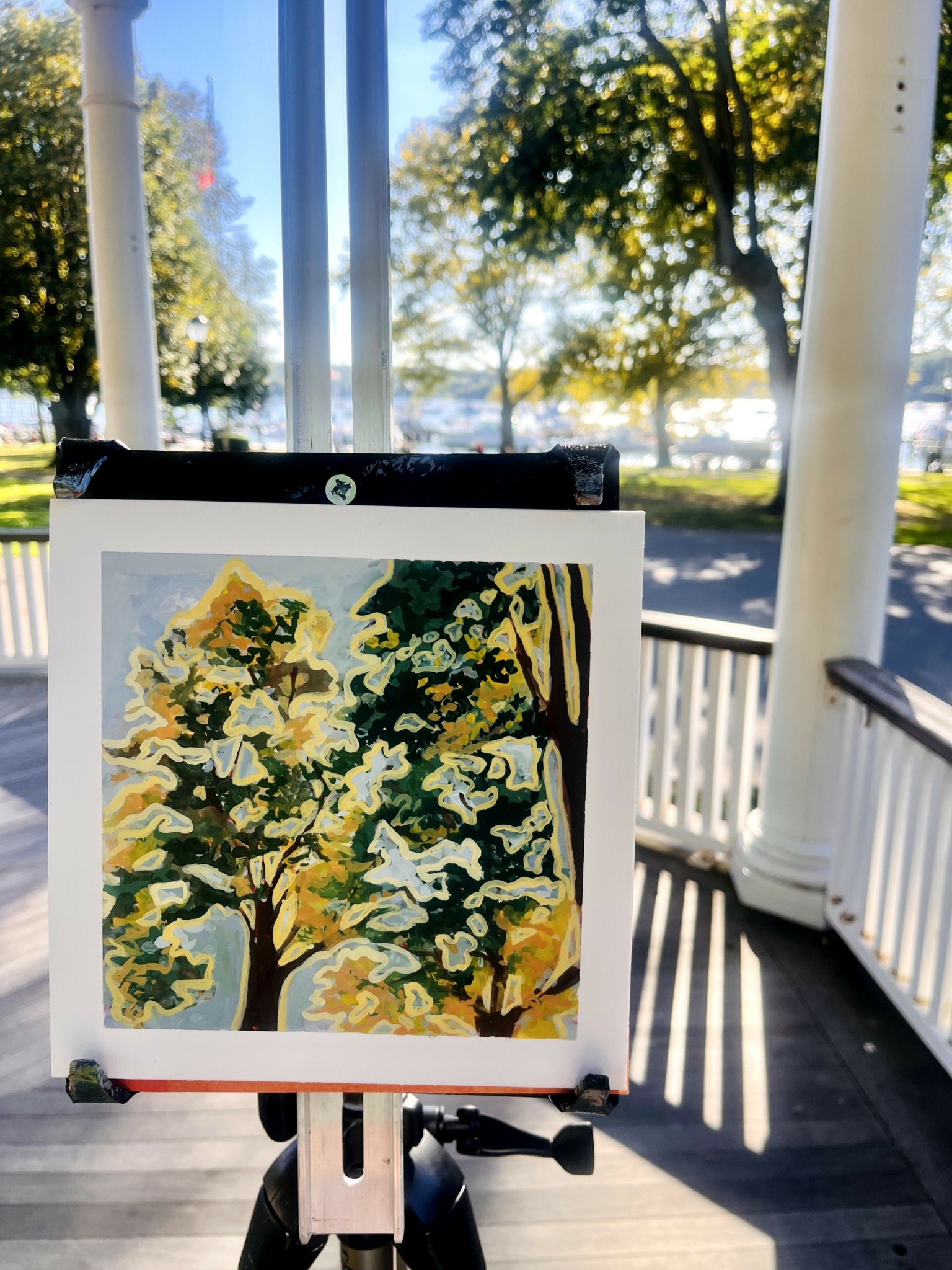
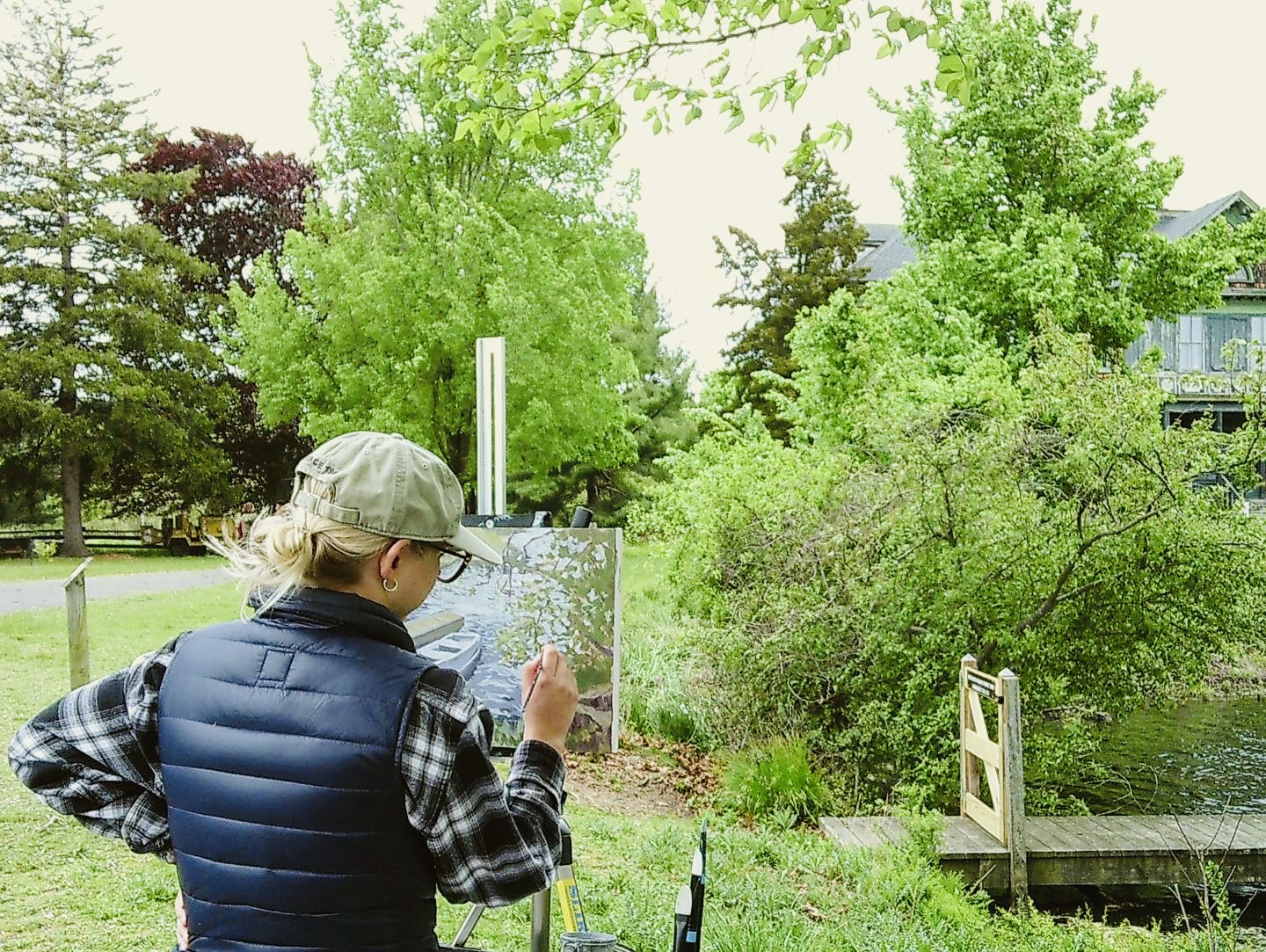
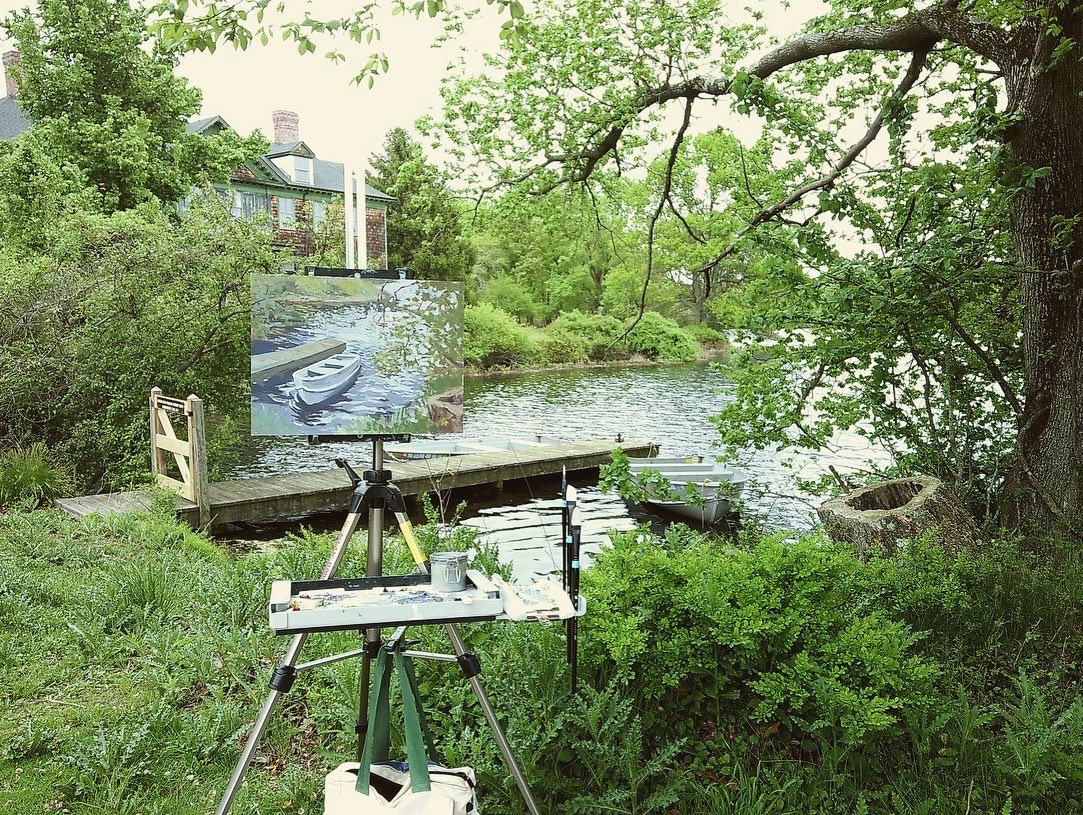
I first developed an interest in depicting the landscape during my freshman year of college. In classes, we were focused on drawing still-lives and the figure while in confined studios. Wanting to break from that mold outside of classes, I had an urge to paint outdoors. It was that year I was introduced to a professor who offered a Landscape Painting class. I was lucky enough to take the class in my sophomore year, as the experience jumpstarted my full immersion into painting “en plein air” for the remainder of my college career. I was dedicated to driving to south shore beaches and town parks on Long Island to scout visually engaging scenery to paint with acrylics on a Strathmore paper pad or primed panel. I learned how important light and shadow were to the success of a landscape painting. I also learned how quickly the sun moves and how unpredictably the weather changes. Each painting session taught me more and more about the process.
Knowing what I know now, I believe I should have explored more contemporary landscape art at museums and in libraries at that time of my life. I typically gravitated towards landscape works of the impressionists, expressionists, and romanticists. I loved learning the history behind the development of plein air painting, but I now realize the equal importance of being inspired by other artists who work today. I think research and looking at art makes the process of art making so much more intentional and well informed. Appreciation and humbleness are just as necessary as talent or skill. Today, I have the honor of being a member of a co-op art gallery, where I can continually be inspired by other artists there.
As a working landscape artist today, I believe that the skills of color mixing, observation, and patience are some of the most essential to focus on: Light and shadow is color. Observation and self-awareness translates a 3-Dimensional space onto a 2-Dimensional surface. Patience is the understanding that not every painting session will be successful. The tide may rise up and wash away your supplies; The park you wanted to go to might be closed; The sun may become unexpectedly blocked by clouds in the middle of mixing your paints. Anything can happen when painting outdoors. It is one of the greatest challenges, however I find the risk absolutely exhilarating.
As always, we appreciate you sharing your insights and we’ve got a few more questions for you, but before we get to all of that can you take a minute to introduce yourself and give our readers some of your back background and context?
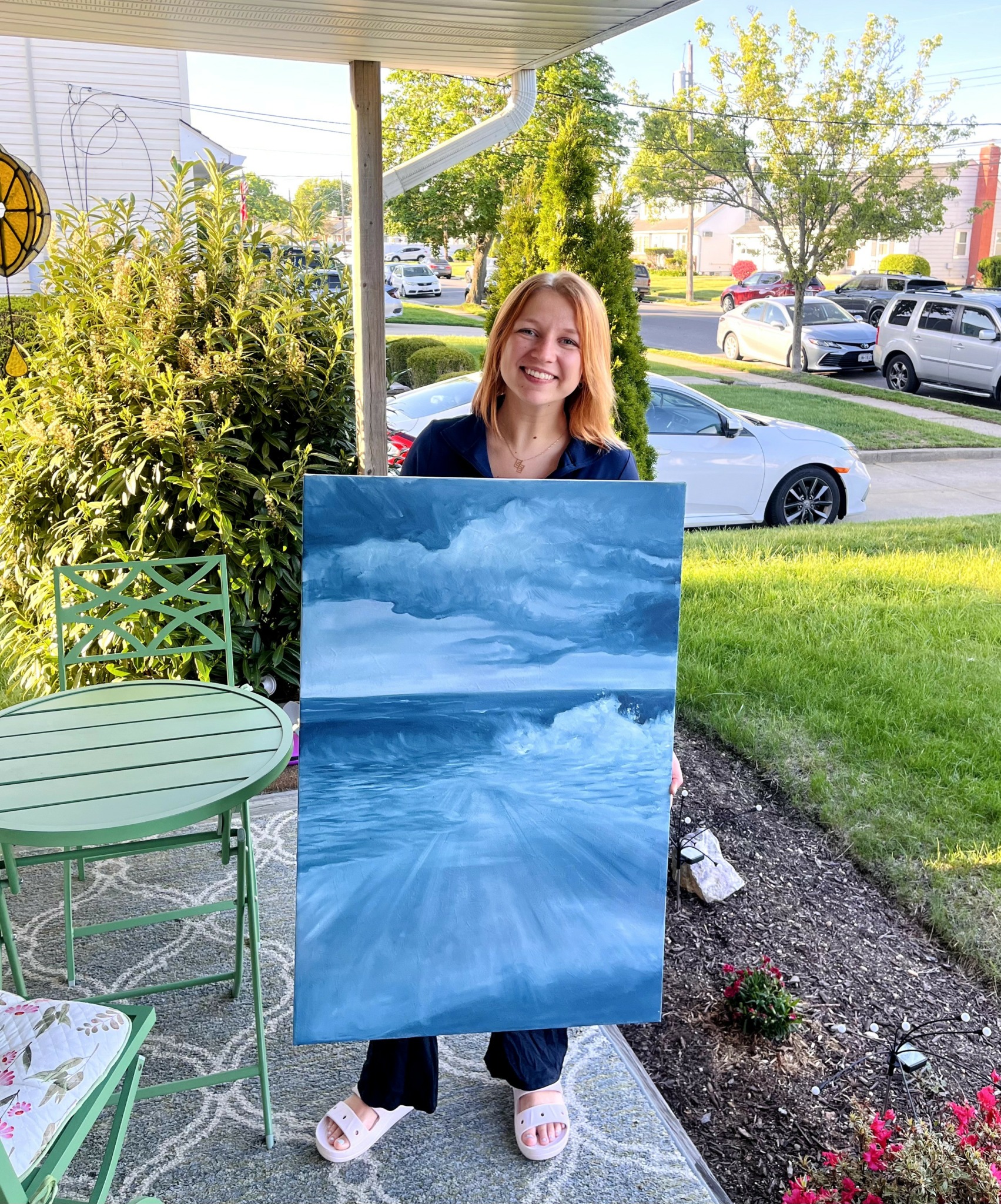
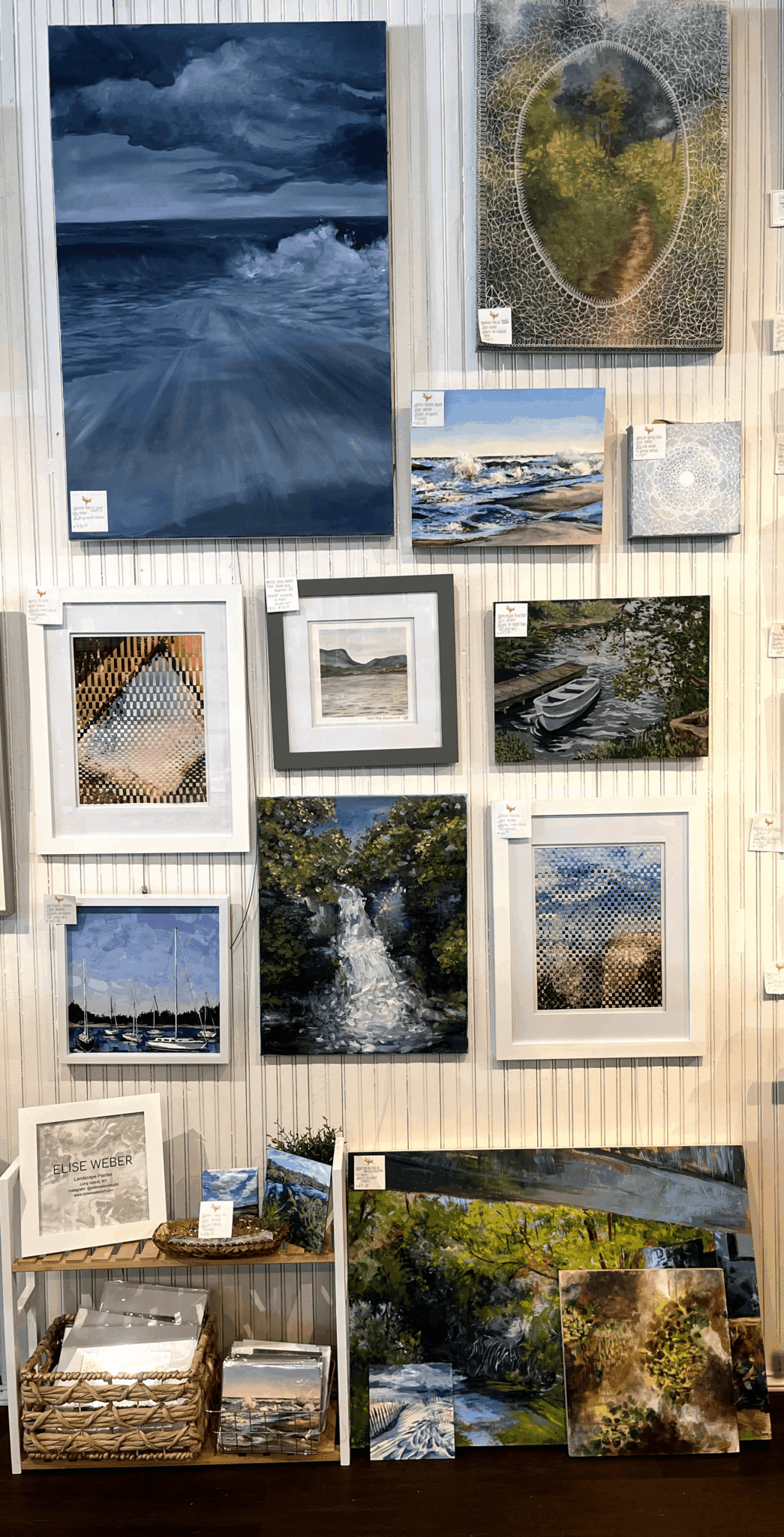
My name is Elise, and I am an artist who interprets the landscape through painting both in my studio and out in nature. I have been a lifelong creator, exploring a multitude of visual and performance art mediums throughout my childhood. Now in my adult life, I have the pleasure of sharing my creative passion with others as a high school art teacher. I am also lucky enough to make and sell my landscape paintings professionally in art galleries and exhibitions across Long Island, NY.
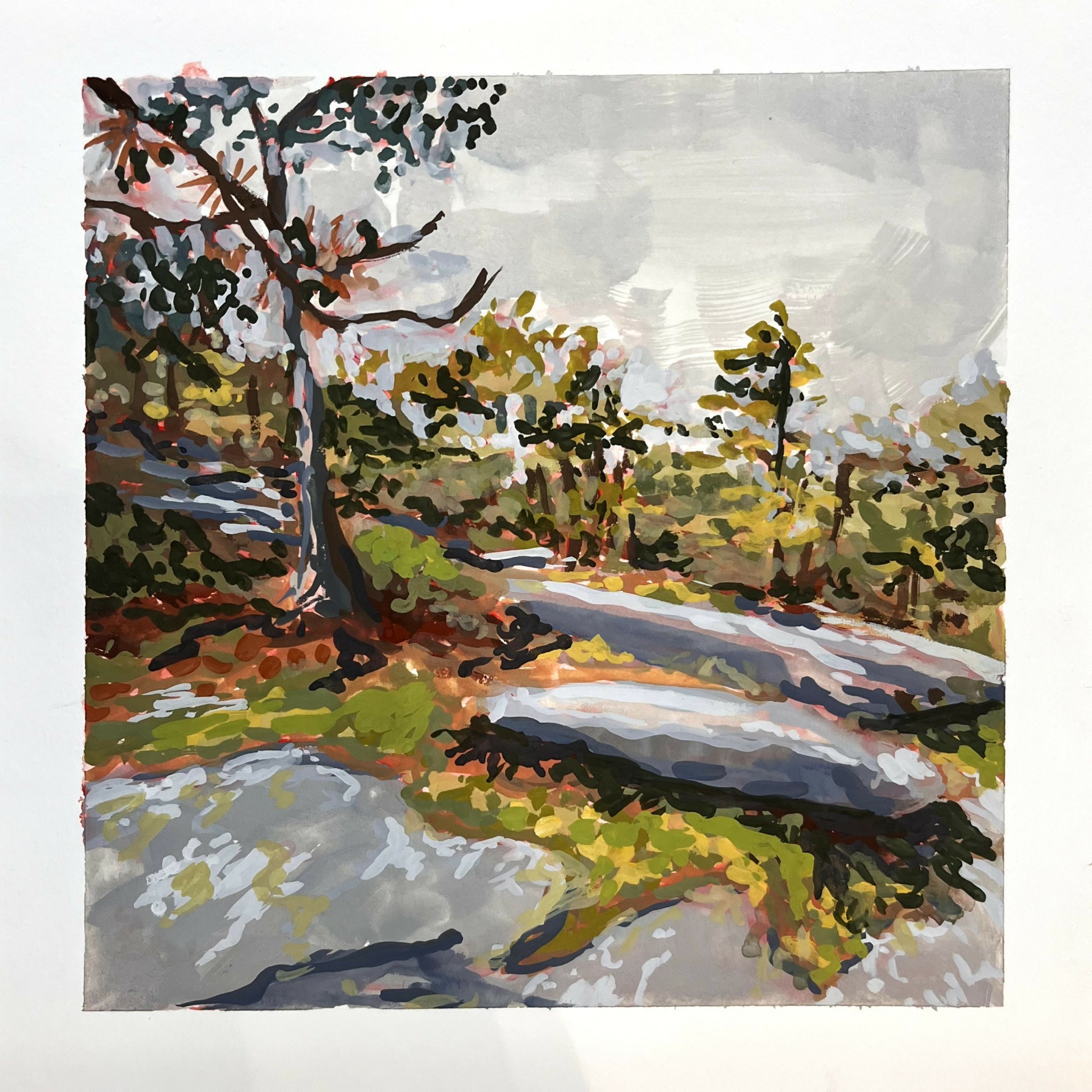
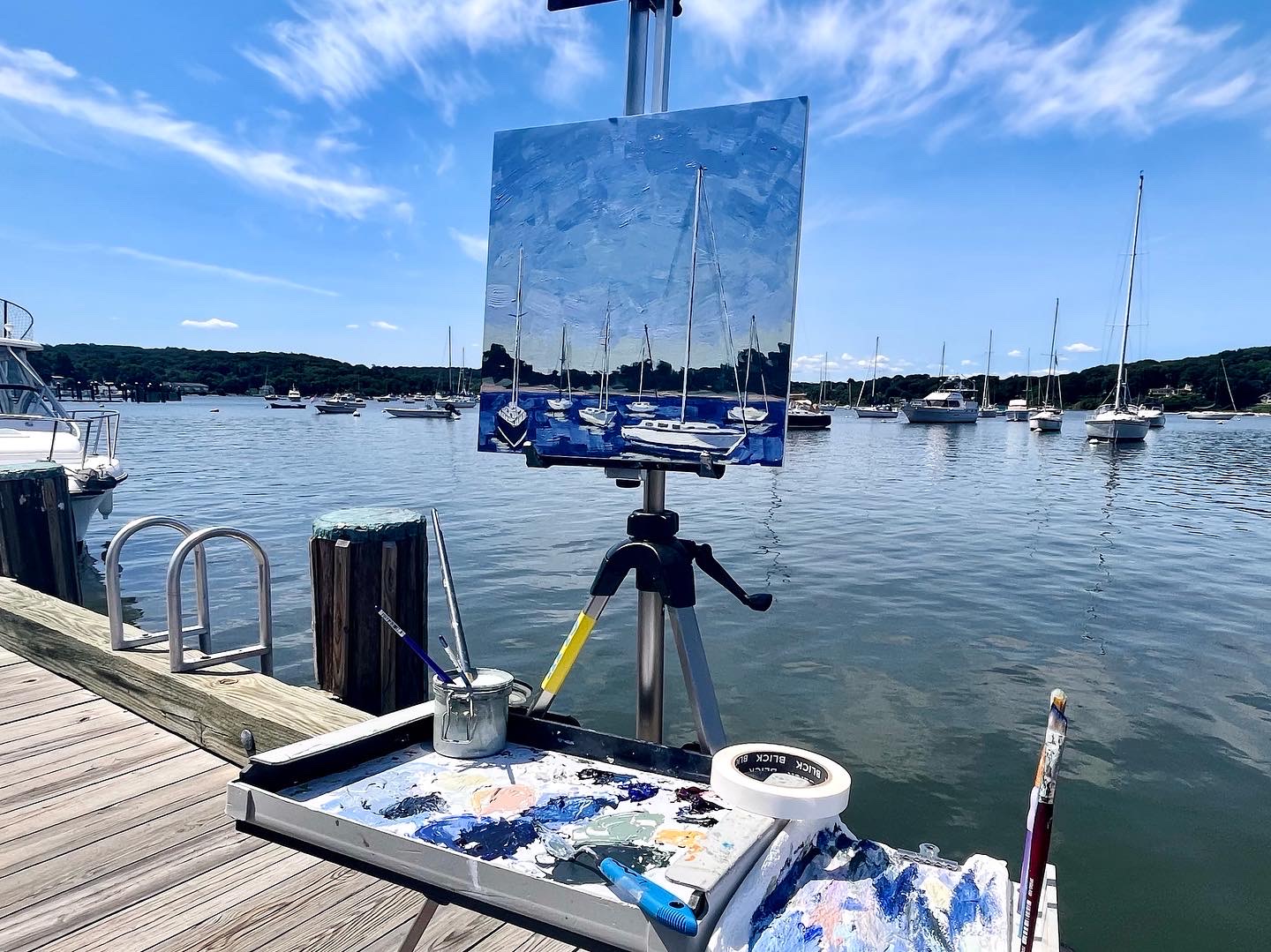
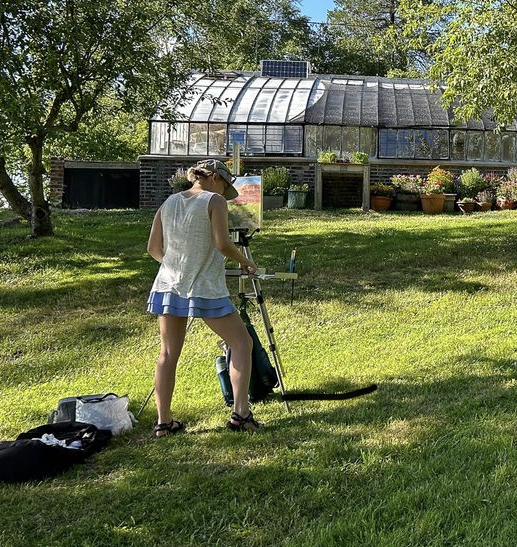
My main focus when I paint is to capture specific moments in time through the use of color and expressionist brush marking. During the spring, summer and fall, I paint mainly “en plein air”, French for “in open air” and made popular by the Impressionists. I scout various locations both on the shoreline and in the forests to depict using gouache or acrylic paint on paper or panel. The art of “plein air” painting is exhilarating, as you are working through the elements, painting fast enough so the sun doesn’t change too much or the tide doesn’t come rolling in! It’s truly an adventure made for me by each piece. In the winter, I work more long-term by painting in oil, following photo references I have taken or simply finding inspiration from color palettes I discovered in nature.
I typically avoid producing prints of my work, as I enjoy the idea of sharing true authenticity of my art with viewers. Through my paintings, I hope to spread my love and appreciation of Long Island and the surrounding region through artworks that may even hold individualistic sentimentality and nostalgia.
In your view, what can society to do to best support artists, creatives and a thriving creative ecosystem?
There are many ways that we can support a creative ecosystem. And its very easy!
As the famous saying goes, “shop local”! There are so many in-person and virtual storefronts where artists and artisans present their work to be shared and/or purchased. Find local art galleries, craft fairs, farm stands and social media pages. Grab a coffee and a friend…make a day of it! As a current associate artist of two Long Island Art Galleries (The Firefly Artists in Northport & Gallery North LI in Setauket), I have happily witnessed the growing community of people who discovered a love to forage through creative works for themselves and people close to them. Even if you don’t purchase anything, being there and simply setting eyes on creative work is a prime way to support the arts community. In our current world of overconsumption, “shopping local” is a way to be reminded of the value of authenticity of handmade art, pottery, fashion, and furniture. Meet people along the way. Maybe even make the choice to make and present works of your own. Its a domino effect of creativity!
Secondly, support young people in your life who may want to pursue creative hobbies or careers. I see it too often as a high school art teacher where children are deterred away from following an interest in art programs, before they even have a chance to fully explore their passion. Be their cheerleader, and in turn we will start to see a society even more welcoming to being creative.
What do you find most rewarding about being a creative?
Its truly been the memories made during my painting sessions and the community of art makers/lovers I now have that I find most rewarding.
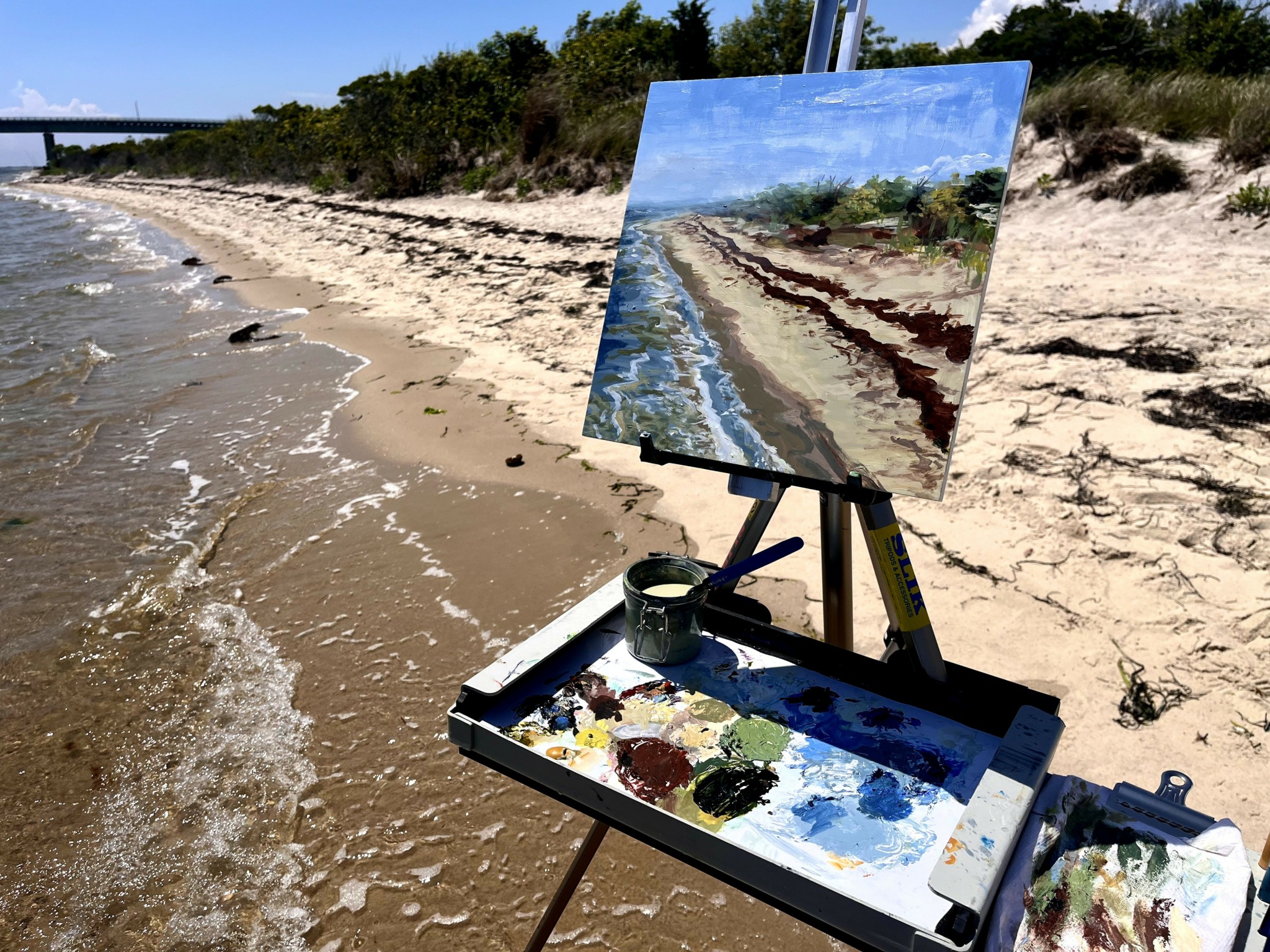
My practice of plein air painting opens up the unique opportunity to adventure to new and exciting locations while also having valuable conversations with people nearby. I can look at a painting I made and always have a story about the day I made it. I can remember how I was feeling that day, the possible obstacles I faced such as weather or travel, even the lunch I brought along with me that specific day. It is a productive form of self-actualization, extremely grounding. And it’s even cooler that someone may connect to the painting and have a completely different memory sparked. Landscape art is more than just “pretty”. It’s memory inducing which I find absolutely rewarding.
The last few years of community building have also been a rewarding part of being a creative. I have met so many incredibly inspiring artists at the art galleries I am part of. I have made quality friendships with those who think similarly about the value of art. It’s a motivating factor to keep on making. I’ll even go plein air painting with many of them. How special is that?
Contact Info:
- Website: https://www.eliseweberart.com
- Instagram: @eliseweberstudio