

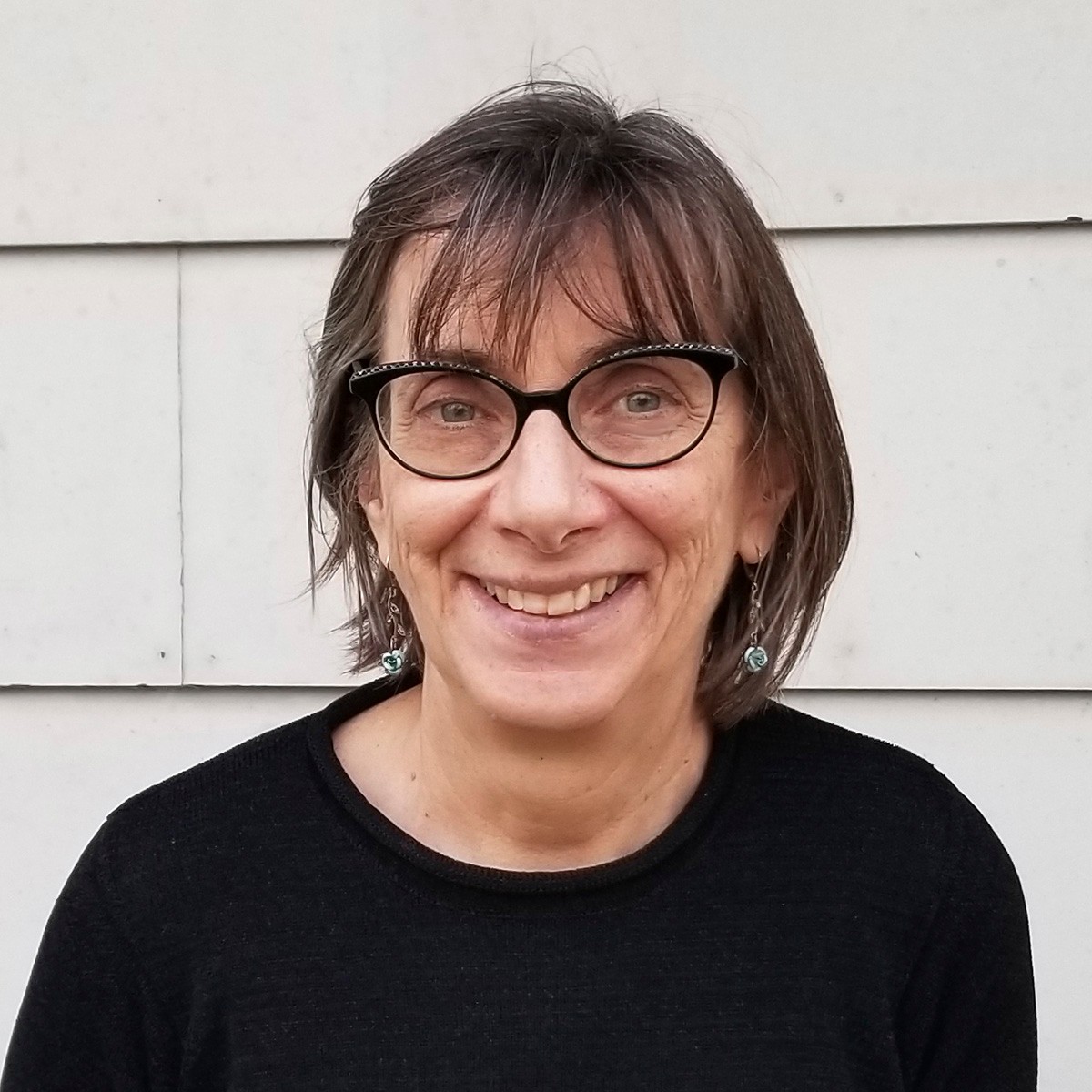

We were lucky to catch up with Elisabeth Dzuricsko recently and have shared our conversation below.
Elisabeth, thanks for joining us, excited to have you contributing your stories and insights. We’d love to hear about a project that you’ve worked on that’s meant a lot to you.
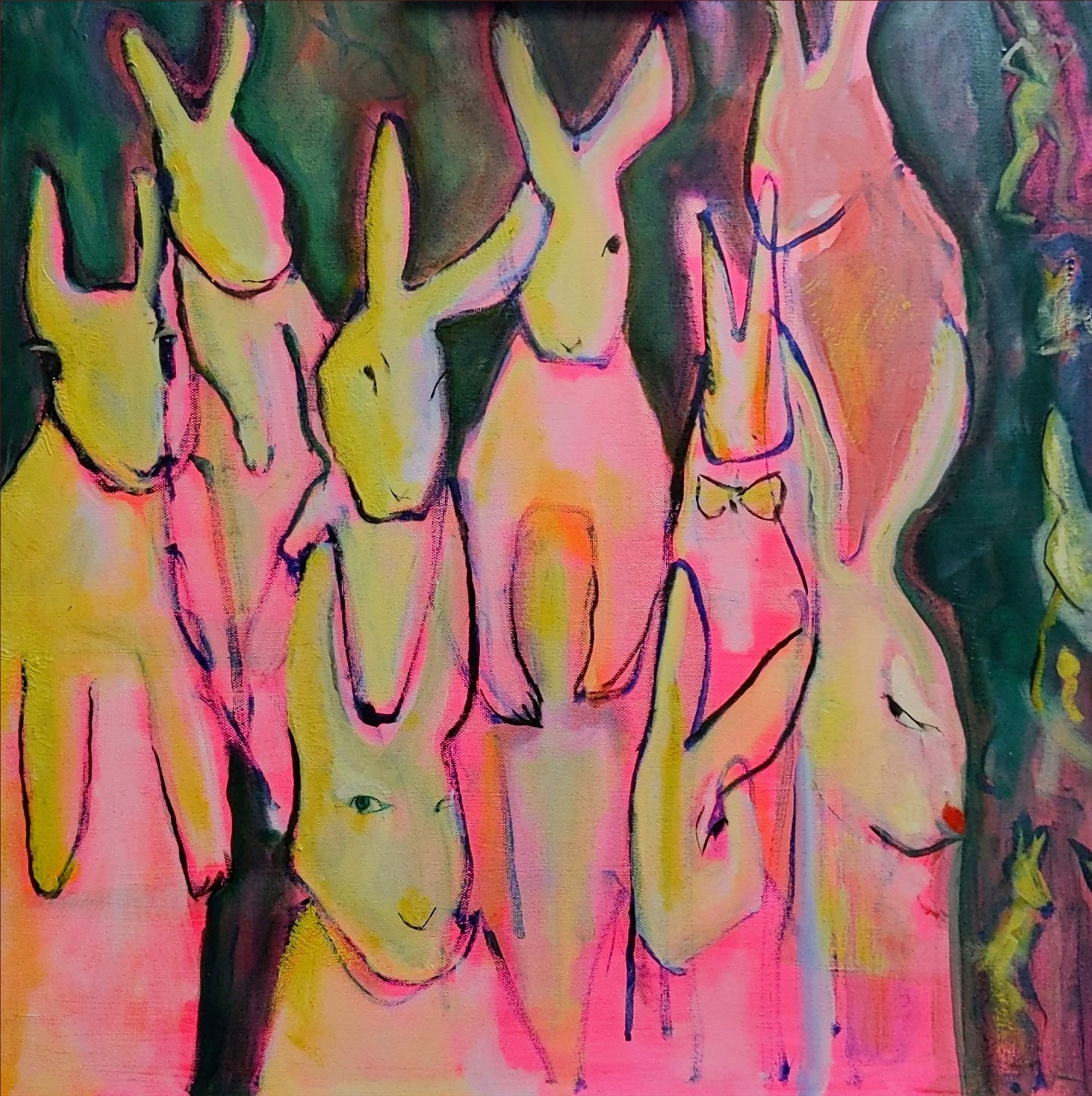
Suicide prevention: care for “rabbits”
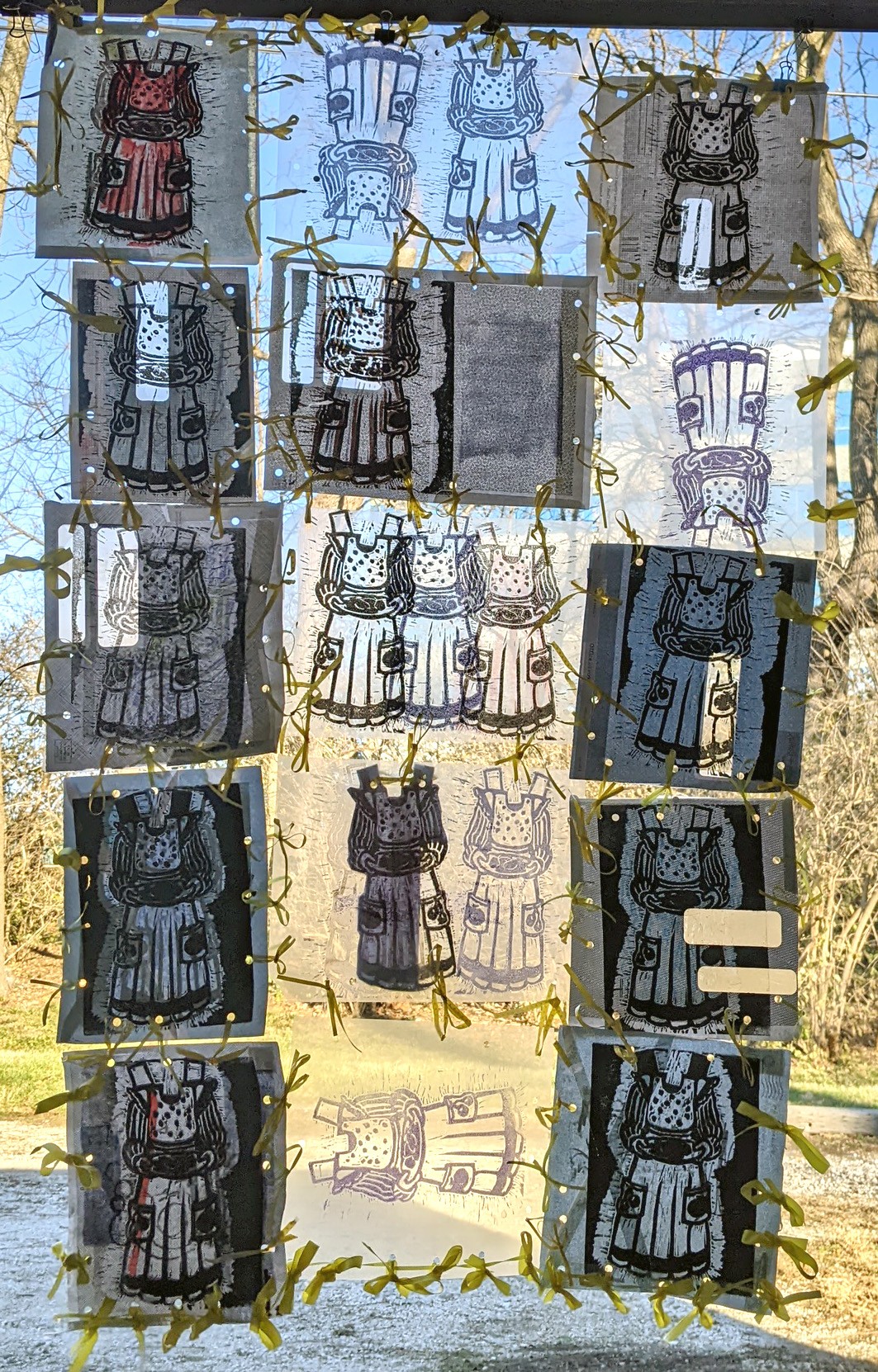
Security wear (under suicide prevention too)
Pie metaphors (sweetness in forms for everyone,
Elisabeth, before we move on to more of these sorts of questions, can you take some time to bring our readers up to speed on you and what you do?
I have always drawn, and been encouraged to do so especially by my mom. I took third place in the town art contest when I was in second grade. Lots of animals in that picture.
I did not think I would pursue art as a career until sophomore year of college. It was a revelation to me in that first art class at ND. This was what I was supposed to do.
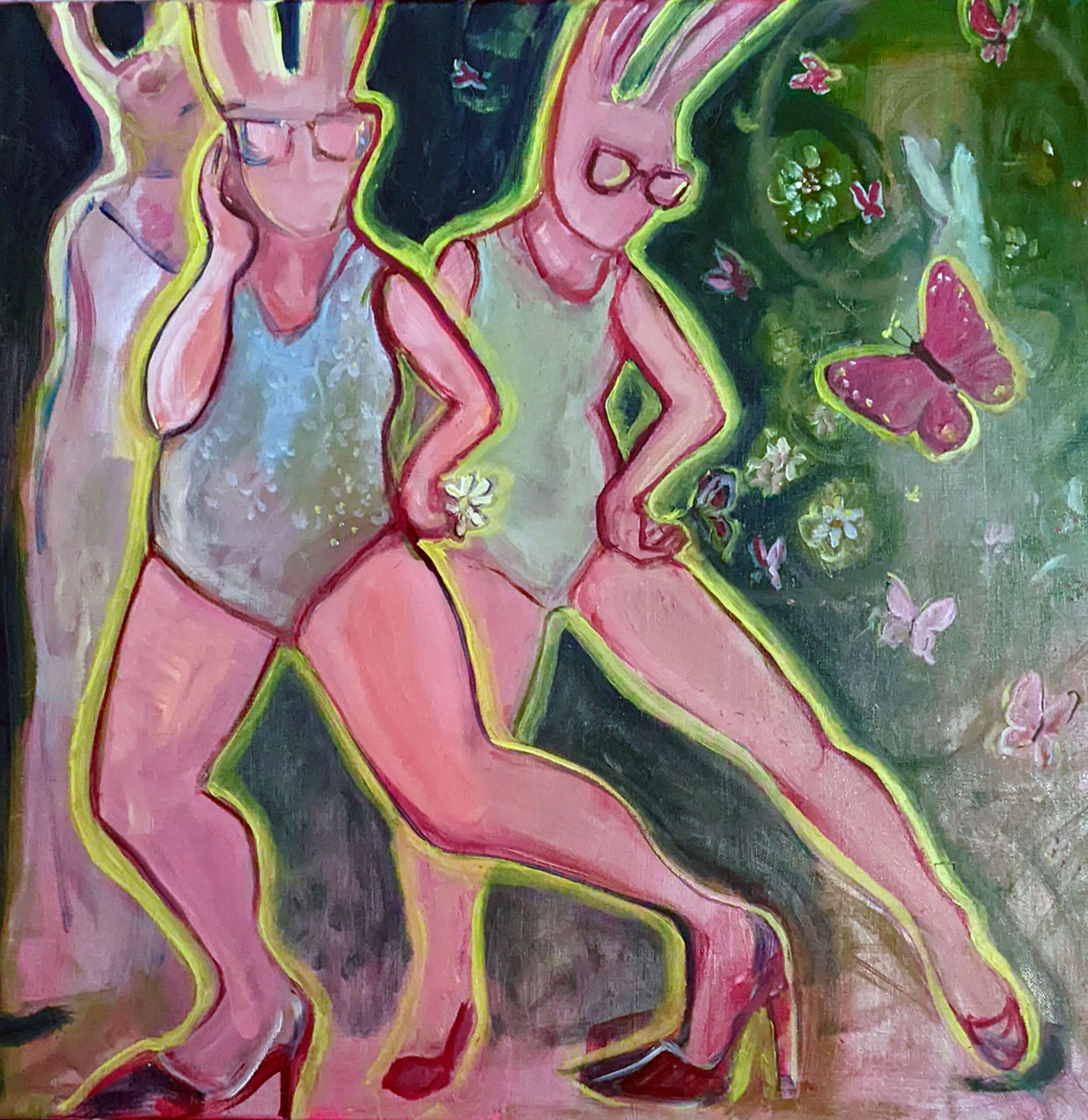
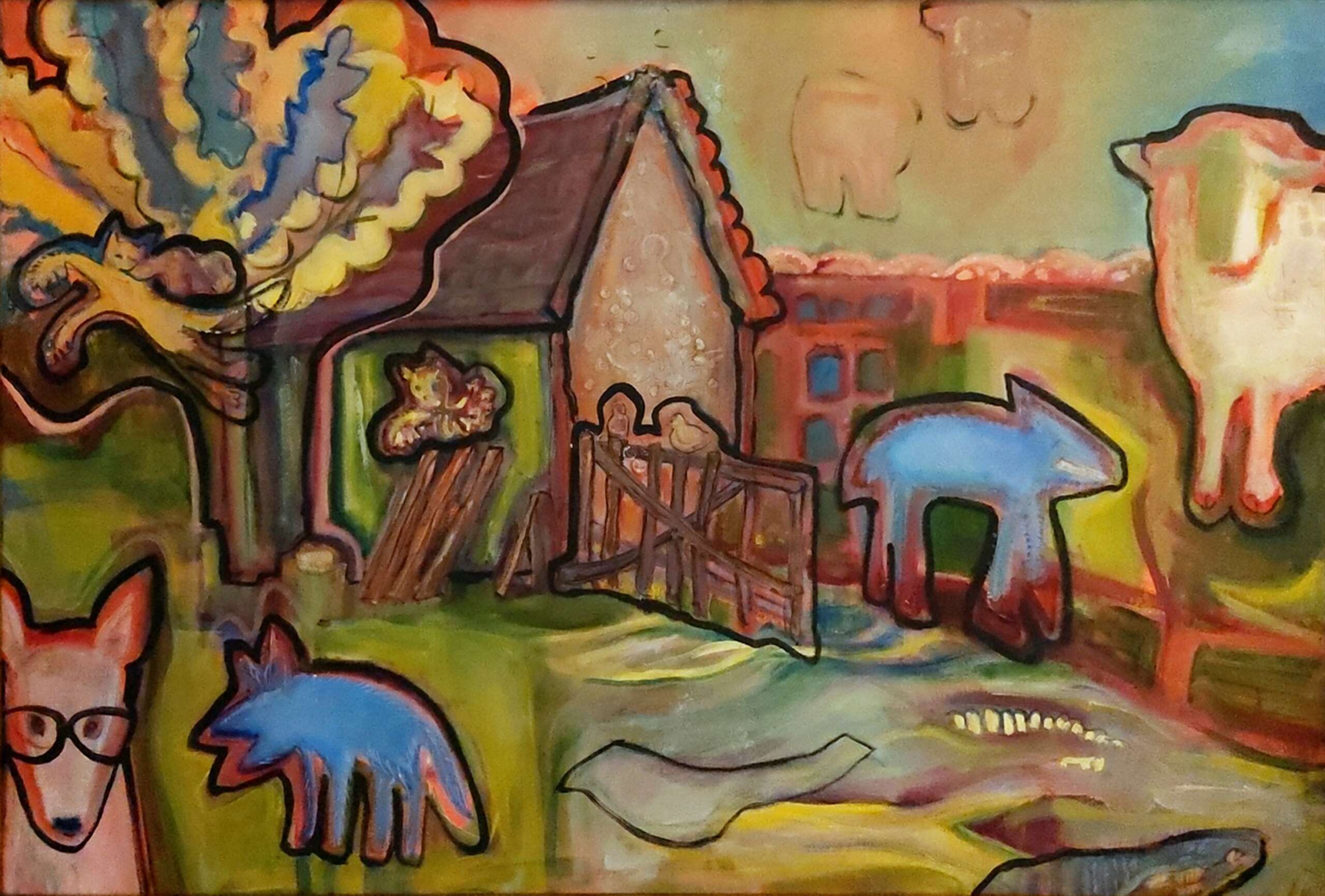
I am still drawing animals. They stand in for humans much of the time to say what I need to say.
Reviewing the art I have created over many years, a common thread of personal history appears. My mother’s suicide when I was 15 remains a part of my life. Mostly what not to do. This loss and the loss of dear students to suicide make me respectfully and cautiously approach the subject. I gently remember these fragile beings.
The works are hopeful, described by SAIC professor Andrew Falkowski as world building, other reality constructs where the underdogs (under-rabbits?) make it out okay.
Years ago, I was accepted into the Teachers Institute for Contemporary Art (TICA) for high school teachers at School of the Art Institute.. Life changing. Contemporary artists such as Mark Dion (installations with creatures), Matthew Ritchie (ongoing line through time) and others whose names escape me now, presented and did studio tours. Astounding practices, ideas.
I assembled a portfolio and presented to Molly Zuckerman-Hartung (a painter I admire) at the SAIC table for grad school admission. I mention Zuckerman-Hartung because the 50 minute critique was such a gift. How wonderful to have someone you highly respect take time to look and discuss your work? 2016 I was accepted in the low-res MFA program. The teacher Andrew Falkowski from the TICA program was part of this program. (He was the reason I applied.)
What I am most proud of? The MFA degree. A rabbit like myself, I became brave.
Some Fellow artists on that MFA trip are now an artist collective called MotherArt Revisited. We continue to meet. There is a pie project we have been working on. I love the idea of pieA smaller Crititique group from the same MFA program is FIVE. These are generative meetings. Again, to be able to discuss artist’s works and have them give feedback as well really helps push the work forward,
For you, what’s the most rewarding aspect of being a creative?
It is such an expansive universe. All materials and ideas are fair game for exploration.
The materials themselves bring their own history. The security patterns from envelopes were used to protect identity. I consider that in prints and security ware.
There is also the thrill in using traditional media. A loaded brush across a canvas is swoon worthy, especially with a saturated color.
With story based works, it is possible to try out different solutions for different puzzles. Can art help one find one’s way out of a predicament? I think it can.
Learning and unlearning are both critical parts of growth – can you share a story of a time when you had to unlearn a lesson?
The animal symbolism at one time seemed childish to me. I felt sheepish (ha!) about showing those works. I guess I needed permission. When professor saw these images and said this is interesting: let it rip. I felt validated.
Contact Info:
- Website: EBDzArt.org
- Instagram: mzLisaDz