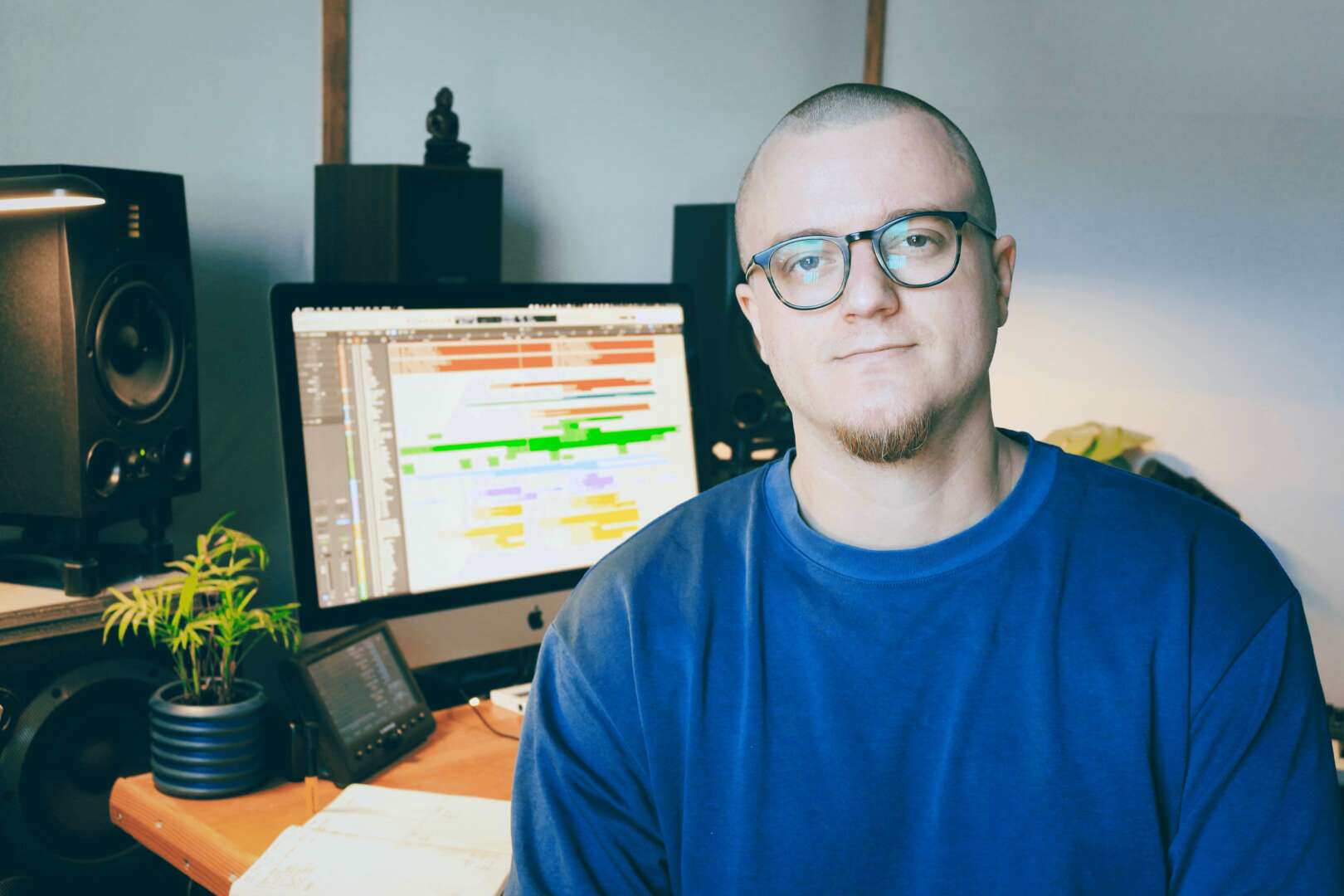

We recently connected with Eliott Glinn and have shared our conversation below.
Eliott, appreciate you joining us today. Have you been able to earn a full-time living from your creative work? If so, can you walk us through your journey and how you made it happen? Was it like that from day one? If not, what were some of the major steps and milestones and do you think you could have sped up the process somehow knowing what you know now?
I finally made the jump to full-time with mixing and mastering back in February 2023. I had been slowly building up my client base for a few years whilst working a full-time job as a music technician in a local school, spending evenings, weekends and holidays doing client work and grafting as much as I could. I knew eventually I had to transition into full-time mixing as it was tough trying to balance everything (work, relationships, just enjoying life!). But the idea of leaving my regular-paying day job was super scary to me.
The thing that finally pushed me to make the leap was losing my brother in February 2022. Along with the obvious pain of losing someone so close to you, it really hit home how short life is. He was only 31, two years older than me, and it forced me to gain some perspective on life. I thought if I don’t do this now, I’ll never do it, I don’t want to wait a few more years, start a family and then feel pressured into keeping a regular job to support them.
So a year after his death, I quit my job and officially went full-time with my business. Although I didn’t have enough clients to replace my old wage, I have the most supportive girlfriend who not only pushed me to follow my dream, but also supported us entirely financially for the first year. I wouldn’t have believed in myself enough to do it if it wasn’t for her.
I had been getting all of my clients through Instagram from all over the world. And now with a lot more time to work on my business instead of in it, I went full force into making content daily to attract my ideal clients and having as many conversations as I could. If I could go back and give myself advice from 3-4 years ago, it would be to invest into making more high-quality content and having more conversations. They are the lifeblood of my business and with those two components, I wouldn’t have any clients.
The reason they are so important for any business is that people will only buy from you if they know, like and trust you. How do you get people to know you exist? Content and cold outreach. How do you get them to like you? Nurture content and regular follow-ups. How do you get them to trust you? Have an ongoing relationship through your content and conversations. When they are ready to buy, you will be top of mind and the obvious choice.
Awesome – so before we get into the rest of our questions, can you briefly introduce yourself to our readers.
Like most service providers in music (producers, engineers etc.) I started out wanting to be an artist. I started playing guitar at 8 years old and knew from then onwards that I wanted to do music for the rest of my life. I played in a band throughout high school and started experimenting with recording as a way of getting our music out there. I just fell in love with the process. It was so exciting to be able to record our songs down and layer up guitar takes so it sounded like there were 5 of us in the band (there were only 3). I went on to study Music Production at university and after graduating, I managed to secure an internship at The Church Studios which is owned by producer Paul Epworth. I loved working in a commercial studio like that but I didn’t love the work-life balance as there basically wasn’t any. It really made me reflect on how I wanted to live my life and could I see myself working 12 hour days, 6 days a week for the rest of my life? The answer was no!
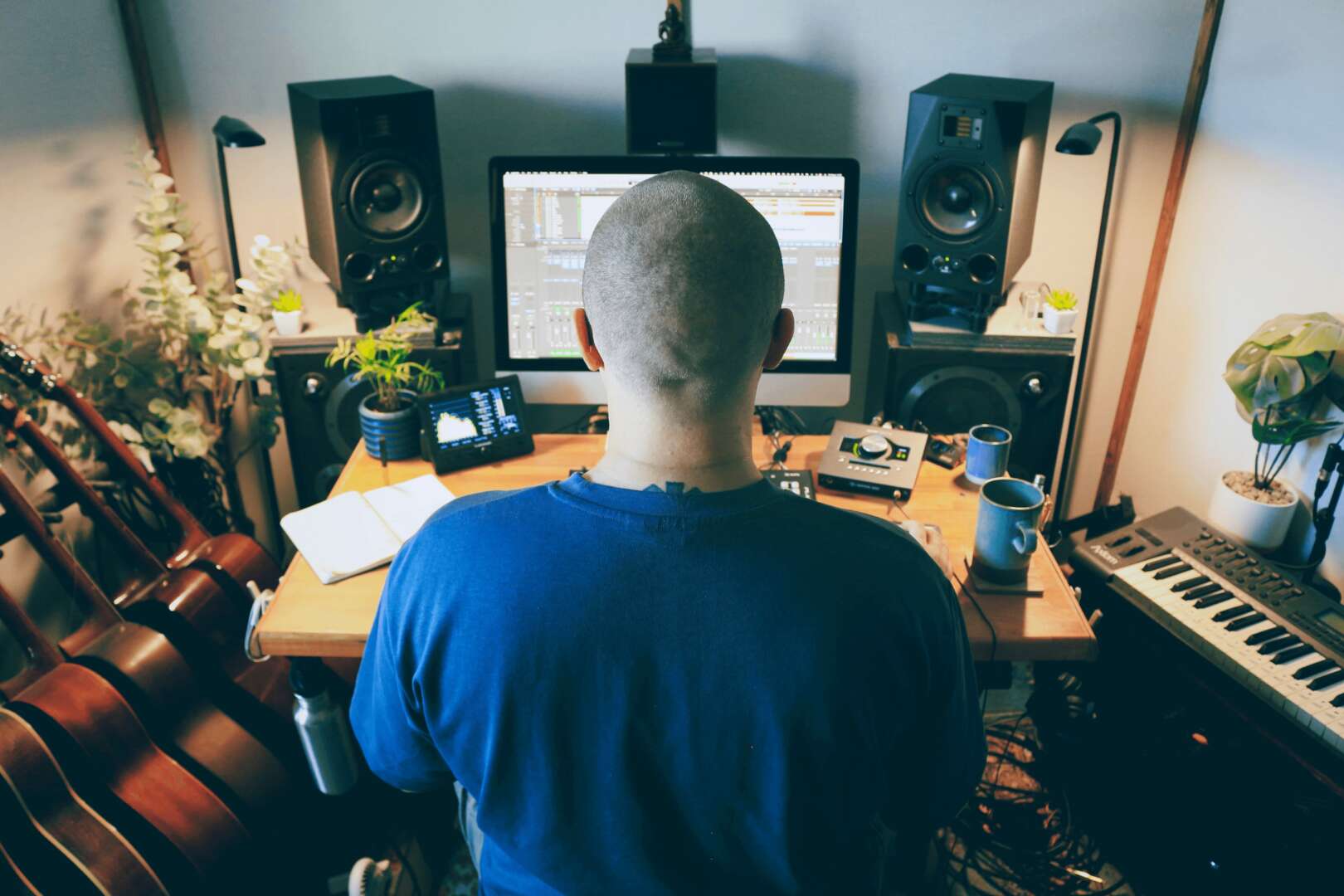
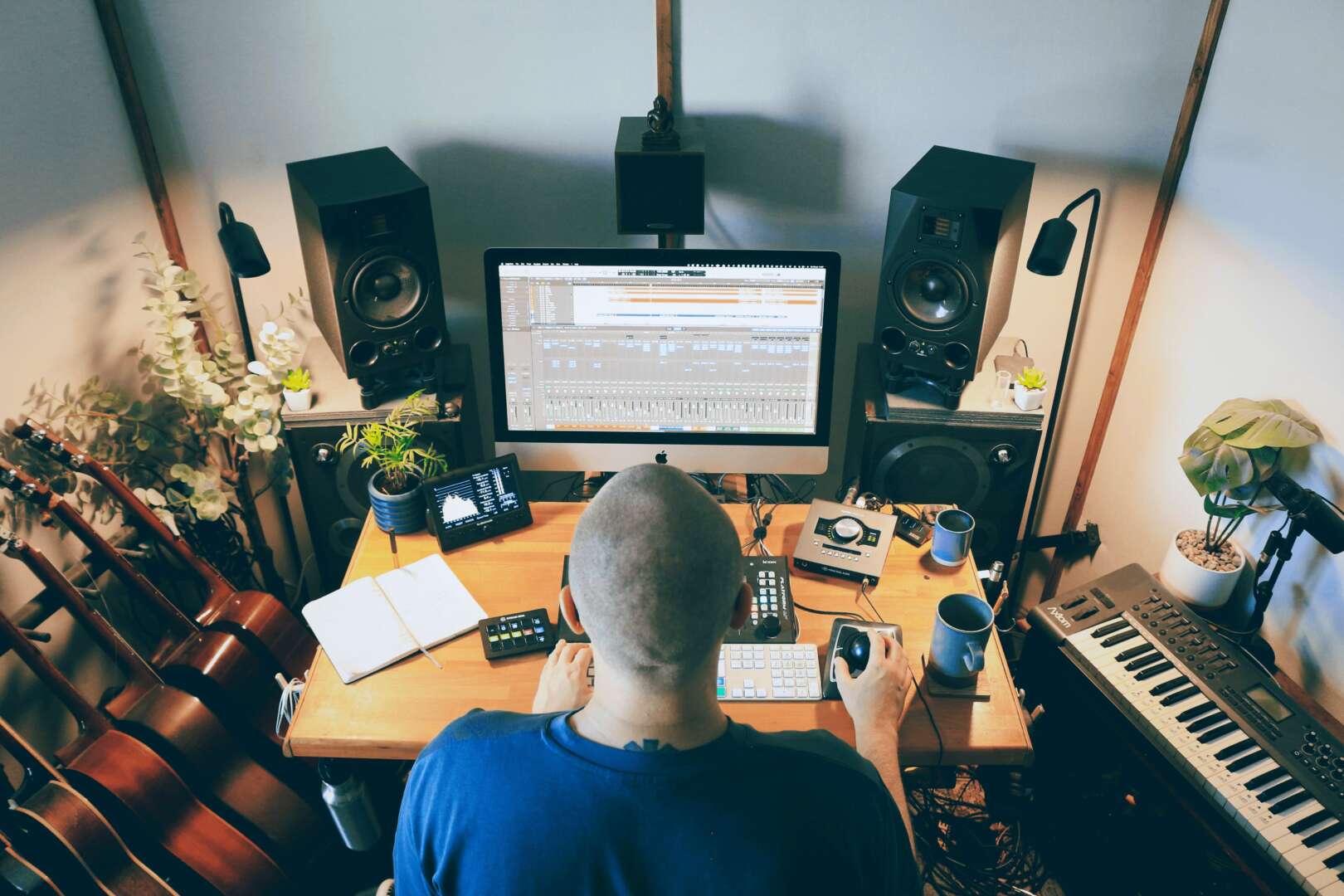
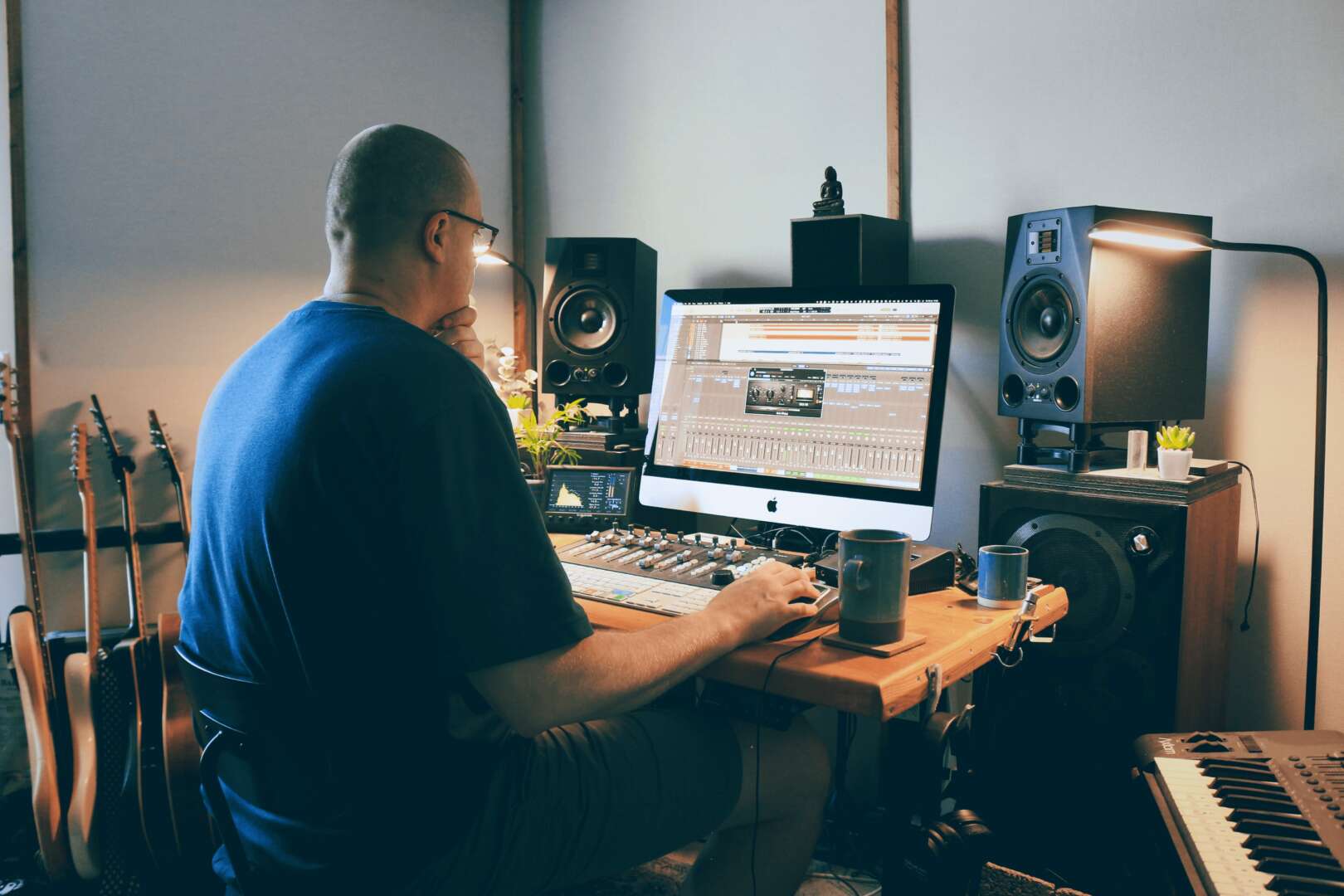
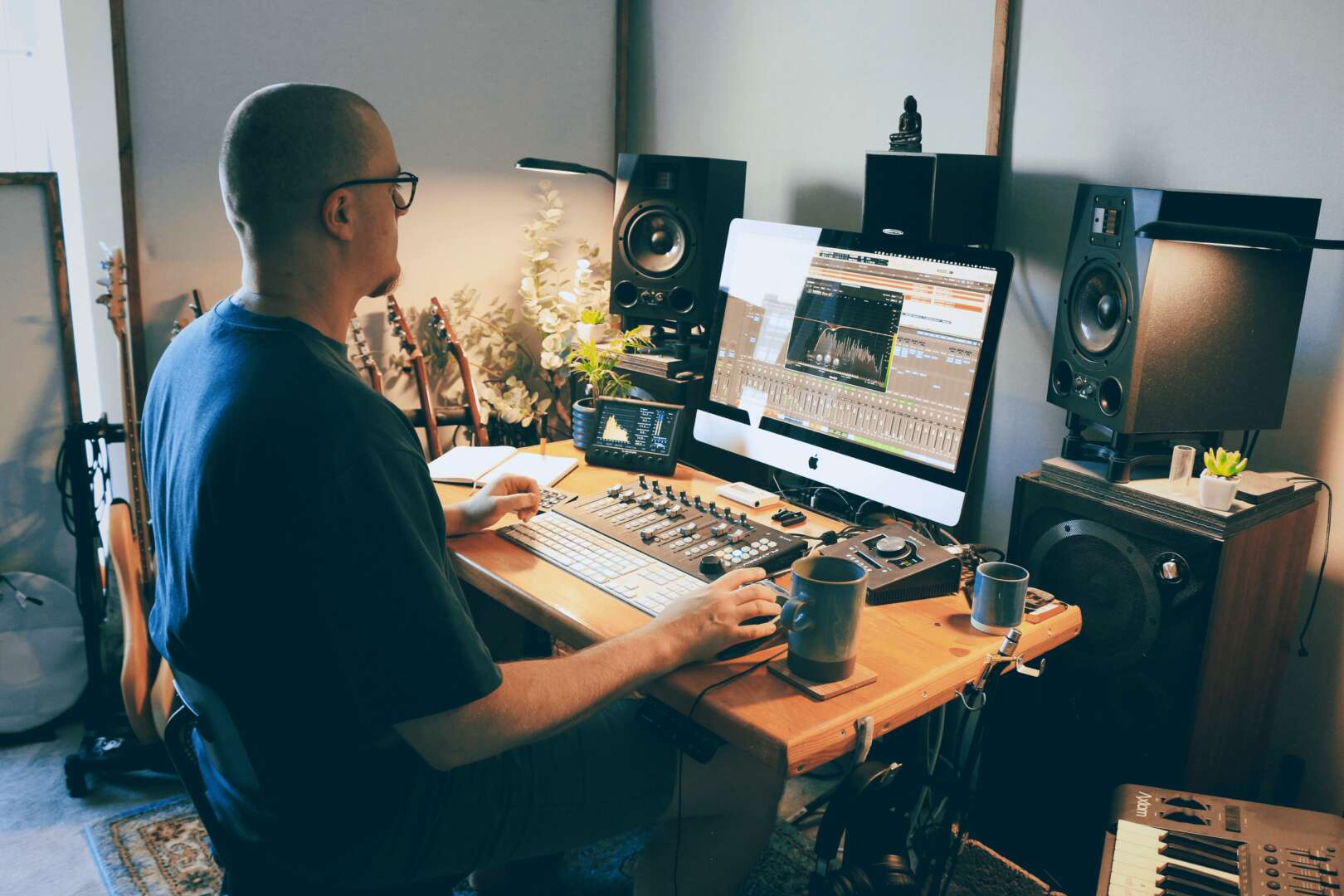
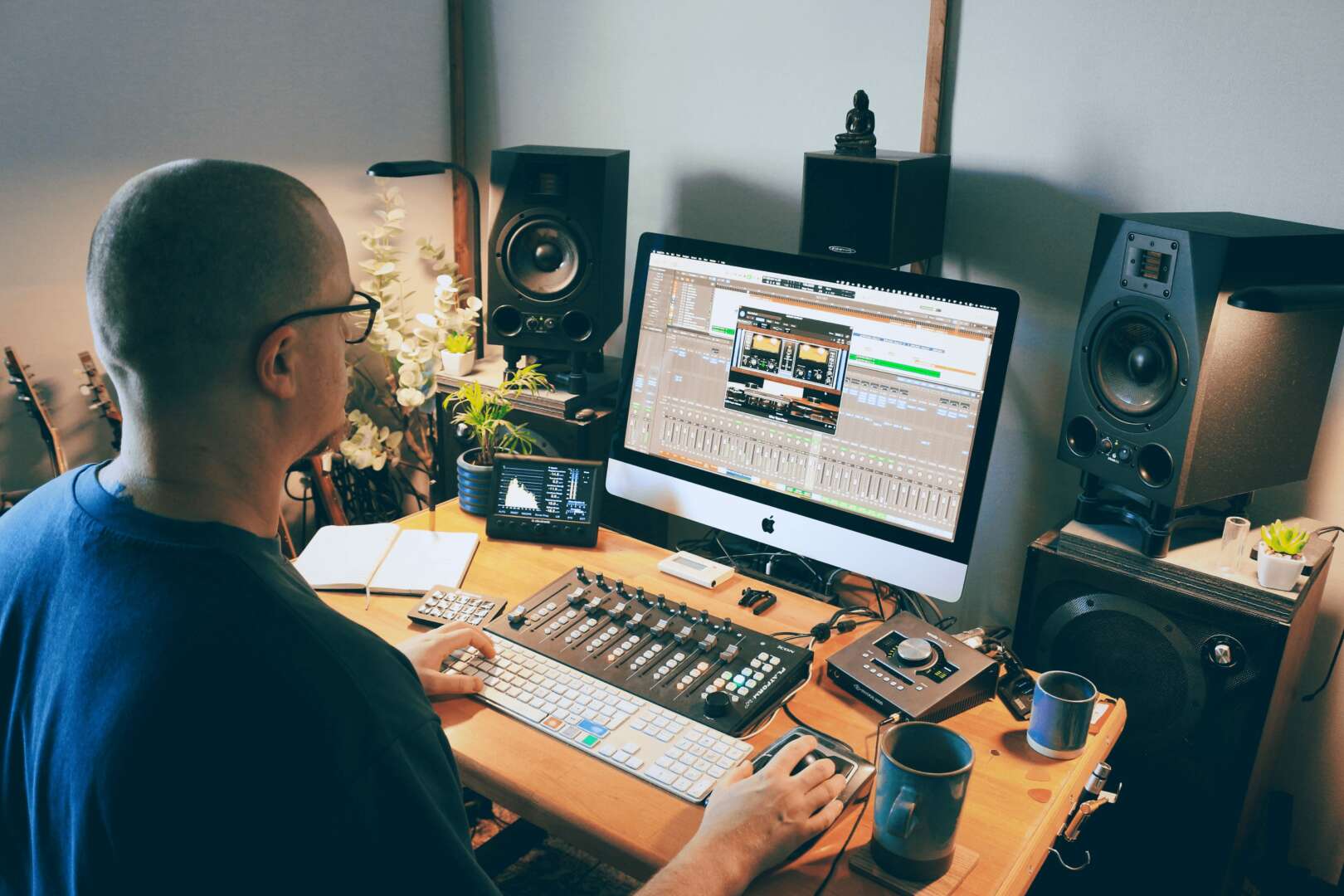
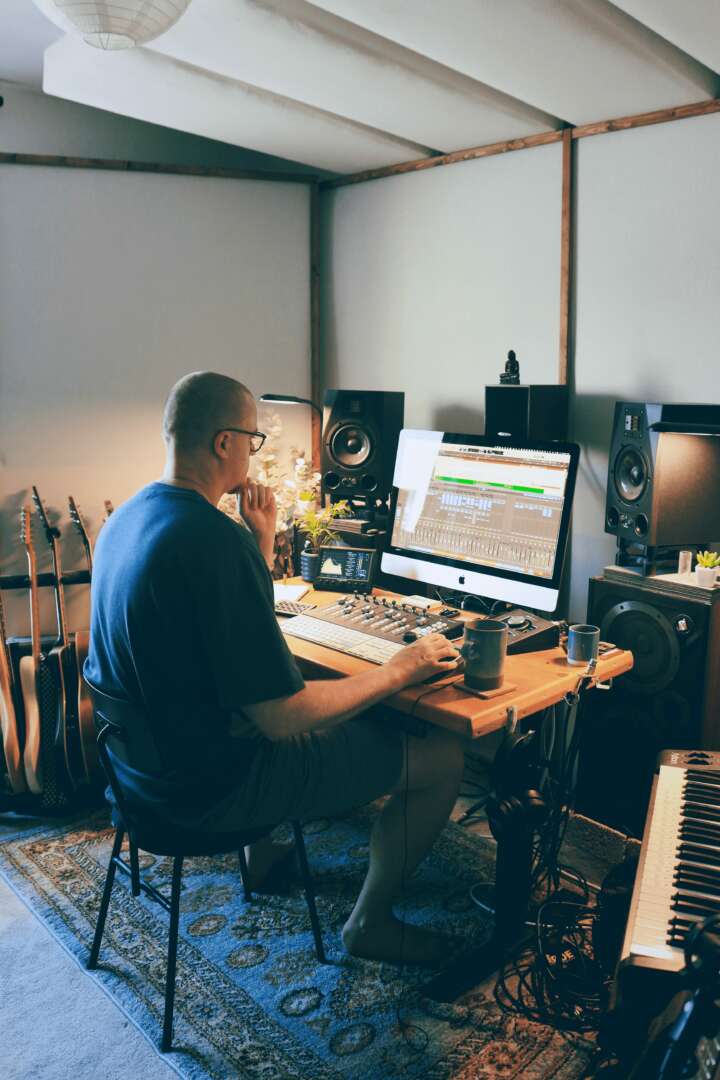
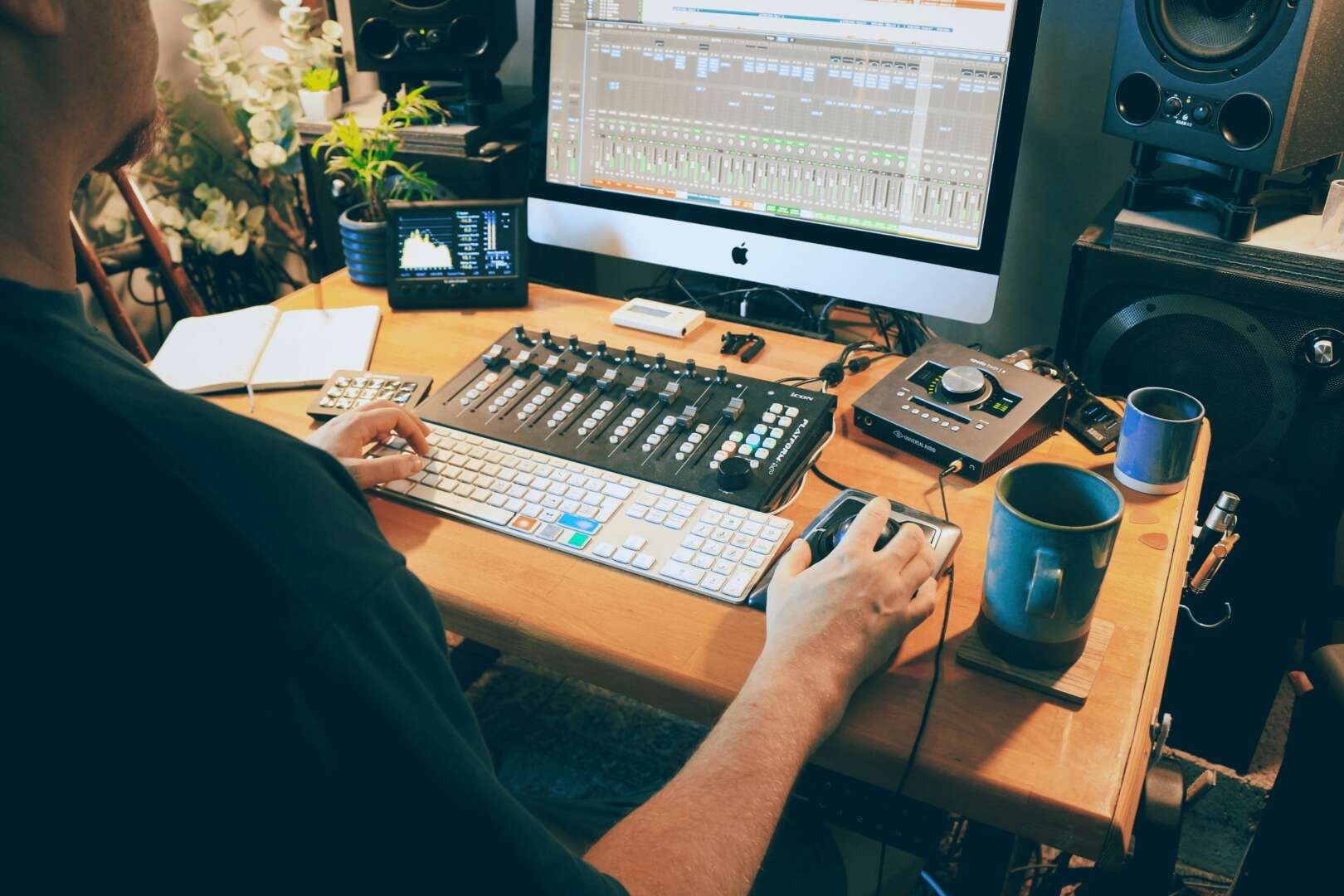
It’s from that point on that I dove headfirst into mixing as my career choice. I loved the process of taking raw audio tracks and turning them into a fully polished song. It married the creative and the technical sides of my brain perfectly. Being somewhat introverted, I also loved being able to work by myself, on my own schedule and just get into that flow state. It’s a perk of the job that I enjoy to this day, and it also allows me to work with people from all over the world as we don’t have to be in the same time zone. They send me their recordings, I work on them in the comfort of my home studio and then send it back a few days later. It’s a really seamless process,
I work primarily with indie, folk and pop artists, although I do work with other genres. They may record their songs at home or in a studio and to make their song sound as good as possible, they send those recordings over to me. Mixing is the process of taking recorded multitracks and turning them into a finished, polished song. It’s a hugely important step in the music production process and it transforms the raw recordings into sounding like an actual song. It’s a real skill and it took me a long time to get to the stage where I felt confident in charging for it.
I think one of the things that sets me apart from other mixers is my emphasis on emotion. Whilst mixing is a technical skill, there is a huge amount of creativity to it. Knowing when and how to use certain plugins or techniques to pull the emotion out of a recording so it connects with the listener. You could have the most technically “perfect” mix but if no one resonates with the song, what’s the point? It’s not about showing off how good you are as a mixer, it’s about doing the job so well that the audience doesn’t really know you’ve done anything at all.
I’ve also really focused on giving my clients the best experience possible. Working with someone you’ve never met in person can be daunting, especially when money is involved. So I always like to have a call before we work together so we get to meet, talk about the music and their vision for it. It allows us to connect on a deeper level as well as for me to get a better understanding of how I can help. Some artists just want their recordings to sound the same but better, others want more of a transformation. You can’t really get that subtle information from DMs or emails.
I’ve streamlined the client onboarding process as much as possible using things like call schedulers and automation. This has freed me up mentally to focus on the creative side of the job, as well as making the whole process as smooth as possible for the artists I work with. I really care that they have the best experience possible and that they feel confident in trusting their art with me.
Are there any resources you wish you knew about earlier in your creative journey?
I wish I had spent as much time learning about running a business and marketing as I did actually learning the skill of mixing. When I started reading business and self-help books, listening to podcasts and investing in business training and coaching, things really took off for me. I think a lot of creatives, including my younger self, are guilty of believing “if you build it, they will come”.
If you don’t tell people you exist, they don’t know you exist. You need to know how to find your ideal clients. Create content that speaks to them and positions you as the expert. Learn how to conduct sales calls. How to write persuasive copy for your website. All these things are just as important as the service you provide. Because without them, you don’t have a business.
If you can dedicate just 30 minutes every day to reading a chapter or two from a business book and applying what you learned to your business, it can be transformative.
Any advice for growing your clientele? What’s been most effective for you?
I knew from the beginning of my business that content was going to play a huge role. I hardly knew anyone in the music industry and I knew if I wanted to get clients, I was going to have to put myself out there, build a social presence and connect with people that way. Through a bunch of trial and error, I’ve managed to distil my process into a simple 2-pronged approach:
The first is making content that my ideal clients would find valuable. A lot of mixers fall into the trap of making content about mixing that only other mixers would find interesting. You need to focus your content on things that your ideal clients struggle with or find interesting. You can show your expertise by sharing what you are working on or reposting reviews, but the majority of the content should be to attract and nurture clients. I post daily mon-fri with different types of posts (photos, text reels, talking head reels) so there is something for everyone and covering a range of topics. All this content helps attract clients to me, but it also helps with the second part…
Outreach. I try to start conversations with around 10 potential clients every day. Some reply, some ghost me, some choose to follow. It’s really a numbers game – the more you talk to, the more likely you are to find a new client. The vast majority (95%+) of people aren’t ready to buy from you when you first start talking. They need to feel like they know, like and trust you first. So that’s where the content comes in again. It’s a way to stay top of mind with them, provide value and build trust with them until they are ready to buy.
As I said it’s a numbers game and it takes a while to get the ball rolling, but if you follow the same approach of posting valuable content every day and talking to 10 people you will see results. If you struggle with the idea of making content every day, instead of thinking of it as spending time, think of it as your marketing budget. That one hour a day you spend making content is your marketing budget. If you really don’t have time or it’s not your strong suit, then pay someone to do it for you.
Contact Info:
- Website: https://www.eliottglinnaudio.com
- Instagram: https://www.instagram.com/eliottglinnaudio/