

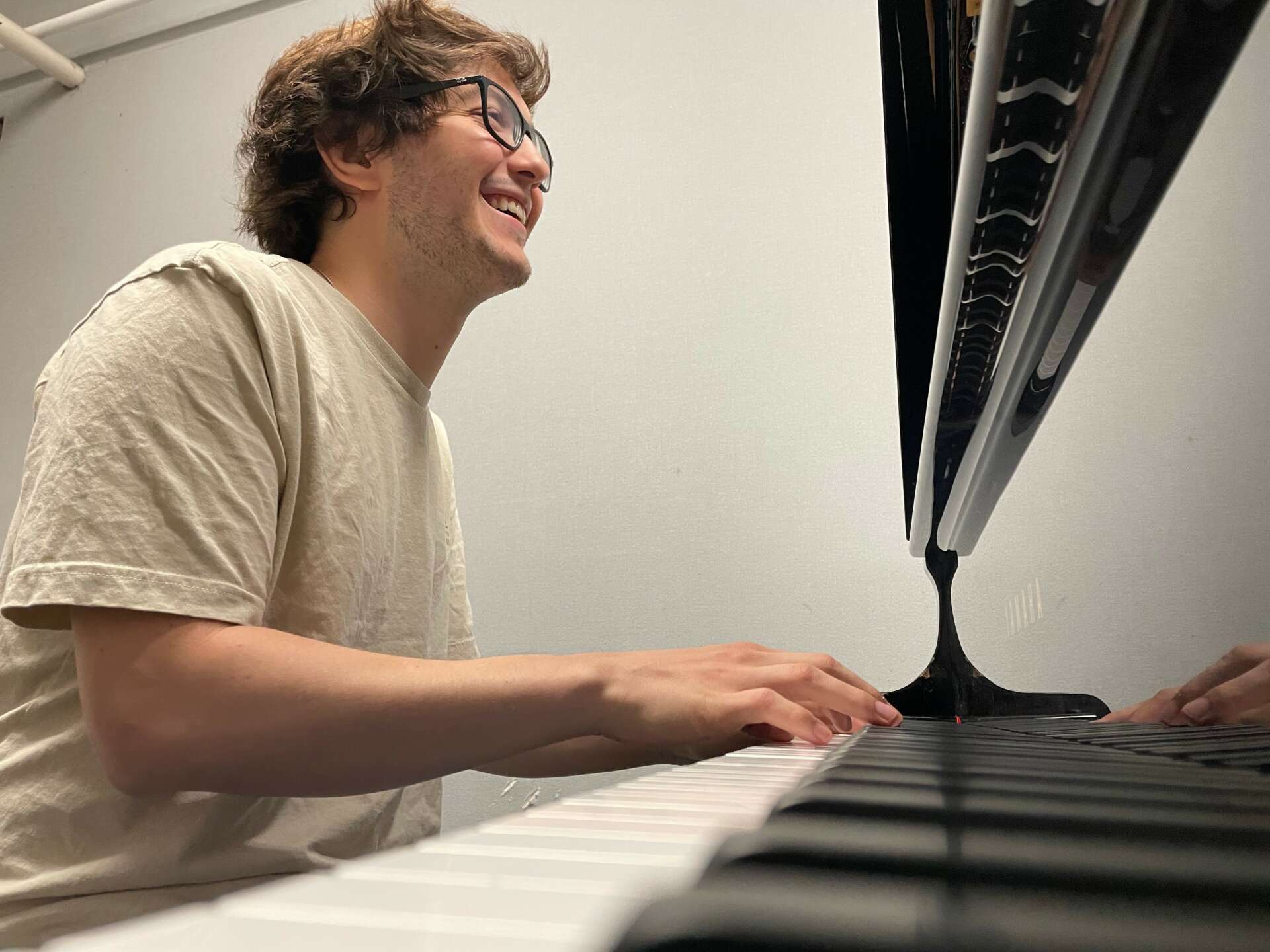

We caught up with the brilliant and insightful Eduardo Resende a few weeks ago and have shared our conversation below.
Hi Eduardo , thanks for joining us today. What’s been the most meaningful project you’ve worked on?
It’s hard to choose a project that stood out the most, but the story behind getting my music heard live on a NFL broadcast is very meaningful to me. I was writing and producing music for a company that provides music for various shows from the Discovery network, as well as CBS, and we received a request for driven hip-hop tracks that could match the energy from a football game. I spent hours coming up with different ideas and sounds that would work. I was writing music day and night and I wasn’t going to stop until I had 10 to 15 tracks that CBS would like. Fast-forward to the end of October, I was taking a walk at Main Street in Santa Monica on a Sunday, and I walked past a sports bar that was packed with football fans watching a NFL game. All of the sudden I started listening to this melody that sounded very familiar, and it took me a couple seconds to realize what was happening. I will never forget that feeling when I realized that thousands of people across the country were simultaneously hearing my music on TV. My career reached a higher level after that, and that’s a moment that I’ll carry with me forever.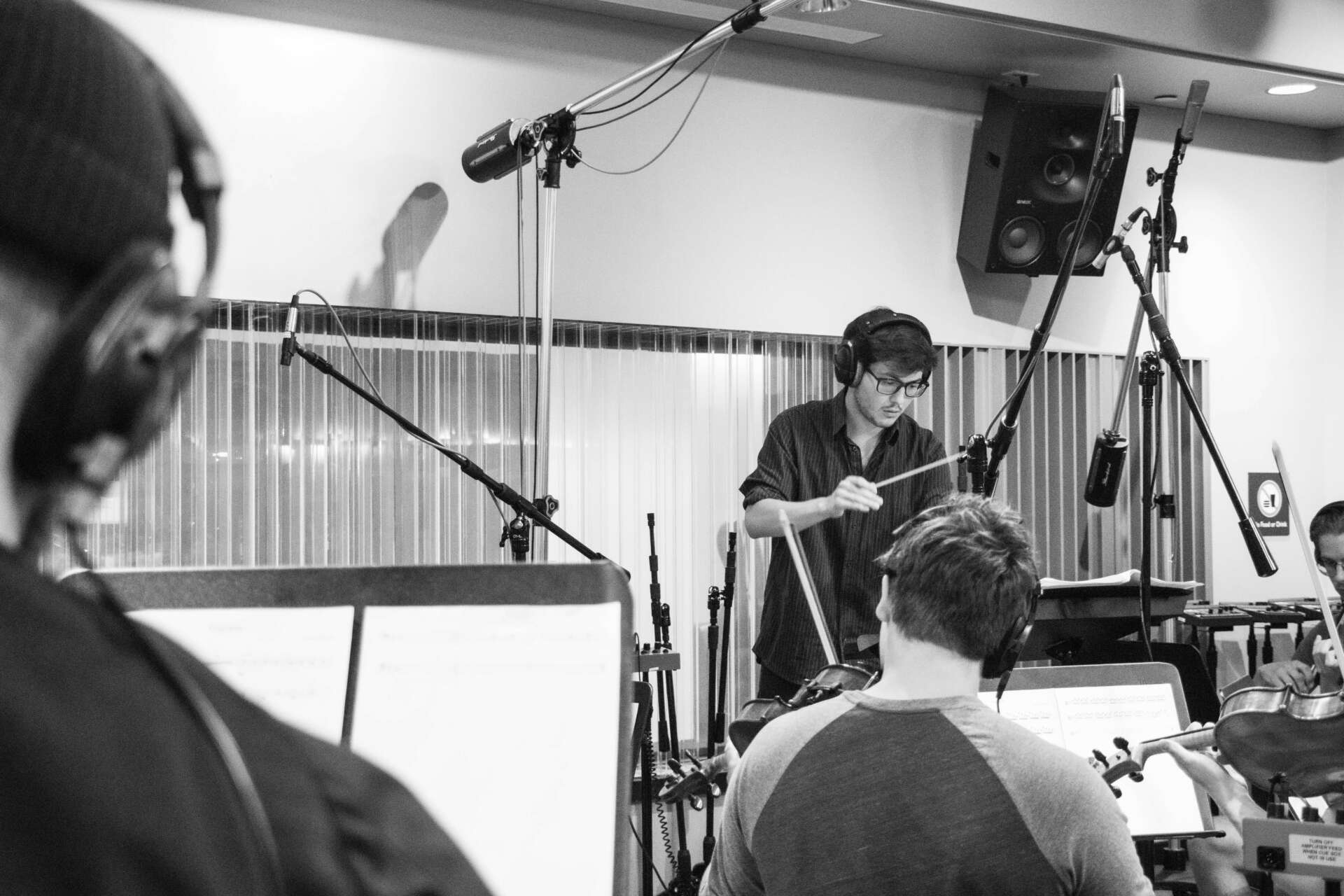
Great, appreciate you sharing that with us. Before we ask you to share more of your insights, can you take a moment to introduce yourself and how you got to where you are today to our readers.
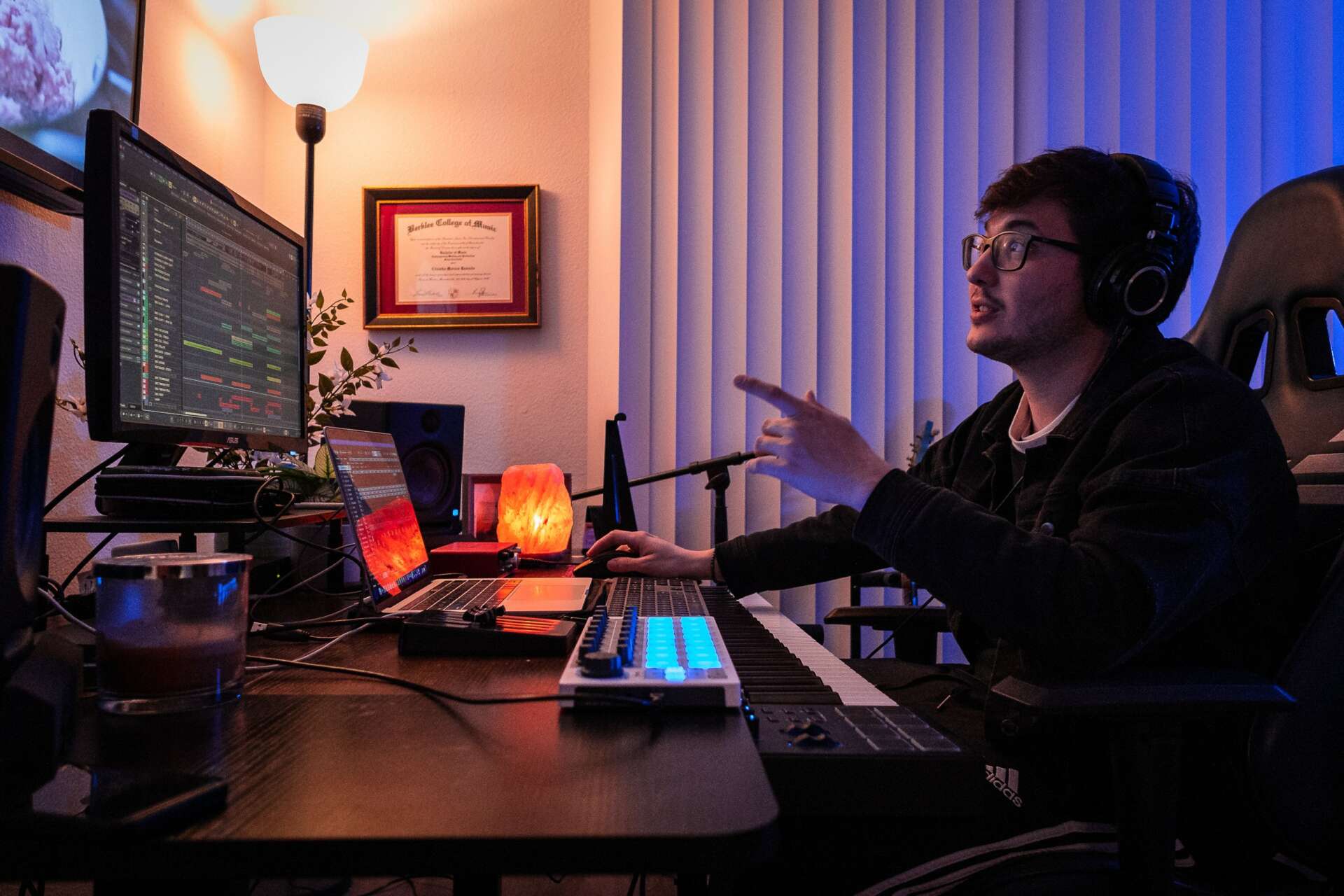
I’m a music composer for Films, TV, video games, but also a music producer and guitar player. My mission is to use music to help the directors tell their story, whether that is on the big screen, a live sporting broadcast, or on a video game level. Usually, music is one of the last parts of the post-production process, so I’m using music to fill the gaps between the material that they have and what the director is really picturing as the final product. That is a huge responsibility that comes in with a lot of work in a tight schedule, but it’s always worth it. I believe that what differs me from my colleagues is my extensive color palette. After years working for various TV shows, I gained experience writing in various music genres. From orchestral to electronic, pop to rock, hip-hop to trap, funk to metal, I got it covered, and that allows me to work with different people and expand my network. As a producer, my favorite project so far has been working on a track called “Sea Sounds” with producer “Lacosh” from Brazil. The track has reached over 127 thousand streams on Spotify and I had the pleasure of writing, producing and performing in the record.
Getting in this industry can be challenging. I was able to attend Berklee College Of Music, in Boston, where I mastered my craft, and moved to Los Angeles right after graduating. Hard work will always pay off, and when you work with what you love you will see results.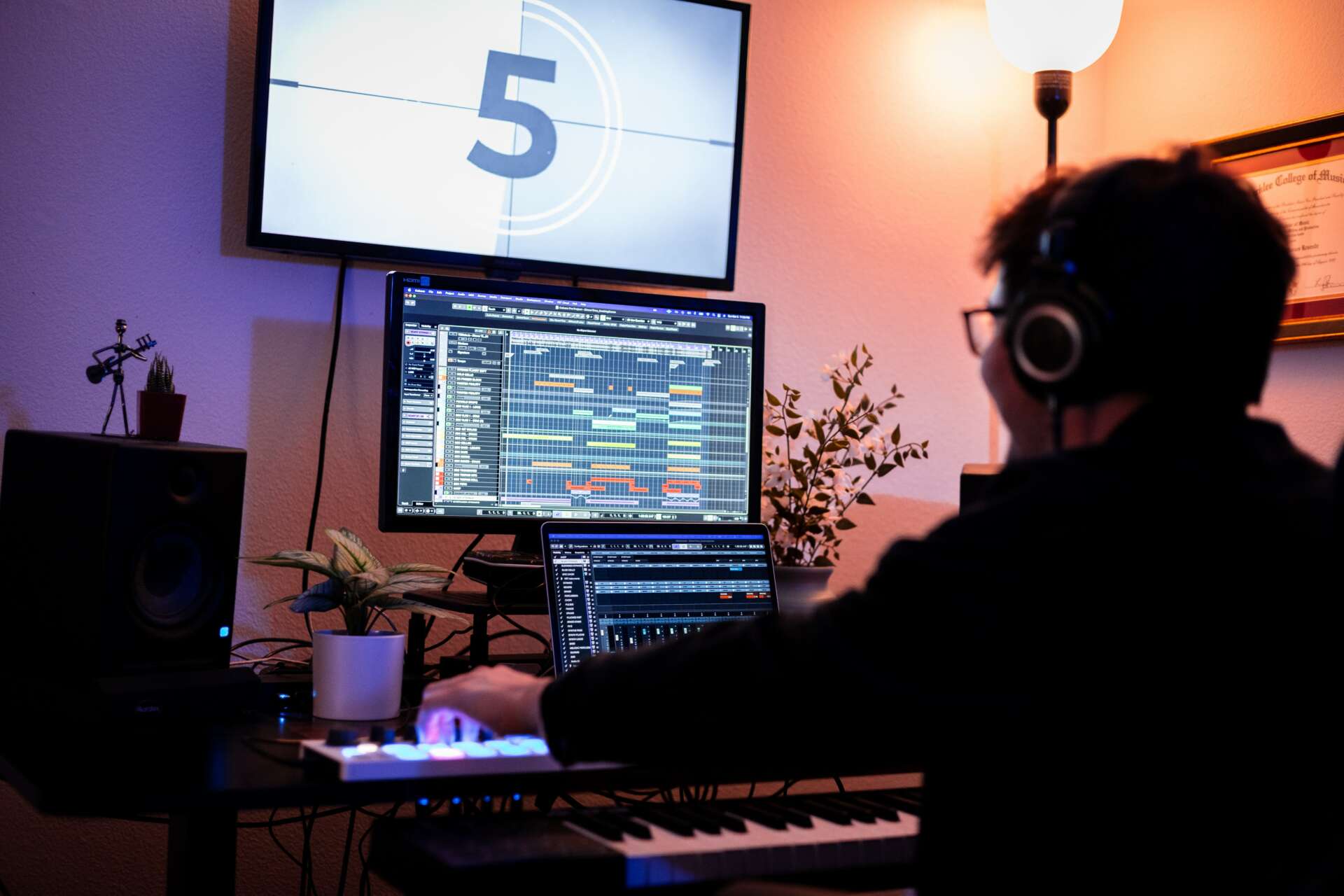
What do you find most rewarding about being a creative?
I think that the most rewarding aspect of it is the uniqueness that you bring to the table. In my case, when a director hires me to write the music for a project, I’m being trusted to help the story in a way that only I can do. In other words, two different composers would write different notes, use different instruments, play different chord progressions and so on. Same thing goes for when an artist wants to work with me in their record. When you’re chosen to be part of a specific project, you’re bringing something to the table that no other composer or computer can replicate.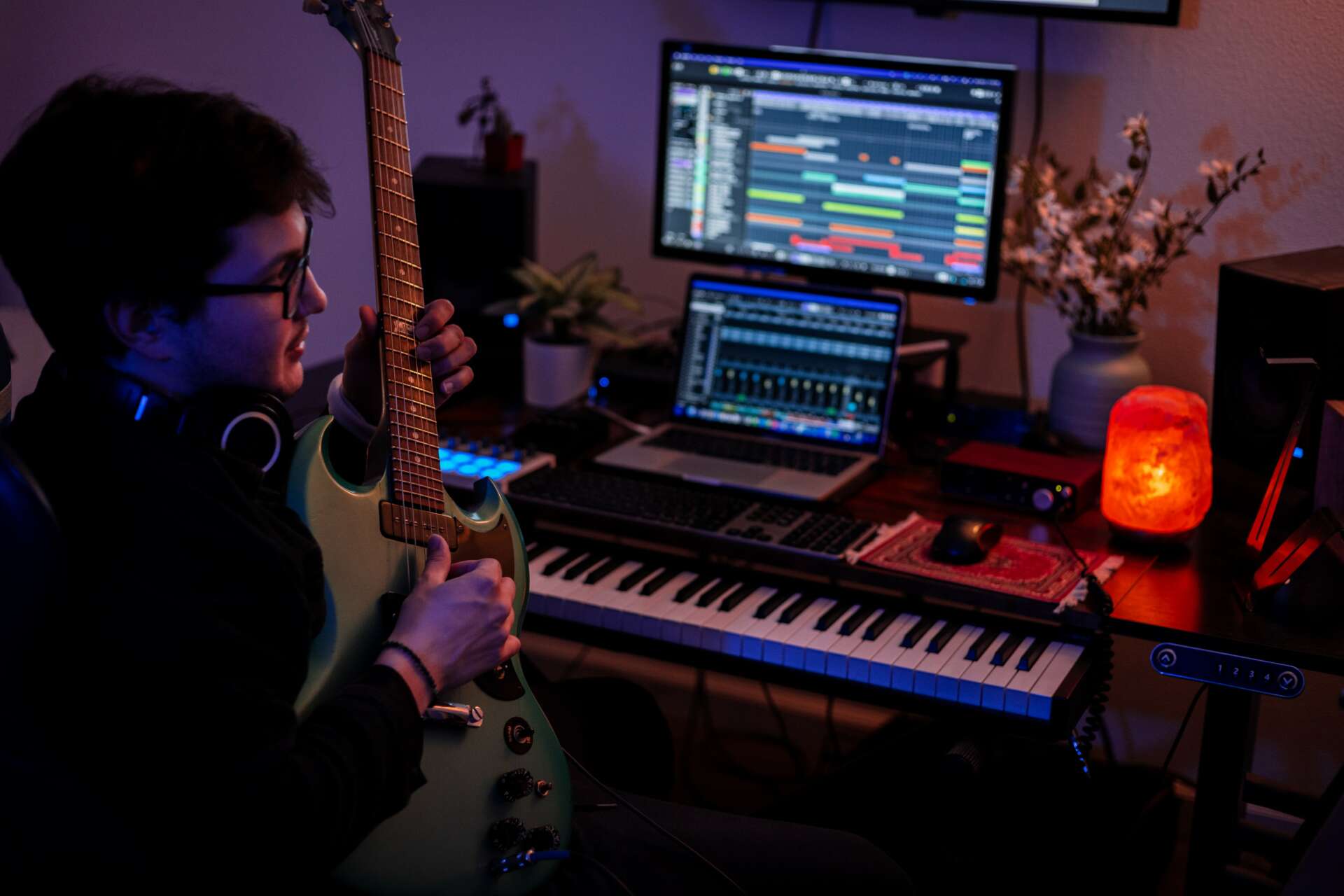

Do you think there is something that non-creatives might struggle to understand about your journey as a creative? Maybe you can shed some light?
A lot of people assume that creatives need to be inspired at all times in order to work, and that’s completely false. As a professional musician, there are plenty of days that I’m feeling uninspired, but I still have to work. As you go up in your career, you start to come up with strategies for being able to produce even when you’re not feeling it. In my case, whenever there’s a piece of music that needs to be written and I’m struggling to come up with ideas, I get up, stretch, take a deep breath for a second and I stop looking at the piano or whatever instrument I’m playing. I then start imagining some melodies in my head, without thinking what notes they are or what key I’m in. Once I have something I then comeback to my original position and try to figure out the notes that I’m hearing and what instrument is playing what. No one can be inspired 24 hours a day, but professionals will always have these strategies to become inspired when the time comes. 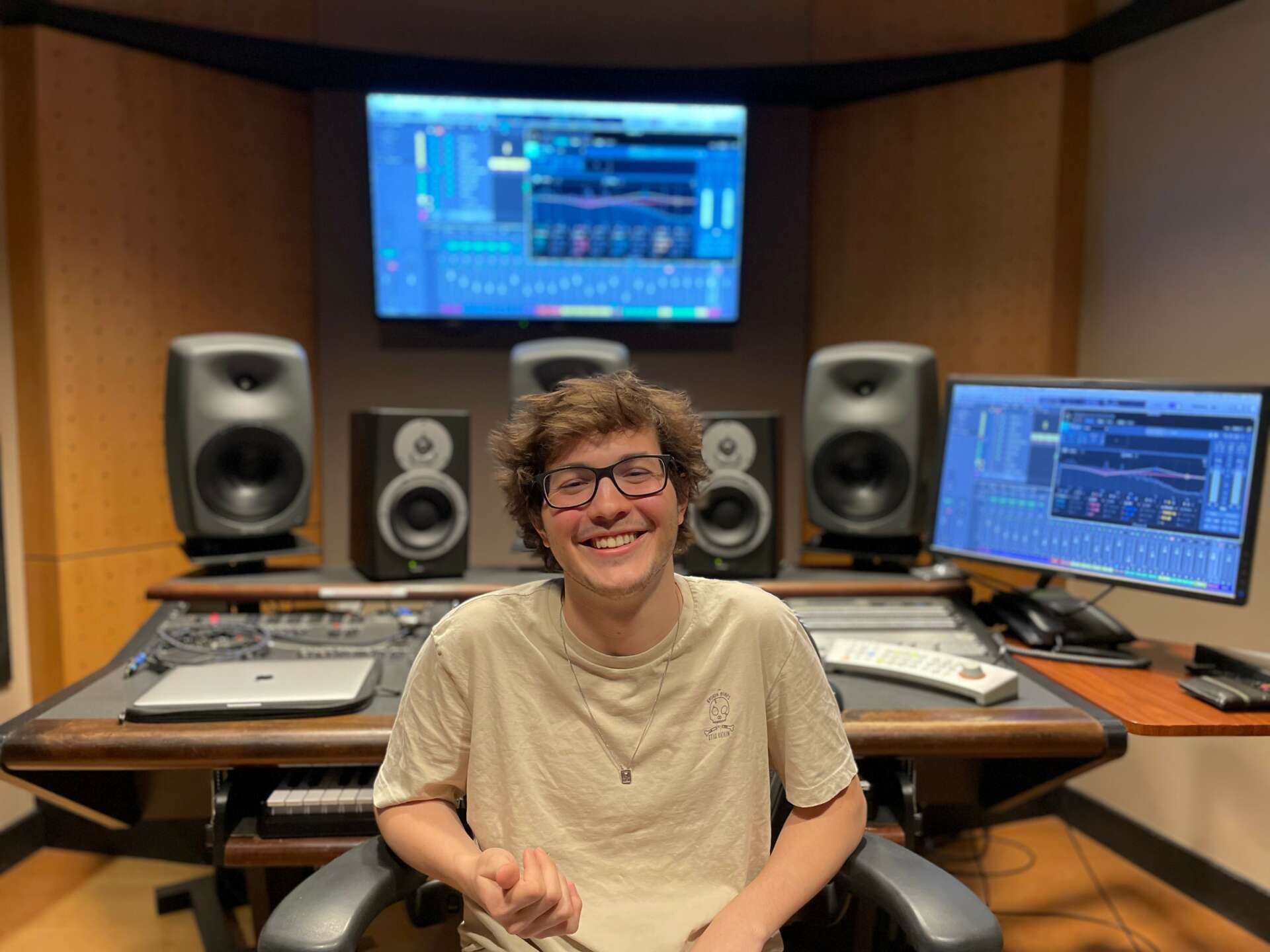
Contact Info:
- Website: https://www.eduardoresendemusic.com/
- Instagram: https://www.instagram.com/eduardoresende_/
- Facebook: https://www.facebook.com/eduardo.resende.967/
- Linkedin: https://www.linkedin.com/in/eduardo-resende-10627814a/
- Youtube: https://www.youtube.com/channel/UC7ircJYo7SvqqhBq68U7tCQ