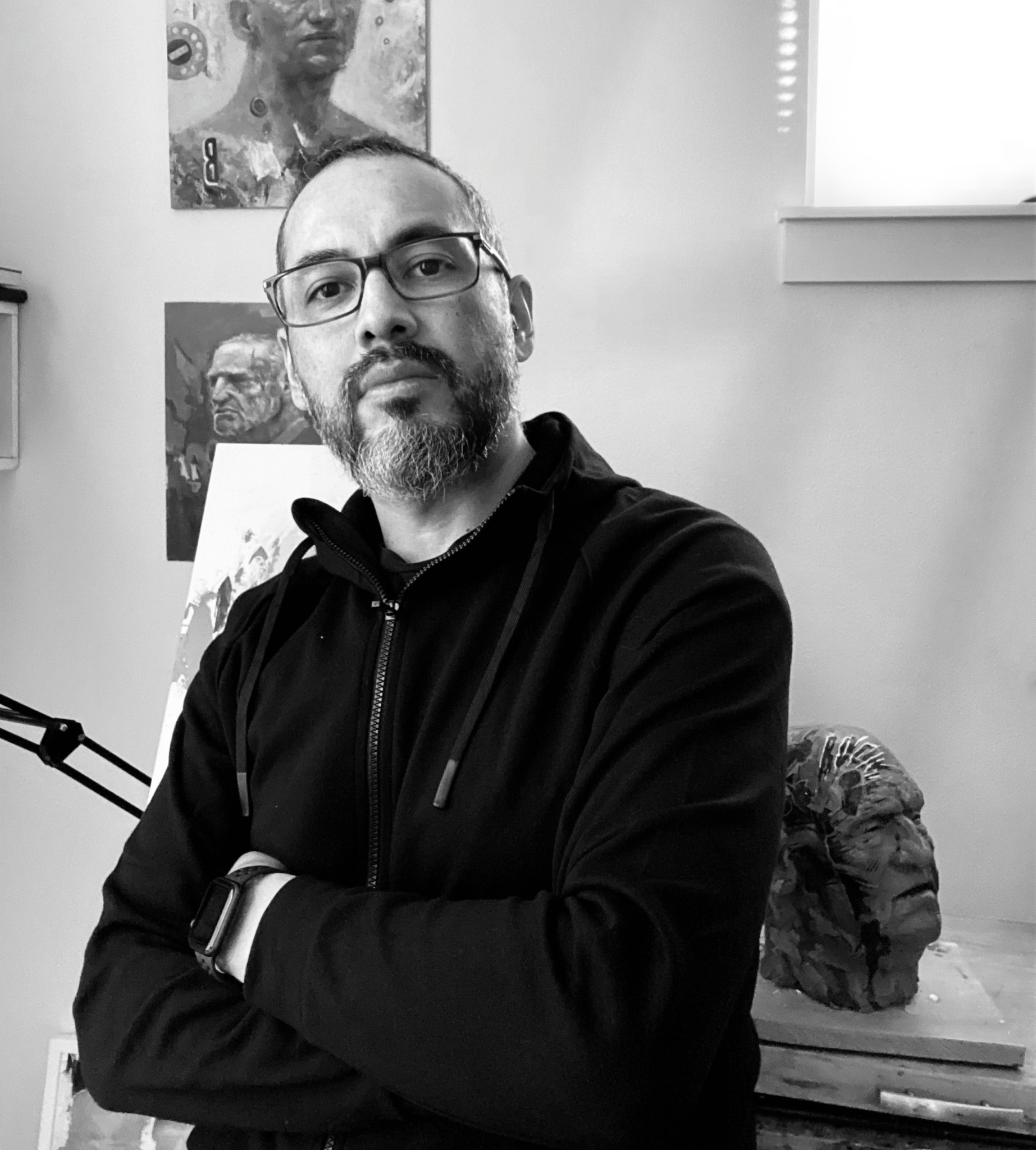

Alright – so today we’ve got the honor of introducing you to Eduardo Flores. We think you’ll enjoy our conversation, we’ve shared it below.
Eduardo , thanks for joining us, excited to have you contributing your stories and insights. Learning the craft is often a unique journey from every creative – we’d love to hear about your journey and if knowing what you know now, you would have done anything differently to speed up the learning process.
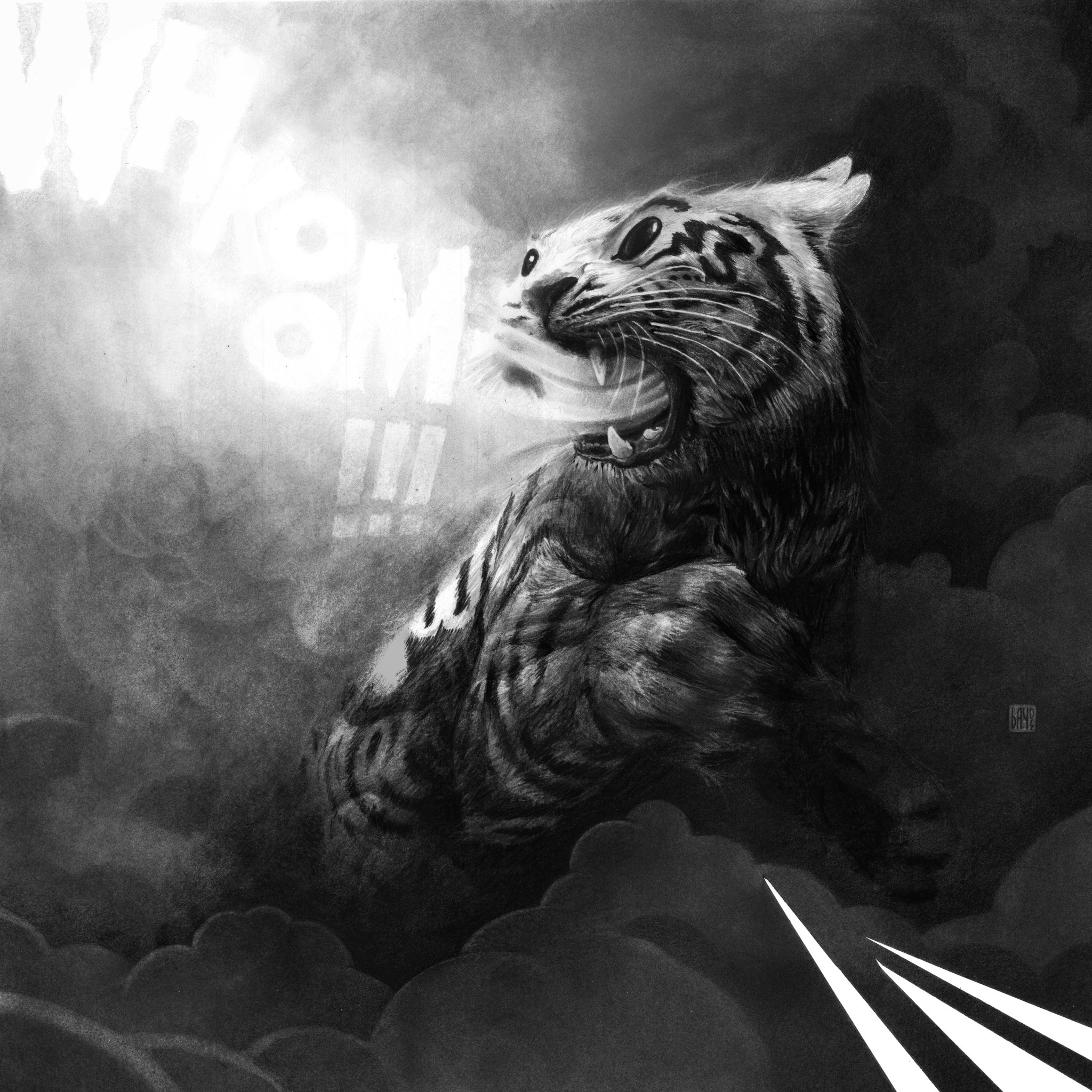
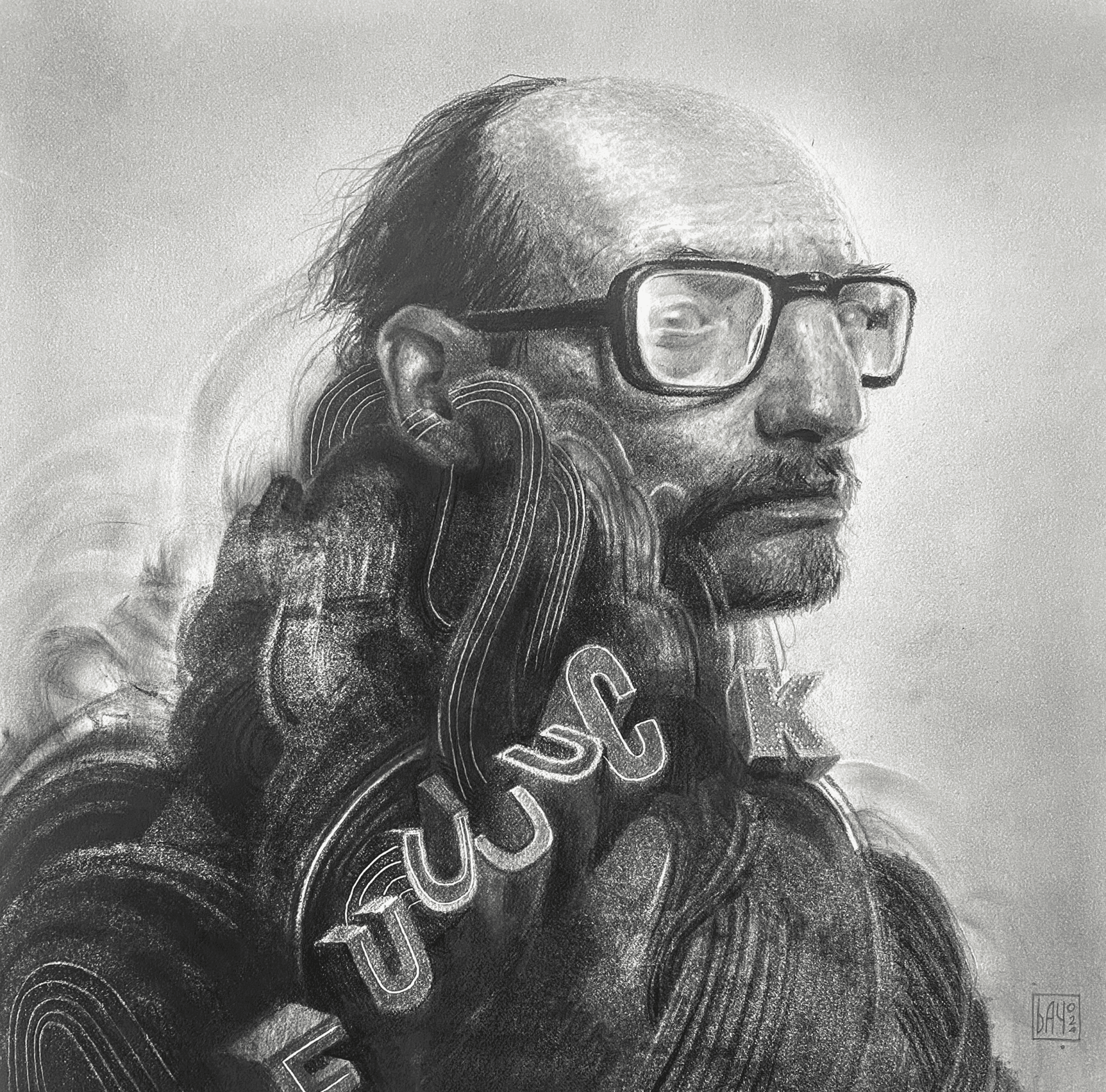
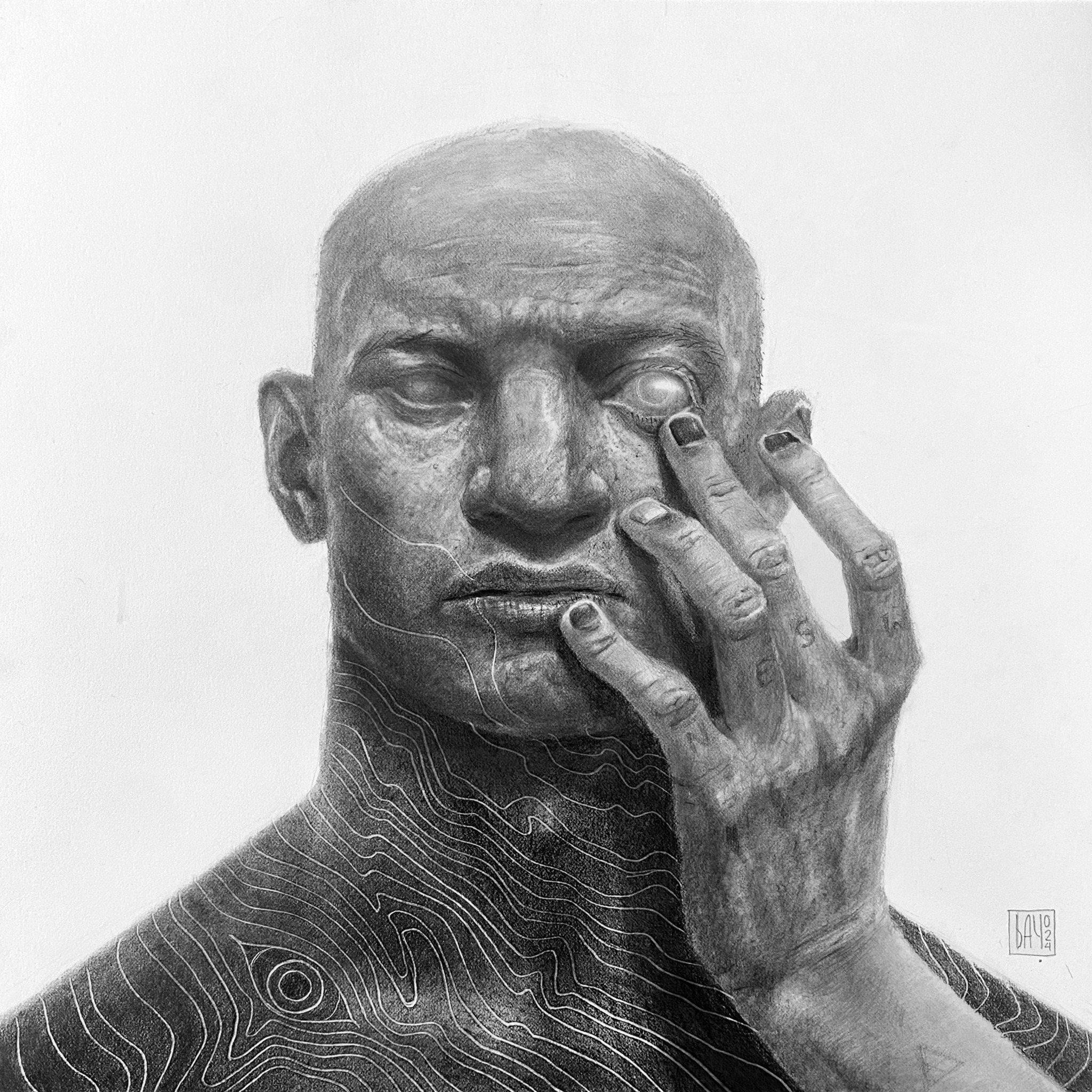
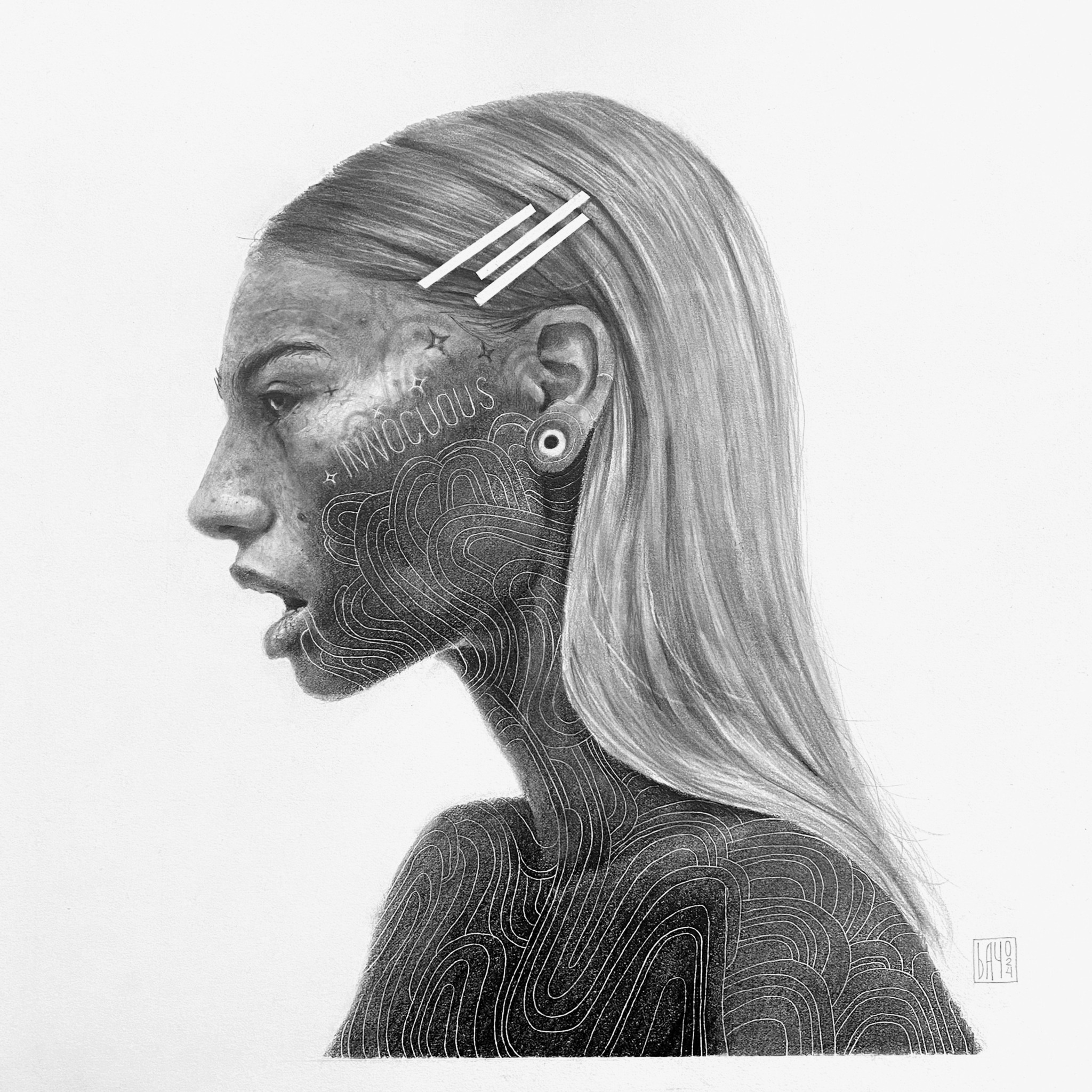
Ever since I can remember I like to draw. As a kid there is always the need to be good at something, to stand out and be recognized for a unique talent or ability. That is what I chose drawing, Growing up, spending hours doodling, sketching or even copying cartoons felt extremely rewarding. Pretty much like everyone else, I started with colored pencils because it was convenient. As you start learning to observe the world around you, you quickly realize that in order to keep progressing, you need to learn more and more. And with that comes the inevitable frustrations and the Impostor syndrome. All the hours at night trying to figure out how to work with color, how the lights affects the temperature, and countless other challenges I faced. Obviously, there was no internet back then, so the options for learning were limited. My main resources were comic books and art history books. It was impossible to get answers right when I needed them, so I made the most of what I had, aiming to absorb as much as possible. Eventually I switched to graphite and charcoal with some color accents. The color seemed to divert attention away from the concept I intended to highlight.
Looking back, what truly would have made a difference in my learning journey was taking more art classes with skilled professors. There are specific questions that can only be fully addressed through direct interaction with someone with knowledge
Eduardo , before we move on to more of these sorts of questions, can you take some time to bring our readers up to speed on you and what you do?
I was born and raised in Mexico City in 1976. From a very young age, I’ve dreamed of being an artist, though I didn’t fully understand what that would entail back then.
After high school, I messed up the chance to apply to an art school and instead of waiting for a year to try again, I decided to study Industrial Design, which was a great idea at the moment, but it didn’t last long. After a year I felt I was out of place and the idea of studying art was further away and at that time I didn’t feel like I would be good enough to be an artist, and I thought that a safe option would be to switch to Graphic Design. I fully immersed into graphic design and slowly focused into illustration. I started my career working in design studios and after a few years, I transitioned into advertising where I started to work with renowned brands.
In 2006, I moved to Austin, Texas, to further my career in advertising. Throughout all those years, I continued drawing, painting, and dedicating time to my personal projects but rarely showing it to anyone except close friends and coworkers. That was until one day, a friend encouraged me to upload my work on Behance. I received a lot of positive reactions and great feedback from around the world. In the next year I was invited to a group show at Redefine Gallery in Orlando. That brought back the idea to keep pursuing the goal to work as an artist.
It wasn’t easy. At that time, I was dealing with a job that demanded long hours, leaving me constantly burned out and with little time for personal projects, as well as for my wife or freelances. I took as many illustrations projects as I can because I truly enjoy working on them, and the money, of course. But in a way I saw it as “getting paid for having fun”
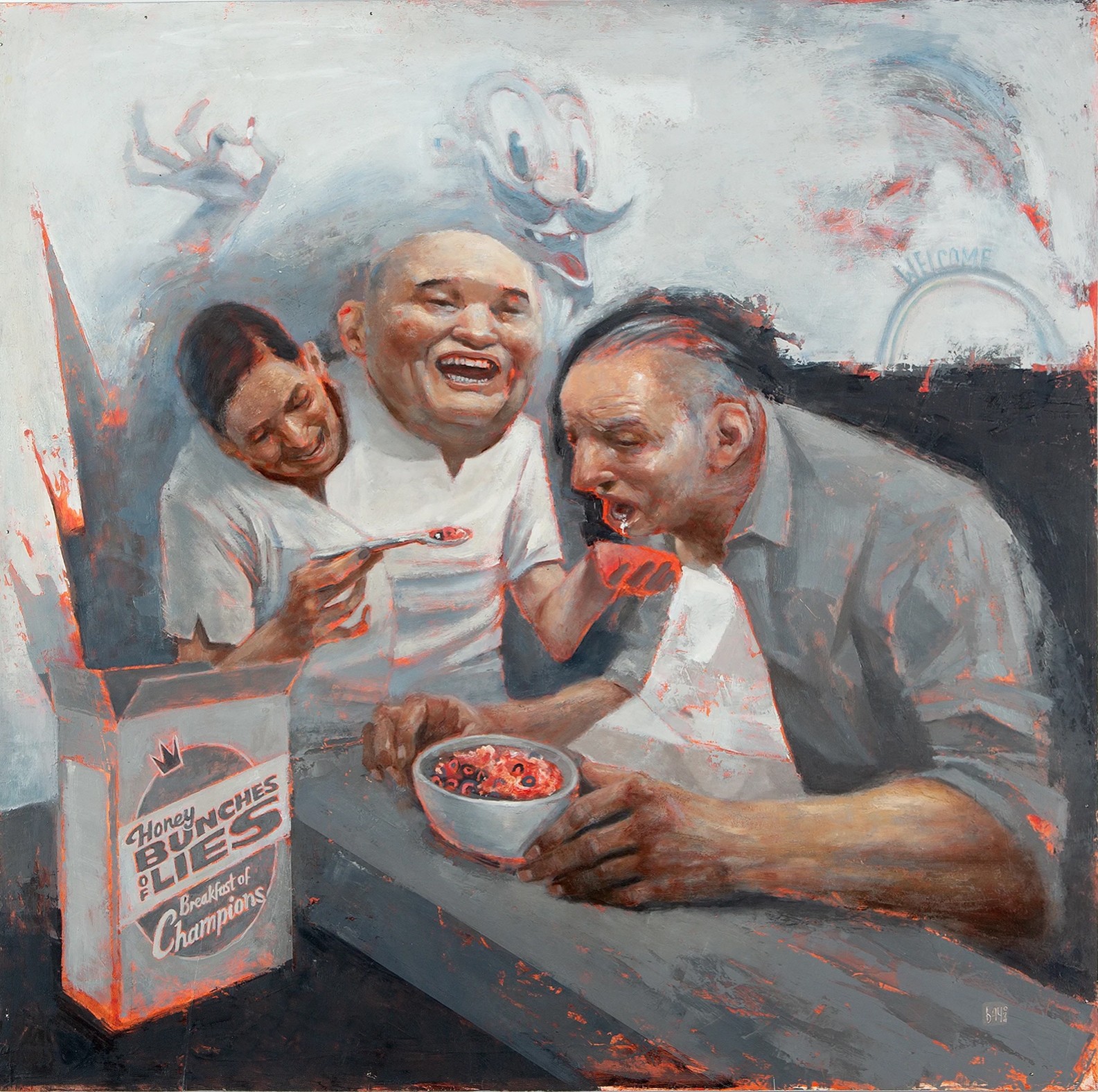
I enjoy doing illustration projects because I like the challenge they present. It’s also rewarding to collaborate with clients who trust in my work and value my vision. In every illustration project, whether big or small, I try to infuse it with the same style, approach, detail, and dedication I bring to my art.
What’s the most rewarding aspect of being a creative in your experience?
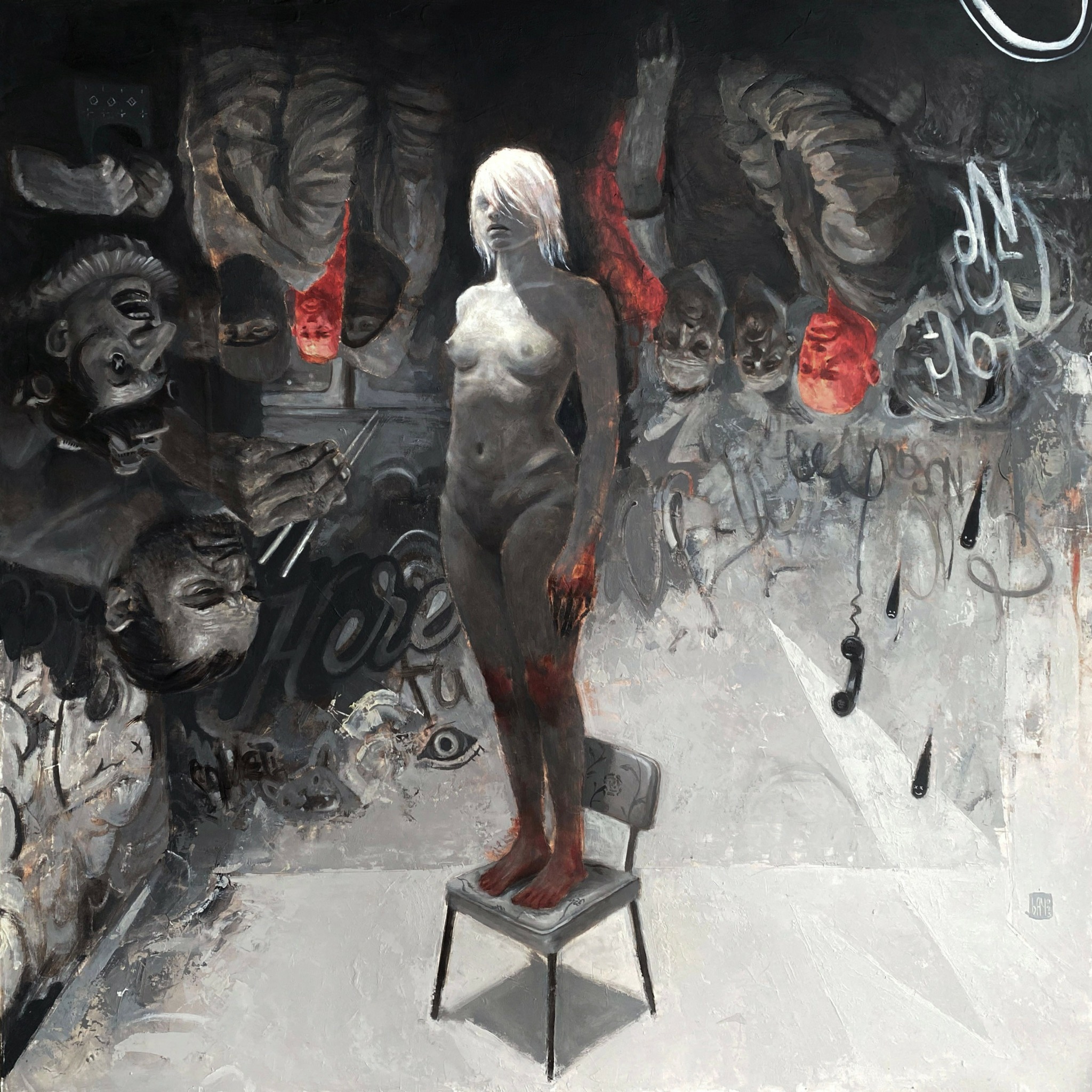
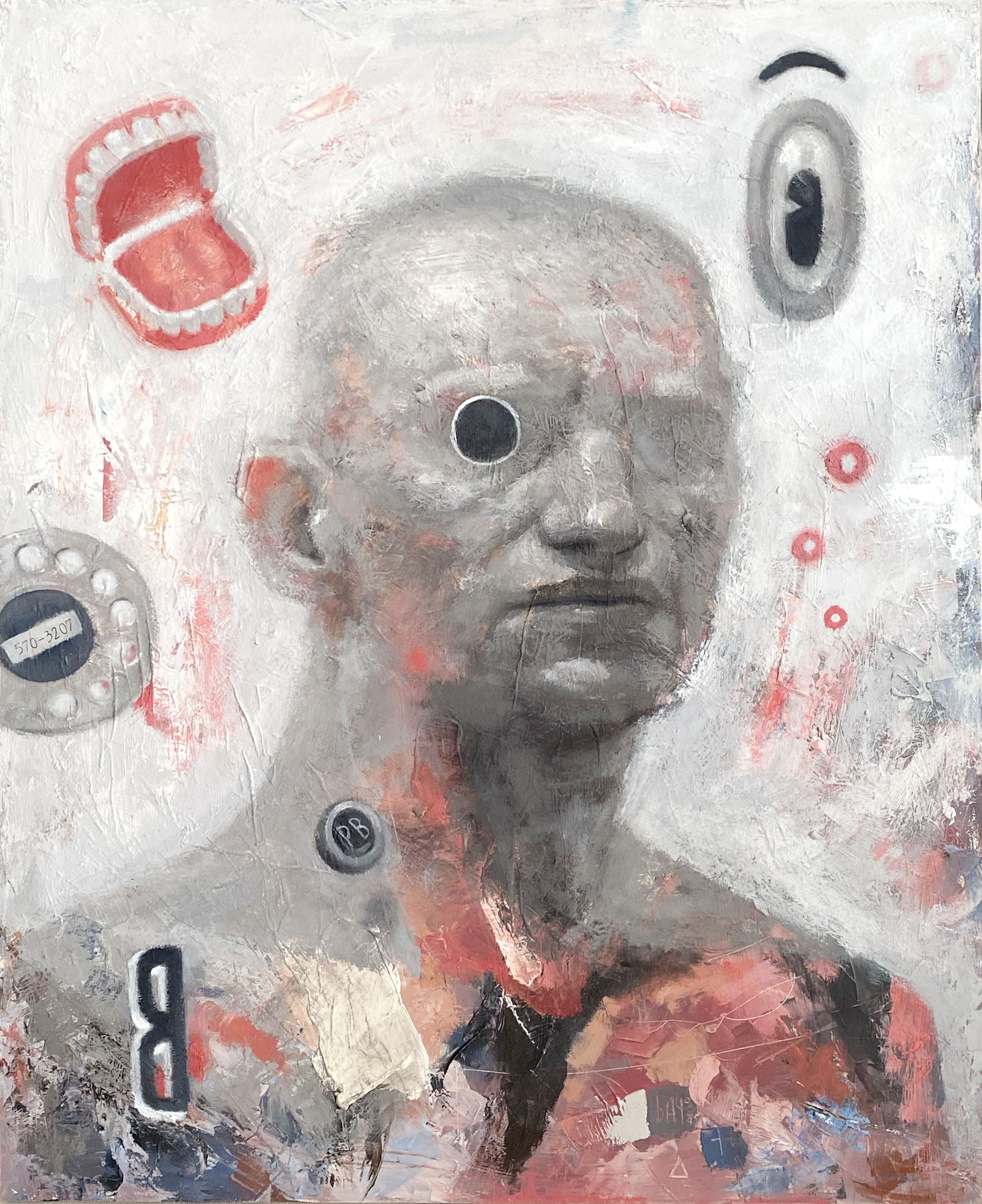
To me, the most rewarding aspect is the ability to bring something out of nothing, the excitement and fear of starting a new piece, followed by the whole experience during the process, the effort and even the frustration that comes along the way. But ultimately, it’s about the finished piece, with all its imperfections. My work often carries many allegories and time consuming intricate details that sometimes get overlooked. When viewers take the time to truly observe them, and even get a tiny reaction, that is what makes it all worthwhile.
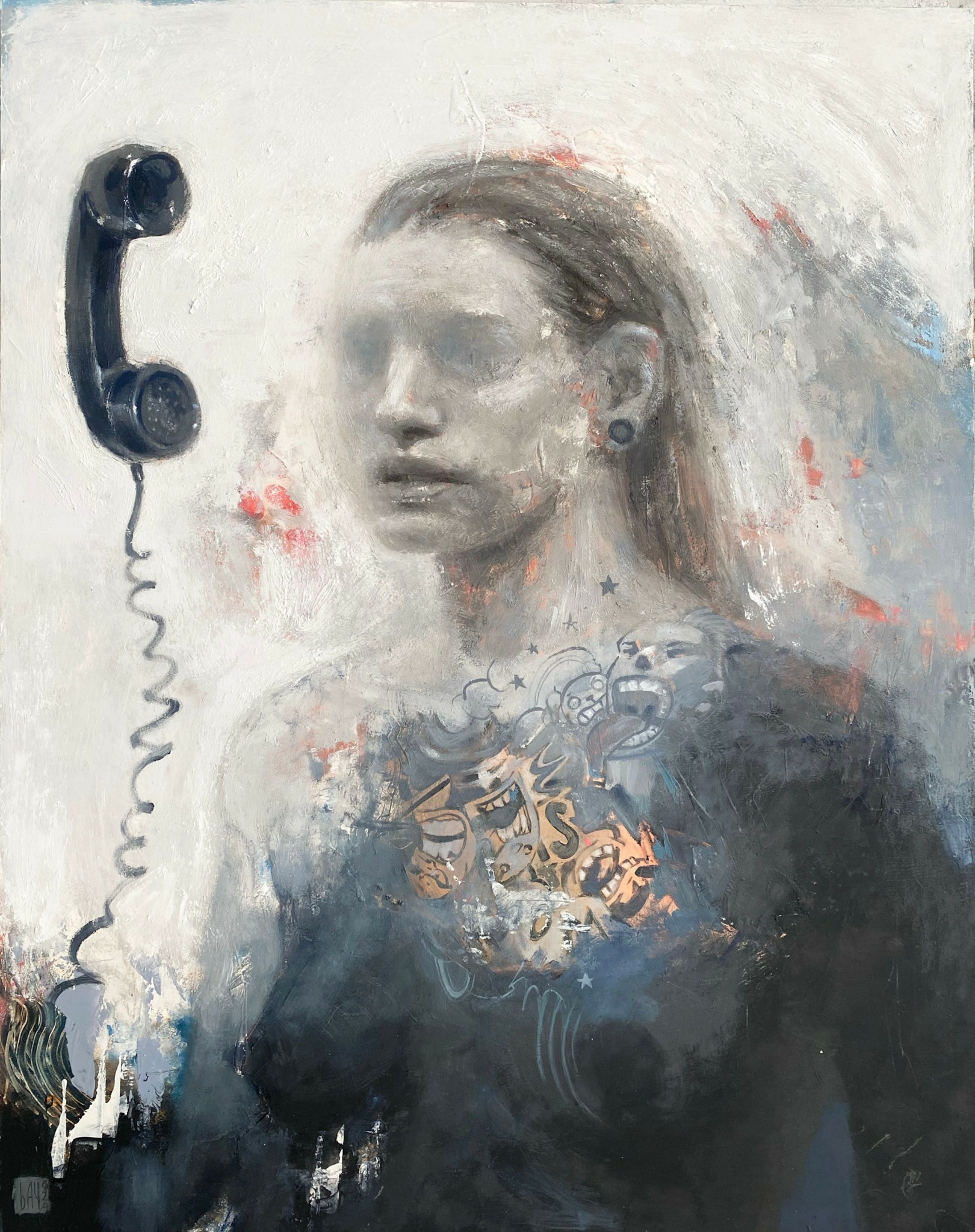
How can we best help foster a strong, supportive environment for artists and creatives?
There will be always a need for more art organizations that work closely with diverse communities and cultures fomenting the collaboration between disciplines. More workshops crafted to cultivate genuine connections among other artists. I feel like I haven’t seen as many opportunities for both emerging and established artist as it should be. As an individual the best way to support is by purchasing art directly from artists. Even if you buy a tiny sticker means something for the artists. Of course, also attending exhibitions, and sharing their work on social media.
Contact Info:
- Website: https://www.bayobolus.com
- Instagram: https://www.instagram.com/bayobolus/
- Linkedin: https://www.linkedin.com/in/bayo