

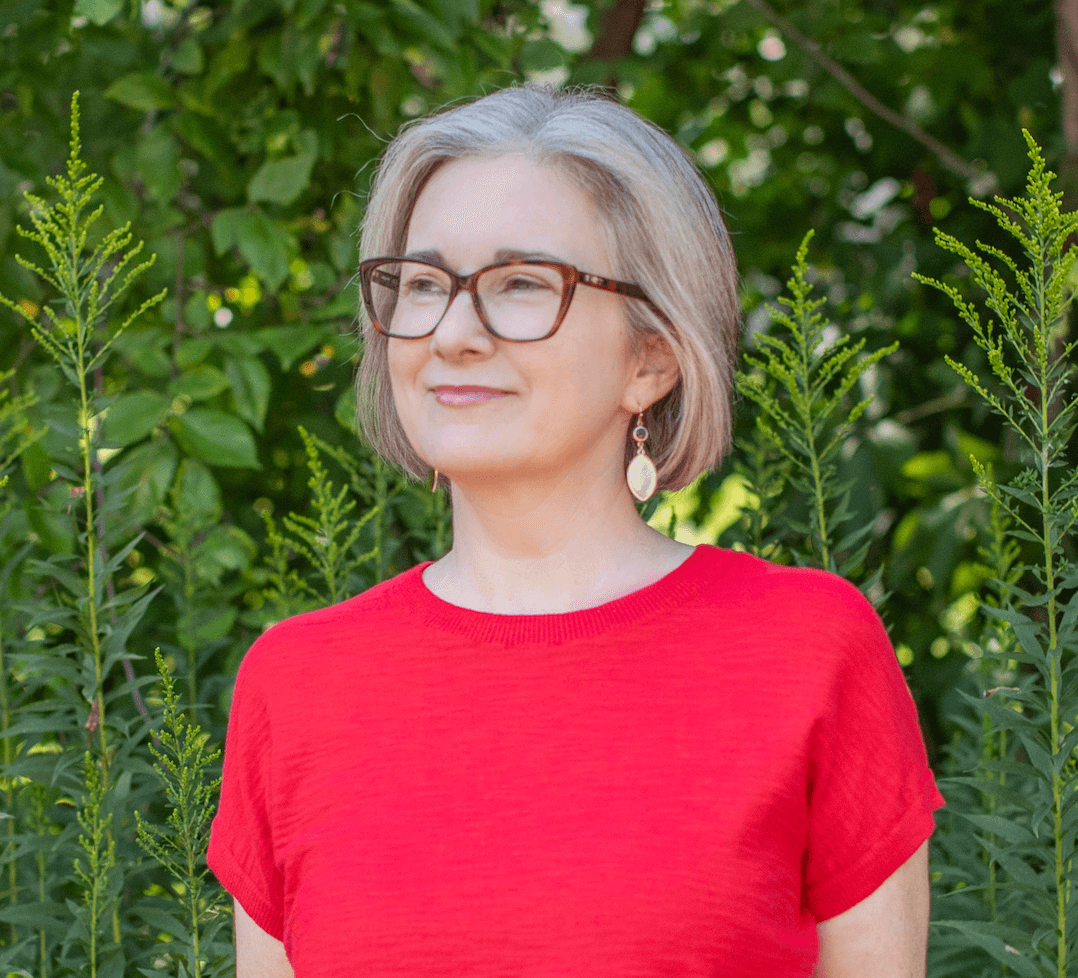

We recently connected with Edie Rasmussen and have shared our conversation below.
Edie, thanks for joining us, excited to have you contributing your stories and insights. Can you open up about a risk you’ve taken – what it was like taking that risk, why you took the risk and how it turned out?
I used to believe that taking risks meant diving headfirst into the unknown with no plan, but the 2008 recession showed me the value of taking calculated risks—and how they can truly pay off.
In 2007, I was going through a divorce, moving back to my home state to be closer to family and friends, and caught between jobs when the recession hit—just as I was about to turn 40. I had no idea that I was about to face one of the most challenging periods of my life.
Finding a job had never been an issue for me. I loved working, and employers appreciated me. I often switched jobs, driven by the excitement of trying new things—though, looking back, undiagnosed ADHD played a significant role in my restlessness. I had been teaching at the college level and working as an academic advisor, so I assumed landing a job at the local university would be a breeze. I was wrong. The job market was shifting, making it nearly impossible to find a decent-paying job with good benefits.
For the next three years, I struggled to secure stable employment. While job hunting, I took on various roles—working in retail, temp jobs, and serving as a caseworker in human services. The caseworker position was by far the worst job I’ve ever had. I was overwhelmed daily, with an average caseload of 500. My undiagnosed ADHD made the job even more unbearable. I remember my supervisor screaming at me, pounding her fists on the desk, “Why can’t you do this?” I had missed a deadline. This period felt like one of the lowest points in my life.
One morning, while walking my dog, I ran into a neighbor who was the director of a counseling graduate program at a nearby university. As we chatted, he asked about my career and suggested I apply to the program. At the time, though, I was dead set against going back to school. I was still paying off student loans from my previous degree, and the idea of accumulating more debt seemed completely out of the question.
However, my neighbor was persistent. Every time we crossed paths, he brought it up, and slowly, out of desperation, I began to consider it. With no other viable options on the horizon, I decided to explore the possibility seriously. I spent several months working with a career counselor to determine if the counseling program was the right move. Ultimately, I applied and was accepted.
It was a huge risk. I knew I’d have to leave my full-time job to commit to the demanding program. My plan was to work part-time at the university to offset some of the costs, but fate had other plans. During my first week of school, I suffered a severe injury that left me in constant pain and nearly forced me to drop out. I had just given up my full-time job and was now facing a major setback.
Despite the pain, I managed to stay in the program. I would drag myself to class, then spend the rest of my time lying in bed, studying, doing homework, or attending physical therapy. It took nearly the entire two years of the graduate program for me to fully heal. To this day, I’m not sure how I managed to do it, Looking back, I guess I felt like I didn’t have any other choice.
I graduated from the program with a 4.0 GPA, and I’ve never looked back. It was one of the best decisions I’ve ever made. That degree changed the trajectory of my life in the most profound way.
Becoming a therapist taught me so much about myself—far more than I ever expected. I’m not sure I would have been diagnosed with ADHD if I hadn’t pursued this path. Getting a diagnosis has been life-changing, allowing me to understand and manage my challenges better. I’m finally the person I’ve always longed to be.
Today, I have my own practice, doing work I love, helping people who are struggling with issues I once faced. It’s the most gratifying work I’ve ever done. Going back to school was a big risk and it was much harder than I thought it would be, but it was more than worth it, and I’d do it all over again.
Great, appreciate you sharing that with us. Before we ask you to share more of your insights, can you take a moment to introduce yourself and how you got to where you are today to our readers.
I’m a licensed psychotherapist and educator with 20 years of combined experience in higher education, academic advising, counseling, and training. I empower exhausted individuals to take control of their lives and become the best version of themselves.
Empowering others is the most gratifying work I do as a therapist. My own journey through coping with chronic health issues, perfectionism, people-pleasing, ADHD, and over-achieving has provided me with a unique perspective on what it means to be empowered, be true to oneself, and find purpose and meaning in life.
I got into my line of work after struggling to find a job during the 2008 recession. I went back to school in my 40’s to pursue a different career. It’s been one of the best decisions I’ve ever made.
I work with adults who have ADHD, those who think they might have ADHD, exhausted caregivers, chronic people-pleasers, adults struggling with chronic health issues, and those who need help with work performance issues.
I’m most proud of the work I do with adults with ADHD, especially those who are finding out they have ADHD later in life. It can be really difficult to navigate a late diagnosis, including the confusion and grief that can accompany this realization.
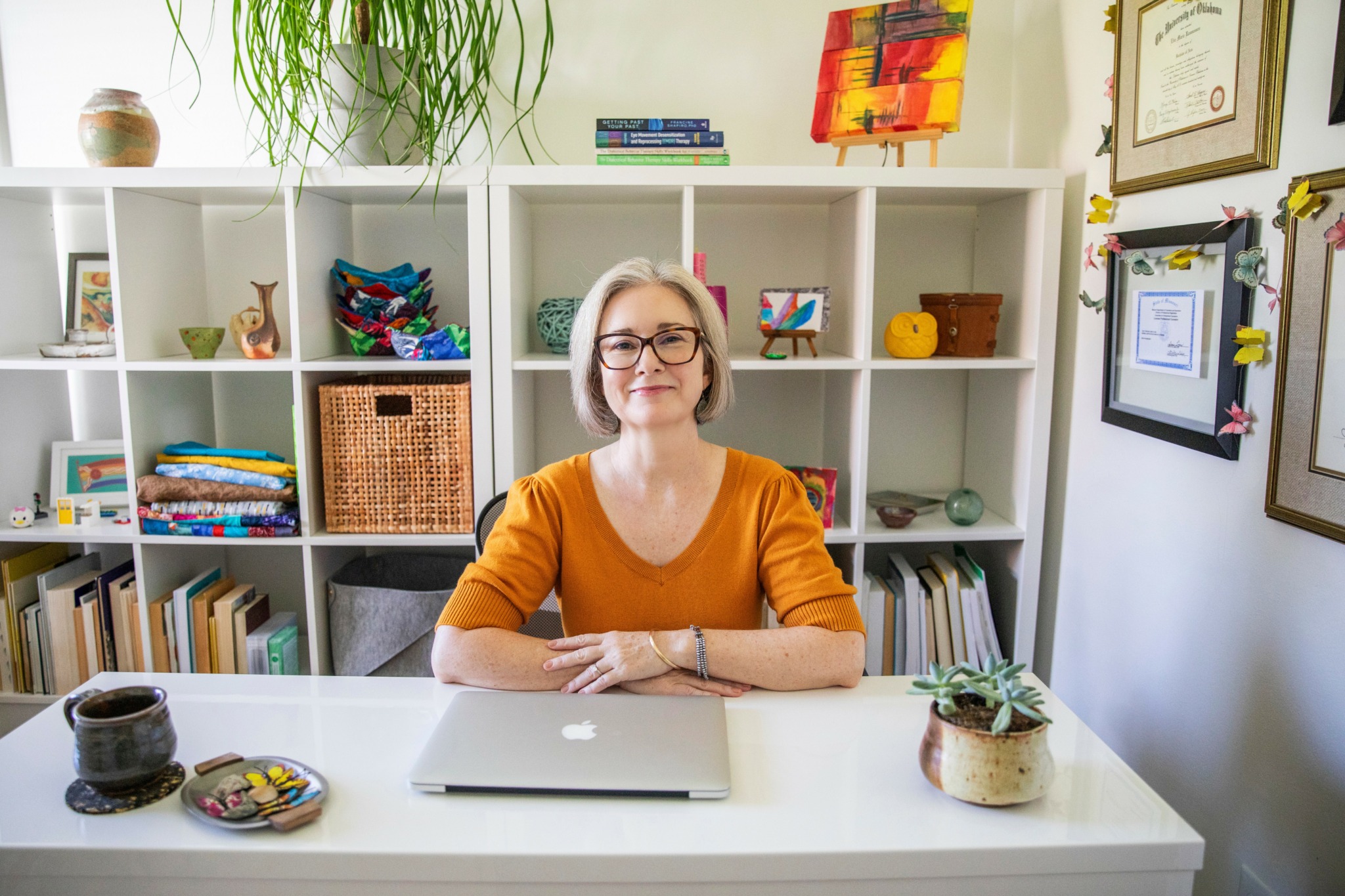
Let’s talk about resilience next – do you have a story you can share with us?
I was diagnosed with ADHD later in life, and since then, I’ve found myself revisiting my past with a new perspective, realizing that ADHD has been part of my life all along. So much of what I struggled with now makes sense—anxiety and depression were constant issues when I was younger, and relationships were very difficult. But even back then, I had the self-awareness to recognize that I needed help.
I’m proud that in my early 20s, I sought therapy, knowing that if I wanted healthier relationships in the future, I had to confront the issues from my childhood. Despite lacking emotional support in my younger years, I’ve grown into someone who can offer that support to others. To me, that’s resilience.
Looking back, I’m proud of the person I’ve become, even with undiagnosed ADHD and the challenges of trauma. It’s empowering to know that despite it all, I’ve worked to heal and grow into someone who leans positive and enjoys helping others.
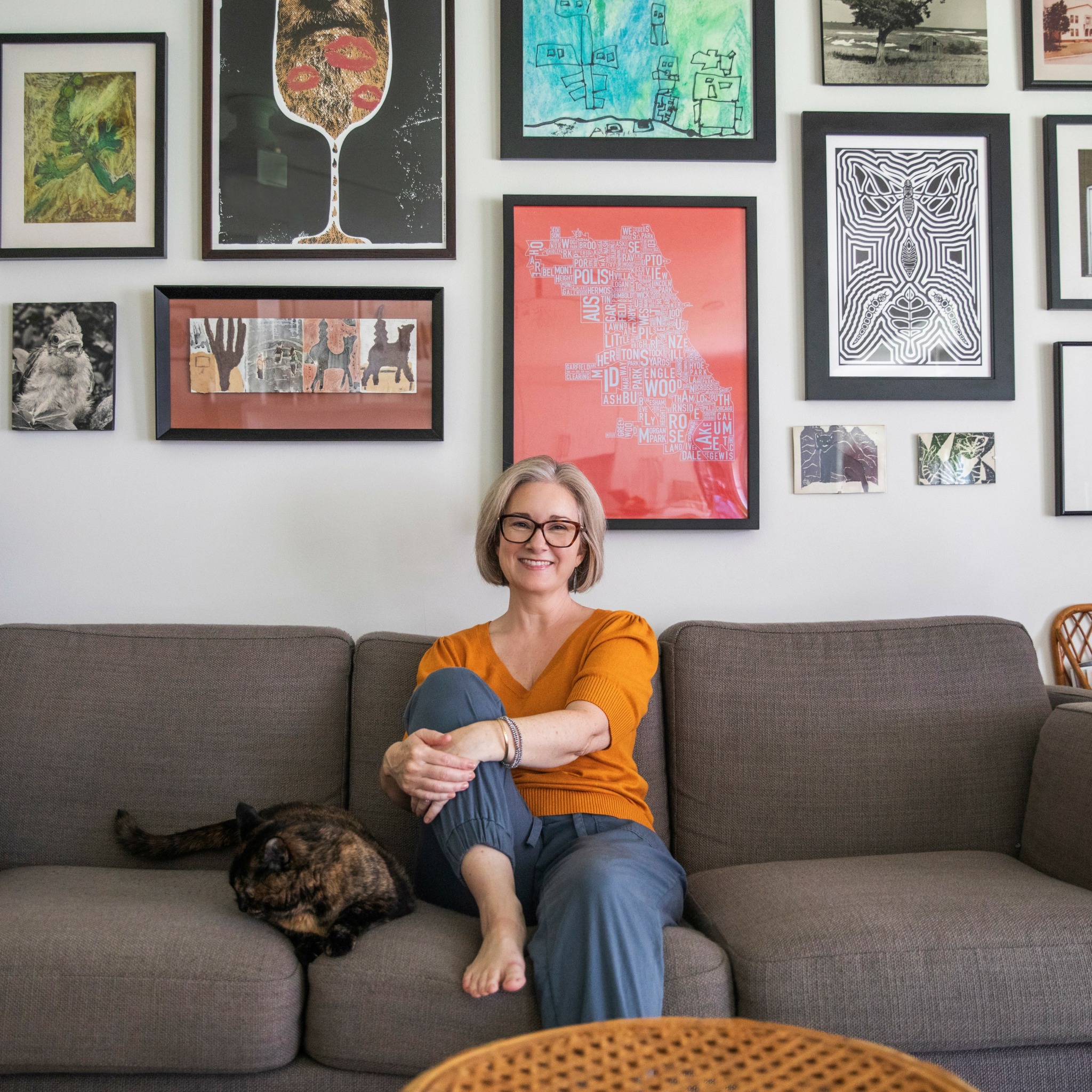
What’s a lesson you had to unlearn and what’s the backstory?
I’ve spent a good portion of my life pleasing others, struggling to understand who I was and what I truly wanted. In my younger years, I drifted from one job to another, always feeling lost, unsure of my purpose, and constantly chasing a sense of fulfillment that seemed out of reach.
It took me a long time to realize that my focus was on making others happy, not myself. If someone offered me a job, my immediate thought was, “They want me for this role, I should accept!” rather than asking myself if it was something I truly wanted or if it aligned with my goals. The same pattern applied to relationships. If someone showed interest in me, I saw it as a stroke of luck, grateful that they chose me, without stopping to ask if they were the right partner for me.
Low self-esteem, often intertwined with ADHD, shaped so much of my experience. It’s common for adults diagnosed later in life to look back and recognize how their need to please others overshadowed their own desires. We can lose sight of who we are and what matters to us.
Over time, I had to unlearn those deeply ingrained habits of people-pleasing. I began to listen to the part of me that knew I only have one life to live, and it was time to start living it for myself. Now, I know how to set boundaries, prioritize what’s important to me, and focus on my own path.
Contact Info:
- Website: https://www.evolvewithedie.com
- Instagram: https://www.instagram.com/evolve.with.edie/
- Facebook: https://www.facebook.com/edierasmussenlpc
- Linkedin: https://www.linkedin.com/in/edie-m-rasmussen-59b35a116
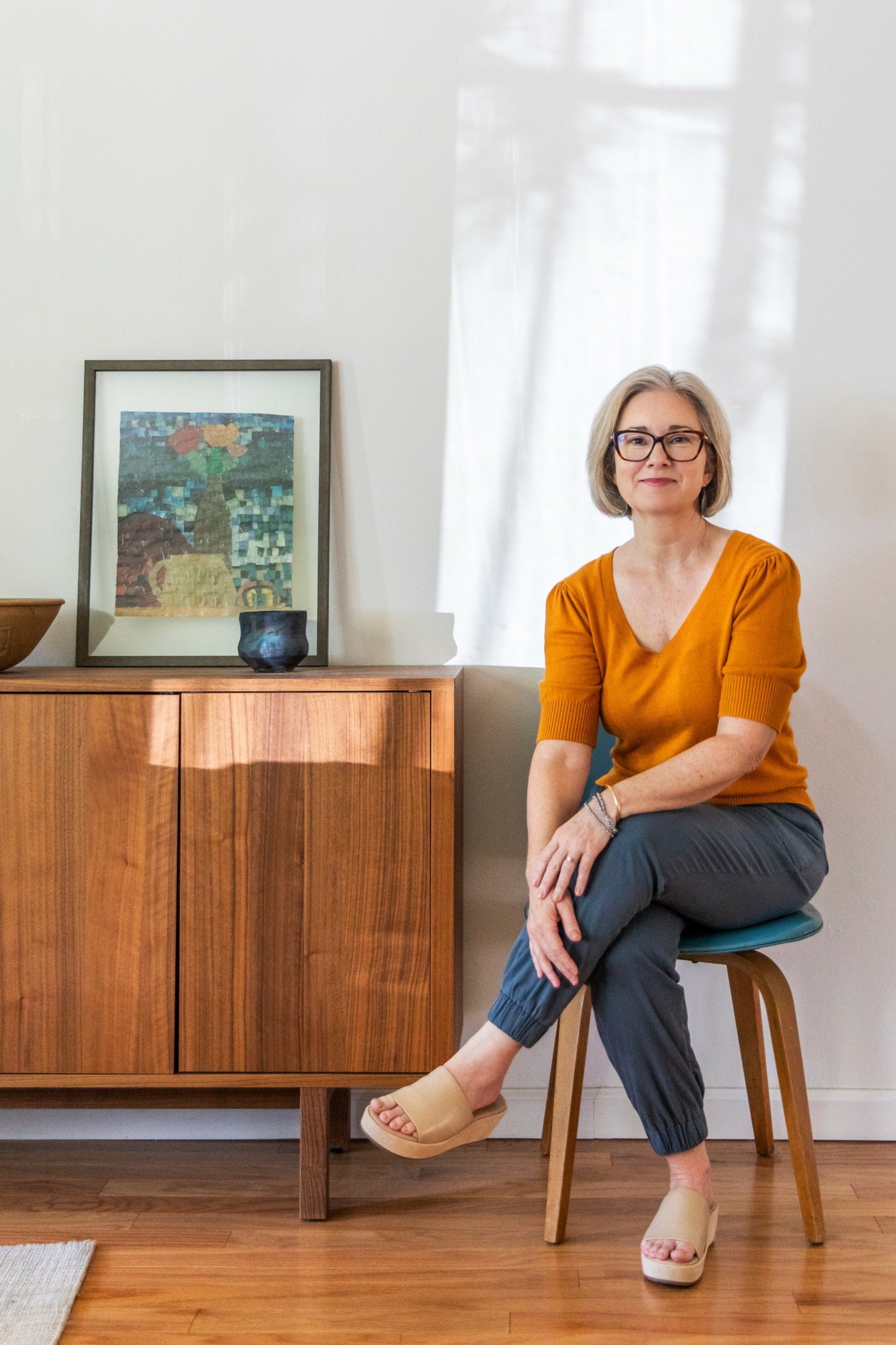

Image Credits
Heidi Drexler