



We’re excited to introduce you to the always interesting and insightful Eddie Lin. We hope you’ll enjoy our conversation with Eddie below.
Eddie, thanks for joining us, excited to have you contributing your stories and insights. Can you talk to us about a project that’s meant a lot to you?
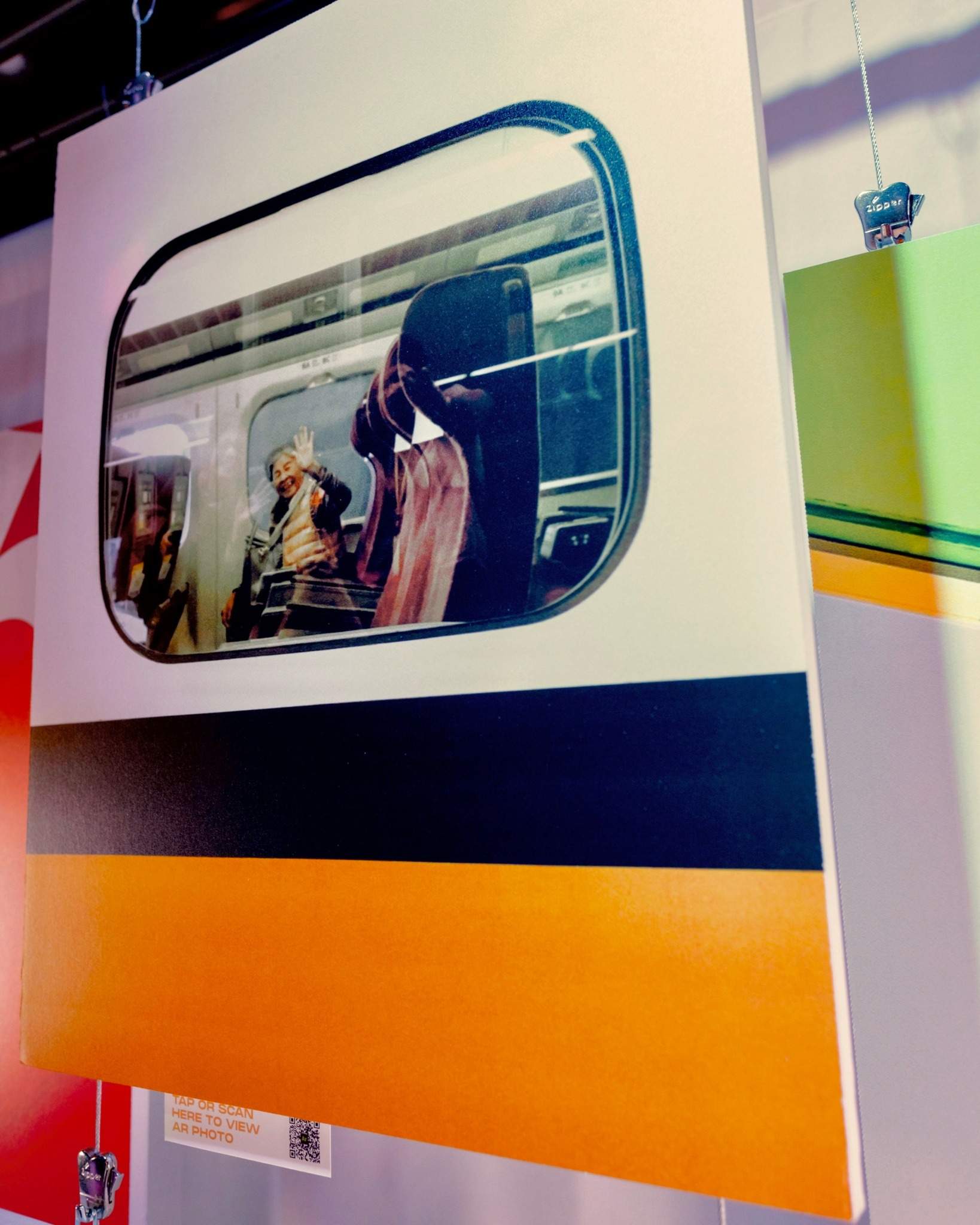
The most meaningful project I’ve worked on so far has to be my recent photography exhibit in Los Angeles, where I showcased a portrait of my grandmother. It was an incredibly personal piece—not just because of our bond but because of the circumstances surrounding her passing.
When COVID hit, travel restrictions and my visa situation made it nearly impossible for me, as an international worker in the U.S., to go home without risking re-entry issues. When her health started to decline, I had to make the heartbreaking decision to stay in the States. Knowing she was in her final days and being unable to see her one last time was one of the hardest things I’ve ever gone through.
My grandmother wasn’t someone who showed her love through words. Instead, she expressed it through small, thoughtful actions—always making sure everyone was cared for in quiet, unassuming ways. Not being able to say goodbye left me feeling like I was missing a sense of closure.
When I got the chance to exhibit my work, I knew I wanted to honor her in some way. I selected a photo of her that captured her warmth—a smile as she said goodbye on her way home—and created an AR animation to bring the image to life. Seeing people interact with the photo and connect with her memory in such a tangible way felt incredibly meaningful, like I was building a bridge across the distance that had kept us apart.
In a way, this exhibit became my way of saying goodbye. I’d never had the chance to go home for that closure, but sharing her memory in this space let me honor her in a way that felt real. Seeing people pause and connect with her image reminded me of how deeply art can resonate and, in that moment, brought a bit of comfort.


As always, we appreciate you sharing your insights and we’ve got a few more questions for you, but before we get to all of that can you take a minute to introduce yourself and give our readers some of your back background and context?
By day, I’m a full-time brand designer at Coda in San Francisco, working on brand identity, visual systems, and design strategy. But outside of work, I’m also a minimalist photographer. My background in graphic design plays a big role in how I approach photography—I use it to explore inspiration, experiment with layouts, and play with color and composition. A lot of my work focuses on capturing the beauty of everyday moments, especially where light and shadow meet architecture, revealing things that often go unnoticed.
As a designer, I love exploring different media, styles, textures, and even technology to make my work meaningful and engaging. I find inspiration everywhere, even in the tiniest details, and I bring that same curiosity into my photography. It’s my way of documenting how I see the world and finding meaning in the small, quiet moments. Over time, I’ve developed a minimalist style that highlights peaceful corners in the middle of chaotic city life. Photography gives me a chance to slow down, reflect, and really appreciate the overlooked beauty around me.
This search for calm has personal roots. As an immigrant in the U.S., building a life from scratch in a new country hasn’t always been easy—it can feel lonely at times, and there are plenty of challenges along the way. When I see news about hate crimes against the AAPI community or hear anti-immigrant rhetoric, it’s unsettling and difficult to process. Those moments often leave me craving stability and a sense of grounding. The quiet, peaceful corners I capture through my photography help me find that balance—they’re my way of creating a sense of calm in a world that can feel chaotic and uncertain.
What makes my photography unique is how deeply it’s shaped by my design background. When I’m shooting, I’m constantly thinking about things like framing, color theory, and storytelling, just like I do in my design work. This combination of design and photography gives my work a distinct style that feels calm but deliberate. I’m also always experimenting with new materials and technology, which has led me to create interactive elements like adding AR effects to my photos.
At the core of everything, my goal is simple: I want to inspire people to pause and appreciate the beauty in everyday life. Whether it’s the way light bounces off a building or the quiet charm of a forgotten corner, those small, often-overlooked details can be the most meaningful. Through my work, I hope to remind people to slow down, look closer, and find joy in the little things.

Learning and unlearning are both critical parts of growth – can you share a story of a time when you had to unlearn a lesson?
A lesson I’ve been unlearning over the past few years is feeling like I need to do everything myself. Growing up, I was raised with the mindset that independence and self-reliance were strengths, so I rarely asked for help—it just wasn’t something I thought I needed to do. For the longest time, I felt like asking for help might make me seem less capable, so I pushed through everything on my own, even when it got overwhelming.
Looking back, I realize I could’ve saved myself so much time and energy if I had just been brave enough to ask for help. It’s not that I’m bad at collaborating—I love working with others—but when it came to certain challenges, I’d always default to solving them on my own. Over time, I’ve been working on improving this mindset—asking for people’s opinions and expertise and involving others more intentionally in my creative process.
I’m learning that creativity doesn’t have to be a solo journey, and it’s okay to lean on others. It’s a work in progress, but I’m getting there.


Are there any books, videos or other content that you feel have meaningfully impacted your thinking?
I recently finished a book called Feel-Good Productivity by Ali Abdaal, and it really inspired and motivated me, especially when it comes to managing my photography exhibits that aren’t art-related. As artists, we often love the creative side—the part where we get to make art—but when it comes to things like project management, deadlines, and client relations, a lot of us struggle. I know I do.
This book gave me a fresh perspective on those tedious, non-creative aspects of the work. It reminded me of a quote from Mary Poppins that Ali mentions: “In every job that must be done, there is an element of fun. You find the fun and snap! The job’s a game!” It’s kind of like assembling IKEA furniture—sure, the individual parts can seem small, boring, and annoying, but they all contribute to the final product. And when you build the furniture with your partner, family, or friends, you’re not just constructing a piece of furniture; you’re also building relationships and creating memories. The key is learning to find the fun in those tasks, making them more enjoyable, so that we can create something meaningful at the end. This shift in mindset has helped me approach the less glamorous side of my work with a whole new attitude.
Contact Info:
- Website: https://www.eddiesclin.design/eddielens
- Instagram: https://www.instagram.com/eddiesclin/
- Other: Email List:
https://design.us11.list-manage.com/subscribe?u=4fb0bf7d75a3c61a2e598d238&id=c92597ad6c

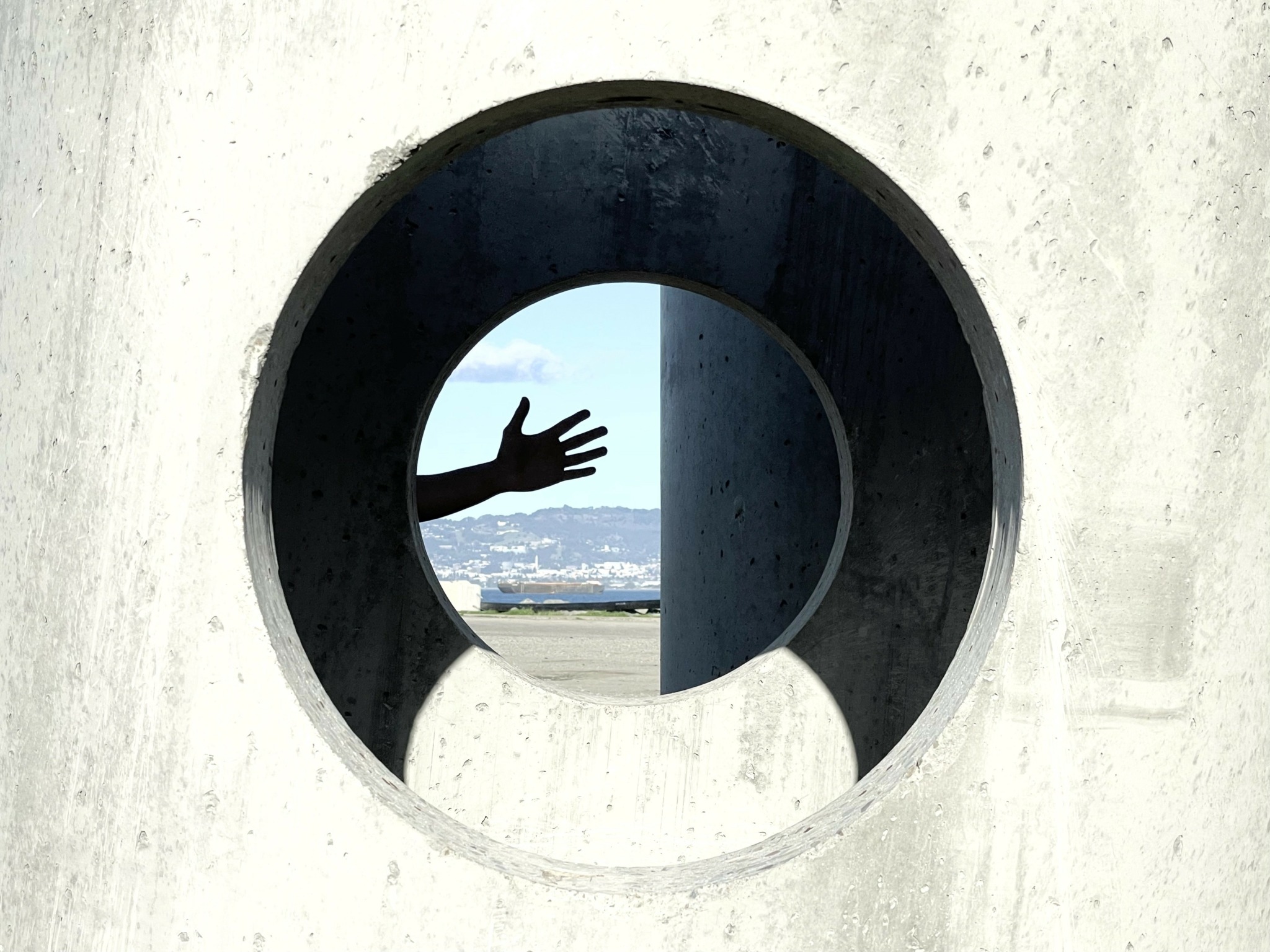
Image Credits
Narek Petrosyan
Eddie Lin