

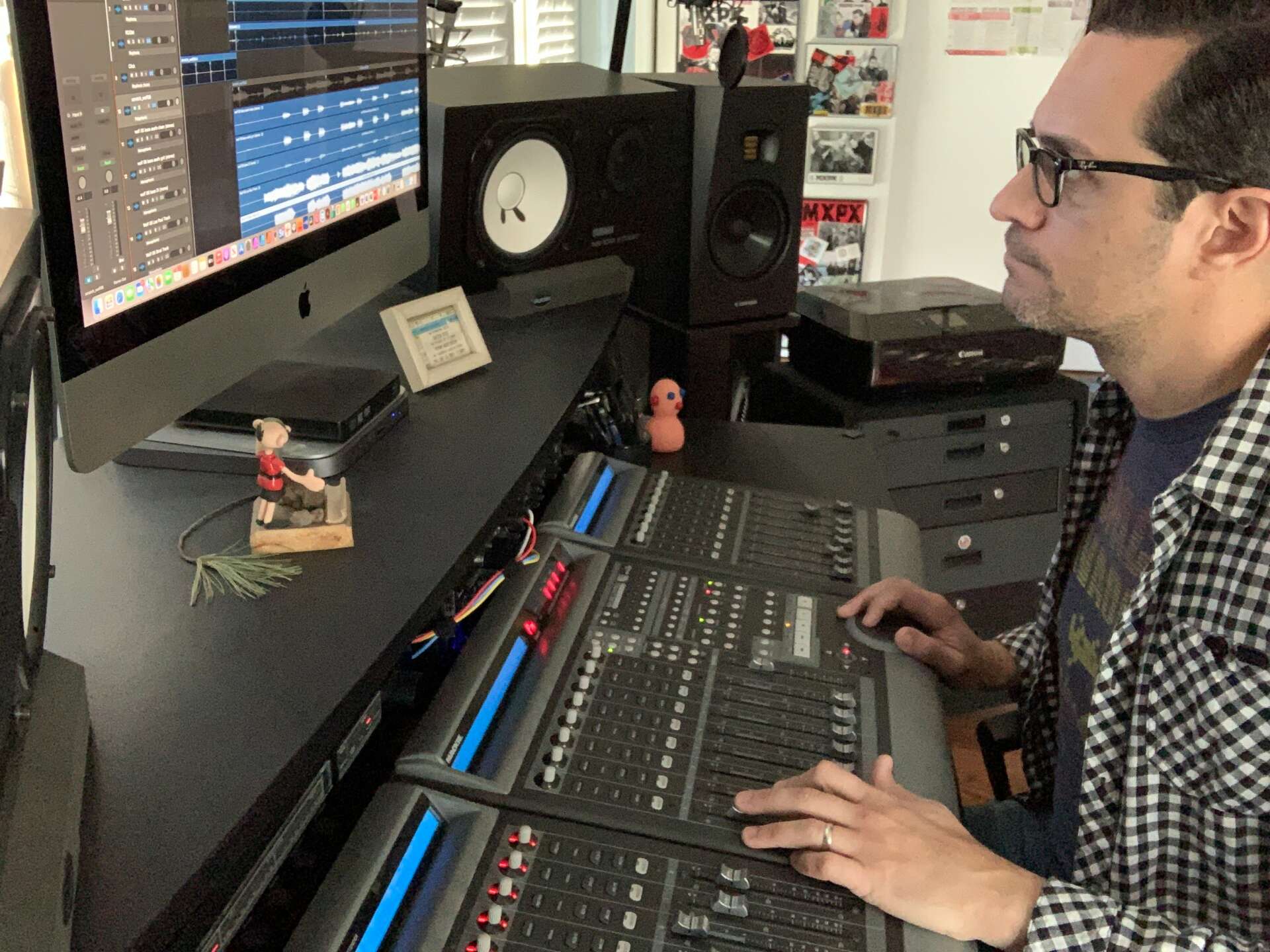

We caught up with the brilliant and insightful Ed Brussa a few weeks ago and have shared our conversation below.
Ed, thanks for joining us, excited to have you contributing your stories and insights. We’d love to hear about when you first realized that you wanted to pursue a creative path professionally.
I was exposed to different musical genres from a very early age. My maternal grandmother was a professional lyric opera singer, and for as long as I can remember my father would always play British Invasion and folk rock records in our home, as well a cassette tapes (later CDs) on road trips. Growing up in Uruguay, I was also surrounded by local traditions like tango, milonga, and candombe.
As a teenager in the 1990s, I developed a personal interest in music and guitar, sparked by the crossover of grunge and alternative rock into the mainstream. Back in those days I would use two tape recorders to overdub my rudimentary compositions, playing over a previously recorded track and stacking them until I had a finished demo. I saw it as a hobby and never dreamed of making professional recordings. This led me to consider a career in music journalism, so I eventually relocated to Nashville, Tennessee to pursue a degree in Communications.
While taking classes at Trevecca Nazarene University, I began recording my own demos on a 4 track mixer in my dorm room and assisting friends with their projects, and soon I realized that the process gave me more joy than anything I had done before. Soon after that, I changed my major to Music Business, got myself an iBook and that kickstarted my venture into the world of music production (as well as my fondness for Apple products).
Ed, before we move on to more of these sorts of questions, can you take some time to bring our readers up to speed on you and what you do?
I’m a recording engineer and videographer. Through my internships and the jobs I held while in college, I learned that I had a drive to complete projects to the best of my capability and that I was always looking for ways to make processes more efficient. Many times I felt held back by red tape and conventions, so I knew sooner or later I would seek the opportunity to start my own business and thus have the freedom to innovate and carry out my activities without constraints.
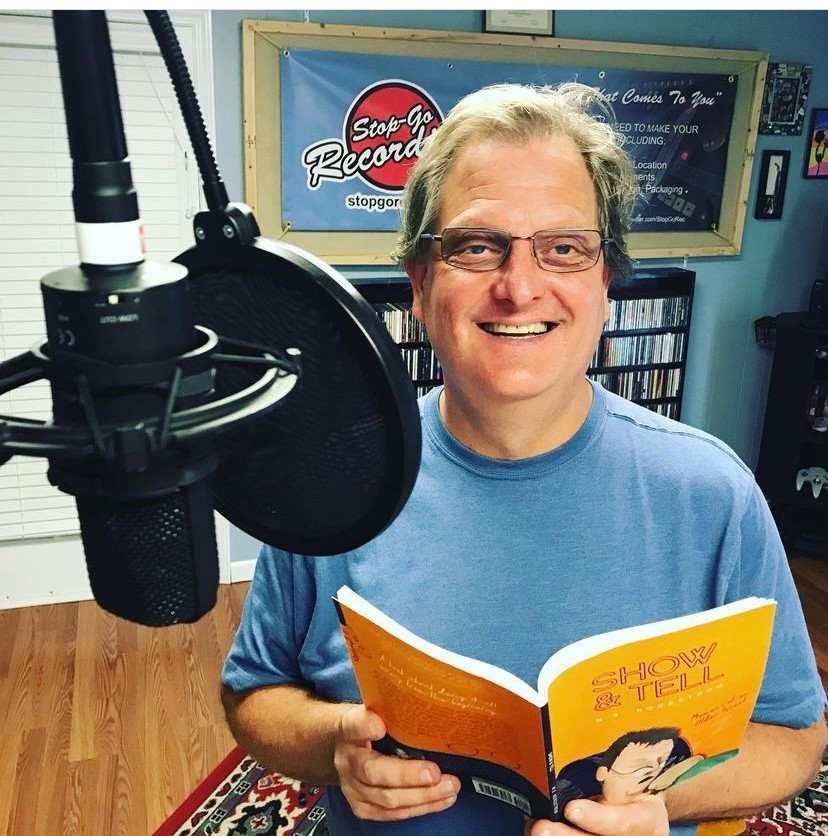
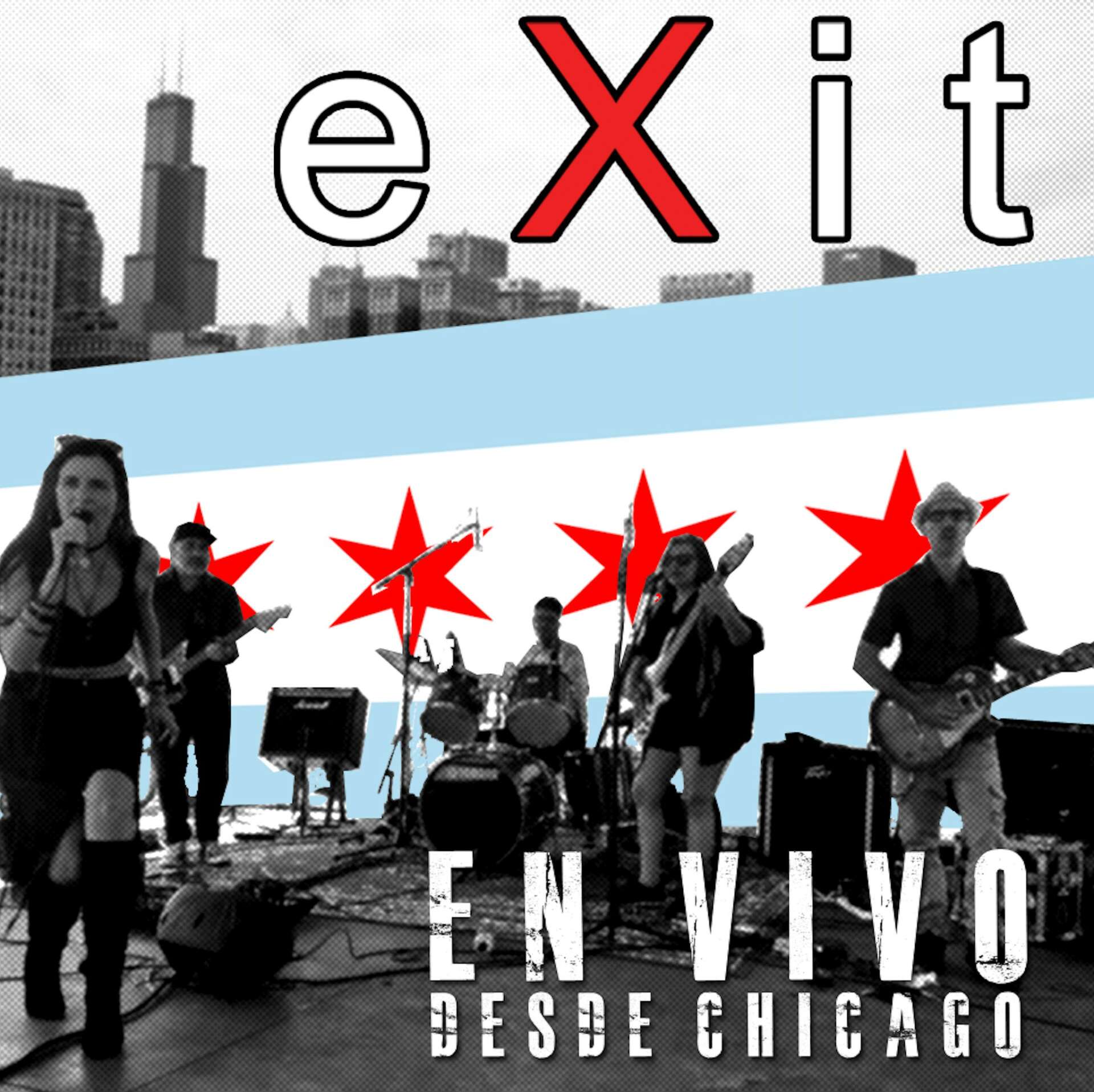
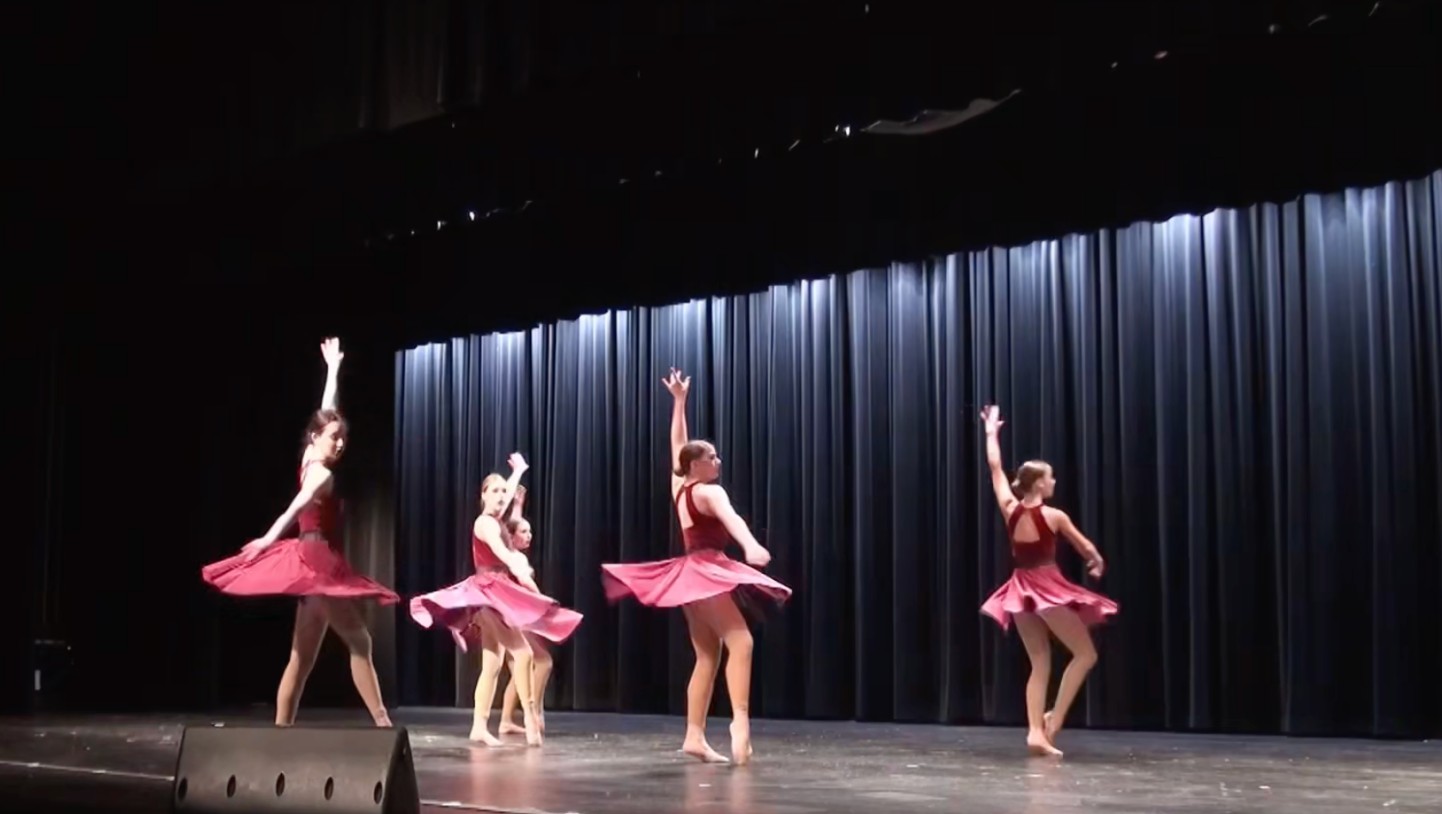
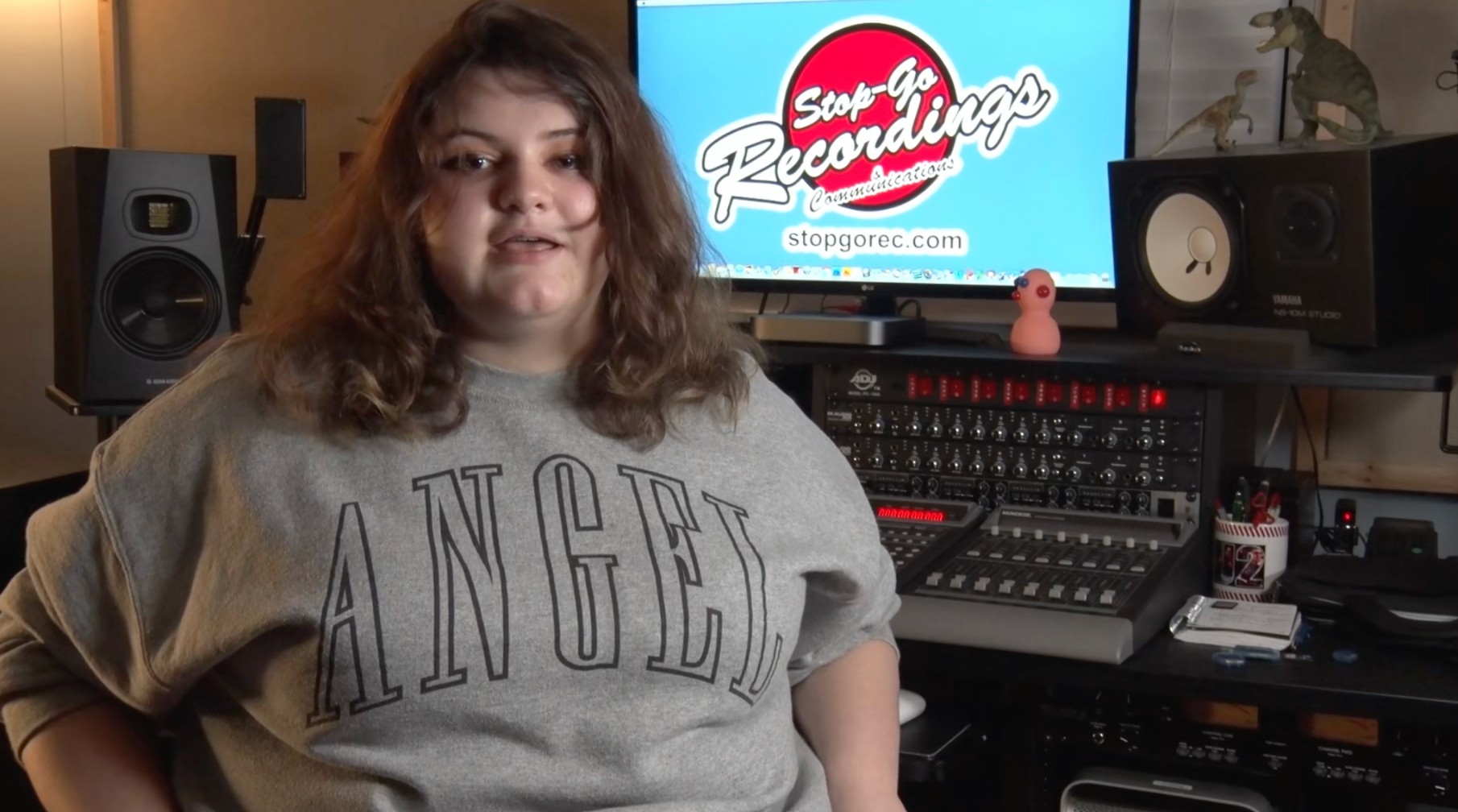
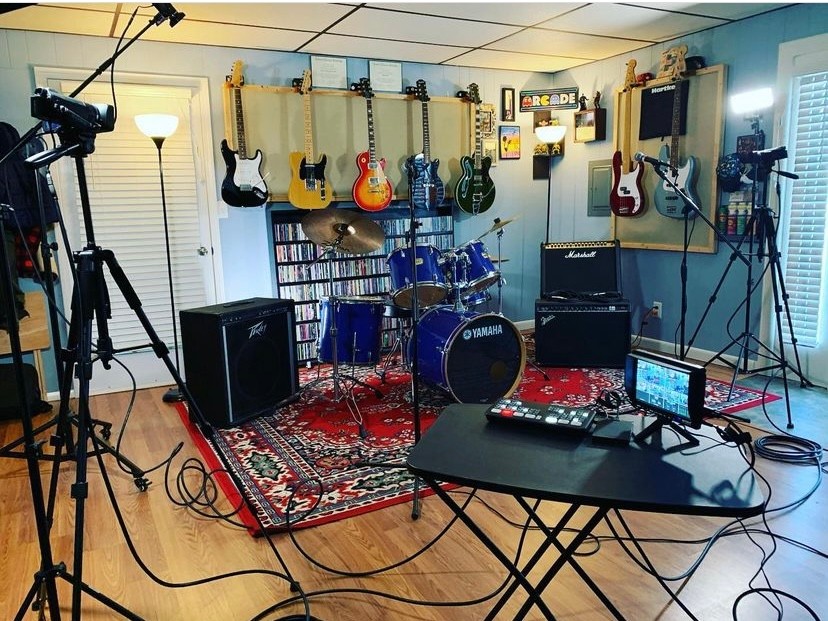
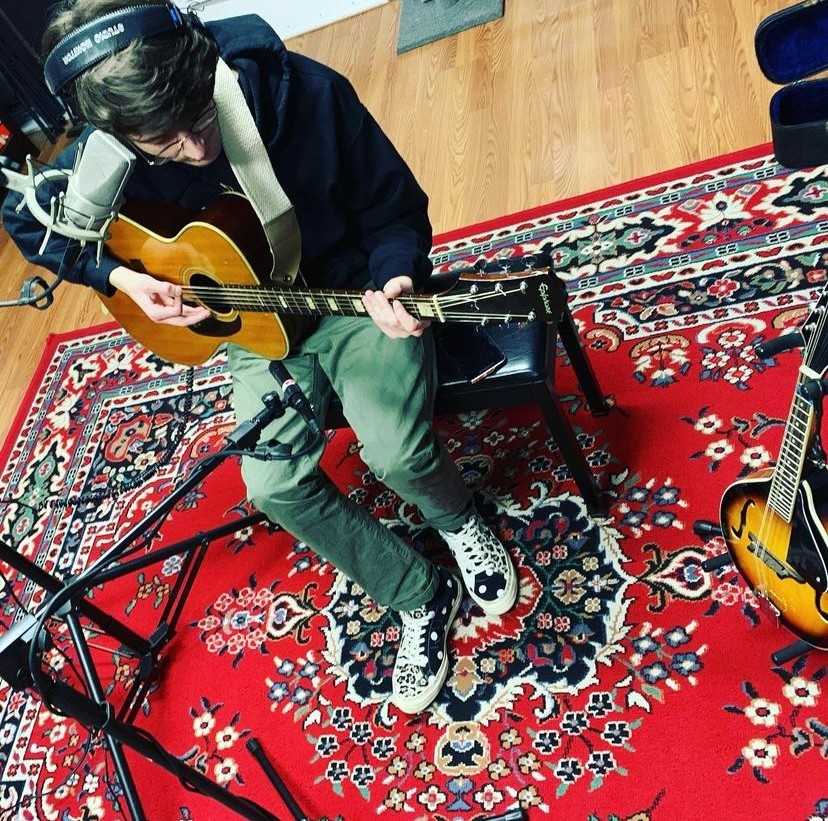
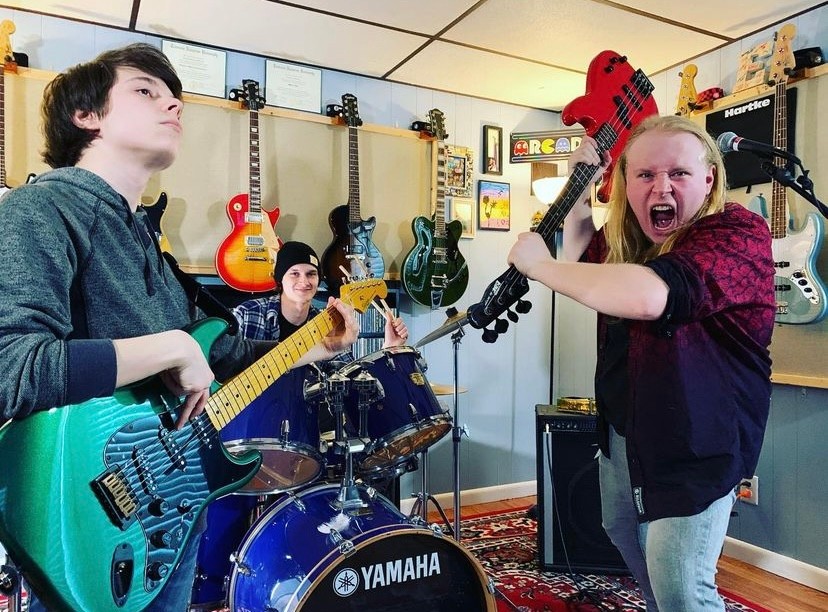
After a few years of doing smaller projects, I started Stop-Go Recordings (now Liminal Media) in 2013, with a desire to serve musicians by providing a one-stop for their creative processes. Since its inception, I have offered recording and production services in the studio and remotely, as well as graphic services. More recently, I added video production services and have been making music videos, as well as recording live performances of musicians and other stage acts.
What sets my business apart is its mobile capability and my personal intentionality in providing the best service with my clients’ best interest in mind. I am not in this business to get rich, but to allow others to see their ideas materialized in a way that makes them feel proud and accomplished.
Have you ever had to pivot?
There have been many instances over the past decade or so when I had to make drastic changes.
My wife had to make significant adjustments in her career early in our marriage, so between 2012 and 2017 we lived in Kansas City, MO; Gadsden, AL; went back to Nashville, TN; and finally settled in Valparaiso, IN, which is part of the Chicagoland area. Each time we relocated meant starting from scratch with my business (except for some of my remote clients, who could still send me their tracks and projects through the cloud).
The latest pivot I had to make came in 2020 with the pandemic and the fact that my son, Jude, was born in March of that year. I had very little commercial activity during that time, and as the economy began to open up again I found myself needed as a stay-at-home parent.
These days we have childcare three times a week, so I’m juggling the roles of father, husband, and producer.
Can you share your view on NFTs? (Note: this is for education/entertainment purposes only, readers should not construe this as advice)
I believe NFTs are the future in many areas of commercial art. I especially see how they can be a profitable source of income for musicians who could release their projects in this format, earning royalties ad-infinitum from posterior sales–something that couldn’t be said about the aftermarket sales of CDs/records and certainly not a possibility with digital distribution.
However, I think cryptocurrencies need regulation since their volatility makes NFTs a risky investment at the moment.
Contact Info:
- Website: https://liminalmediallc.com
- Instagram: https://www.instagram.com/liminalmediallc/
- Facebook: https://www.facebook.com/liminalmediallc/
- Linkedin: https://www.linkedin.com/in/ed-brussa-a7713816/
- Twitter: https://twitter.com/liminalmediallc
- Youtube: https://www.youtube.com/@liminalmediallc
- Other: All Music: https://www.allmusic.com/artist/ed-brussa-mn0003283597 Discogs: https://www.discogs.com/artist/3966846-Ed-Brussa
Image Credits
Ed Brussa, Melissa Brussa