
We were lucky to catch up with Echo Tang recently and have shared our conversation below.
Echo , looking forward to hearing all of your stories today. Let’s jump back to the first dollar you earned as a creative? What can you share with us about how it happened?
Earning my first dollar as a creative was a transformative experience, both challenging and exhilarating. It came from a project I undertook for an independent artist’s solo exhibition at The Kitchen in Chelsea, NYC. The show explored themes of Black liberation and womanist praxis, and I was tasked with integrating AR technology to the artist’s painted work to add extra layer of interactivity. Collaborating closely with the studio commissioning the pieces, I found myself at the intersection of art and technology, a junction fraught with both opportunities and obstacles.
Fresh out of school, the project was daunting. I had to ensure the technology could handle hundreds of viewers over three days, work within a tight budget, and adapt my academic skills to practical, real-world applications—all without the backing of commercial tools taught in academics. Despite these challenges, the exhibition’s success was profoundly rewarding. Watching people engage with and record their interactions with my work was indescribable and validated my career choice.
This first paycheck symbolized more than just money—it was a confirmation of my potential and a profound motivator. It reinforced my belief in the path I had chosen, one where I could contribute to meaningful artistic expressions through technology.
Echo , before we move on to more of these sorts of questions, can you take some time to bring our readers up to speed on you and what you do?
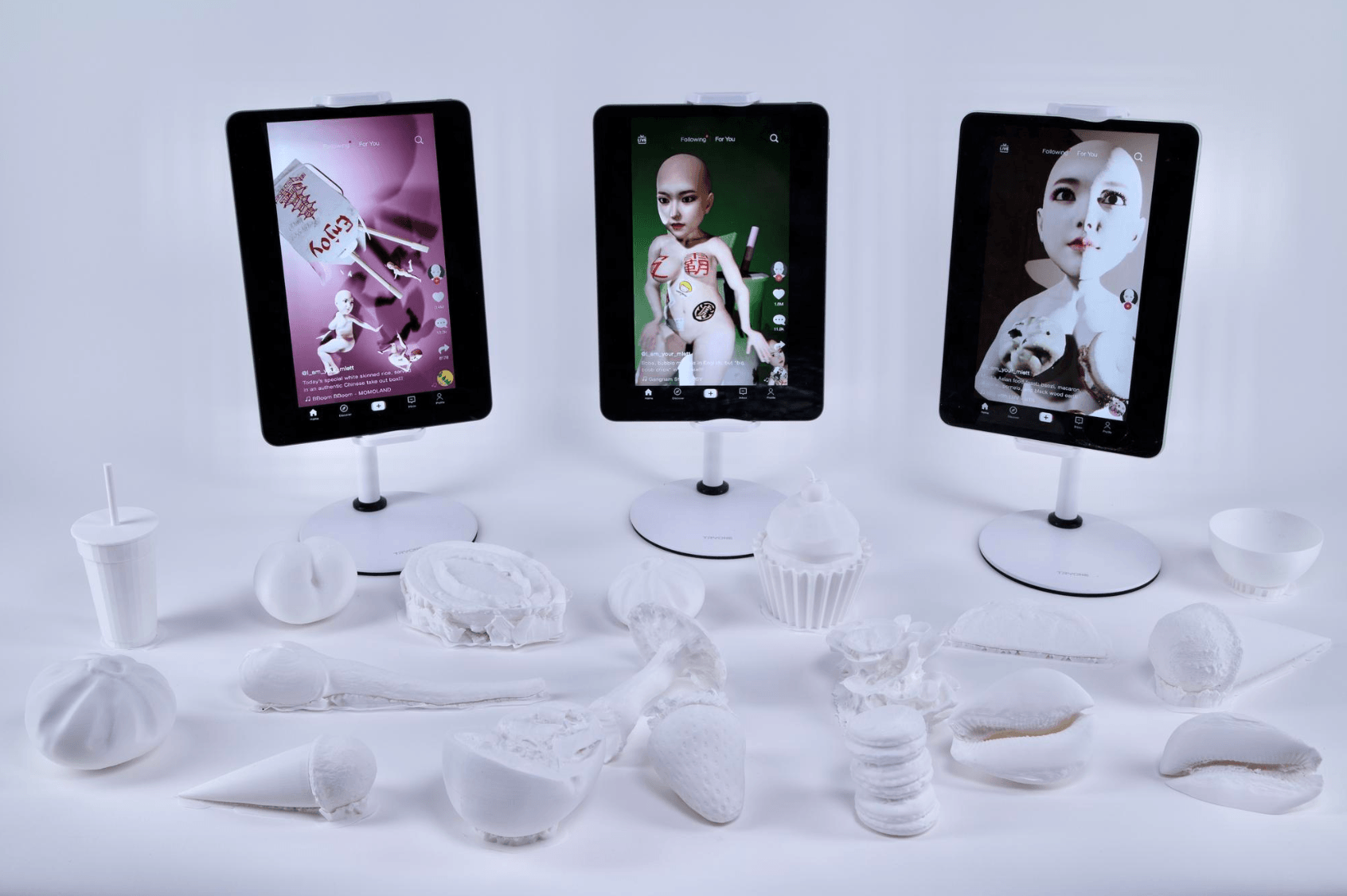
Growing up chronologically with the modernization of media as TV, personal computer, smartphone, and VR headset, I research, practice and pursue projects on how our body & mind are jarred, unhinged, and sculptured under the context of techno-pop culture, usually with the intervention of feminism as a decolonial tool. My practice topics always circle back to these multiple dual diasporas: being raised in Canton in a immigration family but educated in the West; facing male gaze from Asia and white gaze from the West; residing in a yellow female body both physically and digitally.
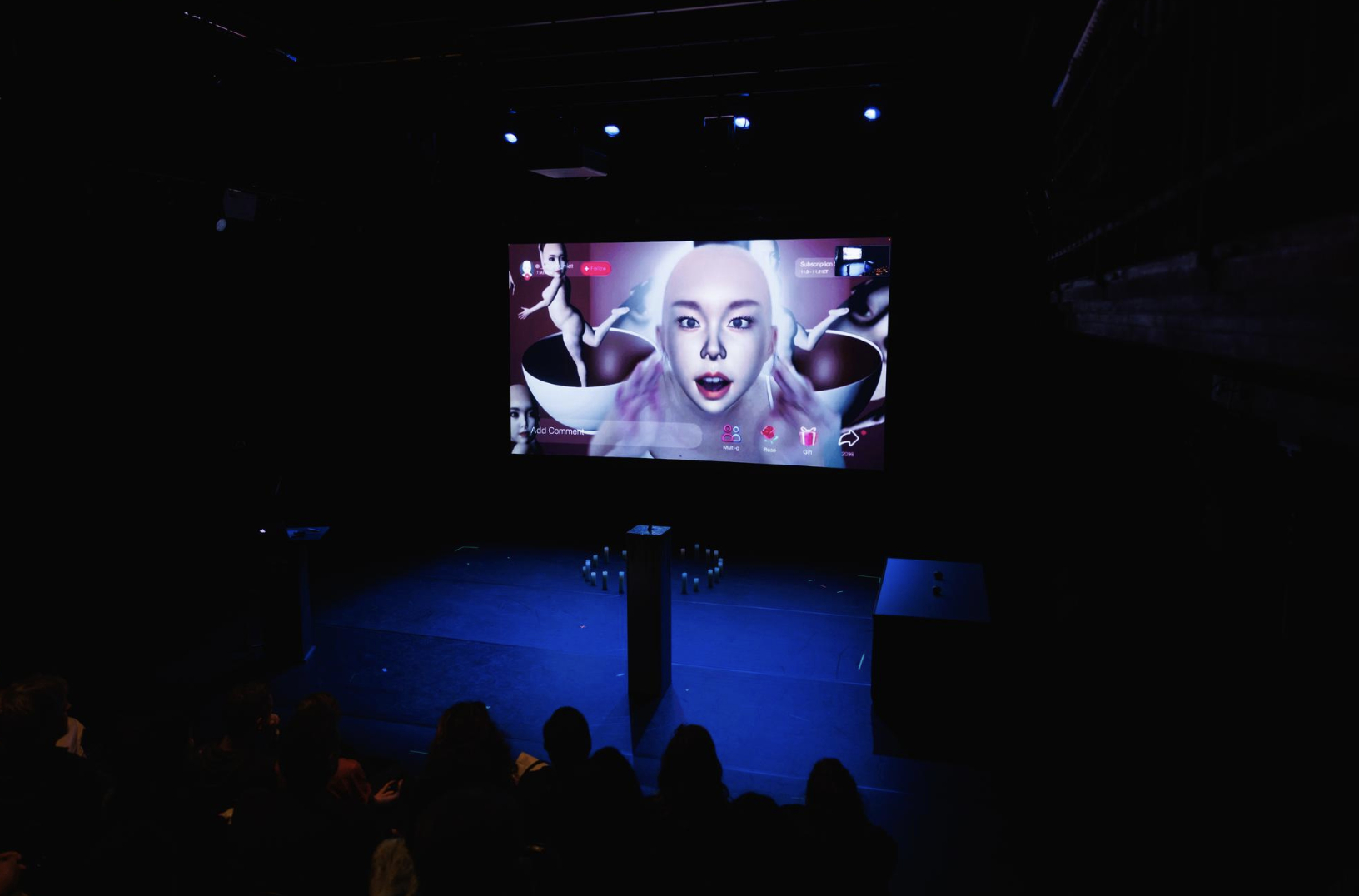
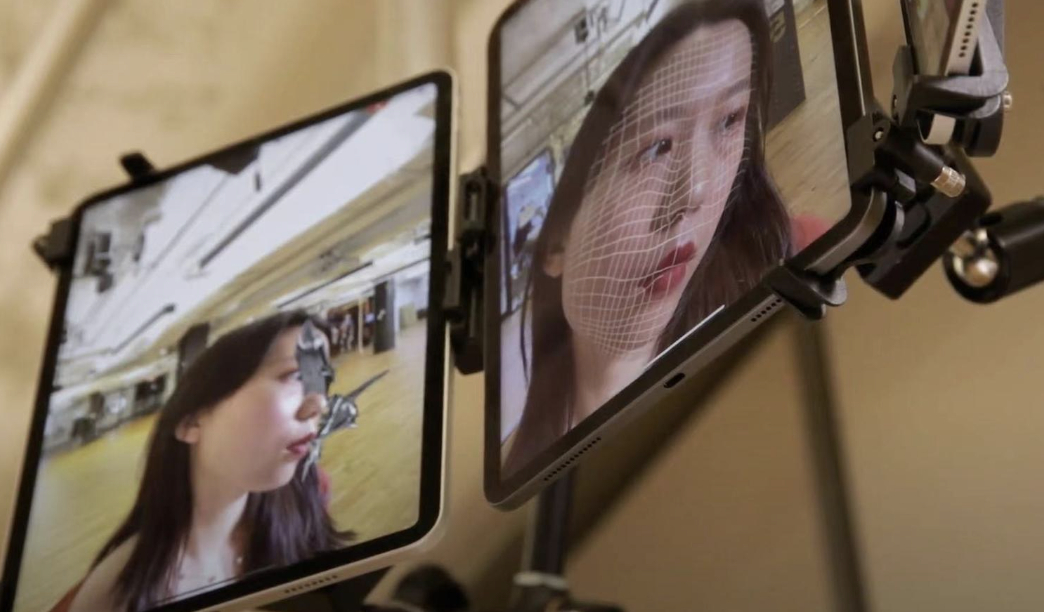
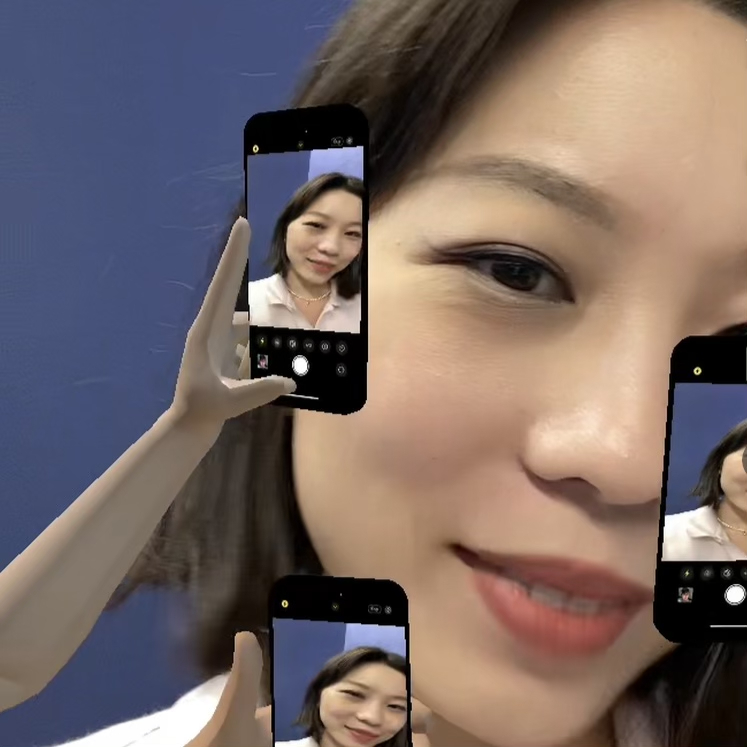
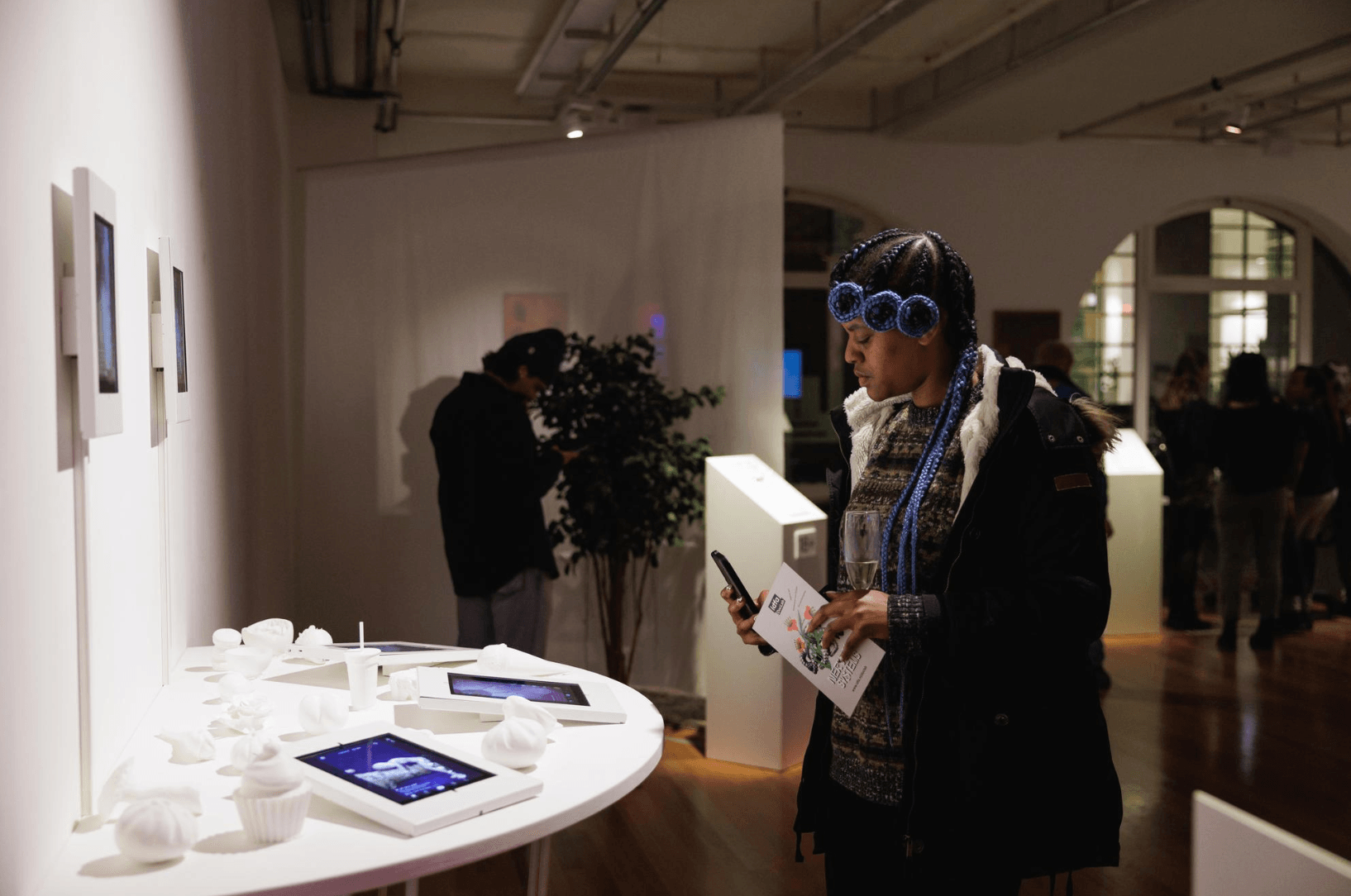
I’m especially interested in installations comprise of body capturing and interactive feedback loops, using a variety techniques including projection mapping, Kinect/LeapMotion/WebCamArduino, AR/3D, and now AI.
Now based in the San Francisco Bay Area, I am currently a creative AR + AI engineer focusing on integrating LLM and GenAI models into gaming and other artistic practices to further expand my creative horizons.
Is there mission driving your creative journey?
The driving mission behind my creative journey is to craft works that resonate with the spirit of our era, capturing the essence of contemporary media, motifs, and narrative styles. Inspired by my all-time favorite artist, Nam June Paik, who immortalized the 60s art movement through his pioneering TV installations and video art, I aim to create what I call “fossils for the future.” My goal is to document the prevalent technologies, representations of the body, and artistic methodologies of my time. Embracing cutting-edge technology and innovative approaches, I strive to make the choice of medium and technique an integral part of the narrative, celebrated for its immediate relevance and impact. This curiosity extends to exploring how our physical and mental states not only influence current issues but also reflect back upon us, continually shaping my creative practice.
Is there something you think non-creatives will struggle to understand about your journey as a creative?
Choosing a creative career doesn’t imply that creativity dominates every aspect of daily life. Contrary to the common belief that creatives primarily contribute value during brainstorming and the initial ideation phases, conceiving an idea actually represents just a small fraction of the entire process. The real challenge often lies in the hands-on production that follows; this is where the bulk of the work—and the difficulty—resides.
Moreover, being a creative isn’t always about experiencing constant inspiration or having sparks fly. Much like any other job, the day-to-day can be quite mundane. Yet, it is precisely those less inspiring moments that are crucial, helping you persist and push through to achieve creative outcomes.
Additionally, being a creative involves more than just originality; it’s also about creatively solving problems. Creatives frequently encounter unique challenges—these are the murky waters of our field. Successfully navigating these challenges means you are actively engaging with the core of creative work. It’s the capability to be inventive not only during ideation but also while crafting solutions that truly defines the day-to-day life of a creative.
Contact Info:
- Instagram: https://www.instagram.com/echobalaja_/
- Linkedin: https://www.linkedin.com/in/echo-xuan-tang-1509941bb/