



We recently connected with Dylan Lei and have shared our conversation below.
Alright, Dylan thanks for taking the time to share your stories and insights with us today. Let’s start with a story that highlights an important way in which your brand diverges from the industry standard.
The independent film distribution industry is kinda “traditional” —it almost feels ‘classical’ in how it operates. Most indie filmmakers submit their work to distributors, who then assess its chances of getting into top-tier festivals or markets. They might cherry-pick a handful, maybe dozens at most a year, and leverage their personal connections with festival programmers or curators to push those films forward.
The thing is, film art is inherently subjective, which means this industry still runs heavily on relationships. Every year, incredible indie films are made globally, but maybe fewer than 50 truly break through at respected platforms like Cannes, Berlinale, Sundance, Rotterdam, or Busan. That’s why we need innovation: quantified distribution.
Here’s how I do it: we compile objective, measurable data for each film—submission requirements, runtime, fees, deadlines, premiere restrictions—and analyze historical data from festivals: acceptance rates per category, average runtime of selected films, genres, countries of origin, and so on. By giving filmmakers this consolidated data, they won’t have to manually sift through endless festival websites packed with fluff like mission statements, legacy narratives, or donation pitches.
This would slash the time distributors waste on research, reduce service fees and turnaround times, and let more indie films actually enjoy the submission process instead of drowning in logistics.
What’s powerful about this ‘quantified distribution’ approach is it doesn’t just match films to festivals based on objective criteria—like runtime or premiere status—while sidestepping subjective quality debates. Because my model keeps festival selection cheap (both financially and timly)and data-driven, while intentionally leaving the final curation power—the art of choosing what resonates—exactly where it belongs: with the festival programmers themselves. More importantly, it creates a self-service channel for indie filmmakers who can’t afford steep distribution fees or whose work might slip under traditional distributors’ radars.
With this tool, it’s not just the usual 50 to 100 ‘top-tier’ films getting festival runs. We’re talking about a much wider pool—quirky passion projects, micro-budget films, even student work—all getting real opportunities.
And here’s the kicker: while only a dozen or two festivals dominate the headlines, there are actually over 18,000 festivals worldwide that accept online submissions. Imagine a film with niche themes, rough edges, or shoestring production values—instead of fixating on Cannes or Sundance, creators could pinpoint festivals tailored to their exact vibe. This democratizes access, letting films find their audience, not just chase prestige.
Awesome – so before we get into the rest of our questions, can you briefly introduce yourself to our readers.
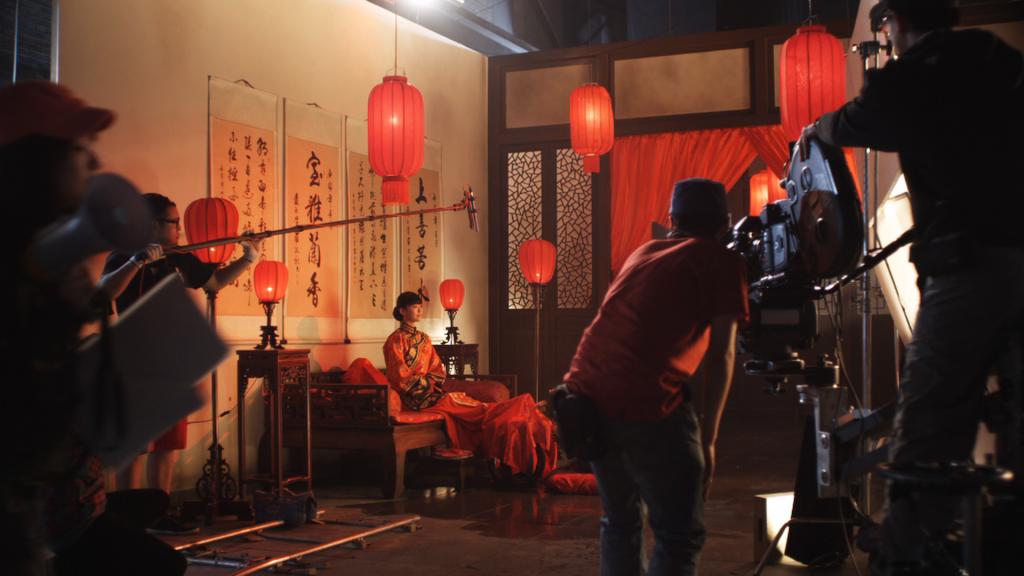
I stumbled into the festival distribution business almost by accident. What struck me immediately was how mismatched today’s film distribution models are with the realities indie creators face.
Let me give you an example: in film schools, professors might ask students to research festivals and distributors, but the options they’re exposed to are painfully limited. I’d bet most people—even most film students—may can’t name more than 15 festivals off the top of their head without searching on the internet. Because they can only name top 5 giants with over 90% of the spotlight and 5 local film festivals at most! Many still confuse academy awards with film festivals—like thinking to compare Oscars and Cannes because they think they are both film festival!
But even Europe’s most iconic festivals—with all their glamorous reputations— financial flow that would barely register in other industries. And if we set aside cultural impact for a moment, the ‘industry ceiling’ indie filmmakers idolize sits surprisingly low in the grand economic ecosystem.
Here’s the thing about indie film culture, especially in China where I’ve worked closely: many artists and creators have this almost monastic-like approach to their craft. There’s a deep-seated skepticism—even indifference—toward concepts like ‘tech integration,’ ‘data-driven,’ ‘client’s demands’ or ‘profitable.’ To them, these words reek of soulless commercialism, the antithesis of ‘pure art.’
The irony? While every other industry is racing to blend cutting-edge tech with user needs, indie film still clings to ultra-low budgets, unconventional workflows, and the dream of someday standing on Cannes’ red carpet to keep the industry. It’s a survival mode fueled by passion but starved of sustainable infrastructure.
What this ecosystem needs is a jolt of fresh energy—a broader market perspective. Imagine if filmmakers could see tangible returns, even modest profits, from festival runs. Suddenly, you’d attract new talent, retain veterans who is about to flee to commercial gigs, and create a self-sustaining cycle where better resources lead to bolder, higher-quality films. That’s the future we should be chasing.
Here’s the paradox that drives me: our industry’s sky-high cultural prestige coexists with shockingly limited market reach. That disconnect is exactly why I’m pushing to expand into broader—even grassroots—markets. Think beyond the red carpets: what if indie films could thrive in regional festivals, niche communities, or digital platforms hungry for authentic storytelling?
By democratizing access through tools like quantified submissions, we’re not just serving the auteurs chasing Cannes glory. We’re empowering creators in smaller cities, student filmmakers, even rural storytellers to connect with audiences who’d never set foot in a arthouse cinema.
True sustainability for indie film isn’t about clinging to elite validation—it’s about building ecosystems where diverse voices find their people, their revenue streams, and yes, their joy in the craft. That’s how we turn prestige into lasting impact.
How do you keep in touch with clients and foster brand loyalty?
I might be the few people in indie film who treats clients like actual clients, lol. In this industry, people often work for free or credits. Why? Because newcomers need credits and experience as currency to survive here. It’s a world where effort rarely matches reward.
In China’s indie scene, everyone calls each other ‘Teacher’—the cinematographer is ‘Teacher,’ the director is ‘Teacher,’ the PA is ‘Teacher’ the driver is ‘Teacher.’ It’s this culture of humble learning, so despite being a distributor, I’ve somehow become ‘Teacher’ to many too.
But here’s my twist: I don’t do scarcity tactics. I make sure clients see their own worth: their time matters, their films matter, and the fees they pay me? Those matter even more. I’m not ‘teaching’ them industry secrets or handing out favors—I’m delivering a service they’ve rightfully paid for. No charity, just clear value.
Is there mission driving your creative journey?
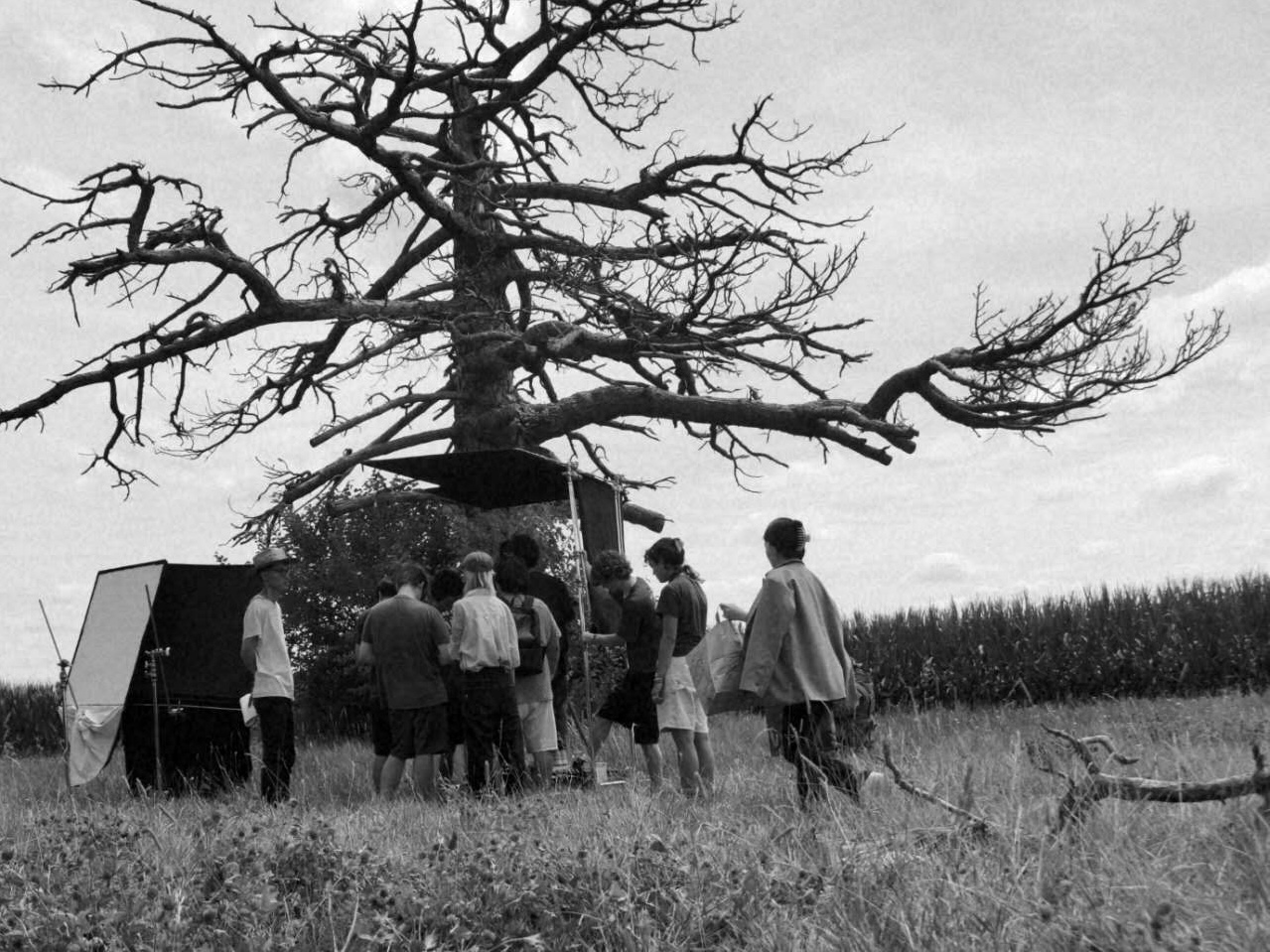
Let me hit you with a theory I’ve wrestled with: If an indie filmmaker creates a 10/10 artistic masterpiece but has to quit the industry due to burnout or financial ruin—versus making an 8/10 film that earns just enough credibility or cash to fuel their next project—which path truly serves art? Which one sabotages it?
I’ll always back the latter. Because art isn’t a martyrdom contest. A filmmaker surviving on steady work—even imperfect work—can evolve their craft for decades. But a ‘pure’ artist forced into early retirement? That’s not a triumph. That’s a system failing its creators.
Contact Info:
- Instagram: https://www.instagram.com/dylan_distribution?igsh=MTVpNGMwdDY1bTFwbA==
- Linkedin: https://www.linkedin.com/in/dylan-lei-6ab697169/?locale=en_US