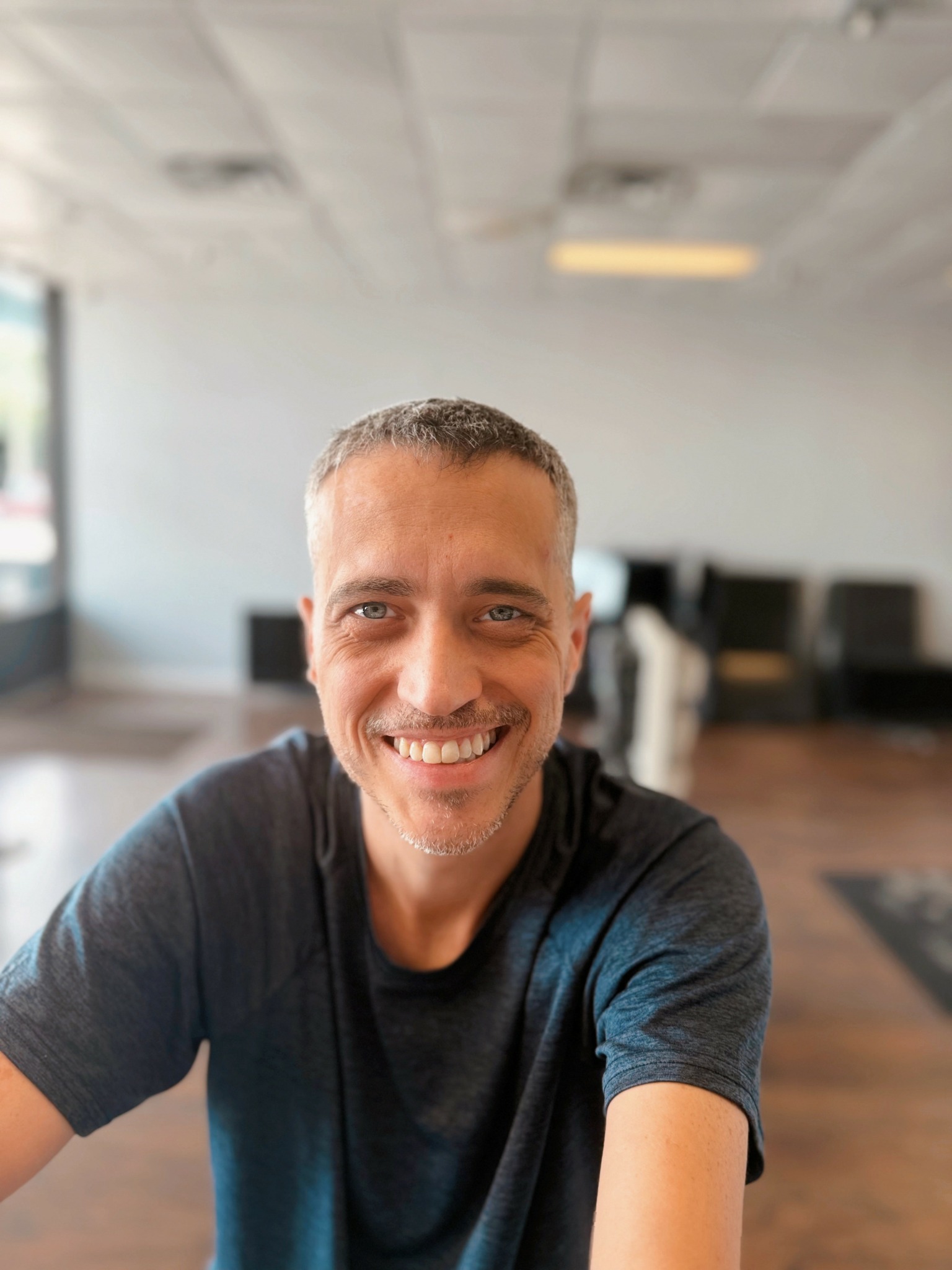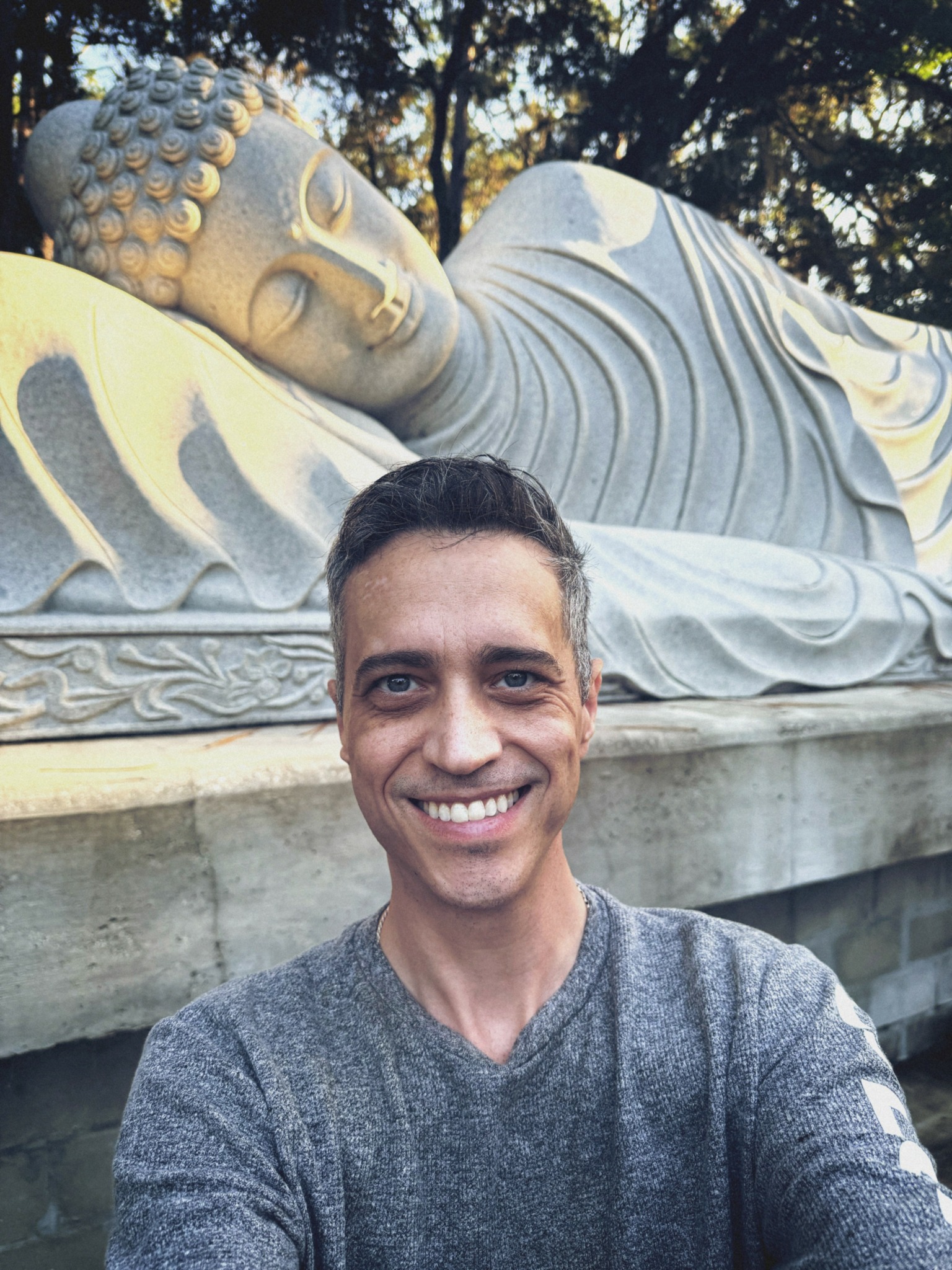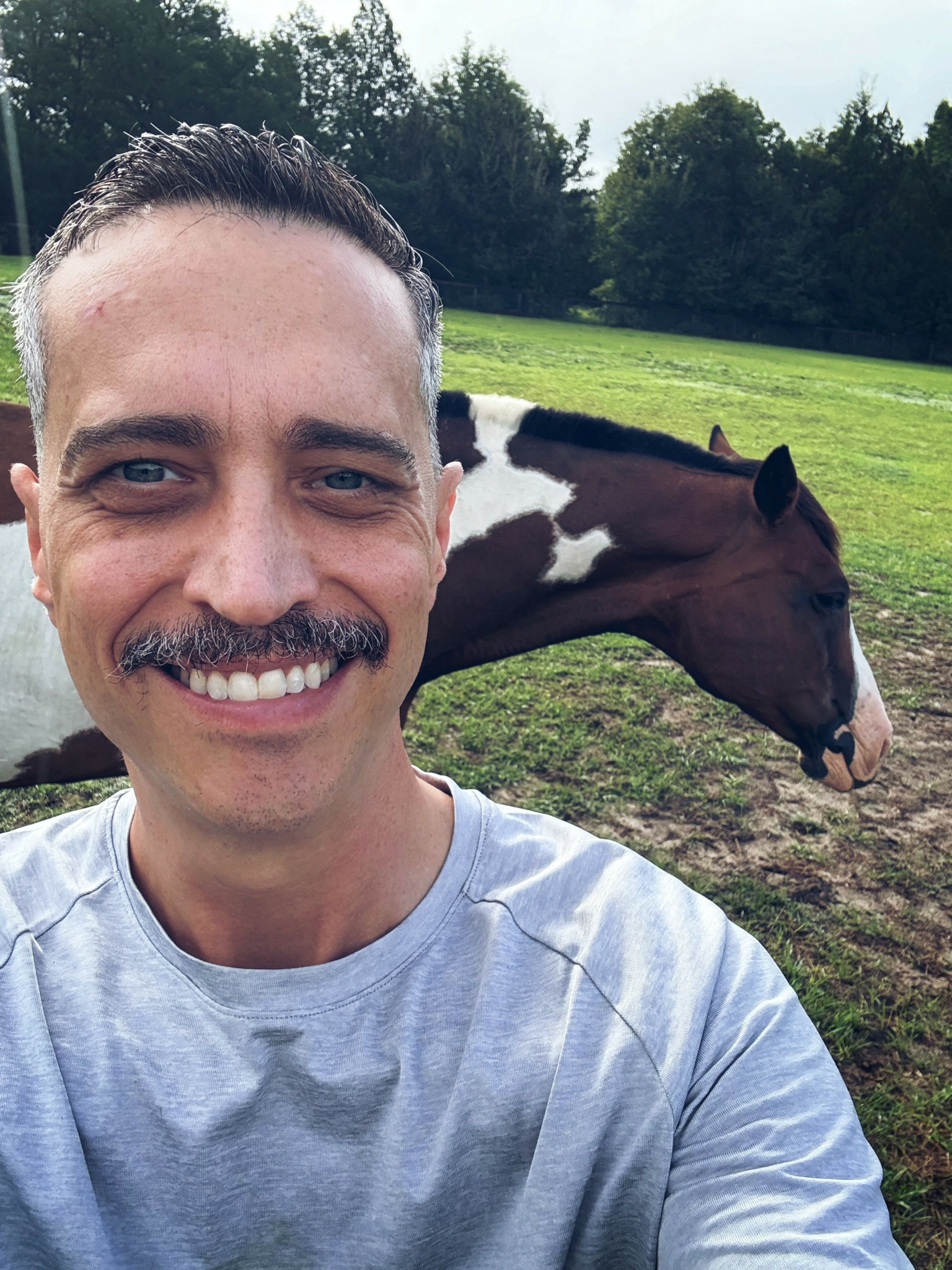

We’re excited to introduce you to the always interesting and insightful Dustin Terry. We hope you’ll enjoy our conversation with Dustin below.
Dustin, thanks for taking the time to share your stories with us today We’d love to have you retell us the story behind how you came up with the idea for your business, I think our audience would really enjoy hearing the backstory.
The idea for TheColdCases.com didn’t arrive in one dramatic moment—it grew slowly out of a mix of personal experience, frustration with the system, and a very real desire to create something meaningful that could outlast me.
For most of my life, I’ve been someone who pays attention to people who slip through the cracks. Part of that comes from my own background—growing up without a steady support system, serving in the military, working in mental health, and later spending years studying human behavior. I always understood what it felt like to be unheard, overlooked, or forgotten. And the more I learned about true crime and missing-person cases, the more I saw that entire families lived in that feeling every day.
The spark actually hit me in a quiet moment. I was sitting in a Gainesville coffee shop, scrolling through yet another heartbreaking case of a missing person with barely a paragraph of media coverage. Meanwhile, sensationalized stories were getting millions of views. It felt deeply wrong that who gets attention seems to depend on luck, virality, or beauty—not need, urgency, or justice.
I remember thinking: “Why doesn’t anyone build a platform that treats every case with the seriousness it deserves?”
That was the moment TheColdCases.com was born.
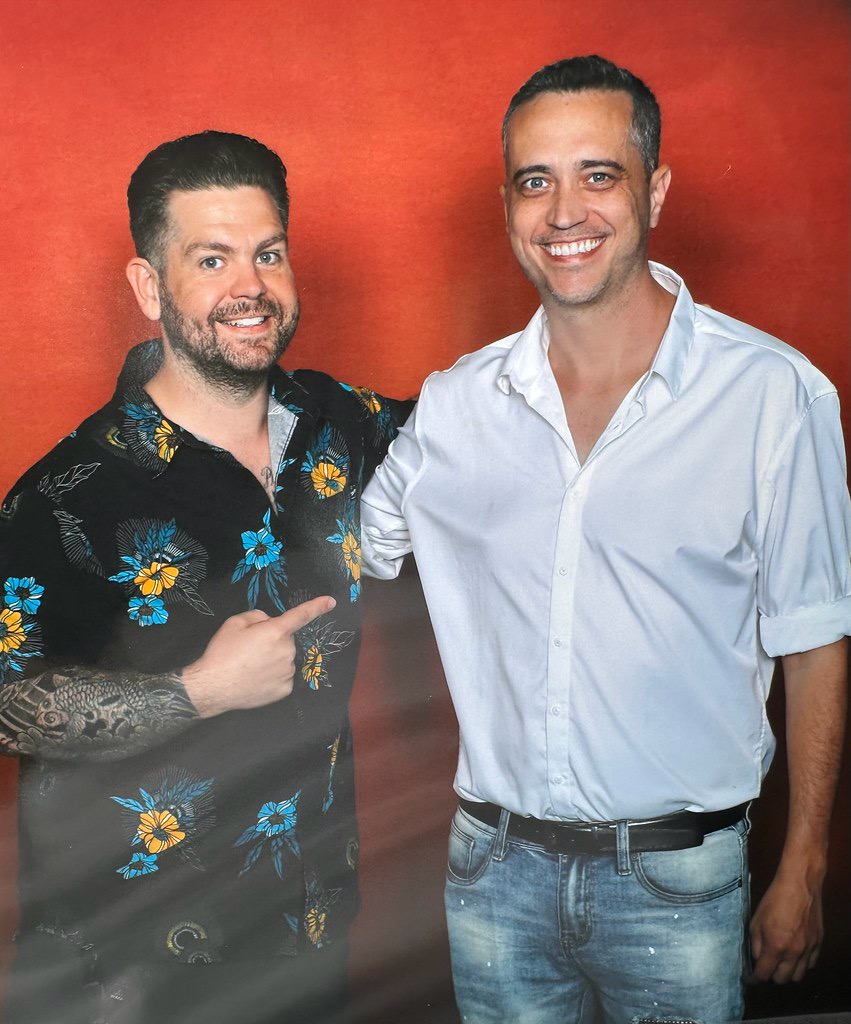
As always, we appreciate you sharing your insights and we’ve got a few more questions for you, but before we get to all of that can you take a minute to introduce yourself and give our readers some of your back background and context?
I’m the founder of TheColdCases.com, a true-crime journalism brand dedicated to giving long-term attention to unsolved cases, missing persons, and forgotten victims. I got into this work after years in mental health, human-behavior psychology, and journalism, where I saw firsthand how many families struggle to get consistent media coverage or even basic awareness for their loved ones.
At TheColdCases.com, I produce in-depth investigative articles, long-form cold case features, community-driven reporting, and a growing true-crime podcast. Everything is built around one mission: to keep these stories alive long after the headlines fade.
What sets me apart is that I combine professional storytelling with marketing strategy, digital media, and community advocacy. I’m not chasing shock value—I’m building a platform centered on compassion, accuracy, and long-term visibility so families don’t feel forgotten. Because of this approach, the site now reaches hundreds of thousands of people and continues to grow rapidly.
I’m most proud that this brand didn’t come from a corporation—it started at a small table in a Gainesville coffee shop and has become a meaningful resource for families and readers across the country. If there’s one thing I want people to know, it’s that TheColdCases.com is more than content. It’s a mission to restore dignity, attention, and hope to cases that deserve answers.
Have you ever had to pivot?
One of the biggest pivots in my life came when I realized I was neurodivergent and that the traditional structure of the mental health field—especially strict timesheets and productivity quotas—wasn’t sustainable for me. I loved the work, I loved helping people, but the environment wasn’t built for how my mind works. Instead of seeing that as a limitation, I took it as direction.
I pivoted by creating something that did fit me: a mission-driven media platform where I could use my strengths—research, storytelling, empathy, and deep focus—to help people in a different way. That’s how TheColdCases.com was born. I could still serve, still advocate, still amplify unheard voices, but in a way that honored how I function best.
What felt like a setback ended up becoming the most important turning point of my career. It pushed me to build a business that aligns with who I am, not who I was trying to force myself to be. And because of that, the work is stronger, more authentic, and sustaining a purpose I’m proud of every day.
Learning and unlearning are both critical parts of growth – can you share a story of a time when you had to unlearn a lesson?
A major lesson I had to unlearn was the instinct to default to negative thinking. Growing up around domestic violence and later serving in the military, I was conditioned to scan for danger and expect the worst. That mindset kept me alive in certain environments, but it didn’t serve me in building a business or a creative life.
The backstory is simple: for years, my brain treated every challenge like a threat. I had to realize that survival mode isn’t a personality trait—it’s a response to trauma. So today, I challenge myself constantly to not let those old patterns run my life. I practice reframing, grounding, and reminding myself that things can go right, not just wrong.
Unlearning that negativity has been one of the most powerful shifts in my personal and professional growth. It didn’t just make me healthier—it made me a better creator, leader, and storyteller.
Contact Info:
- Website: https://www.thecoldcases.com
- Linkedin: https://www.linkedin.com/in/dustin-terry-384894353/
- Youtube: https://youtube.com/@thecoldcasesonline?si=uOOKvkhJ8HeG1YaO