

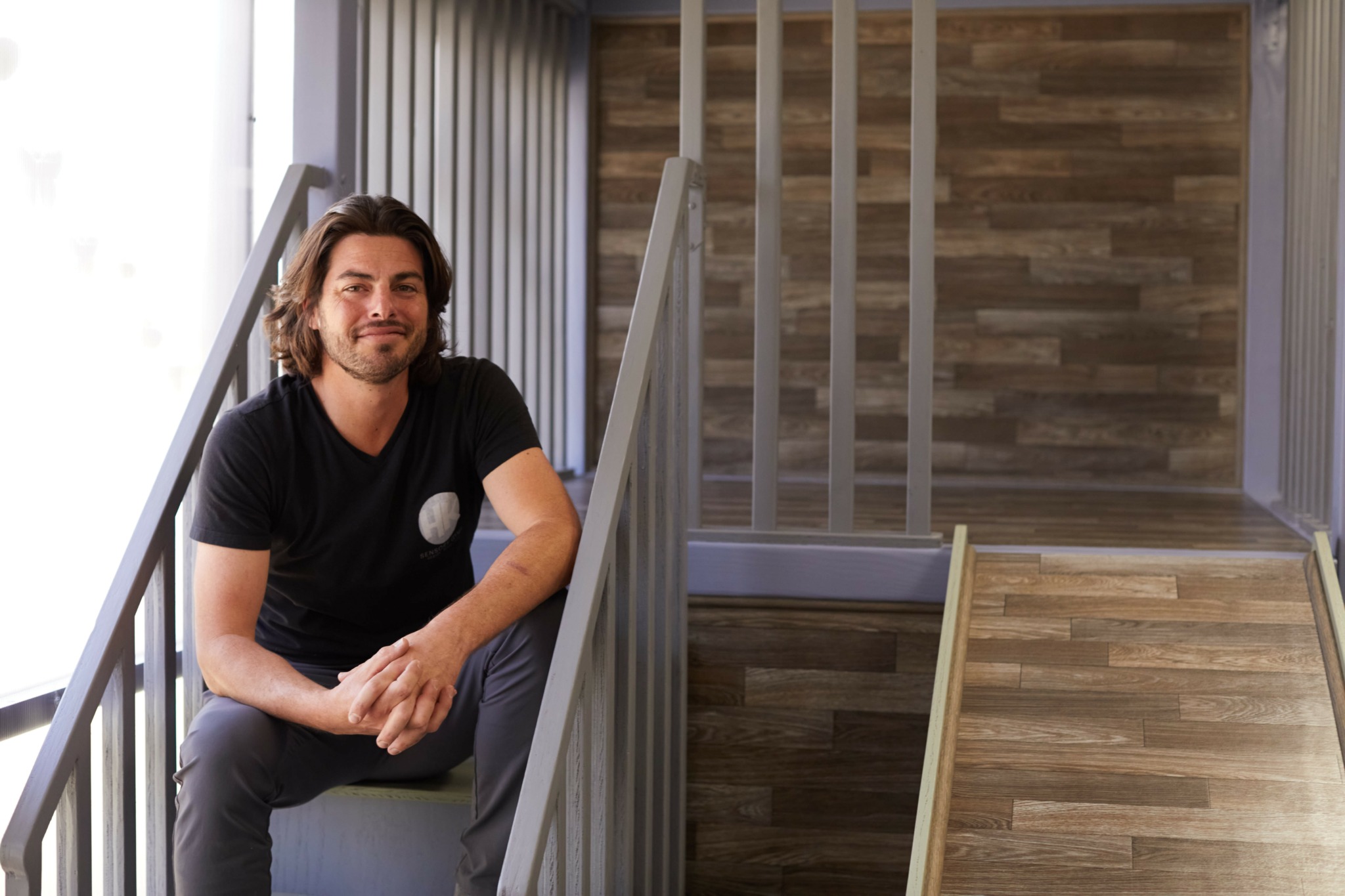

We’re excited to introduce you to the always interesting and insightful Dustin Grabiner. We hope you’ll enjoy our conversation with Dustin below.
Dustin, thanks for taking the time to share your stories with us today Let’s kick things off with talking about how you serve the underserved, because in our view this is one of the most important things the small business community does for society – by serving those who the giant corporations ignore, small business helps create a more inclusive and just world for all of us.
HK Sensory Gyms serves an underserved community of children with sensory processing issues, autism, and developmental disabilities, as well as the therapists, educators, and families who support them. With sensory challenges on the rise—many traditional therapy spaces aren’t designed to meet these kids’ unique needs.
We create custom sensory environments that help children explore and engage with their surroundings in safe, controlled ways. For example, many therapy centers we work with have basic equipment that doesn’t provide the sensory input required. By collaborating with therapists, we designed a gym that included specialized features like swings, climbing structures, and quiet zones, giving children the ability to safely explore and regulate their senses.
These spaces go beyond play; they’re therapeutic tools that help kids build motor skills, regulate emotions, and develop confidence. Our mission is to create environments where children can achieve milestones and feel safe—using our expertise in design and fabrication to support this growing community.
Dustin, before we move on to more of these sorts of questions, can you take some time to bring our readers up to speed on you and what you do?
HK Sensory Gyms was born out of a unique intersection between creativity and practicality. My background is rooted in the film and events industries, where I spent 20 years as a production designer, building intricate sets and managing complex installations. Over time, I realized that my passion for design and fabrication could be put to meaningful use beyond entertainment. This realization came when I was approached to help design a sensory gym for a small pediatric therapy center. Seeing the positive impact that a well-designed sensory environment could have on children with special needs sparked a desire to create more of these spaces. From that moment on, HK Sensory Gyms became my focus.
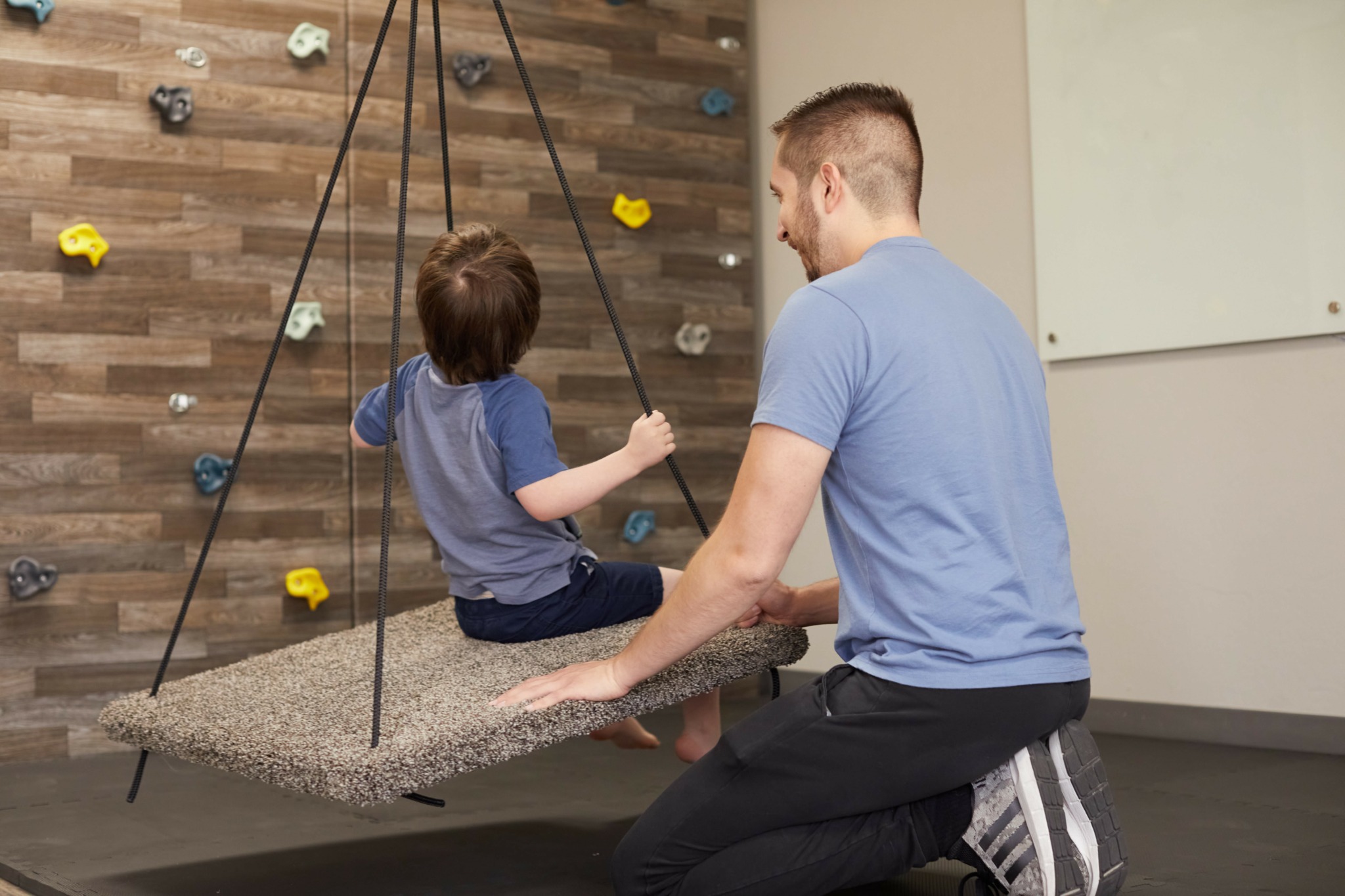
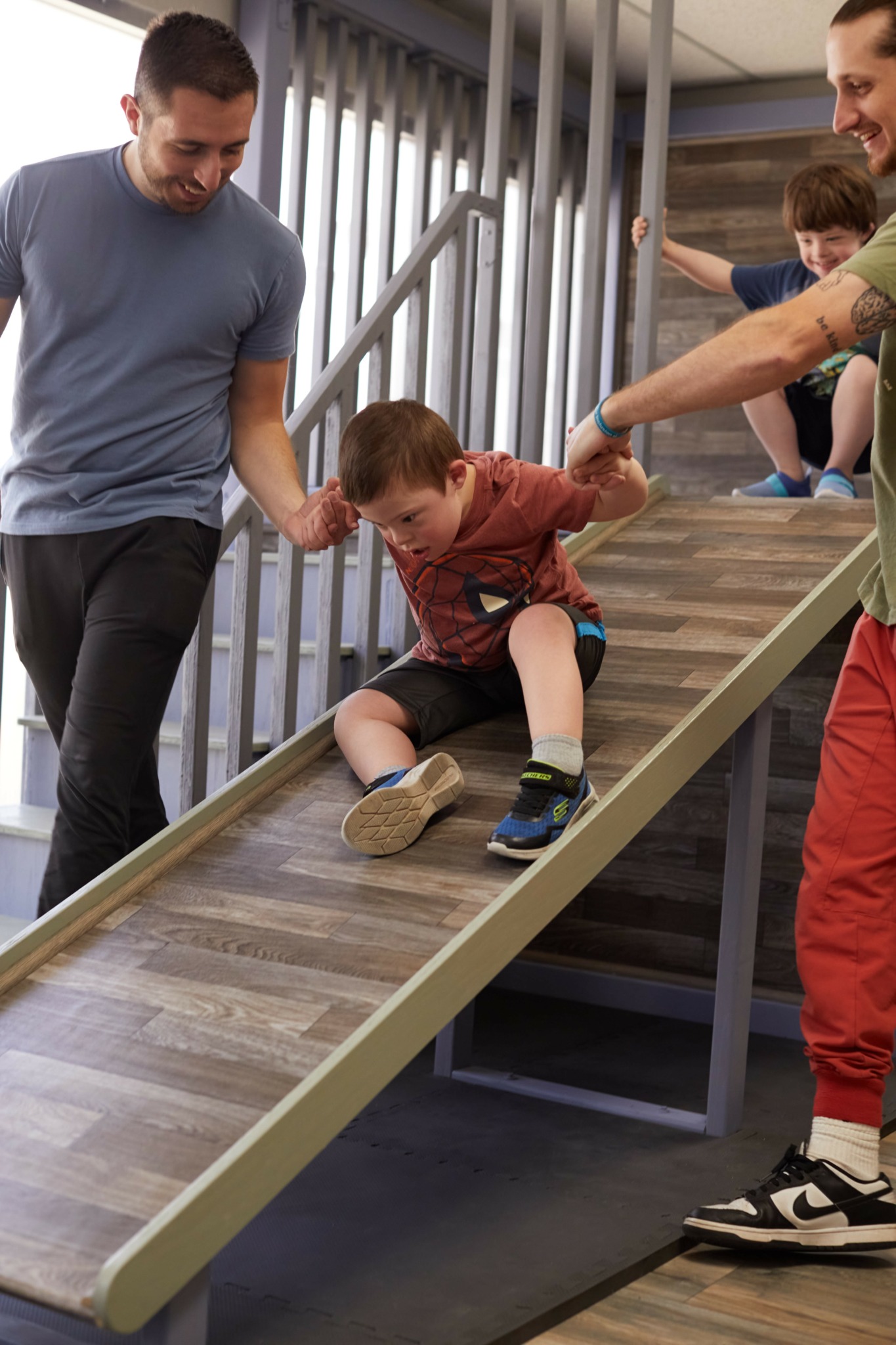
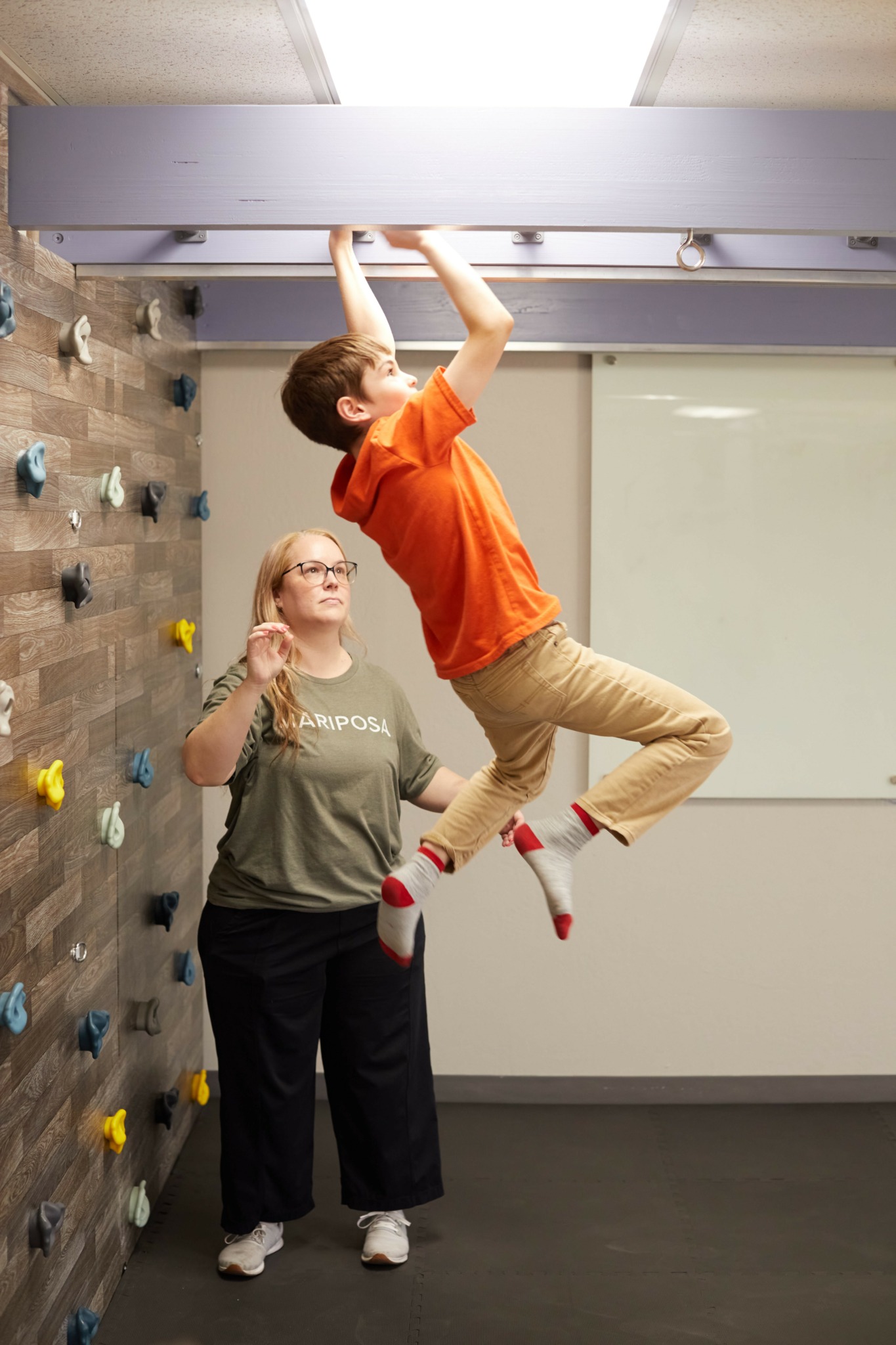
We specialize in building custom sensory gyms for pediatric therapy clinics and occupational therapy centers across the country. Our sensory gyms are not just play areas—they are therapeutic environments designed to promote developmental growth, sensory exploration, and physical therapy for children with a range of abilities. The typical equipment we offer includes climbing walls, monkey bars, slides, swings, and our newest innovation, the overhead harness system, which allows children to move around safely and independently while building strength and coordination. All of our equipment is modular and customizable to fit different spaces, ensuring that each sensory gym is unique to the needs of the therapists and children using it.
What sets us apart from others in the industry is our dedication to combining aesthetic appeal with therapeutic value. While many sensory gym manufacturers stick to primary colors and childlike designs, our gyms offer a more sophisticated, professional look that clinic owners and therapists appreciate. We use durable materials and CNC precision-cut components to ensure that each piece is not only functional but also visually cohesive and easy to maintain. Our goal is to create environments that children want to explore, while also being a place where therapists can conduct meaningful therapy sessions.
We’re also problem solvers. One of the biggest challenges our clients face is limited space and budget, so we focus on creating versatile designs that can maximize small areas without sacrificing functionality. For example, a client in Arizona needed a compact gym that could accommodate multiple types of therapy in a small room. We responded by designing a multi-level structure with integrated components like monkey bars, sensory swings, and a built-in ramp system that provided flexibility and met all their needs. This type of tailored solution is what we strive for with every project.
What I’m most proud of is our ability to innovate and adapt. We don’t just sell standard products; we work closely with each client to develop solutions that fit their unique needs. Whether it’s creating custom CNC components for a new type of play structure or engineering an entirely new product, our focus is on pushing the boundaries of what a sensory gym can be. Each gym we build is a new opportunity to bring a creative solution to life.
Ultimately, I want potential clients and partners to know that we are more than just builders—we’re collaborators in creating spaces that inspire children to grow, explore, and thrive. Our work is driven by a desire to support therapists, empower children, and make a lasting impact in the communities we serve. We’re committed to building high-quality sensory gyms that are not only functional and safe but also reflect the care and professionalism of the clinics they’re installed in.
Have you ever had to pivot?
One of the most significant pivots in my career came when I transitioned from the film and advertising industry to launching HK Sensory Gyms. For over 20 years, I worked as a production designer, creating elaborate sets for commercials and events. It was fast-paced, creative, and challenging work, but I wanted to build something that would have a more lasting impact. That’s when an unexpected opportunity came my way.
A friend in the occupational therapy field approached me about building a sensory gym for a small clinic. At the time, I knew very little about sensory gyms or the therapy world, but I saw an opportunity to use my fabrication skills to create something meaningful. I took on the project, learning everything I could about sensory integration, therapy equipment, and how children use these spaces to build strength, coordination, and confidence.
That first gym was a revelation. Seeing how the equipment I built could help kids develop skills and seeing the joy it brought to therapists and families was deeply rewarding. It felt different from any other project I’d worked on. I knew then that I wanted to make this a full-time venture, but it wasn’t an easy shift. I had to step away from a well-established career in the film industry and start from scratch in an unfamiliar field. There were financial risks, uncertainty, and a steep learning curve, but I was determined to pivot and build something new.
Initially, the business was more passion-driven than profit-driven. I was doing everything by hand, which made it hard to scale and price competitively. The real turning point came when I realized I needed to shift my focus from being just a custom builder to being a business owner. And that has been an education all on its own.
When I first started designing and building sensory gyms, I approached it much like my work as a production designer—creating one-of-a-kind pieces using traditional tools and fabrication techniques. However, as the demand for our sensory gyms grew, I realized that hand-building every component wasn’t sustainable. I needed a way to replicate parts consistently and with high precision. That’s when I turned to CNC (computer numerical control) technology. The ability to create precise, repeatable parts not only streamlined our manufacturing process but also allowed us to maintain a high level of quality and customization.
By embracing CNC technology and learning the nuances of digital manufacturing, we’ve been able to turn a small, custom shop into a streamlined operation capable of delivering consistent, high-quality products to therapy clinics nationwide. It’s been a challenging journey, but one that has pushed us to innovate and constantly improve our manufacturing process.
Looking back, those pivots—from production design to sensory gyms, and from hand-built to digital manufacturing, —have been instrumental in shaping HK Sensory Gyms into what it is today. Each one came with its own set of challenges, but embracing change and finding new ways to adapt has been the key to building a sustainable business. Now, I see every challenge as an opportunity to pivot, improve, and move the business forward.
How’d you build such a strong reputation within your market?
I believe that attention to detail, a commitment to high-quality craftsmanship, and an unwavering focus on customer satisfaction are what helped HK Sensory Gyms build a strong reputation in the market. From the beginning, I wanted to set myself apart by providing more than just standard therapy equipment. Instead, I wanted to create custom sensory environments that were not only functional but also beautifully designed, tailored to each clinic’s needs, and installed with meticulous precision.
One of the most important factors has been our ability to listen and collaborate with our clients. Many of the therapists and clinic owners we work with have very specific goals and visions for their sensory spaces, and we take the time to really understand what they want to achieve. Whether it’s creating a unique piece of equipment to fit a specific therapeutic purpose or designing a sensory gym that blends seamlessly into a clinic’s aesthetic, we prioritize their input and work closely with them throughout the entire process. This collaborative approach has led to some truly unique designs that stand out in the marketplace and earn us repeat business and referrals.
Another key element has been our willingness to innovate. We’re constantly looking for new ways to improve our products, whether that means incorporating cutting-edge materials, refining our installation techniques, or developing entirely new components. Our clients appreciate that we’re always pushing the envelope to provide them with equipment that’s both effective and innovative. For example, when we introduced the overhead harness system, it was the result of listening to feedback from therapists who needed a safer and more versatile mobility aid for children learning to walk. We didn’t just stop at meeting a need; we created a solution that set a new standard for what a sensory gym could offer.
Lastly, what has truly built our reputation is our dedication to customer service. I always tell my team that the job doesn’t end when the last screw is tightened. After the gym is installed, we stay engaged with our clients, offering support, maintenance, and even annual inspections to ensure that our products continue to perform well and meet their needs. We strive to be a trusted partner for the long term, not just a one-time vendor. This has led to strong relationships and positive word-of-mouth within the pediatric therapy community.
In short, our reputation has been built on exceeding expectations at every step—from initial consultation, to design and installation, to post-project support. The market recognizes us as a brand that delivers on promises, values relationships, and is not afraid to innovate to better serve our clients. That’s something I’m incredibly proud of and strive to uphold with every project we take on.
Contact Info:
- Website: https://hksensorygyms.com
- Instagram: @hksensorygyms
- Facebook: https://www.facebook.com/HermosaKustoms
- Linkedin: https://www.linkedin.com/company/103764532/admin/dashboard/
- Youtube: https://www.youtube.com/@HKSensoryGyms
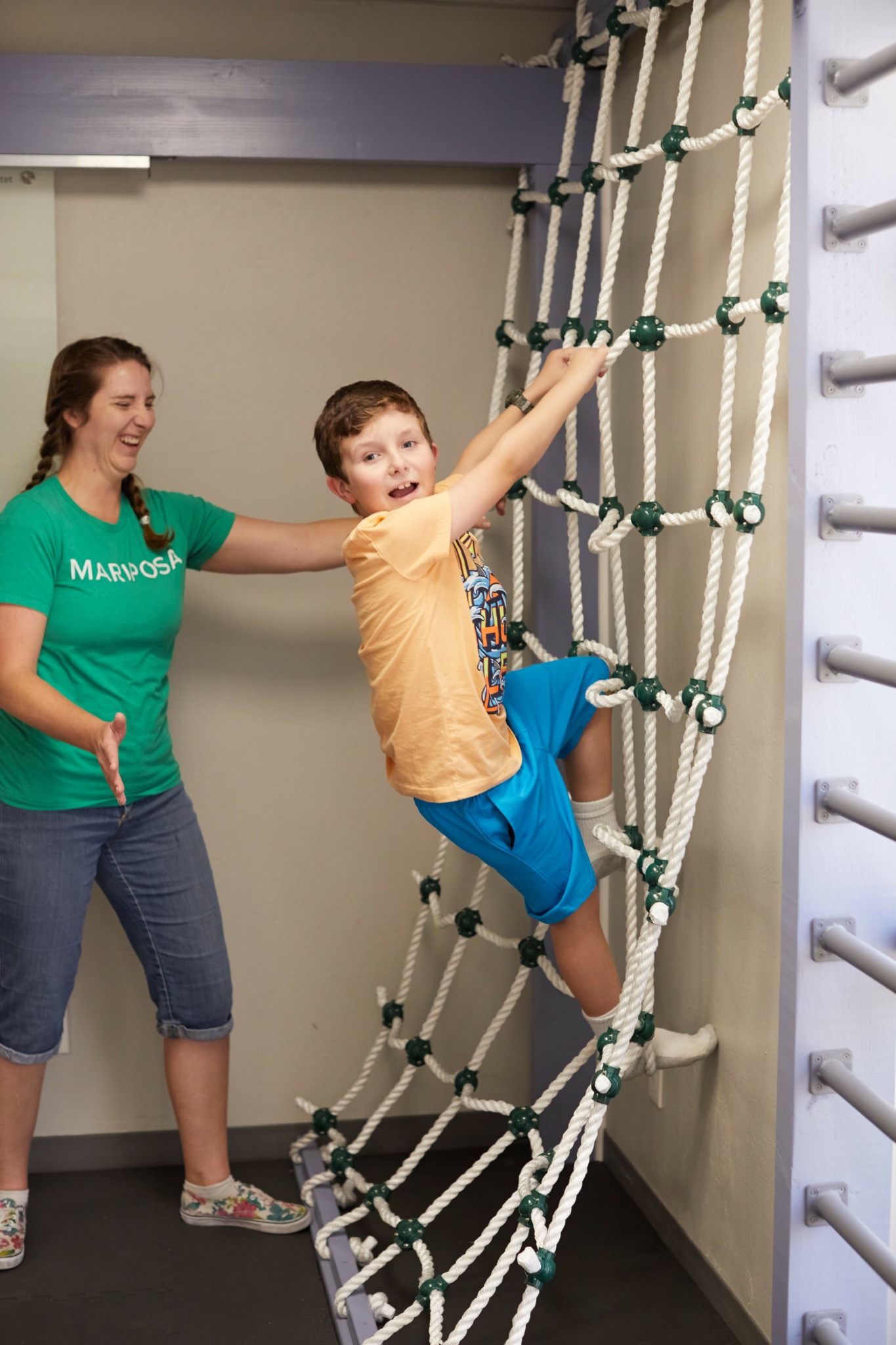
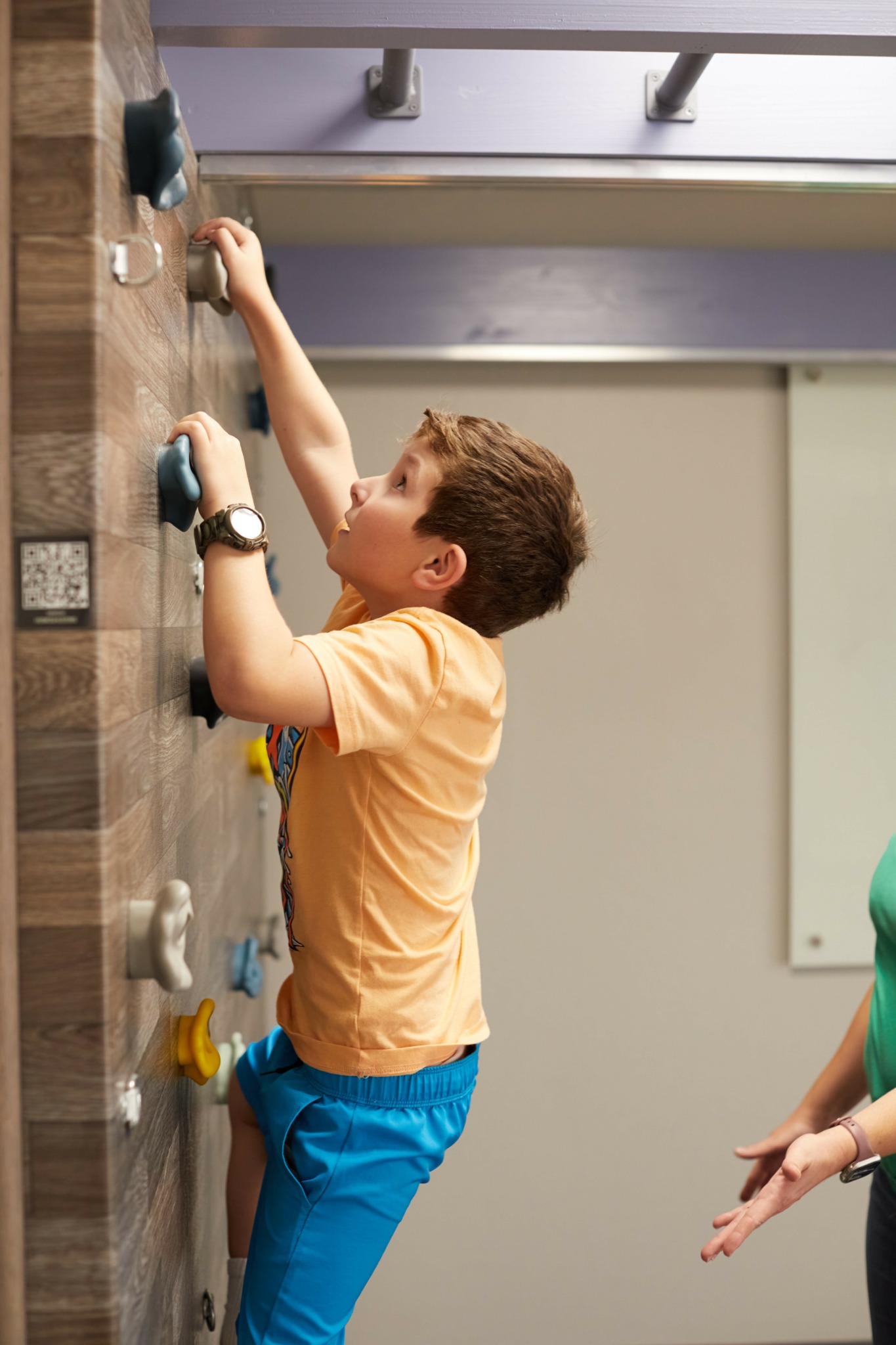
Image Credits
Photos by Phillip Burrow.
Modle release available upon request