

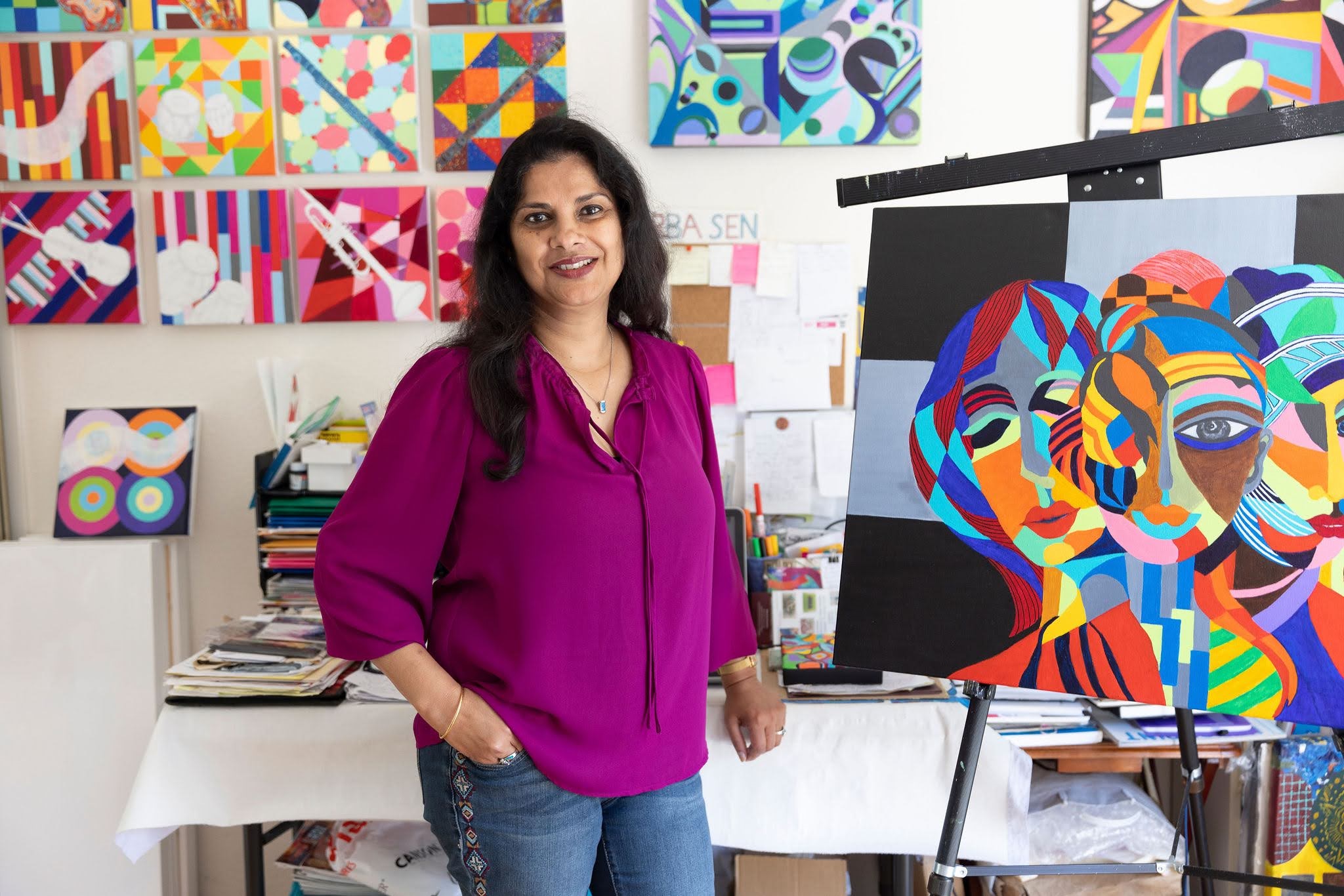

We’re excited to introduce you to the always interesting and insightful Durba Sen. We hope you’ll enjoy our conversation with Durba below.
Durba, appreciate you joining us today. Learning the craft is often a unique journey from every creative – we’d love to hear about your journey and if knowing what you know now, you would have done anything differently to speed up the learning process.
I am a self taught artist. Visiting art galleries, museums and artists’ open studios opened my eyes to the vast span of art, its different genres and styles. Growing up in India, I took perfunctory art classes for a couple of years. My interest in the Arts sparked over that time, but pursuing it came to a stop, due to a variety of reasons. After a couple of decades, having moved back to India from the U.S for a few years, I realized I had more time in hand to pursue my interest in Art. With persistent push and support from my spouse, I approached a local artist to teach me the basic steps in oil painting. The joy I felt holding the brush again pushed me to pursue it consistently and seriously. My only regret is waiting this long to get back to pursuing my love of art, but I am blessed that I did get another opportunity to follow my passion.
Moving back to the U.S, I joined a local co-op art gallery which enabled me to create and show my art. The response and feedback I received sparked my enthusiasm to create more, and there was no looking back from that point on. I visited art galleries and art museums on a regular basis to soak up the art and learn about the different art styles and genres. Volunteering in an art program in an elementary school helped me research and learn about art and artists during the different periods in history. I soon realized that I was gravitating more towards abstract art and the use of color fascinated me. Over time, balancing family and pursuing my passion for the arts, I joined different art organizations, which offered me platforms to interact with fellow artists, visit their studios and learn from them and the workshops they offered. Being consistent, pursuing the learning of the craft and making time for it amid the busy schedule even into the wee hours of the night, enabled me immensely to arrive at where I stand today. I am constantly learning and improving my craft, and I feel that is part of me being a self taught artist. There is always a constant feeling of not having enough time to learn and pursue all the various mediums and styles that pique my interest.
Durba, love having you share your insights with us. Before we ask you more questions, maybe you can take a moment to introduce yourself to our readers who might have missed our earlier conversations?
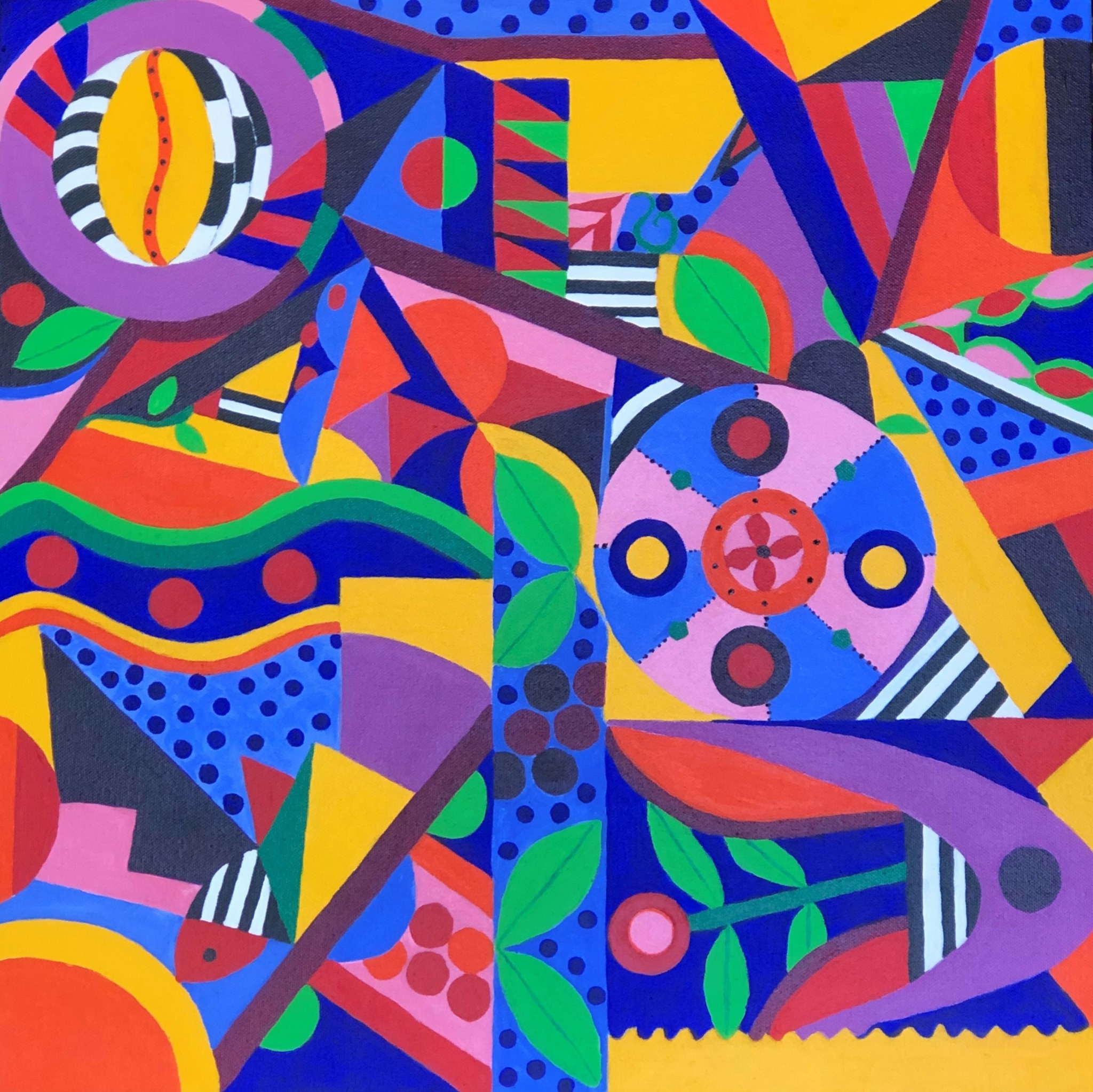
I am a self taught artist, which basically means I have been learning my craft as I paint. Visiting art galleries, art museums, art fairs and artists’ open studios has fueled my thirst to learn more about the different styles and forms of art. During my visits, I realized with time that I was gravitating towards abstract paintings with bold colors and gestures. After I got back to painting after two decades, and dipping into oil painting, I started out with realistic figures and portraits. I soon realized that this did not hold my interest for long and based on my interest in and gravitation towards abstract art I decided to dabble into it. This dabbling set me off on my current journey, my love of vibrant and vivid colors in abstract art. It is not an understatement when I say that I love working with bold colors and the viewer will see that as a constant factor in all my works.
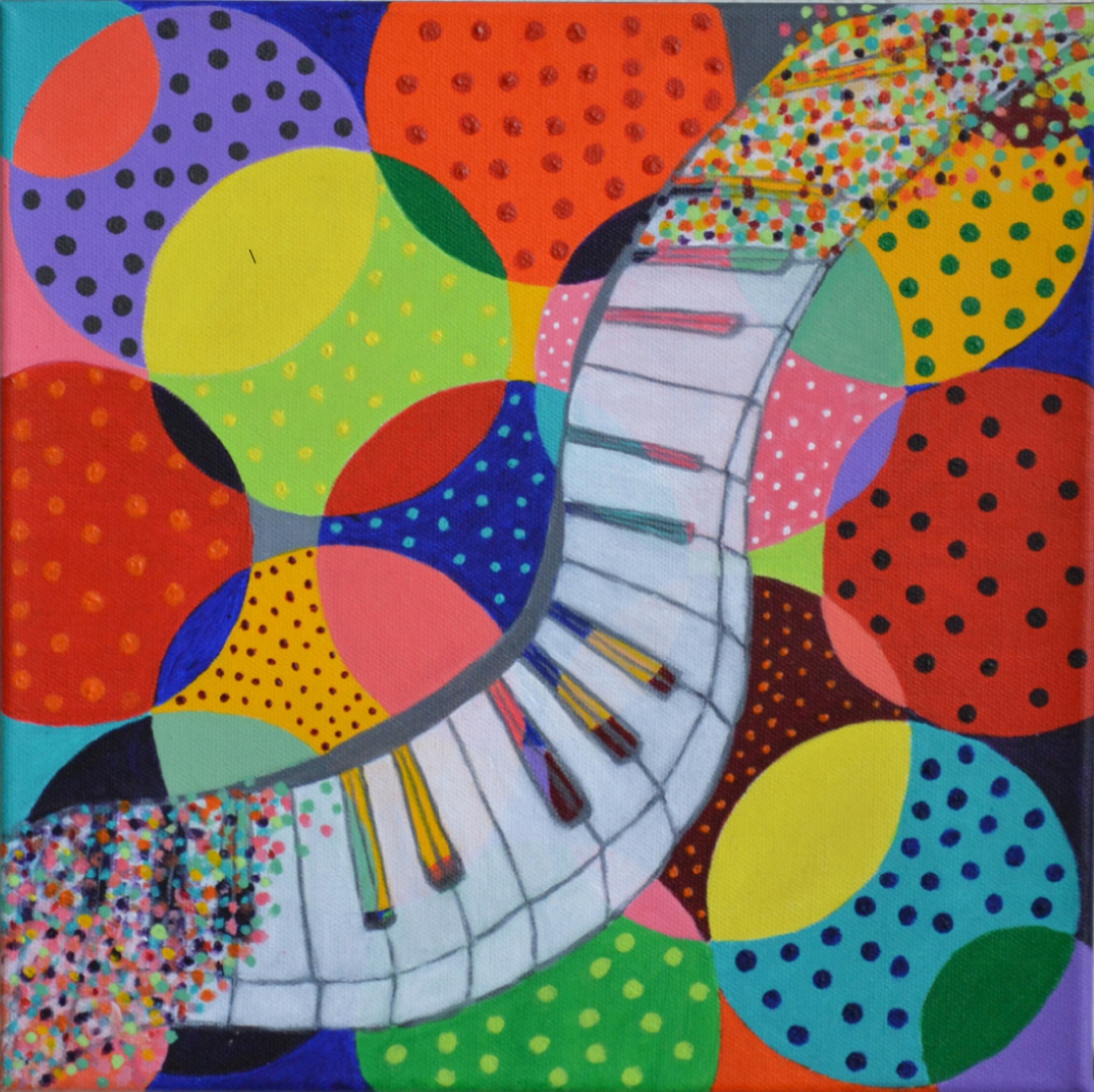
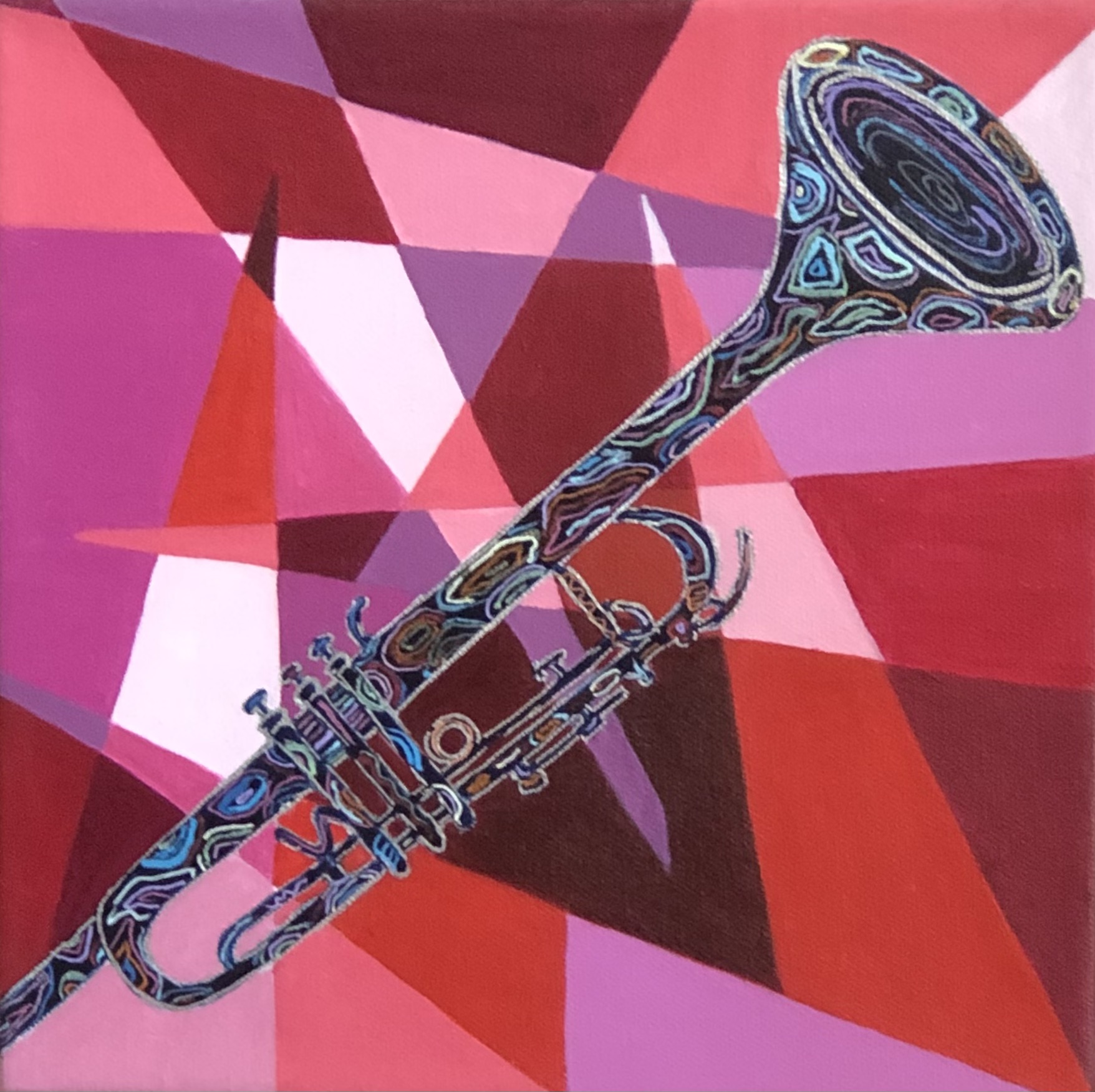
I have been painting for over fifteen years, moving from painting abstract expressionist paintings to geometric abstractions. Currently I am fusing different subjects with the geometric abstract shapes to create my Music N’ Math and the Women Muses series. I am also currency experimenting with bringing together the abstract expressionist style I used in my earlier works and my current geometric abstract style. My work is a constant experimentation of colors, themes and styles – one of the reasons being that I get weary of repeatedly painting the same subject and in the same style.
I love walks in nature too, resulting in the natural foray into painting landscapes in the abstract fauvism style. My inspiration are the hills and walking trails in my backyard which get transformed into my vision of abstract colorful rendition of the same on the canvas. The different themes and subjects that appear in my work are unique to me and my style, the only unwavering factor is the vibrant colors.
My paintings are usually done in series. I prefer working on one or a maximum of two paintings at a time and work well under the pressure of a deadline. I have worked with cities and businesses working on commissions and creating art for the exterior. Though acrylics is the leading medium I work with currently, I paint with oil paints, alcoholic ink and mixed media too. I have reproduced my work into art gifts like coasters, greeting cards, art prints, on to fabrics like silk scarves and more.
In addition to being an artist, I am an art educator. My love for art led me to teach art classes, conduct art workshops and paint-alongs for over ten years now. The best accolade I feel I have received as an art educator is that most of my students are based on referrals. It is a privilege and a blessing that I am able to pursue what I love as my career, and a strict discipline and adherence to schedule bolstered with the love of the arts has made that possible.

Any resources you can share with us that might be helpful to other creatives?
When I launched into painting and started my art career, it was fun and exhilarating. I was experimenting with and creating art and the feeling of rejuvenation was complete. Or so I thought. Looking back, I feel, making art is 10 – 15 % of an artist’s career. The rest 85% is the business aspect of it, which I had no clue about. There wasn’t anything written at that point which would advise me about learning completely new skills to help make my mark in my artistic career. For example, writing your artist statement and bio and constantly updating it, or learning new skills of taking professional pictures of your work and editing them according to the different requirements. Learning to navigate social media and their everchanging trends and creating content for it, or maintaining and updating your website, marketing your work, managing inventory, finances and bookkeeping, or to attend gallery openings and networking, which is a little daunting, if you are absolutely new to the art market. I remember the first time I applied for an art show. It was frightening, a totally unchartered territory. With every new opportunity came the often slow, painstaking learning of a new skill, that had nothing to do with creating art, but everything to do with the art business.
There are art groups that I came across in time that provided support to fellow artists, offered workshops and a networking platform. Looking back, I wish I knew of these groups earlier. But the learning and adapting to new skills and all the ancillary work that accompany the life of an artist is long and time consuming, and maintaining the balance of that with creating art is a constant and delicate dance.
How can we best help foster a strong, supportive environment for artists and creatives?
Being an artist or in the creative arts is challenging. The artwork the viewer or society sees is the final product. There is a lot that goes on behind the scenes. To maintain a thriving creative ecosystem, society needs both the creatives and artists, and the audience and collectors. Often, in our artists’ discussions, we have come across incidents where a collector buying art negotiates to prices that are not sustainable or takes pictures of the art only to reproduce them on a bigger scale for their own personal use. There are also people who would make good on their personal connection with artists to ask for a free piece of art. Not enough is written about all the challenges artists face and the innumerable administrative and marketing tasks they have to undertake to create and sell their art. The art is usually priced based on the hours the artists put in the work including the necessary, ancillary work.
Society can best support us artists by buying original art from the artists. Artists love to see their work on the walls, and will work with collectors in good faith to accomplish that. A thriving creative ecosystem is realized when the artists and the art collectors coexist and thrive, and where the arts are appreciated and valued.
Contact Info:
- Website: https://www.durbasen.com
- Instagram: https://www.instagram.com/durbasenarts
- Facebook: https://www.facebook.com/durbasenarts
- Linkedin: http://linkedin.com/in/durba-sen-93b139133
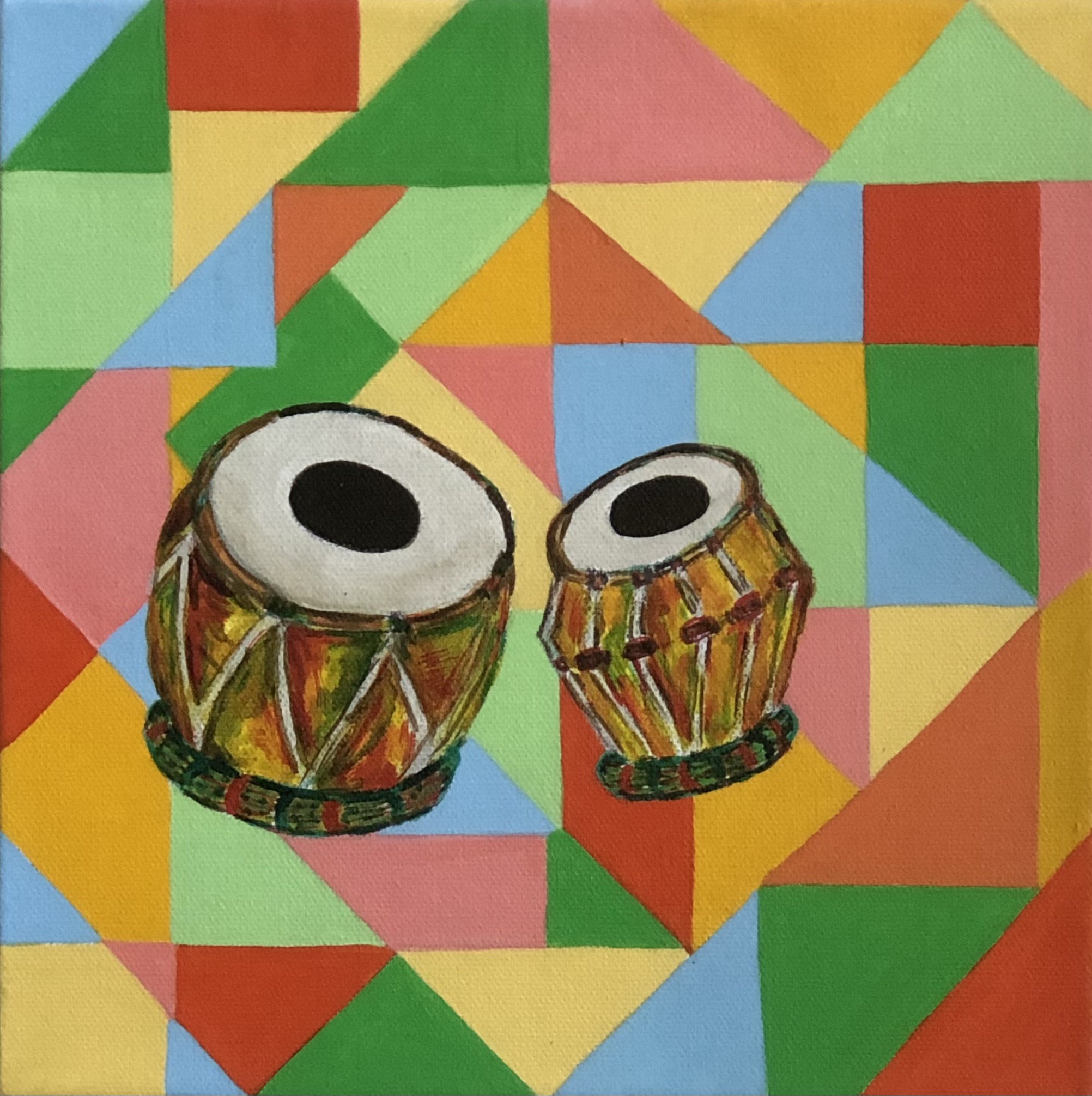
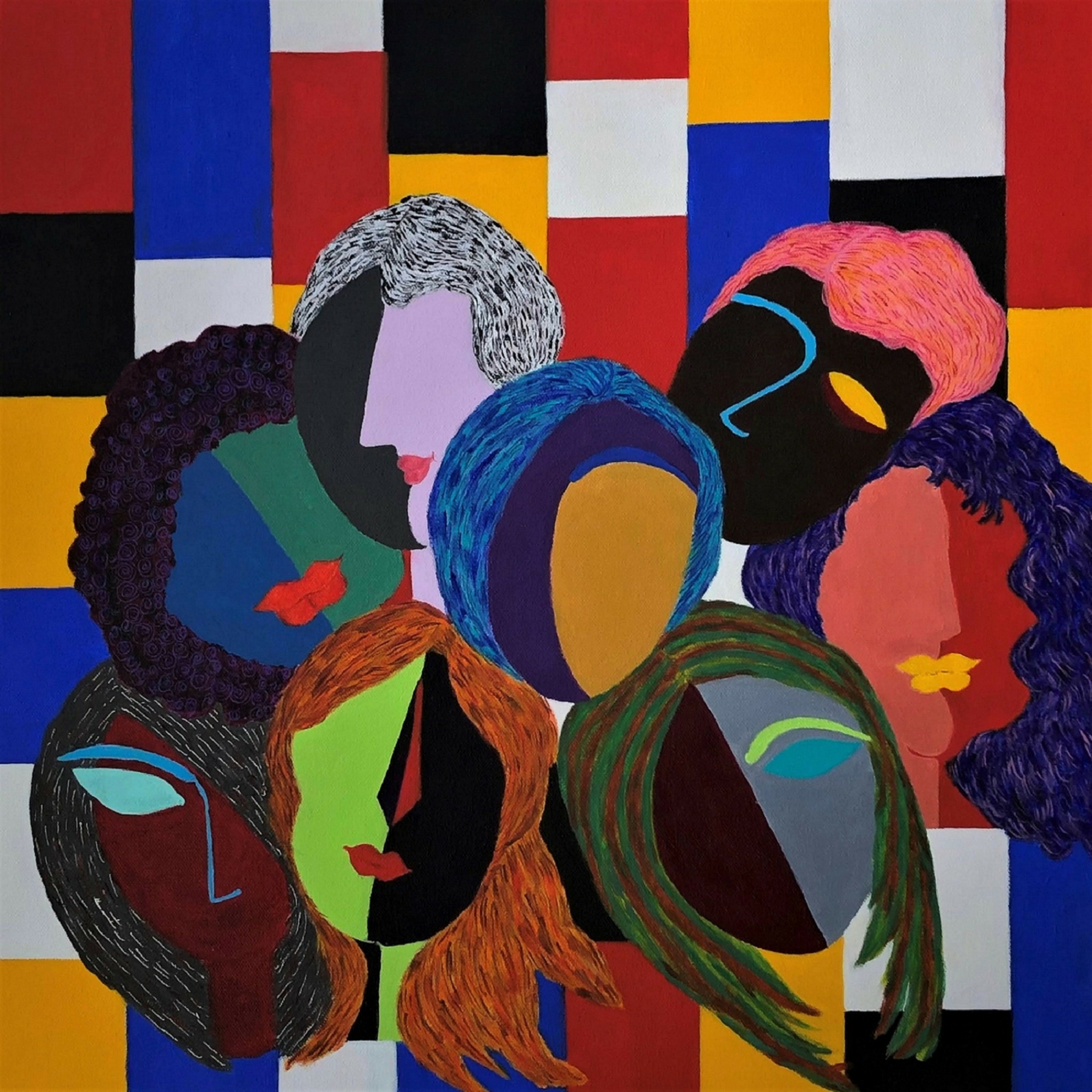
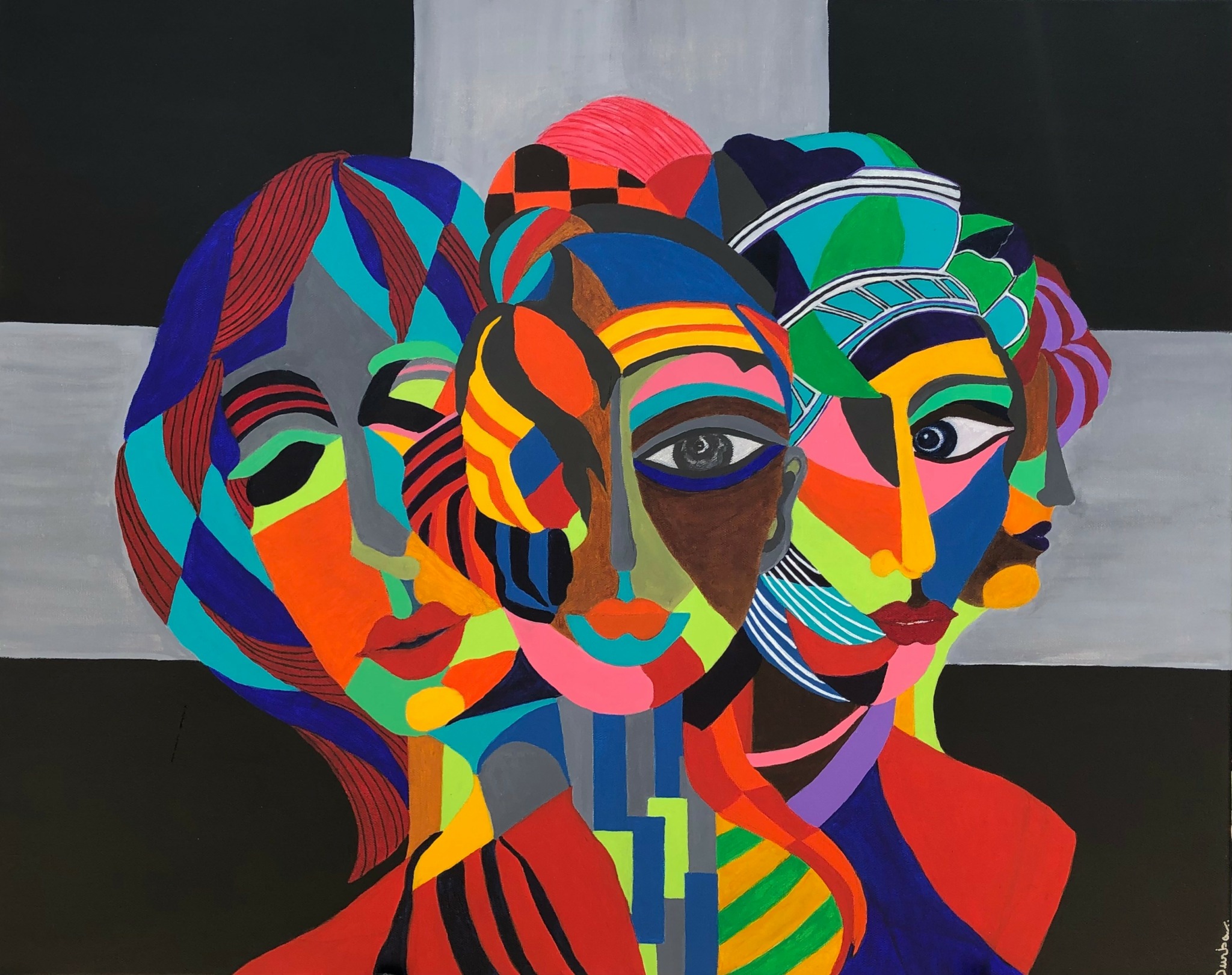

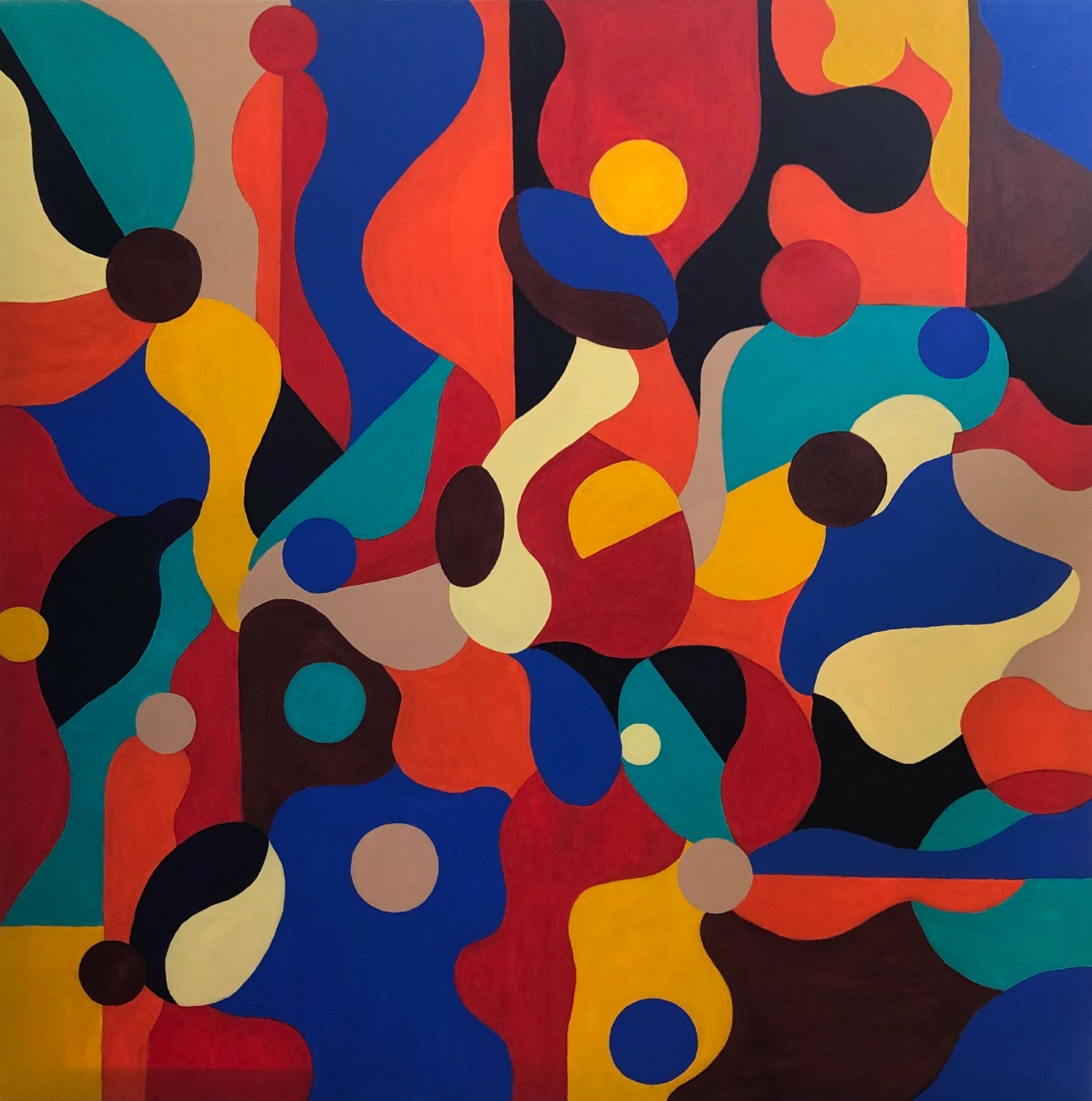
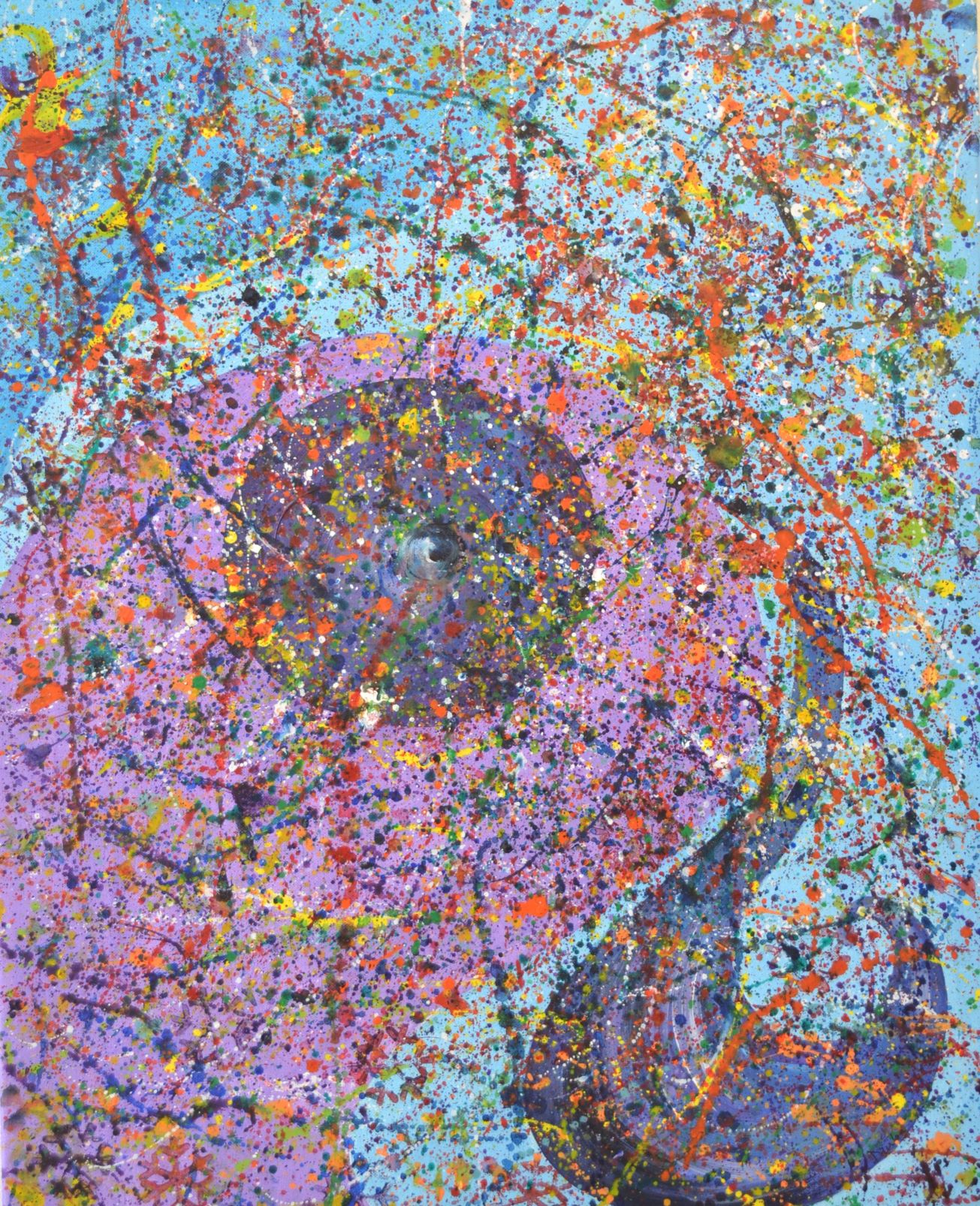
Image Credits
Image credit – Durba Sen (self)