

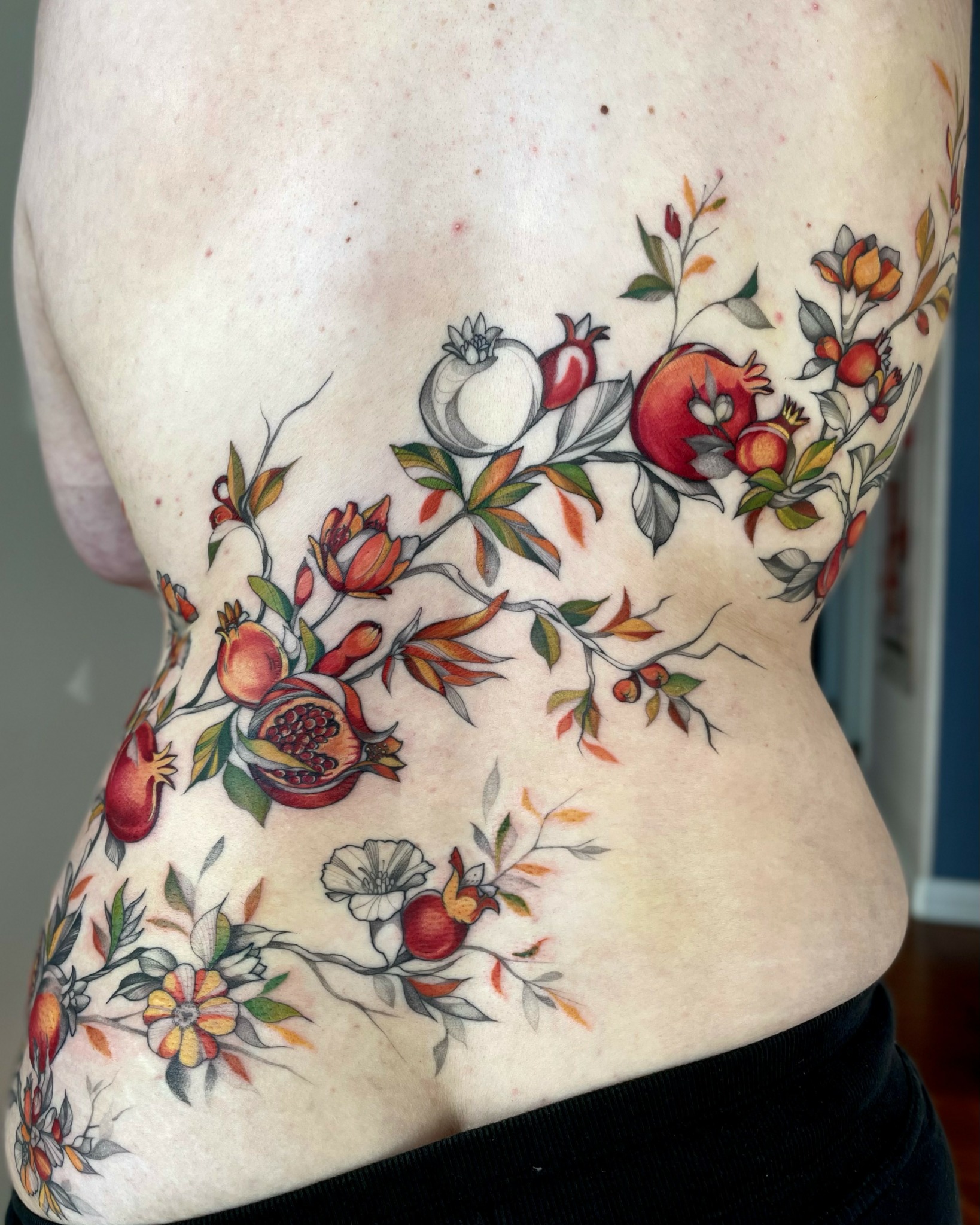

We were lucky to catch up with Dung Ngo recently and have shared our conversation below.
Dung, thanks for joining us, excited to have you contributing your stories and insights. Are you able to earn a full-time living from your creative work? If so, can you walk us through your journey and how you made it happen?
Yes, I’m able to earn a full-time living from tattooing now, but it definitely wasn’t like that from the start. I started learning to tattoo about eight years ago, but I only began doing it professionally in 2020. Today, I have my own studio, a stable income, and the freedom to travel and guest-spot at studios around the world.
When I first started, I didn’t even have a single client. I tattooed myself first, and then a friend who generously let me practice on his skin — without getting paid, of course. Early on, I realized the best way for me to really learn the craft was to travel, meet different artists, work alongside them, and absorb everything I could.
I worked at a shop in Vietnam for a couple of months when I returned in 2017, but after that, I went back to practicing architecture. In 2018, I came to visit my uncle in Seattle and decided to reach out to a local studio to try and become a guest artist. It took a few tries — and a few rejections — but eventually I was accepted as a guest artist there.
At first, I focused on flash work while slowly developing my own style, trying to create designs that would draw people who were looking for something unique. I was lucky that my background in architecture helped — the drawing and design skills transferred really well into tattooing. Over time, I kept returning to the Seattle studio while also reaching out to studios abroad, in Europe and Japan. Again, there were rejections, but eventually a few studios gave me a chance. It really took a lot of patience — and a bit of luck too.
In the beginning, except for learning the basics from a friend, I taught myself tattooing skills a lot by watching YouTube videos and following artists on Instagram. Honestly, it often felt like I was fumbling around in the dark. Looking back, if I could do anything differently, I would have tried to find a mentor earlier and learn the craft in a more structured, professional way. That probably would have made the process faster. But in the end, I’m grateful for the journey — I think it made me appreciate every step along the way.
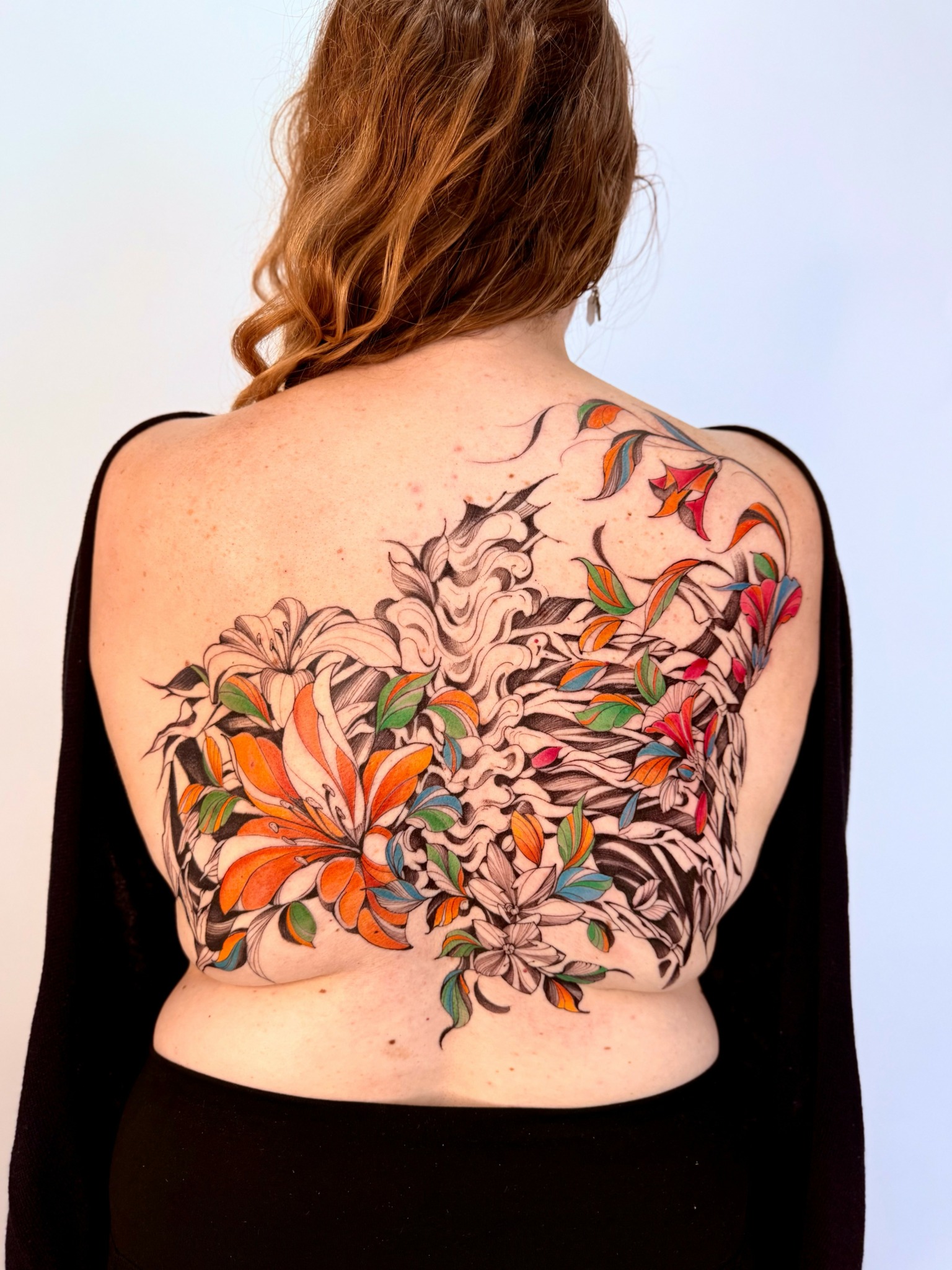
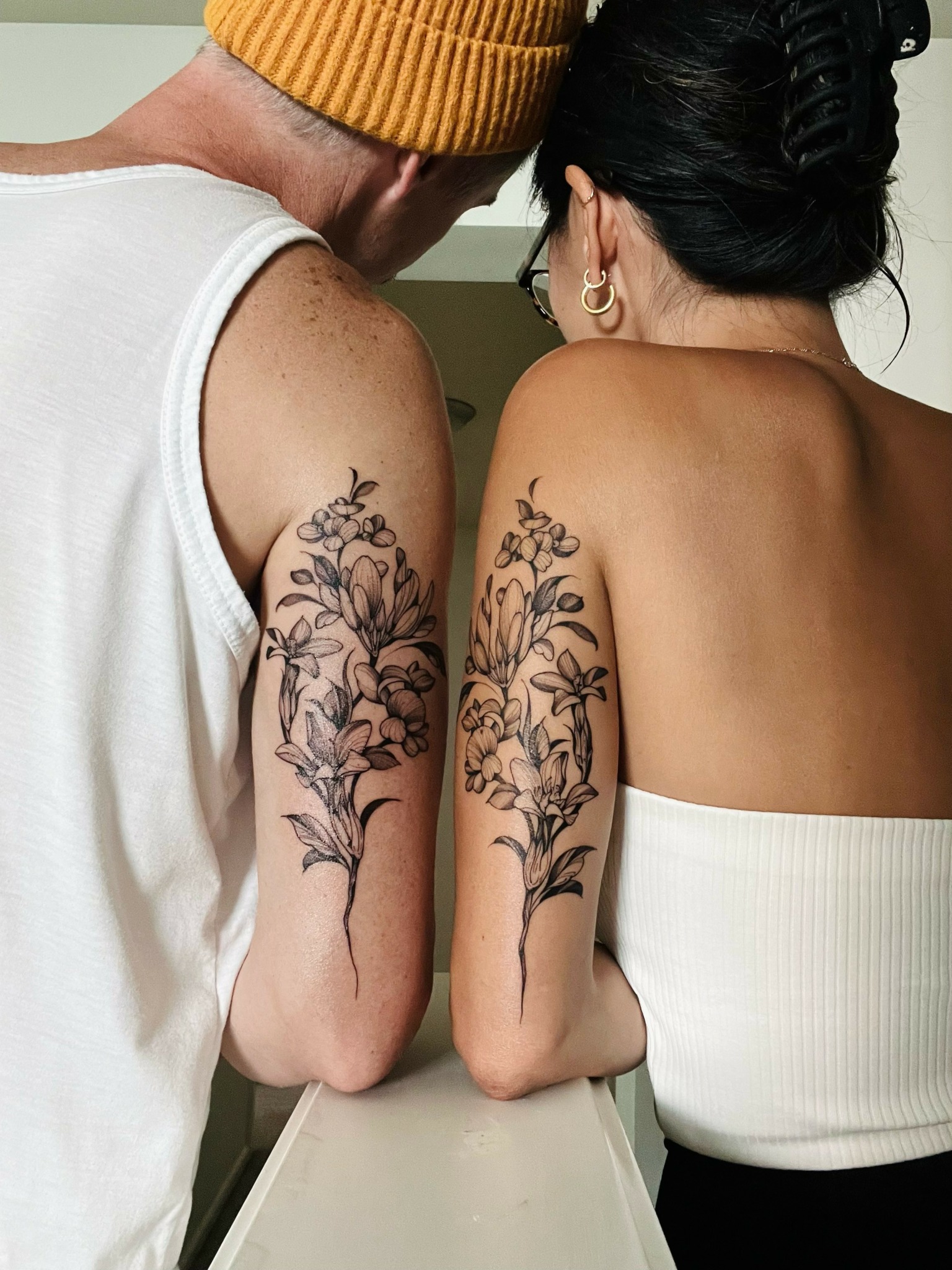
Dung, before we move on to more of these sorts of questions, can you take some time to bring our readers up to speed on you and what you do?
I’m a practicing architect and tattoo artist. I still maintain an architectural studio with my partner, and we’ve completed projects in both Vietnam and the U.S.
Before moving to the U.S. eighteen years ago, I had already built a stable career as an architect in Vietnam, with a steady income, a strong client base, and my work featured in design magazines. However, once I settled in the U.S., starting over wasn’t easy. I didn’t have a local architectural degree, nor was I licensed here. I tried to maintain my practice remotely, flying back and forth, but it became too difficult.
At one point, I struggled with a few options:
1. Go back to school for another architecture degree.
2. Go back to school for a new career.
3. Start my own business.
Option 1 didn’t appeal to me — I was already established in Vietnam, and I’ve always preferred working over studying. I didn’t feel right about going back to school and paying a fortune for it. Option 2 also didn’t feel right.
I explored other possibilities: I love art and design, and I thought about selling antiques, but I had no experience or connections in that field. Eventually, I tried combining my design background with my love for cooking by opening a Vietnamese restaurant. I put half my savings into it, buying materials and putting down a deposit — but I couldn’t get the necessary permits.
After that, I tried the stock market — and failed. I lost almost everything, my savings, my house, and even my former marriage.
At my lowest point, a friend said, “You’re so good at drawing, why don’t you try tattooing?”
At that time, coming from Vietnam where tattooing was still seen as taboo, I wasn’t sure if it was something I wanted to do. But I had no other options. Through my friend’s connections, I visited a tattoo studio to observe. It felt like at least I could still use my drawing skills, something I had always loved.
I started out very small — literally from zero. A few months later, I returned to Vietnam with just two thousand dollars in my pocket. I leaned on my network in Saigon, working as an art director, founding an architecture firm with my now-partner, and occasionally tattooing.
By then, I had started to develop my own tattooing style, using the linework and rendering skills I had honed as an architect. I found myself increasingly drawn to tattooing — it gave me the freedom that architecture often couldn’t. I didn’t have to deal with structural engineers, contractors, or permit offices, and the creative cycle was much shorter. Instead of working on a project for years, I could complete meaningful work in a day or two.
More importantly, tattooing gave me a deep sense of purpose. Clients came from all walks of life: some grieving the loss of a loved one, others recovering from hard times or depression, many wanting to commemorate a meaningful moment in their lives. Their stories made me feel humble and inspired.
In 2019, while visiting my partner who was beginning her PhD in Switzerland, Covid happened. I couldn’t return to Vietnam and our architectural projects got paused, so I moved back to the U.S. In late 2020, when tattoo studios were allowed to reopen, I started working full time as a tattoo artist — and I’ve continued ever since.
Tattooing, in many ways, saved me when I hit rock bottom. It gave me a new life — one that allows me to create, to travel, and to meet the most incredible people. Today, I work with clients from across the country and internationally. I respect every story and every person who comes to me.
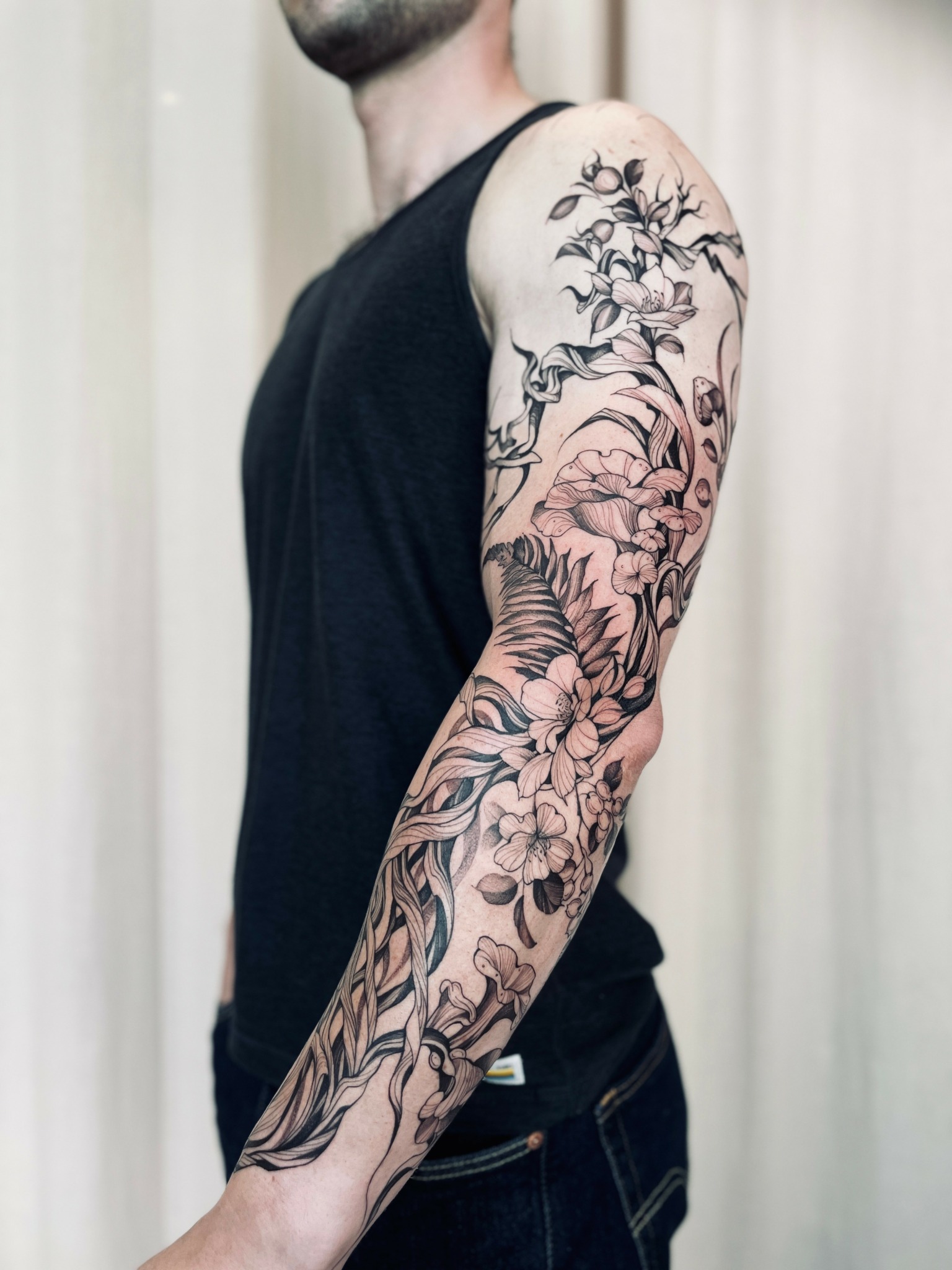
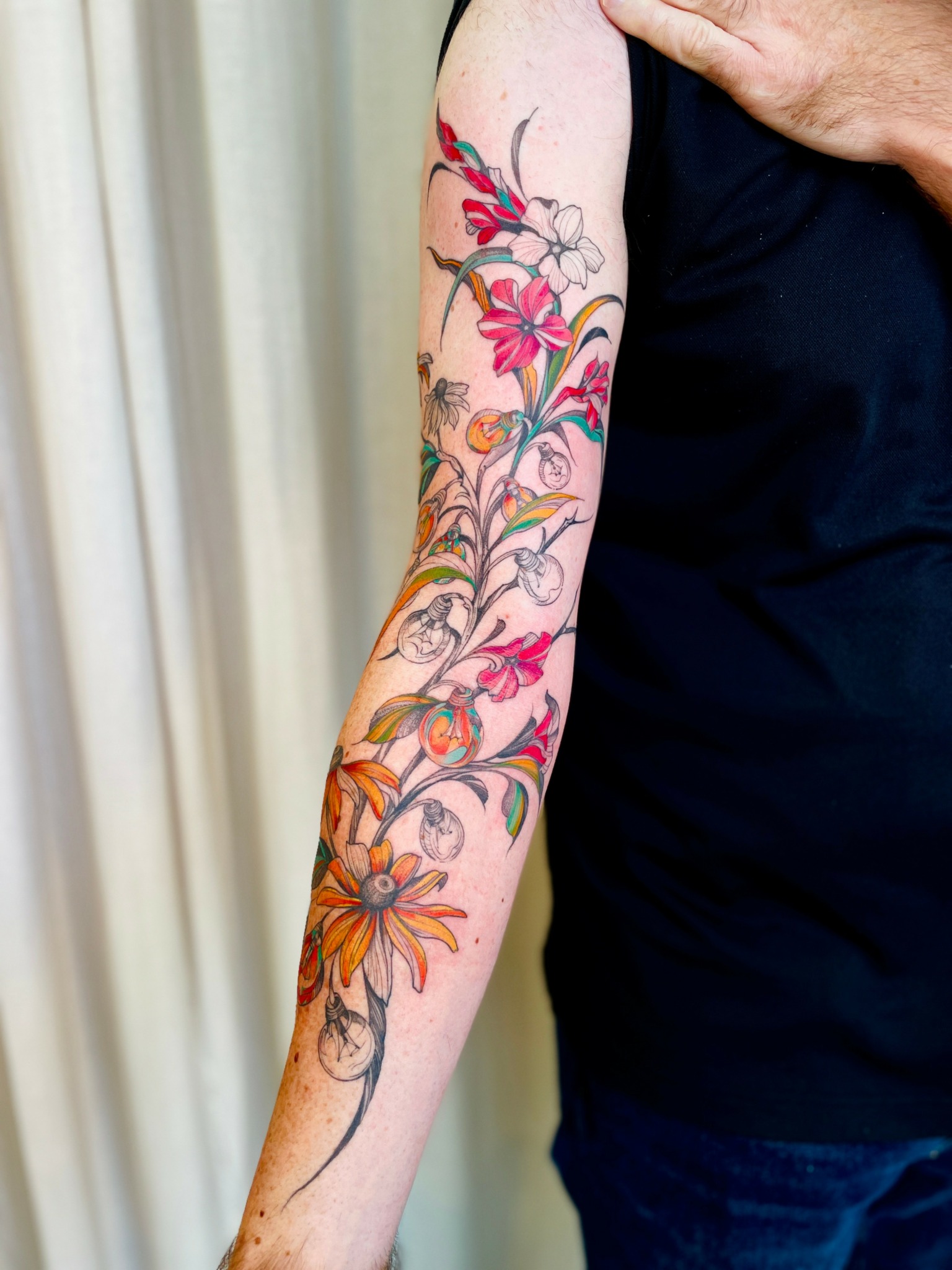
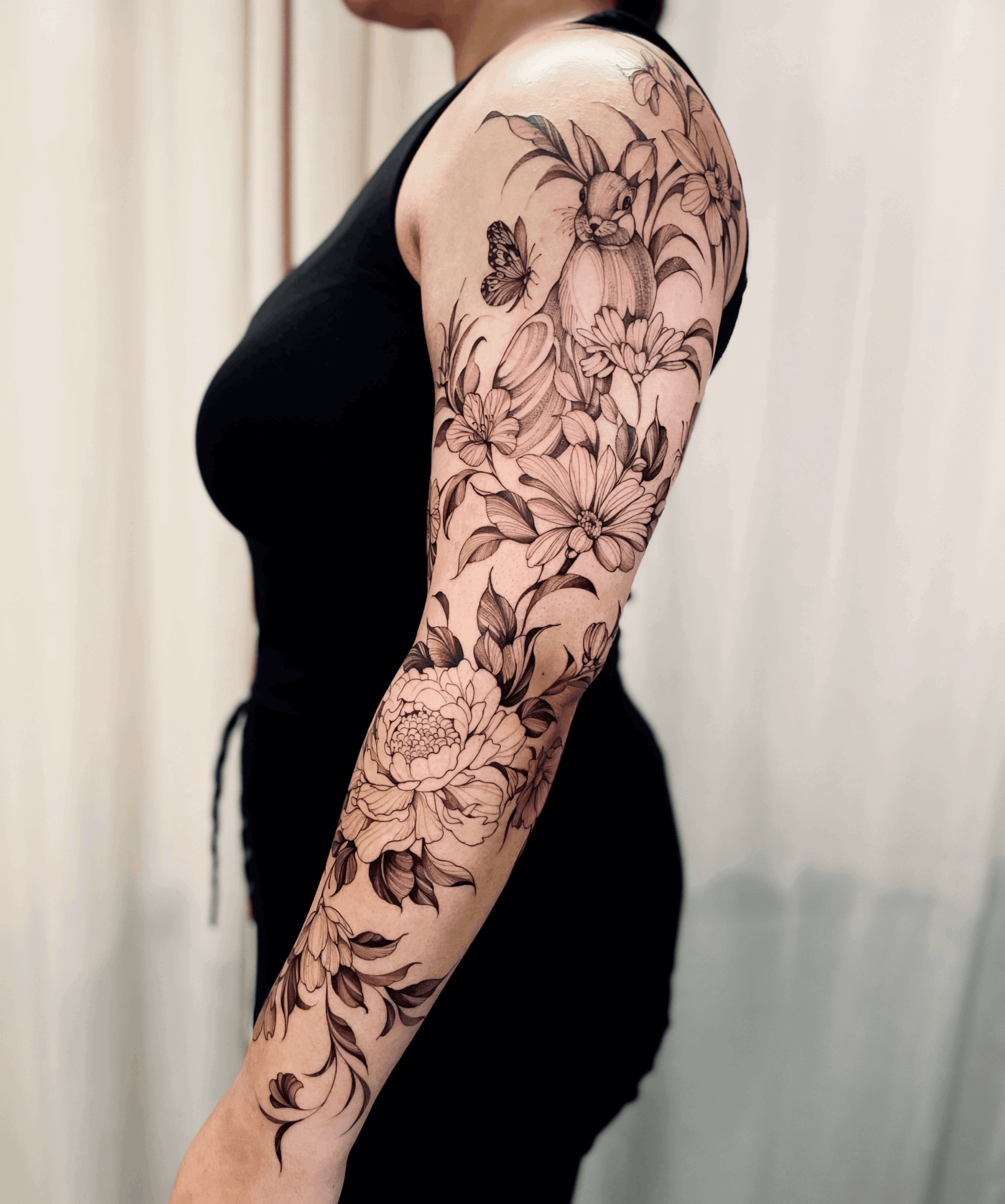
I think of each tattoo as designing a small architectural piece: I listen to the client’s ideas, discuss them carefully, and create a design that speaks to their story while expressing my own artistry and aesthetic.
I’m proud not just of the work I create, but of the relationships, trust, and healing that my art can help foster.
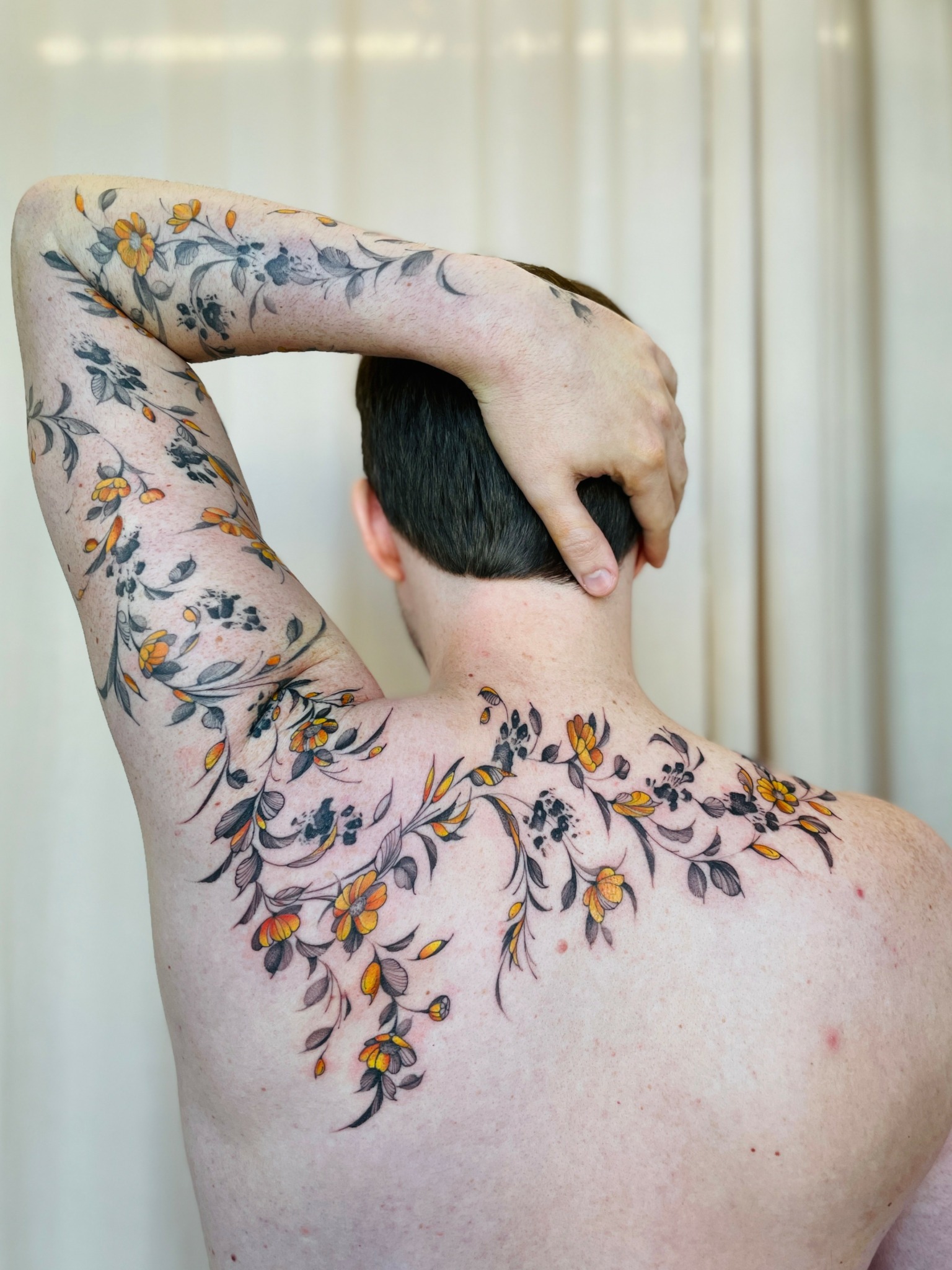
What’s the most rewarding aspect of being a creative in your experience?
Tattooing has given me so much, as I mentioned before — freedom, financial stability, and the ability to travel. But for me, the most rewarding aspect of being a tattoo artist is the meaning that comes with each project.
I’ve had the chance to work with so many clients from all walks of life — beautiful people with special stories worth remembering and sharing. I feel honored and humbled to be entrusted with creating pieces that will stay with them for the rest of their lives — as constant reminders of the beauty of life, the obstacles they have overcome, and the happy moments they have experienced.
When you think about it, tattooing allows you to create permanent pieces of art that people carry with them everywhere. My art doesn’t just help people commemorate their own stories — sometimes it sparks conversations and helps them connect with others too.
I once had a client tell me a story about going through customs, and the officer recognized the tattoo. They asked, “Is that from Architattoo?” and then showed the client a tattoo they had gotten from me too. That story made me so happy.
I’ve also worked with groups of friends and families who all share tattoos I’ve created for them. One of my favorite stories was a mother and daughter who came in for matching tattoos — their first tattoos for both of them. The daughter wanted her first tattoo at eighteen, and while it took the mother a little while to come to terms with it, she decided that if her daughter was going to get one, she would get one too — and she wanted it to be something she truly loved.
Another group all had tattoos of their dogs — a beautiful bond formed through their shared love of animals. It’s really touching to know that my work has become part of these personal and collective connections.
I feel proud of a few things: the recognizability of my work, the way it becomes part of people’s life stories, and the way it brings people closer together.
Is there mission driving your creative journey?
When I first started out, I didn’t have a big mission — I was simply trying to find a career where I could use my skills and have the freedom to create, something I had always wanted.
But as I got deeper into the profession and started doing it for a living, I had the opportunity to work with wonderful people and realize meaningful projects. These interactions became the motivation that keeps me going — to do the best I can, to live up to the trust my clients place in me, and to make sure they walk around proudly with a piece that I’ve put my whole heart into.
As I navigated the profession — working to improve my skills while also finding a way to balance stability with the freedom to travel — a new goal started to take shape. I began thinking more seriously about how I could share what I’ve learned.
Over time, I’ve had aspiring tattoo artists and even practicing artists — some with raw talent, others with strong technical skills but struggling to find their own style — reach out to me for guidance. Some are even architects looking for a career change, just like I was. Through these encounters, I realized there’s a real need for a more structured way to help people develop not just technical skills, but also a creative identity.
So besides my everyday goal of bringing my clients’ ideas and memories to life, I’m now motivated by the idea of finding a way to give back — maybe through teaching, offering classes, or even creating a school someday. It’s still in the early stages, but it’s a direction I feel excited about, and the future will tell where it leads.
Contact Info:
- Instagram: aarchitattoo
- Other: email: [email protected]
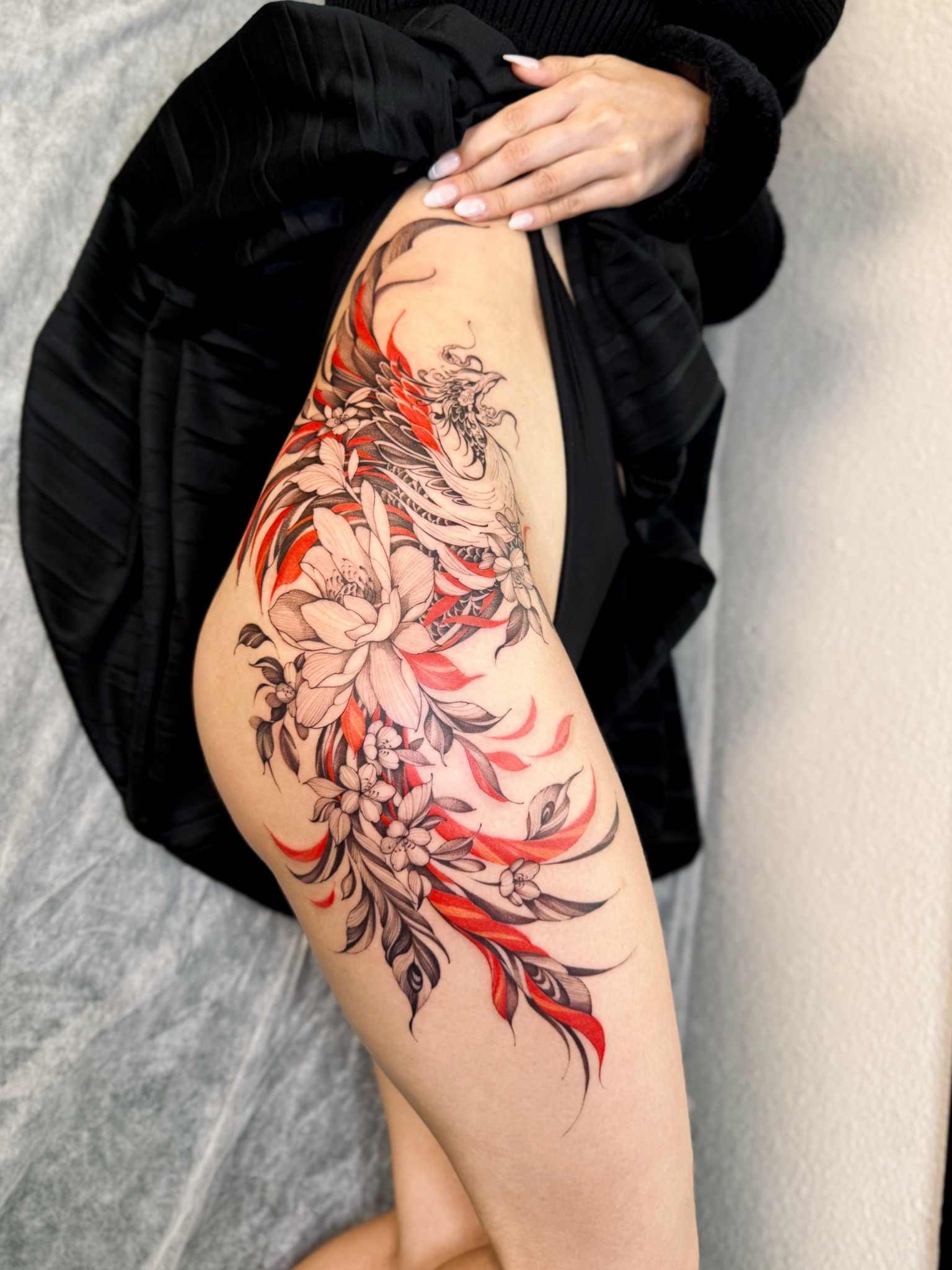
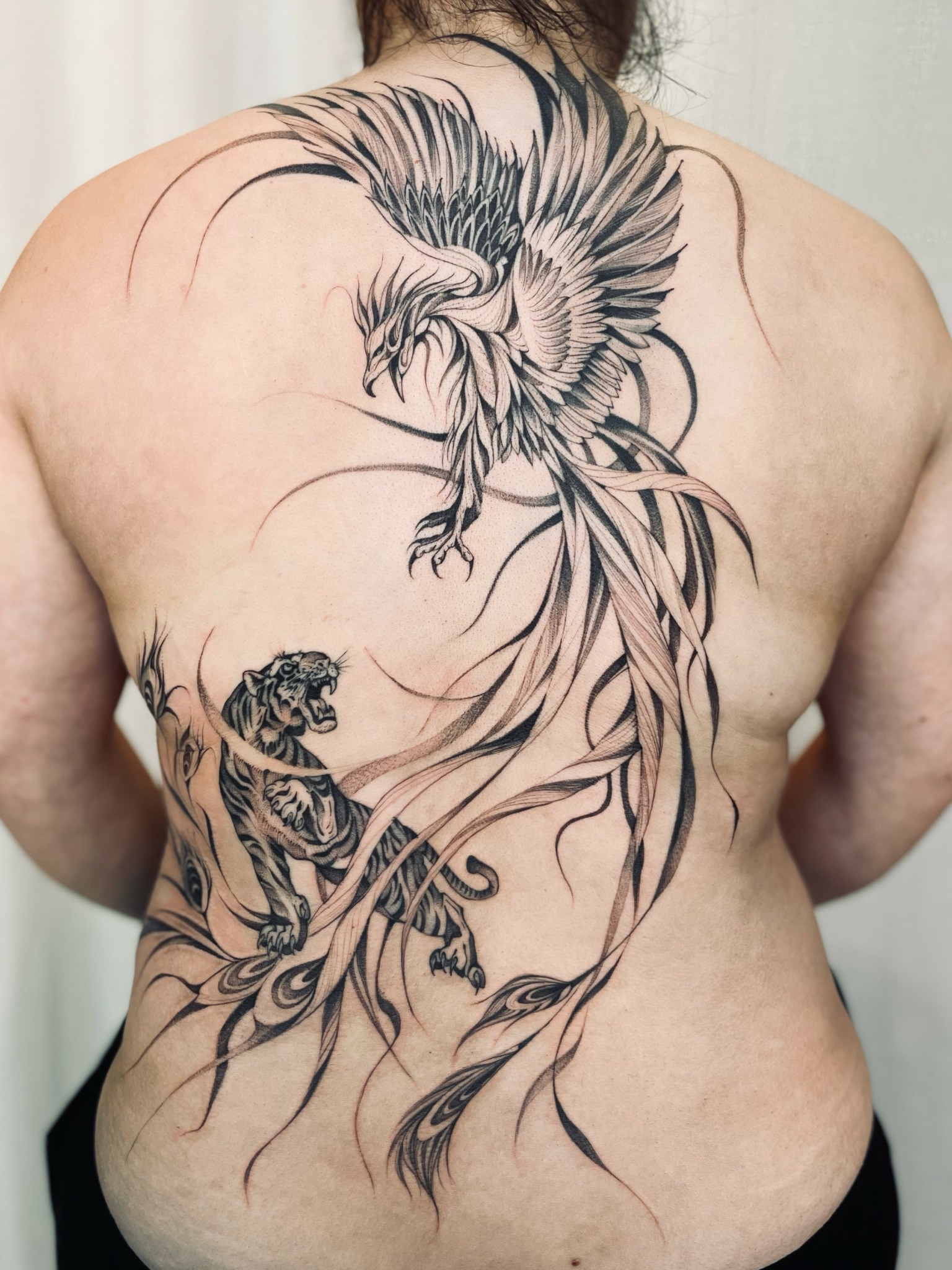
Image Credits
All pictures taken by me of my works.