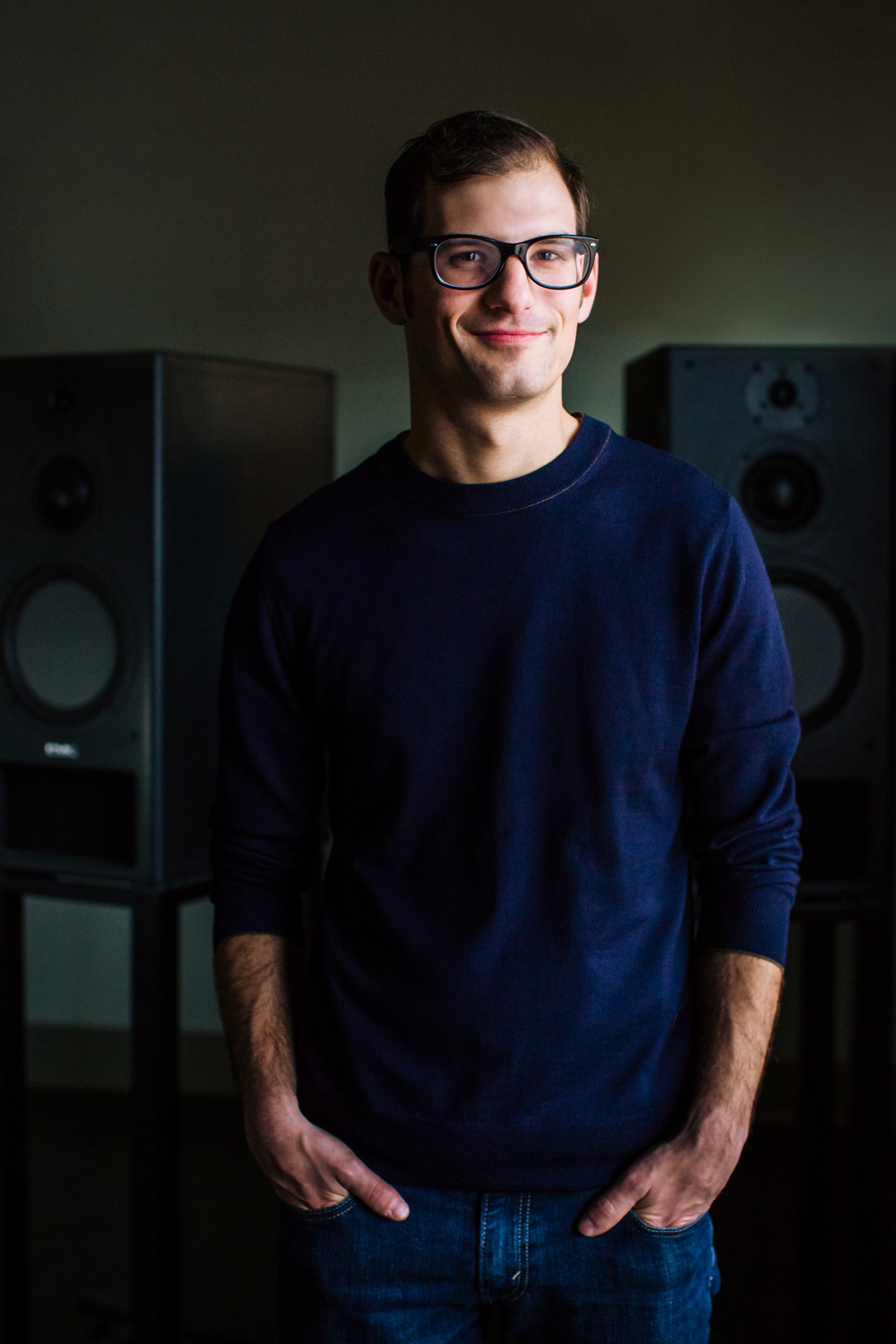

We were lucky to catch up with Duncan Ferguson recently and have shared our conversation below.
Duncan, thanks for joining us, excited to have you contributing your stories and insights. One of the things we most admire about small businesses is their ability to diverge from the corporate/industry standard. Is there something that you or your brand do that differs from the industry standard? We’d love to hear about it as well as any stories you might have that illustrate how or why this difference matters.
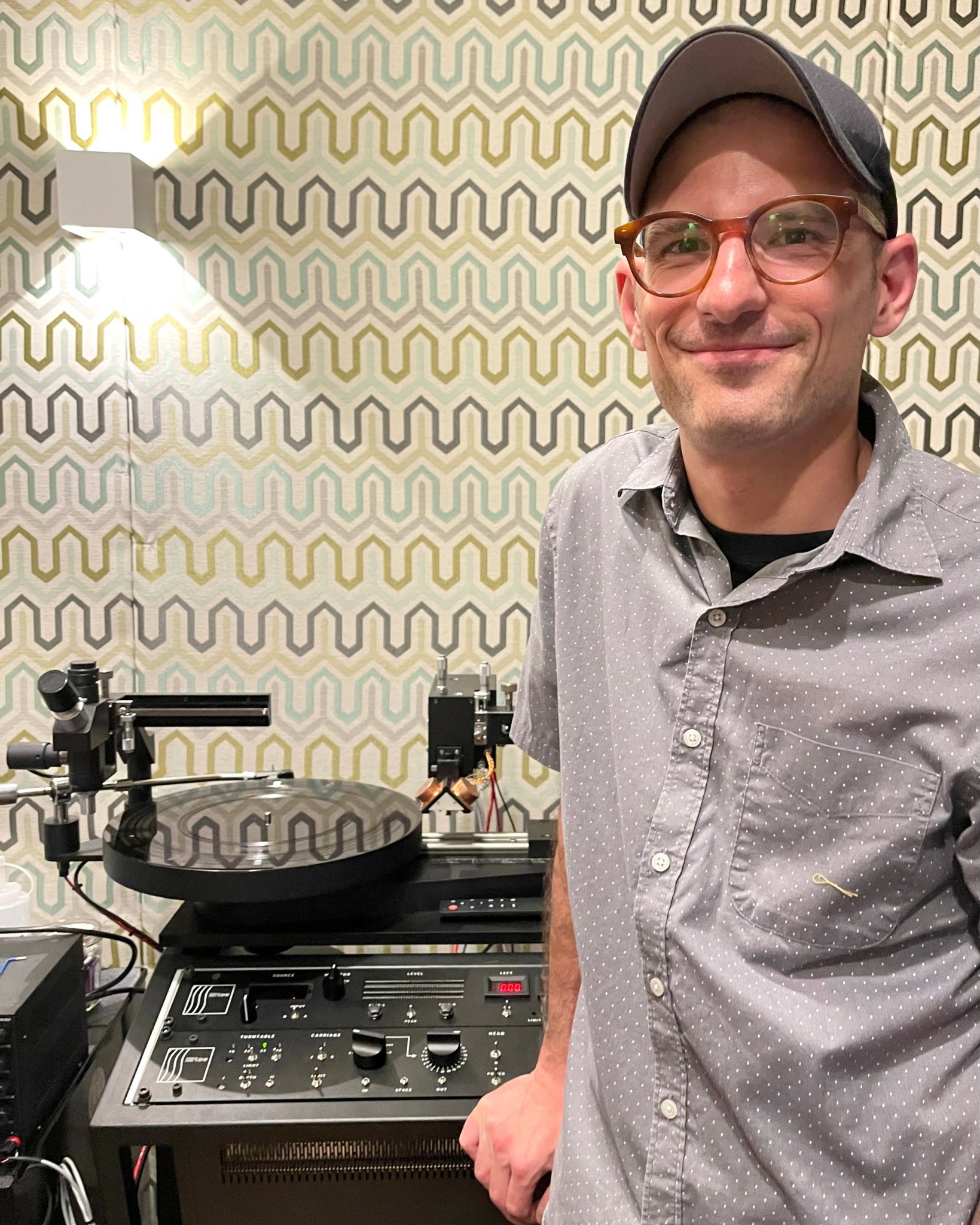
Along with my audio digital mastering service I also am cutting lacquer master disc for vinyl records on an entirely new machine and platform that bring disc cutting for vinyl record production technology out of the late 70s and early 80s into today’s modern digital environment. Most businesses/mastering houses who are cutting lacquer master discs are using older machines from the early 1980s or earlier and no real advancements and investments in the technology have come along until a few year ago with the development of this new platform. I was able to be an early adopter and beta tester for the Sillitoe SDMS system and Space Time Automation Software.
The whole system allows me to work with artists and clients who may putting something on vinyl for the first time and as a mastering engineer I am able to offer a personable and frictionless experience helping guide people through the complex and confusing world of vinyl record production.
I flew to Australia in 2023 from Nashville to visit the designer and ship two of the machines back to the states. Since that time I have been beta testing the new machine and software and learning a deep dark art of lacquer disc cutting.
Awesome – so before we get into the rest of our questions, can you briefly introduce yourself to our readers.
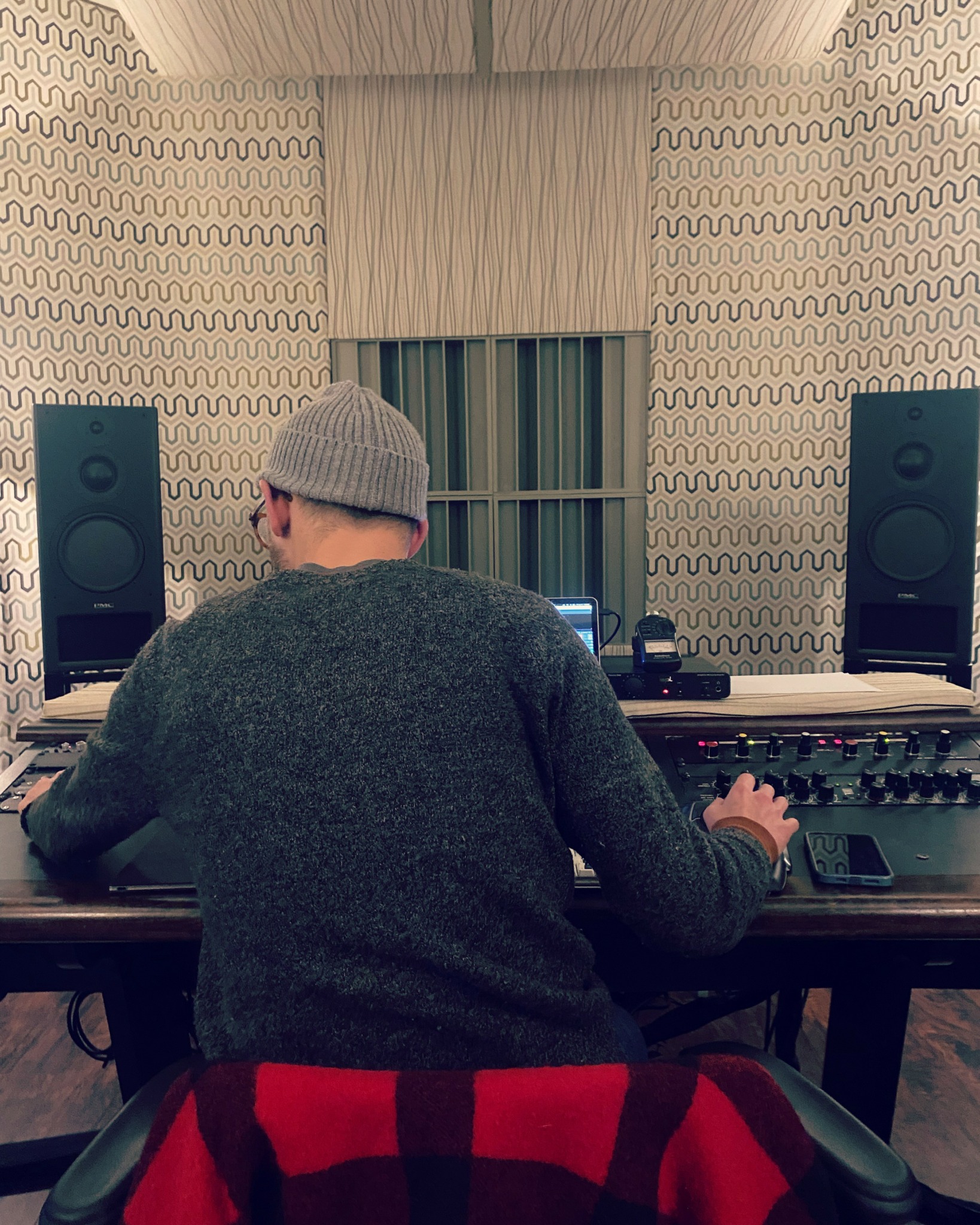
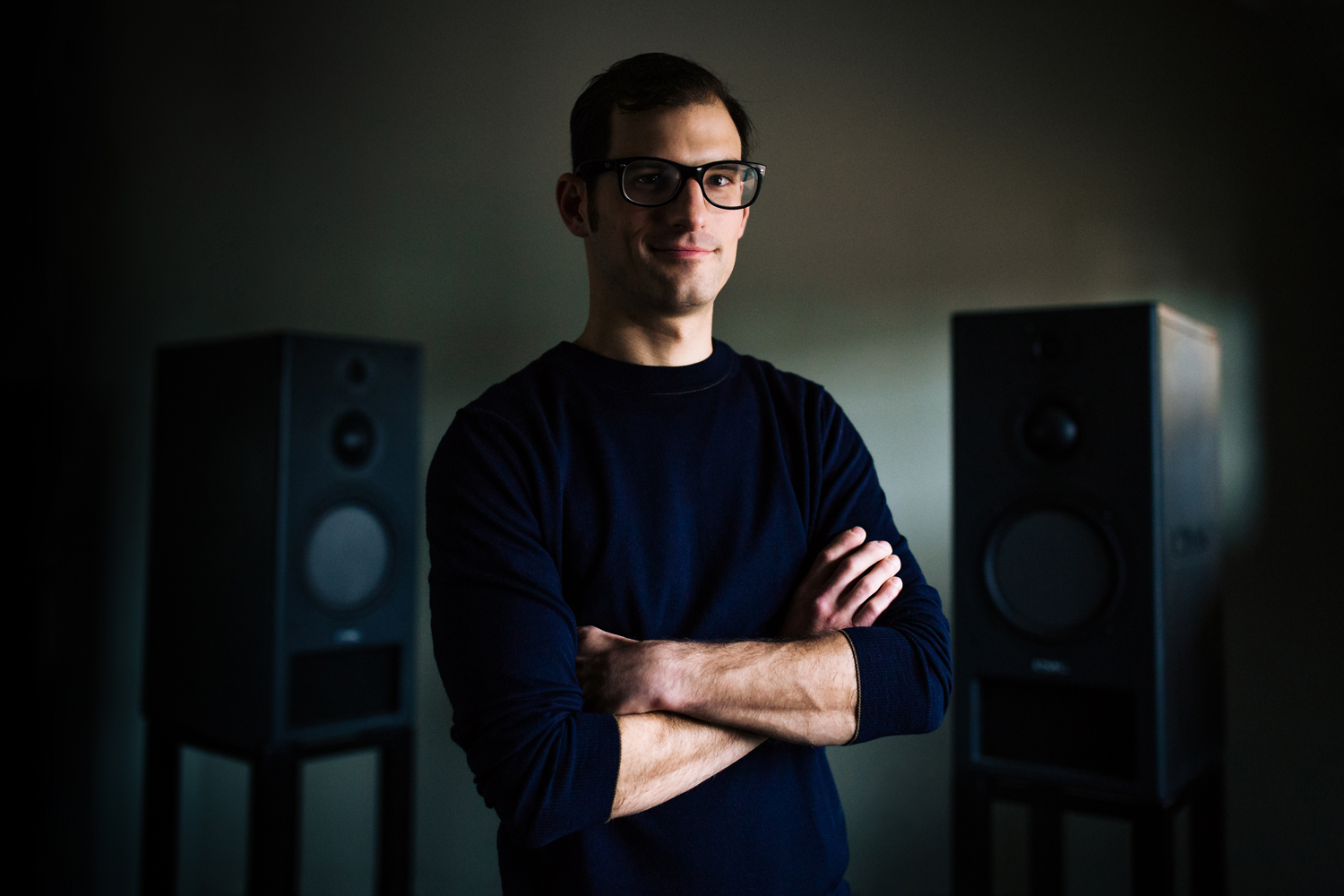
I’m a mastering engineer and lacquer disc cutter based in East Nashville, where I run The Voltage Exchange Mastering. My work helps artists, both locally and globally, prepare their recordings for release, whether in digital formats, on CD, or as master discs for vinyl records.
My path into mastering started early. My parents had an extensive record and CD collection, and I spent much of my youth listening to a wide range of music, which sparked my fascination with sound. That interest led me to Alma College in Michigan, where I studied both sound technology and music. Later, I pursued a master’s degree in sound recording at McGill University.
In addition to running The Voltage Exchange Mastering, I teach a mastering course at SAE Institute in Nashville. It’s a great way to give back to the audio community while helping the next generation of engineers in Nashville develop their craft.
What problems do you solve for your clients?
Once an artist has finished recording and the mixing process, they send it to me for mastering. This is the final stage of audio production. Mastering is a bit like Photoshop for sound; it refines, balances, and optimizes the recording to ensure it translates well across all playback systems. I also prepare the necessary files for distribution, whether that’s digital, CD, or vinyl.
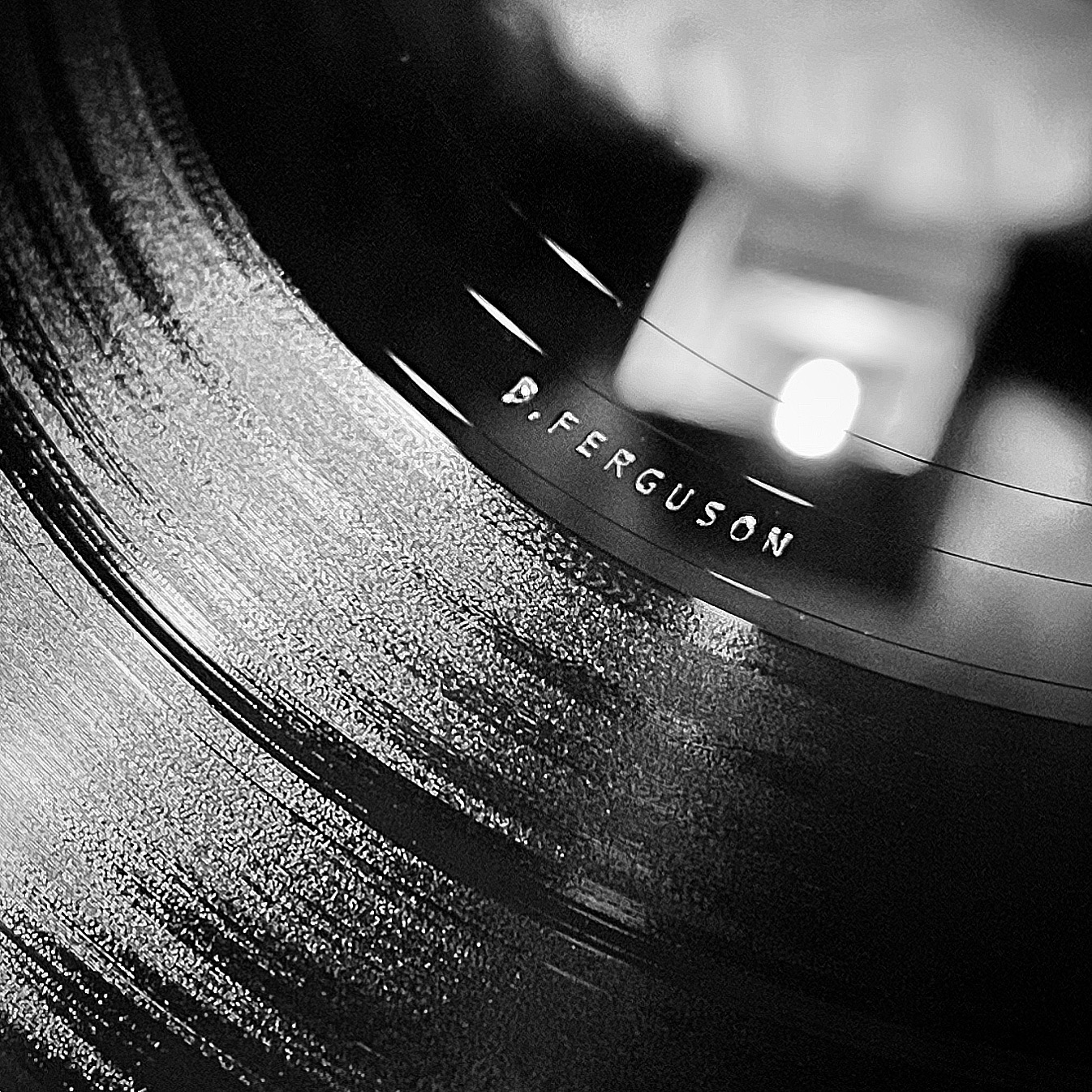
When working with vinyl, I cut the master disc. This is a physical lacquer disc that serves as a “mold” for pressing records. That disc goes through additional manufacturing steps such as electroforming or electroplating before becoming a pressed final vinyl release. Since vinyl is an older format with unique and extreme technical requirements, many artists need guidance through the process of getting an album manufactured. I help them navigate these complexities, from file preparation to test pressings, ensuring their record sounds it’s absolute best on vinyl.
Beyond that, I serve as a liaison between artists and pressing plants, many of which I have close working relationships with. I also help clients review test pressings, providing insight into any adjustments needed before full production.
What sets your mastering and disc-cutting services apart?
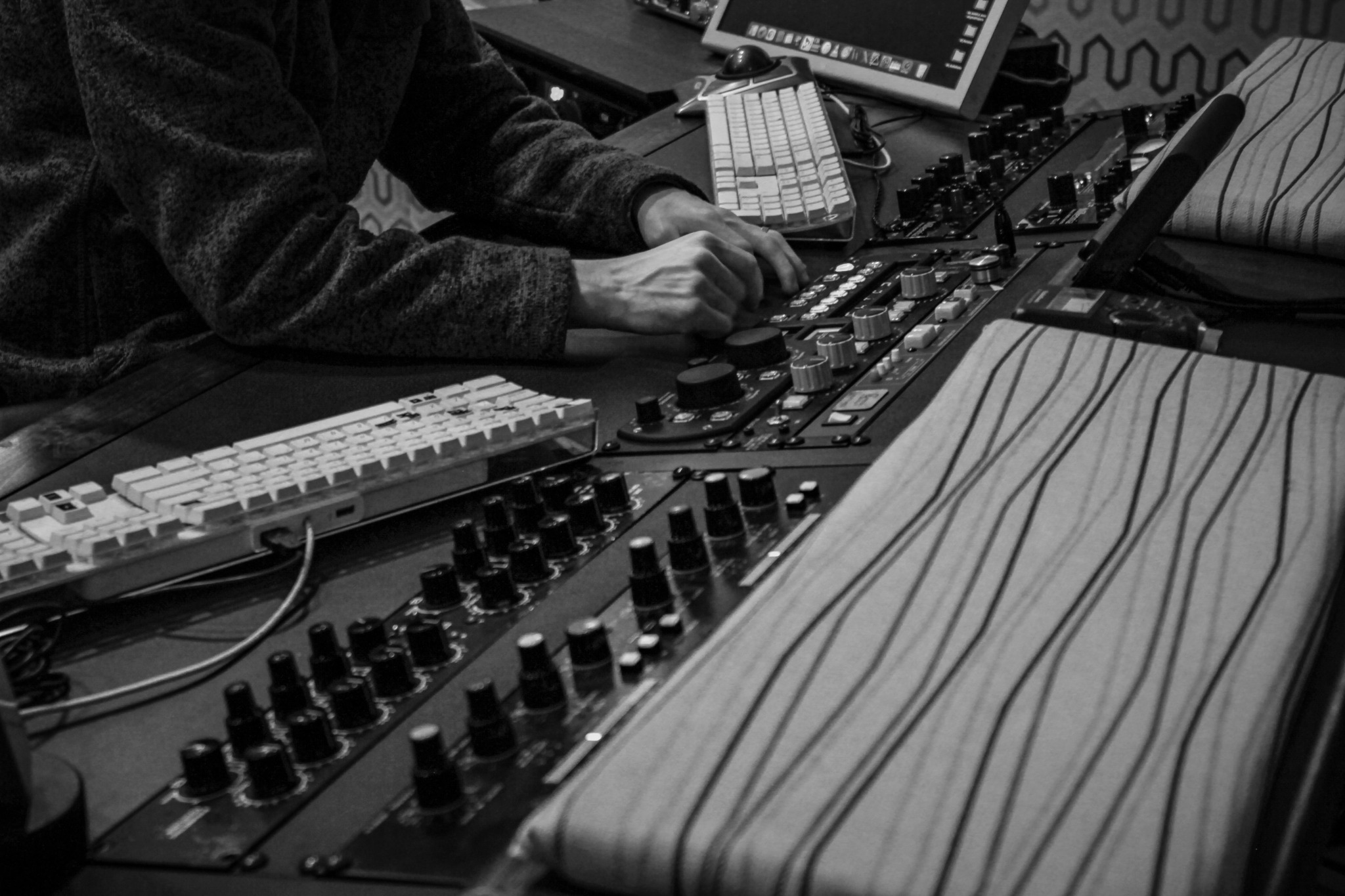
One of the biggest differentiators is my use of cutting-edge technology in lacquer disc cutting. Right now, there are only three or four of us in the country working with this new system. It modernizes the lacquer-cutting process, bringing greater efficiency, serviceability, and reliability compared to the legacy equipment—most of which dates back to the 1970s and ’80s. This system is called the Sillitoe SDMS system with Space – Time Software made by Sillitoe Audio Technology in Perth Australia. The system brings disk cutting into the modern digital era and utilizes modern electronics that interfaces with the prediction software, automating a good deal of the cutting process, allowing the operator more time, freedom, and energy to focus on mock up of the disc surface and sound of the disc itself.
Beyond the technical side, I focus on making the mastering experience personable and frictionless. I maintain direct communication with my clients, whether in person, via phone, or zoom, ensuring transparency and clear expectations. Great audio is a given in this field, but I pride myself on making the process as smooth as possible for artists, helping them confidently take their work to the finish line.
What are you most proud of in your work?
The audio enhancements I can bring to someone’s project has is a skill set built since I was an intern in recording studio in Nashville since 2007 – 18 years! Building The Voltage Exchange into a trusted, artist-friendly business is something I take great pride in. I love helping musicians bring their recordings to life and seeing their vision come to fruition. Mastering is the final step before a project gets released into the world, and I take that responsibility seriously. I give artists the confidence that their record is truly finished and ready to be heard.
Beyond that, I take pride in my role as the first step in manufacturing. The files or lacquer discs I create are what get duplicated and distributed to audiences worldwide. Being the bridge between artistic creation and commercial release is a privilege, and I love being part of that process. I let local artist participate in the mastering and cutting process by providing attended sessions at not additional cost. I am a huge advocate that that the record making process s a giant collaborative team effort and I am one part of a larger team. I am a teammate that helps the artist get there recording format and out to distribution.

Let’s talk about resilience next – do you have a story you can share with us?
Can you share a story from your journey that illustrates your resilience?
Lacquer disc cutting is not for the faint of heart. Getting into it is incredibly difficult, almost impossible, really. In Nashville, fewer than ten people actually own and operate disc-cutting machines, making it an extremely exclusive field. There are no traditional pathways into it, no schools, no structured apprenticeships. The only real way in is to find someone willing to teach you or, as I did, take the risk of figuring it out on your own.
For me, the only viable option was to buy my own machine and learn from scratch. The problem? The classic cutting systems—Neumann and Scully lathes—are astronomically expensive. When they do go up for sale (which is rare), their price tag is comparable to buying a Ferrari. The financial barrier alone makes entry into this world nearly impossible for an independent audio freelancer.
That’s where the Sillitoe machine came in. Becoming a beta tester for this new technology was my only realistic way in. The older systems, while wonderful amazing machines, weren’t just prohibitively expensive—they were extremely difficult to maintain without an electrical engineering background or a professional studio tech on call. The part for these older machines are increasingly scarce. At this point that feel like these beautiful dinosaurs, that are getting heavily moded and frankensteined to keep running. The Sillitioe, on the other hand, represented a new frontier—an opportunity to bring lacquer cutting into the digital age while making the process more accessible. But that also meant diving into the unknown, working with an untested system, and figuring things out without the decades of institutional knowledge that exist for the old machines.
I did have opportunities to work with existing disc cutters in Nashville, but the available roles weren’t sustainable for me. At this stage in my life, being in my 30s and married, the idea of working nights for little pay while trying to learn on someone else’s machine just wasn’t feasible to keep food on the table. So, I had no choice but to go out on my own. It was a massive risk, but I was determined to make it work.
That resilience paid off in ways I couldn’t have predicted. Learning to cut records on a brand-new system, without a mentor and without the traditional, time-tested methods, was one of the most challenging things I’ve ever done. There were moments of deep frustration, broken parts pieces of my own doing, and times when it felt like everything was stacked against me. But that process also forced me to truly understand the craft, to break it down from the ground up, and to collaborate directly with the machine’s designer to refine the technology.
What’s exciting is that, while the core principles of vinyl cutting haven’t changed, after all, a record is still a record, the way we cut them is evolving. This new system does what the classic machines do, but in a way that integrates digital technology, making the process more precise and efficient. In many ways, I believe learning on this new system gave me a deeper understanding of the craft than if I had simply followed the traditional path.
Ultimately, my resilience came down to necessity. There wasn’t an established way forward for me, so I had to create my own. I took a risk on a product that could have easily failed, but instead, I became part of a small but growing community of engineers pioneering this new technology. Together, we’ve turned this machine into a viable tool for making professional records, proving that disc cutting isn’t just a relic of the past, it has a future.
Any resources you can share with us that might be helpful to other creatives?
Accounting and money management. I wish I had a more formal education in this earlier in life. I think I could have built the business up faster if I had foresight and planning outside of the technical audio space. I am proud of the health of the business over the years and not spending beyond the business needs but I see areas that could have been better planned and managed, mainly my own headspace and understanding in how to pay myself and what profit actually means and is, and how profit actually helps my clients in the long term.
Contact Info:
- Website: https://thevoltageexchange.com
- Instagram: @thevoltageexchange