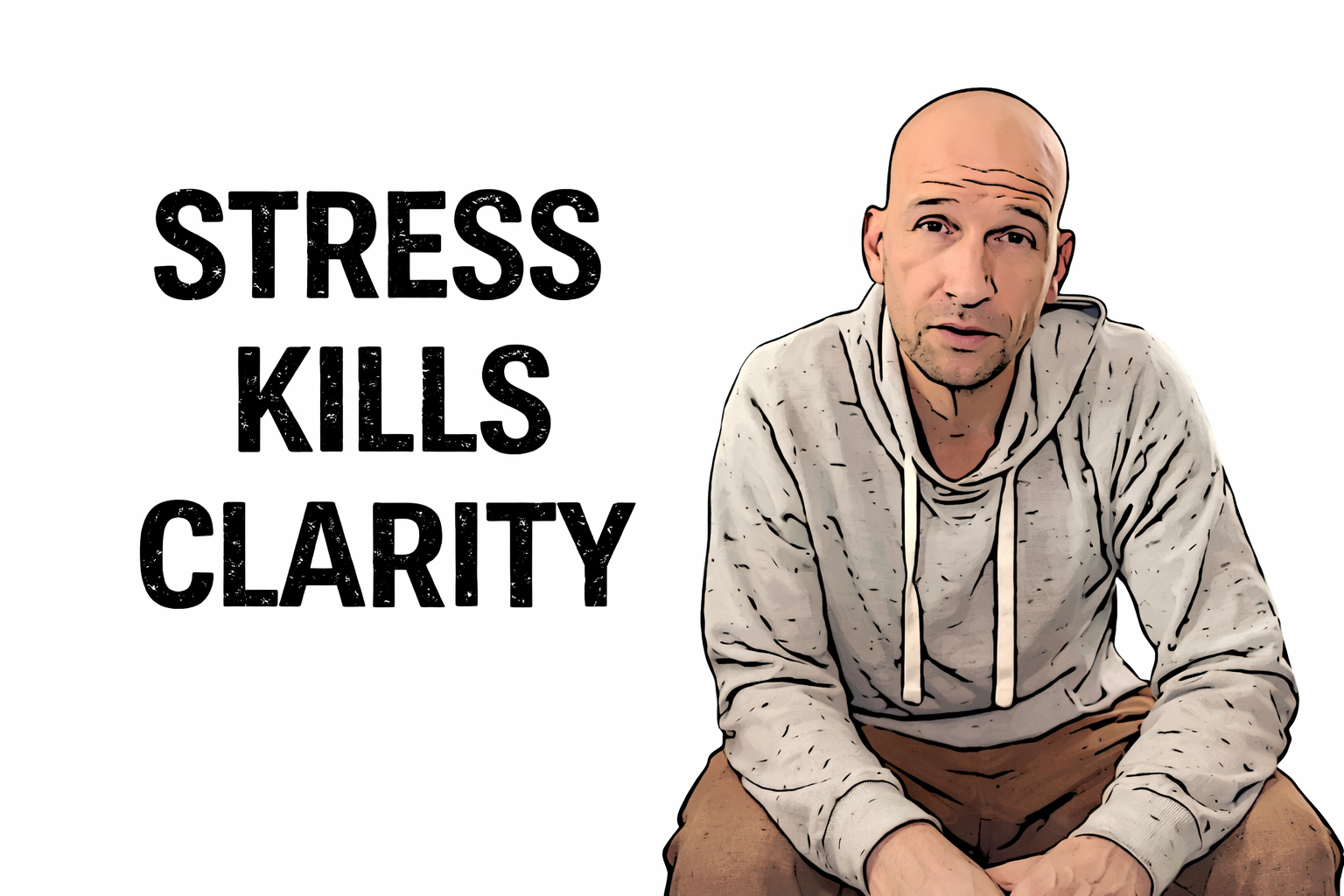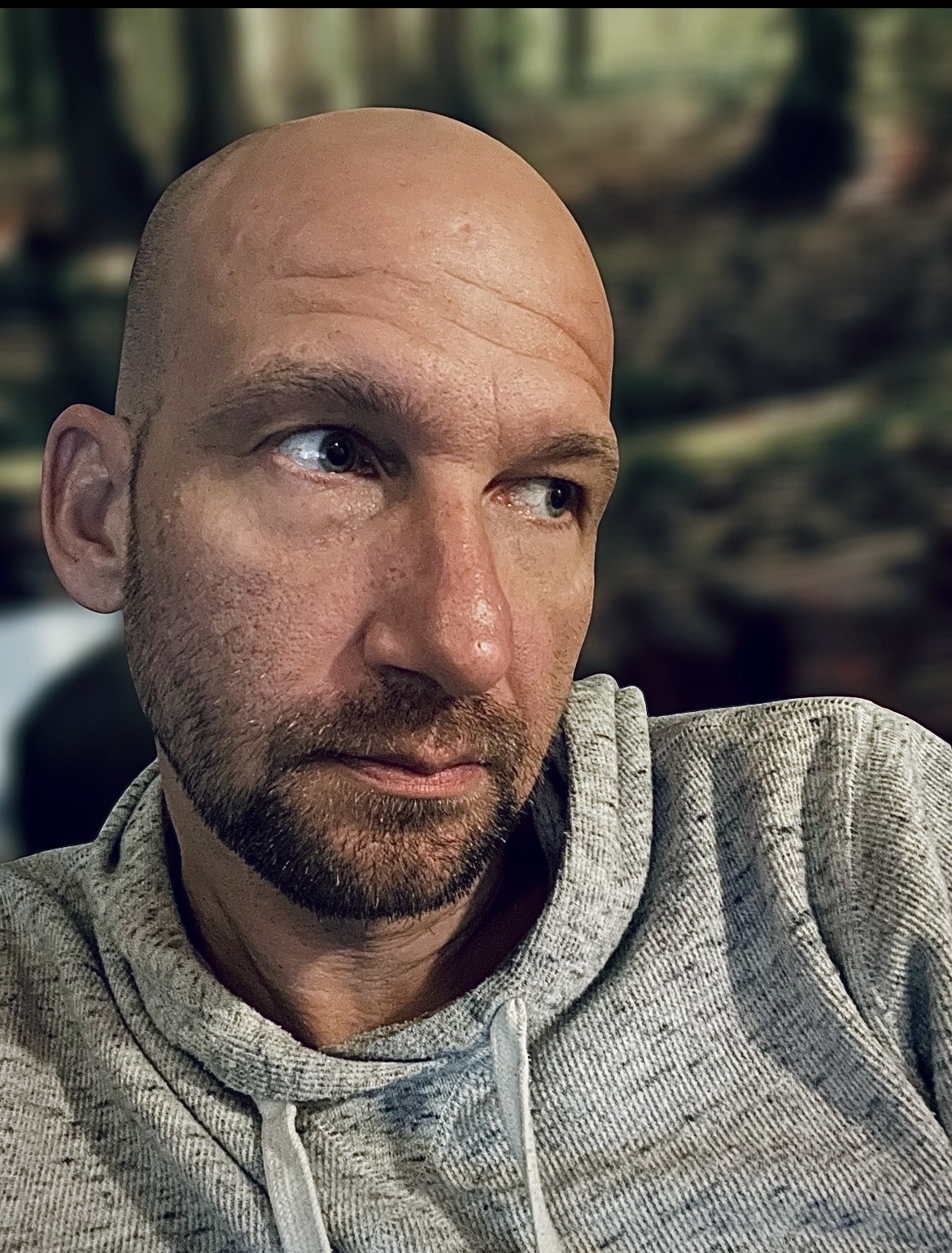

We’re excited to introduce you to the always interesting and insightful Drew Hicks. We hope you’ll enjoy our conversation with Drew below.
Drew, appreciate you joining us today. Let’s jump right into how you came up with the idea?
Last winter, I had a minor surgery that forced me to slow down. Between recovery and the winter weather, life got very quiet. For about two months, almost every hour I was awake, I was either writing or meditating.
Somewhere in the middle of that period, something shifted. The way I relate to my own mind, emotions, and reality became much clearer. I started calling that shift “making contact with reality” because that’s what it felt like, less noise, less distortion, less fighting with what is.
As that happened, I realized I had not just been filling notebooks. I had been building a body of work. Much of what I was writing could be translated into videos and shared in a way that might genuinely help people think more clearly, suffer less unnecessarily, and feel a little less trapped in their own minds.
That was the moment it started to feel worthwhile. The logic was simple: I knew the material was real because it came out of lived experience, not theory alone. I also knew I could communicate it clearly. If something had helped me see more honestly and feel more grounded, there was a good chance it could do the same for other people.
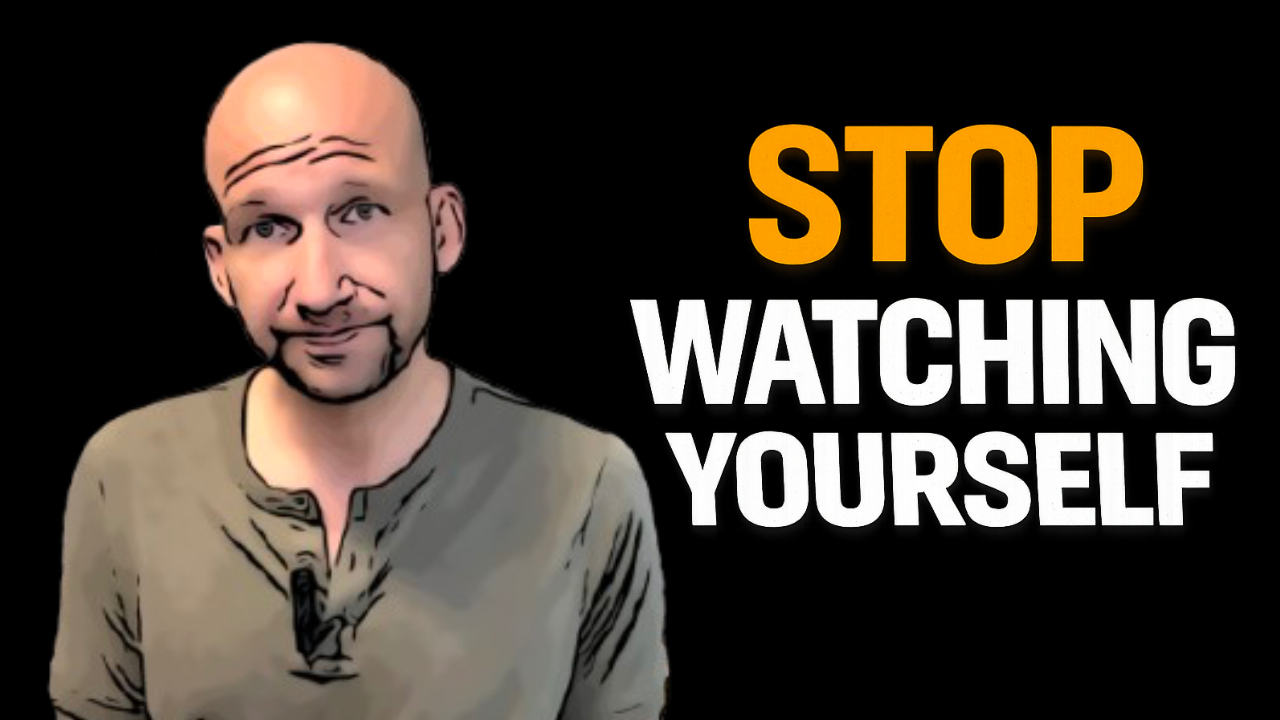
Drew, love having you share your insights with us. Before we ask you more questions, maybe you can take a moment to introduce yourself to our readers who might have missed our earlier conversations?
I’m a writer, video creator, and the founder of No Interference, a body of work centered on clarity, nervous system regulation, and reducing the mental and emotional noise that keeps people disconnected from themselves and from reality.
The way I got into this work was not through a traditional business plan. It came through lived experience, years of reflection, and a period of intense writing and meditation that helped me see more clearly what I had really been working toward. I became increasingly interested in the gap between what people think their problem is and what is actually happening underneath it. A lot of people believe they have a thinking problem, an anxiety problem, a motivation problem, or a confidence problem. Very often, what they are really dealing with is internal interference: thought fighting thought, emotion being treated like danger, the body running old protective patterns, and a growing distance from what is actually real in the moment.
That is the area I work in. My focus is helping people recognize interference and make contact with reality again. Sometimes that takes the form of writing. Sometimes it becomes videos. Sometimes it becomes direct creative work that translates complex inner experiences into language people can finally understand. My work draws from psychology, meditation, philosophy, nervous system awareness, and direct observation, but I try to strip away performance, jargon, and false authority. I am much more interested in what is true and useful than in sounding impressive.
What I provide is content and creative work designed to help people think more clearly, feel more grounded, and suffer less from unnecessary internal conflict. The people who connect with my work are often thoughtful, self-aware, and capable, but stuck in loops of overthinking, self-consciousness, internal pressure, or emotional friction. What I try to offer them is not more hype or more self-improvement theater, but a different kind of clarity. I want people to feel that something genuine is being named, often in a way they have felt but never heard put into words.
What sets me apart is probably the combination of depth, directness, and honesty. I am not interested in motivational performance or spiritual branding. I try to speak plainly about things people often overcomplicate. I care about precision, but also about resonance. I want the work to land not just intellectually, but viscerally. If someone encounters my work and feels less confused, less trapped, or more in contact with what is actually happening, then it has done what it was meant to do.
What I’m most proud of is that this work comes from something real. It was not reverse-engineered from trends or built to fit a market first. It emerged from genuine inquiry, lived experience, and a serious effort to understand what actually helps people. I think that gives the work a kind of integrity people can feel.
What I most want potential clients, followers, and readers to know is that my brand is not about creating a persona. It is about reducing interference. It is about helping people return to something more honest, more grounded, and more usable. In a world full of noise, performance, and borrowed language, I want my work to feel like contact with something real.
Is there a particular goal or mission driving your creative journey?
Yes. The mission behind my creative work is to reduce interference between people and reality.
A lot of suffering is not just caused by pain itself, but by the layers people add on top of pain: overthinking, resistance, self-judgment, internal conflict, emotional avoidance, and the constant pressure to manage how they appear. I’m interested in helping people see that more clearly. When unnecessary interference drops, people often become more grounded, more honest, and more capable of meeting life directly.
That mission shapes everything I create. Whether I’m writing or making videos, I’m trying to name things in a way that cuts through confusion without adding more noise. I’m not interested in performing wisdom or selling a polished identity. I’m much more interested in creating work that feels real, useful, and clarifying.
At the deepest level, my goal is to help people make better contact with themselves, with their own experience, and with reality as it is. I think a lot can change from there.
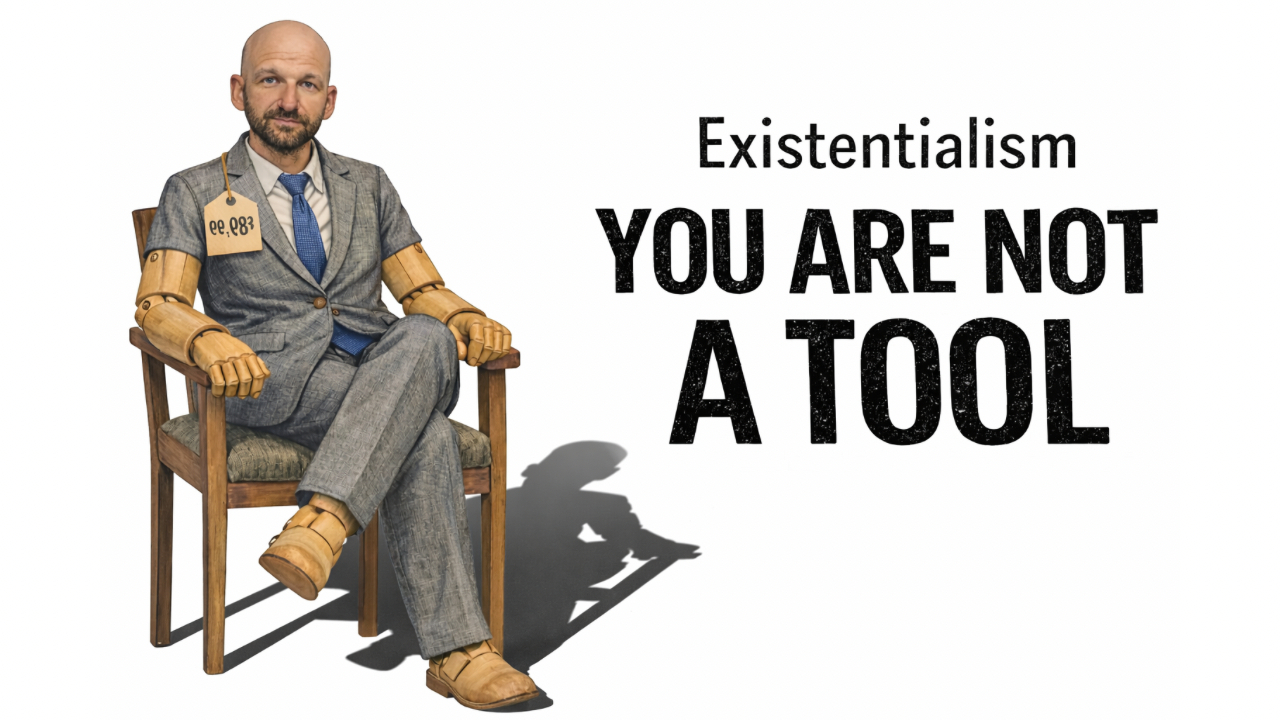
Learning and unlearning are both critical parts of growth – can you share a story of a time when you had to unlearn a lesson?
One lesson I’ve had to unlearn is that insight by itself changes you.
For a long time, I put a huge amount of value on understanding. If I could explain something clearly, see the pattern, name the mechanism, or have a breakthrough in perspective, I assumed that meant real change had happened. And sometimes it felt like it had, for a little while.
But over time I saw that understanding something and embodying it are not the same thing. You can have a very accurate insight and still keep living from the same old tension, fear, and conditioning. You can explain freedom while still being run by old patterns. That was an important thing for me to confront.
The backstory is really years of reflection, writing, meditation, and watching how easy it is for the mind to mistake recognition for transformation. I started noticing that some of the clearest insights I had were not actually changing me until they moved into the body, into behavior, into the way I related to discomfort, conflict, uncertainty, and everyday life.
That changed how I see growth and also how I create. Now I care much less about sounding profound and much more about whether something is lived, grounded, and real. A good insight is valuable, but only if it becomes embodied enough to actually alter the way you meet reality.
Contact Info: