

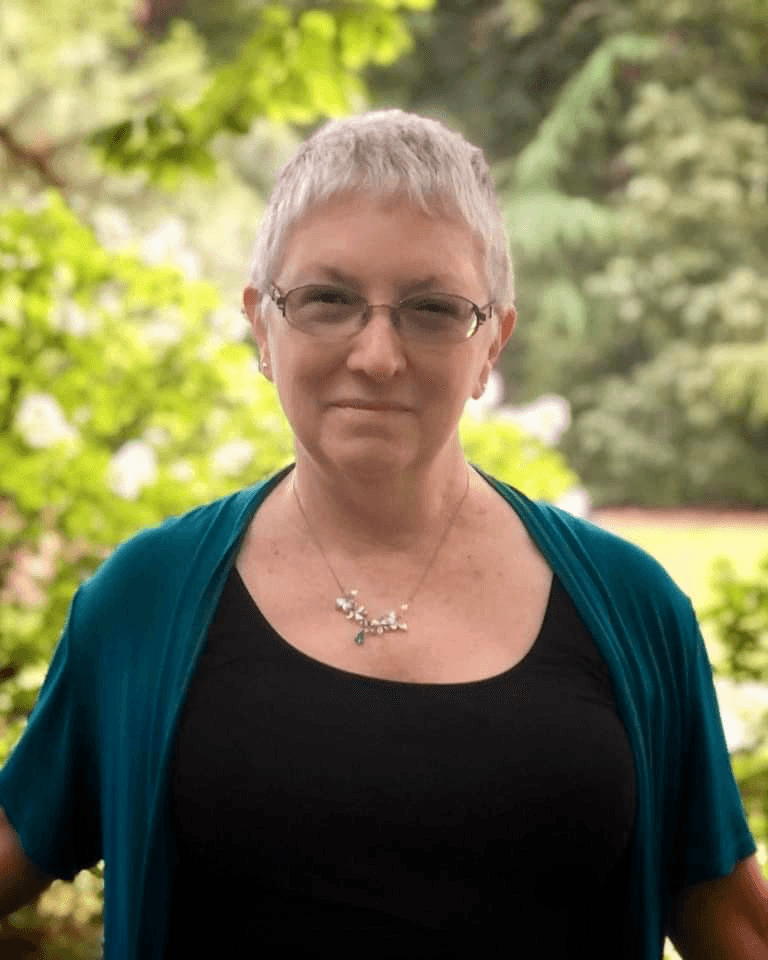

We were lucky to catch up with Drema Deòraich recently and have shared our conversation below.
Hi Drema, thanks for joining us today. Can you talk to us about a project that’s meant a lot to you?
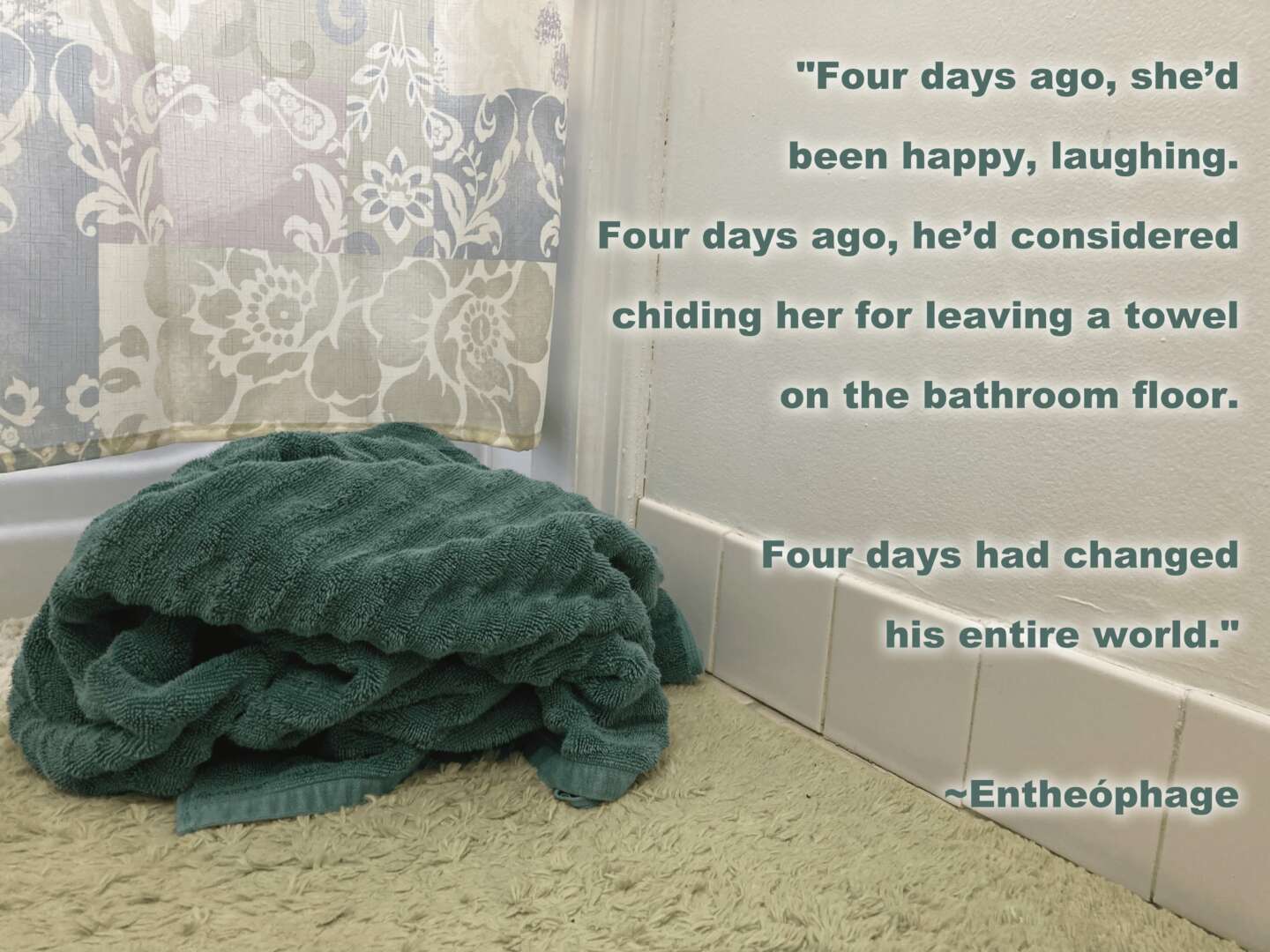
I’ve been writing for a long time. But it wasn’t until early Spring of 2019 that I got a story idea that exploded beyond its expectations. Since it was a blending of ecofiction and medical sci-fi/mystery, I needed to do a lot of research; it took me months, and a lot of patient assistance, to assemble the medical and scientific facts I’d need to make this story real, believable, and relatable. I finally sat down to write on November 1, 2019, and finished the whole first draft of the book, which revolved around a strange and unknown viral pandemic, during the 30 days of National Novel Writing Month. Three months later, we were seeing the signs of a very real pandemic in the world around us.
It took me months to come back to the story; when I did, I revised, tweaked, and submitted the book to a mentorship competition–and won–in the fall of 2020. My mentor, Anna Kaling, and I honed the edge of the book all through that winter. In the spring of 2021, I began submitting it for consideration with publishers and agents. But because we’d been so overwhelmed in the real world with pandemic life, no one wanted to read it.
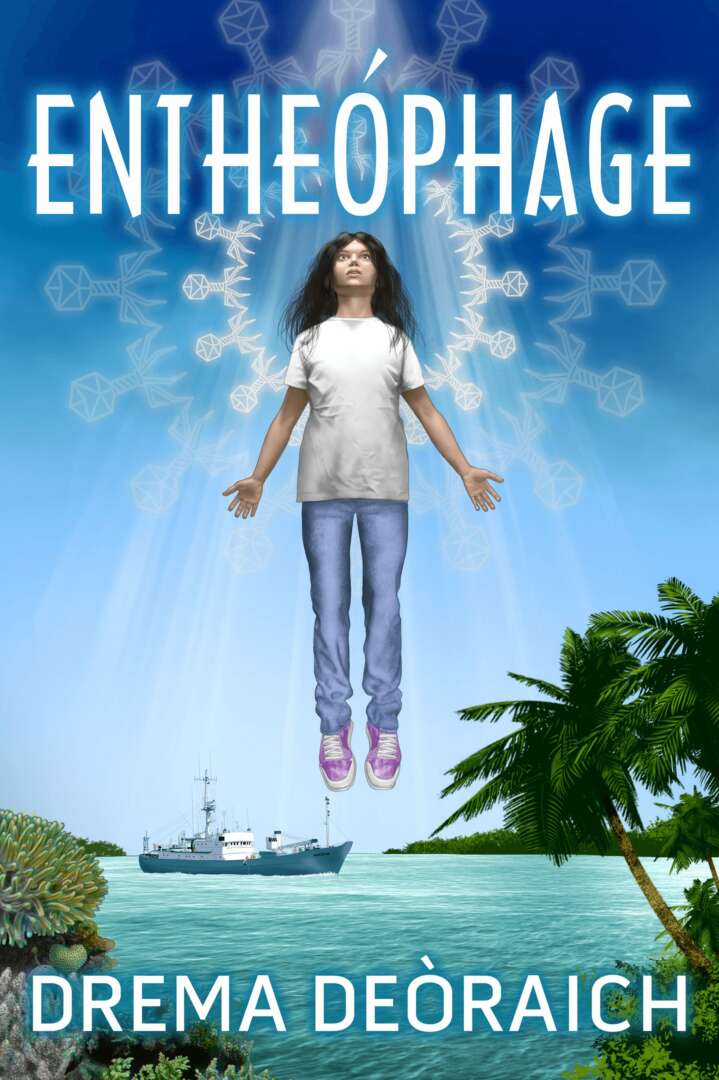
I knew this story was important. Its message needed to be heard. But if that was going to happen, I’d have to publish it myself–not a path for the faint of heart. That fall, I made the decision to do it on my own. It took another year of studying self-publishing practices, taking classes, reading, and trying various strategies. Finally, in October of 2022, my debut novel Entheóphage was released.
Since then, it has received a number of good reviews, was nominated for the Ursula K. Le Guin prize, and been the subject of numerous book club discussions. I’m so proud of this book, and its message. Looking back, I’m glad I didn’t wait to be “discovered” by someone else. This process has improved my skills as a writer and a publisher, and I couldn’t be happier with the result.
As always, we appreciate you sharing your insights and we’ve got a few more questions for you, but before we get to all of that can you take a minute to introduce yourself and give our readers some of your back background and context?
I’ve been writing all my life but didn’t get serious about it until I was in my 50s. At that time, I got involved with the local community of writers, and attended my first Hampton Roads Writers conference in Virginia Beach. That’s when I knew the puttering I’d been doing for so long could be much more. I’ve attended that conference every year and taken classes both from HRW and at our local writers’ center, The Muse. Each conference or class helped me hone my craft, strengthen my stories, and tighten my focus.
Mostly, my fiction tends toward thought-provoking storylines. My goal is to carry readers away from the everyday, but also to ask the big questions we humans often face, to captivate the reader’s imagination and perhaps help them see old topics in new ways. I want my stories to say something meaningful.
Writing is my passion, but writing to sell or publish one’s stories is not easy. There are so many layers to it, whether you go through traditional publishing routes, or choose the indie publishing route. Each time I do, I learn new ways, new practices that make the next time a little easier. It’s a proud moment when that published book lands on my desk, a manifestation of all the time and effort I’ve expended in its creation.
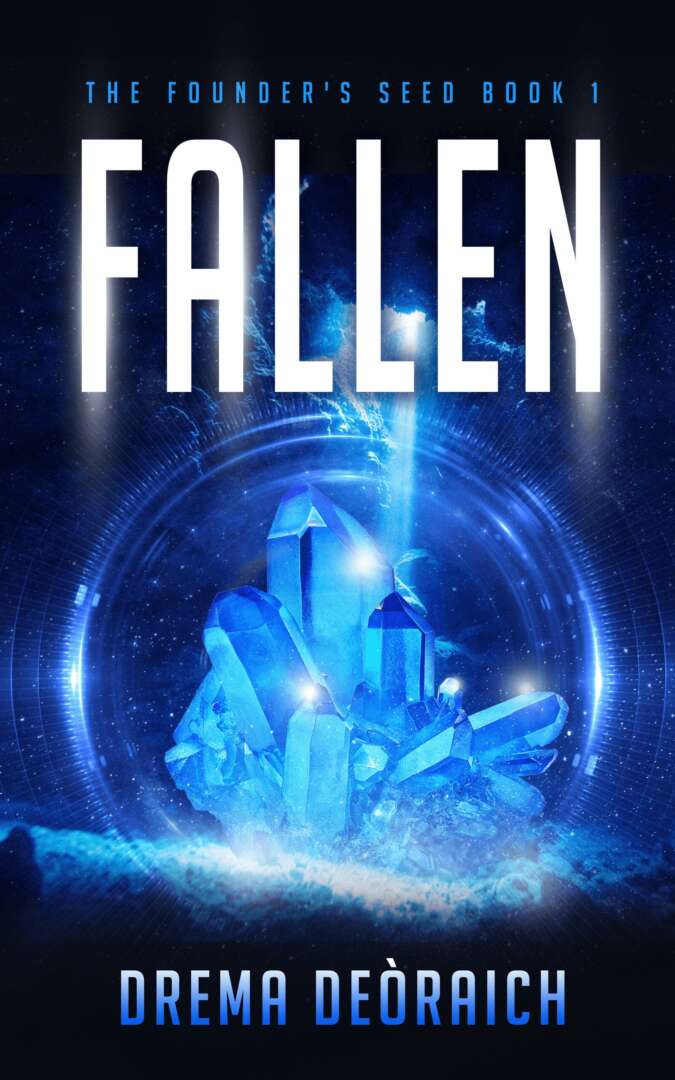
I’m deeply connected to each story I’ve published, whether flash fiction, short story, or novel. The characters in each have taught me well, and so live on in my head. But this latest book, Fallen, might be my proudest achievement. It was the first novel I ever wrote (even though it wasn’t the first one I published), and it’s the one that taught me most how to hone and tighten the tale. I sincerely hope it will touch each reader and give them some meaningful takeaway.
We often hear about learning lessons – but just as important is unlearning lessons. Have you ever had to unlearn a lesson?
In my 30s, I thought that becoming an author would be a breeze. All I had to do was sit down, make something up, and write it down. So, after writing poetry for years, I decided to write a novel. Almost immediately, I started creating the worlds, the non-human species, the settings, and the wide-reaching arc of a story. (I still have all those old notes.)
By the time I attended my first conference, I’d been writing the actual story for maybe eight years and had a manuscript of 800 thousand words. It didn’t occur to me that there was anything wrong with that number until I pitched my novel to an agent at the conference. When I told her how long it was, she almost choked, and informed me (politely) that I might want to cut it back just a bit. Subsequent research showed that the general accepted length for a science fiction or fantasy novel is 100-120 thousand words. Sheesh.
I can’t remember if I was embarrassed then, when I realized what might have been going through that agent’s head. Now, though, I see what a good lesson it was for me. Figuring out how to make my story fit that limitation has been one of the strongest teachers in my craft journey, since I had to learn how to say the same things in shorter, more impactful ways.
Critique groups helped. Each time I would share one of my pieces with a group, they would—as was their job—point out all the weak spots, inconsistencies, and flaws. It was tough, the first dozen or so times, to hear that criticism without taking it personally. But the whole point of critiques is to help the writer make the story better. Over time, I learned to see the value in those sessions, and to cherish that feedback. My stories, and my craft, are stronger for it.
It was also an “unlearning” to realize there are “rules” to writing fiction. Not everyone follows them, especially well-established authors who have a ton of titles to their name. Seeing that made it more challenging to stick to the rules myself. But I’ve learned to see that those rules usually help to make the story stronger, and that if the author is breaking them, they need a darn good reason.
That 800-thousand- word story I mentioned above was the precursor to the novel I just released, Fallen. It’s now just over 100 thousand words with a much tighter focus, a more powerful character arc, and a potent storyline. The result is worth every moment spent in its pursuit.
Lessons in this craft are always being rearranged, restructured, and retaught. That’s part of the writer’s life, even when it’s hard. Especially when it’s hard. Even so, I can’t imagine not being a writer. It’s in my heart. In my blood. In my bones. The passion of creating whole new worlds, new characters, new dilemmas, and meaningful solutions gives me a sense of fulfillment I’ve not found anywhere else.
What can society do to ensure an environment that’s helpful to artists and creatives?
One of the best ways people can support writers is to leave reviews of their works in multiple places—not just on Amazon and GoodReads. Other sites like BookBub, StoryGraph, Book Funnel, and Library Thing also serve as resources for readers looking for their next great read. Indie authors, like me, don’t always have a lot of resources to fund marketing, so word of mouth is priceless. I often hear readers say they don’t know what to put in a review. The thing to remember is this: it doesn’t have to be a long, complex article. A simple entry (“I loved the characters in this book. They really carried the story,” or “What a heartfelt tale! I didn’t want it to end,”) is often just as good. Even a rating without a review is helpful for us.
Other ways that would be as useful for all creatives as for writers is to buy the product. Ask for indie books at your local bookstore. If they don’t carry it, order it. That way, you’re supporting both the artist and the indie bookstore.
Look for indie books or music at your local library. If they don’t list it, request it.
Attend the openings or gallery shows of artists. Make it clear to the gallery or host that you appreciate seeing these works in their space.
Attend creative festivals and support the merchants there.
Attend shows of local musicians. Support the music scene by showing the pubs, clubs, and restaurants where they play that the musician(s) are a worthwhile draw.
Spread the word. Tell others about the great book/music/art/craft you’ve found. Talk it up on social media. Tell your family and friends. Buy copies of books/CDs/MP3s/posters/etc. for gifts. Share the knowledge of their existence.
Contact Info:
- Website: https://niveymarts.com
- Instagram: https://www.instagram.com/dremadeoraich/
- Facebook: https://www.facebook.com/NiveymArtsLLC
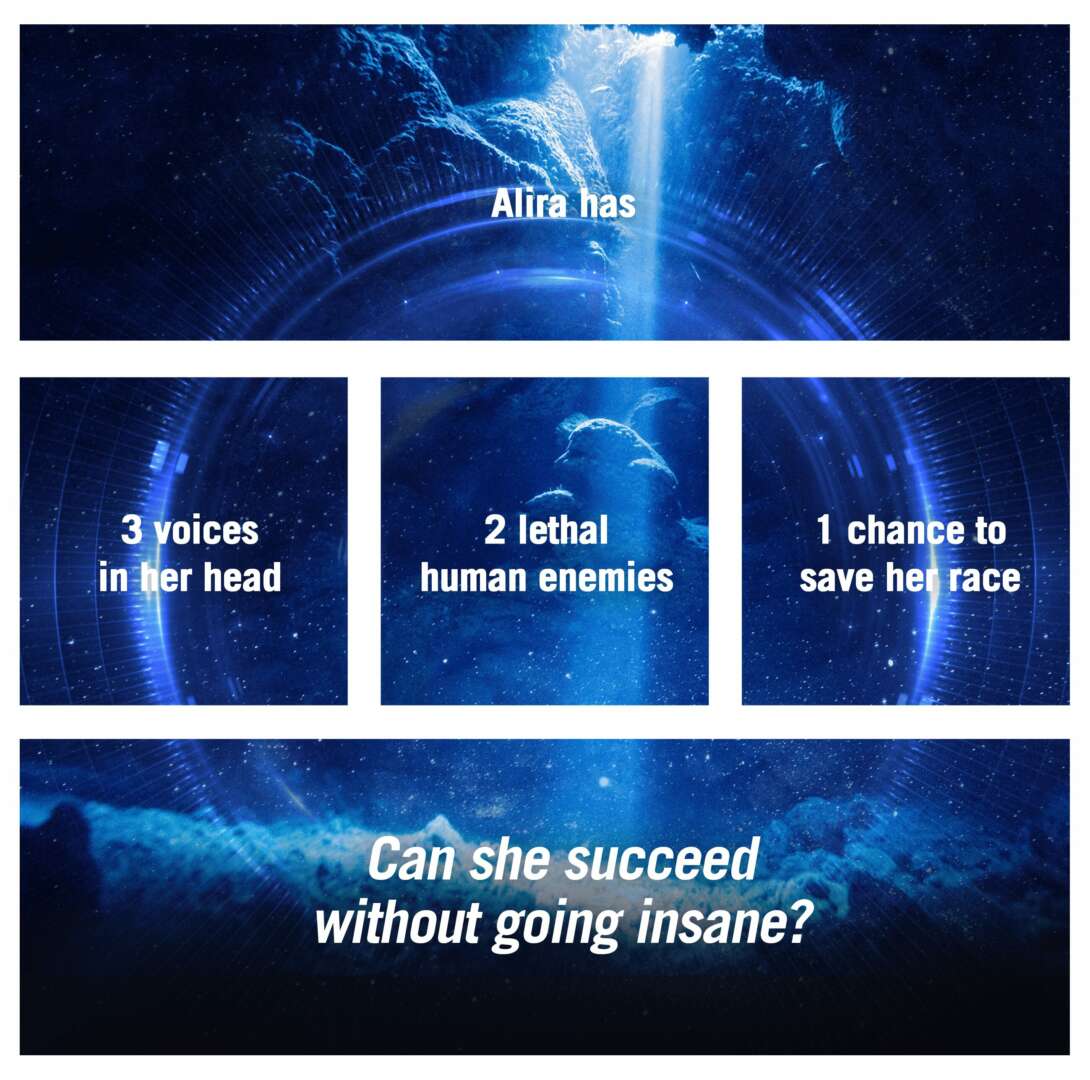
Image Credits
Duncan Eagleson, Corvid Design (for Entheóphage cover)
100 Covers (for Fallen cover and graphics)