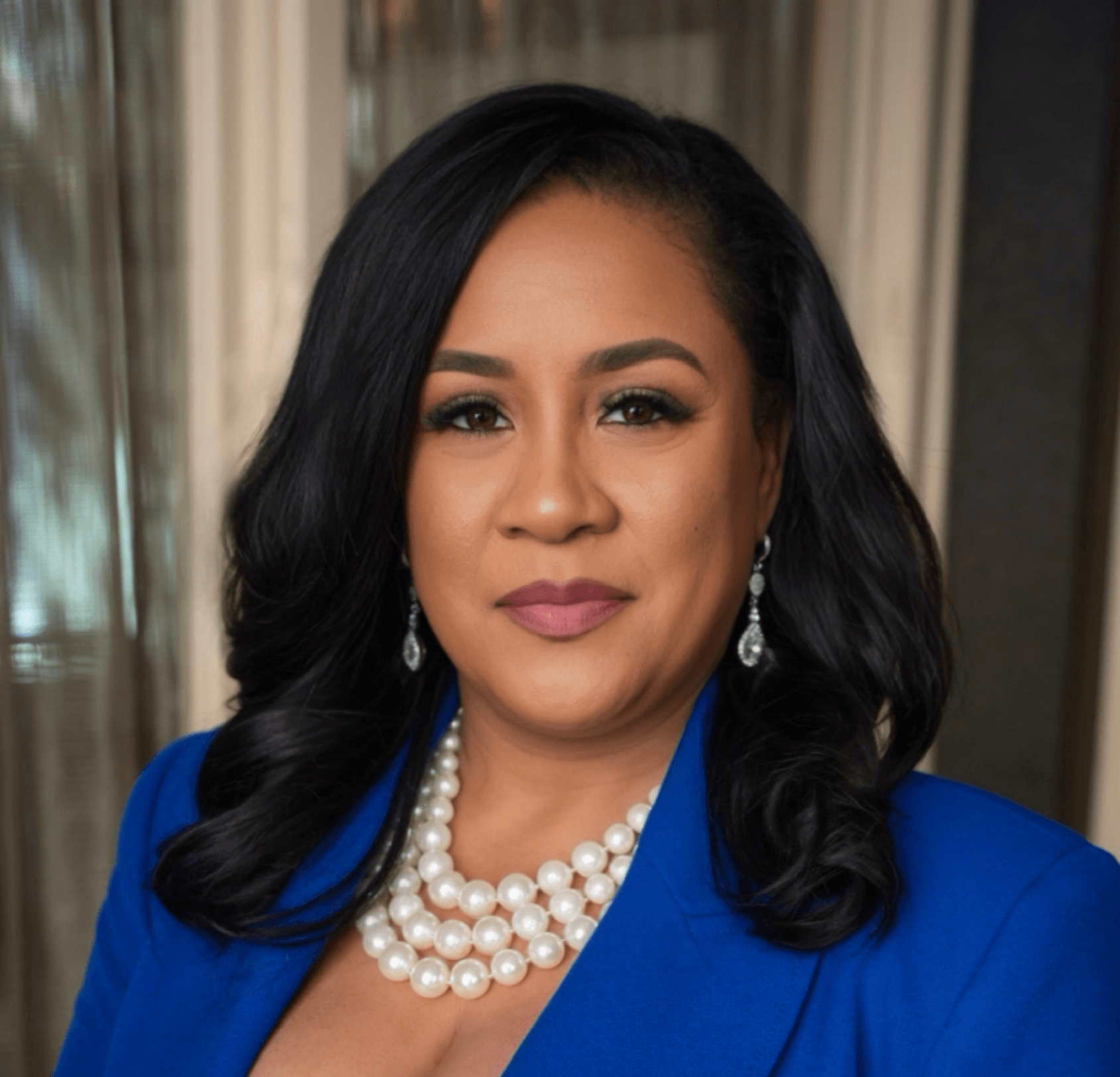

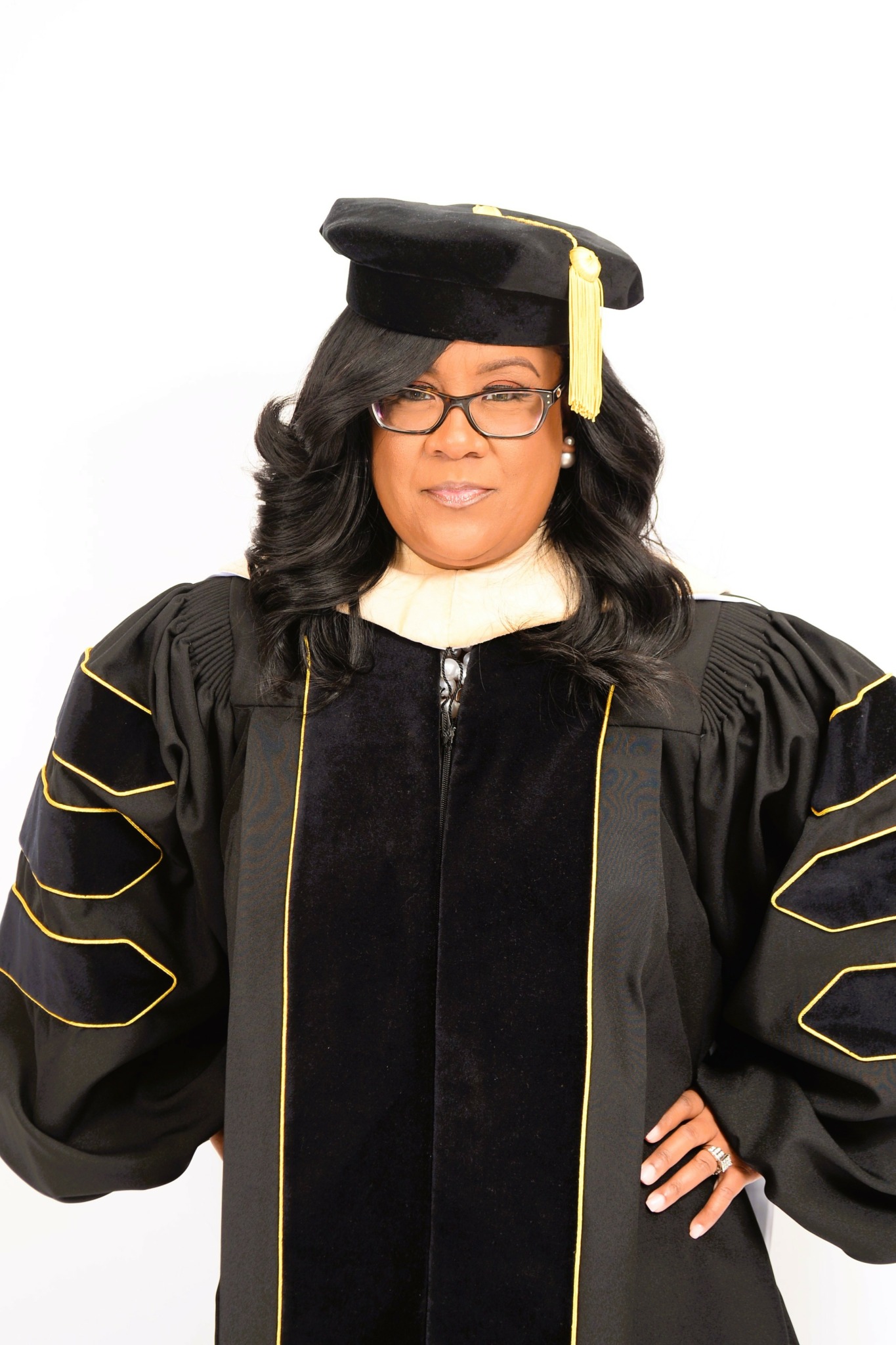
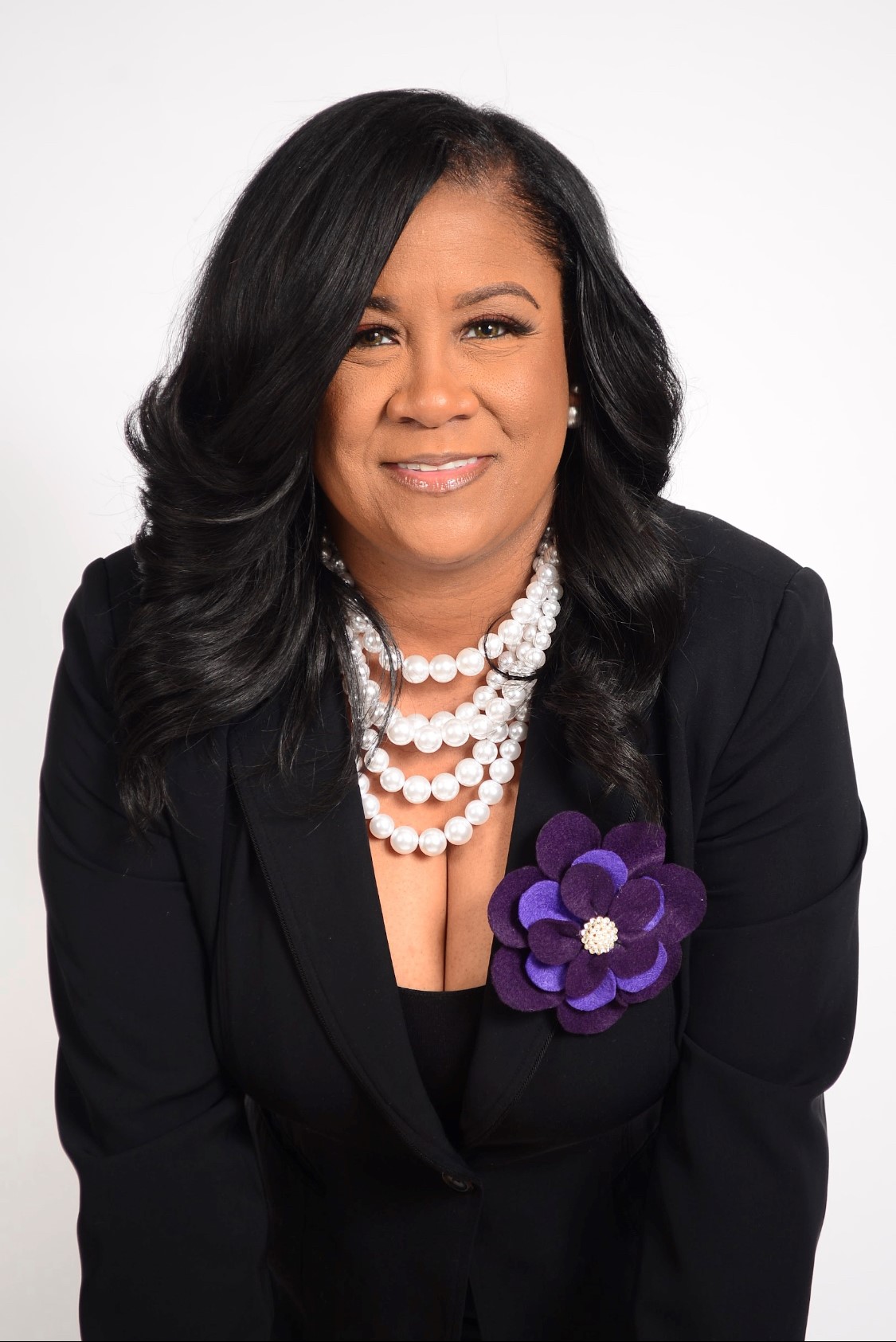
We were lucky to catch up with Dr. Shagranda Traveler, DBA, MBA recently and have shared our conversation below.
Dr. Shagranda, looking forward to hearing all of your stories today. Can you share an important lesson you learned in a prior job that’s helped you in your career afterwards?
One of the most important lessons I carried into business ownership was learned long before I ever owned a company: expertise alone is not what moves organizations forward; trust does.
My career in global talent development required me to listen to thousands of voices across cultures, geographies, and leadership levels. I spent years observing how leadership decisions ripple through organizations, how unaddressed burnout erodes trust, how silence creates fractures, and how employees, women in particular, are often expected to carry vision without being given space to be fully human.
Early in my career, I was often brought into unfamiliar environments, organizations facing stagnation, cultural tension, operational inefficiencies, or declining trust within the communities they served. In one particular role, I was tasked with leading an initiative designed to modernize operations while also repairing fractured relationships with the broader community. The urgency of the work required patience and a careful balance of strategy and empathy. These were not comfortable assignments. In many cases, I was the outsider. The only constant was uncertainty, along with resistance to change.
When in rooms where I was invited precisely because the challenge was complex and the stakes were high, I learned that leadership in those moments was not about control. It was about discernment. Those patterns stayed with me, and what I quickly learned was this: before I could streamline processes, identify growth opportunities, or elevate education and awareness efforts, I had to listen deeply. I had to understand the unspoken dynamics, the history, and the fears beneath the surface.
That foundation is what allows me to lead initiatives that do not just succeed on paper, but create meaningful, lasting impact. When people feel seen and respected, they become partners in progress rather than obstacles to change. That experience reshaped how I lead and how I built my business.
As I transitioned into business ownership, I realized that the lessons I had learned could not live solely in frameworks, workshops, or executive briefings. They needed a different vessel, one that allowed readers to feel the weight of leadership, not just understand it intellectually. As a seasoned executive, I no longer fear unfamiliar rooms; I expect them. I understand that my role is often to become the steady presence in moments of transition, to bring clarity where there is confusion, and to design solutions that honor both people and performance. The lesson was clear: sustainable growth happens when leadership is grounded in trust, accountability, and purpose, not ego.
What people may not realize is that the same leadership lessons I applied in those unfamiliar rooms are the very ones that shaped my decision to author my first novel, She Leads the Way. Writing this book was, in many ways, an extension of my global leadership work. I leveraged the same skills, discernment, systems thinking, cultural awareness, and emotional intelligence, to craft stories that reflect the real, often unseen experiences of women who lead. The characters, challenges, and moments of reckoning in the book are informed by years of witnessing leadership from the inside out.
In business and in writing, the lesson remains the same: leadership is not just about outcomes, it is about intentionality and impact. She Leads the Way became a way to translate decades of corporate and global leadership insight into a narrative that invites reflection, growth, and courage for the next generation of leaders.
She Leads the Way represents the evolution of my leadership work, where global talent development experience meets storytelling to shape leaders not just for today’s challenges, but for what comes next.
— Dr. Shagranda Traveler
#leadingwithdistinction #notafraidofachallenge #womenleaders
Awesome – so before we get into the rest of our questions, can you briefly introduce yourself to our readers.
At my core, I am a globally experienced executive leader who has spent more than two decades helping people, organizations, and systems grow with intention. My career spans corporate, nonprofit, academic, and entrepreneurial spaces, and that breadth has shaped both how I lead and how I serve.
I began my professional journey with the Greater Shreveport Chamber of Commerce, where I worked at the intersection of business, community, and economic development. That experience grounded me early in understanding how leadership decisions impact real people, local economies, and institutional trust. It was there that I learned the importance of aligning strategy with community needs and building credibility through service, relationships, and results.
From there, I transitioned into corporate leadership, ultimately leading global talent development and culture initiatives across more than 20 countries for one of the world’s largest financial institutions, while also advising Fortune 500 companies and academic institutions through periods of transformation. In those environments, I became known for my ability to simplify complexity. I designed leadership frameworks, strengthened employee engagement, and guided leaders through periods of uncertainty and significant change. That work required not only strategic acumen but deep emotional intelligence, and it reinforced a lesson that has guided my career ever since: leadership is not just about performance metrics. It is about people, trust, and alignment.
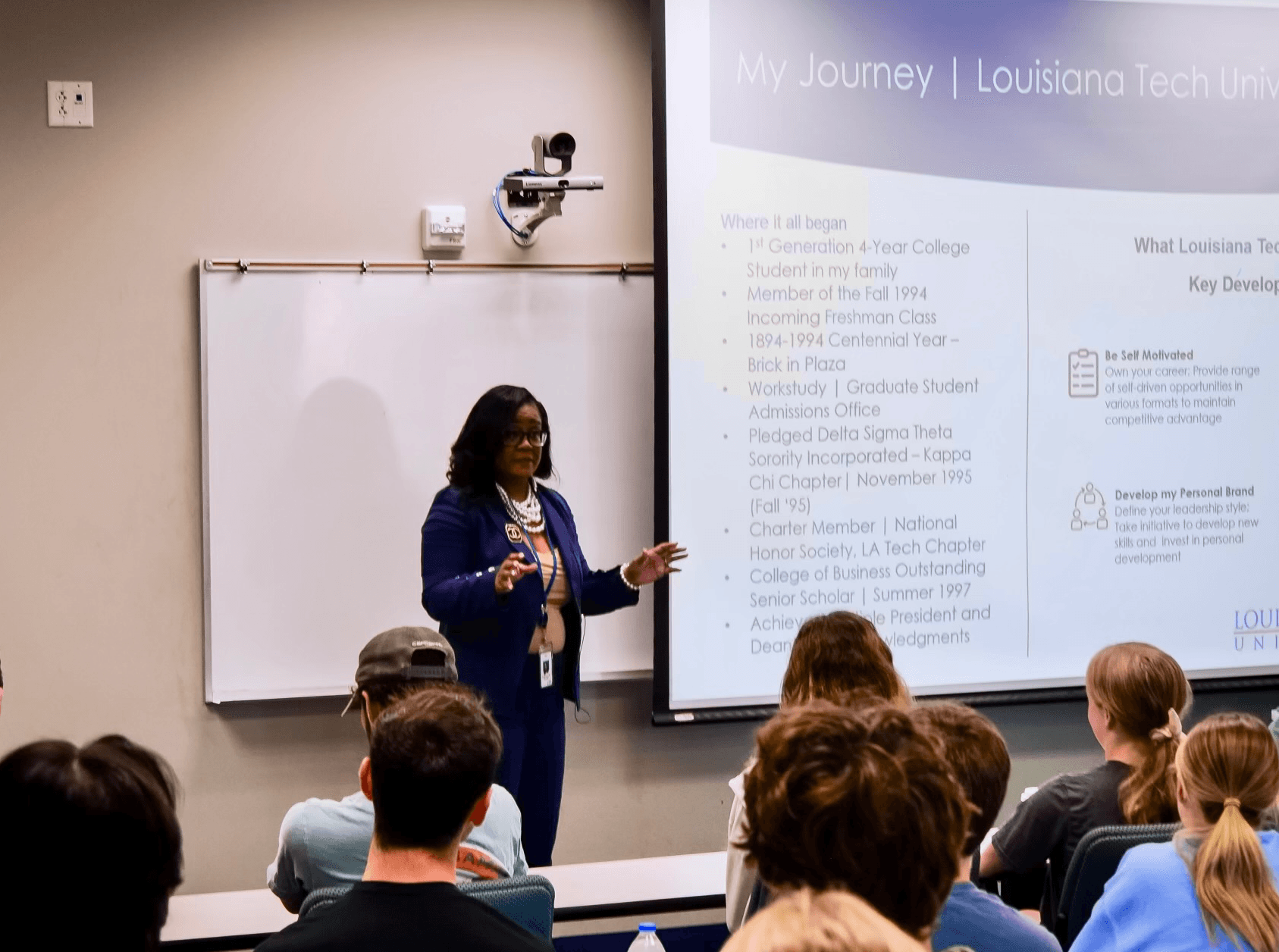
Over time, my work expanded beyond corporate walls into community-based organizations, higher education, and entrepreneurship. I am consistently invited into unfamiliar rooms, organizations facing stagnation, cultural tension, operational inefficiencies, or declining trust, and asked to help them move forward. Whether leading enterprise-wide initiatives, advising executives, or supporting mission-driven institutions, my role remained the same: to bring clarity, structure, and humanity to complex challenges. Working at that scale teaches you quickly that reputation travels faster than resumes. You are trusted—or not—based on how you show up, how you exercise judgment, and how you treat people when the work is complex and the stakes are high.
Today, my work lives at the intersection of leadership strategy, culture, storytelling, and creative expression. As CEO and Founder of Leading With Distinction, I partner with organizations and leaders to build high-performing, people-centered cultures grounded in trust, clarity, and purpose. My consulting and advisory work focuses on identifying growth opportunities, streamlining operations, and addressing misalignment, burnout, ineffective leadership pipelines, and systems that no longer serve the people within them. What sets my work apart is that I do not offer one-size-fits-all solutions. I listen first, assess context, and design strategies that honor both outcomes and people.
In addition to my leadership and consulting work, I am the author of my first novel, She Leads the Way, a leadership novel that blends storytelling with lived executive insight to explore resilience, discernment, and faith-centered leadership, particularly for women navigating high-pressure roles. Writing this book was a natural evolution of my career. After years of working behind the scenes with leaders, particularly women navigating pressure, visibility, and responsibility, I recognized the need for a different kind of leadership conversation. One that allowed space for vulnerability, reflection, faith, and truth. She Leads the Way is rooted in everything I have learned about leadership, resilience, and grace.
I am most proud not of a single title or accomplishment, but of the consistency of impact across every space I have served. I am proud of the leaders who found their voice, the organizations that rediscovered their purpose, and the stories that finally found room to be told. I am proud that my work, whether strategic or creative, centers dignity, excellence, and integrity.
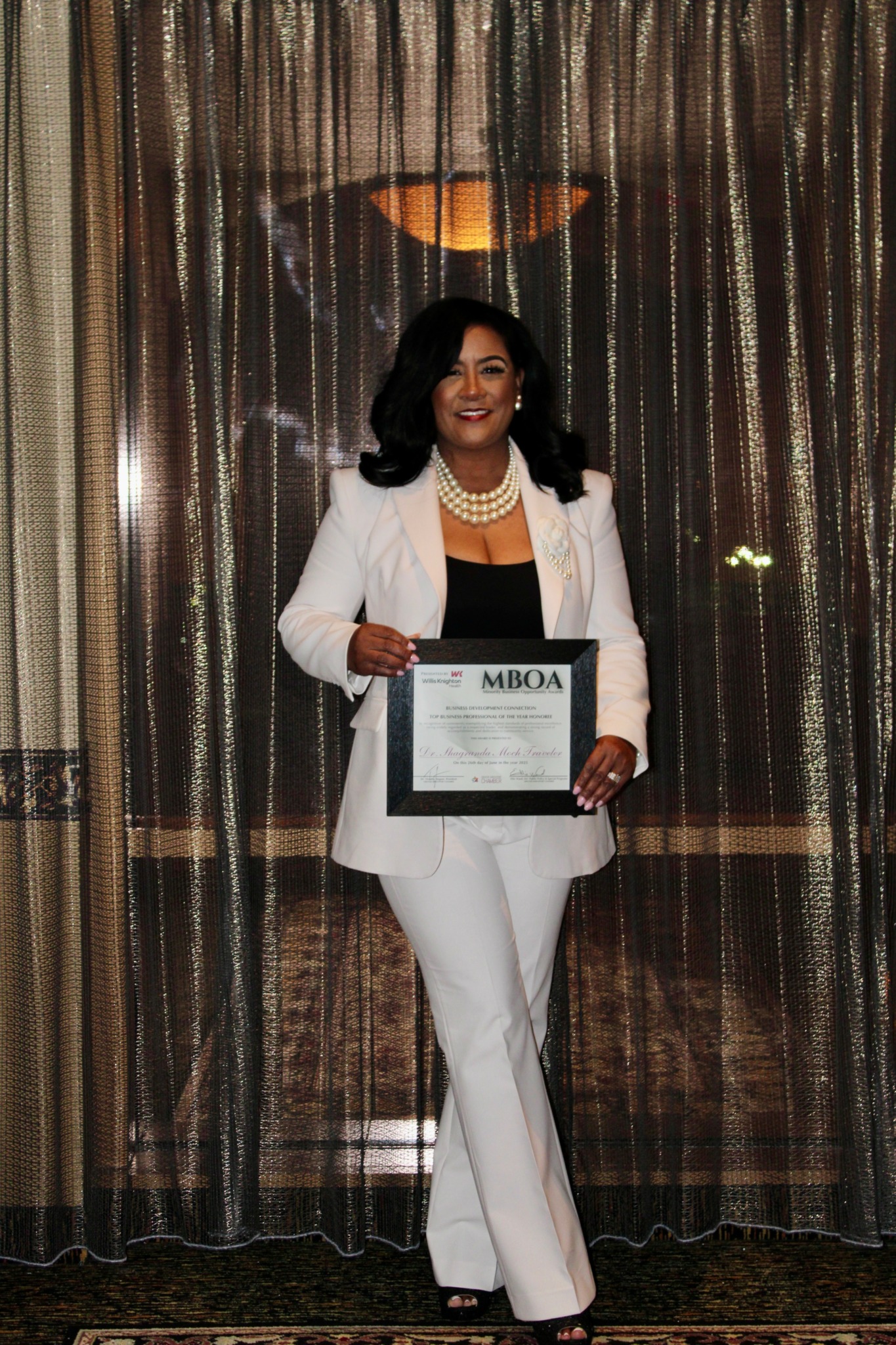
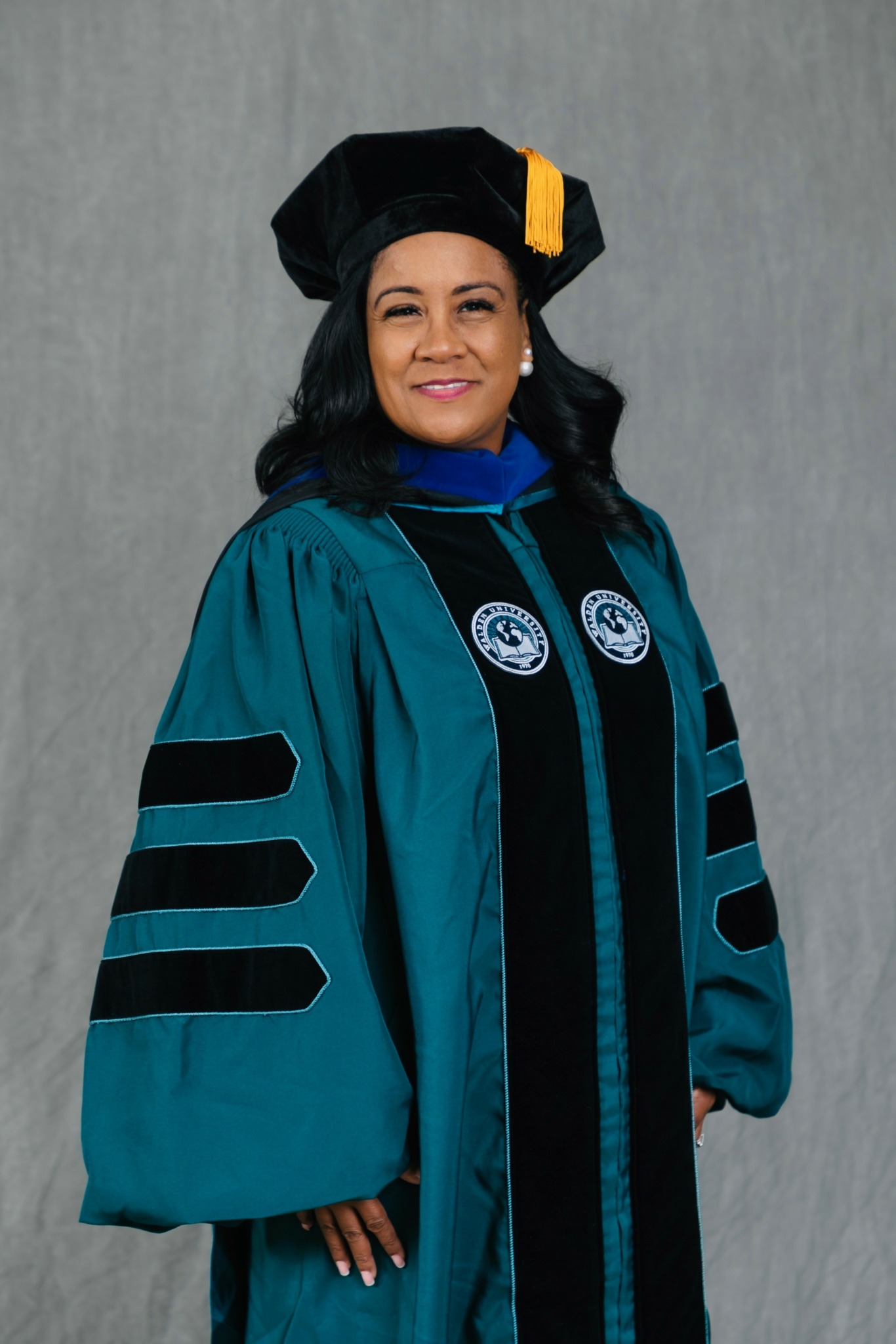
As a global talent development leader, professor, community advocate, author, and keynote speaker, my leadership has been recognized across sectors. My approach is informed by both practice and scholarship. My dissertation has been referenced in academic reviews, validating that the principles I apply within organizations are evidence-based and sustainable. I am a Top Business Professional of the Year Honoree, a recipient of Walden University’s Board of Directors International Leadership Excellence Award, and have received honors from the DFW Black MBA Association as an Empowering Visionary Community Champion of the Year, and Fort Worth Business Press, where I was recognized as a Great Woman of Texas. It is genuinely humbling to be recognized. These recognitions are meaningful not as accolades, but as affirmation of sustained impact, principled leadership, and service across communities and institutions. However, I believe my reputation speaks for itself because it’s rooted in results, sound judgment, and a leadership approach that balances excellence with humanity.
What I want people to know about me and my brand is simple: I intentionally lead with distinction. That means I do not shy away from hard conversations, unfamiliar rooms, or complex systems.
What ultimately set my reputation was intentionality. I didn’t pursue visibility for its own sake. I was deliberate about the work I aligned myself with, the standards I upheld, and the environments I allowed my leadership to be associated with. I also learned the importance of saying no—protecting both my values and my name. Everything I create, every service, every story, and every initiative is designed to leave people, organizations, and systems clearer, stronger, and more aligned than when I found them. That is the standard I hold myself to. It is the legacy I am committed to building.
Can you share a story from your journey that illustrates your resilience?
One of the clearest demonstrations of my resilience came during a season when, outwardly, everything looked successful, but inwardly, the weight of leadership was heavy.
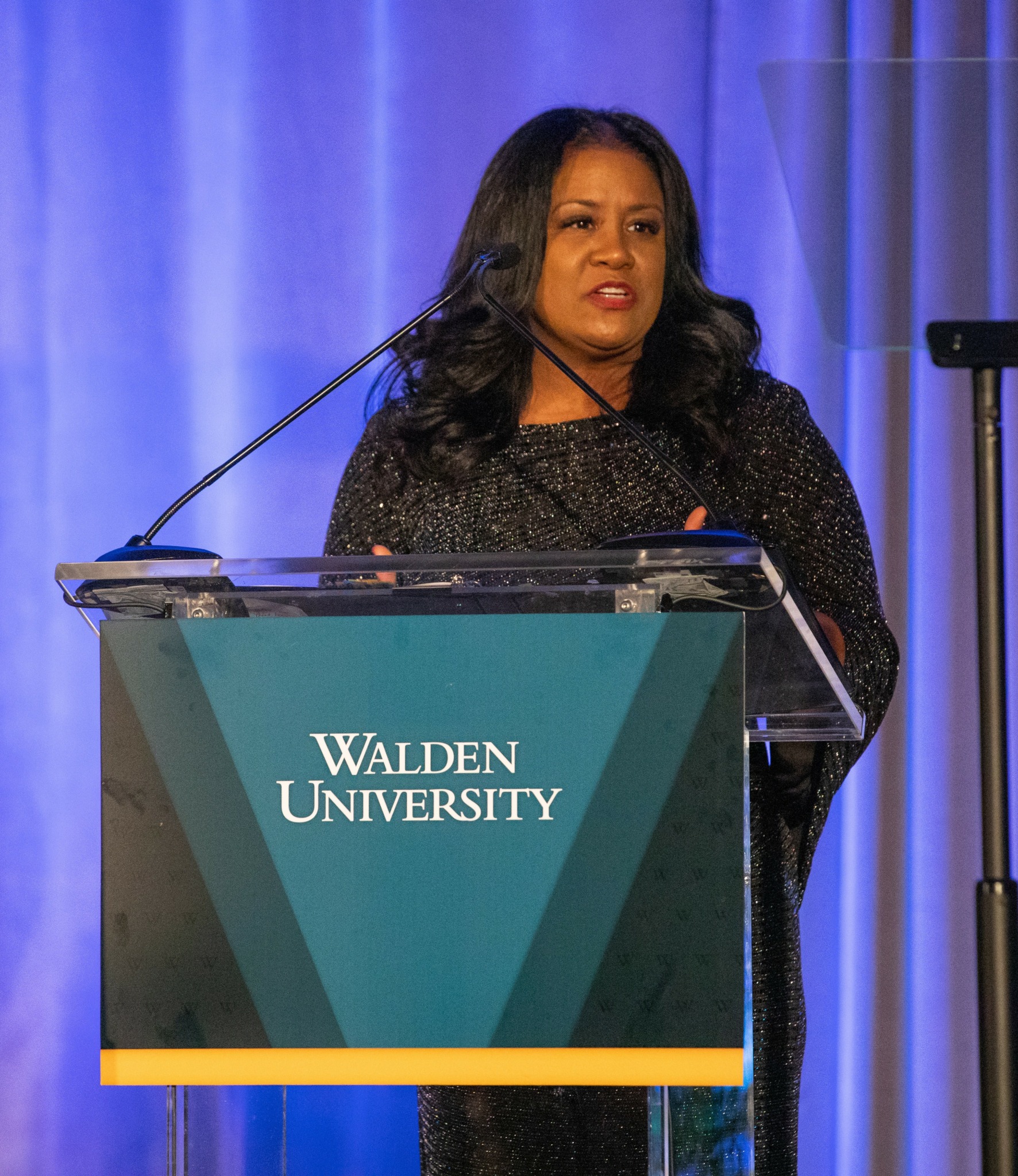
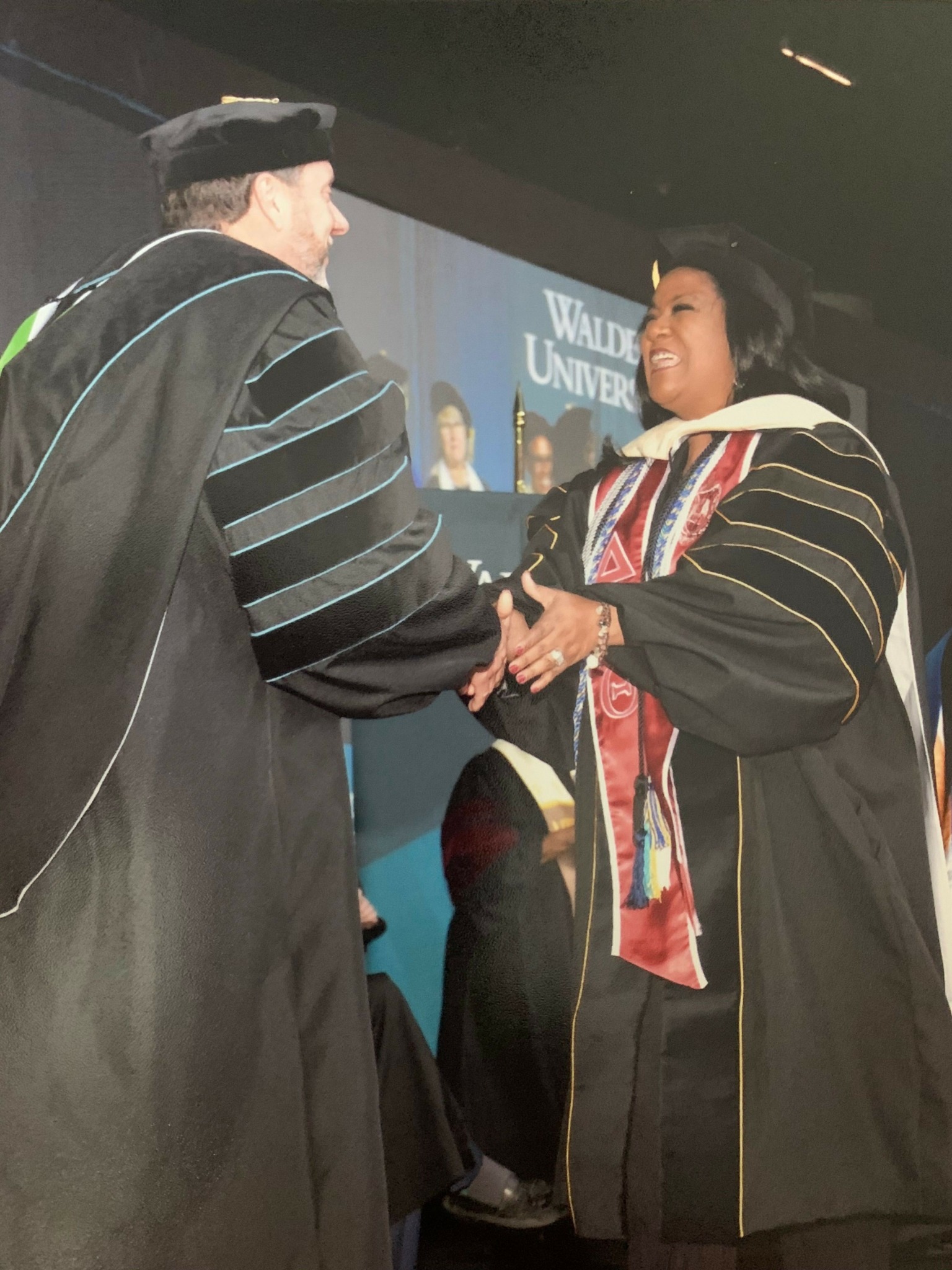
At Walden University’s commencement, I spoke about thriving together, about the truth that growth is not a solo act and leadership is never sustained in isolation. What I did not fully share that day was how deeply personal that message was. I was not speaking from theory. I was speaking from lived experience.
Throughout my career, I have been entrusted with significant responsibility, leading complex initiatives, influencing global audiences, and carrying expectations that extended far beyond a job description. I was the steady one. The one people turned to when clarity was needed. The one expected to absorb uncertainty so others could move forward with confidence.
During that same period, several of my most trusted colleagues began to leave the organization. These were peers who shared my values, my work ethic, and my approach to leadership. As they exited, the dynamics shifted. What had once felt collaborative began to feel isolating. The environment changed in subtle but meaningful ways, and the work became heavier because the support system that once existed was no longer there.
I stayed longer than I probably should have, not because I lacked options, but because I felt responsible. I believed in the work and felt a deep sense of accountability to the people who remained. At times, I felt trapped, not by circumstance, but by loyalty. At the same time, I was navigating exhaustion caused by misalignment of purpose and the quiet realization that resilience does not mean staying at all costs. In that season, resilience required something more difficult than endurance. It required a deep look inward. I had to acknowledge that thriving does not come from carrying everything alone, and leadership that costs you your wholeness is not leadership that lasts. It required honest reflection and the courage to recalibrate.
During that season of recalibration, I had to take a very honest look at what I was saying yes to and, just as importantly, who I was saying yes to. I revisited where I was volunteering my time, which organizations I was aligning myself with, and the environments I was allowing my name, reputation, and leadership capital to be associated with.
That reflection was not about doing less. It was about doing what was aligned. I realized that not every invitation deserved my presence, and not every cause aligned with my values or the leader I was becoming. Resilience, in that moment, looked like discernment. It meant setting boundaries without guilt, choosing alignment over visibility, and understanding that protecting your name is part of responsible leadership.
I learned that allowing others to leverage your name without shared values, accountability, or integrity comes at a cost. Being intentional about where my influence was applied became a form of stewardship. That decision reshaped how I lead, how I build, and how I show up today.
When I stood on that commencement stage encouraging graduates to thrive together, I was also affirming my own journey, one that taught me resilience is sustained by alignment, strengthened by community, and guided by faith. Instead of retreating, I leaned into reflection, trusted my discernment, and chose aligned strength over performative strength.
What emerged was not a diminished version of myself, but a clearer one. A leader who understood that resilience is not proven by how long you stay silent, but by how wisely you choose your next move.
That experience reshaped how I lead and why I later wrote She Leads the Way. The story I tell through my work, my writing, and my leadership is rooted in this truth: resilience is not about pushing through pain for applause. It is about honoring purpose, people, and self in equal measure. it is how I endure without losing myself in the process.
Do you have any insights you can share related to maintaining high team morale?
The most important advice I can give is this: morale is not something you manage after the fact. It is something you design intentionally.
In my experience, strong morale cannot be manufactured. It is the natural outcome of clear systems, thoughtful leadership, and a culture that elevates people while still expecting their best. One of the first things I focus on is clarity and the simplification of complexity. High morale begins when people understand the mission, their role in it, and how success is measured. Confusion drains energy. Ambiguity creates anxiety. When people do not understand the purpose behind their work or how it connects to the larger mission, engagement drops and morale erodes quickly.
Strong leaders remove unnecessary confusion and communicate consistently, especially during periods of change. A significant part of my leadership approach is removing friction, both structurally and culturally. For me, maintaining high morale starts with how the institution itself is designed. Morale is less about motivation and more about whether people can do their work with clarity, dignity, and purpose.
Morale also improves when people can see a future. That is why I am intentional about talent development and clear roadmaps. When growth feels accessible and equitable, people become more invested. They show up and they lean in.
At the same time, morale requires standards. Empowerment without accountability creates frustration for high performers. You cannot ask for engagement or collaboration while rewarding entitlement, incompetence, or disrespect. People trust leadership when expectations are fair, behavior is addressed, and excellence is consistently reinforced.
Trust is another critical element. Teams do not need leaders who pretend to have all the answers. They need leaders who are honest, fair, and present. That means listening as much as directing, following through on commitments, and addressing issues early rather than allowing them to quietly erode confidence. Trust is built through consistency, not grand gestures.
Respect for people as whole individuals is equally important. High-performing teams are made up of humans, not just job titles. Leaders who acknowledge workload realities, recognize contributions, and create space for candor build environments where people feel valued rather than depleted. Morale suffers when people feel invisible or expendable.
Leaders must also model the culture they expect. You cannot demand engagement while operating in burnout, or expect collaboration while rewarding competition. Teams take their cues from leadership behavior far more than from stated values. Culture is reinforced daily through what leaders tolerate, reward, and prioritize.
Finally, I lead with purpose. Whether in corporate, nonprofit, or academic environments, people want to know that their work matters. When leaders align strategy with values and treat people as whole contributors rather than resources, morale becomes sustainable.
As an entrepreneur, both as an author and a talent development consultant, I have learned that morale is not something you manage on the margins. It must be intentionally designed into how the work is structured and how people are treated.
In both roles, I work with leaders, teams, and readers navigating complexity, growth, pressure, and misalignment. As a consultant, I focus on simplifying systems, removing friction, aligning people strategies with business goals, and creating development roadmaps that allow individuals to see a future. Morale improves when growth feels intentional and equitable, not arbitrary or political. As an author, morale shows up differently but just as powerfully. Writing She Leads the Way reinforced how deeply people want to feel seen, valued, and understood, especially leaders carrying responsibility quietly. Storytelling, like leadership, builds morale when it acknowledges reality while still offering hope and direction.
Across both spaces, standards matter. High morale depends on trust, and trust is built when leaders address issues directly, reinforce expectations consistently, and protect the culture they are asking people to commit to.
Ultimately, whether I am consulting, writing, or building something new, I lead with purpose. Morale is not sustained by perks or surface positivity. It is sustained by alignment, accountability, and leadership that elevates people while still expecting their best.
Strong morale is not manufactured. It is designed through clarity, upheld by standards, sustained by trust, and anchored in purpose. Maintaining morale also requires discernment and courage. Not every challenge is a morale issue, and not every morale issue can be solved with platitudes. At times, the most morale-boosting action is making a difficult decision, setting firmer boundaries, or addressing misalignment directly. At the executive level, strong teams do not remain motivated because conditions are always ideal. They remain motivated because leadership is steady, transparent, and aligned. When people trust the direction, the data, and the leader guiding them, morale follows.
Contact Info:
- Instagram: @Shagranda
- Facebook: @ShagrandaMochTraveler
- Linkedin: https://linkedin.com/in/dr-shagranda-m-traveler
- Other: Email: [email protected]