

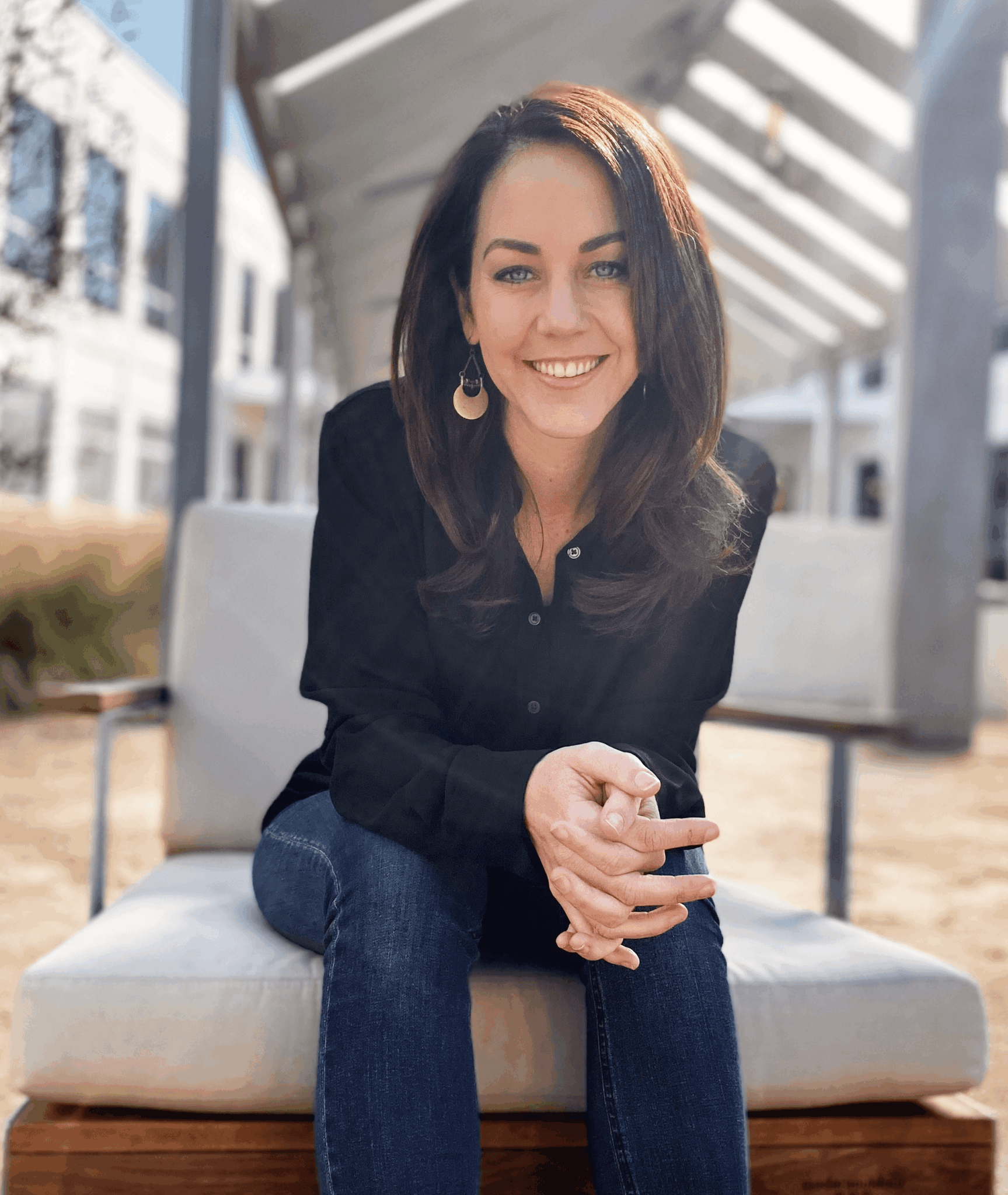

We recently connected with Dr Rhiannon Dubois and have shared our conversation below.
Hi Dr Rhiannon, thanks for joining us today. It’s always helpful to hear about times when someone’s had to take a risk – how did they think through the decision, why did they take the risk, and what ended up happening. We’d love to hear about a risk you’ve taken.
In April 2017, I resigned from my private practice job as a Clinical Psychologist. It had been my first job after college, and in the nine years there, I had seen thousands of clients, supervised student interns and psychologists, and served as Acting Clinical Director. The clinic was located one block from the beach, in one of Australia’s most loved tourist destinations. It was a great gig, but a comfortable one. I needed change. Five years earlier, my ex-husband had unexpectedly walked out on our marriage with no explanation. It’s not something that any 29-year-old woman anticipates after just 2.5 years of marriage. I had been devastated, heartbroken, and totally blindsided. But slowly, I had healed. The time had come when I knew within my heart that I needed to make a change. So, with no job to go to, I advised my boss that I would be finishing up. I planned to move interstate and try city living in Melbourne. I would set up a private practice, work three days a week, volunteer, and have some me time. As with many plans, it didn’t quite turn out that way, but what was in store for me held much more risk and adventure. Before making my move, I had a job opportunity present itself that would involve a life-changing decision – should I play it safe and continue with my plans of moving to Melbourne or accept the position that had been offered to me as Director of Aftercare for A21, a global anti-human trafficking NGO, and move to the United States? Within months, I had sold everything I owned and was on a plane to LA, where I knew no one and had never even visited.
Six and a half years later, I’m so thankful I took that risk. Has it cost me? Yes – I miss family events, the comfort of friends I’ve known for decades, and Australian beaches, and coffee, but it has been one of my greatest decisions ever. In my work with A21, I’ve had the opportunity to develop one of the leading global programs for survivors of human trafficking, traveling the world and working alongside a passionate team who have a radical hope that we will abolish slavery everywhere, forever. My natural self likes to play it safe; like many, I feel more at ease in the comfort zone. But had I played it safe, I would have robbed myself of some of the most amazing experiences of my life and the opportunity to work in an incredible organization serving survivors of human trafficking.
I remarried last year, 11 years after my divorce. He’s a Southern Texas gentleman, and he, too, is one of my greatest decisions ever. Choosing to love again and remarry after divorce can also feel like a risk. Falling in love is a vulnerable thing. Like all decisions to love, when it’s made wisely, it’s one well worth taking.
This year, I launched Heartbreaks & Retakes to support women navigating unexpected heartbreak, helping them heal and reignite hope for their future. Through coaching, courses, and community, I aim to help women rediscover hope and embrace a fulfilling future beyond heartbreak, just like I’ve experienced. This, too, feels like a risk; however, like my previous risks, I’m confident the rewards of this one will also be well worth it.
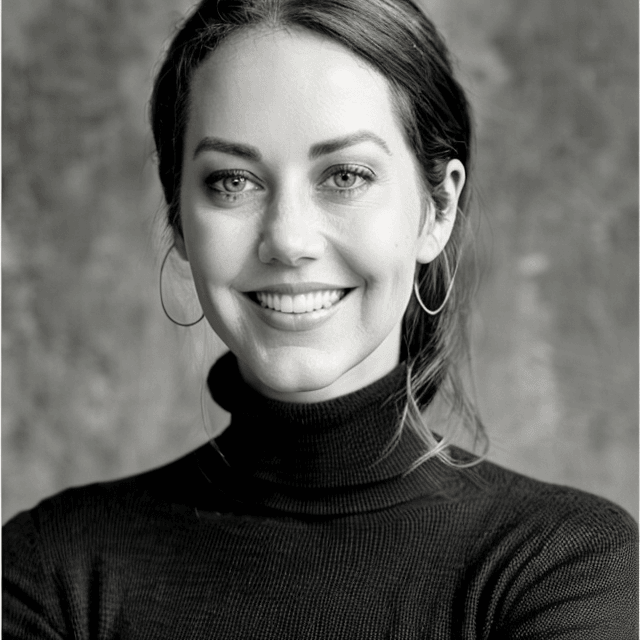
As always, we appreciate you sharing your insights and we’ve got a few more questions for you, but before we get to all of that can you take a minute to introduce yourself and give our readers some of your back background and context?
I am an Australian licensed Clinical Psychologist with a Doctorate in Clinical Psychology. With nine years of clinical experience in Australia, I’ve served in many leadership positions, including Acting Clinical Director at Family Challenge Psychology Clinic, The Psychology Cafe, and A21. I have diverse experience working with clients with various presentations ranging from children and adolescents to adults and couples. Since 2017, I have been the Director of Aftercare at A21, a global anti-human trafficking NGO, where I have helped establish one of the leading global programs for human trafficking survivors.
Driven by my personal journey navigating divorce, I founded Heartbreaks & Retakes to support women navigating unexpected heartbreak and help reignite hope for their future. Combining my professional expertise with personal experience, I guide women through the healing process, aiming to help women rediscover hope and embrace a fulfilling future beyond heartbreak through individual and group coaching and courses.
Any stories or insights that might help us understand how you’ve built such a strong reputation?
When I started working in private practice as a psychologist, I was fresh out of college and only 25. I was acutely aware of the hesitation some of my clients must have felt when greeted in the waiting room by a young psychologist. My insecurities around this and subsequent inner need to prove myself fueled my desire for excellence in my work. My method, albeit subconscious, was to offer a service that combined personal warmth, genuine care, and trust in my skills and competence as a psychologist. With time and consistently showing up for my clients, I built a solid reputation amongst clients and referring doctors.
In 2017, after nine years working in private practice, I moved from Australia to the US to work as the Director of Aftercare for A21. Although my reputation may have helped me get the job, as I settled into a new role, I was keenly aware, once again, that I was building my reputation from scratch in a new field in a new country. My approach has been the same: to offer both personal warmth and professional competency. While I’ve never intentionally set out to build my reputation, I wholeheartedly believe that regardless of our occupation or business, when we offer genuine care for our clients and we are good at what we do, we build trust with our clients, along with a solid reputation.
Can you share a story from your journey that illustrates your resilience?
Some things can only truly be cultivated from life’s challenges. Resilience is one of those. I was 29 years old when my ex-husband walked out on our marriage and put our house up for sale with no explanation. Up until that point, my life had been relatively smooth, devoid of any significant trauma or hardship. But in one night, the trajectory of my life changed, and with it, resilience was birthed. As I wiped my tears and picked myself up from the kitchen floor where I had lay crying, a sense of determination swept over me. I would get through this night and the many lonely nights ahead of me, and I would come through stronger. Five days later, I returned to work to counsel others in their own distress. Not because I wanted to, but because financially, I needed to. I was on my own now and could not afford the luxury of crying in bed all day. While it may not have been the healthiest thing for me, it provided a momentary distraction from my own woes, provided me with a sense of purpose when I felt hopeless, and forced me to keep moving forward.
Resilience is the ability to adapt well to hardship and stress and recover after challenging life events. Put simply, resilience is all about bouncing back from difficulties. By its very definition, one must experience pain and challenges to become resilient. While resilience is the reward for walking through hardships, not all who suffer develop resilience. For some, however, simply facing each day after the experience of trauma is a testament to their resilience.
Resilience is a strength we can all cultivate to better handle life’s stressors. Research has shown that some of the main factors contributing to developing resilience are positive relationships and social support, self-confidence, optimism, the ability to regulate our emotions, distress tolerance, communication skills, making realistic plans and taking steps to achieve those plans, faith, and even a sense of humor. So, while we may not always be able to control the slings and arrows of life, there are some practical things we can engage in to help bounce back from life’s challenges.
It’s been 12 years since that night when I watched my ex-husband walk out. In that time, I’ve picked up a few more scars, but with each one, my resilience and strength have only grown. Since then, I’ve moved countries, traveled the world, changed careers, and remarried an amazing man. Hardships in life are inevitable, but how we respond to those hardships can set the course for what can truly be a beautiful life.
Contact Info:
- Website: www.a21.org; www.heartbreaksandretakes.com
- Instagram: @a21; @heartbreaksandretakes
- Facebook: https://www.facebook.com/a21campaign; https://www.facebook.com/heartbreaksandretakes
- Linkedin: https://www.linkedin.com/in/rhiannon-dubois-4a2a99208/