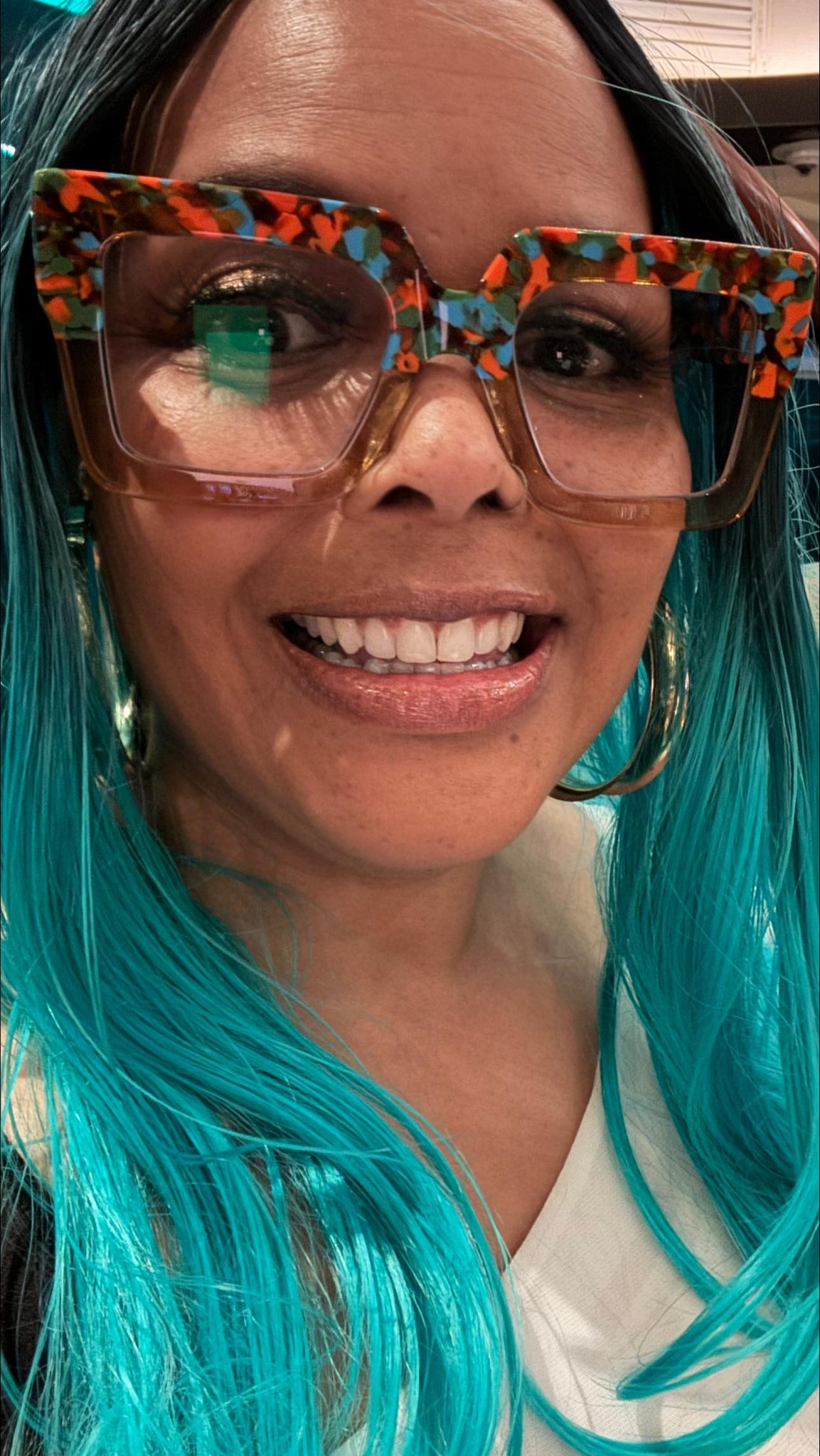
We’re excited to introduce you to the always interesting and insightful Dr. Renetta Weaver. We hope you’ll enjoy our conversation with Dr. Renetta below.
Dr. Renetta, looking forward to hearing all of your stories today. We’d love to hear the backstory behind a risk you’ve taken – whether big or small, walk us through what it was like and how it ultimately turned out.
Absolutely! So, let me take you back to a time when I took one of the biggest risks in my life. I’d been working as a Licensed Clinical Social Worker for over 20 years, and I was on a steady path to retirement. But, you know, something inside me kept telling me there was more. I had this gut feeling that if I didn’t take the leap and start my own private practice full-time, I’d be holding myself back.
It wasn’t an easy decision. I had all the security that comes with a stable job—benefits, retirement plans—the whole package. But I knew that deep down, staying in my comfort zone wasn’t where I was meant to be. So, I made the jump. I left before retirement, started my own practice, and let me tell you, it wasn’t smooth sailing at first. But after a few years, the practice was thriving, and things were going really well.
Then, something interesting happened. I started working with AI in my personal and professional life, and it was like this whole new world opened up. I realized that AI wasn’t just some passing trend; it had real potential to change how we, as social workers, could serve our clients and communities. I could see how it could expand our reach, make services more intuitive, and deliver care in ways we hadn’t thought of before.
So, I took another big risk. I decided to develop the SWAI Method—Social Work and AI. And trust me, I knew that wasn’t going to sit well with everyone. A lot of mental health professionals were really skeptical about AI. They thought it would replace us or disrupt the field in a way that wasn’t beneficial. But I saw it differently. I saw AI as a way to enhance what we do, not replace it. I knew it could help us serve more people, more effectively, and help our clients work through the anxiety and stress that comes with change.
And yes, there’s been resistance—no doubt about that. But, it’s been worth it. Now, I’m not just working within the system; I’m actively challenging it and changing the way people think about using AI in social work. And it’s been incredible to see my colleagues start to come around, to watch them embrace AI and see how it helps them better serve their clients.
So, the risk I took? It turned out to be one of the best decisions I’ve made. It allowed me to grow, not just as a professional, but as a person. And now, I get to help others do the same.
It wasn’t easy, but it was absolutely worth it.
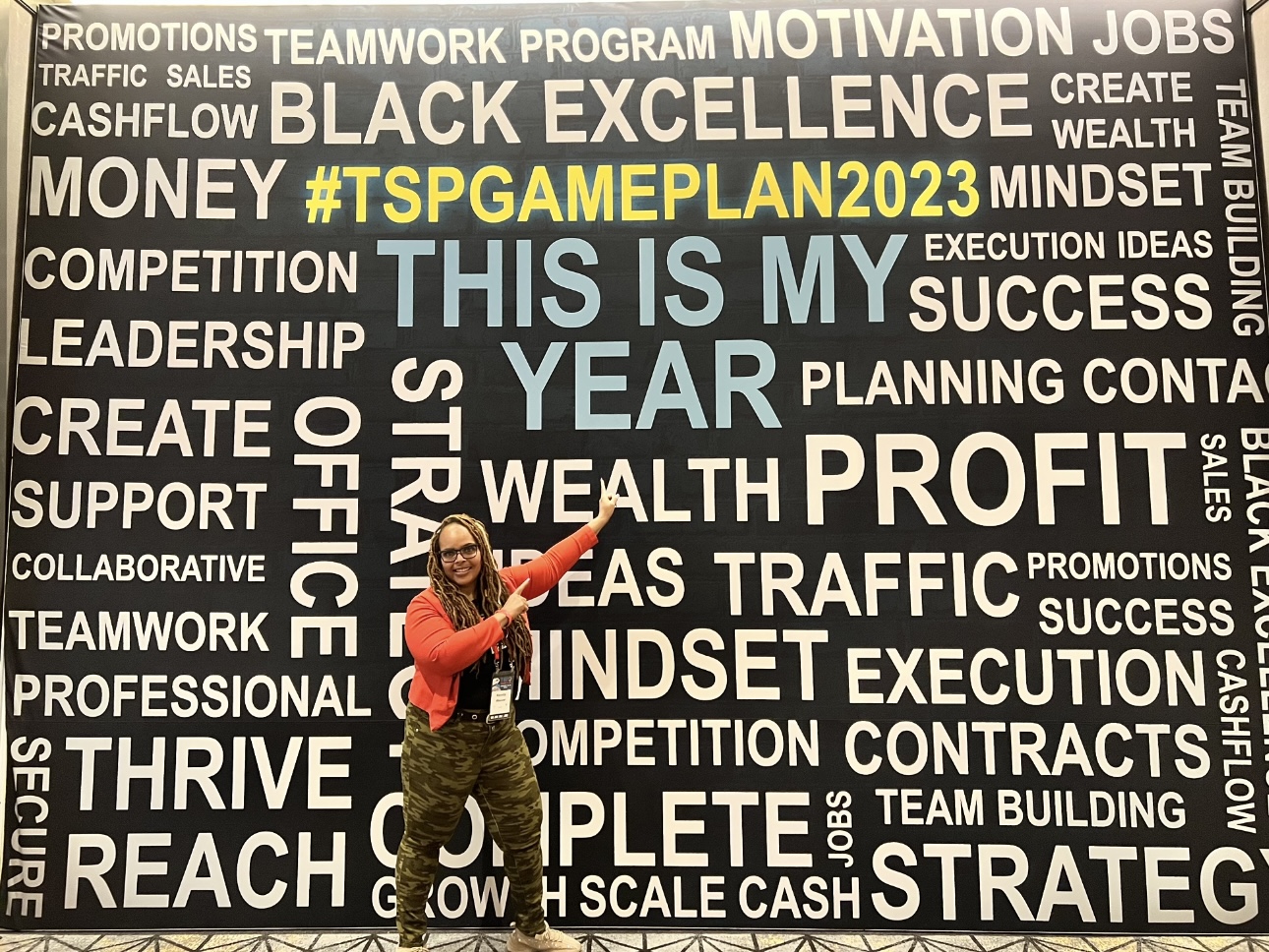
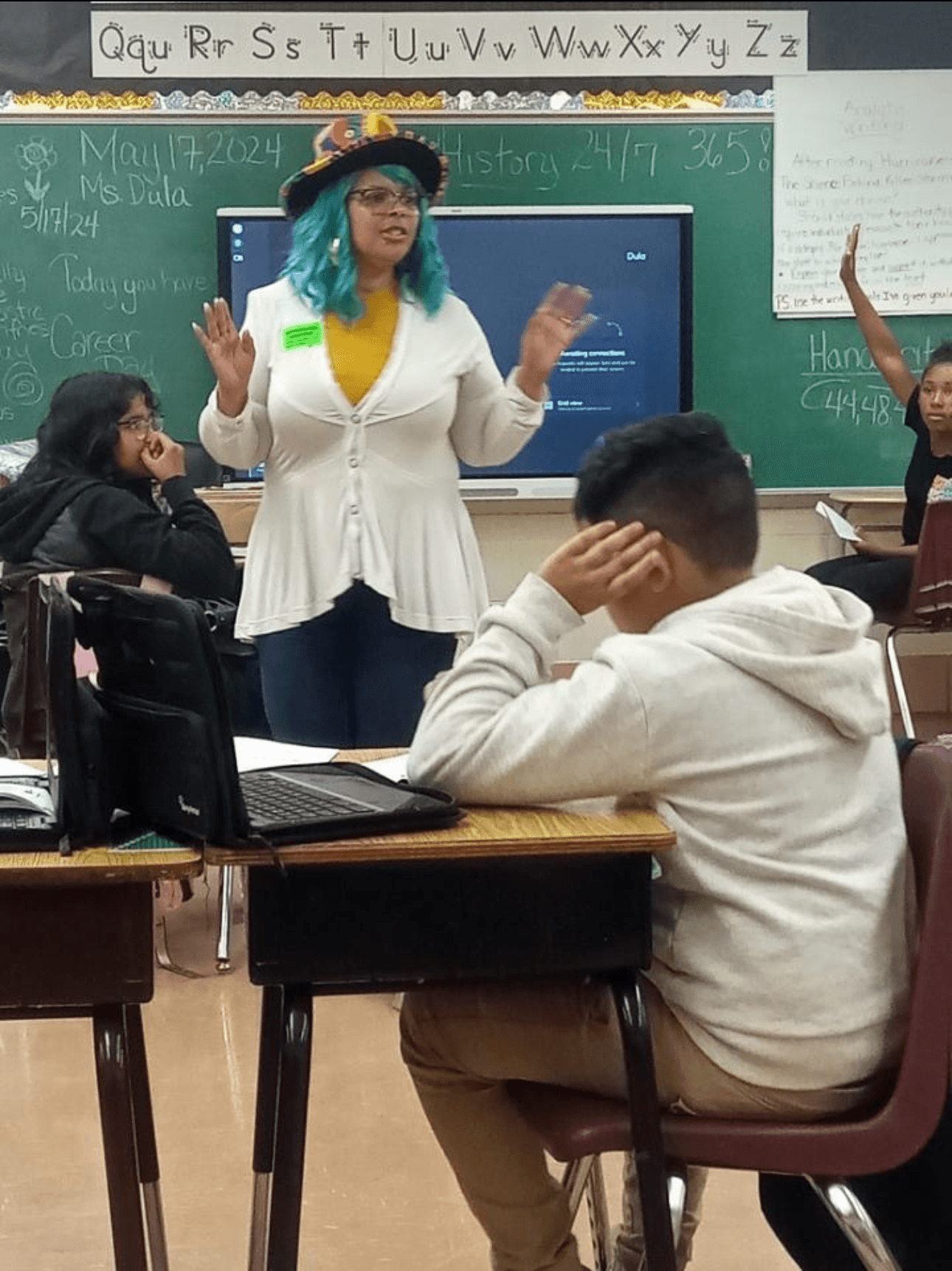
Great, appreciate you sharing that with us. Before we ask you to share more of your insights, can you take a moment to introduce yourself and how you got to where you are today to our readers.
Here’s an updated version that incorporates your AI agency and all the other great work you’re doing:
—
Hey there! So, a little bit about me and how I ended up doing what I do today.
I’m Dr. Renetta Weaver, a Licensed Clinical Social Worker with over 20 years of experience in the mental health field. I started out working with families, children, and communities—everything from being a grief counselor for crime victims to serving as the Director of Substance Abuse at Joint Base Andrews for the military. But around 2020, during what many call ‘The Great Resignation,’ I took a huge leap of faith. I left my secure job before retirement to start my own private practice. I knew I wanted more freedom and flexibility, but I also wanted to have a bigger impact. And that’s what set the stage for what I’m doing now.
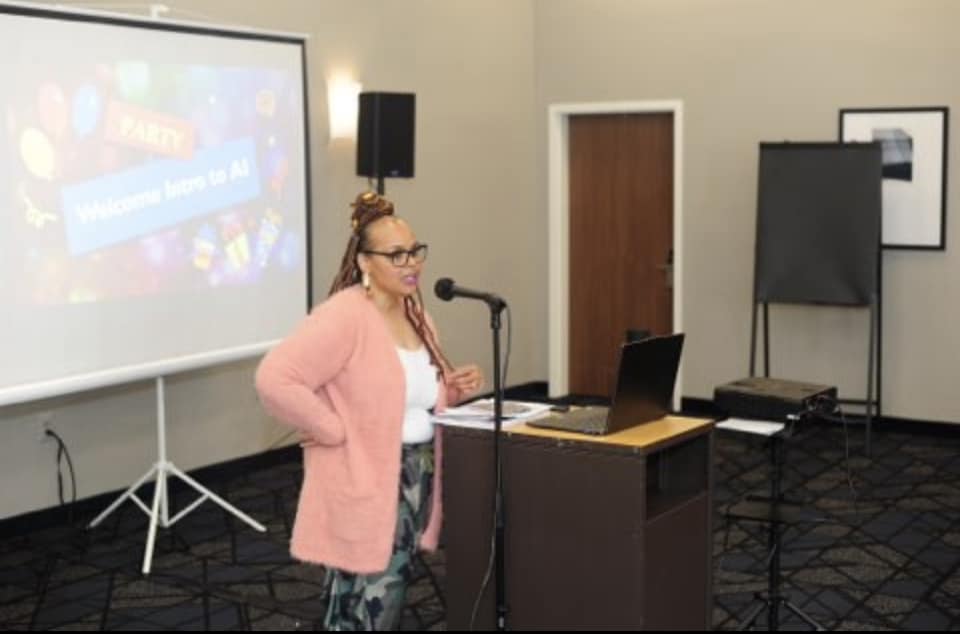
After running a successful private practice for three years, something clicked. I realized that AI—yes, artificial intelligence—wasn’t just a tool for techies. It had the potential to completely transform mental health care, and I knew that if I could integrate AI with my social work practice, I could help not only my clients but also my colleagues and the field as a whole.
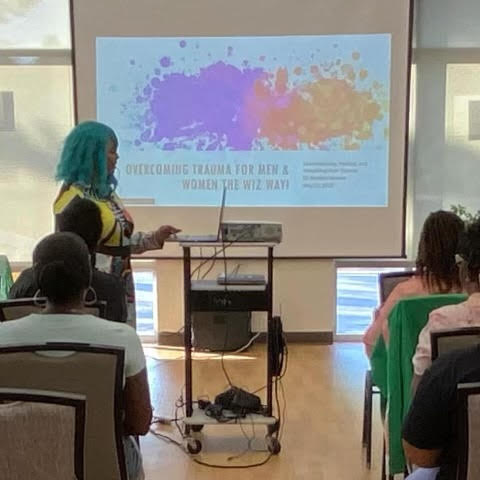
That’s when I became a Certified AI Consultant and developed the SWAI Method—Social Work and AI—bringing the two worlds together. I’ve been using this method to train other social workers and mental health professionals to overcome their fears of technology and show them how AI can make their work more efficient, fun, and impactful. AI allows us to reach more people, offer more personalized care, and ultimately enhance the way we serve our communities.
But I’m serious about this AI thing—I’m not stopping at just training. I’m currently developing an AI agency that provides entrepreneurs, business owners, and clinicians with AI-driven systems to help with branding, marketing, and service delivery. This includes the development of AI podcast systems, AI coaching service delivery products, and tools that automate client communication—from setting up appointments to running webinars. Imagine being able to serve more clients without adding hours to your day! I’m also working on AI enterprise systems that can help people get their books written, deliver products, and communicate with their clients in a seamless, automated way.
Now, let me tell you about my brand, *Girl, It’s A New Day*. It’s all about reinvention and helping people find happiness *off the scale*. That could be the scale we step on every morning in the bathroom or the scales of society—constantly feeling like we need to measure up to societal standards. I help people break free from those scales and discover their own version of happiness. *Girl, It’s A New Day* also talks about how we’re living in this new AI world. I’m here to help people navigate that too, whether it’s personally or professionally.
What sets me apart? I’m a trailblazer in combining over two decades of clinical experience with cutting-edge AI technology. I’m doing this in real-time, helping clients, colleagues, and entire businesses integrate AI solutions to make their lives and work easier. I’m not just theorizing—I’m building systems that people are using right now to transform how they run their businesses and deliver their services.
The biggest thing I want people to know about me and my brand, *Girl, It’s A New Day*, is that I’m here to empower. Whether you’re someone looking to find happiness off the scale or a business owner looking to streamline your operations with AI, I’m committed to helping you work smarter, not harder. My mission is to bring balance, innovation, and a little bit of fun back into the work we do—whether that’s through personal reinvention or business transformation.
Thanks for getting to know me a bit more. Let’s keep pushing forward together!

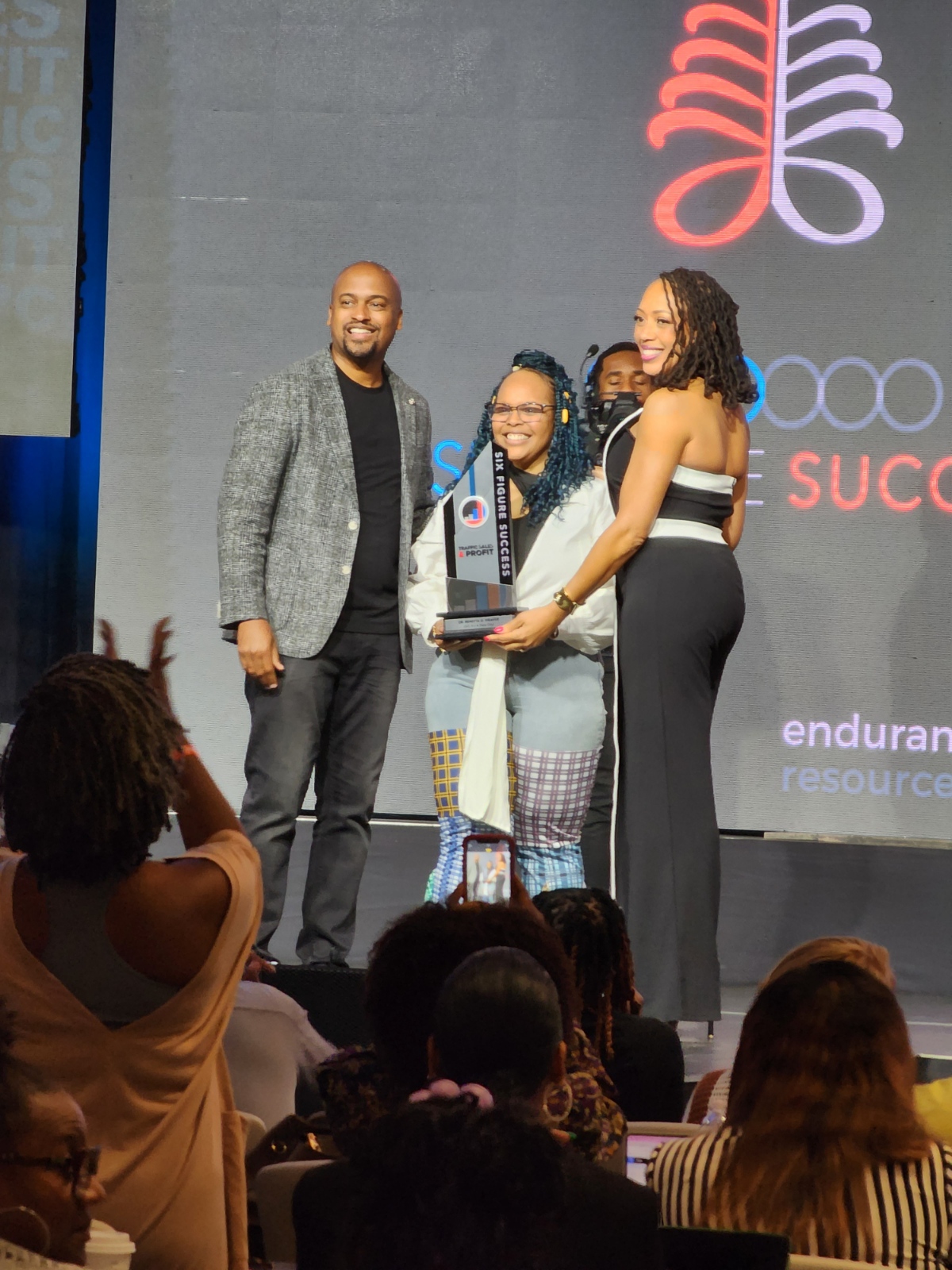
Have you ever had to pivot?
Let me tell you about a time (or, honestly, times) when I had to pivot in my life—both personally and professionally. If I’ve learned anything, it’s that life is full of pivots, and the key to thriving is learning to lean into them.
Let’s take it way back. I graduated with my undergrad degree in Sociology and Corrections and went straight into law enforcement, working in juvenile probation. But here’s the thing—I was too nice for the job. My supervisor actually pulled me aside one day and said, “You’re too much of a social worker for this. You should go back to school and become one.” And guess what? That’s exactly what I did! I knew I couldn’t thrive in a system focused on locking people up when I was passionate about keeping them home and helping them heal. So, I pivoted, went back to school, and became a social worker.
Even after becoming a social worker, there were still pivots. I worked with families and children for a few years, but I was overwhelmed, underpaid, and burning out fast. So, I pivoted again—this time to long-term care and hospice. I thought I’d left working with kids behind, but even then, the work was heavy, and the burnout was real. High caseloads, long hours—I was still chasing exhaustion.
So, after another few years, I found myself in the military system. This job was probably the longest I stayed in one place—over a decade! I started as a social worker, but when my supervisor left, I became the director. And that was another pivot because I had to figure out leadership without any formal training. I didn’t just magically know how to lead a team—I was promoted, but I wasn’t prepared. That was tough, and I had to quickly learn how to lead effectively. In the beginning, I wasn’t great at it. Heck, I wasn’t even a great social worker yet because I was trying to heal myself by fixing other people. I was mad when clients didn’t follow my advice or change the way I thought they should. I was frustrated because, deep down, I hadn’t fully understood myself.
It wasn’t until I started working in addictions that I truly learned how to motivate people to change—and it started with understanding that nothing was wrong with them. Something happened to them. That shift in perspective made me rethink my whole approach to helping others. And honestly, it made me take a good look at myself. I realized that we don’t just need to lose physical weight; we have to heal our emotional weight, too. Otherwise, that physical weight comes right back. And that’s when I made another big pivot—this time in my personal life. I lost the weight, but the real shift happened when I realized that weight loss wasn’t the key to my happiness. The key was being my authentic self.
And let me tell you—stepping into my authenticity was the biggest pivot of all. It wasn’t until my coach asked me, “Renetta, when are you going to start telling your truth?” that I really started to wake up. I thought I was telling my truth, but when I sat with that question, I realized I had been living in a box built by everyone else’s expectations. When I started living and working authentically, that’s when everything shifted. I left my job, started my private practice, and haven’t looked back.
Starting my private practice was another huge pivot. I had to learn what it meant to be an entrepreneur. At first, I was running my business like I still had a job—I hadn’t embraced the freedom and flexibility that came with working for myself. I had to pivot my mindset, realizing I could set my own hours, choose my clients, and build the life I wanted.
And you know what? I’m still pivoting today. Life is all about growth and change, and if there’s one thing I’ve learned, it’s that every pivot brings you closer to the version of yourself that you’re meant to be. Whether it’s in my career, my personal growth, or even how I view myself, pivoting has been essential to my journey. I’m grateful for every turn, twist, and shift—it’s all part of the process.
Okay. All right. That’s my pivot story, and I’m sure there’s more to come. Thanks for listening, and remember—don’t be afraid to pivot when life calls for it. You’ve got this!
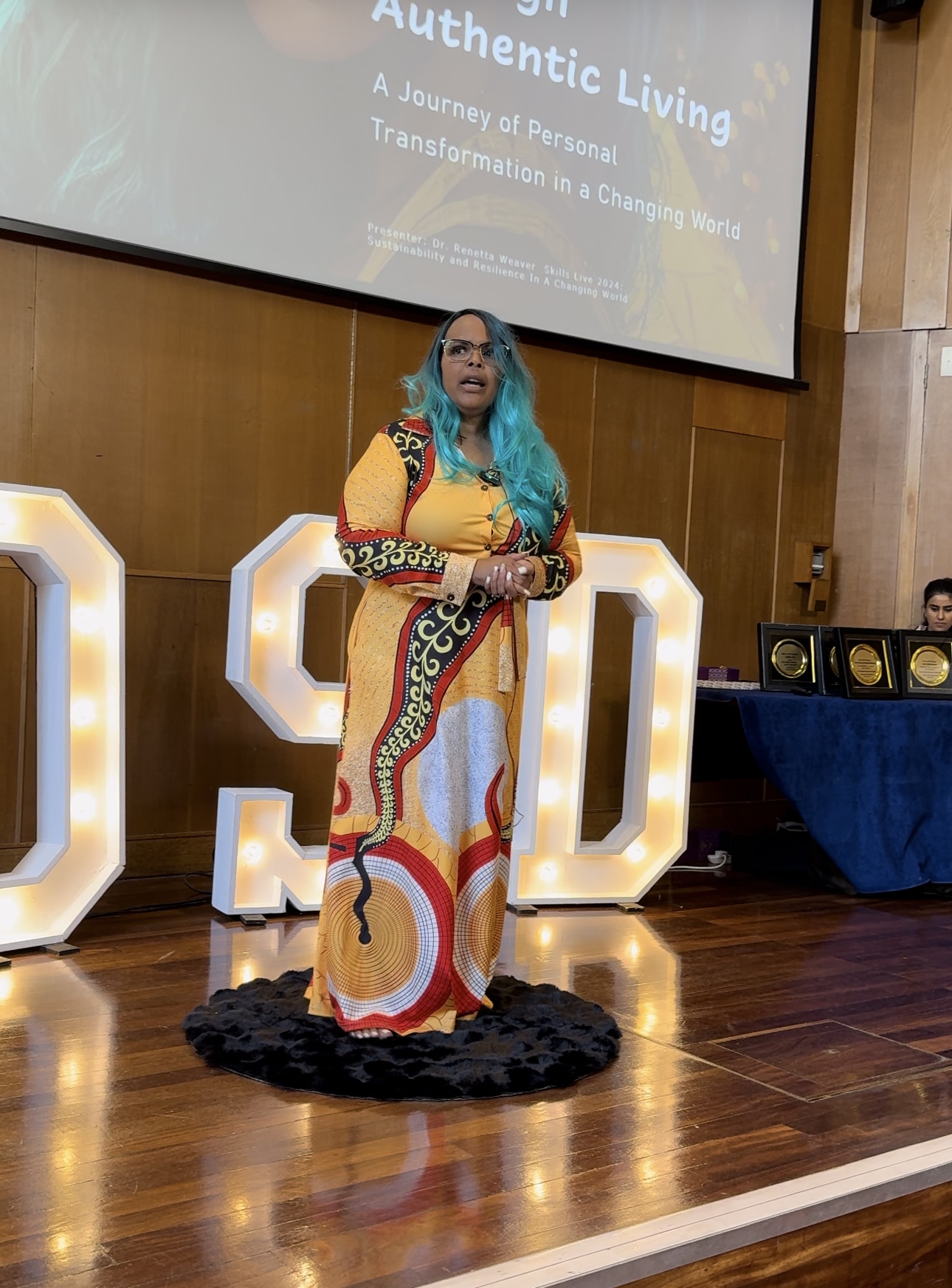
Other than training/knowledge, what do you think is most helpful for succeeding in your field?
When it comes to succeeding in the field of social work, beyond the training and knowledge, I truly believe the most important thing is this: doing our own inner work. Why? Because if we don’t, it shows up in the work we do with our clients. When we’re not addressing our own stuff, we end up frustrated, angry, and trying to control outcomes for the people we serve. And let’s be real—that’s not helpful to anyone.
When we haven’t done our own healing, we’re out here trying to force our clients into a mold of what we think they should be. It becomes about control, and that’s a reflection of what’s unhealed within us. But when we’ve done the work on ourselves—when we’ve made peace with the broken and fractured parts of our own lives—something shifts. We can show up for our clients in a different way. We can accept them for who they are and where they are on their journey without needing to control the outcome.
And here’s the thing: our clients are often mirrors, reflecting back to us the parts of ourselves that still need healing. Until we do that inner work, we can’t fully accept them because, deep down, we haven’t accepted those parts of ourselves. But when we commit to our own healing, the dynamic changes. Our clients no longer become reflections of our unhealed wounds. Instead, we become a source of protection and support, guiding them through their own healing journeys.
This inner work is so essential because it’s what helps us avoid burnout, reduce overwhelm, and truly survive in this field. Social work can be heavy—it can weigh on you if you’re not careful. But I don’t get weighed down by other people’s issues anymore because I’ve learned that other people’s issues are just that—their issues. When you’ve done your own healing, you can hold space for others without absorbing their pain or letting it become yours.
So, the most helpful thing for succeeding in our field? Doing the deep, sometimes messy, but always necessary work on ourselves. It’s not just for us—it’s for our clients, too.
Remember, we can only take our clients as far as we’ve gone ourselves. Let’s keep doing the work, both for them and for us.
Contact Info:
- Website: www.renettaweaver,com
- Instagram: https://www.instagram.com/girlitsanewday
- Facebook: https:www.facebook.com/girlitsanewday
- Linkedin: http:/linkedin.com/in/renettaweaver
- Twitter: https://x.com/DrrenettaW75988
- Youtube: https://www.youtube.com/@GirlItsANewDay