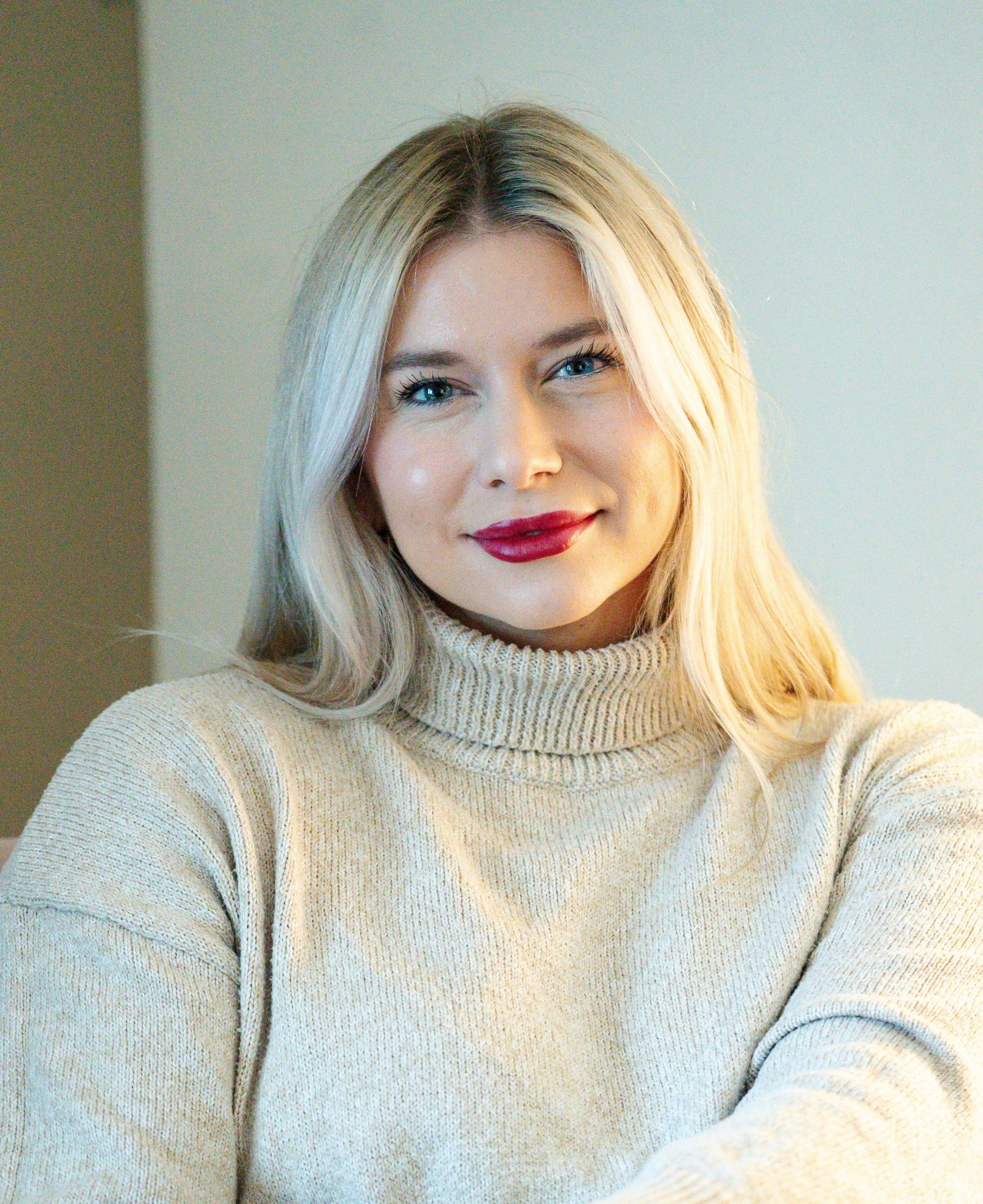

We were lucky to catch up with Dr. Kaitlyn Milstead recently and have shared our conversation below.
Dr. Kaitlyn, looking forward to hearing all of your stories today. Can you share an anecdote or story from your schooling/training that you feel illustrates what the overall experience was like?
Learning to be a therapist is a humbling experience filled with an incredible sense of imposter syndrome, a healthy fear of self-diagnosing, and a great deal of self exploration. On the first day of my master’s program our professor took us outside to a large tree on campus. He instructed us to spend the next ten minutes drawing the tree in as much detail as possible. This being day one of grad-school, I was determined to give my best effort and my artistic ability was non-existent. As we returned to the lecture hall, we are all comparing our sketches, ensuring we did not miss any detail. Our professor, who we later lovingly referred to as “dougie-fresh”, told us that our interpretations of the tree were symbolic to the experience of a therapist with a client: We each highlighted what we saw as significant, focusing on the details we wanted, and no matter how hard we tried, we would never be able to see the picture in its entirety. To say I felt discouraged was an understatement – in my very first lecture it was made clear that there was no place for perfection in this field. He could have at least hung up our drawings on his fridge.
My master’s program required a quick study as we were put in the room with clients only a short six-weeks into the semester. My cohort and I were terrified our clients would see right through our cardigan shields. Of course our professors were there watching and guiding us from behind one-way mirrors. This was a time I was encouraged to find my style as a clinician and challenged to dive into my own emotional depths. So many nights my peers and I spent working in our community clinic, sharing case conceptualizations and discussing how we were changing our theory of therapy because you thought you were a Strategic therapist until you learned about Experiential in Jason’s most recent lecture. This period of growth is when I fell in love with being a therapist and found true joy in being part of someone’s journey. That passion has remained with me and continues to be fueled by each individual who walks into my office today.
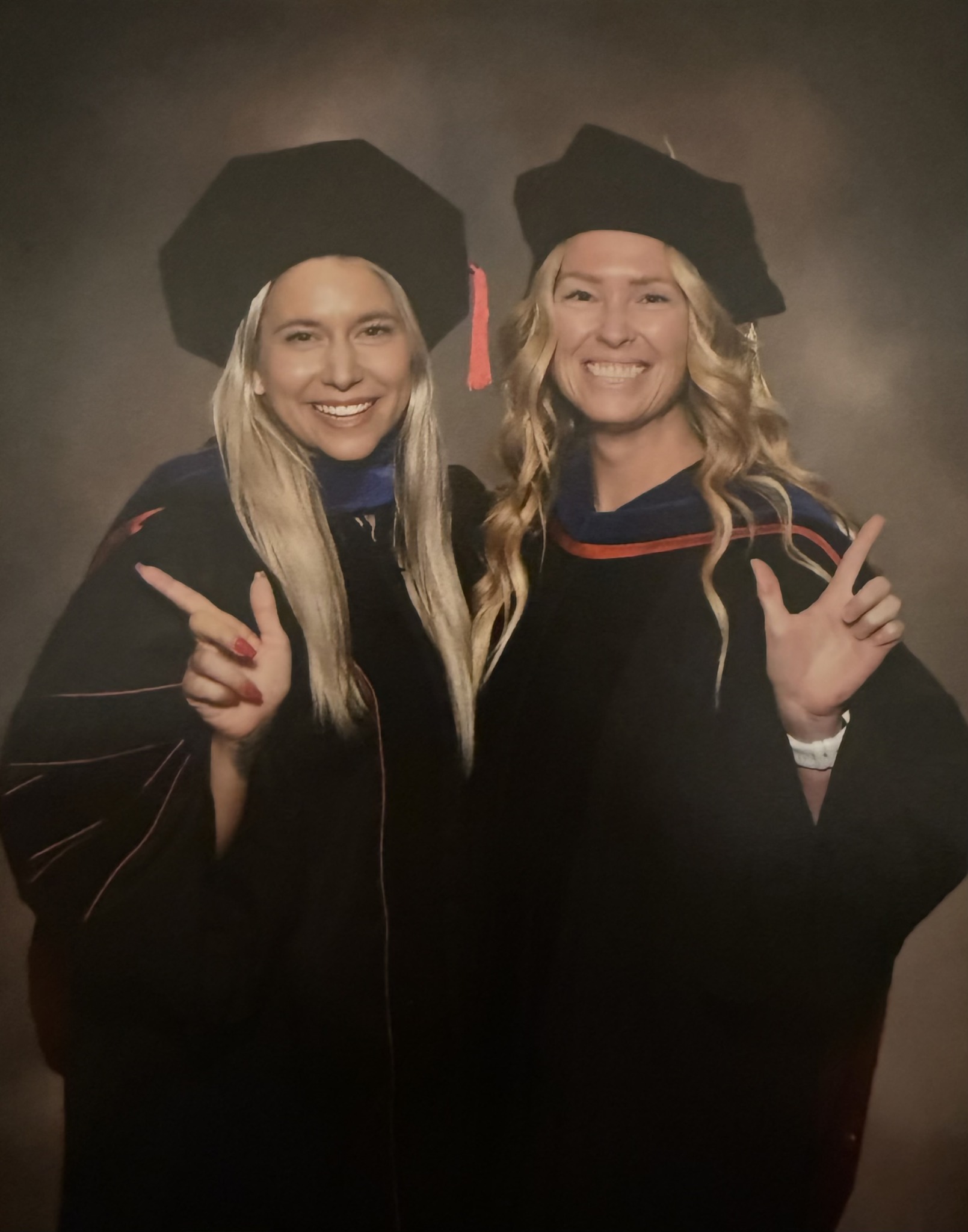
I entered my doctoral program expecting to be greeted with the same level of emotional connectedness as my master’s program and was sorely disappointed. My PhD program pushed me as a professional and instilled a level of responsibility to better the field of Marriage and Family Therapy. We were academics and researchers, trying to carve our unique career path. During this time I was able to explore various roles as an educator, a researcher, and a supervisor. People frequently ask why I chose to earn my PhD. My cheeky answer is that I wasn’t quite ready to grow up and leave school. Ironically, this is where I feel I grew the most. Surrounding myself with such brilliant individuals was a challenge I was grossly unprepared for, but I attribute my successes to those years of being pushed outside of my comfort zone.
The template for a therapeutic graduate program includes internships, research papers, and the dreaded in-class role plays. What you discover along the way is far more impactful to your identity as a clinician: The professors who dedicate more hours of their time than you’re entitled to, Your cohort who will see you at some of your most vulnerable moments, and the version of yourself you walk away with. My education and training was extraordinary to say the least.
As always, we appreciate you sharing your insights and we’ve got a few more questions for you, but before we get to all of that can you take a minute to introduce yourself and give our readers some of your back background and context?
I am a PhD level Marriage and Family Therapist, as well as the owner of New Narratives Counseling in Dallas, Texas. I became a Marriage and Family Therapist on the advice of a mentor during my undergraduate studies. During my time in graduate school I had opportunities to conduct research studies, practice in various clinical settings, and serve as an educator. Although I enjoyed research and teaching, my true calling was clinical work.
At New Narratives Counseling I offer individual, couple, and family therapy. I specialize in working with the adolescent and young adult populations, as well as their families, with a focus on the treatment of eating disorders and obsessive-compulsive disorders. My therapeutic theory is that we as individuals are not defined by our struggles, but that we are whole, healthy individuals. It is important that we work collaboratively against these struggles to rediscover those whole and healthy identities. My passion lies in helping individuals re-write their narratives. We get to influence how our stories unfold, and I hope to help others co-author their stories.
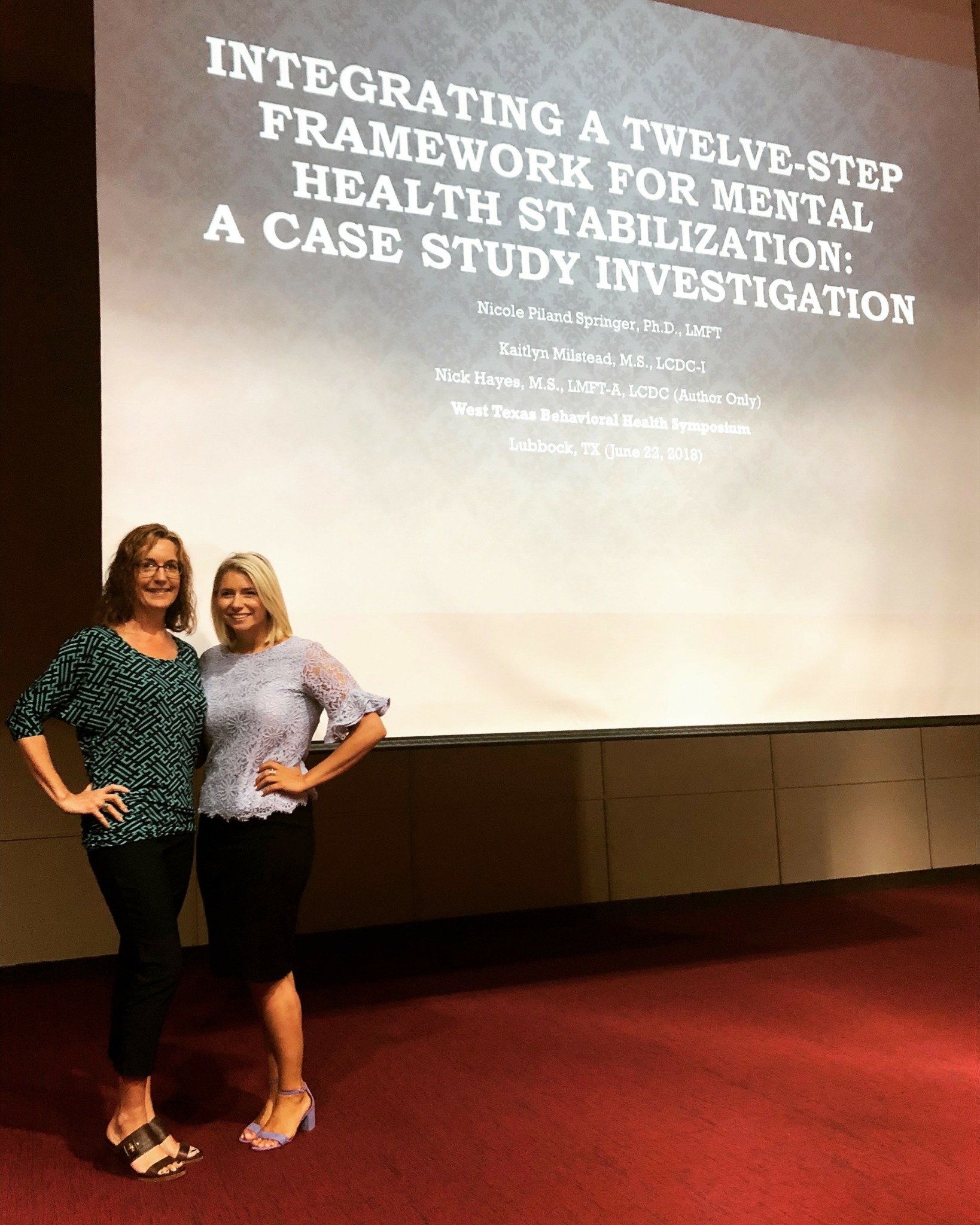
There are a few achievements that I take pride in. I have been fortunate to collaborate with some of the most brilliant minds co-authoring book chapters, publishing research projects, and even presenting our research across the country. Although I hold these achievements in high regard, what I find to be my biggest achievement is the work I do with clients in the therapeutic space. I want people to know that therapy is a collaborative and enriching experience. There is room for everyone in these spaces and the door is always open.
Putting training and knowledge aside, what else do you think really matters in terms of succeeding in your field?
I frequently say therapy is a science and an art. Often people learn the science and struggle to remember it is art. Sitting with an individual week after week helping them uncover the complexities of their background, as well as their path to healing, is so much more than what you can learn in a textbook. You are developing a therapeutic relationship with each individual that walks through the door and you become a significant part of their journey. This requires you to invest into this person; recognizing their unique needs. I believe that the rapport I build with my clients has been the key to my success. They know that they are not just an appointment on my schedule, but they are truly important to me.
Any advice for growing your clientele? What’s been most effective for you?
Diversifying my services and giving back to the community is how I feel I have best built my reputation and referral sources over the past five years. A great deal of my new client inquiries come from current or past clients passing along my information, however, I have also explored various ways to meet people in my community and form connections. I host a quarterly networking event for local professionals with a dietitian in my area. This is a time where other professionals can share their practice information and specialties. We often invite a guest speaker to highlight, as well as open the event to a wide range of professions. Additionally, I provide free workshops and seminars to students and parents at the local high schools in my area. I will cover topics related to my therapeutic expertise as a way to highlight how I can be of service to those in attendance. Lastly, I ensure that I am referring to others. When I am approached by a potential new client and their needs exceed my scope of practice, I ensure they are being referred to a professional who is better suited to meet their needs. This allows me to maintain reciprocal relationships in the field, while also practicing ethically and morally.
Contact Info:
- Website: https://Www.newnarrativescounseling.org
- Instagram: newnarrativescounseling_pllc
- Linkedin: Kaitlyn Milstead, PhD., LMFT