
We’re excited to introduce you to the always interesting and insightful Dr. Judd Johns. We hope you’ll enjoy our conversation with Dr. Judd below.
Dr. Judd, thanks for joining us, excited to have you contributing your stories and insights. If you had a defining moment that you feel really changed the trajectory of your career, we’d love to hear the story and details.
In our last interview, I spoke about my struggles with painkillers and alcohol. There’s so much more that led me to that dark chapter in my life.
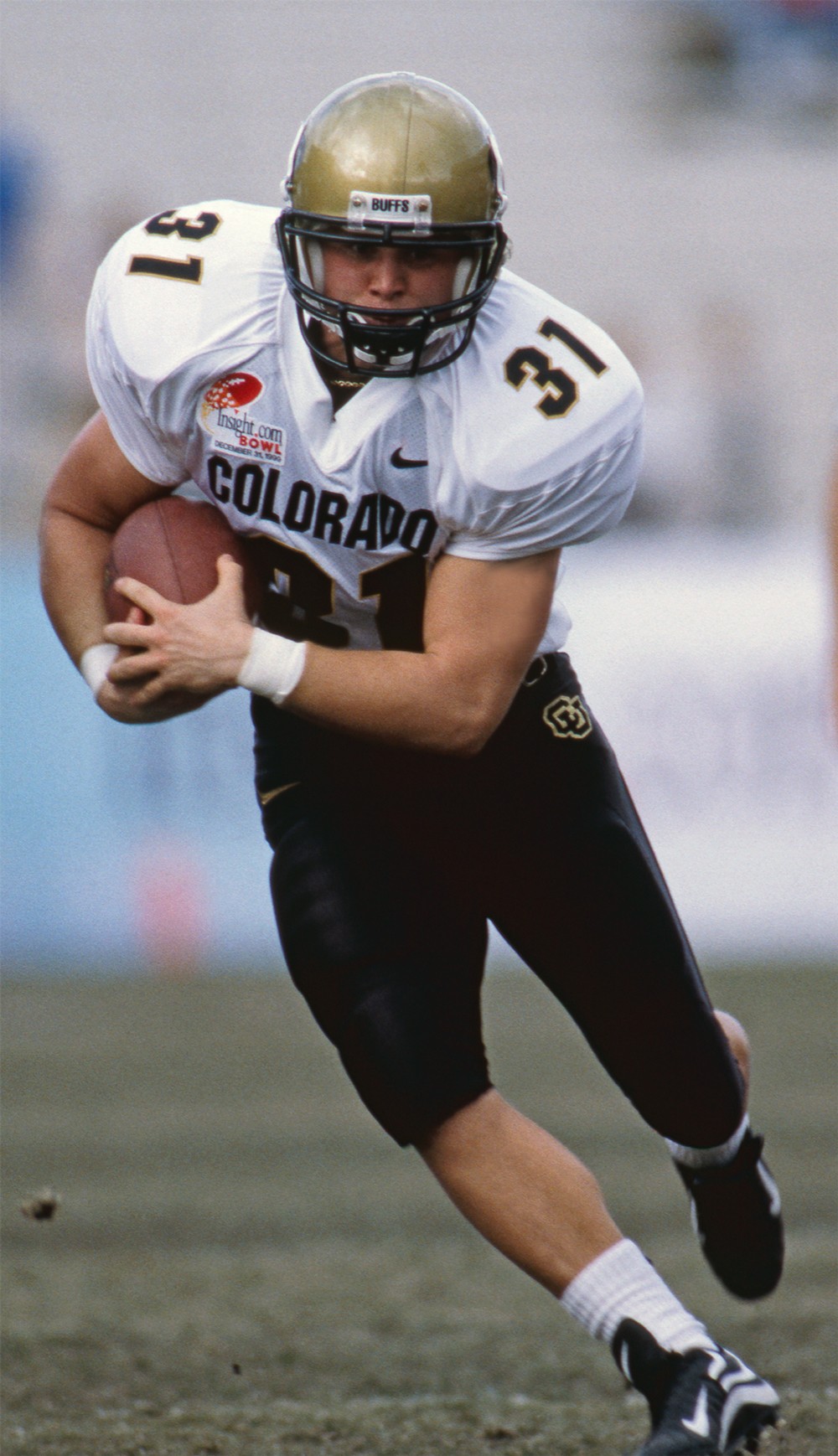
By the time I finished playing football in my senior year at the University of Colorado, I had endured four shoulder surgeries and suffered a severe quadriceps injury and continued playing despite being torn in half. The injury was so significant that doctors decided to wait until the season ended, allowing the torn muscle ends to scar over sufficiently for a strong reattachment.
When the surgery finally took place, the torn muscle had rolled all the way up into my hip, and the surgeon had to use donor tendons to reconnect everything. I had been raised to be tough – after all, that mentality was essential to being part of a winning program. This was my first surgery and I had never taken drugs of any kind my entire life. I never missed a game or a practice, pushing through all the concussions and injuries with painkillers, cortisone shots, and the numbing effects of Toradol, often forcing me into a constant fog. I mistakenly believed that after winning the championship, all I needed was a little time off for my body to heal itself. I was young and naïve.
From the earliest moments of my childhood, an intense passion ignited within me – a burning desire to serve in the military, inspired by the extraordinary legacy of the men in my family. My grandfather’s service during World War II, uncles who served with unwavering honor, a cousin whose bravery as a special forces medic earned him a Purple Heart, and my brother – a Harrier fighter pilot – who heroically completed multiple combat tours. After dedicating six years to a military academy, it felt like destiny calling me to push college football to its limits before embarking on a military career.
After receiving guidance from retired Navy SEALs, I realized my physical condition didn’t align with my strong desire to serve. Medical professionals confirmed this. During training, I pushed myself to the limit, enduring pain that left me struggling to lift my arms or even walk. Insomnia from a lumbar spine fracture further hindered me, sometimes immobilizing my back. Despite learning to suppress emotions, I could no longer ignore the truth: serving my country was beyond reach. This realization made me feel as though I had nothing more to offer the world.
It’s important to remember that our contributions never truly end; there’s always more we can offer. There are numerous ways to serve and make a meaningful impact beyond traditional paths like military service. My cousin Britt serves as the Deputy Chief of Law Enforcement, and his wife, Mary Esther, is the mayor. My father, Dr. Tom Johns, was a respected sports physician, while my mother, Queenie, managed an orthopedics association and nonprofits supporting the community. My sister Rebecca holds a doctorate and collaborated with the governor of Tennessee on health and wellness in educational systems, while her husband, Lane, teaches self-discipline and respect through martial arts. These incredible individuals inspired me by redefining what it means to contribute. We can find fulfillment and purpose in unexpected places, demonstrating that everyone has something valuable to offer this world.
Before arriving at this realization, I had to experience the depths of despair. During this vulnerable time, I met a man in a bar who unknowingly altered the direction of my life. Although his name faded quickly from memory, his words lingered long after our brief encounter. However, reaching that crucial turning point came with the risk of nearly dying.
I can’t shake the memory of how close I came to losing my life. The terrifying shout of “Code blue! Code blue! We’re losing him!” still echoes in my mind as alarms blared through the fog I was in, lying on a gurney, struggling to breathe. The paramedics must have administered something to help me stabilize, but everything felt unreal – like that intense scene from Pulp Fiction where John Travolta revives Uma Thurman with an EpiPen. As I slowly regained consciousness, a wave of embarrassment washed over me when I heard two paramedics laughing. Their words stung: “Don’t come to Vegas and overdose on drugs, Judson!” Overwhelmed by fear and shame, I slipped back into unconsciousness just as they made another comment about my Big Twelve championship ring, followed by snickering, “He’s done a lot with life since.”
When I came to again, a kind nurse was by my side, informing me that I was in the emergency room. He mentioned that I had almost died the night before and seemed to genuinely care. But I felt an overwhelming urge to escape. I scanned the room, awaiting my chance. When the coast was clear, I quickly yanked the IV out of my arm, wrapped my jacket around my forearm to stop the bleeding, and stealthily made my way down the hall.
As I pushed through the emergency exit, I was met with the sight of a police officer in his patrol car. Trying to play it cool, I leaned down and asked for a ride to the MGM hotel and casino, but he dismissed me with a cold gaze. Feeling dejected and afraid of being arrested for whatever it might be, I hailed a taxi. Glancing down at my blood-spattered jeans from the IV, I felt the need to numb. The casino was exploding with noise, and when I made it to my hotel room, my older brother was on the phone. His jaw dropped in shock, and without uttering a word, I threw off my shirt to crawl under the covers, wanting nothing more than to block out the world.
Suddenly, my big brother’s voice was filled with worry as he spoke to someone over the phone, “Looks like Judd just got back from the emergency room – he’s got heart monitors all over his chest!” I glanced at the sticky pads and realized, perhaps for the first time, that if this wasn’t rock bottom, I didn’t want to see what was. Ironically, I found myself heading to the casino bar to “sober up” with a few drinks. As I ordered a Bloody Mary, an inexplicable urge led me to confide in the stranger next to me as if he were my therapist. I poured out my fears and regrets – my doubts, lost dreams of serving in the military, and all the pain I felt in my body. After unloading everything, I shared my anxiety about embarking on a long journey toward earning a doctorate in psychology. The logic at the time was that if I could learn how to heal myself, then maybe one day I’d be able to help others too.
“Seven years to earn a graduate degree feels like forever,” I complained, stressing the weight of my fear over the future. But his gaze was unwavering, urging me to reflect deeper. “How old will you be if you never pursue it?” he asked, and those words lingered powerfully in the air. As the casino’s noise faded into silence, I sat with his message. He shared his journey: “I didn’t start law school until I was 50, and now I’m a judge. Do you want your dreams to become reality, or do you want to spend your life reminiscing about what could have been?” His story ignited a spark within me – a reminder that it’s never too late to chase our dreams with courage and determination.
His words marked a pivotal moment in my life. I stood at a crossroads: one path paved with regret, the other leading into the unknown – a journey toward fulfilling my dreams. For the first time, I truly understood the weight of my choices. Though uncertain of exactly what I wanted, I knew I had to find something better, to pursue my purpose, and one day help others who felt as lost as I did.
At that moment, I made a bold decision. Rising from my seat, I shook hands with the stranger. With determination, I walked out of that bar and chose never to drink again.
That feels like a really great moment to do a mic drop and end the interview, yet something else has come alive for me in the telling of this story.
I began my podcast, The Dr. Judd Show, as a way to highlight inspiring testimonials from amazing guests who’ve faced incredible challenges.
And I am reminded of a darker side to the healthcare system that we can’t ignore.
One of my dear friends, Tah Witty, who spent decades as a nurse in New York’s emergency trauma units, shared some shocking revelations during our interview. He candidly admitted the heartbreaking reality that some nursing staff intentionally make suicidal patients feel uncomfortable, treating them as burdens or as if their lives aren’t worth saving.Tah needed to express his guilt over being part of such a mentality. Paramedics mocking and bullying me after I was revived added layers to my struggles, especially coming from those sworn to care for us when we’re at our lowest. It’s frightening to think individuals in desperate situations might be treated with such disdain. Please, I urge you to tune into that episode; Tah offers a perspective on these issues that is both enlightening and necessary, raising many concerns about the state of compassion within healthcare.
Great, appreciate you sharing that with us. Before we ask you to share more of your insights, can you take a moment to introduce yourself and how you got to where you are today to our readers.
“Attitudes are more important than facts,” is a quote I always loved. I genuinely believe in the truth of this statement, particularly when reflecting on my own journey. At first, I had absolutely no intention – none whatsoever – of working with families, especially not with teenagers and their parents. Yet, it was my shift in attitude that opened up new possibilities that I never anticipated but now deeply value.
After I sobered up, which was a challenging journey involving withdrawal from painkillers, I realized that pursuing graduate school was my next step. However, I faced the hurdle of a low undergraduate GPA due to a history filled with surgeries, daily painkillers, and multiple concussions that affected my academic performance. Having confronted death, I was committed to doing whatever it took to find a program that would accept me. Initially rejected from a counseling program, I shifted my focus and applied to a conflict resolution program. With hope and determination, I aimed for all A’s in my first semester under probationary status – and it paid off. Not only did I gain admission, but I also became a certified mediator by meeting all state requirements for assisting those dealing with divorce and custody disputes. Through this experience, I’ve seen difficult aspects of human nature – adults behaving like children over trivial matters and parents using their children as tools for revenge – but it’s taught me invaluable lessons about respect and understanding.
My clinical hours were at a community service organization called Alive Austin, under the mentorship of my incredible supervisor, Frank Cohn, who inspired the name of a character in my book, My Sessions with Frank. Each morning, I worked with some of the most impoverished families in Austin, then spent my afternoons coaching football and track at Saint Andrew’s High School – Texas’s most affluent school – alongside the legendary Heisman Trophy-winning Coach Ty Detmer. After our seventh season together, I found myself embracing the role of teen coach and parent advocate, drawing upon my background in military academy leadership to guide my coaching and mentorship style.
Despite my evolving role, I still hadn’t intended to work with families. In fact, when my graduate program offered an extra semester to earn a Licensed Marriage and Family Therapy (LMFT) certification, I declined. As I healed from the emotional scars of my past, all the stories of rejection and abandonment led to unexpected relationships with families in need. While mending my bond with my own family, I also formed connections with parents desperately seeking ways to reach their teenagers and young adults.
I had spent a lot of my life running – running over and through anyone to escape my own feelings of being the black sheep, the cautionary tale. Every action was an attempt to prove myself, but I realized it was time to stop seeking validation from others. Now was my moment to be true to myself and allow everything else to fall into place.
I chose to run toward something rather than away from it – to be bold and to leave my mark with parents, teachers, and coaches.
I know the deep pain that can make you not want to wake up the next day. I’ve felt that despair, and with a lot of work, I made the bold choice to embrace life one day at a time. I chose to live fully and to lead by example. I stopped accepting the victim mindset and shared that truth with both parents and teenagers: “You always have another option. Become the hero of your own story.”
There’s no benefit in sugarcoating the situation; I refuse to tell parents they’re doing a great job when they’re not. We must take responsibility for our current circumstances if we wish to move forward. Society has become so sensitive, often concerned about offending someone or losing a job, yet parents often program their children and then call on me to fix the issues that arise.
We can sit at the bar, numb ourselves, and discuss how others are the problem, or we can choose to step out of the shadows of our lives and rise to become the parents, counselors, teachers, and coaches we were meant to be.
The one area where my military academy fell short was in understanding that true strength lies not in enduring pain but in confronting our fears.
Parents need to hear that sometimes we all lose our way, but the map is still there; it’s just muddy at times. I know discipline; it’s in my blood, and I have a gift for teaching others the same. I channeled the relentless drive I learned in sports into a purpose rooted in uniting families in need.
The truth is, I initially felt unqualified to work with families. My attitude transformed this perceived limitation into a strength. Each day, I follow my heart, praying for guidance on whom I am meant to help. Currently, that means supporting parents seeking to connect with their teenagers and young adults in their twenties who feel lost and need direction.
While facts may sometimes appear hopeless, one’s attitude can change everything. If you believe that God is on your side, any seemingly insurmountable fact can be overcome.
Early in my career, I was driven by a lot of passion and confidence in my abilities, though perhaps not always wisely directed. I sincerely believed I could assist others in solving their problems, and with humility, that enthusiasm remains—now guided by a deeper sense of purpose. Over time, I’ve come to realize that while it’s important to offer support to those who seek my help, it’s just as crucial for families to actively engage in their own journeys. I’ve met many parents eager for solutions concerning their teenagers or young adults, often hoping for quick fixes without considering changes on their part.
It warms my heart to see the young people I worked with mature emotionally, inspiring their parents in turn. This beautifully illustrates that healing is a shared journey for the entire family.
This realization inspired me to develop the F.U.N. (Family Unity Now) program, which focuses on collaboration and accountability. One of the most engaging elements of my program is the weekly Team Meetings, where families gather to openly discuss their dynamics. I’m pleased to share my top five tips for F.U.N. at no cost on www.drjudd.com, encouraging families to embark on this journey of connection together.
Many households might tend to overlook pressing issues, hoping they will resolve naturally; however, I believe that addressing these concerns directly is essential for achieving long-term happiness. Recognizing that counseling can be a sensitive topic, I’ve crafted supportive methods designed to empower parents, particularly those in single-parent homes.
Drawing from my experiences as an athlete and my passion for coaching young people, I’ve come to truly appreciate the transformative power of teamwork. My time growing up in a military academy instilled in me the importance of unity, leading me to create guidelines that help families come together and flourish, always remembering that God doesn’t make mistakes.
Every challenge you’ve encountered has been a stepping stone towards your greatness. I want each reader to realize their immense worth. Embrace your journey wholeheartedly; when we choose to believe in ourselves and our potential, anything is possible!
We often hear about learning lessons – but just as important is unlearning lessons. Have you ever had to unlearn a lesson?
Are you familiar with Obsessive-Compulsive Disorder (OCD)? While I’m not fond of labeling people, the lessons learned from all my obsessive and compulsive tendencies over the years have taken me down some wild roads to unlearn.
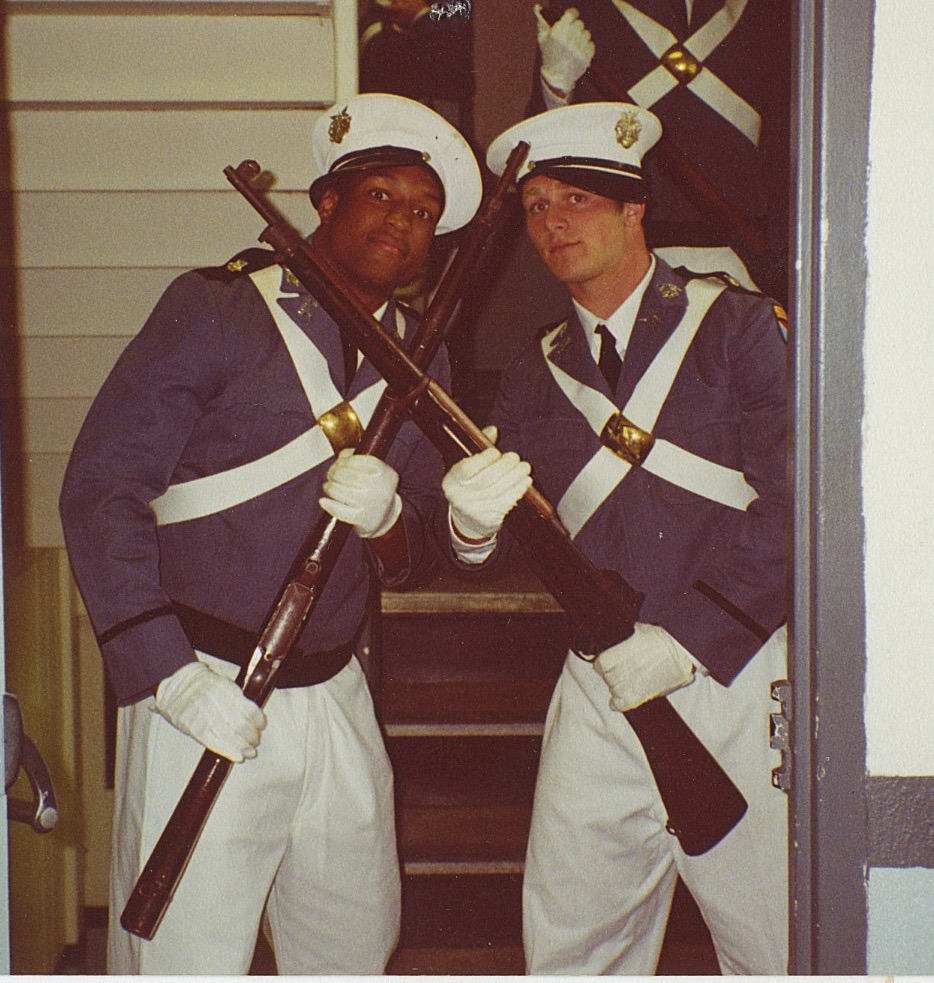
Imagine a 12-year-old cadet standing rigidly at attention next to the doorframe of a barracks room, while the unsettling noise of a faculty officer rifling through a fellow cadet’s footlocker echoes down the hall. As I stood there, my mind was in turmoil, anxiously reviewing every detail outlined in the conduct manual. This image serves as a reminder of the importance of rules and the severity of consequences.
Raised in a military academy, we received a code of conduct manual that had to remain visible in the corner of our desk calendars at all times. Memorizing every code and infraction was essential. It resembled an OCD handbook, meticulously outlining what each cadet must wear—from the nametags on our uniforms to our spit-shined boots—how we should behave, and how our rooms must look for daily inspections.
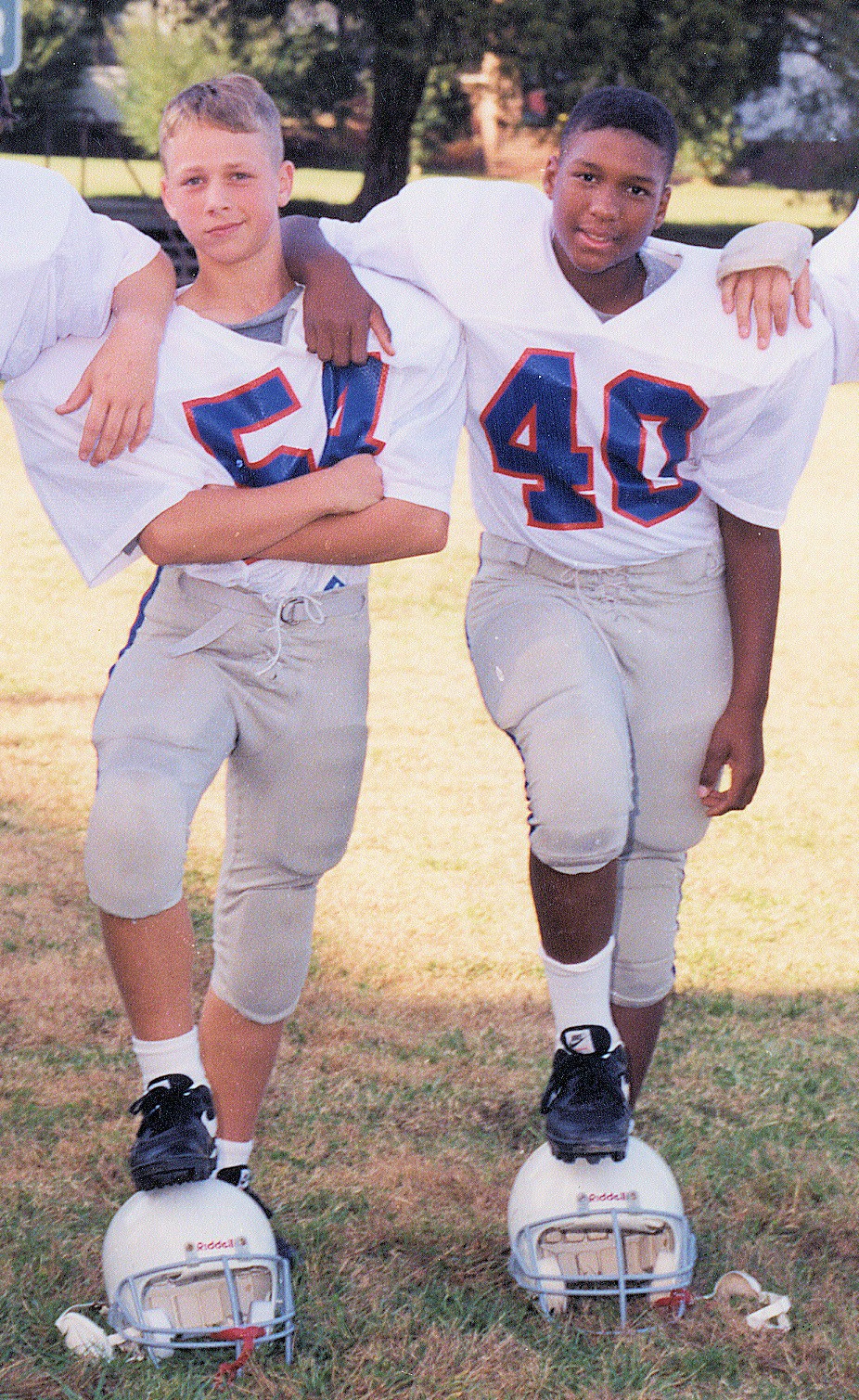
My adopted brother Levor and I lived in a small barracks room without a door—just a bunk bed, a wall locker, and two desks. In the first season of The Dr. Judd Show, titled Campfire Tales, I share many stories from my book, My Session With Frank. The initial episodes explore how Levor and I became brothers.
Picture Levor and me, sneaking side glances at each other like two deer caught in headlights, standing stiff as boards by the door. Our minds raced through a mental checklist of all our possible screw-ups, while we visually inspected each other’s uniforms and listened to other cadets being punished for various infractions. Fear was always in the air—missing out on getting a burger and fries at the PX, extra duty marching all day, or losing our monthly day pass or weekend leave. Whether it was for fighting, cussing as kids do, or just forgetting a pencil for class, the panic always left a knot in my stomach.
One of the most memorable punishments I recall was standing at attention all day in a torrential downpour during my first week after my parents dropped me off. An officer gave orders I didn’t understand, and I responded with some sass. Big mistake! Soon, I found myself staring at a wall for seven hours with only two bathroom breaks. If I dared to scratch an itch or sneak a sideways glance, the clock would reset, and I’d be back at it the next day. Ever tried not scratching an itch? It’s like trying not to think about pink elephants. There I stood, wiggling my toes so my knees wouldn’t lock up or I’d pass out—meanwhile, an itch on the tip of my nose taunted me for hours. This ordeal turned me into a touch-sensitive routine fanatic; suddenly, everything had to be counted—light switch flips, room entries and exits, steps to the mess hall—you name it. My only escape was training myself into utter exhaustion.
Levor and I dedicated all our spare time to the weight room, constantly pushing ourselves to the limit. Each evening, we set a goal of 100 push-ups, often urging each other to aim for 200. Our unwavering focus was on enhancing our physical and mental strength. This resilience gave us a sense of security in an unpredictable place, where it always felt important to remain cautious. Despite the structured setting, with many young men grappling with their emotions in chaotic and sometimes violent ways, it was essential to stay on guard every day.
At the heart of all obsessive and compulsive behaviors lies a profound attempt to regain control in an unpredictable world. I deeply understand how suppression and expression are closely tied to body image; the way we choose to present ourselves often springs from fundamental survival instincts. Some may become fixated on their weight, resorting to extreme measures like spraying household cleaners on food to resist temptation. This unsettling behavior reflects a desperate attempt to control their self-image. When I see bodybuilders harming themselves with steroids, my heart aches for them, wondering what pain they have endured. Our nervous systems can become overwhelmed, making it difficult for us to process information in a healthy way, forcing our minds to adapt. Rituals can offer temporary comfort by creating an illusion of control—rooted in our early developmental needs for safety, love, and connection.
I didn’t understand what OCD involved until I began studying psychology. During a lecture on diagnostic criteria, it felt as if my life was being displayed on the screen for everyone to see. I felt glued to my chair, exposed, as others analyzed symptoms that deeply resonated with me. It became clear—I had been living with anxiety and depression for most of my life. In that classroom, as the conversation about anxiety and depression unfolded casually around me, I wondered what ‘normal’ felt like to others. Even at the military academy, I sensed my differences. Whenever I returned home for the holidays, I was preoccupied with hiding my habits and routines—a secrecy that lingered for years. Eventually, this led to an unavoidable fear that maybe I was going insane.
Growing up in a religious household, I decided to give prayer a try to tackle my symptoms. And guess what? It actually worked! Over Thanksgiving break, my OCD went into overdrive—I was flipping light switches on and off like I was trying to send Morse code to aliens, twenty-two times each time I entered or exited a room. My rituals became so elaborate, like retracing steps on the carpet. In sheer desperation, I hit the floor and prayed: “In Jesus’ name, please help me stop this right now!” Miraculously, when I got up, I walked past the light switch and never obsessed over it again. I decided it wasn’t going to have power over me anymore. The irony? Some of the same religious commandments that fueled my compulsions also handed me the key to freedom. Of course, my obsession just found new ways to crash the party. The real challenge was finding a way to make myself feel safe, loved, and connected at all times.
After amazing adventures all over the world, immersing myself in diverse cultures and mind-body practices, I discovered the power of regulating my nervous system through breath-work and meditation. Alongside this, nurturing my belief in God’s divine guidance has been nothing short of miraculous. This profound relationship with God didn’t happen overnight; like any extraordinary relationship, it thrives on constant communication. It’s fascinating how we all converse with ourselves throughout the day—some do it silently while others speak aloud, much like the homeless population seen downtown in Austin who are often misunderstood. Their inner dialogue is simply amplified for all to hear.
I choose to engage with God as if speaking to my best friend. Imagine directing every thought towards an infinite power. I’ve explored countless ceremonies and therapeutic styles, yet without God at the core of my life, I’d still be overcome by intrusive thoughts. My old compulsion to count, clean, or control every aspect of life was rooted deeply in unresolved fears and pain. The transformation has been a gift that I intend to share with everyone, whether it’s someone listening to the Dr. Judd Show, taking one of my programs, or working with me directly.
The Transformational Meditation series, available for purchase at www.drjudd.com and offered weekly for free on Meditation Mondays through The Dr. Judd Show, is crafted with a profound dedication to supporting personal growth. This series uniquely blends breath-work, affirming words of wisdom, and my SEE-NEED-FEEL method to help confront fears effectively. Consider this: obsession, depression, and anxiety are different manifestations of fear—a fundamental emotion we all experience. Anxiety arises from uncertainty about the future, while depression is tied to fears of past experiences resurfacing.
At its core, fear serves an essential protective function—alerting us to real dangers like a mountain lion outside our cave. However, we aren’t meant to live in constant fear; rather, we’re designed to face it head-on so we can rest each night in gratitude and welcome each day with joy. Faith plays a crucial role here—it empowers us with limitless potential to navigate life’s uncertainties. Isn’t facing the unknowns of life our greatest challenge? Often, we retreat into familiar but unhealthy patterns to avoid the growth that comes with committing to new decisions. Following your heart takes courage, that is what my programs aim to teach.
We need to reevaluate the fears we allow into our lives. Most people I work with fear a ghost from their past that doesn’t have teeth to harm them. We need a faith that transcends our fears—a deep belief in embracing the unknown. You are here for a reason, and if you doubt this, start by confronting that doubt. Genuine faith fosters resilience and guides us through uncertainty until, one day, you look in the mirror and see the person you’ve always wanted to become.
Are there any books, videos or other content that you feel have meaningfully impacted your thinking?
I have some incredible book recommendations to share, and I won’t get too preachy, though both authors are unquestionably inspired by a higher calling.
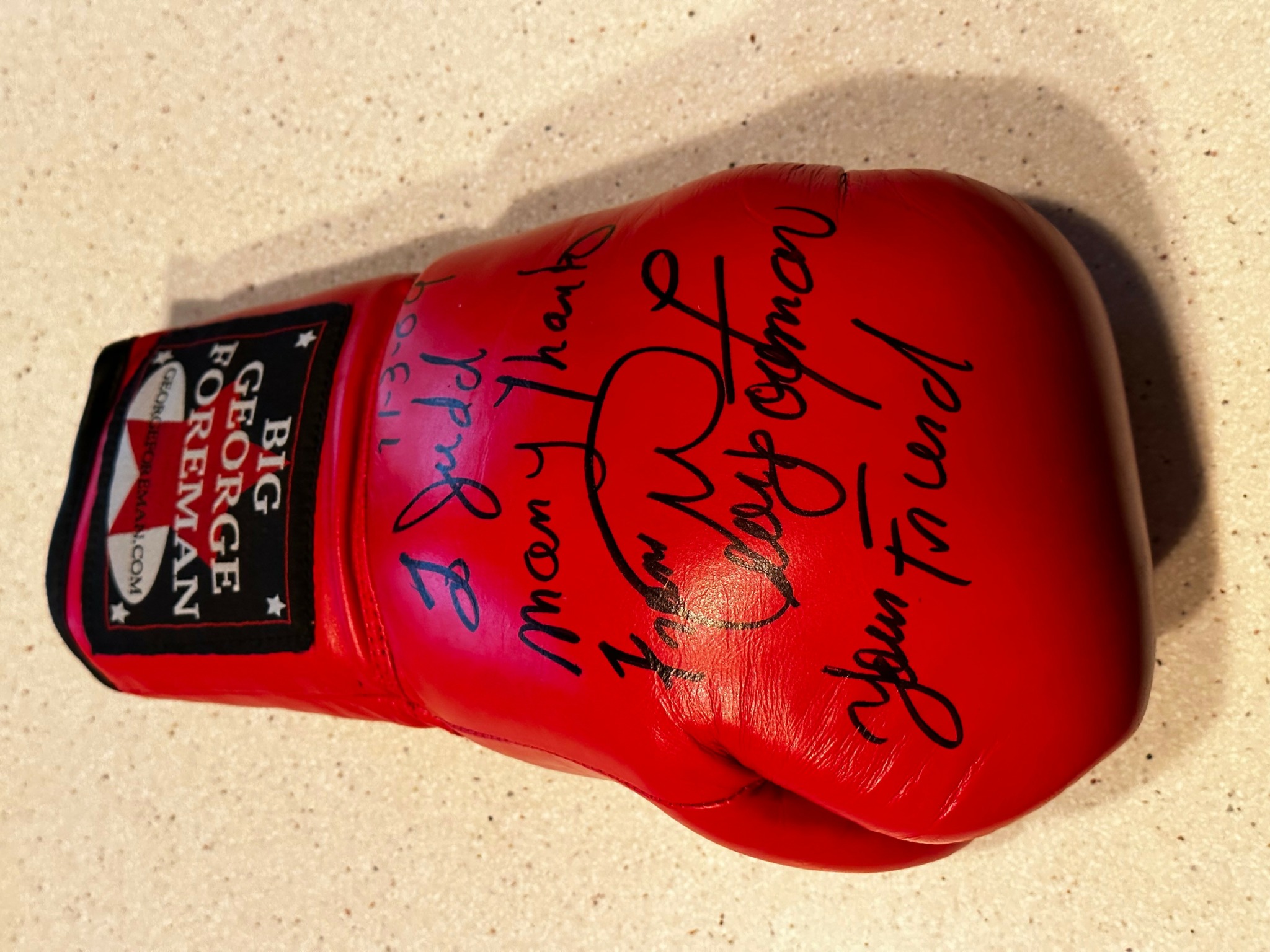
First up is “God in My Corner” by two-time heavyweight champion George Foreman. From the very first page, I found myself captivated. How does a man who once epitomized the ferocity of the boxing ring – who faced defeat against Muhammad Ali in front of the world – somehow manage to embrace life with such a radiant smile and make a triumphant return at age 45 to win a second world title? I devoured this book in one sitting.
I believe in embodiment – if I’m going to embrace your message, I need to see the authenticity behind it. So, I made the three-hour drive from Austin to Houston to witness George Foreman’s joy for life. When I walked into his church, there he was, with an even bigger smile, strumming his guitar and singing hymns on the pulpit steps. He came down to greet me, and as I reached out for a handshake, he pulled me into a massive bear hug, exclaiming, “Please, call me Big George, brother.” Instantly, I was reminded of my grandfather, Gandanny—a preacher who truly cherished every encounter.
That Wednesday night turned into an entire weekend filled with witnessing his children serving the congregation selflessly. Big George’s true measure of success isn’t in accolades or wealth; it is rooted in service and community, guided by faith.
He imparted a powerful lesson on forgiveness: it’s about releasing the burden of pride and healing connections, both with others and within ourselves. As I drove home, I reflected on the weight I was ready to shed. I recognized that we all carry pain through our relationships, and until we forgive ourselves and others, that pain attracts more pain. This triad of love – forgiveness, acceptance, and self-kindness – is what empowers us and leaves a lasting impact on future generations. When you’re on the path of positivity, people like Big George will continue to enter your life.
I also met an inspiring individual, Garrian Jones, in Austin. Invited into his home, I was warmly welcomed by his wife, Blair. Garrian embodies what it means to be a great father and husband – qualities I deeply admire. His testimony is one of courage through immense ups and downs, shaped by unwavering positivity. I had Garrian on The Dr. Judd Show, and during our conversation, he mentioned a transformative book: “The Power of Positive Thinking” by Dr. Norman Vincent Peale.
Garian has read this book over a hundred times. Initially, I dismissed the teachings as simplistic, having scoffed at it in the past. But he made a compelling case – every time he strayed from its principles, he manifested chaos in his life. The moment he allowed himself to visualize success, he began building the life he was destined to lead, calling in love and partnership.
As a mental health professional, I admit I used to underestimate the book’s depth, thinking it oversimplified emotional complexities. But it dawned on me: isn’t that exactly what faith is for? To lay down our pain instead of carrying it to bed every night, letting go and trusting a higher power. I understand the critics; I was one of them. Yet after diving deeper into the text, I discovered a goldmine of tools for cultivating a positive attitude. Theory alone doesn’t yield results. In sports, the only workout that matters is the one you commit to, and the same holds true for spiritual growth. You have to apply the principles. Growing up in a military academy, we often said, “Don’t talk about it, be about it,” or “I can’t hear what you’re saying for seeing what you’re doing.” Practice what you preach.
These books have helped me live with gratitude for things that have not yet manifested. Why? Because God designed us all to expect the best from this life. The critics sitting on the sidelines are often the ones not putting in the work for themselves, and that truth transcends every country and continent that I have traveled. You want the truth? You want to witness people who practice what they preach? Over the years, Big George would personalize and sign copies of his book for each and every senior high school class that I coached. That is faith personified through action. Just as his words touched my heart and encouraged me on a path toward self-love, I believe these words will touch the heart of someone in need.
If you’re looking to lead a joyful and fulfilling life, why not take inspiration from the kindest and most positive teachers? It’s not about those who seem all confident while putting others down; often, they’re just masking their own struggles. Instead, focus on being kind to yourself, especially when life gets tough. Remember, with faith and a positive mindset, you can achieve anything.
We all have ambitious dreams that light up our hearts, even when they feel just out of reach. It’s a wonderful time to celebrate achievements like Travis Hunter winning the Heisman Trophy—a moment that fills us with pride for my alma mater, the CU Buffaloes! I’ve heard he’s one of the kindest souls you could ever meet, and his journey inspires us all. Reflecting on my own path during challenging times, I see how much I’ve grown. When I failed to confront my own struggles with kindness, Travis showed us the power of grace and resilience, especially when overcoming injuries.
When we embrace kindness towards ourselves, we create a ripple effect that encourages others to support us, opening up our connections and bringing more joy into our lives. I discovered that as I began to show compassion to myself and spread that love to those around me, exciting new possibilities began to manifest everywhere.
Though I haven’t served in the military like many brave individuals who inspire me, I’m passionate about supporting veterans returning from service, offering them the care and counseling they deserve. In the face of adversity, maintaining a positive outlook is truly essential. Sometimes, hitting what feels like rock bottom is the perfect launchpad for growth and transformation. From there, the only way to go is up—aim for the highest mountain you can envision, taking it one step at a time, one day at a time.
Believe in something so magnificent that it stretches your imagination. That feeling of it being just out of reach is a spark—an opportunity for faith. Now is the time to call upon the divine to guide your path. Miraculous outcomes are born from our willingness to dream big and push past our limiting thoughts. Choose to believe, and watch the wonderful things you receive!
Contact Info:
- Website: https://www.drjudd.com
- Instagram: https://www.instagram.com/drjudd/profilecard/?igsh=MXV0M2xveXgweXdnNQ==
- Facebook: https://www.facebook.com/DrJuddInstitute?mibextid=LQQJ4d
- Linkedin: https://www.linkedin.com/in/dr-judd-johns-301450167?utm_source=share&utm_campaign=share_via&utm_content=profile&utm_medium=ios_app
- Youtube: https://youtube.com/@dr.juddinstitute3507?si=5QtbAz_grUmiuT36
- Other: If you are inspired for 1-on-1 work with me please reach out directly at [email protected].