

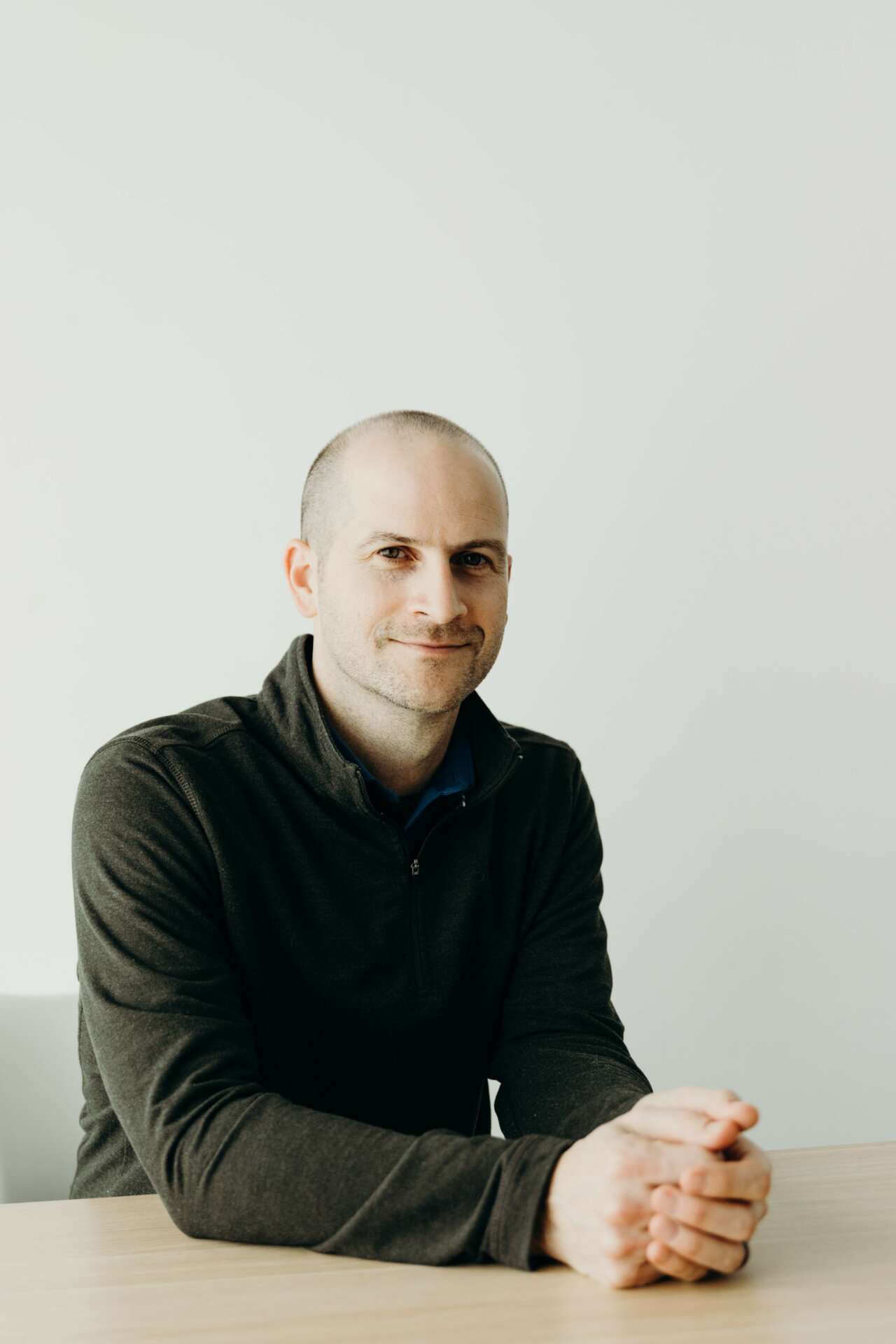

We’re excited to introduce you to the always interesting and insightful Dr. Jason Racca . We hope you’ll enjoy our conversation with Dr. Jason below.
Dr. Jason, thanks for joining us, excited to have you contributing your stories and insights. Was there a defining moment in your professional career? A moment that changed the trajectory of your career?
From the very beginning of my career, I naturally thought, and practiced more holistically. I had mentors along the way that showed me the potential to help people beyond what I thought was possible. But what has really shaped my career, the way I think, and ultimately the way I practice is our own families Health choices, and struggles.
From fertility struggles, to a child with PANDAS (Pediatric Autoimmune Neuropshyciatric Disorder Associated with Strep) , chronic Lyme and MCAS (Mast Cell Activation Syndrome), to a mold remediation in our home and how mold sensitivity has affected the health of our Family, we have consistently had to seek out practitioners that were willing to think outside the box and look deeper for the root of the issues we were experiencing.
Through all of that, there was a lot of learning along the way, and realization that, even in the profession that I am in (physical therapy) all of the systems of our body are connected and to not take that into consideration when people walk in through our doors experiencing pain, or other symptoms, would be foolish.
Dr. Jason, love having you share your insights with us. Before we ask you more questions, maybe you can take a moment to introduce yourself to our readers who might have missed our earlier conversations?
I had Decided my junior year of high school that I wanted to pursue physical therapy. My story isn’t one where I was injured and physical therapy got me back to the sport I loved or helped me to walk again. I had actually never had physical therapy myself at that time. At the time I thought I wanted to go in to something in the medical field and something that had to do with athletics. So in my mind, that’s what Physical Therapy was, and what got me researching more.
Going in to graduate school, I actually thought I wanted to work in cardio pulmonary physical therapy. What I didn’t know, and what was about to change the direction I would take my career, Was that there was another side to PT that I had never heard of or experienced.
I had a professor in school that taught orthopedic physical therapy from a different perspective than most schools, and it just made sense to me. And I didn’t look back.
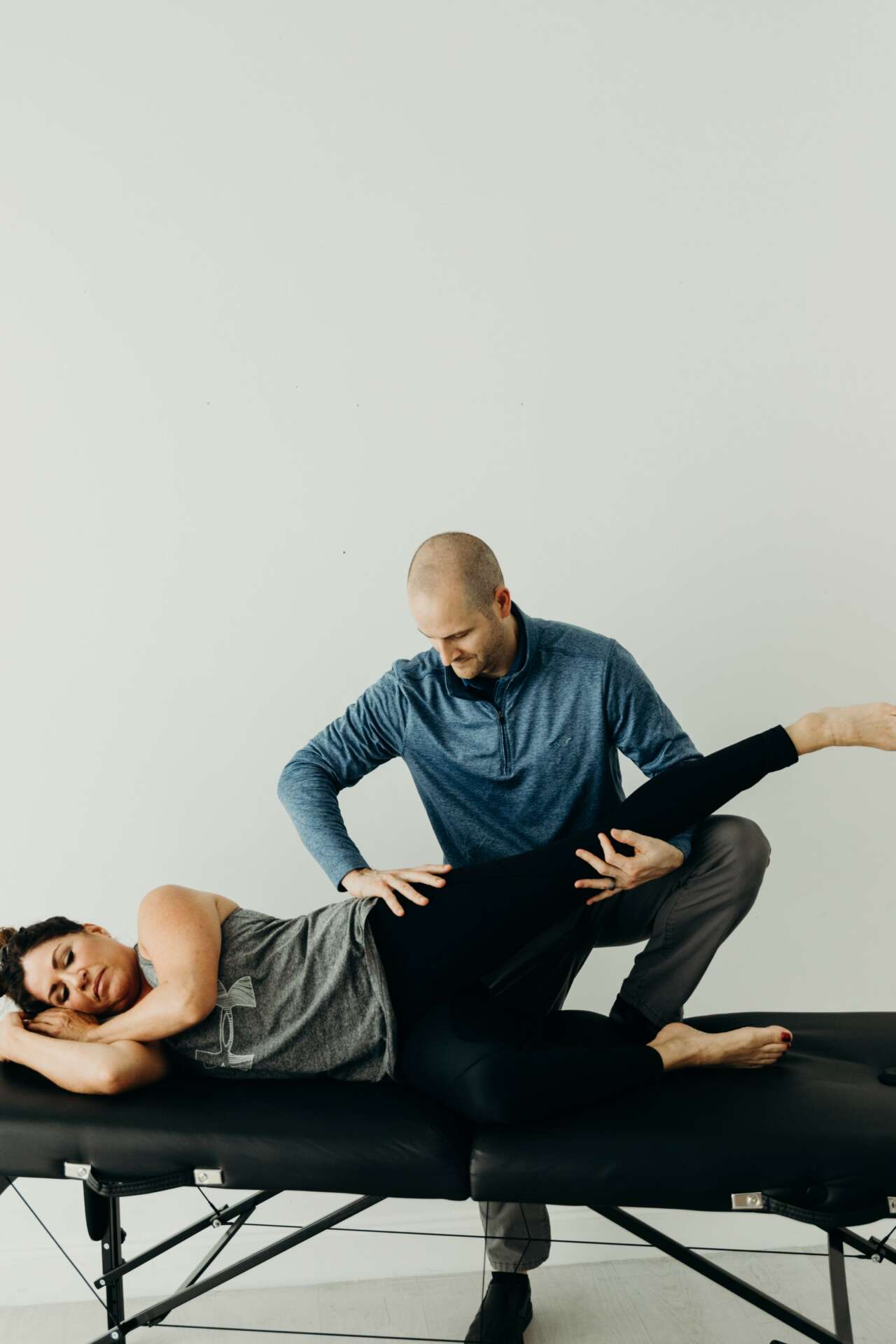
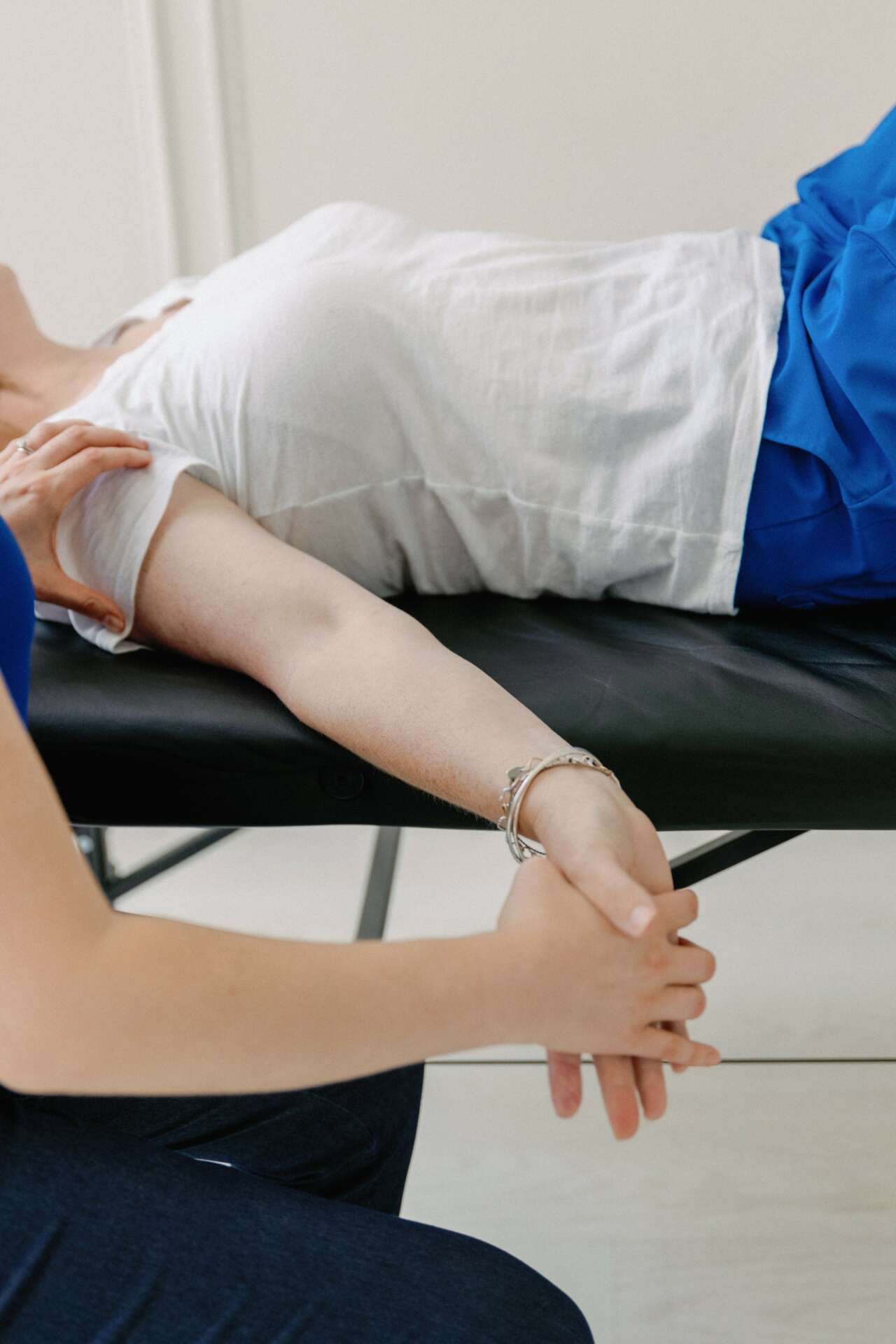
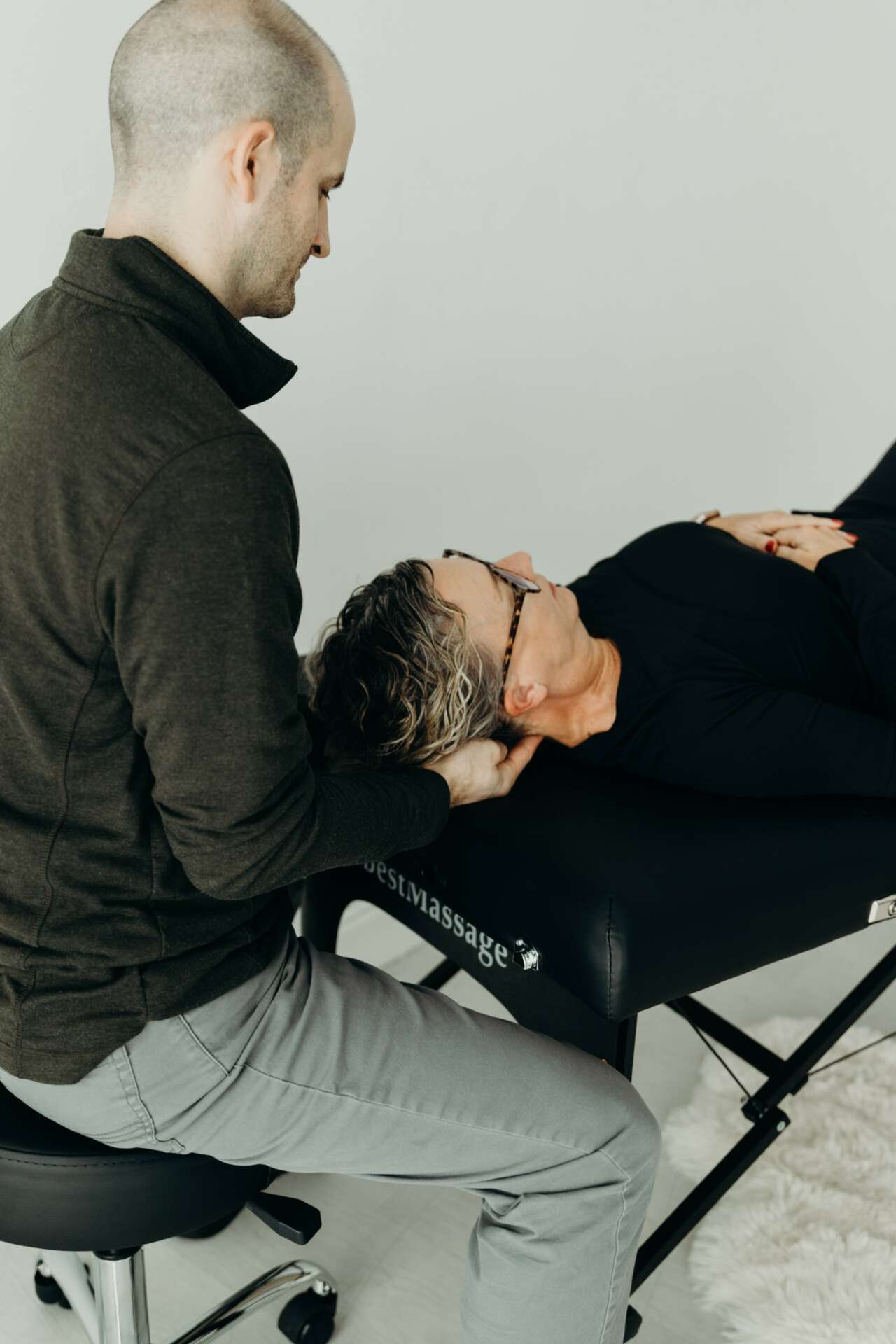
The way he taught was through manual therapy. But not just any style of manual therapy. It was a very holistic approach to care. It took into consideration other regions of the body, other systems of the body, and how they were all interconnected.
Because of that influence, I surrounded myself with mentors that continue to push me, and challenge me in that direction. The majority of my learning focused around organizations and education that built upon that. I learned that our potential to help the person in front of us is only limited by what I believed I could help them with. If I limited myself to the conventional box, that many physical therapist find themselves in, and they would be thousands of people that would walk out of my door not ever being helped in the way that they could happen I learned to keep my mind open, to problem solve, into work with the body (not force it into submission.)
As far as starting my practice, it was something I always knew I wanted to do because I saw the potential to be able to help people far beyond what being stuck in a healthcare system would allow.
Over the years, I have had many opportunities to learn, and work in different settings, including in the performing arts world at the professional level with traveling Broadway shows for over 11 years.
With my practice, R3 Physio, we focus on 3 main niches:
1. people that have long-standing pain or symptoms that did not resolve with a conventional model of care
2. TMJ (Temporomandibular joint) and airway dysfunctions and how it relates not just to the jaw, but to the entire body and its multiple interconnected systems.
3. Dancers and Performing artists (and we take the same systems-based approach to caring for these patients as we do with the others. Because many times dancers are not looked at as athletes and their training and the treatment they receive is not reflective of what they truly are putting their bodies through.)
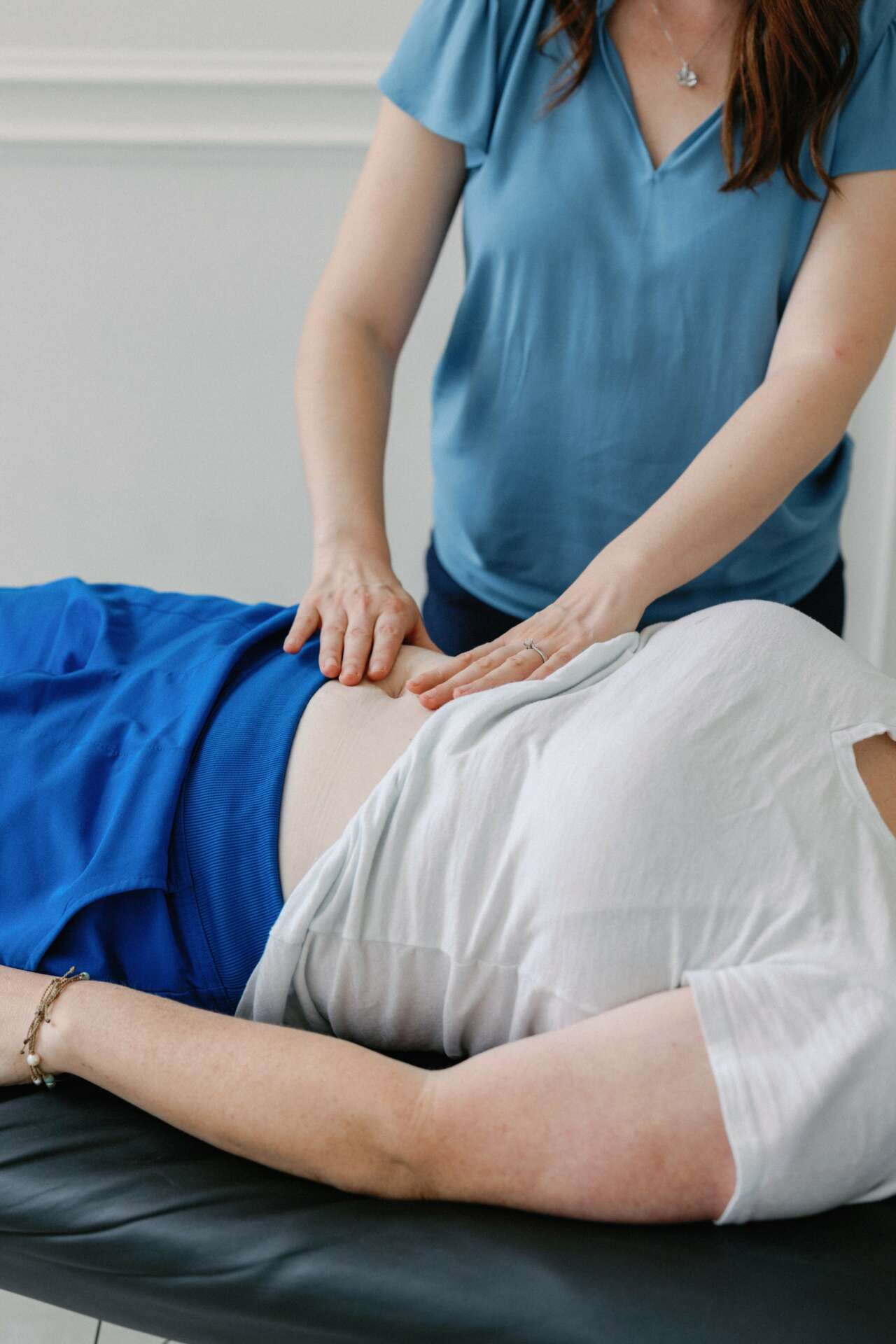
Part of what sets us apart is that we provide, as part of our treatment approach, advanced treatments in visceral manipulation.
“Viscera”, refers to our organs. Our organs are surrounded by fascia. We have fascia that surrounds our muscles, nerves, arteries, and is connected throughout the entire body. The way our bodies are designed is that they will protect what is more important to it. Arteries, organs, nerves are more important than muscles, joints, discs, etc.. or organs are meant to have a movement. And the fact that surrounds them connects them to other structures in the body. When those organs fascia becomes restricted (which can happen for a number of reasons, including scar tissue from surgeries, physical, traumas, illnesses, gut inflammation, emotional traumas and overwhelming emotions, and more) our bodies will change the way they move to avoid overstressing those organs. That change and movement can put stress and strain on other areas and often times can manifest in some of the common pains that we see such as hip pain, low back pain, shoulder, pain, etc.. also, because of the interconnectedness of the fashion mini of the structures are connected through fascial planes and can affect areas far distant from from them. For example, the fashion surrounding the liver being restricted, will often manifest in right shoulder issues for right neck issues. The fascia surrounding the large intestines will often manifest in hip pains or sacroiliac joint pains.
What we find is that often these long-standing issues that did not respond to a more conventional approach may have deeper root causes, which this can be one of those.
What we want our potential clients to know is that even if they feel like they have tried everything and haven’t received answers, there is still hope to feel better, and to be better than what they are. A quote from a mentor long ago that we practice by is
“even if all other treatments have failed, we are willing to step into the impossible”

Can you talk to us about how your funded your firm or practice?
For me, because of the lifestyle we have chosen for our family, it was important that I built this business with the lowest risk possible. So I started this as a side hustle with a very low overhead, and let it pay for itself. At the point that I was replacing my full-time income with my practice, is when I jumped in full time. So up until that point I was working 3 to 4 jobs
We’d love to hear a story of resilience from your journey.
I imagine this is a familiar story for many business owners, but I actually started my practice in February 20 20. I saw my first patient February 26 of 2020. Three weeks later the world shut down due to COVID-19 pandemic.
Gratefully, I had a full-time job and was able to just let my practice build slowly. It would’ve been easy to just push the pause button and wait until things passed, but by that point, my vision for my practice had become clearer and clearer, and I was willing to stick it out
Contact Info:
- Website: https://www.r3physio.com
- Instagram: https://www.instagram/r3physio
- Facebook: https://www.facebook.com/r3physio
- Linkedin: https://www.linkedin.com/in/jason-racca-4b032412?utm_source=share&utm_campaign=share_via&utm_content=profile&utm_medium=ios_app
- Youtube: https://youtube.com/@r3physio965
Image Credits
Hope Gray