



Alright – so today we’ve got the honor of introducing you to Dr. Jamie Smith. We think you’ll enjoy our conversation, we’ve shared it below.
Dr. Jamie, appreciate you joining us today. Let’s start big picture – what are some of biggest trends you are seeing in your industry?
Our world has drastically changed from when we were children. The universe our kids are growing up in is fundamentally different. Many families are dual income families, our education system is more rigorous, there is limited “villages”, less generational support, more pressure to “keep kids busy/ in a million activities”. COVID, and an overall increase in emotional distress in children and familes. One of the largest trends we are seeing in our office is an increase in childhood anxiety, feelings of inadequancy and overall family stress. It is harder to be a child than it ever has been before. As a parents, we think we are making our kids lives easier by doing everything for them, paying for the best private schools, putting them on the elite club team but in reality we could be contributing to the underlying emotional problems of our society. This normalization of unrealistic expectations can be very problematic and challenging for children. When I work with families I challenge them to be present, sit in the hard feelings and make goals congruent with the overall philosophy they want to teach their children. So much of the anxiety I see in my office is a reflection of the environment and underlying messages sent around perfectionism and unrealistic expectations. It is okay to not do everything right, it is okay to not be the best all the time, and it is okay to do what makes you happy even when it’s different from your friends. Our society puts so much pressure on our kids to be something that isn’t even real. Everything is filtered, posed for social media, which further contributes to feeling less than others. Kids often feel these feelings but don’t talk about them because 1) it isn’t fun to talk about not feeling good enough 2) these are complex feelings that are difficult to verbalize and make sense of and 3) we as parents aren’t making conversations about difficult feelings normalized in our homes. It is going to take us, as parents, to model healthy feeling identification and processing the hard topics for our kids to live healthy emotional lives in this complex world.

As always, we appreciate you sharing your insights and we’ve got a few more questions for you, but before we get to all of that can you take a minute to introduce yourself and give our readers some of your back background and context?
I am a child psychologist who considers working with children and families my life’s greatest passion. I have known since I was a small child that I wanted to help others and advocate for those who had no voice. I have crafted a practice that is unique in the sense that we address the needs of the “whole child” or the entire system that surrounds that child. Think parents, siblings, teacher, baseball coaches, sunday school teacher. We know all of these people have a massive impact on that child and we want to give them the tools they need to most effectively help them succeed. Our office is a multidisplinary practice that offers a variety of services. We offer psychotherapy for adults, teens and children. Play therapy, expressive arts therapy, occupational evaulations and therapy, and pediatric neuropsychological evaulations (ADHD, dyslexia, Autism etc). One thing we have been recently added is our training program where we are offering training to masters and doctoral students in counseling and psychology. This is something we have wanted to do for a long time, so that we could offer a lower cost option for families and also help contribute to this next generation of helpers.

We’d love to hear about how you met your business partner.
I love being able to talk about this. Jenny and myself both dedicated almost a decade of our lives to non profit mental health work. When I met her I was immediatly taken back by how simular we were. Both came from the same family structure, both from small towns and both went to religious unversities. We both had the same professional life goals and bonded over our advocacy for our clients. I couldn’t imagine being in buisness with anyone else. Where I am weak, she is strong and vise versa.
How do you keep in touch with clients and foster brand loyalty?
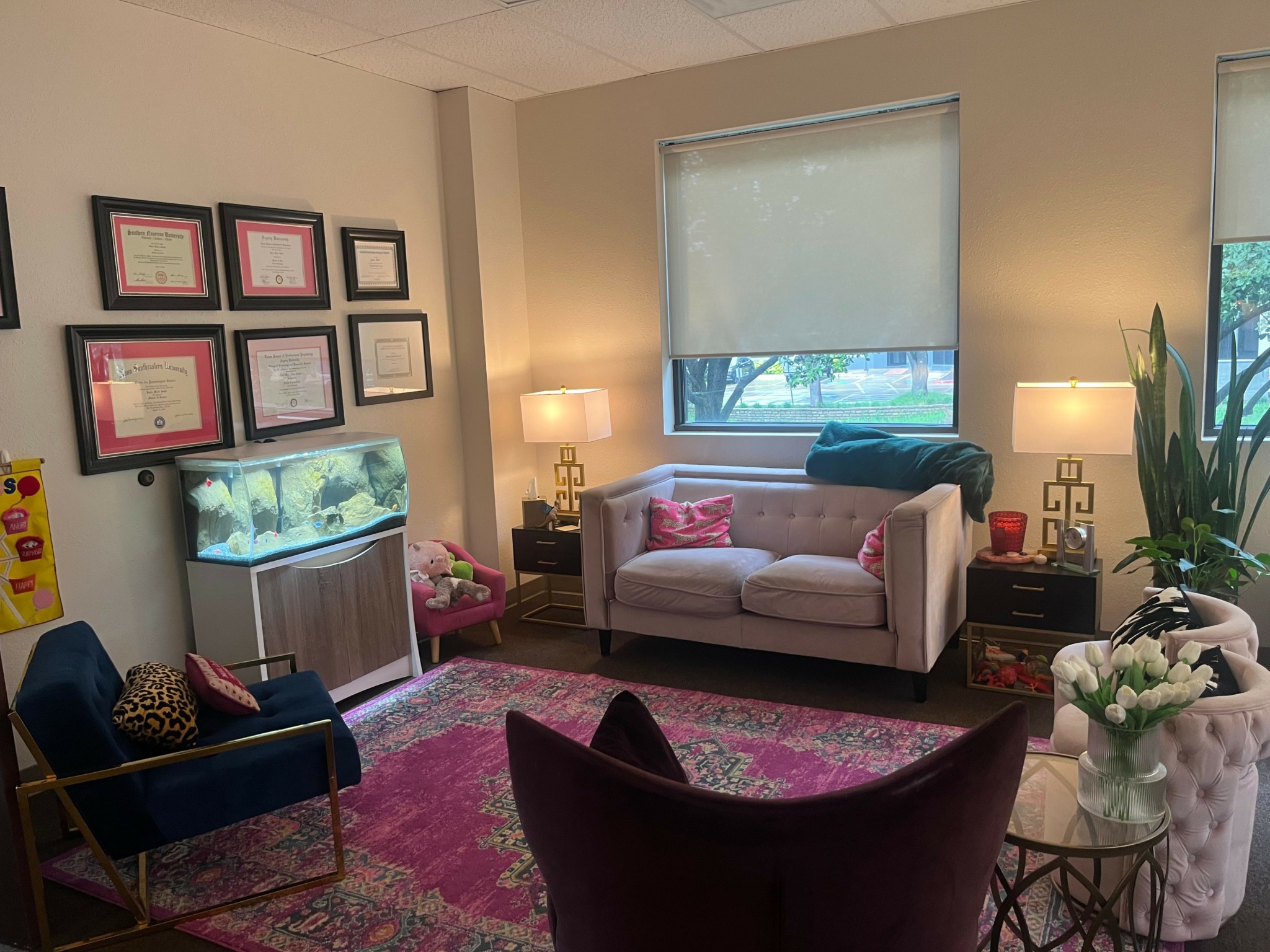
I think the most important thing for me in this work is my relationship with the children and families I work with. Without that trust, nothing will change. I find that fostering theraputic rapport with parents is very important as we begin our work together. They often come to us as a last resort (many have tried other therapists) and are frustrated and scared. Joining them, making them feel safe and letting them know they are no longer alone fosters this empowerment and trust that will allow the system to shift. In my work with children, them trusting me comes from my natural curiosity, playful spirit, genuininess and boundries. As they feel safe, they will share and show me just want is happening inside themselves.
Contact Info:
- Website: https://www.theinstituteforhealing.com/
- Instagram: https://www.instagram.com/explore/locations/256772434191365/the-institute-for-healing/
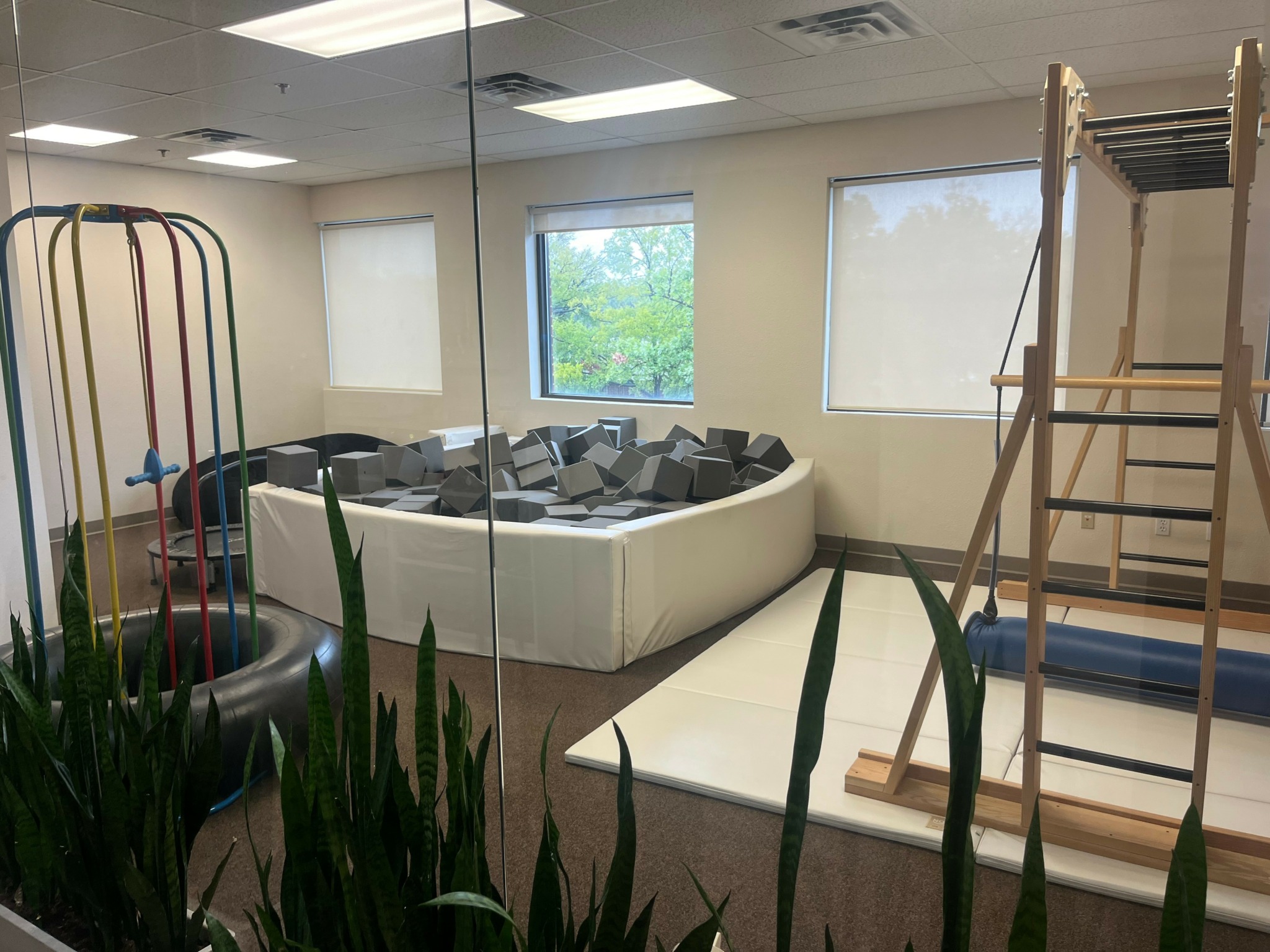
Image Credits
myself