



We were lucky to catch up with Dr. Danyell Russell recently and have shared our conversation below.
Dr. Danyell, looking forward to hearing all of your stories today. Can you share an important lesson you learned in a prior job that’s helped you in your career afterwards?
Prior to opening my own practice, I worked in insurance based outpatient physical therapy clinics. One of the most formative things I learned while working in those clinics is how, unfortunately, insurance can dictate the quality of care that individuals receive.
With the decline in insurance reimbursement rates, these businesses are trying to make ends meet. Often, this means that the therapists are required to see more patients in order to achieve the same amount of income. Which means a few things: 1. care is spread between more than one (and often several) patients at a time, 2. one on one time with your therapist decreases significantly (if you get any at all) 3. care is often delegated to physical therapy technicians because the therapist needs help.
Since the quality of that care is diminished, the course of treatment will often take longer than it has to, which incurs more financial burden onto the patient as well as increasing the time that the patient is dealing with their injury.
In addition, insurance companies will also often put limitations on the number of visits or dollar amount that a patient can use in a year. This is an issue because often patients are being seen 2-3 times/week at a traditional physical therapy clinic, which burns through visits quickly.
Lastly, insurance companies also will place limitations on what the content of treatments can look like. For example, insurance companies are unconcerned with an athlete’s ability to play their sport or return to recreation. So often, physical therapy benefits are cut off before the patient is ready to return to play, which can lead to a whole host of issues including risk of reinjury and permanent damage to the injured body part.
When I was in the beginning stages of building my business, I decided that I did not want to be in network with insurance companies for all of the reasons above. By not being in network with insurance companies, I am able to provide the quality of care that I believe my clients deserve.
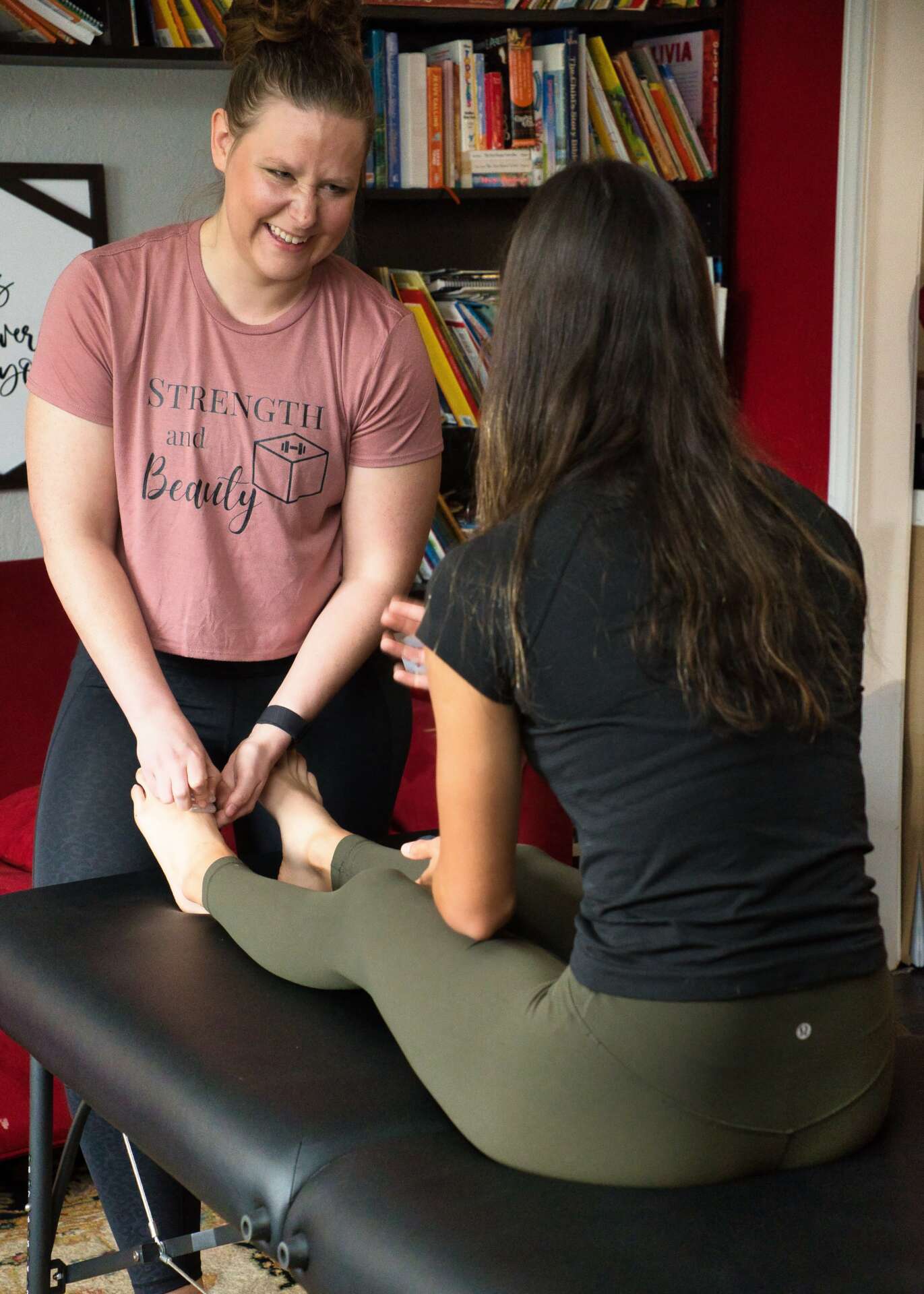
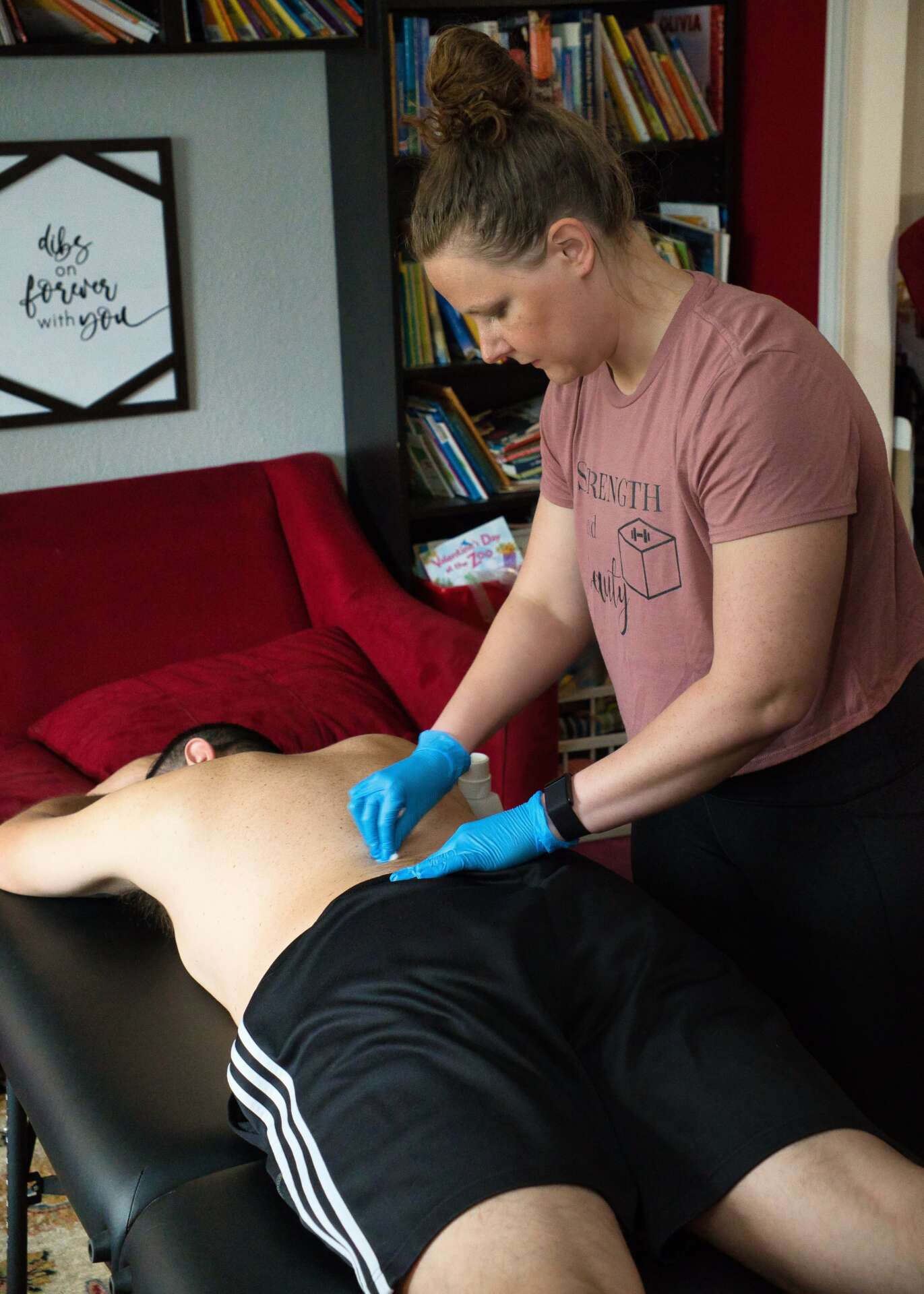
Every one of my clients get my undivided attention for the full duration of their treatment. Since I am focused on them entirely, I am able to tailor their care to fit their goals and their needs. They get better more quickly, because I am able to modify and progress things in real time. And ultimately it saves them time and money, because I don’t have to see them for as long or as often as my insurance based colleagues.
The adage “You get what you pay for” comes to mind here. Sure, seeing a cash pay provider may be more expensive up front, but you are getting excellent quality care, specialized to your individual needs and goals.
Great, appreciate you sharing that with us. Before we ask you to share more of your insights, can you take a moment to introduce yourself and how you got to where you are today to our readers.
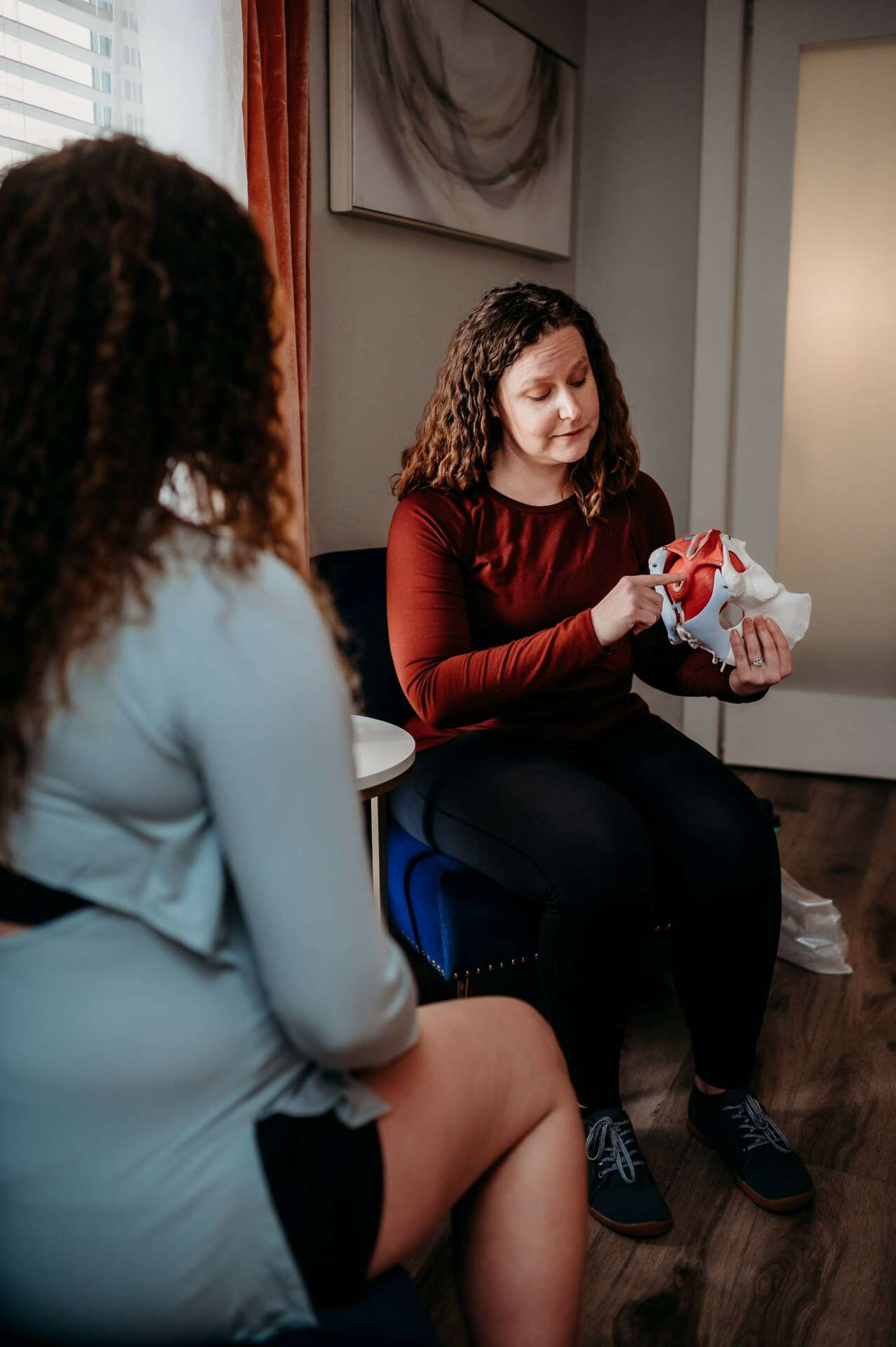
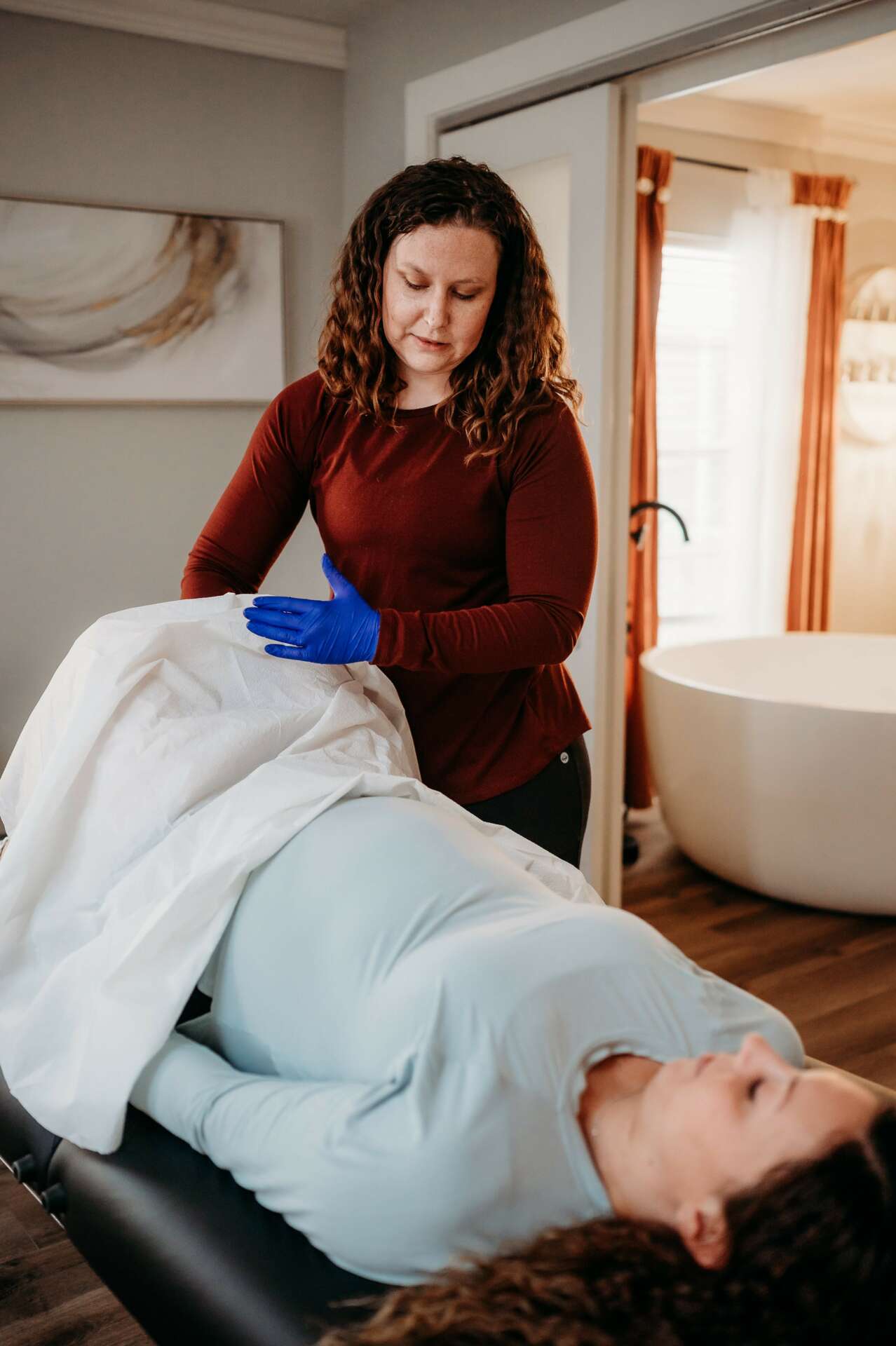
I am Dr. Danyell Russell, an orthopedic and pelvic floor physical therapist who specializes in active adults, CrossFit athletes, pregnancy and postpartum fitness, and breast cancer rehabilitation. I am also the owner of Strong Foundation Physical Therapy, a self pay physical therapy and wellness company who provides care in the comfort of your own home, in a clinic setting, and through virtual services.
I knew I wanted to be a physical therapist when I entered into college because I had had physical therapy for myself from sport injuries during high school as well as watching my grandmother go through physical therapy after a serious car accident. My early career started with me working in traditional outpatient clinics, but I was always motivated to learn more things and take continuing education classes.
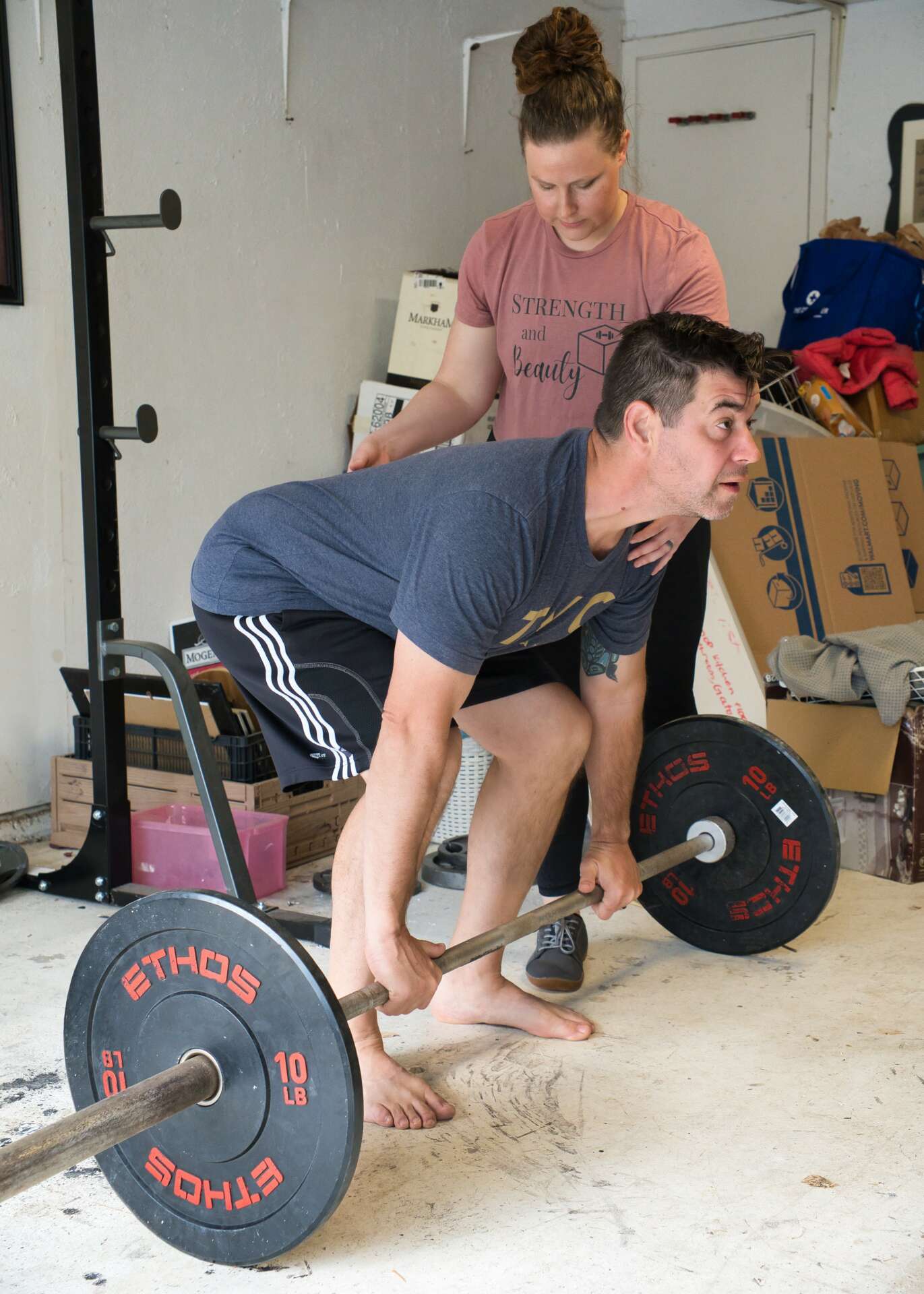
The one course that changed the trajectory of my career was one from the Institute of Clinical Excellence. The clinic I was working for at the time was hosting the course, and I begrudgingly went, even though the topic of the course (CrossFit athletes) was something I had no interest in. At this point, I had never done CrossFit and my only experience with it was hearing how dangerous it is for you (which is untrue, by the way!)
I came away from that weekend pumped up in a way I had never been after a continuing education course. I fell in love with CrossFit, lifting, and knowing how to break down lifting and teach it to people that weekend. I immediately joined a CrossFit gym and started asking my supervisor at work to purchase equipment so I could start training my clients better. This course also set me on the trajectory of eventually leaving the comfort of working for someone else and striking out on my own, because I knew I wanted to do more for my clients than I would be able to in an insurance based setting.
I started being interested in pelvic health when I was pregnant with my second child. I had been doing CrossFit for a couple of years by then and knew I wanted to continue CrossFit, but also knew that I had limited knowledge of the pelvic floor and what was appropriate during pregnancy. I took a course for pregnant and postpartum athletes (also by Institute of Clinical
Excellence) and fell in love with treating pregnant and postpartum athletes. This lead to me taking other pelvic health courses, because I wanted to round out my knowledge of pelvic health in a holistic way.
Last summer, I found out that I was positive for the CHEK-2 gene mutation, which increases the risk of breast cancer substantially. I lost my mom to breast cancer when I was younger, and I made the decision to have a prophylactic double mastectomy. In March of this year, I had the prophylactic double mastectomy and immediate DIEP flap reconstruction. My personal interest in breast cancer and prophylactic surgeries prompted me to take courses related to breast cancer rehabilitation. These courses, paired with my knowledge of orthopedics, pelvic health, and CrossFit athletes, has made my rehabilitation process as smooth as possible during this time. And it has also spurred me on to help others in this way as well.
When you choose to work with me, you’re getting a provider who has worked with a wide variety of populations, which provides me a lot of different experience to draw on. However, my niche interest in pelvic health, breast cancer rehabilitation, and CrossFit athletes sets me apart, because there aren’t many people working in this particular space.
Training and knowledge matter of course, but beyond that what do you think matters most in terms of succeeding in your field?
In a word, passion.
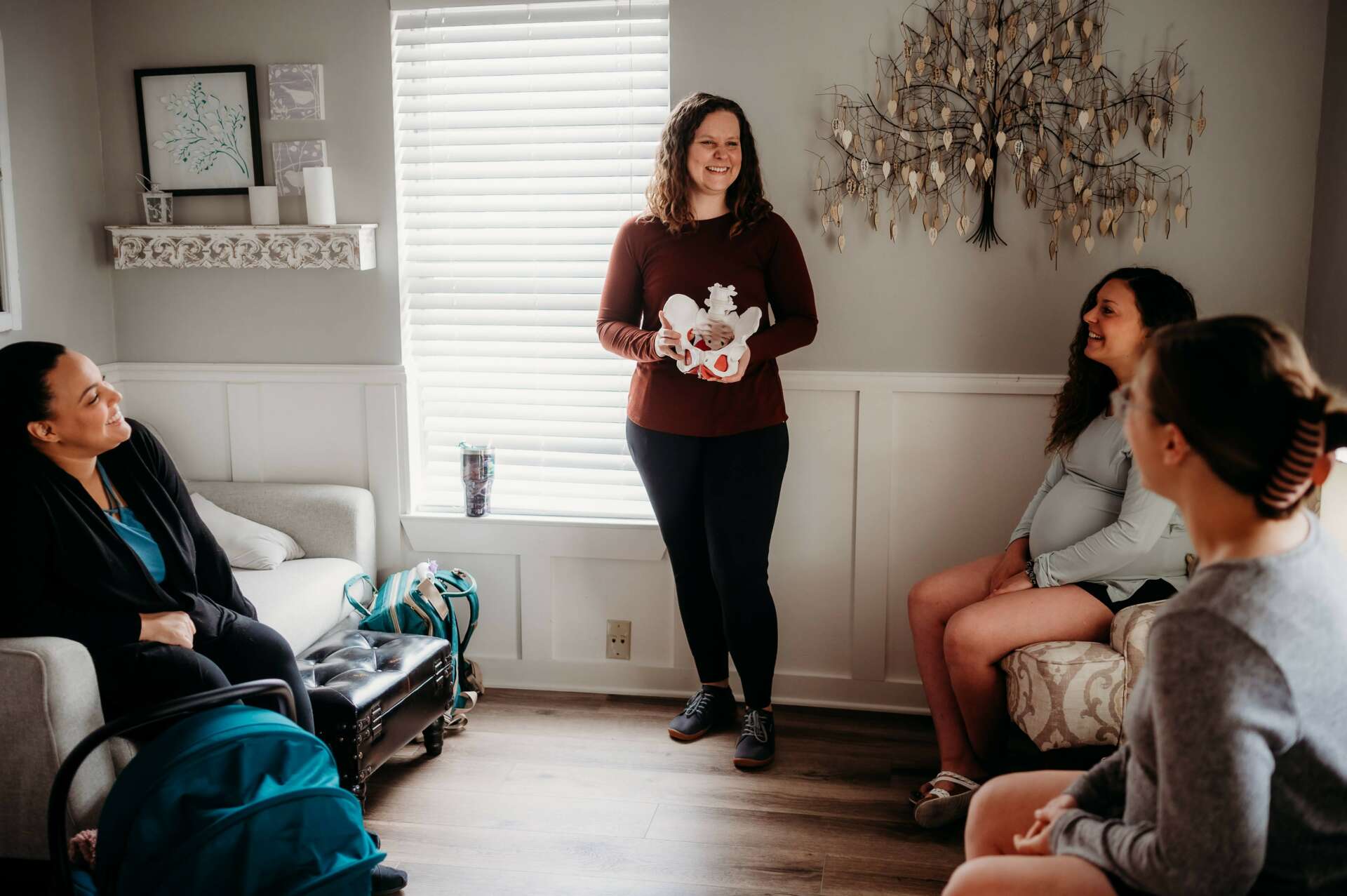
I absolutely LOVE what I do. I love working with people. I love helping people. I love seeing the lightbulb moment for people when they realize that they are able to do more than they ever thought they could. I love improving people’s lives and seeing them excited to move past symptoms they have dealt with for years while no other provider could help with.
Knowledge and training is important, of course. But you can’t lack the passion behind the talent, knowledge, or training.
Do you think you’d choose a different profession or specialty if you were starting now?
If I could go back, I would absolutely pick the same profession and specialty. However, I wish that I had picked my specialty earlier! I had the opportunity to start doing pelvic health after I had my first child, but decided that wasn’t the route I wanted to go at that point. Flash forward 3 years later, and that’s exactly what I was diving into!
Contact Info:
- Website: www.strongfoundationpttx.com
- Instagram: @strongfoundationpttx
- Facebook: www.facebook.com/strongfoundationpttx
- Other: TikTok: @strongfoundationpttx Email: [email protected] Phone: 9402684365
Image Credits
David Cude Photography East Layne Photography