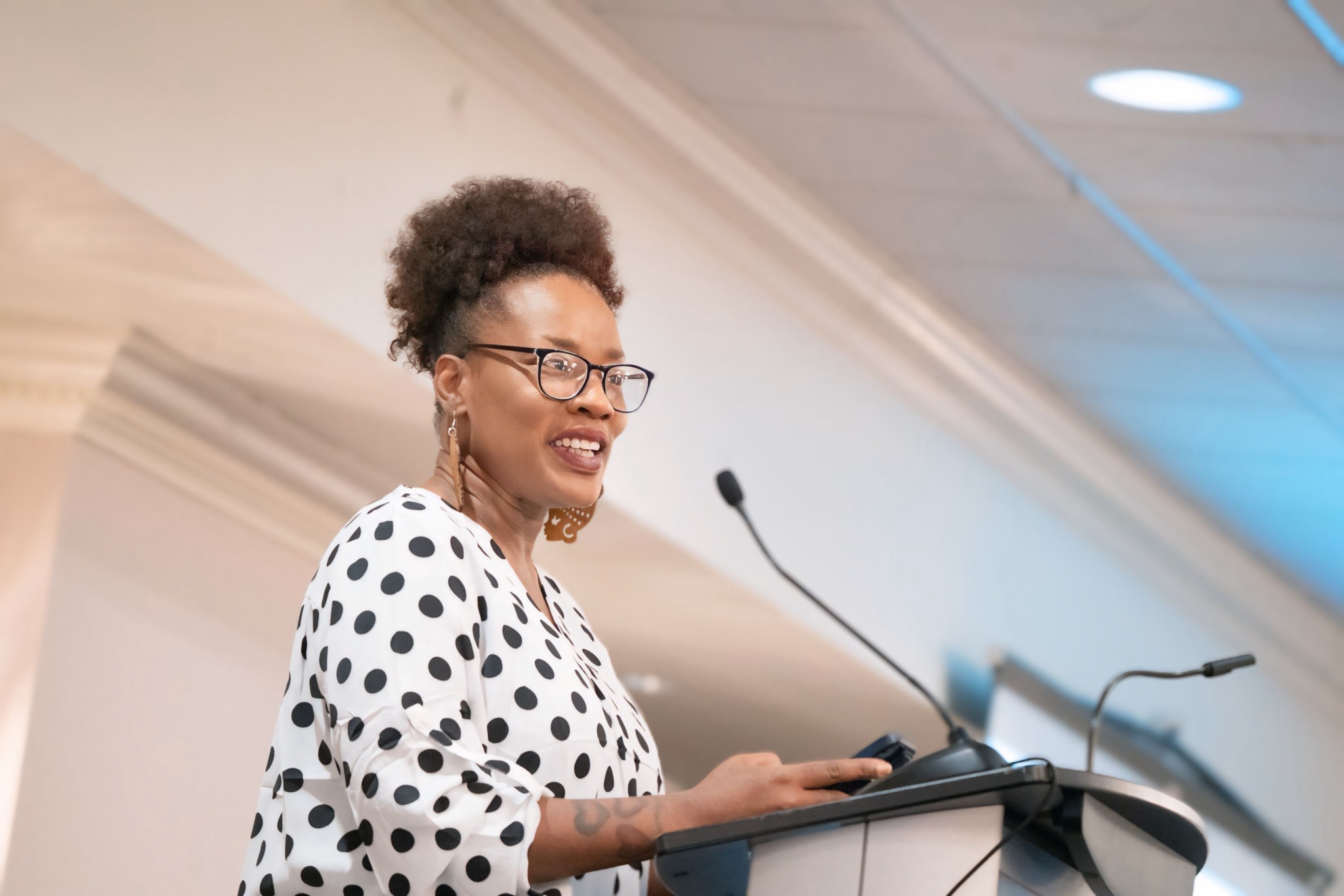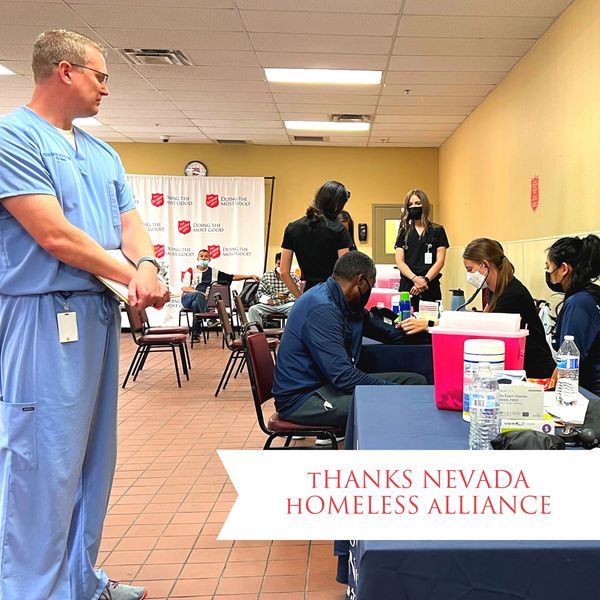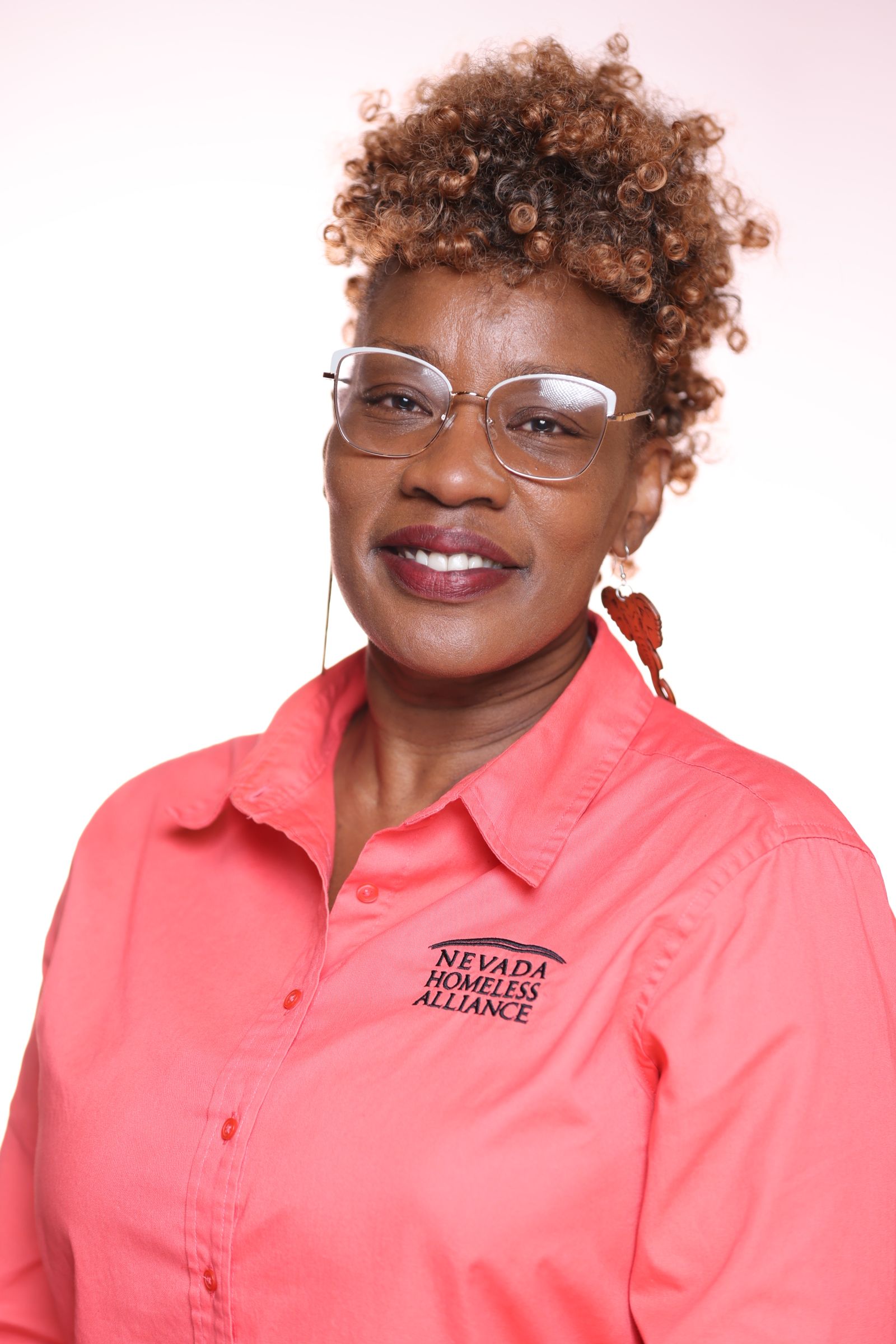

We recently connected with Dr Catrina Grigsby-Thedford and have shared our conversation below.
Dr Catrina, thanks for joining us, excited to have you contributing your stories and insights. Can you open up about a risk you’ve taken – what it was like taking that risk, why you took the risk and how it turned out?
One of the biggest risks I ever took wasn’t loud or dramatic. It was a quiet moment—just me, my pain, and the truth that I couldn’t live the way I was living anymore.
After more than a decade of addiction, instability, and over 100 arrests, I reached a point where I didn’t recognize myself. I had survived so much, but I wasn’t living. And the scariest part was realizing I didn’t know who I could be without the chaos.
So in 2009, I took a risk that felt like stepping off a cliff:
I t lead me into treatment and decided to believe—just a little—that I was worth saving.
It was terrifying to hope again. Terrifying to imagine a different future. Terrifying to trust myself after so many years of feeling lost. But that single decision changed everything. Recovery gave me my life back, my purpose, and eventually the strength to lead others who are walking similar paths.
That risk—the risk of choosing myself—became the foundation of everything I am today.
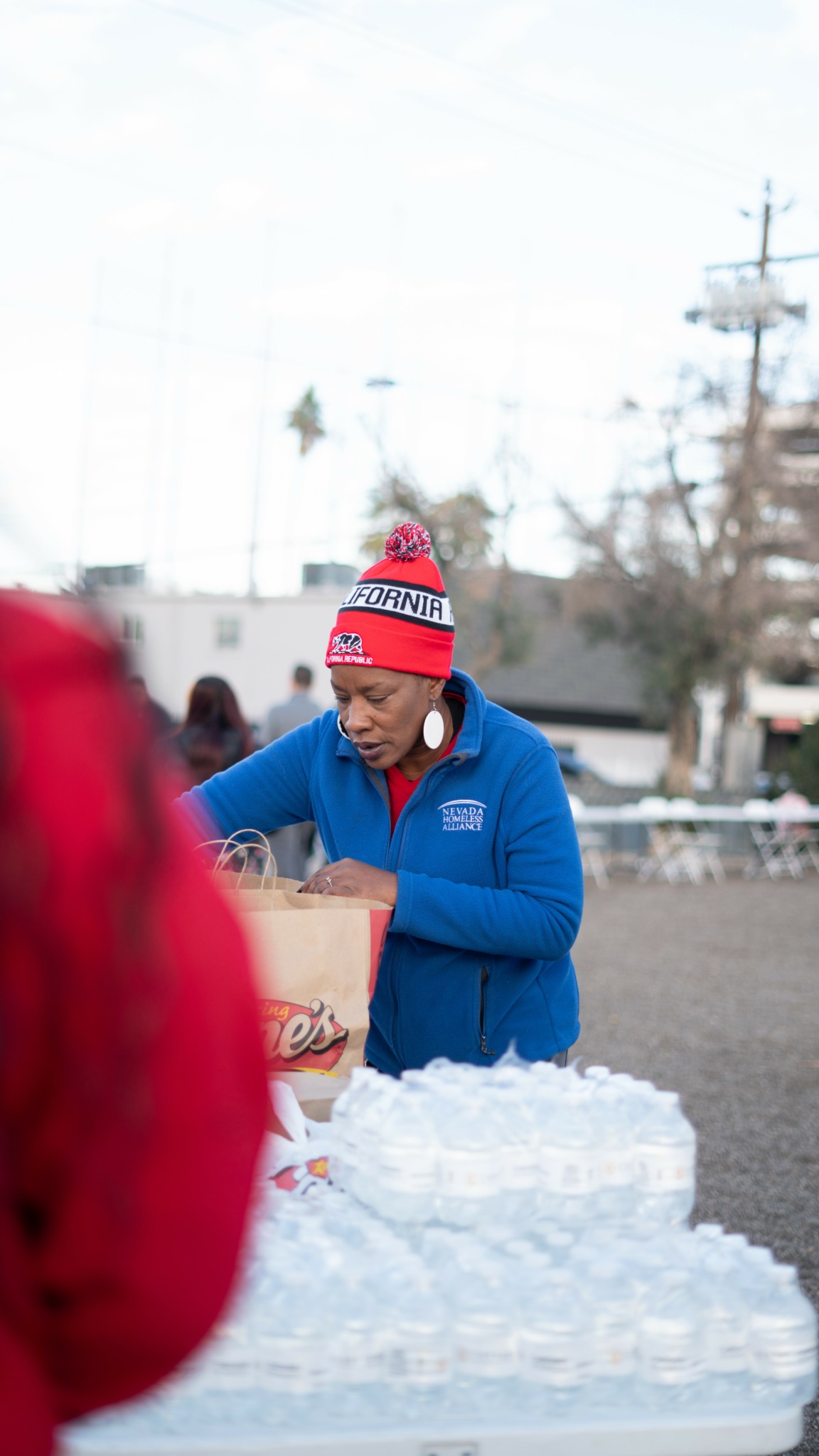
Dr Catrina, love having you share your insights with us. Before we ask you more questions, maybe you can take a moment to introduce yourself to our readers who might have missed our earlier conversations?
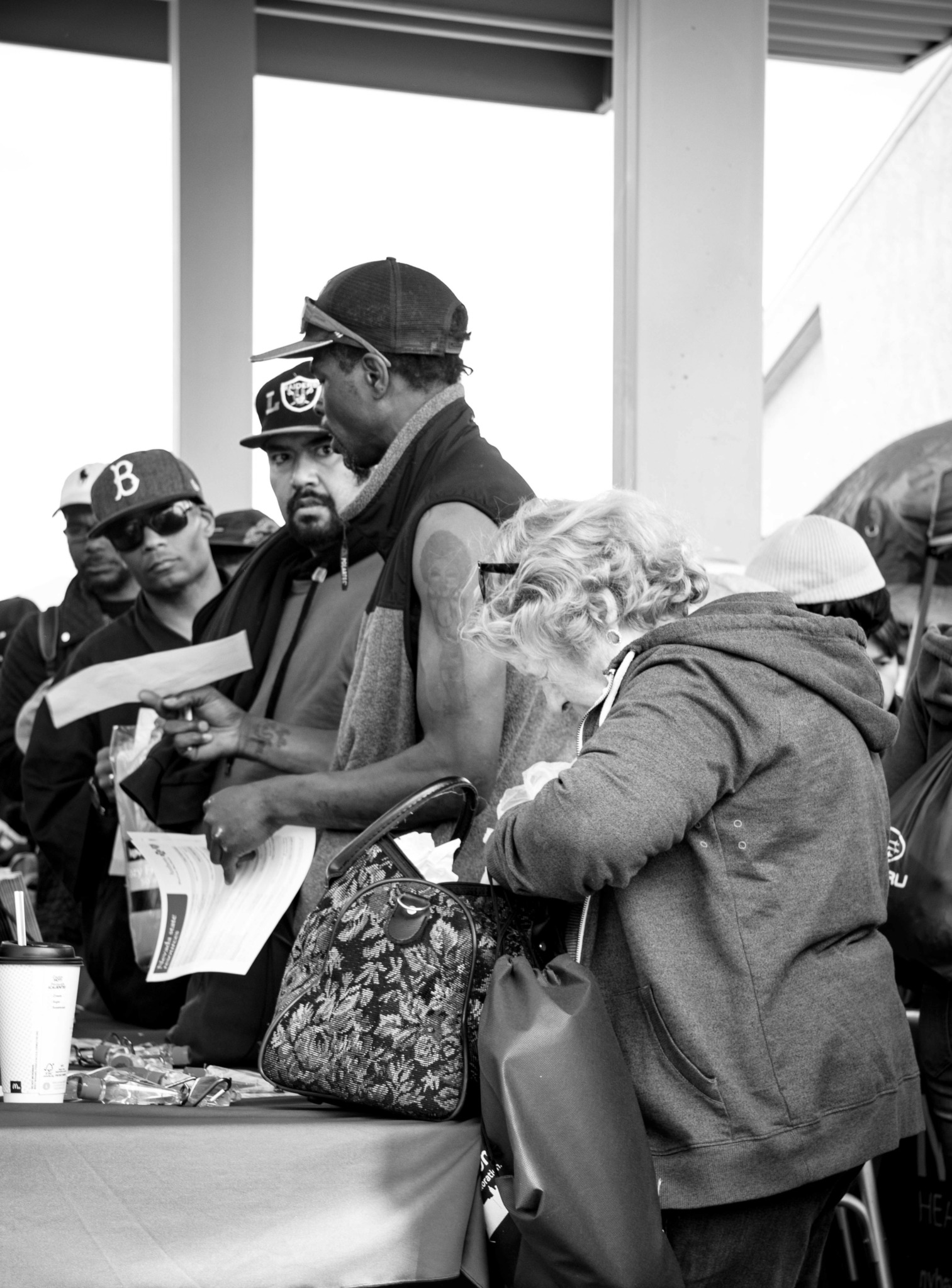
For those who may not know me, I am Dr. Catrina Grigsby Thedford, Executive Director of the Nevada Homeless Alliance, and my path into this work is rooted in lived experience, resilience, and a deep calling to transform systems that once failed me. I survived years of addiction, homelessness, exploitation, and more than 100 arrests before my life shifted in 2009, when I stepped into treatment and chose to believe that I was worthy of something better. That moment led me to sobriety, education, and ultimately to my purpose: building community-centered solutions for people experiencing homelessness. The Nevada Homeless Alliance has grown tremendously under my leadership—from a small organization doing good work to a powerful, multi-program agency hosting 4–8 mobile outreach events a month, a statewide homelessness conference, community trainings, reentry services, Family Connect events in local schools, Youth and Employment Connect events, Medical Connect events, and large-scale Project Homeless Connect gatherings that serve thousands. We have expanded partnerships, elevated the role of people with lived experience in decision-making, strengthened our infrastructure, and built a model of service that prioritizes dignity, compassion, and immediate access to life-changing resources. What sets me apart is that I don’t lead this organization from a distance—I lead it with the heart of someone who has walked the hardest parts of the path our clients are on. I am most proud of watching NHA evolve into a trusted, innovative, and responsive organization that meets people where they are, listens to their stories, and builds bridges toward safety, stability, and hope. And I want readers to know that everything we do at NHA—every handshake, every connection, every outreach event—is fueled by the belief that no one is beyond redemption, everyone deserves community, and change is possible when compassion meets action.

Let’s talk about resilience next – do you have a story you can share with us?
One story that truly reflects my resilience is the journey I took to earn all four of my college degrees while working full time in the field. After rebuilding my life in 2009, I knew education would be my pathway not only to personal transformation but to helping others who were walking the same difficult roads I once traveled. I started working at The Salvation Army in 2010, and while I poured my heart into serving individuals in recovery, I also made a promise to myself that I would never stop growing. In 2014, I earned my AA in Psychology from CSN, often studying late into the night after long shifts. That achievement gave me momentum, and in 2017 I graduated from UNLV with my Bachelor of Social Work. I continued working full time—balancing clients, paperwork, crisis calls, and class assignments—and in 2019 I earned my Master of Public Administration, a degree that helped me understand systems deeply enough to change them. By the time I began my Doctorate of Public Policy at UNLV, I was already a leader, but I wanted to strengthen my voice and credibility to advocate on a larger scale. In 2023, after years of late nights, early mornings, exhaustion, tears, and moments where quitting seemed easier, I walked across the stage and received my doctorate. Every step of the way, the work was hard. There were times when I felt stretched thin, times when I studied after midnight only to wake up before sunrise for work, and times when I wondered if I was asking too much of myself. But I kept going because I had a vision—to help people who suffered as I once suffered, to change the systems that had once failed me, and to build a career rooted in purpose. My educational journey is a testament to the belief that where you start does not determine where you can go. It is the story of a woman who refused to give up, who rebuilt her life one degree at a time, and who now uses that resilience to lead others toward hope and possibility.
Putting training and knowledge aside, what else do you think really matters in terms of succeeding in your field?
Other than training and knowledge, the most important ingredient for succeeding in this field is the ability to truly engage with people in a person-centered, humanizing way. You can have all the technical skills in the world, but if you cannot sit with someone in their pain, listen without judgment, and see their humanity beyond their circumstances, you will miss the heart of this work. People experiencing homelessness or other vulnerabilities are often reduced to numbers, labels, or “cases,” but they are human beings with histories, strengths, dreams, and stories that deserve respect. Approaching them with dignity and compassion—meeting them where they are, not where we think they should be—is what builds trust and drives real change.
Another crucial factor is recognizing that no organization can do this work alone. Homelessness is too complex, too layered, and too interconnected with health, housing, income, justice, and behavioral health systems for any agency to operate in a silo. Collaboration is not optional—it is foundational. The Nevada Homeless Alliance thrives because we actively bring partners together, share resources, break down barriers, and create a community response rather than an isolated one. Success in this field comes from understanding that we rise together, we serve together, and we create solutions together. When we honor people’s humanity and collaborate across sectors, we build a stronger, more compassionate homelessness response system for everyone.