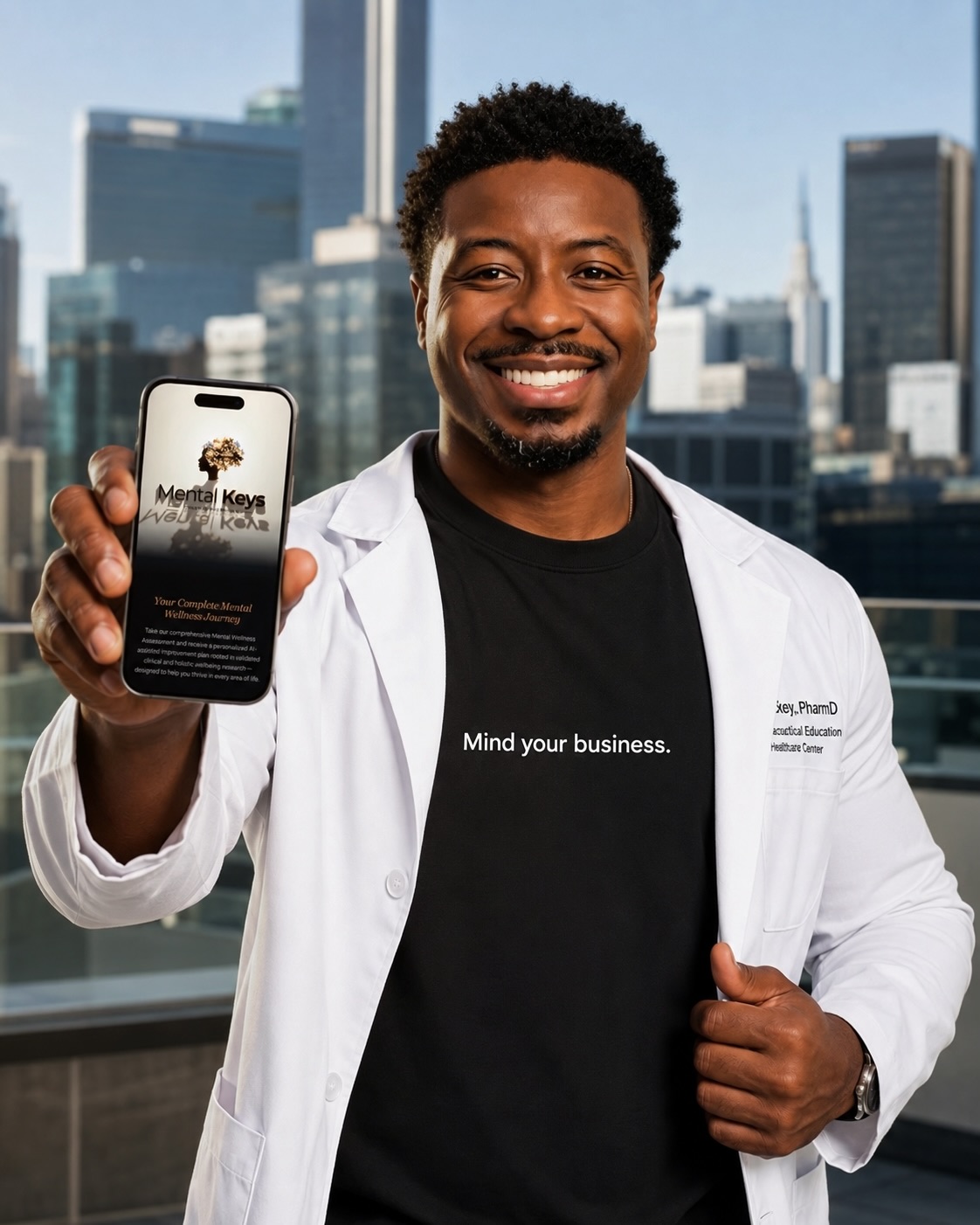

Alright – so today we’ve got the honor of introducing you to Dr. Bryan Sackey. We think you’ll enjoy our conversation, we’ve shared it below.
Dr. Bryan, thanks for taking the time to share your stories with us today We’d love to hear the backstory of how you established your own practice.
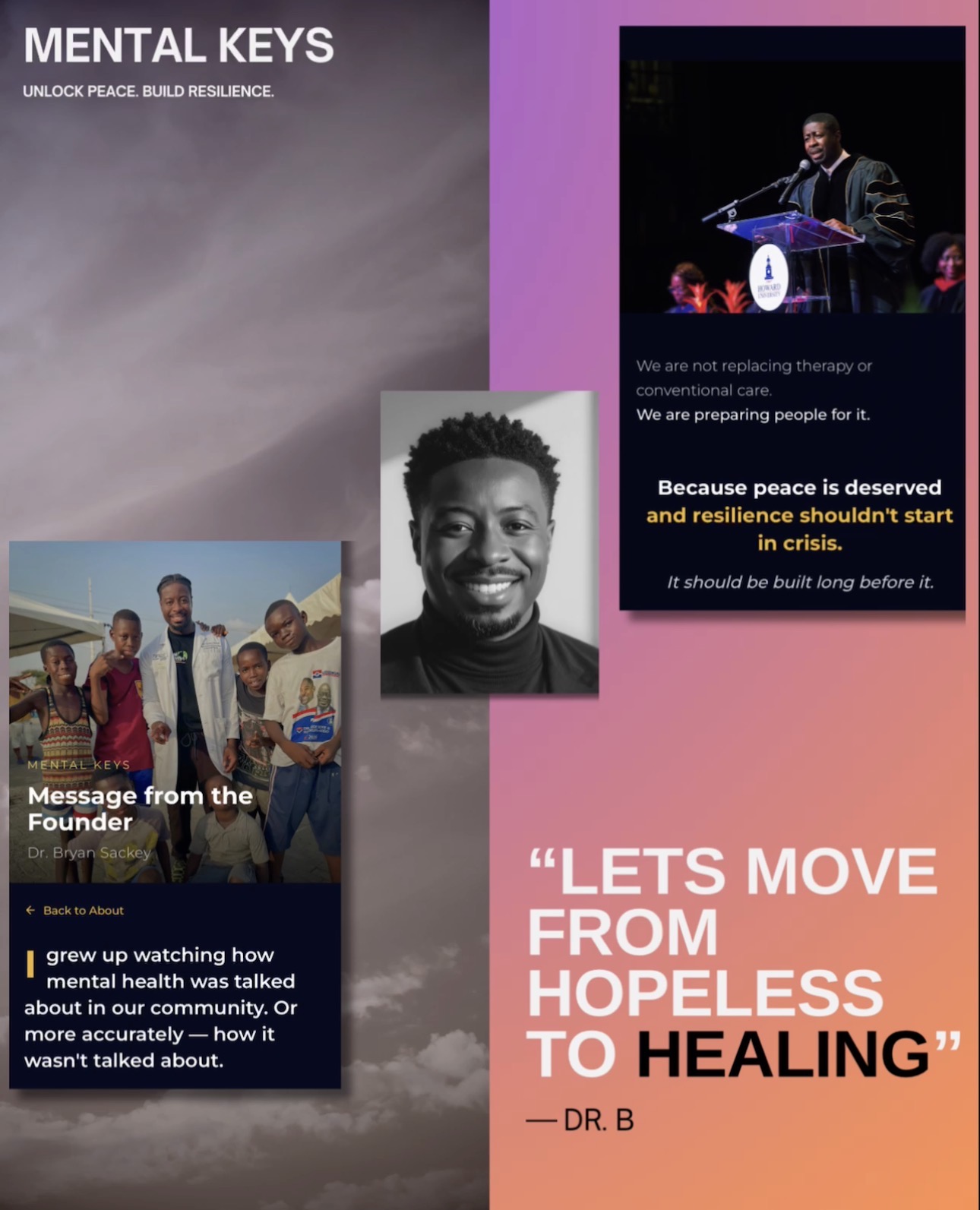
I started Mental Keys after repeatedly seeing the same gap in mental healthcare: many people need support long before they reach a therapist, psychiatrist, or crisis point.
As a Mental Health Coach and psychopharmacologist, I have worked with individuals facing depression, anxiety, trauma, bipolar disorder, and other serious challenges. I saw how stigma, cost, limited access, and cultural mistrust often prevent people, especially in underserved communities, from getting help.
Mental Keys grew from one question: What support exists for people in the everyday moments when they are trying to hold themselves together?
The early days involved building the business around a demanding clinical career, everyday life demands and my own mental health. Many nights, I worked after my 9 to 5, late into the evening, slowly turning ideas into practical mental wellness tools for the masses. I wanted to create something more meaningful than another wellness app filled with generic advice. The goal was to make mental wellness support credible, culturally responsive, practical, and accessible.
One of my biggest challenges was translating complex clinical knowledge into an experience that felt simple and human. I also had to become a student again: teaching myself software development, marketing, fundraising, legal compliance, and user experience. My clinical background prepared me to understand mental health, but entrepreneurship required an entirely different set of skills.
Knowing what I know now, I would have launched a smaller version sooner, validated ideas earlier, and built a strong advisory network from the beginning. However I was very eager to launch a fully flushed out product because it felt like a passion I was sitting on for so long.
My advice to young professionals is to begin with the problem, not the logo. Understand who you are trying to help, why you are uniquely positioned to help them, and what they truly need. Do not wait until you feel completely ready, but do prepare, protect your work, manage your finances carefully, and surround yourself with people whose strengths complement your own.
I am proud of what Mental Keys represents and that I had the courage to turn a problem I witnessed in my community into a solution. Building a business is rarely one dramatic leap. It is hundreds of small decisions to keep going, even before others can fully see the vision.
Great, appreciate you sharing that with us. Before we ask you to share more of your insights, can you take a moment to introduce yourself and how you got to where you are today to our readers.
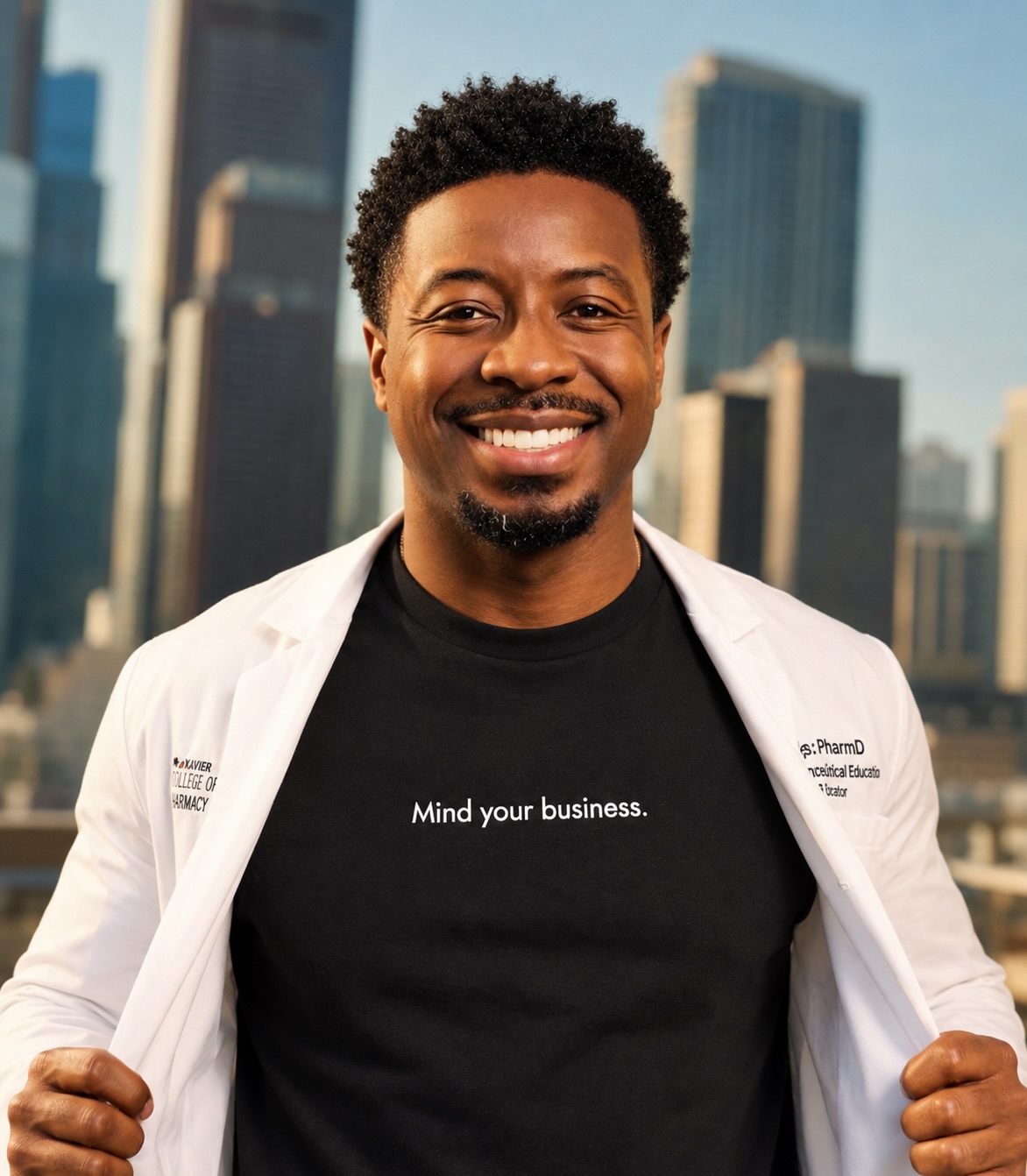
Greetings everyone! I’m Dr. Bryan Sackey, a board-certified psychiatric pharmacist, psychopharmacologist, educator, mental health coach, and founder of Mental Keys. My career has allowed me to work closely with individuals living with depression, anxiety, trauma, bipolar disorder, and other complex mental health conditions. Through that work, I saw not only the power of treatment, but also the gaps that keep many people from receiving support: cost, stigma, limited access, cultural mistrust, and uncertainty about where to begin.
Mental Keys was created to help close those gaps.
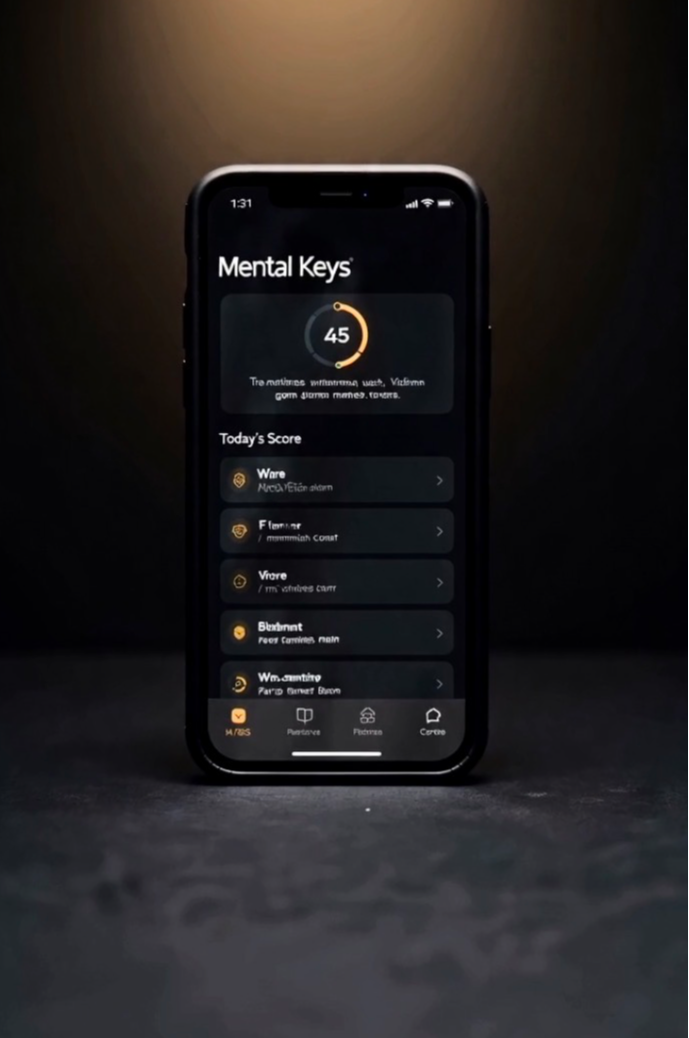
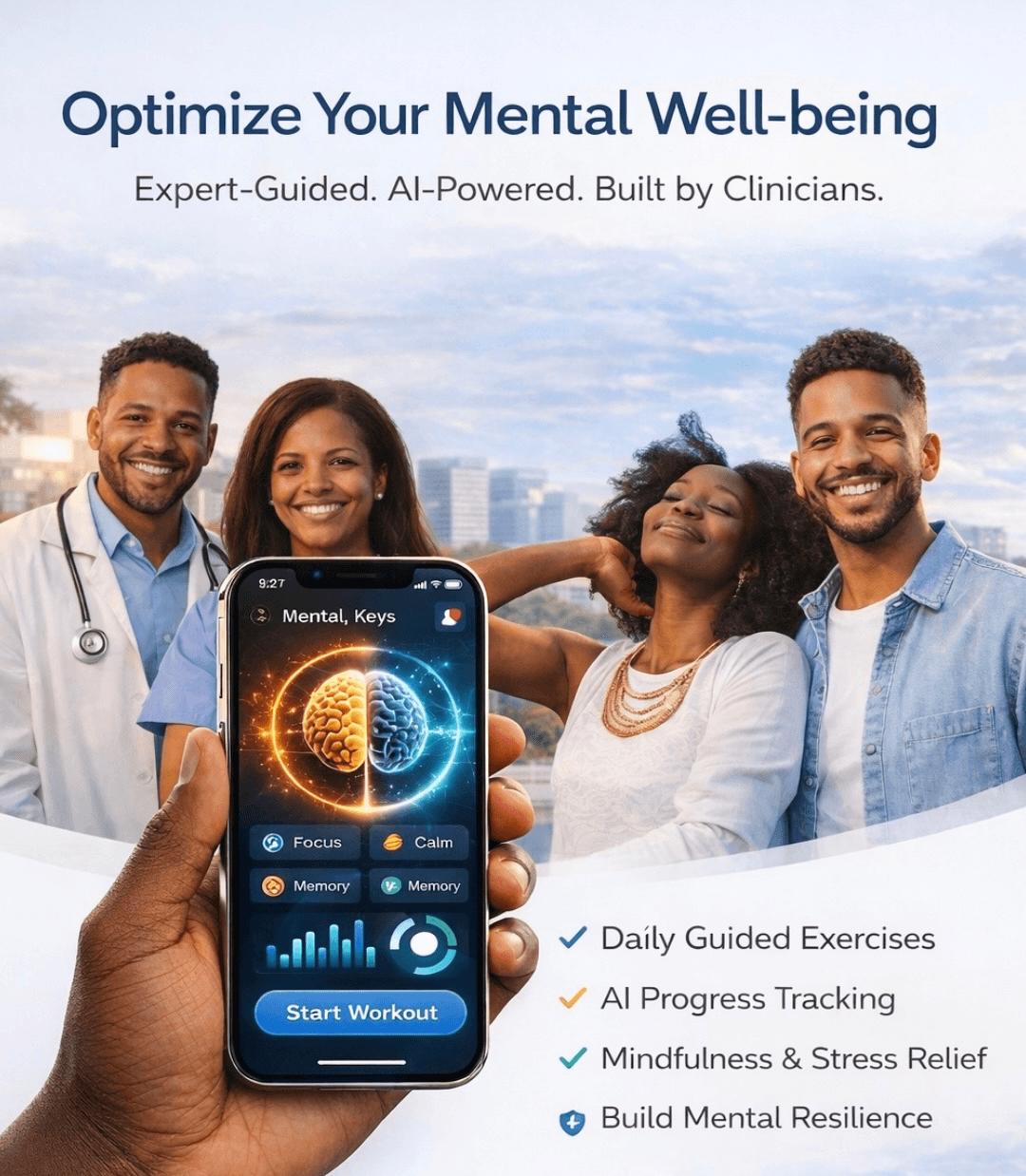
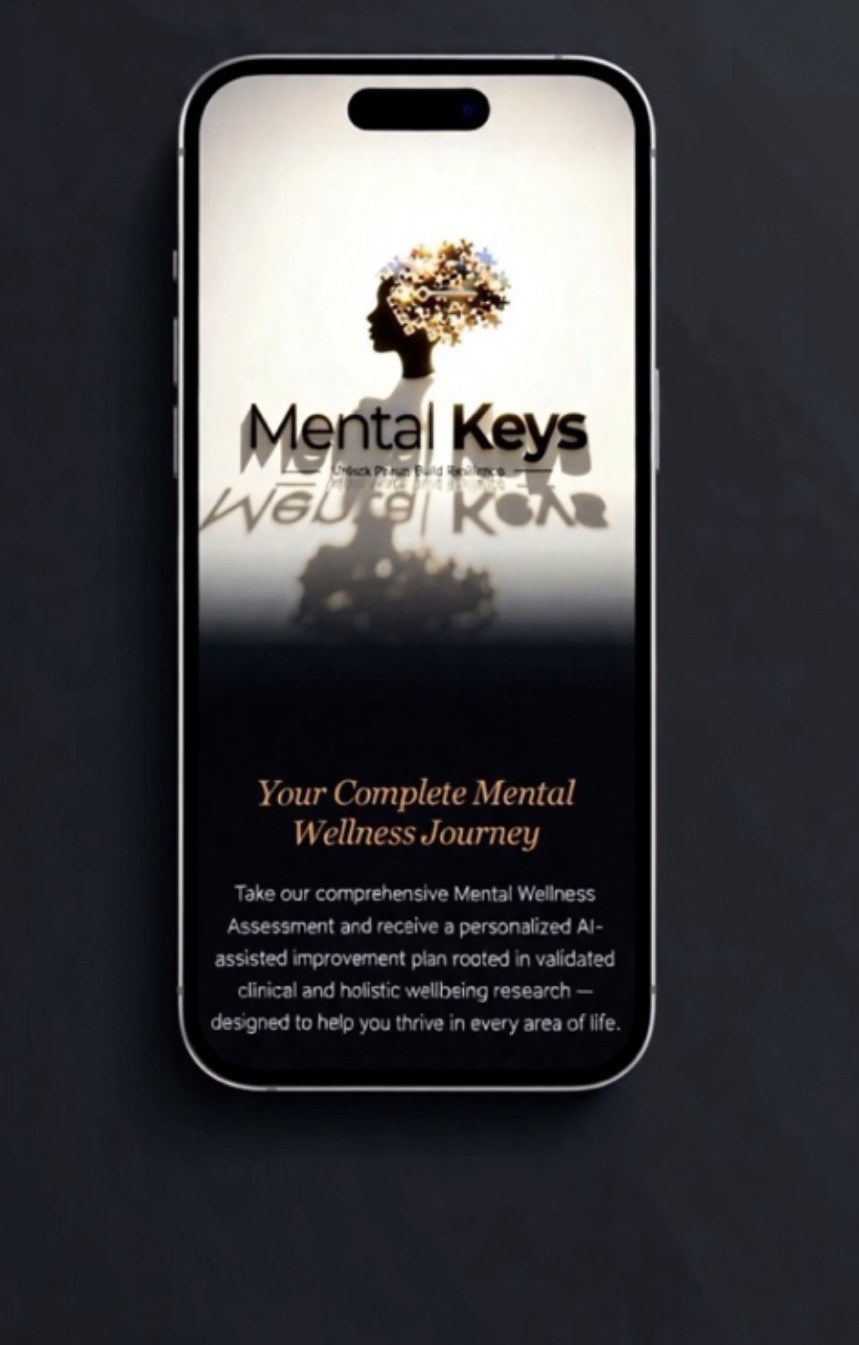
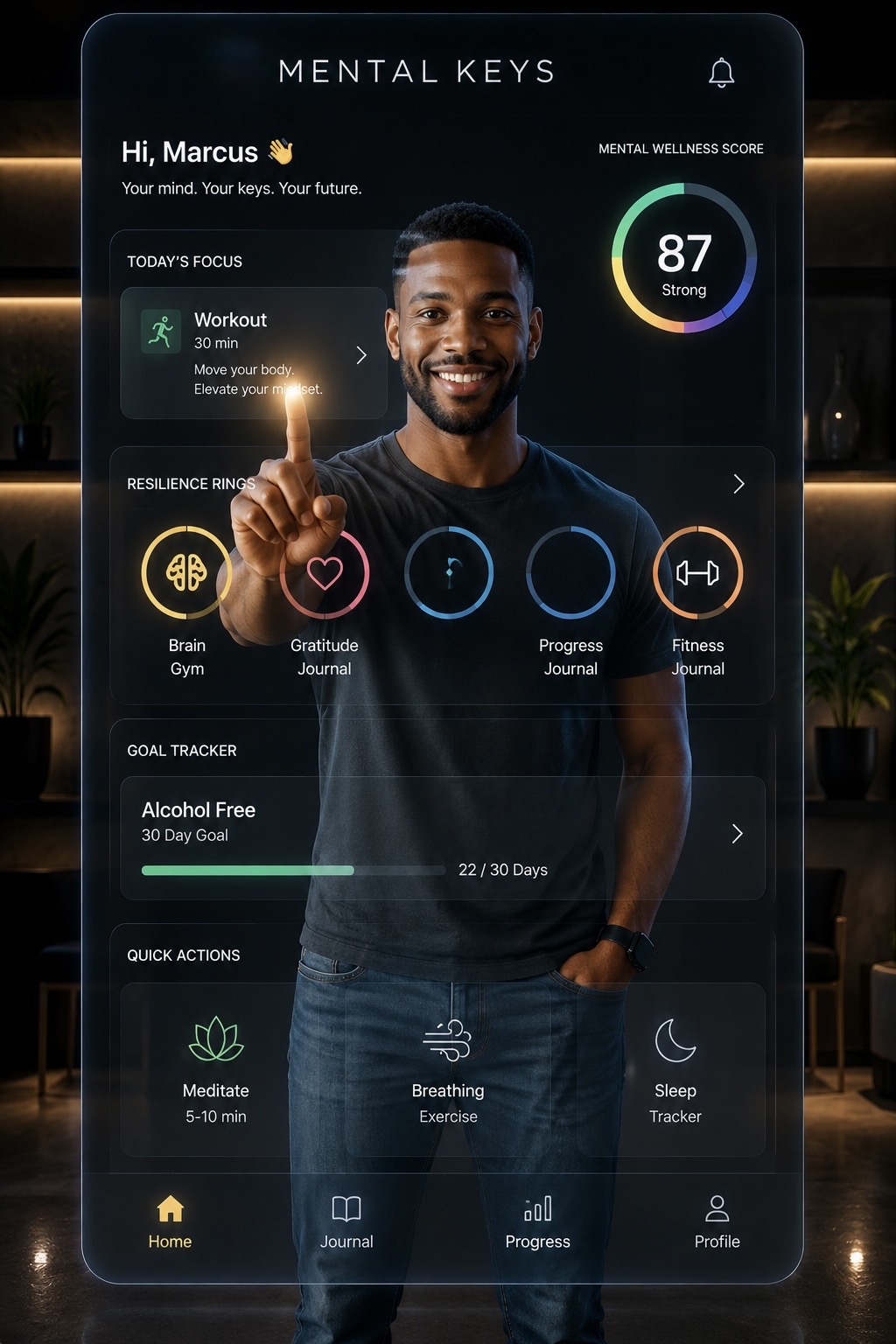
This is a digital mental wellness platform designed to help people better understand their mental health, build resilience, and take practical steps toward emotional well-being. The platform combines a comprehensive wellness assessment with personalized coaching, progress tracking, journaling, brain-training activities, educational resources, nutrition and fitness tools, and evidence-informed exercises.
Mental Keys is not intended to replace therapy or psychiatric care. Instead, it supports people in the everyday moments when help is often missing, before someone reaches a crisis, between appointments, or while they are still deciding whether they are ready to seek professional care.
What sets Mental Keys apart is its combination of clinical credibility, cultural responsiveness, and accessibility. I wanted to create more than another wellness app offering generic encouragement. The goal is to help users recognize the specific areas affecting their well-being and give them realistic, actionable next steps.
In addition to the app, Mental Keys provides individual coaching, educational content, workshops, speaking engagements, and practical tools that make mental health information easier to understand and apply. My clinical background allows me to translate complex topics into language that feels human, relatable, and useful.
I am most proud that Mental Keys is becoming a bridge between awareness and action. It reflects years of clinical experience, research, listening, and a genuine commitment to serving communities that have often been overlooked or misunderstood in mental healthcare.
At its core, Mental Keys is built on a simple belief: your mental health deserves attention before it becomes an emergency. Healing is not always one dramatic breakthrough. Sometimes it begins with an honest reflection, a healthier habit, a moment of self-awareness, or the courage to ask for help.
Our mission is to help people discover the keys that unlock greater peace, resilience, clarity, and purpose in their lives.
What’s a lesson you had to unlearn and what’s the backstory?
One of the most important lessons I had to unlearn was the assumption that conventional mental health tools are automatically universal and culturally sensitive enough.
My clinical training gave me a strong foundation in evidence-based care, but the deeper I worked within psychiatry, the more I recognized that many assessments, treatment models, and definitions of wellness were not originally developed with the full cultural context of several minority groups in mind. Historically, psychiatry has not always understood, protected, or treated Black people equitably. That history still influences how mental healthcare is perceived and experienced today.
A person’s emotional health cannot be separated from their lived reality. Experiences with racism, financial pressure, family expectations, spirituality, community responsibility, mistrust of healthcare, and the belief that one must remain “strong” can all shape how distress is expressed. Sometimes what appears to be resistance is actually self-protection. What may be labeled a lack of engagement can reflect generations of valid mistrust. Even the language people use to describe pain may differ from the language found in traditional clinical tools.
I had to unlearn the idea that providing the same tool to everyone automatically creates equitable care. Equality gives everyone the same thing; culturally responsive care asks whether that thing truly understands and serves the person receiving it.
That realization became central to Mental Keys. I did not want to reject evidence-based mental health practices, but to strengthen them by adding context, cultural humility, and humanity. The goal is to create tools that are clinically grounded while also making people feel recognized, not merely assessed.

What do you think helped you build your reputation within your market?
Authenticity has been the foundation of my reputation.
I have never wanted to speak to my community as though I am standing above it. I speak from within it, represented as a Black man, a clinician, an educator, and someone who understands that professional success does not make anyone immune to stress, uncertainty, or emotional struggle.
Whether I am speaking at an event, creating educational content, coaching someone individually, or developing Mental Keys, I try to communicate with honesty and humility. I do not rely on clinical language simply to sound knowledgeable. I focus on making complex mental health topics understandable, relatable, and useful in people’s everyday lives.
I also believe trust is built through consistency. Long before Mental Keys became an app, I was engaging with my community through mentorship, education, advocacy, workshops, and conversations that addressed real concerns. People have seen that my commitment to mental wellness is not based on a trend or marketing opportunity. It is rooted in years of service and a genuine desire to help people feel informed, empowered, and seen.
My credentials may establish expertise, but authenticity creates connection. I believe my reputation has grown because people can feel that the work is personal to me. I am not simply building a product for a community, I am building alongside the community, listening to its experiences, and allowing those experiences to shape the work.
Contact Info:
- Website: https://mymentalkeys.com/
- Instagram: https://www.instagram.com/mymentalkeys?igsh=MXQ5cjJsZjRuN2VqOQ%3D%3D&utm_source=qr
- Facebook: https://www.facebook.com/share/19DyRXhgsZ/?mibextid=wwXIfr
- Linkedin: https://www.linkedin.com/in/bryan-sackey-pharmd-bcps-bcpp-84a30aa2