

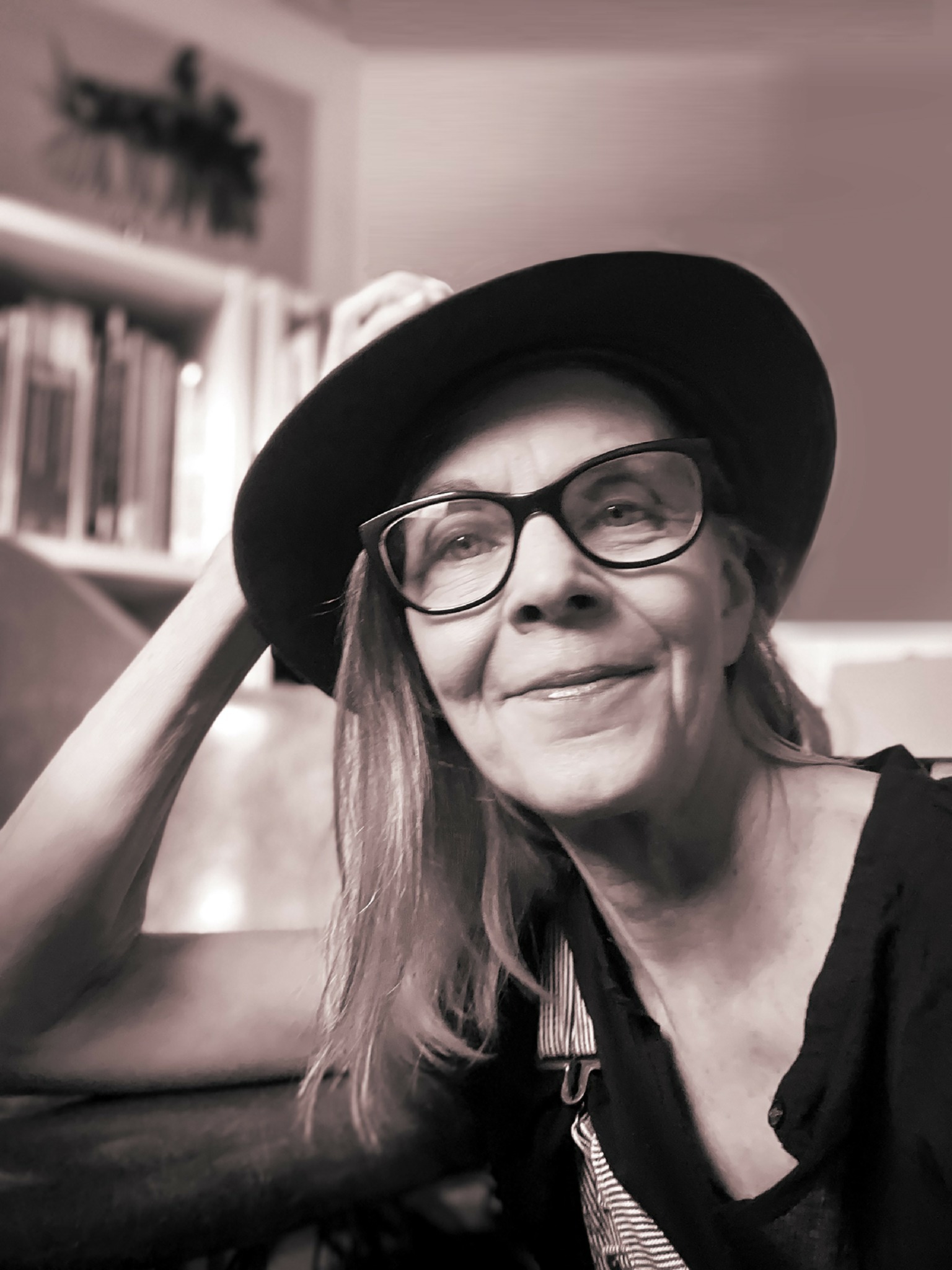

Alright – so today we’ve got the honor of introducing you to Donnelly Marks. We think you’ll enjoy our conversation, we’ve shared it below.
Donnelly, looking forward to hearing all of your stories today. Can you open up about a risk you’ve taken – what it was like taking that risk, why you took the risk and how it turned out?
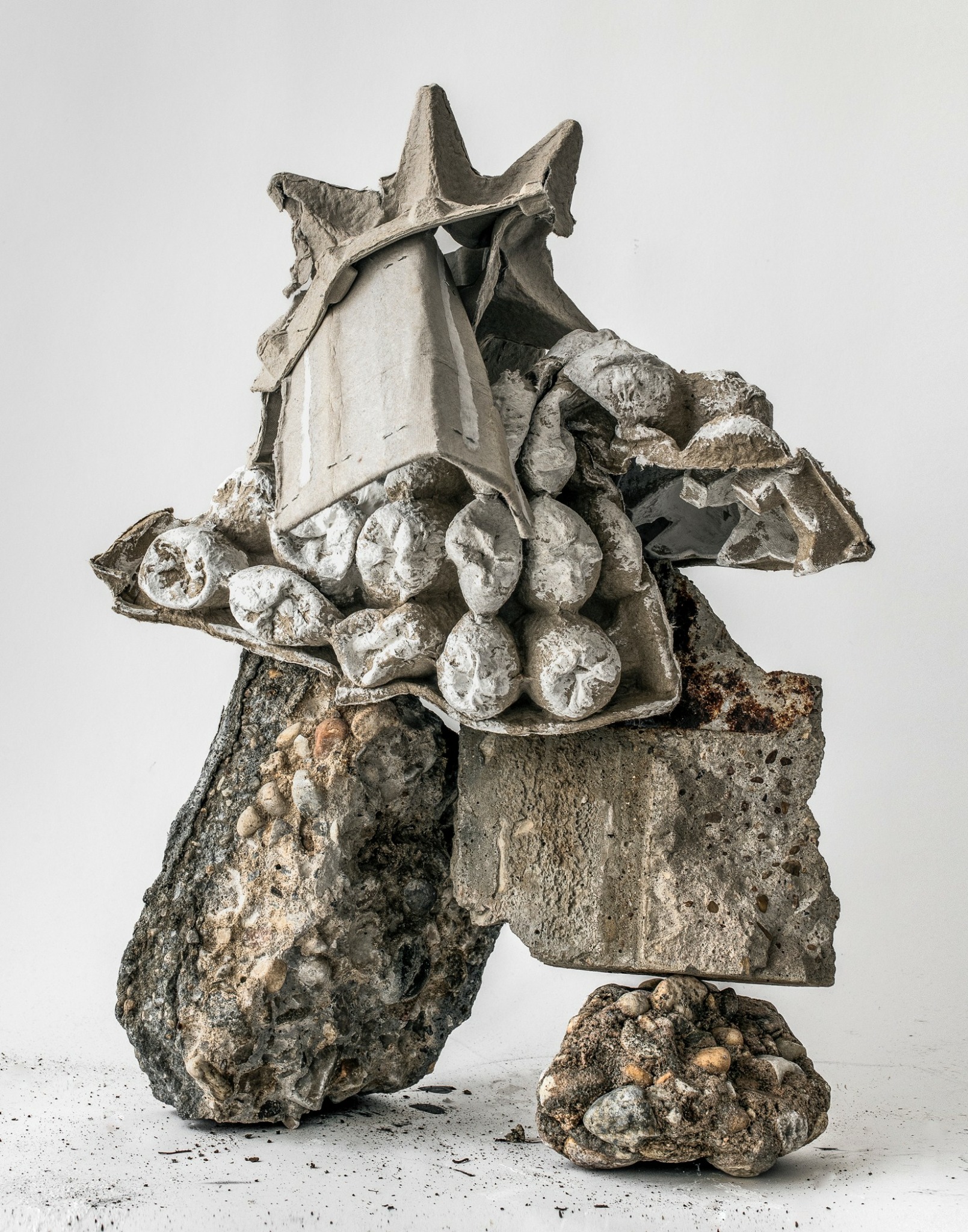
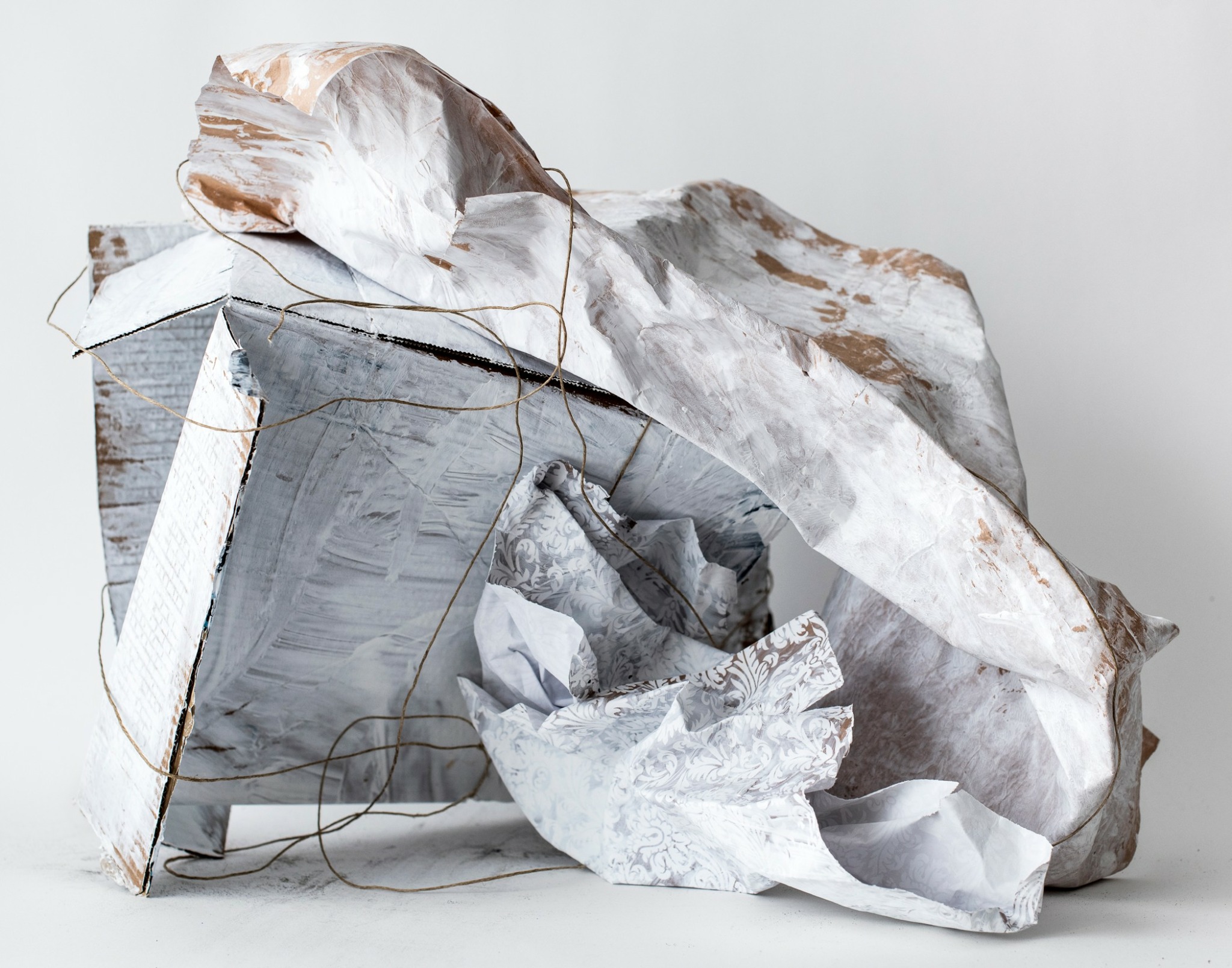
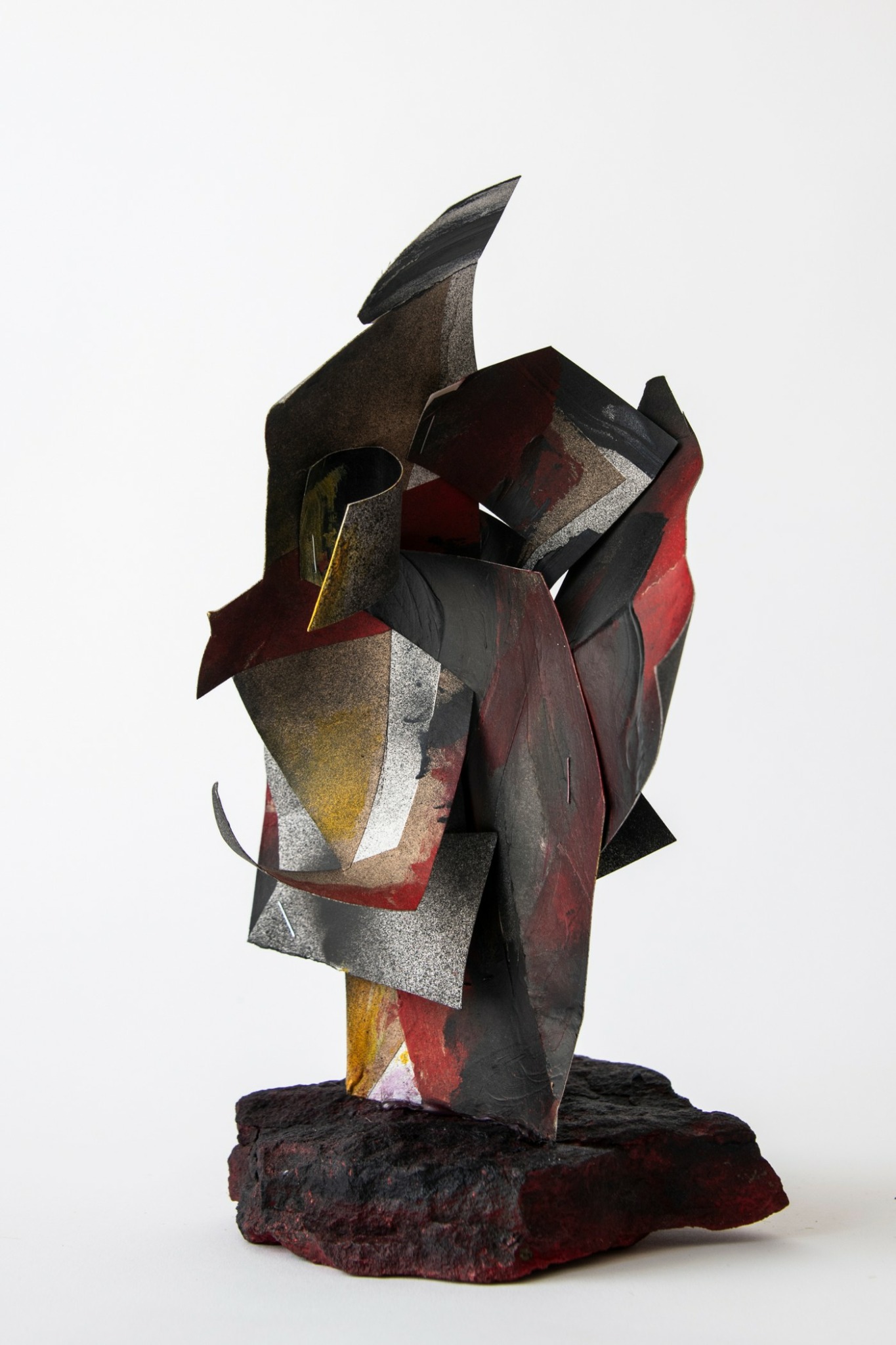
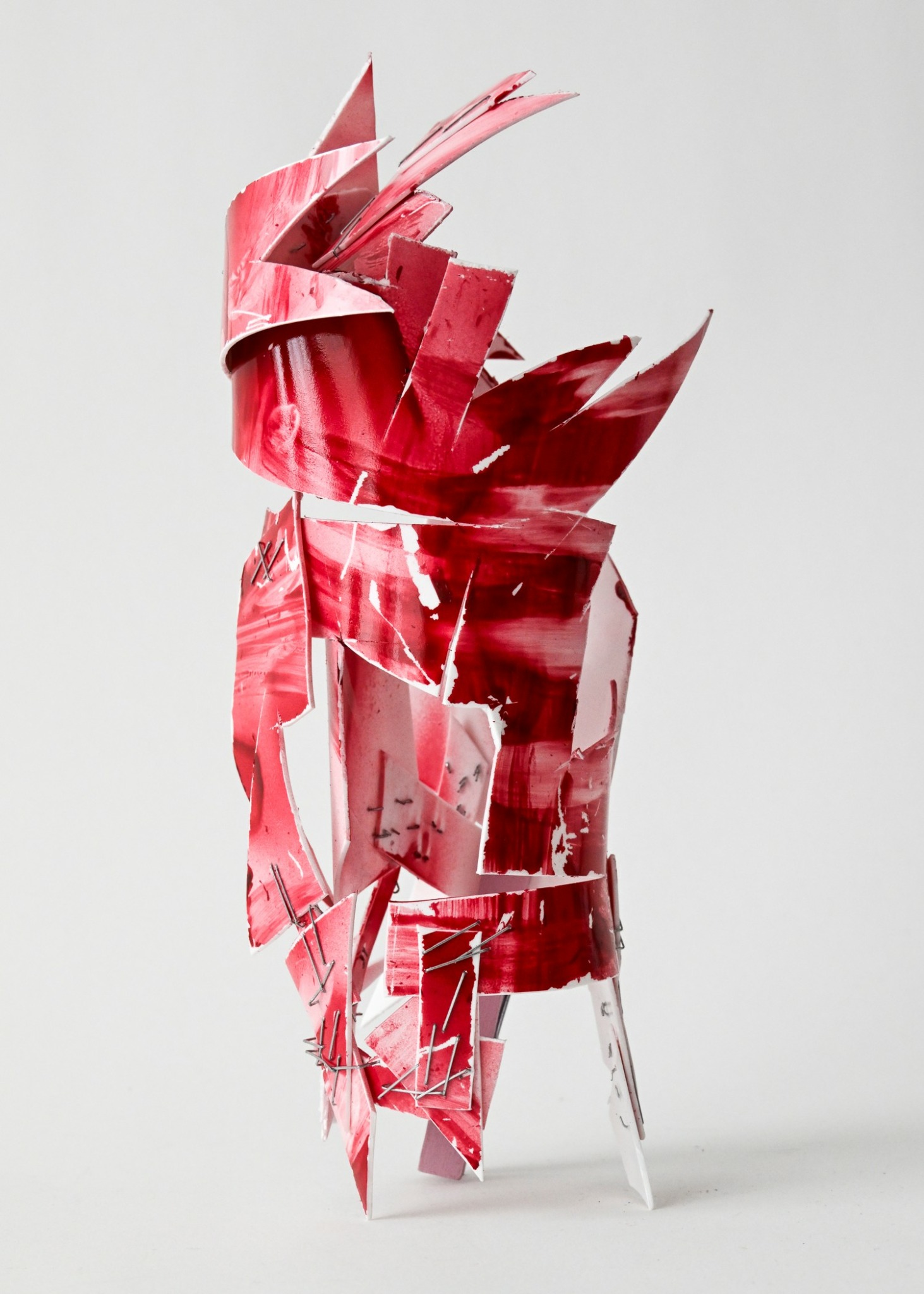
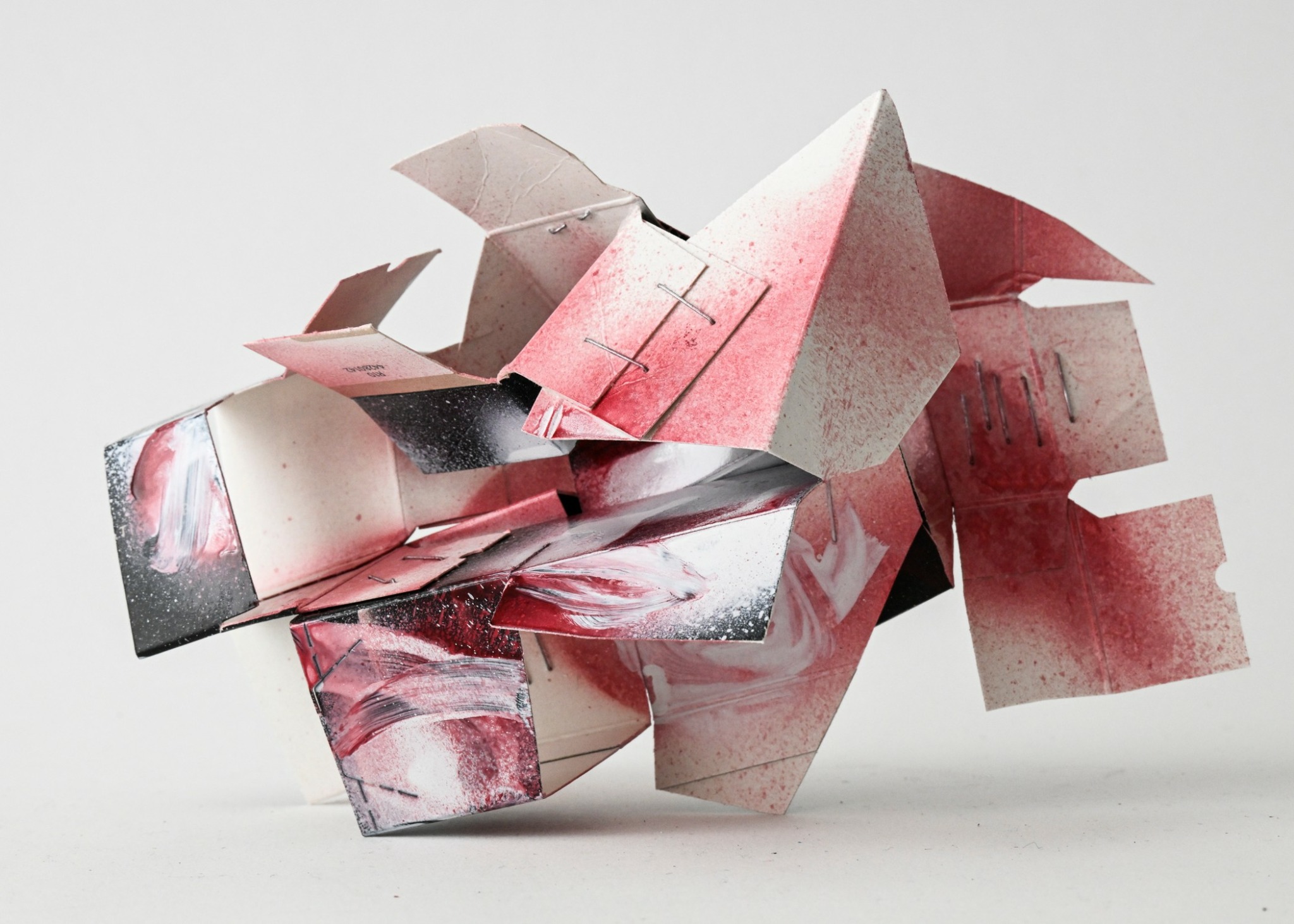
Four years ago, I decided to radically change my artistic process to focus on spontaneity and intuition. I started to use vigorous mark making and intentional physical actions, like tearing, crushing, stapling, folding and using bold brushstrokes – allowing the subconscious to be the guide. This physical way of working helped develop spontaneity and intuition, resulting in bold versus timid gestures.
Beyond simply stepping out of my comfort zone, I also gave myself permission to ignore assumptions about what good work is supposed to look like. If a painting or sculpture seemed overworked or mundane – tear it up, paint over it or combine it with another piece. This reuse often leads to novel ideas, unexpected juxtapositions, and an expanded visual language. The flop becomes a new jumping-off point and a mistake can lead to a more interesting solution.
Play and humor are also important. The immersive process of working on a sculpture, painting or photograph is very freeing and feels like play. Spontaneity and intuition go hand in hand with play.
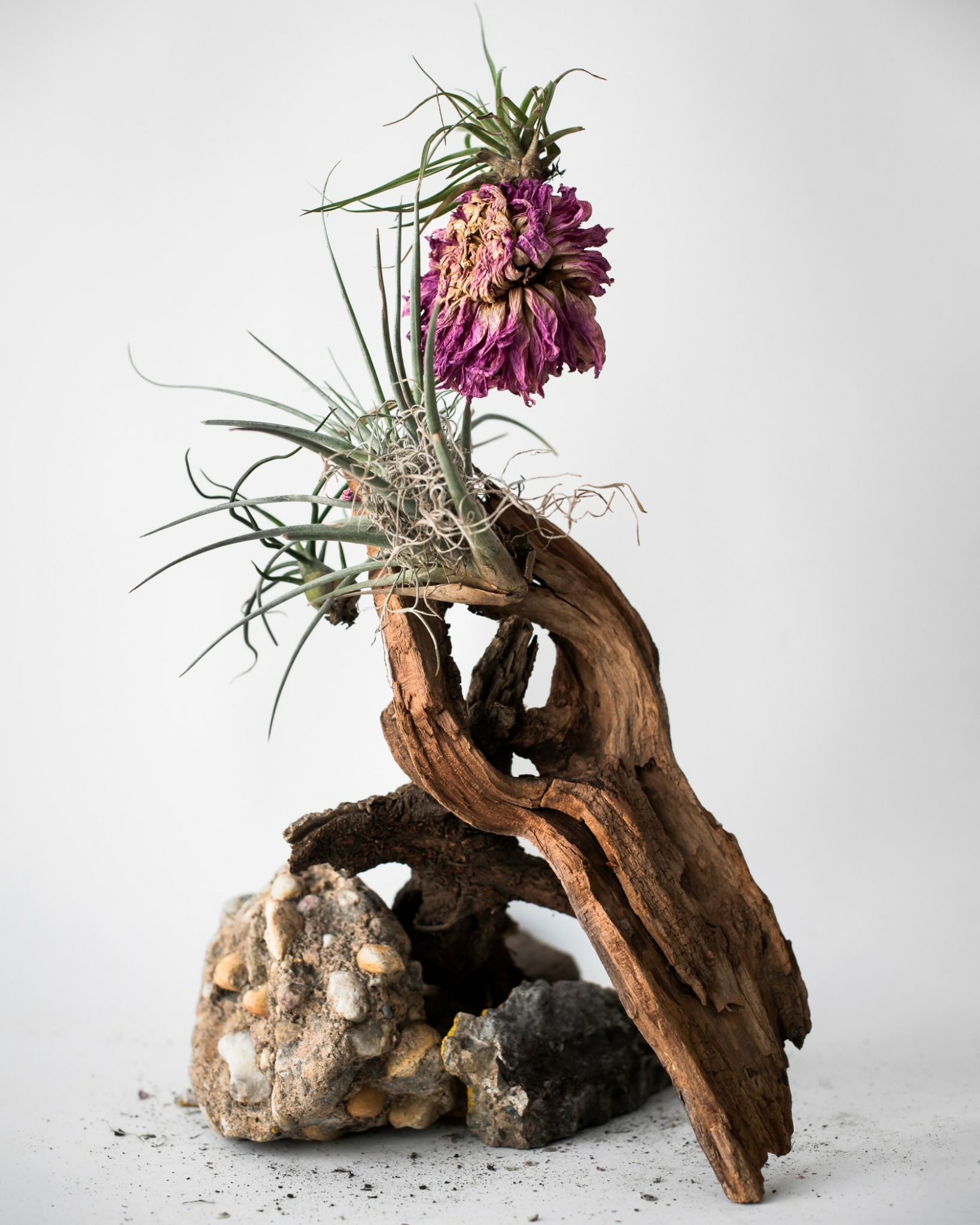
Intuition influences choice of raw materials as well. Learning not to over think and to go with the found object, color choice, or process with which I feel instant connection is usually the stronger choice. This way of working builds confidence in intuitive skills. If the connection is not there, I trust my subconscious and look for other choices. If the finished piece surprises me and feels as though it made itself, this is evidence of having tapped into a well of inner resources.
Awesome – so before we get into the rest of our questions, can you briefly introduce yourself to our readers.
My most meaningful introduction to art was at Carnegie Mellon University, where I earned a BFA in sculpture and fine art photography. CMU in the late 70’s was an exciting place, offering the opportunity to experiment with various mediums. The studios provided access to welding, aluminum casting, ceramics, woodcarving, glass blowing, fiber arts, fine art photography, and all the foundation courses. The Pittsburgh mills were still active, and – though I’m not sure how the idea came to me, perhaps from a professor’s suggestion – I visited a local steel mill and asked for the long, linear trimmings, which became the raw material for welded pieces I was working on. The sculpture studios were a man’s world back then, and working there, as well as visiting the steel mills, felt bold for a young woman.
Today the challenges lie in applying to open calls, writing artist statements, engagement in social media, joining community art organizations and showing up to help and learn about exhibition installation, and participating in interviews like this. Stepping out in these ways has helped me acquire new skills and connections, strengthen critical thinking, develop ideas and build resilience and confidence.
What do you find most rewarding about being a creative?
People often tell me they feel a deep sense of humanity in my work. By allowing an unfiltered flow of consciousness during the creative process and by staying in that intuitive space, the resulting work has an authenticity – it becomes a visual metaphor for the universal human experiences we all share –– joy, loss and love. This connection with others is the most meaningful and rewarding aspect of being an artist.
Can you tell us about a time you’ve had to pivot?
Nine years ago a life changing event brought tremendous stress into my life, and little free time. In spite of the change, committing to a daily practice has proved critical for the continued development of my work as well as happiness and mental health. Even if I only have ten or fifteen minutes, I find that focusing on working spontaneously and intuitively has strengthened this dimensional way of approaching art making. There is a freedom and joy in working this way that has radically transformed my work.
Contact Info:
- Website: www.assemblages.donnellymarks.com
- Instagram: @donnellymarks
- Facebook: https://www.facebook.com/doni.marks.52/
- Linkedin: https://www.linkedin.com/in/donnellymarks/
- Twitter: @donnellymarks
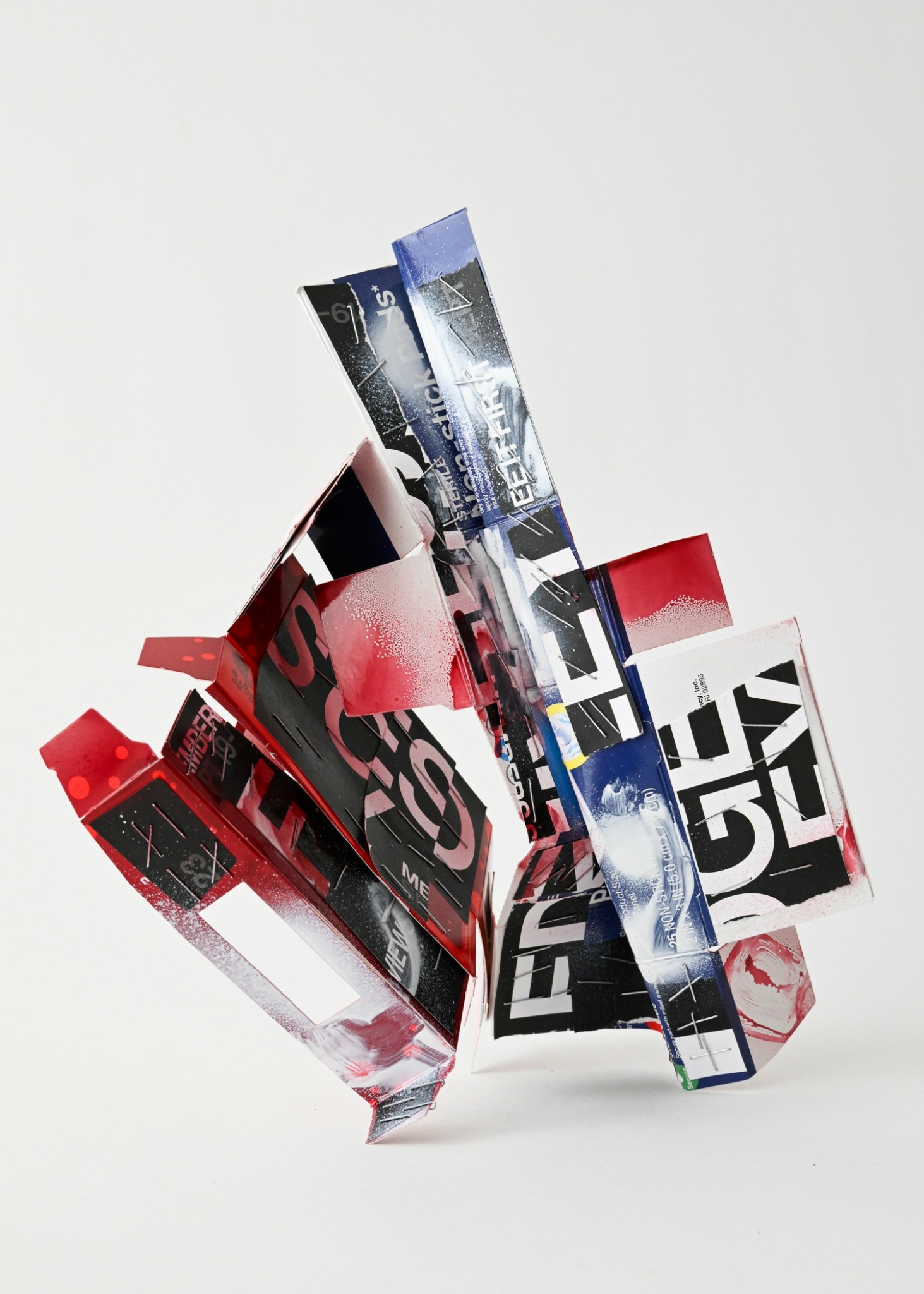
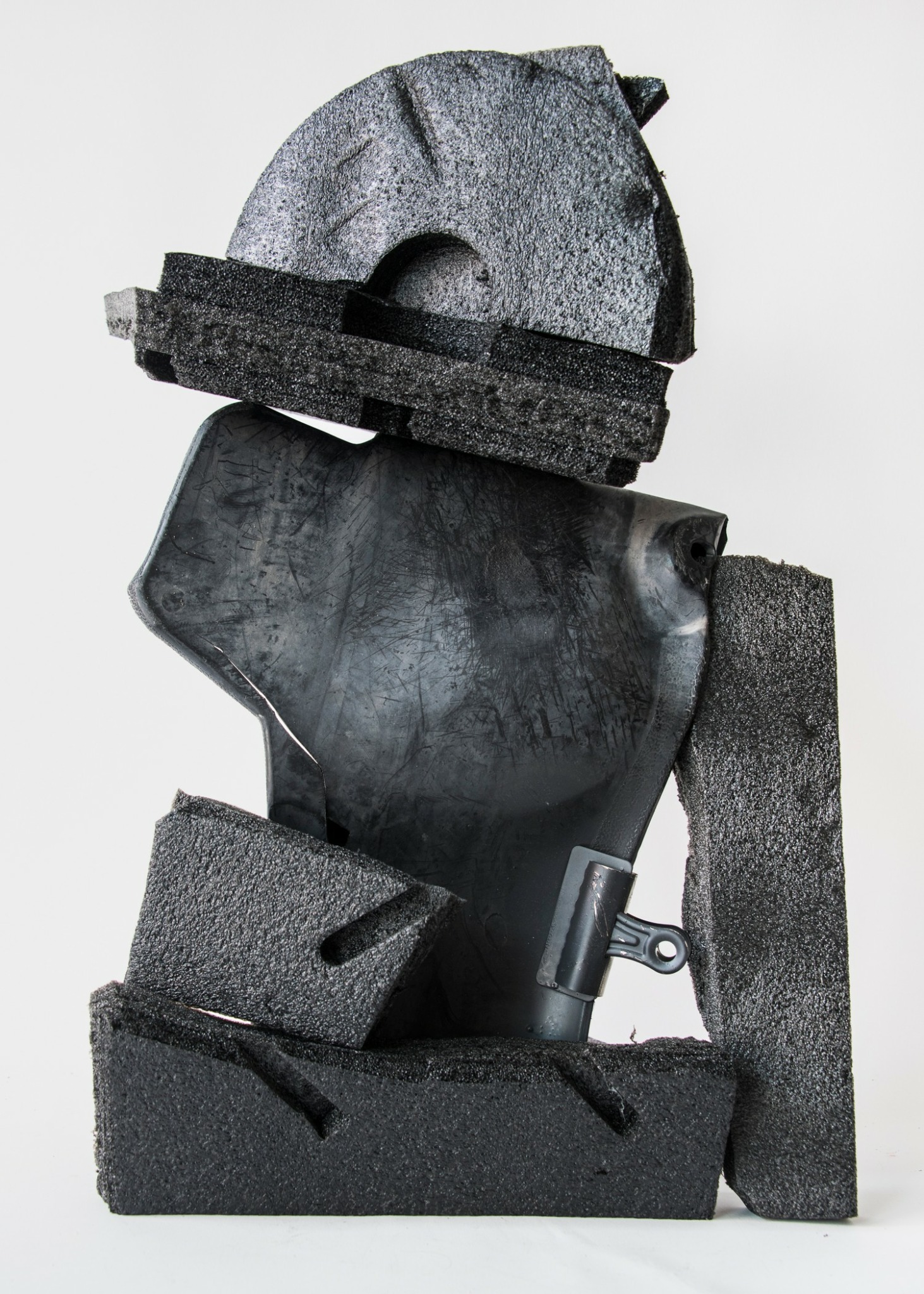
Image Credits
Photographs © Donnelly Marks