

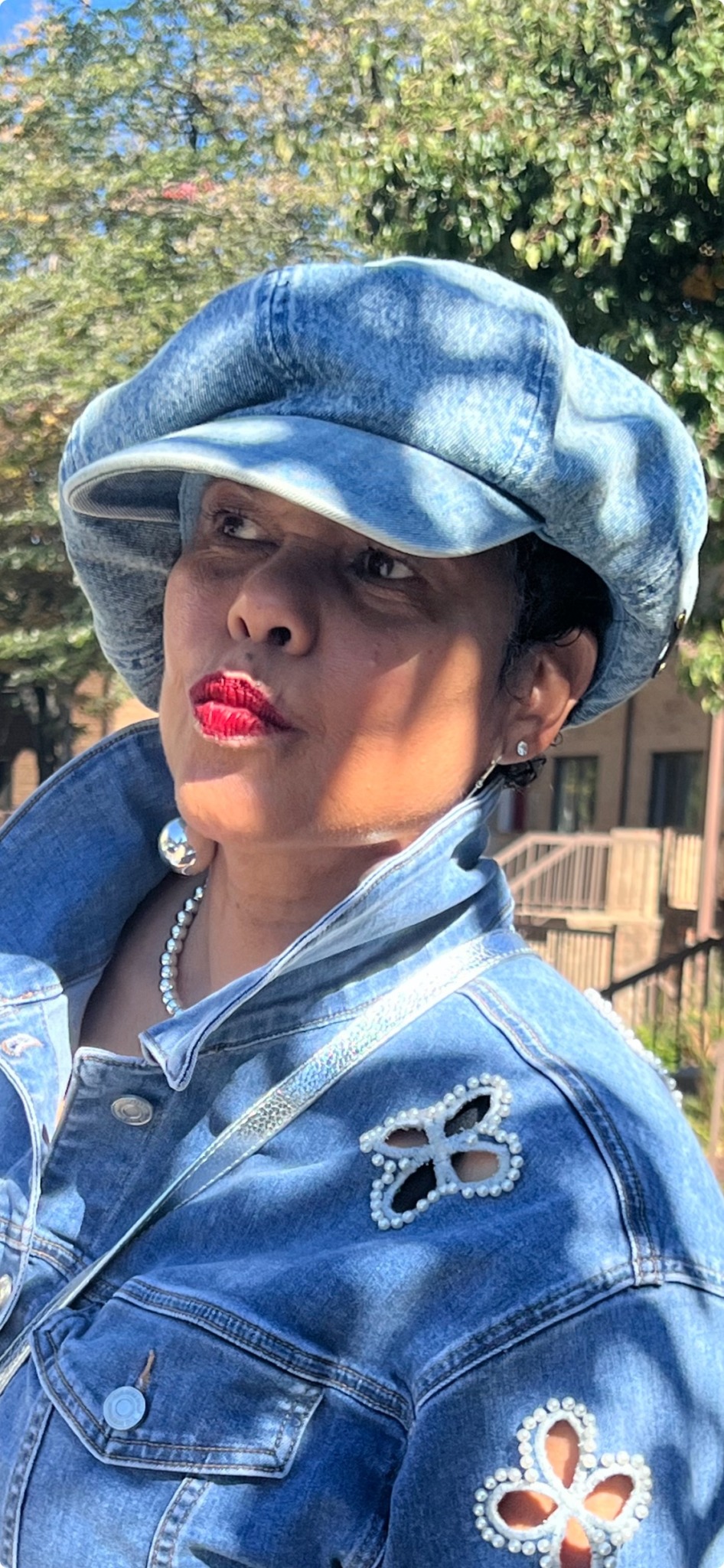

We’re excited to introduce you to the always interesting and insightful Donna Walton. We hope you’ll enjoy our conversation with Donna below.
Alright, Donna thanks for taking the time to share your stories and insights with us today. Can you open up about a risk you’ve taken – what it was like taking that risk, why you took the risk and how it turned out?
Daring to Be Visible
I didn’t set out to be a rebel. I set out to be seen.
Years ago, I stood at a crossroads—one leg amputated, the other trembling with uncertainty. I had spent decades building a life of purpose, but the world still didn’t see women like me: Black, disabled, vibrant, whole. I knew I could either shrink into the margins or step into the spotlight. I chose the latter.
The risk wasn’t just physical. It was emotional, spiritual, professional. I launched the Divas With Disabilities Project not with a grant or a safety net, but with a vision and a fire. I was told it was “too niche,” “too bold,” “too much.” But I knew that representation wasn’t optional—it was urgent.
I became the face of a movement. I put my story on stages, in campaigns, on screens. I wore red lipstick and a prosthetic leg with pride. I mentored young women who had never seen themselves reflected in media. I challenged casting directors, educators, and policymakers to rethink who gets to be called beautiful, powerful, employable.
Then came the short film documentary Divas With Disabilities, where I served as the focal point—a living testament to resilience, joy, and rebellion. It wasn’t just about me. It was about every woman who had been told to hide her truth. Every woman who had been made invisible.
I wrote Shattered Dreams, Broken Pieces to tell the story behind the story. The grief. The grit. The grace. It’s not a memoir—it’s a mirror. For anyone who’s ever had to rebuild from the rubble.
The risk? Losing comfort, losing approval, losing the illusion of safety.
The reward? A community. A legacy. A platform where disabled Black and Brown women are not just included—they are centered.
I’ve since acted in major TV series, led national campaigns, and coached others through trauma and transformation. But the real win? Every time a young girl sees herself in a Diva and says, “I didn’t know I could be that.”That’s the power of risk. That’s the power of visibility. That’s the rebel in me.
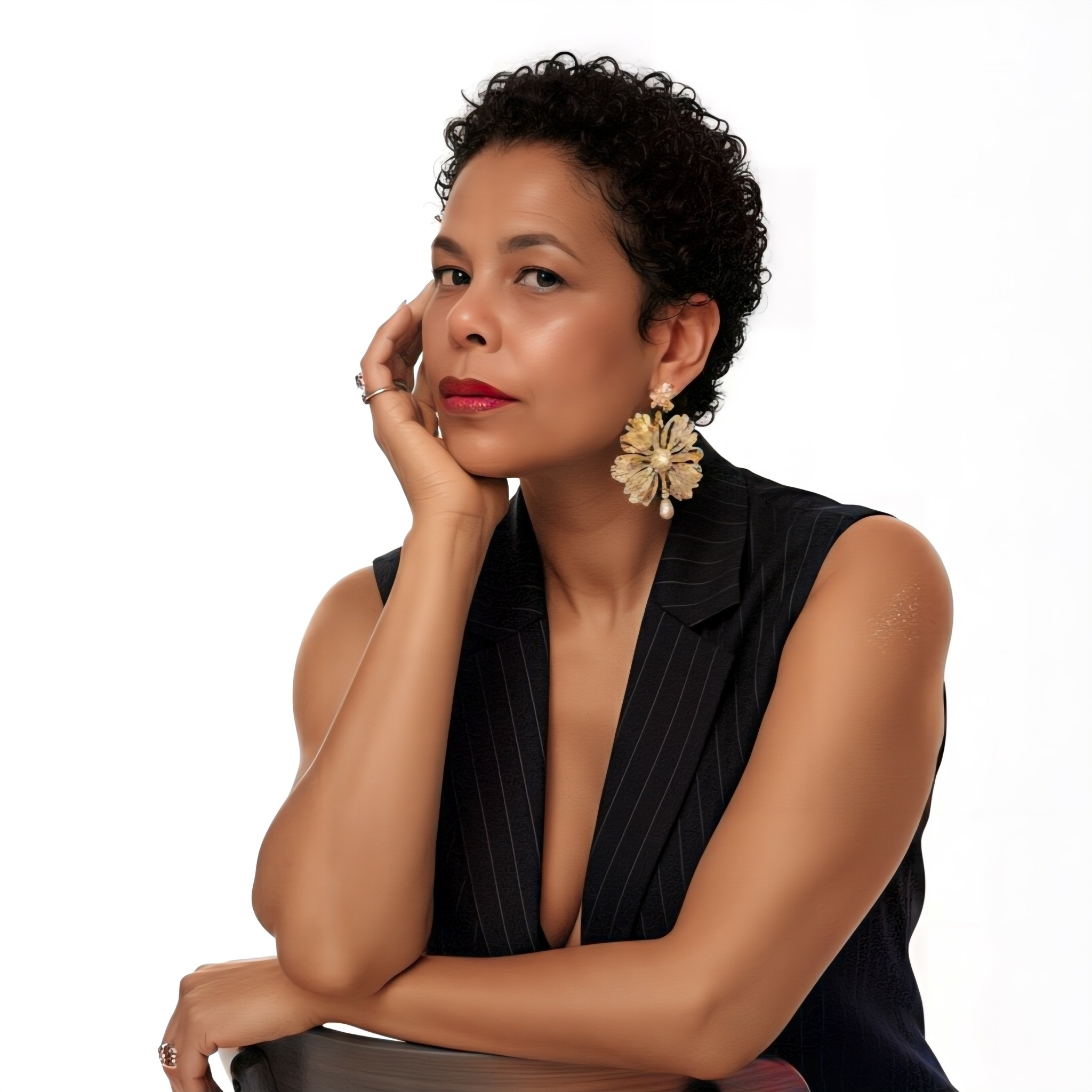
Great, appreciate you sharing that with us. Before we ask you to share more of your insights, can you take a moment to introduce yourself and how you got to where you are today to our readers.
About Donna Walton & Divas With Disabilities Project
I am Donna R. Walton—Founder and President of the Divas With Disabilities Project, actor, author, certified cognitive behavioral therapist, and unapologetic advocate for visibility. My work lives at the intersection of art, activism, education, and legacy. I create spaces where disabled Black and Brown women are not only seen, but celebrated.
My journey into this work wasn’t linear—it was forged through loss, resilience, and revelation. After losing my leg to cancer, I realized that the world had no blueprint for someone like me: a disabled Black woman with style, intellect, and ambition. I didn’t see myself in media, in leadership, or in the cultural imagination. So I became the blueprint.
Education was my foundation. I earned my BA, MS, and doctoral degrees in the field of Education—each one pursued with intention. I wasn’t collecting degrees for prestige. I was building a framework for transformation. I wanted my learning to translate into real-world impact: helping people heal, grow, and reclaim their power. My academic path gave me the tools to coach, mentor, and lead with clarity and compassion.
I founded Divas With Disabilities to challenge the erasure of disabled women of color in fashion, entertainment, and public discourse. What began as a bold idea became a national movement—one that now includes a short film documentary (Divas With Disabilities), social media campaigns, casting advocacy, and community events that center joy, power, and representation.
My creative works include:
• Authoring Shattered Dreams, Broken Pieces—a deeply personal book that chronicles my journey through grief, identity, and transformation. It’s not just a memoir—it’s a mirror for anyone rebuilding from the rubble.
• Acting in major television series and independent films, bringing authentic disabled representation to the screen.
• Producing and directing visual campaigns and short-form content that amplify disabled voices with elegance and edge.
• Coaching and mentoring vocational rehabilitation counselors and emerging leaders through trauma-informed, spiritually grounded guidance.
• Speaking and storytelling—from keynote addresses to intimate panels, I use my voice to shift narratives and spark change.
What sets me apart is the fusion of advocacy and artistry. I don’t just talk about inclusion—I embody it. My brand is rooted in authenticity, elegance, and empowerment. I bring a discerning eye to visual design, a strategic mind to campaign planning, and a soulful presence to every collaboration.
I solve the problem of invisibility. I help organizations, creatives, and communities recognize the value of disabled Black and Brown women—not as afterthoughts, but as leaders, innovators, and cultural contributors. I offer clarity, representation, and a roadmap for inclusive excellence.
I am most proud of the lives we’ve touched through Divas With Disabilities—the young women who now see themselves as worthy of the spotlight, the casting directors who rethink their lens, the families who feel seen and heard. I’m proud of the legacy I’m building—not just for myself, but for every woman who’s ever been told she was “too much” or “not enough.”
If you’re a potential client, follower, or fan, here’s what I want you to know:
• My work is intentional. Every image, word, and campaign is crafted to reflect truth and beauty.
• My brand is bold. We don’t dilute our message to fit in—we expand the frame to include us.
• My mission is clear: visibility, dignity, and joy for disabled Black and Brown women.
• My invitation is open: collaborate, amplify, and dare to be visible with us.
This is not just a movement. It’s a mirror. And it’s time the world saw us clearly.
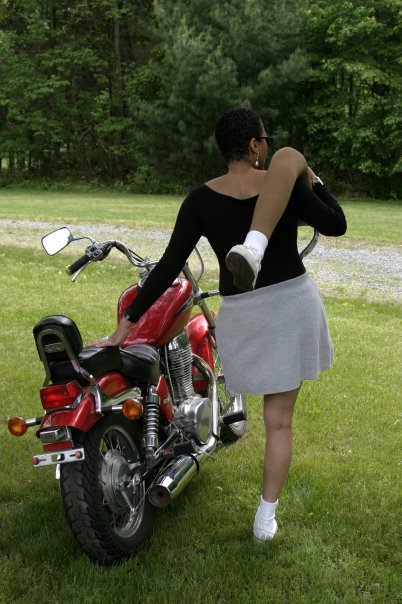
We’d love to hear a story of resilience from your journey.
Resilience Story: From Spotlight to Soulwork
I didn’t grow up dreaming of boardrooms—I dreamed of center stage. I was a performer at heart: actor, dancer, singer. The performing arts fed my soul. Movement, music, and storytelling were my language long before I found words for advocacy. I imagined a life lit by stage lights, where my body was my instrument and my spirit was free.
Then cancer came—and with it, the loss of my leg. Suddenly, the world I had trained for, dreamed of, and danced toward felt closed off. The grief was not just physical—it was artistic. I had to mourn the choreography I’d never complete, the roles I feared I’d never play, the mirror that no longer reflected the body I knew.
But resilience isn’t just recovery—it’s reinvention.
I turned inward, then outward. I pursued education with intention, earning my BA, MS, and doctoral degrees—not to abandon my artistry, but to expand it. I became a certified cognitive behavioral therapist, a mentor, a life coach. I learned how to help others rewrite their stories, even as I rewrote my own.
That’s when I founded LEGGTALK, Inc.—a corporation built to amplify voices like mine. It was my first formal step into entrepreneurship, advocacy, and public speaking. LEGGTALK gave me the platform to share my story, educate communities, and begin shaping a new narrative around disability and identity.
But I never gave up on my dream of performing.
I allowed my perseverance, reinvention, and resilience to guide me back to the stage—this time, with even more purpose. I began acting in commercials, then landed a role in a major television series. I didn’t just return to performance—I redefined it. I brought my lived experience to the screen, showing audiences that disabled Black women belong in every genre, every storyline, every spotlight.
I created the Divas With Disabilities Project to ensure that others wouldn’t have to fight so hard to be seen. Through campaigns, community events, and a powerful short film documentary, we’ve built a movement that centers disabled Black and Brown women in media, fashion, and public discourse.
Resilience, for me, meant daring to be visible in a world that tried to render me invisible. It meant turning pain into power, artistry into advocacy, and broken pieces into a mosaic of purpose.
I still perform. But now, every stage I stand on is bigger than me. It’s a platform for every woman who’s ever been told her body disqualifies her from beauty, joy, or success.
And I dance still—just differently. With words. With vision. With legacy.
This version fully reflects your journey—from soul-fed dreams to soul-led impact. Let me know if you’d like to adapt this into a visual timeline, quote card, or Canva layout. We can also highlight your TV and commercial work with captions or stills if you’d like to include them.
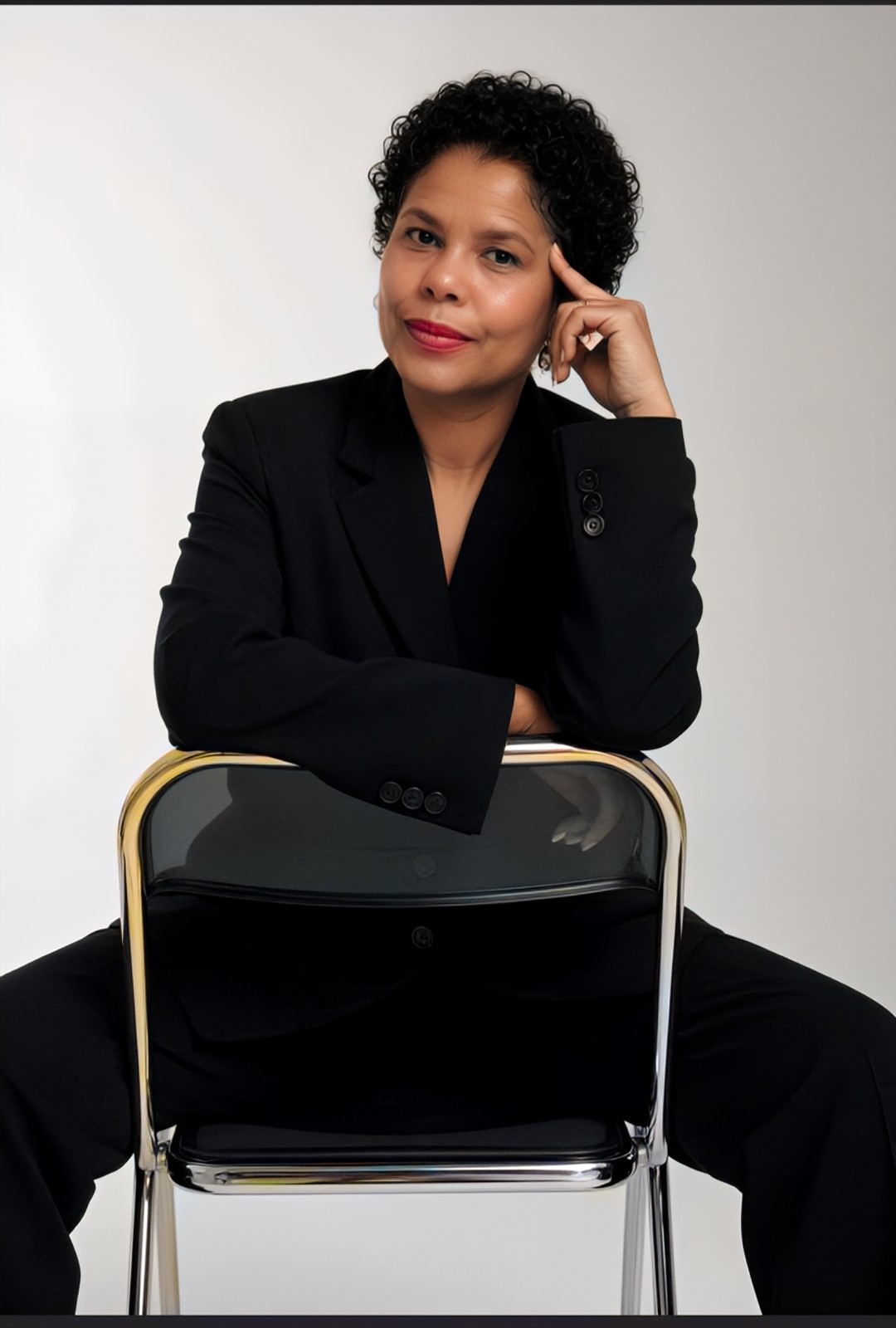
What can society do to ensure an environment that’s helpful to artists and creatives?
What Society Can Do to Support Artists and a Thriving Creative Ecosystem?
First, society must recognize that creativity is not a luxury—it’s a lifeline. Artists and creatives are the cultural architects of our time. We shape narratives, challenge norms, and offer mirrors to the soul of a community. Supporting us means investing not just in art, but in truth, healing, and transformation.
To build a thriving creative ecosystem, society must:
• Fund the margins, not just the mainstream. Too often, disabled artists, Black and Brown creatives, and those outside traditional institutions are overlooked. We need grants, fellowships, and platforms that center underrepresented voices—not as tokens, but as leaders.
• Make accessibility non-negotiable. Creativity should never be gated by stairs, screens, or silence. Venues, casting calls, galleries, and digital platforms must be designed with disabled artists in mind—from physical access to inclusive communication.
• Honor lived experience as expertise. Degrees and accolades matter, but so does the wisdom born from struggle, reinvention, and resilience. Society must value the stories behind the art—not just the polish on the surface.
• Create space for collaboration, not competition. Artists thrive in community. We need hubs, residencies, and networks that foster mentorship, shared resources, and cross-disciplinary exchange. Creativity is contagious—let it spread.
• Shift the narrative from “starving artist” to “strategic visionary.” Artists are entrepreneurs, educators, and changemakers. Society must stop romanticizing struggle and start investing in sustainability—fair pay, healthcare, housing, and business development for creatives.
I’ve lived this truth. From founding LEGGTALK, Inc. to launching Divas With Disabilities, I’ve seen how visibility, funding, and community can turn a personal story into a cultural movement. I’ve acted in major TV series, authored a book, and led campaigns that center disabled Black women—not because the system made it easy, but because I dared to build what didn’t exist.
If society truly wants to support artists, it must listen, invest, and evolve. Because when creatives thrive, communities heal. And when we are seen, heard, and valued—the world becomes more whole.
Contact Info:
- Website: https://www.donnnawalton.com
- Instagram: @divaswithdisabilities
- Facebook: @TheDivasWithDisabilitiesProject
- Linkedin: https://linkedin.com/in/thedivaswithdisabilitiesproject
- Youtube: The Divas With Disabilities Project
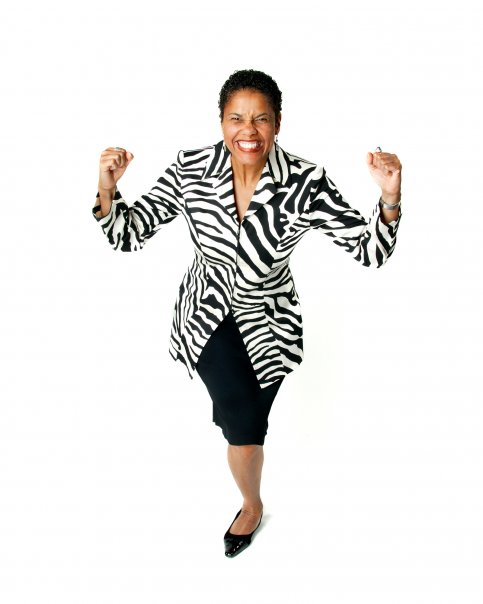

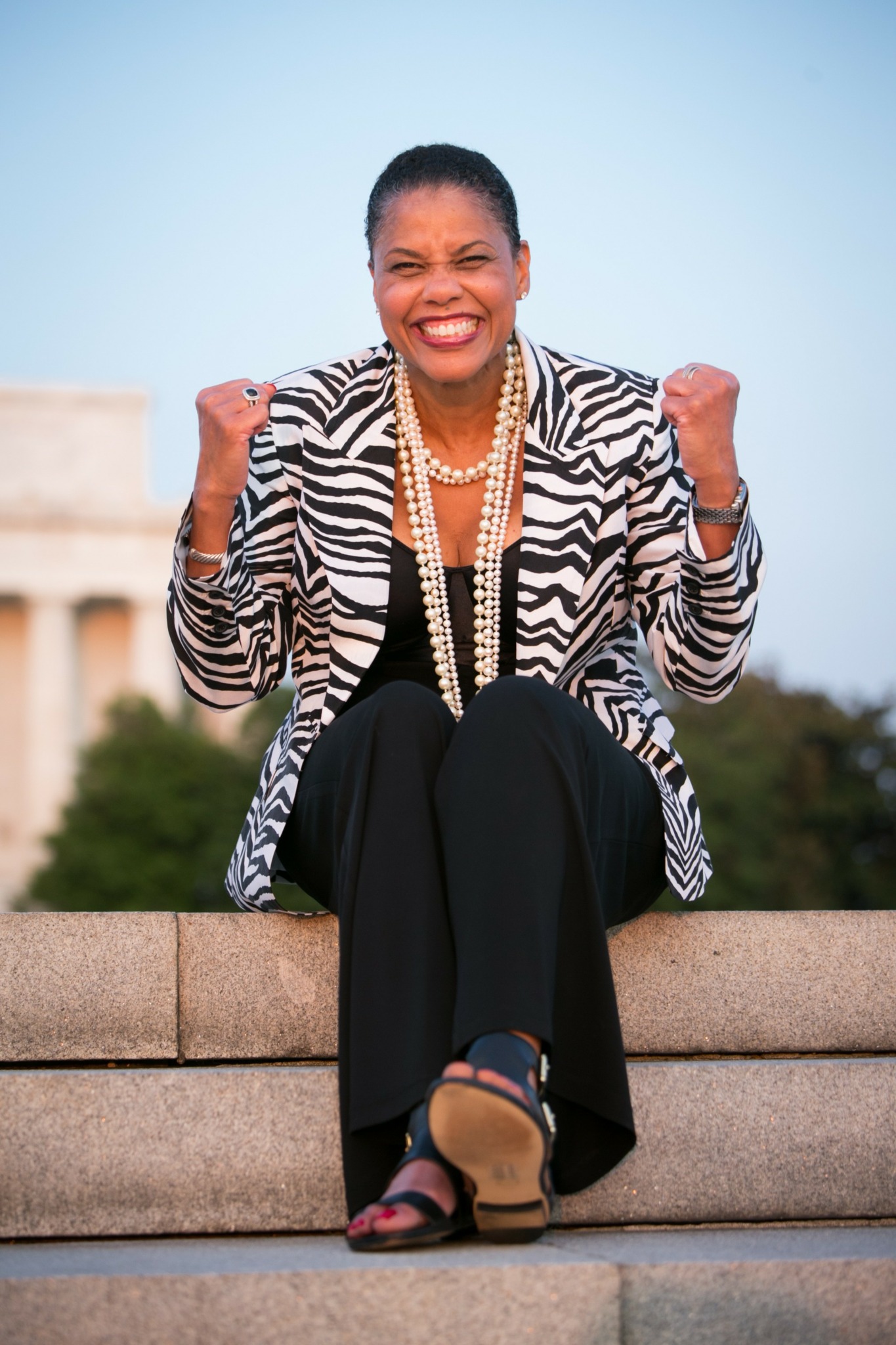
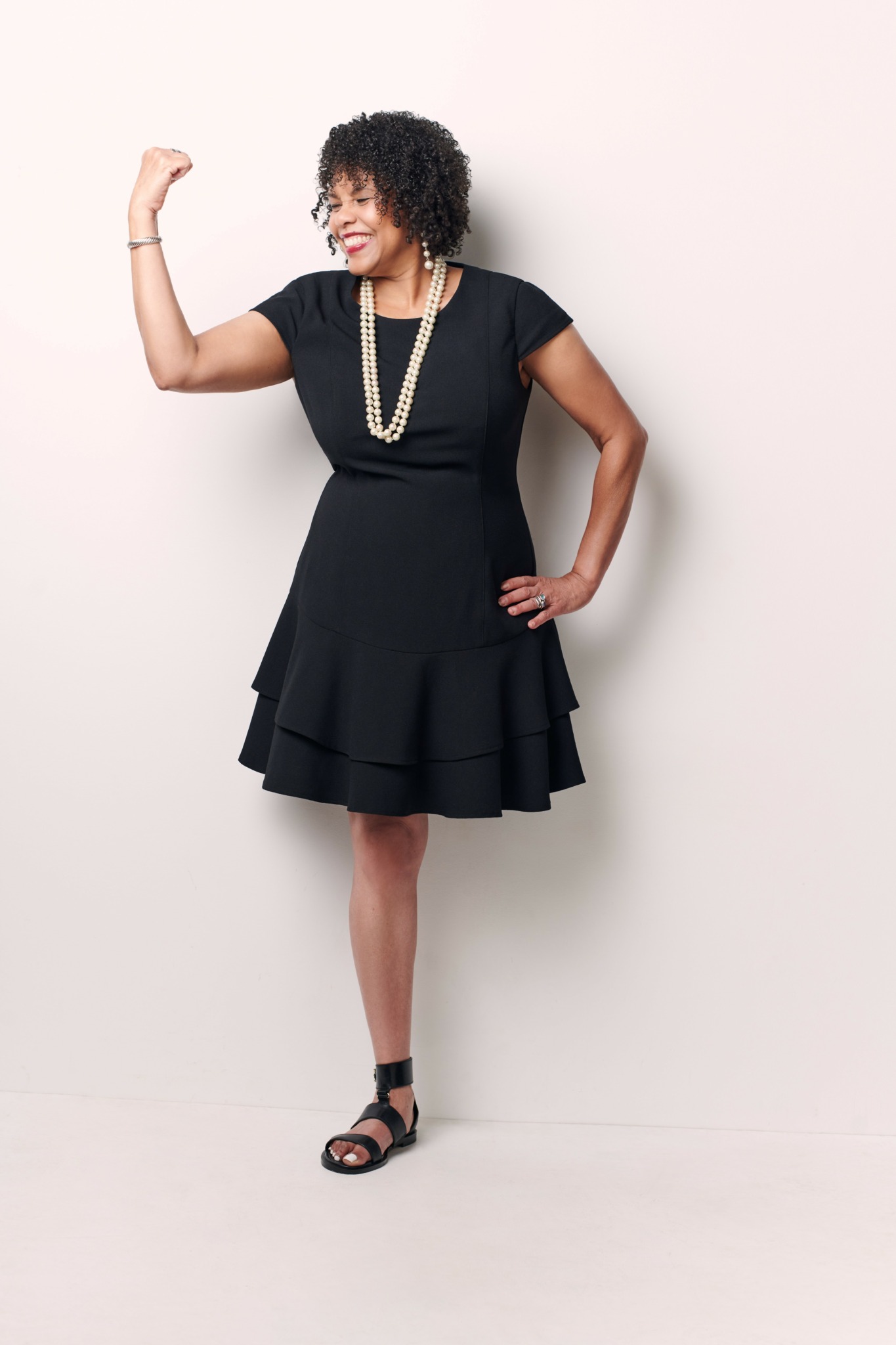
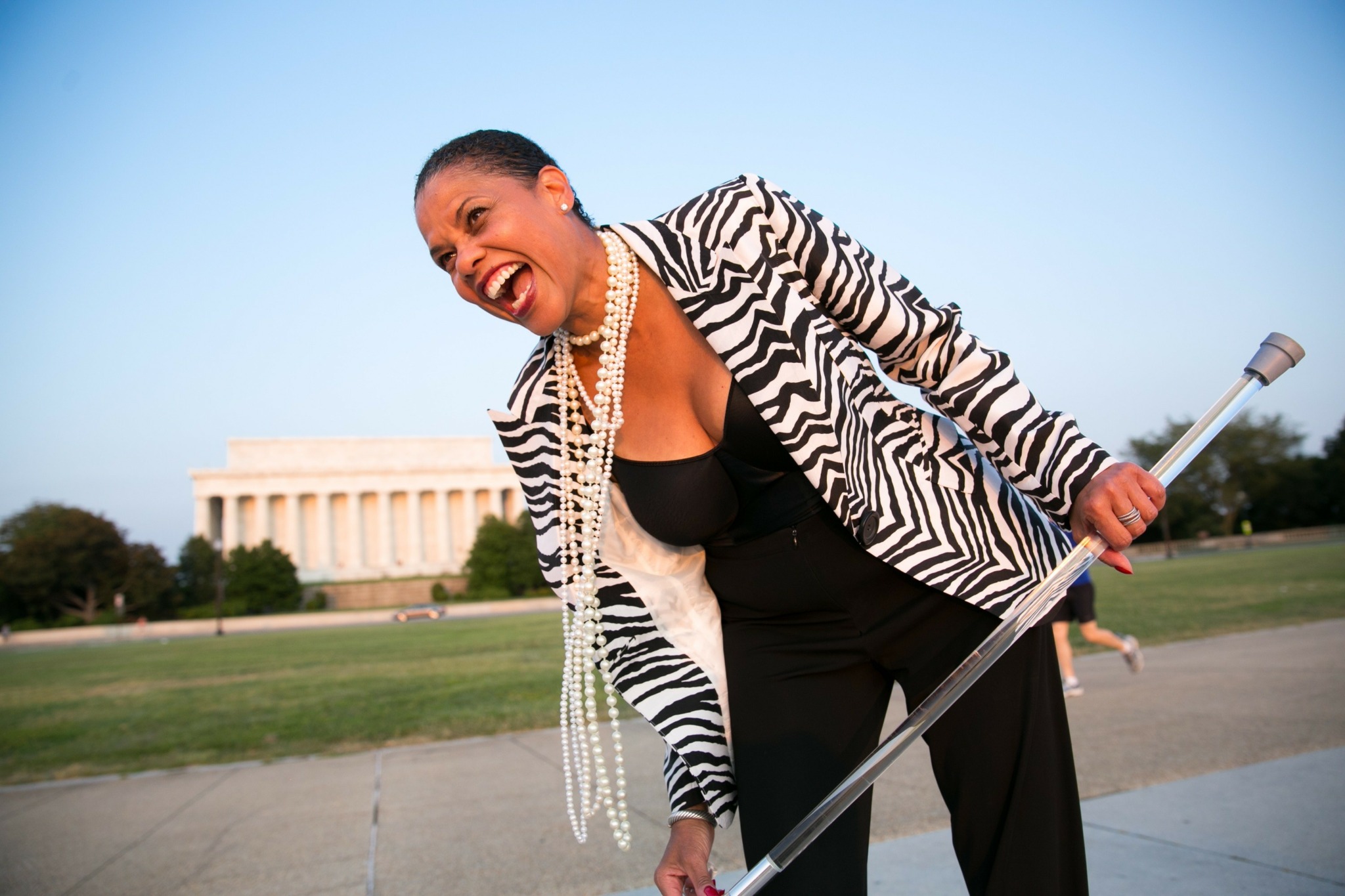
Image Credits
Rene Alston
Paul Morse