
Alright – so today we’ve got the honor of introducing you to Donna Black. We think you’ll enjoy our conversation, we’ve shared it below.
Donna, looking forward to hearing all of your stories today. We’d love to hear about a project that you’ve worked on that’s meant a lot to you.
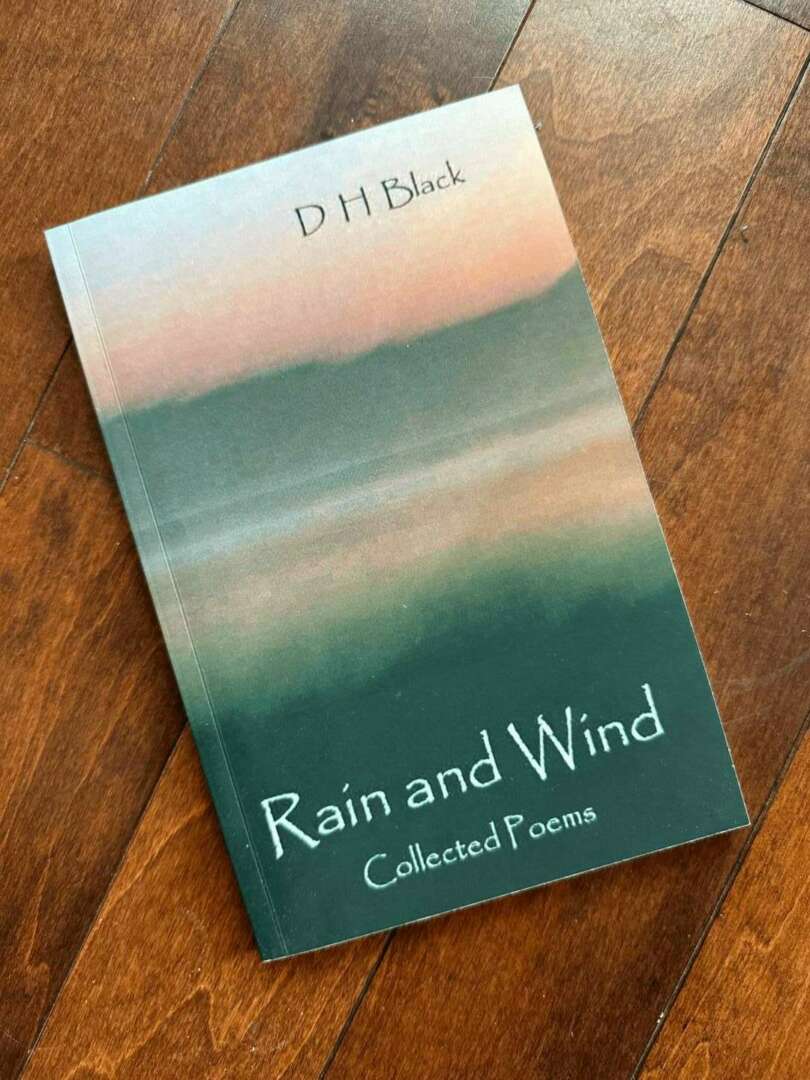
For decades I had scribbled down thoughts, musing, and observations as a way to clear my head, remember what I had seen, and work out conflicted ideas. Eventually, those musing became poetry – quite a mass of poems over time. At some point, an idea for a prose story formed around some of these ideas and a novel was in the making. But before the first novel was completed, I wanted to preserve a collection of the poems in a formal form, so I indie-published my first book, titled Rain and Wind. I’ll admit to being uneasy about putting my innermost thoughts into the public arena, but in order to print a book for myself, it had to be commercially available.
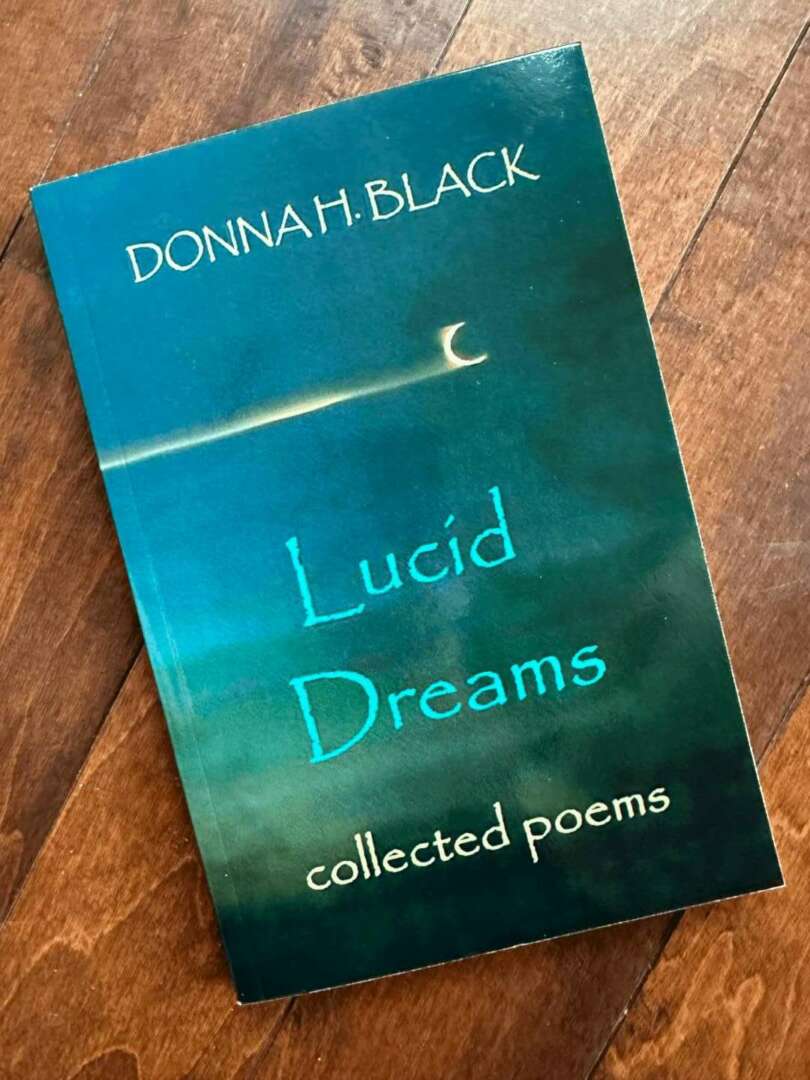
When I posted about reaching the goal of publishing a book, people wanted to know more. Much to my surprise, they bought it. I’ve said many times, “No one likes poetry!” but I was wrong. Readers found pleasure, relatability, and solace in the pages. And I came to realize that readers did not see the words so much as a reflection of me, but as a reflection of their own experiences. That made publishing the second collection, Lucid Dreams, a much more comfortable endeavor.
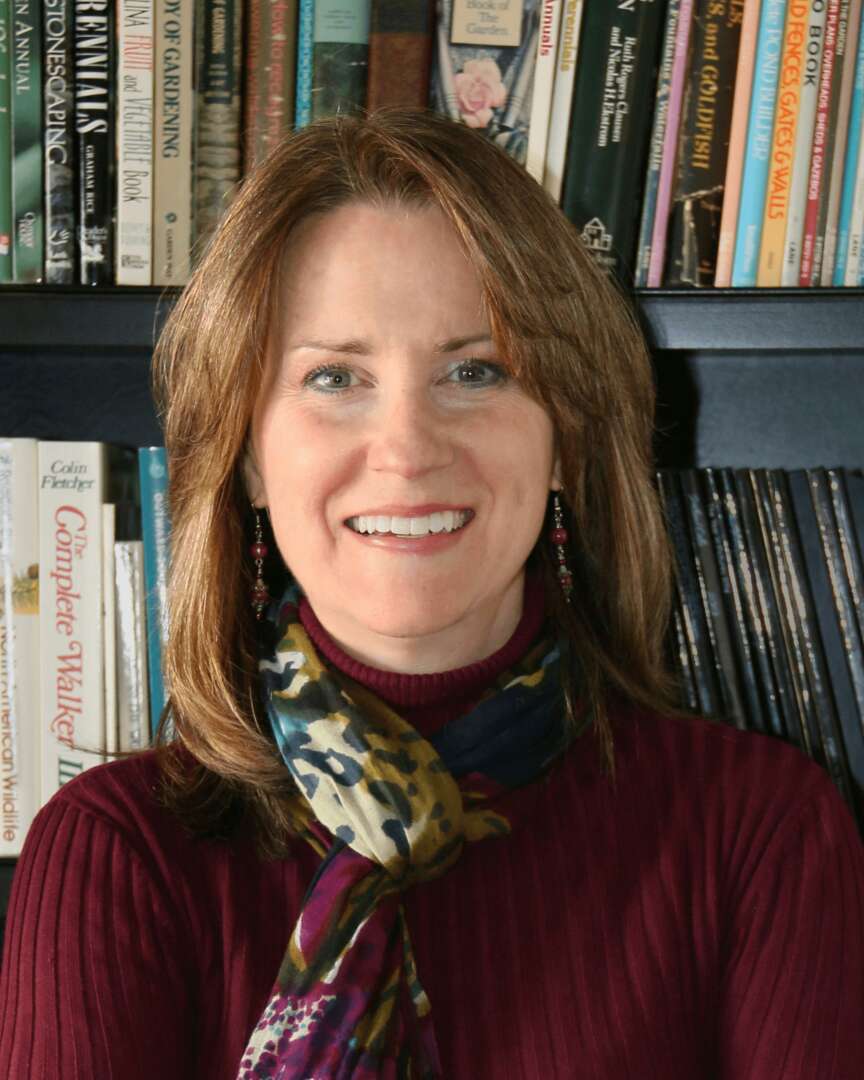
Awesome – so before we get into the rest of our questions, can you briefly introduce yourself to our readers.
As a writer, it would be easier to market myself if I concentrated on one genre, but that’s not the way my brain works. I write weekly nature column for The Newnan Times-Herald called ‘Wild Things.’ These columns are available through my blog: donnablackwrites.com.
My eye for nature and its wonders finds it way into much of my poetry. There are two collections available on multiple platforms. Rain and Wind, and Lucid Dreams are eclectic collections separated into moods. I love rain, so those are the happy, soothing, rejoiceful poems. The Wind section contains darker works. Lucid Dream has four attitudes tied to the periods of the day. Nature, Family, Humor, Frustration, Love, Regret and many other topics are considered.
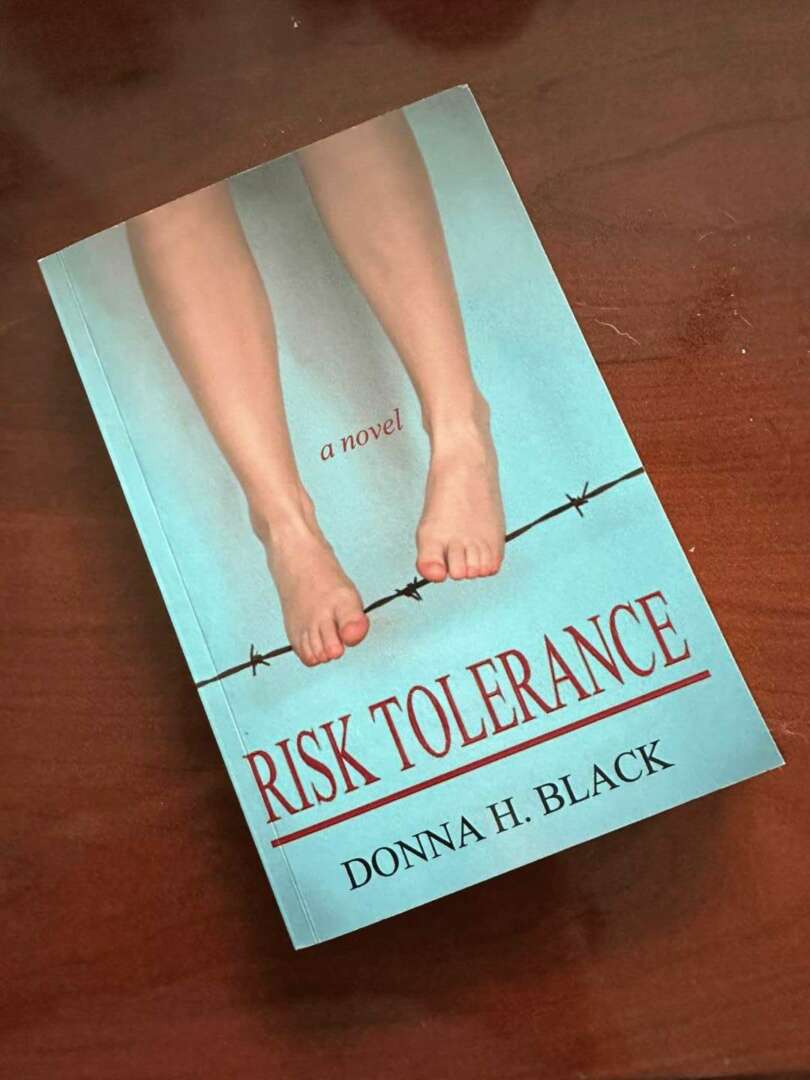
My first novel, Risk Tolerance is the story of woman dealing with the pressures of career and motherhood, realizing she’s lost herself in the hubbub. Her quest to recover her way explores what constitutes betrayal, what we owe ourselves and each other, and what we are will to sacrifice for those choices. A second story line follows a real-estate developer pursuing this career crowing development. He too must determine if the risk to his company and all the people who depend on him for their livelihood is worth it. Genre: Upmarket Fiction.
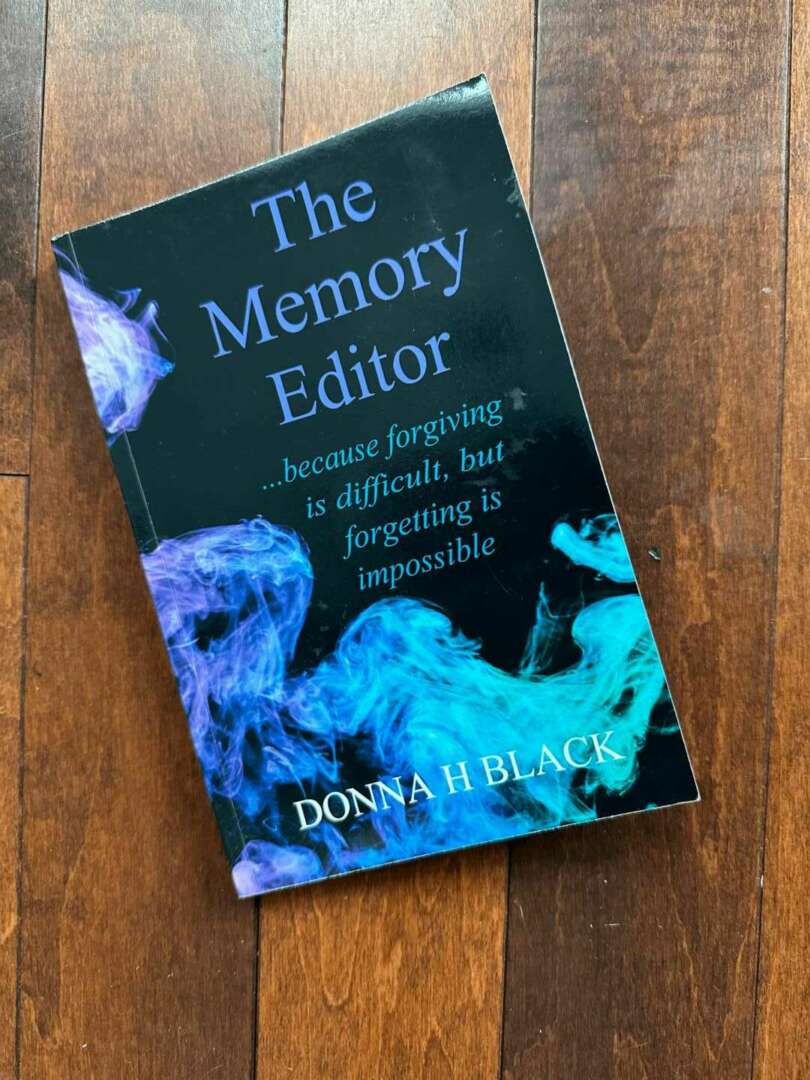
The Memory Editor, is a completely different type of exploration. This novella follows a man with the ability to edit memories for those who request to be relieved of pain, heartbreak, and regret. Each edit he performs brings him one step closer to regaining the life he threw away. Genre: Magical Realism
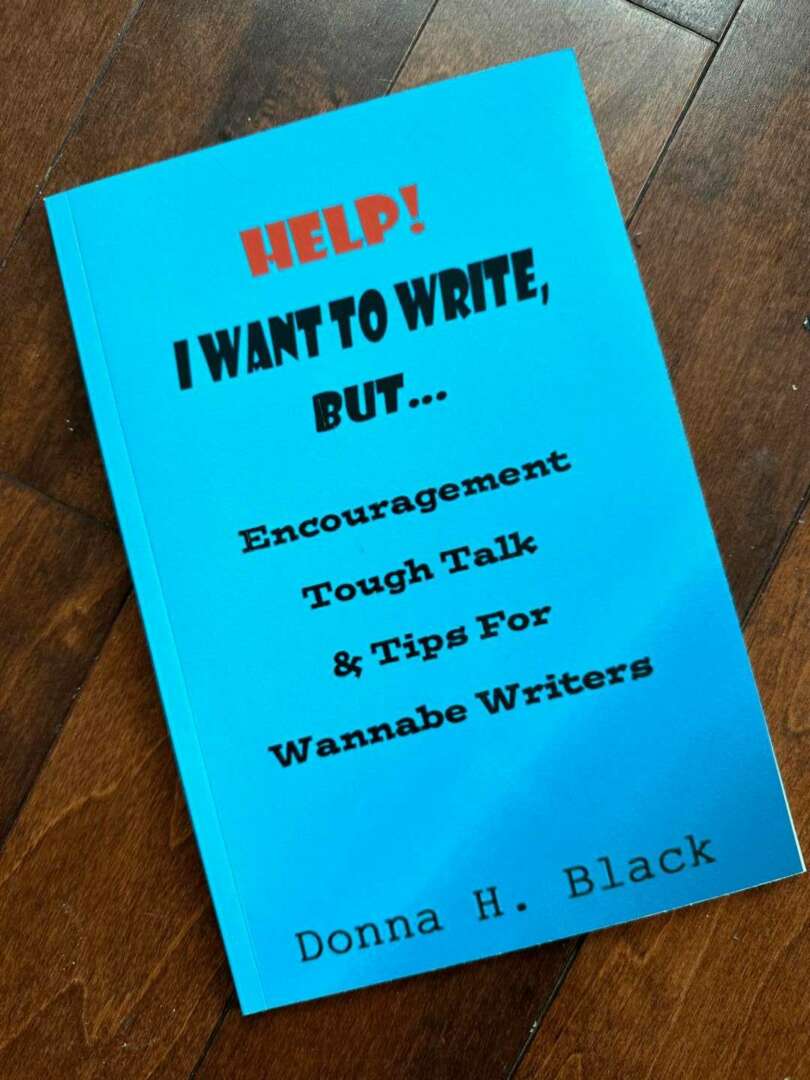
And finally, there is a small non-fiction book that arose from many discussion with new writers. “Help! I Want To Write, But…” is full of tips and encouragement for people who feel the pull to write, but are unsure of the path.
We often hear about learning lessons – but just as important is unlearning lessons. Have you ever had to unlearn a lesson?
A lesson I had learned from life was, “Be perfect or don’t do it. Otherwise, you’re subject to ridicule.” What a life limiting attitude that is! When I started writing, I did it for myself. I didn’t intend for anyone else to read it. Mainly, I wrote to clear my head or to entertain myself. There were no visions of having an audience, and I certainly didn’t intend for anyone to critique my work.
However, after completing my first novel, Risk Tolerance, I knew it would benefit from feedback before publishing. I joined a local critique group where other writers read and comment on your work, and you do the same for them. I completely exposed my work and my vulnerability to them. I wasn’t perfect, and they were not only going to see it, but comment on the flaws. This was a huge step.
I believe my fellow writers in the group wrote more words in their comments than were contained in the book. To say the learning curve was steep is an understatement. At times it was overwhelming, but the comments were always instructive, supportive, kind. There was no ridicule. They vastly improved the book and all those that followed. I’m still active in this group and now lead an online critique through the Hometown Novel Writers Association.
What can society do to ensure an environment that’s helpful to artists and creatives?
Exposure is the invigorating juice of creatives. In order to support them, you can:
1) Buy creative works for yourself and for others. Instead on buying a factory made gizmo next time you need a gift, consider a handmade, human brain created something – a book, a piece of art, handmade jewelry, etc.
2) Tell people about human created things you have, enjoyed, admired. Post it on your socials. Tell your friends. Have them share the adulation.
3) Post a review on the seller’s website, on review sites, on anywhere that will get the word out.
Reviews and high star rating sincerely help creatives.
Contact Info:
- Website: https://donnablackwrites.wordpress.com
- Instagram: donnablackwrites
- Facebook: donnablackwrites
- Twitter: donnablackwrite