


We were lucky to catch up with Dobee Snowber recently and have shared our conversation below.
Hi Dobee, thanks for joining us today. Did you always know you wanted to pursue a creative or artistic career? When did you first know?
I’ve been a painter, printmaker, and mixed media artist for many years. After finishing art school, I envisioned living off my art one day, but reality proved different. While I always continued to paint, I explored various careers, often referring to art as my avocation, even as I longed for it to become my vocation. When the pandemic struck, my partner and I, who run a general contracting company, found ourselves shut down for months. This unexpected break led me to commit to a daily studio practice, and I painted extensively.
Having painted for over 30 years this global crisis, so personal for all of us, ignited a renewed commitment to my work; I wanted it to be seen, and I wanted it to be my primary focus. As an introvert, this was a challenge, pushing me to overcome my natural inclination for quiet and share my work and process. I began reaching out to fellow artists with a fresh intent, joining an online group that connected me to a nationwide network. I also established a methodical routine of applying to shows. Each step reinforced my desire to connect and stay focused on my artistic journey.
Awesome – so before we get into the rest of our questions, can you briefly introduce yourself to our readers.
I am fascinated by the notion of entropy, as a reflection of survival. Inherent in creation is de-construction. Within this process a history evolves and becomes part of the person or structure itself. Over time they become worn and beaten and yet remain standing. My pieces reflect the result of this process, both the distress and the beauty. Despite what life has imposed on them they stand strong. There is a certain magic in this strength. I feel my work offers a way for people to see themselves reflected, and to in turn feel seen.
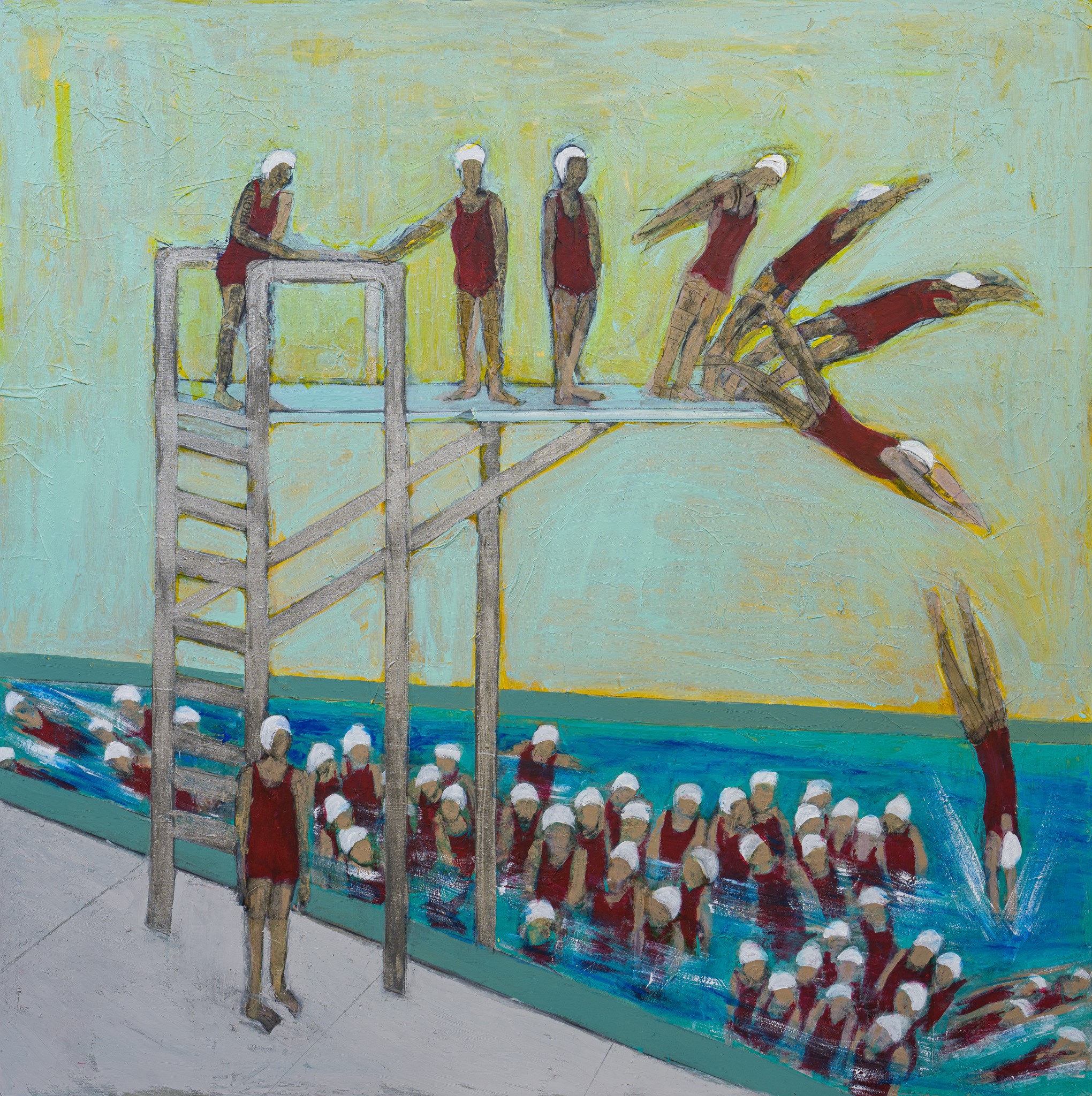
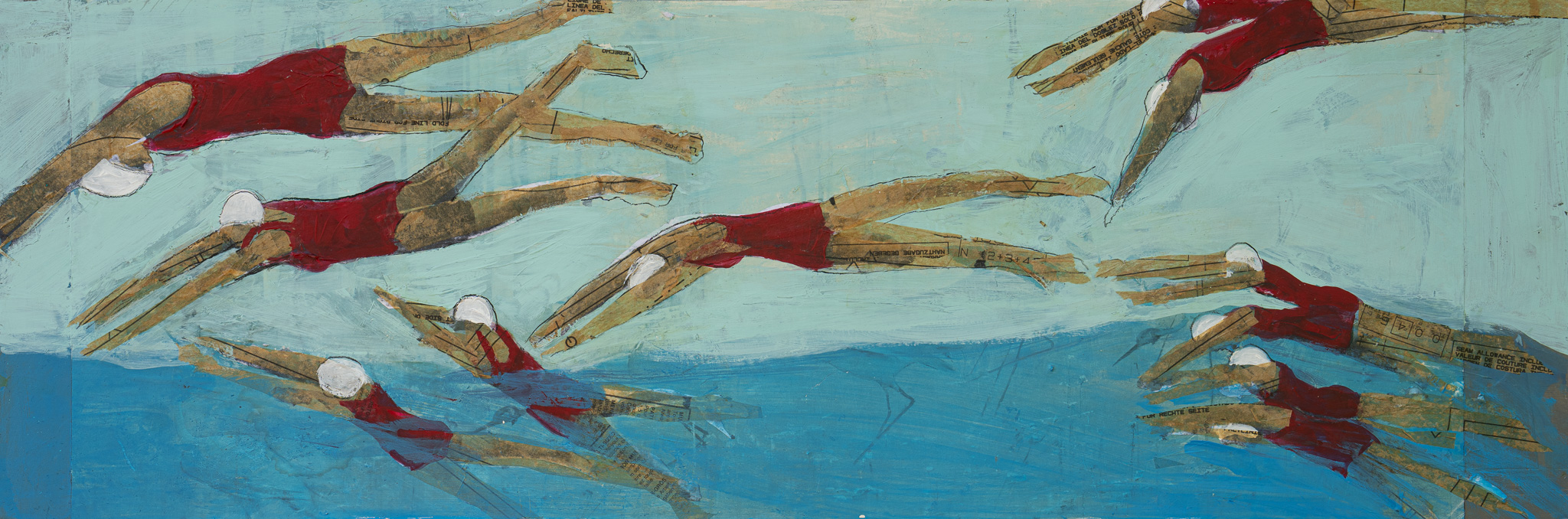
Emotion serves as both muse and medium in my artistic expression. I draw inspiration from swimmers navigating the currents of life – a metaphor for the resilience required to navigate the unpredictable waters of existence. Water, with its fluidity and depth, becomes a visual language through which I communicate the complexities of the human psyche.
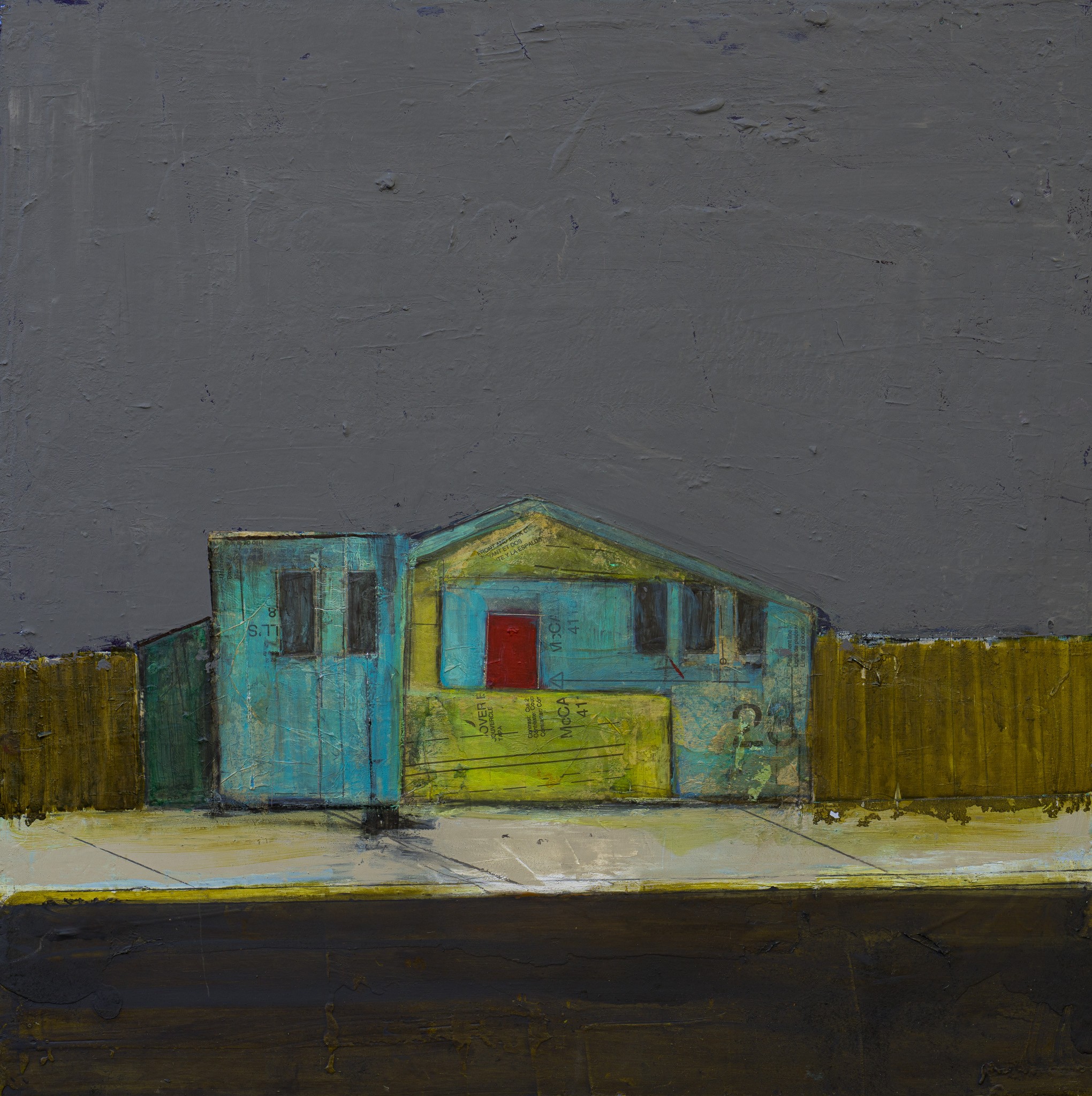
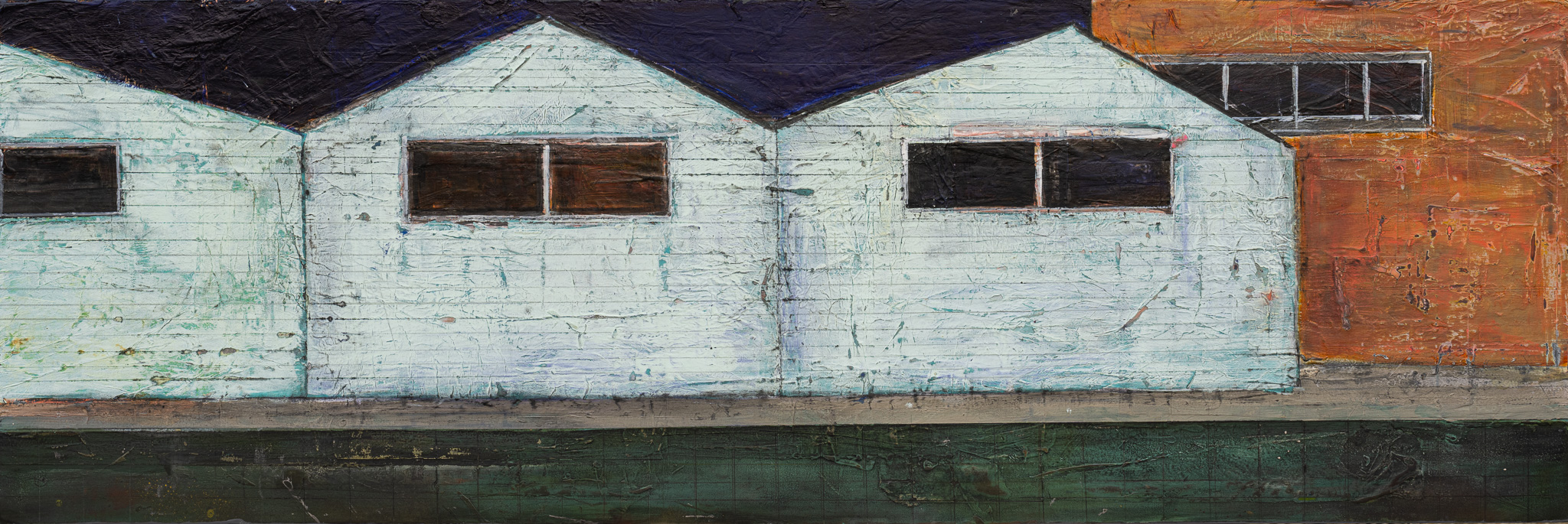
My pieces about structures, represent the frameworks that shape our lives, embodying the strength and fragility inherent in our human experience. Through a synthesis of various mediums, I construct visual narratives that mirror the intricate dialectic between order and chaos.
What’s the most rewarding aspect of being a creative in your experience?
At the core of my artistic philosophy lies the belief that art is a powerful vehicle for human connection. Thru my work I invite the viewer to delve into the realms of human experience. The driving force behind my work is the exploration of the delicate balance between the harsh reality of entropy and the enduring spirit of resilience.
My work focuses on expressive narratives that serve as common ground between myself and the viewer. For me, art is a bridge, a means to traverse the vast expanse that separates us, weaving together shared experiences and emotions. When people ask me why I paint I immediately respond, it’s about connection, to others and to myself.
The images themselves are about moments, familiar bits and pieces that combine in different ways and make up a life. Over the past few years, I have worked on a series around swimmers, pools and water. Sometimes they are anonymous figures clustered or alone. At other times there are faces that tell a story. Interspersed are structures, distressed but resolute.
What can society do to ensure an environment that’s helpful to artists and creatives?
For all of my years as an artist I have had to choose between creating or surviving. As a result for too many years art took a backseat. Art is not merely an accessory to life; it is a fundamental and necessary component that enriches our culture and shapes our collective identity. To support artists and foster a thriving creative ecosystem, society must prioritize robust community support and funding. In part this is about establishing easily accessible local grant programs, promoting artist residencies, and creating public-private partnerships. Easy accessibility is key. It is also about providing resources for education to artists about how to manage an art business and providing incentives to everyday collectors to support the arts, in the form of tax breaks. If we can provide financial stability that truly supports artists it will allow them to focus on their craft rather than merely surviving. Furthermore, subsidizing and cultivating community spaces where creatives can collaborate, showcase their work, and engage with the public fosters a sense of belonging and inspiration. These efforts should be coupled with advocacy for fair compensation and intellectual property rights, ensuring that artists are recognized and rewarded for their contributions. In recognizing the essential role that art plays in our society, we can collectively create an environment where creativity flourishes, enriching our communities and enhancing our lives.
Contact Info:
- Website: https://www.dobeesnowber.com/
- Instagram: https://www.instagram.com/dsnowber/
- Facebook: https://www.facebook.com/dobee.snowber/
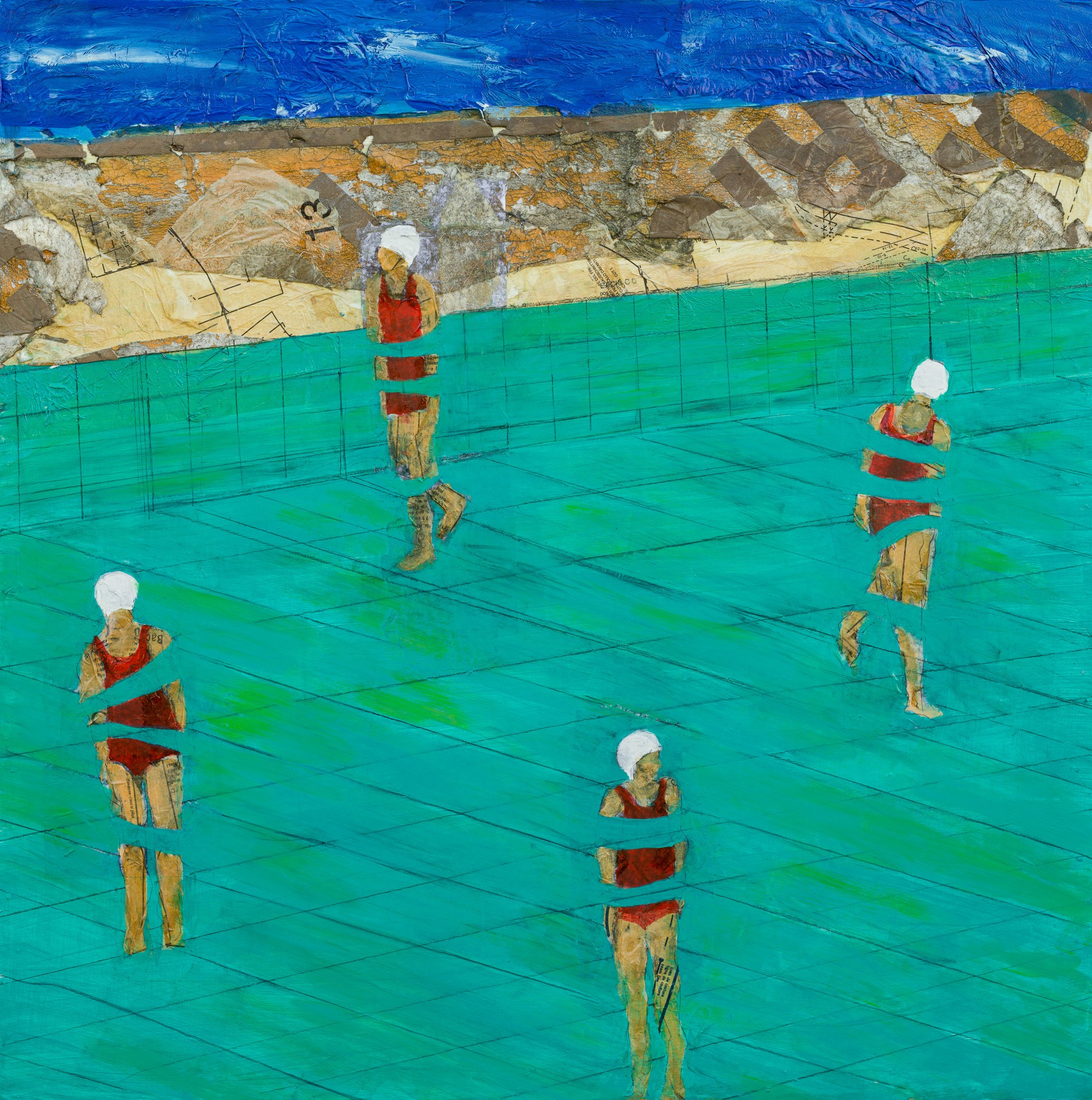
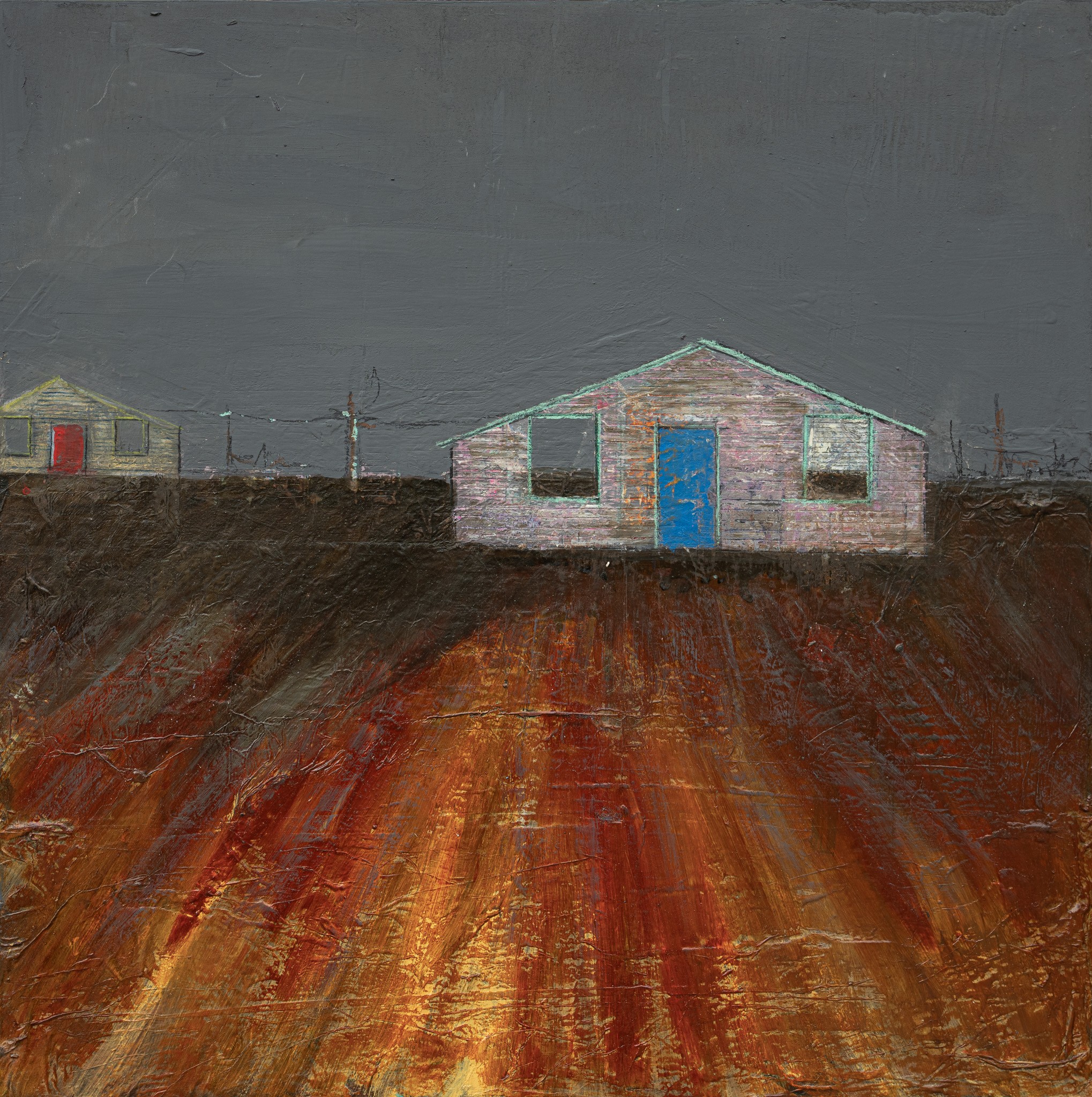
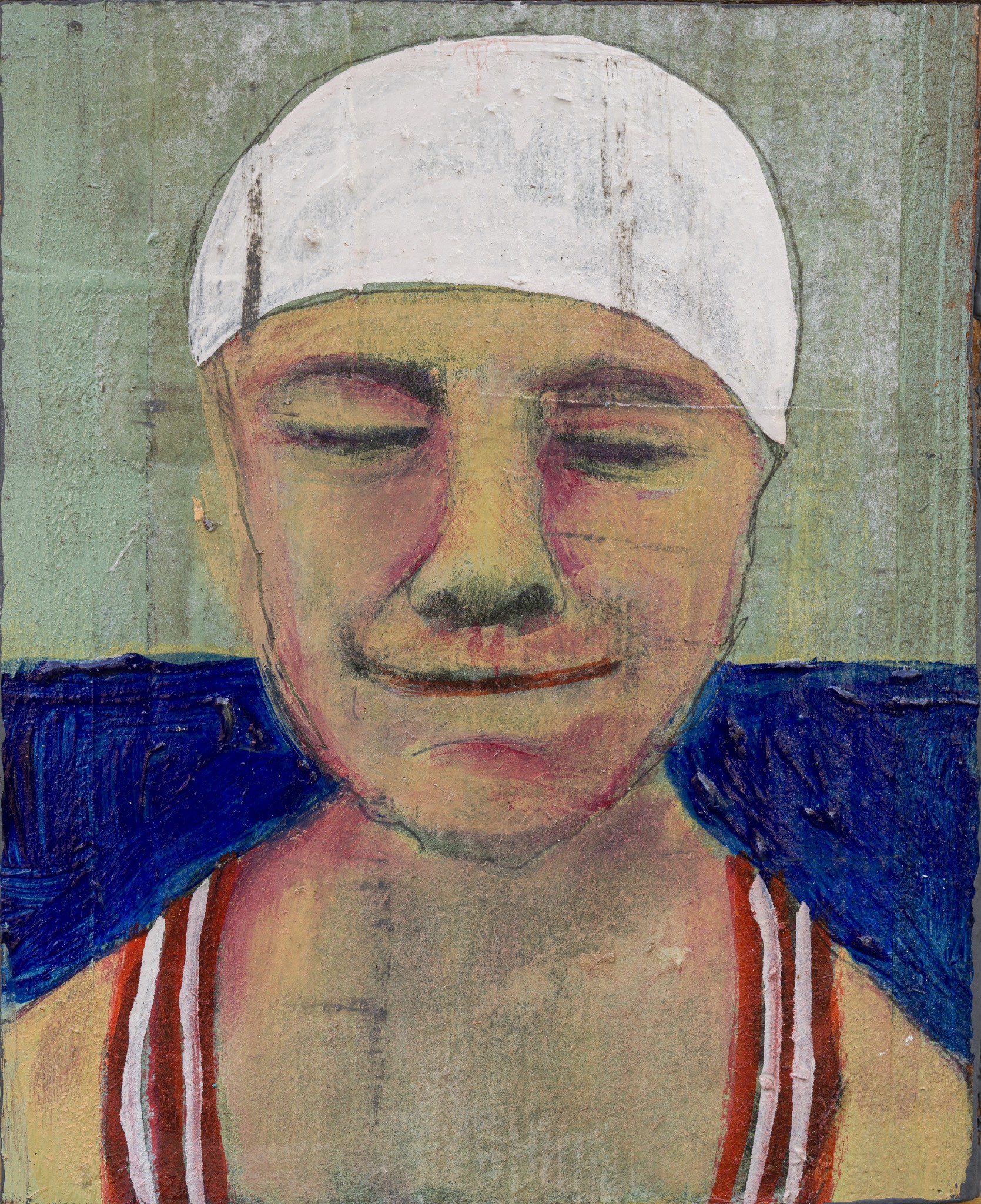
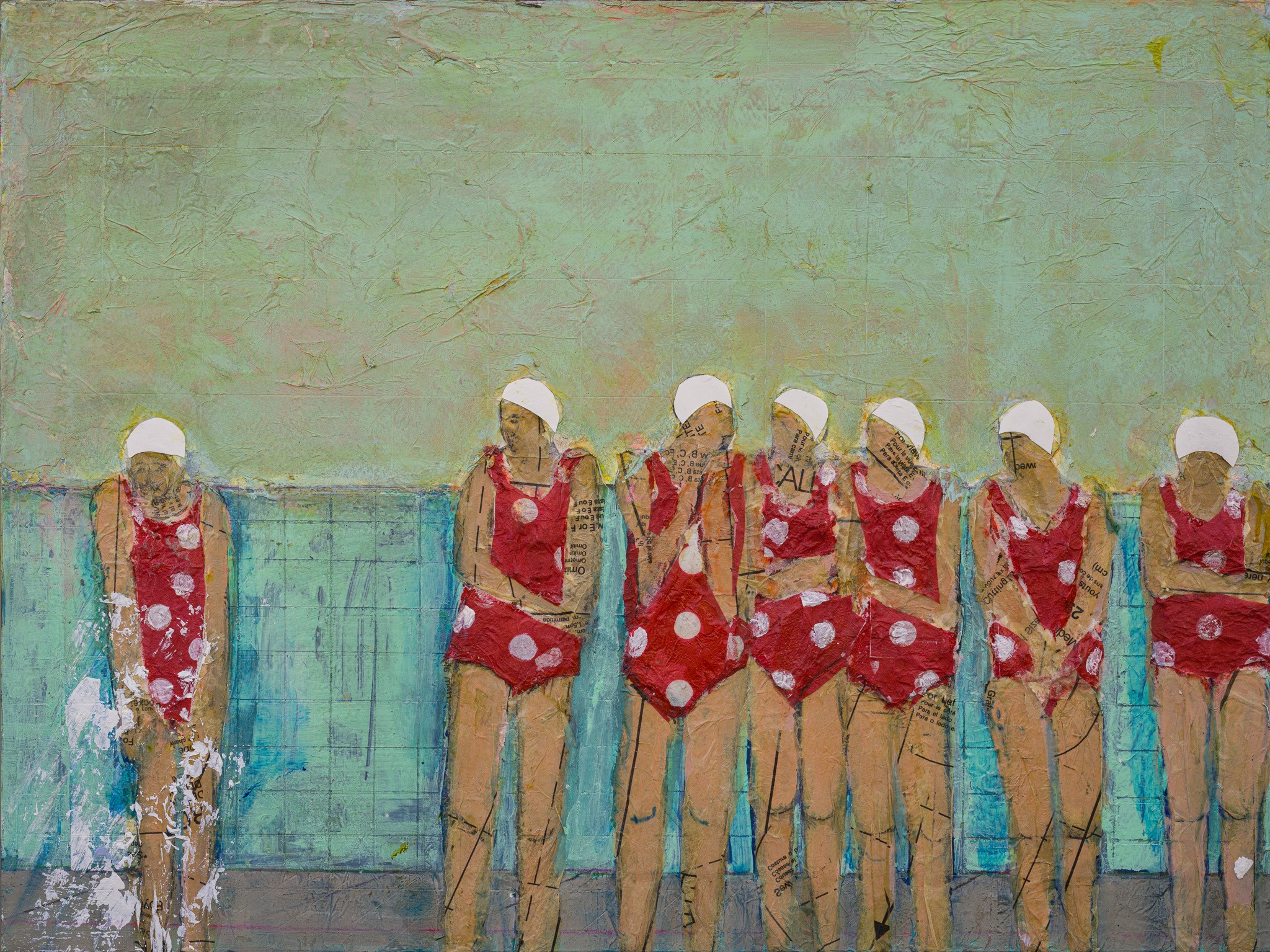
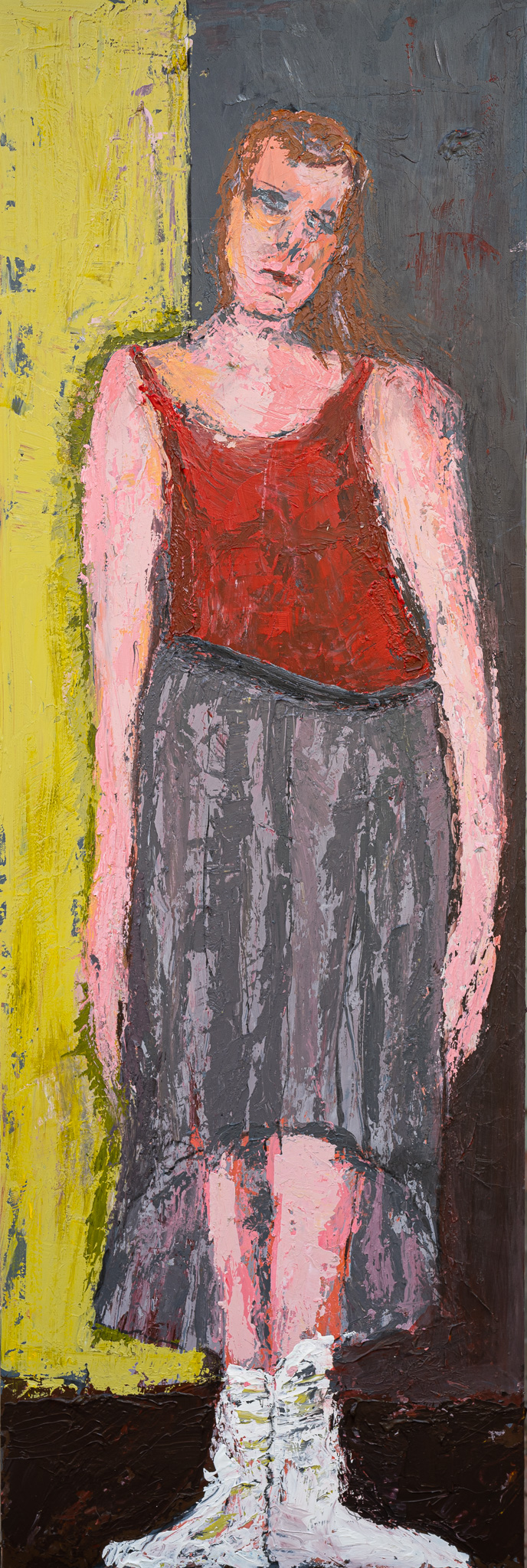
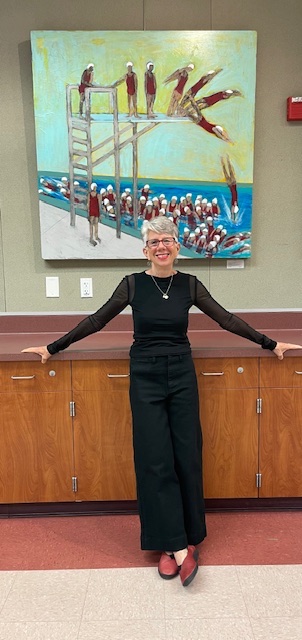
Image Credits
Nancy Paynter