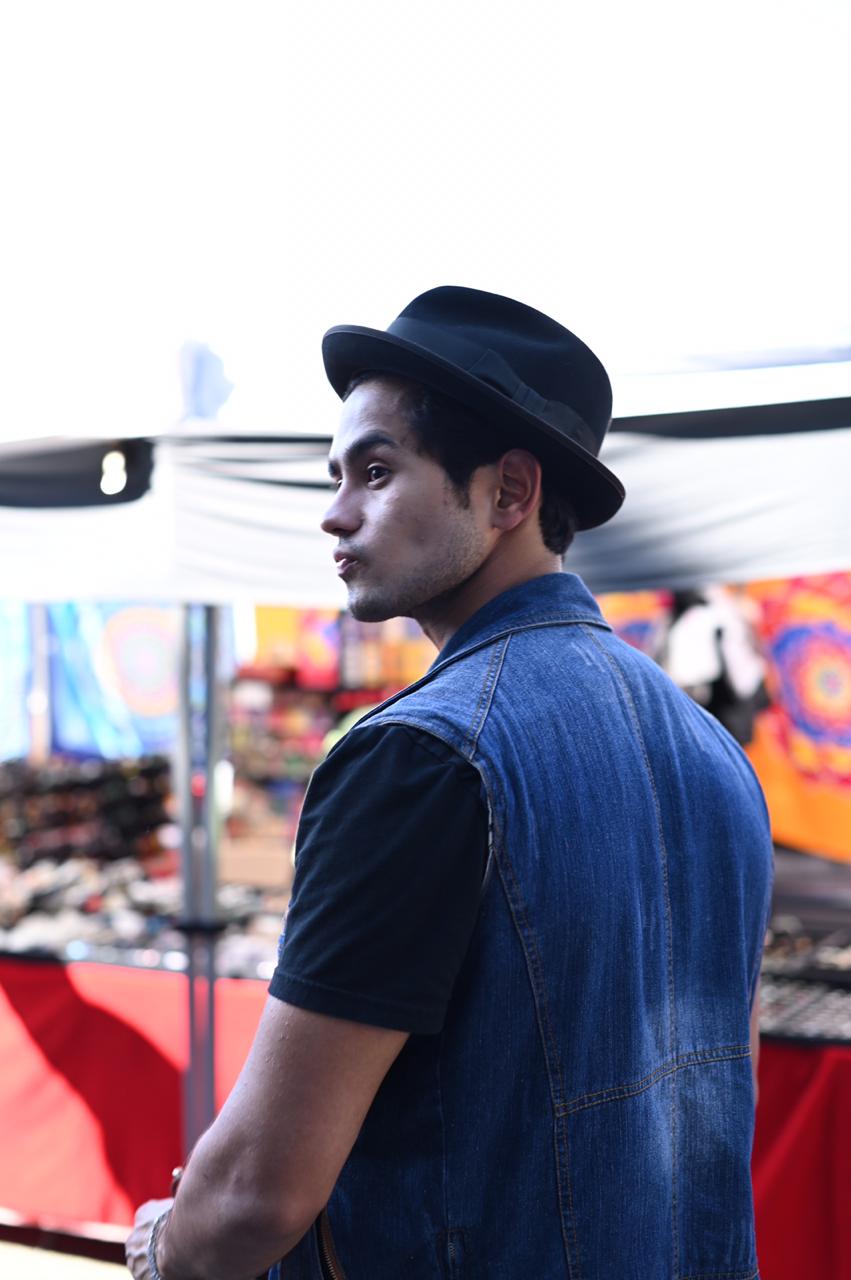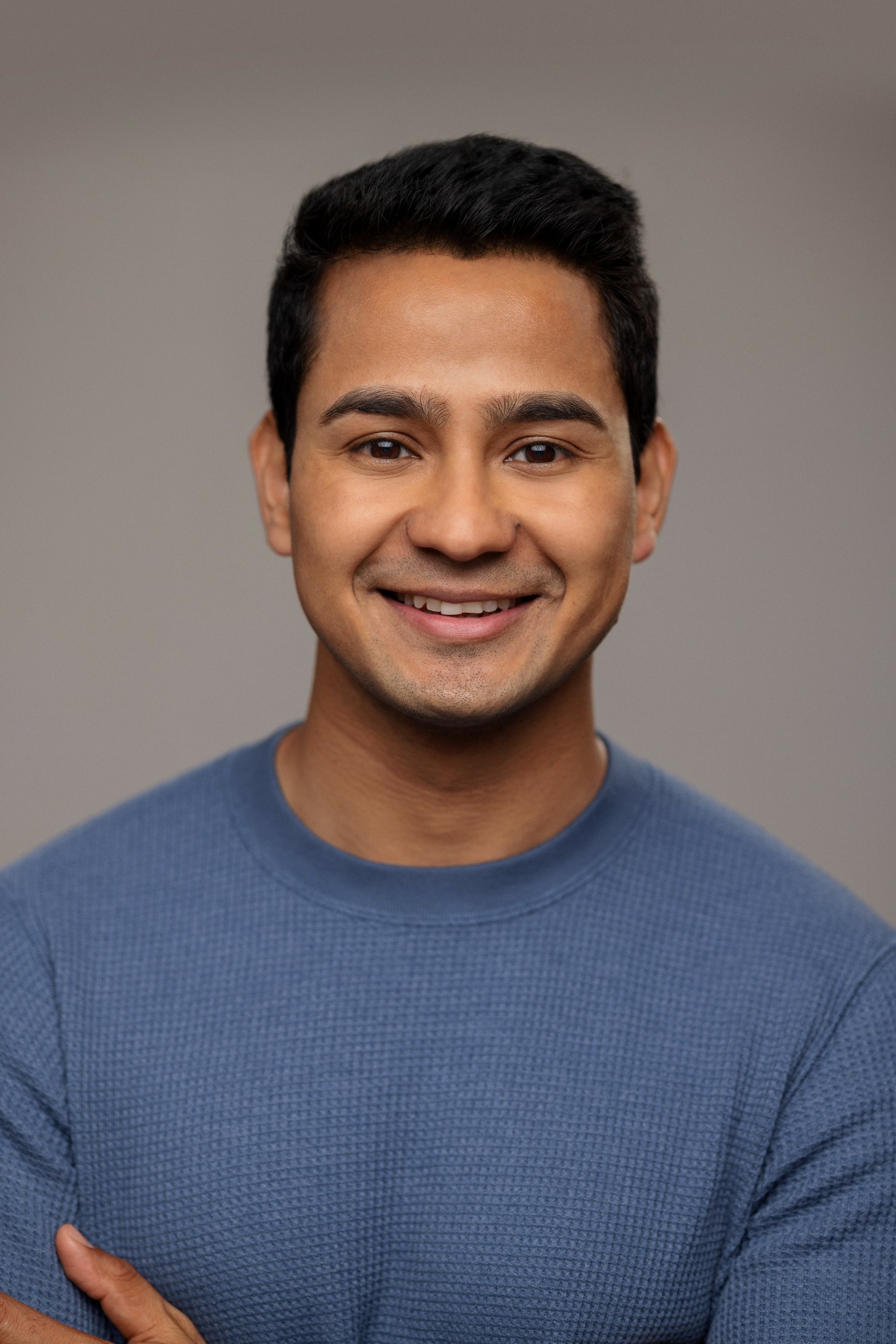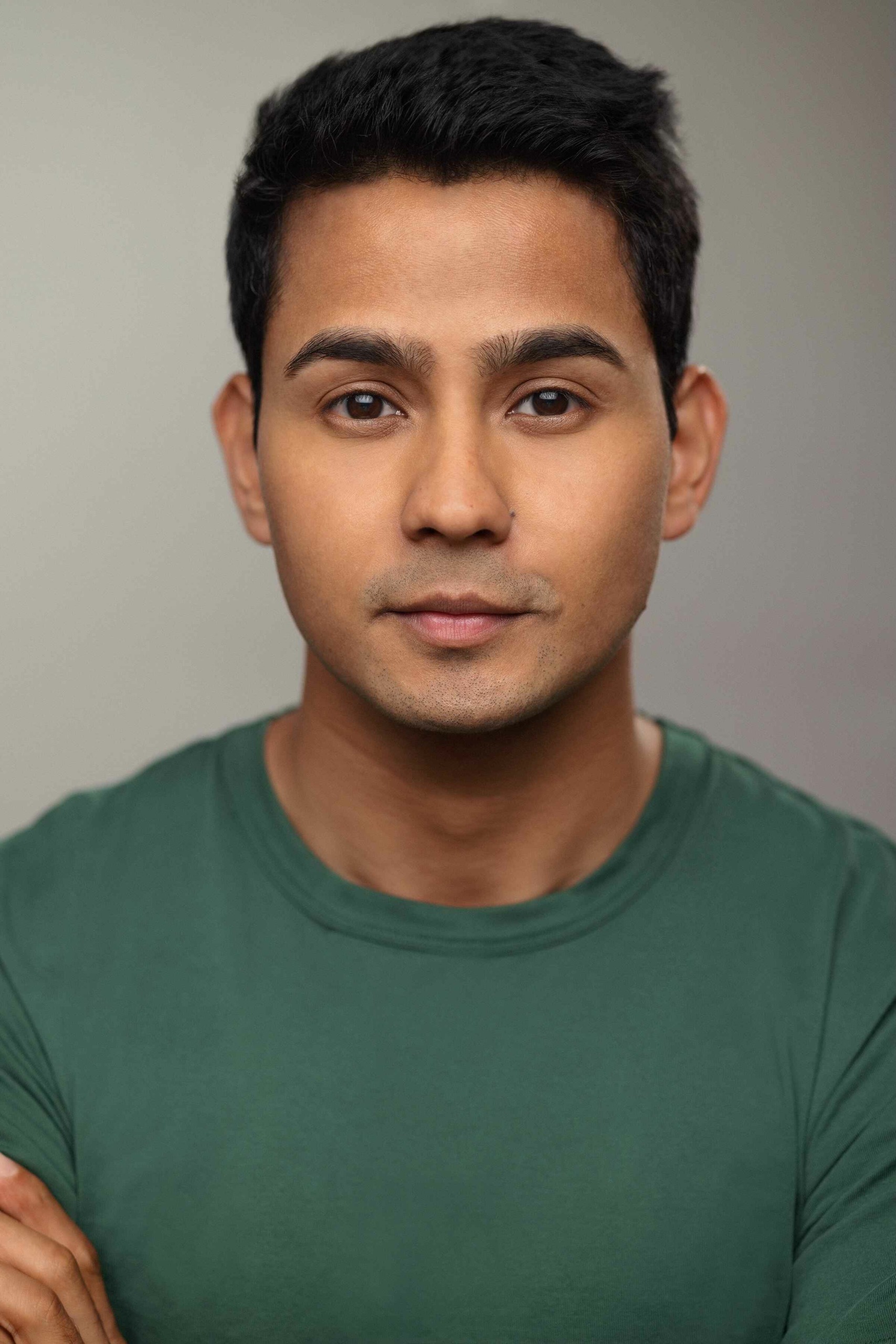

Alright – so today we’ve got the honor of introducing you to Dipanshu Sharma. We think you’ll enjoy our conversation, we’ve shared it below.
Dipanshu , appreciate you joining us today. We’d love to hear about a project that you’ve worked on that’s meant a lot to you.
The most meaningful project I’ve worked on so far is Bhool Chook. It’s a short film about a young South Asian man who returns home to care for his proud, aging father, until a quiet but painful role reversal begins to take place. On the surface, it’s about caregiving, but underneath, it explores pride, masculinity, shame, and the complicated love between South Asian fathers and sons.
What makes it so meaningful to me is how personal it feels. I’ve lived some version of this story in my own life. The emotional distance between generations, the unspoken expectations, the love that’s shown more through action than words, those are things I grew up with. And in many South Asian families, caregiving often happens behind closed doors, without fanfare or language. To get to portray that kind of quiet, raw vulnerability felt like honoring something sacred.
What also made this project unique is how much care was put into telling it right. The director is South Asian too, and we talked a lot about what not to show, when to hold back, when to let silence speak. It was one of the few times I didn’t have to translate my experience or explain my cultural nuances, they were already understood. That allowed me to go deeper, to be more honest. And that’s rare.
Bhool Chook reminded me why I chose acting in the first place; to reflect the stories that are usually left out, and to make people feel seen, especially in moments of quiet pain
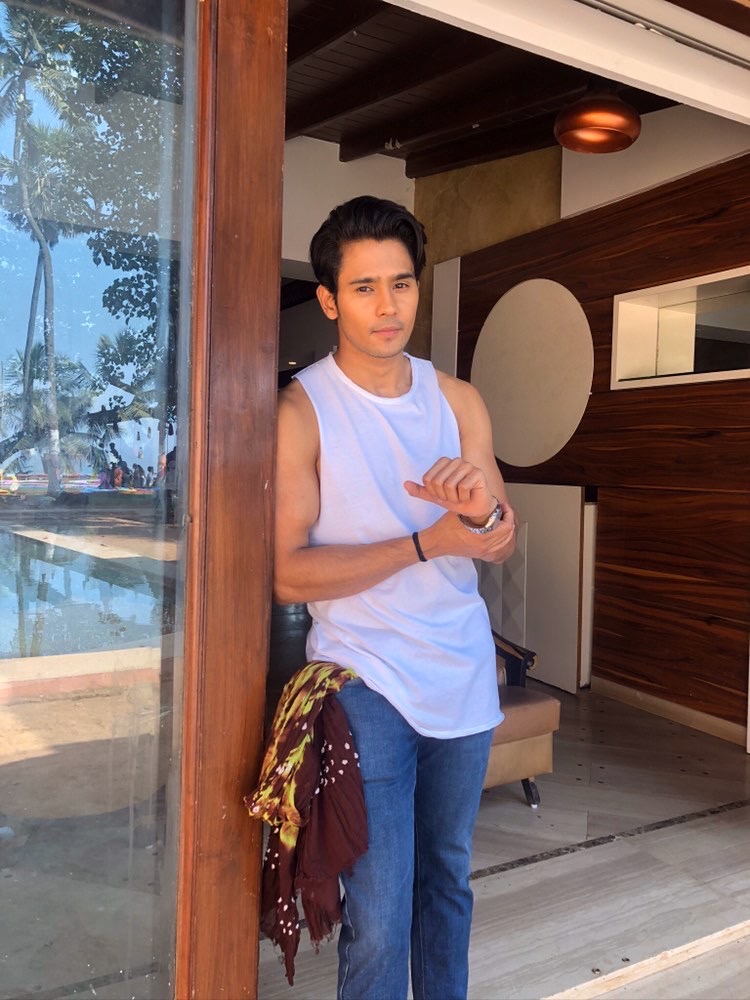
Dipanshu , love having you share your insights with us. Before we ask you more questions, maybe you can take a moment to introduce yourself to our readers who might have missed our earlier conversations?
I’m Dipanshu Sharma, an India-born, US-based actor. My journey started in school theatre productions, where I first discovered the quiet thrill of transforming into someone else. Acting stayed with me through the years, eventually guiding me across continents to pursue a deeper kind of storytelling, one that could bridge cultures, generations, and silences.
Over time, I found myself drawn to characters who feel deeply but don’t always say much, people caught between duty and desire, tradition and selfhood. That tension, especially within immigrant or diasporic stories, is something I understand personally. I gravitate toward roles that explore vulnerability, pride, healing, and identity, often in subtle, emotionally honest ways.
One of the projects that’s meant the most to me is the aforementioned short film, Bhool Chook that I recently worked on. As mentioned before, it’s a story that mirrors many of the quiet, complicated moments I’ve experienced and observed in real life and I carry it with me.
If there’s one thing I hope people take away from my work, it’s that the small, quiet parts of our lives matter. The unspoken things. The messy things. The things we feel but don’t know how to name. I want to give those moments a place on screen and in doing so, help people feel a little more seen.
Are there any books, videos, essays or other resources that have significantly impacted your management and entrepreneurial thinking and philosophy?
One resource that’s had a lasting impact on my creative life is The Artist’s Way by Julia Cameron. It’s not a traditional ‘how to’ book, and it’s definitely not just something you read once and put on a shelf. It’s more like a 12-week process of reconnecting with your inner artist, and it asks you to show up fully, to commit to daily practices that might feel small at first but end up shifting everything.
I’ve gone through the book twice now, and both times it’s helped me realign with why I do what I do. The morning pages, for example, writing three pages by hand every morning, no matter what, is a discipline that’s helped me quiet the noise, hear myself clearly, and process things before stepping into creative spaces. And the concept of the ‘artist date,’ where you take yourself out once a week to do something playful or creatively nurturing, has become a ritual for me. It sounds simple, but in an industry that often tells us to hustle non-stop, carving out space for joy and exploration is a radical act.
What the book really taught me is that creativity doesn’t thrive under pressure, it thrives under care. And if you want longevity in this field, you have to learn how to take care of your creative self, not just your career. That idea has shaped how I choose projects, how I deal with rejection, and how I balance ambition with authenticity.
In a way, The Artist’s Way gave me permission to believe that being an artist isn’t just about performing for others, it’s about listening to yourself. That’s something I try to carry into every role, every collaboration, every part of the journey
Do you think there is something that non-creatives might struggle to understand about your journey as a creative? Maybe you can shed some light?
I think one of the biggest things non-creatives may struggle to fully understand is that the hardest part of this journey often isn’t the external hustle, it’s the internal one. People see the auditions, the roles, the finished projects, maybe even the rejections. But what they don’t always see is the emotional risk it takes to keep going when there’s no clear path, no guaranteed outcome, and so much of your self-worth wrapped up in a craft that’s inherently vulnerable.
Being a creative means choosing uncertainty on a daily basis. It means putting parts of yourself into your work, knowing it may never be seen, or that it might be misunderstood. And you still have to show up again the next day, with the same heart, the same openness, and the same belief in something that doesn’t yet exist.
There’s also this misconception that creativity is a kind of escape from the ‘real world.’ But for me, it’s the opposite, it forces you to confront everything. Your fears, your ego, your conditioning, your past. You can’t lie to yourself and still make honest work.
What I’d offer to anyone trying to understand this path better is: creativity isn’t a luxury, it’s a way of life. It’s how many of us make sense of the world, and it deserves the same respect as any other discipline. Even when it looks quiet from the outside, there’s a lot happening beneath the surface.