


We were lucky to catch up with Dinamarie Isola recently and have shared our conversation below.
Dinamarie, thanks for joining us, excited to have you contributing your stories and insights. Is there a lesson you learned in school that’s stuck with you and has meaningfully impacted your journey?
In high school, I studied European History and was set to take the dreaded AP exam. The entire year, I struggled to keep up with the truly academically heavy weights – I spent much time feeling like a stranger in a strange land. For whatever reason, I didn’t drop down to the non-AP class – my self-esteem suffered every step of the way. The teacher wasn’t particularly interesting; his voice was monotone, but he was patient and kind and never quit on us. So I did as he asked – practicing multiple, multiple choice questions that puzzled me. Eventually, I got the knack of it.
I preferred essays to the multiple-choice questions. Right before the exam, the teacher specifically told us we were not to choose the art question on the exam. His reason was that the board had a specific answer in mind despite the “open-ended” feel of the question. But on the day of the exam, the art question was the one that I had a passionate point of view on. It compared and contrasted a bleak statue, Man Pointing (created post World War II), with Michelangelo’s David. I looked around, sure everyone was following our teacher’s instruction, blew out a breath, and started to write. There weren’t many times in high school I wrote from the heart, but that day was one of them. I wrote about man’s search for our humanity after learning of the atrocities of concentration camps and mass genocide – thus the shriveled Man Pointing — versus the celebration and glorification of man during the Renaissance, as depicted by David. I learned how easy it was to write when I had to merely record my thoughts instead of manufacturing them to suit an assignment. My hand struggled to move as quickly as my thoughts poured out. I felt invigorated, not drained when I finished.
The next day the teacher asked us which essay question we each chose. I contemplated lying, but then I remembered the certainty with which I answered the question. There was an audible gasp from the class when I admitted what I had done – these were the rule followers (which I was, too, most of the time). I was the only one who answered the art question. The teacher was noticeably upset until a few weeks later when he learned that I had earned one of the highest scores on the test (when, frankly, I was a candidate for failure). The other, more academically talented students were shocked that I had pulled this off. I was too, but I learned that writing about something I felt and believed was a joy, not a burden.
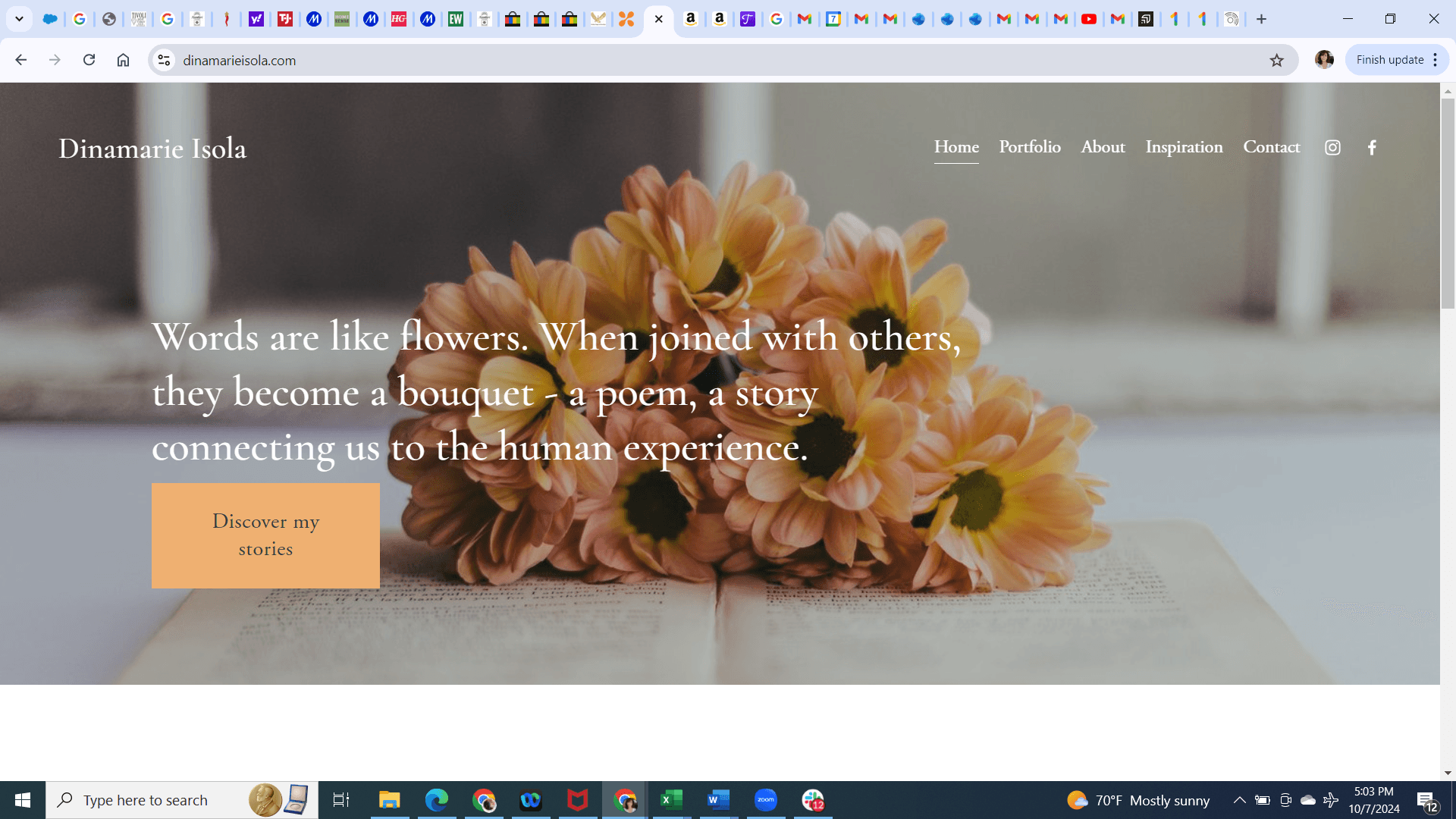
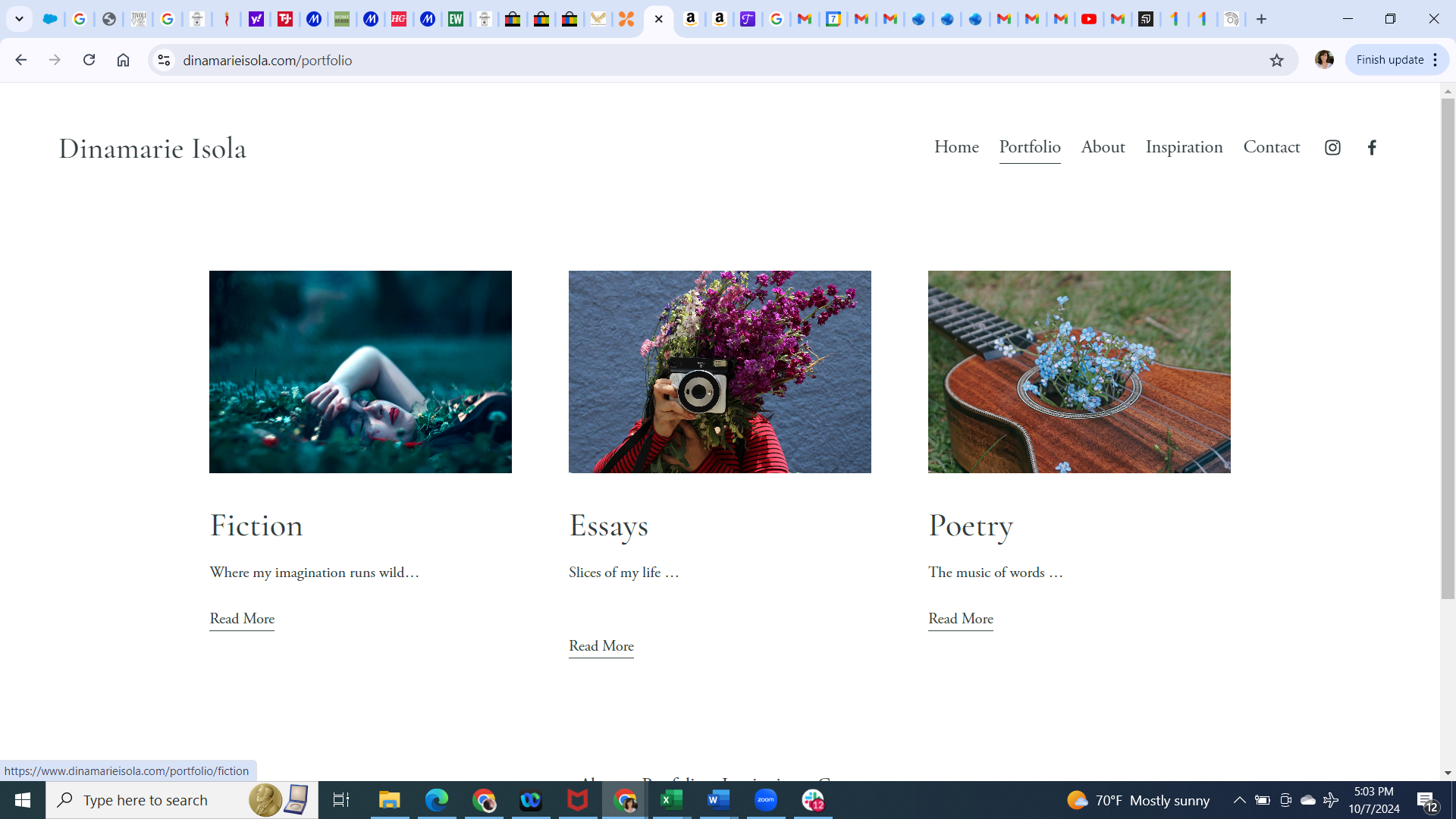
Later, in college, I decided to be practical and earn a business degree. Without the outlet of a creative class, I felt myself shriveling and disengaging. Though I wasn’t an English major, I got a coveted, rare spot in a creative writing class. I almost immediately regretted my decision when I was told I had to read my writing out loud to the class for feedback. I even contemplated dropping the class entirely. My hands shook, and my voice trembled every time I had to read out loud. But as time wore on, and I faced this fear, I grew more confident that my soul needed these types of classes more than the business courses, and I switched my major to English/Writing and Communications. Fast-forward to today, and I found a way to use my communication skills in business – to help people understand personal finance – and remain faithful to my need for artistic expression – by writing and publishing fiction, essays, and poetry. I am currently working on a novel, as well.
I learned that knowing and trusting myself is the most powerful engine. Being true to myself frees up my energy to do something well instead of wasting it on forcing myself to fake it, or second-guessing myself. It is how I can live a creative life.
Awesome – so before we get into the rest of our questions, can you briefly introduce yourself to our readers.
Having two very different sides to my life makes things interesting.
On the one hand, I work with clients and discuss real-world problems, such as funding retirement, paying for college costs, and helping young people understand personal finance. And then there are my creative endeavors – my writing – where I can explore the realm of human emotions, the damage and the struggles. In finance, emotions are detrimental to making a good decision, so I find it very freeing to indulge the emotional side.
But whether I am advising a client, teaching teens about money, or working on a short story or my manuscript – at the heart of it all is making something complex very relatable. A common theme in my life and my writing is to make others feel understood and worthy of being included in the conversation. Velvet ropes are really off-putting to me, and I will gladly go out of my way to explain something (be it money or life struggles) that makes someone feel less alone.
Can you tell us about a time you’ve had to pivot?
For many years, I worked as a financial writer, eventually rising to the position of creative director for a financial company’s shareholder and marketing communications.
When my father was diagnosed with Alzheimer’s disease, my mother needed help getting the finances in order, as he always took care of this. My husband, Tony, was teaching at the time, but in a previous life, he was a currency trader and knew a lot about investing. I had access to research and pricing and knew that what the “professionals” recommended to my mother was not in her best interest. Together, my husband and I consolidated the assets and re-jiggered the investments to serve the purpose of caring for my father while ensuring that my mother’s financial future would be secure. It was a complicated and emotional task, but once we completed it, I realized that people needed this service. We started a registered investment advisory firm while he was still teaching and while I was caring for our infant sons. Before anyone was talking about it, we were ahead of the curve in offering fiduciary services to investors. Later, we joined forces with Ritholtz Wealth Management.
What do you think helped you build your reputation within your market?
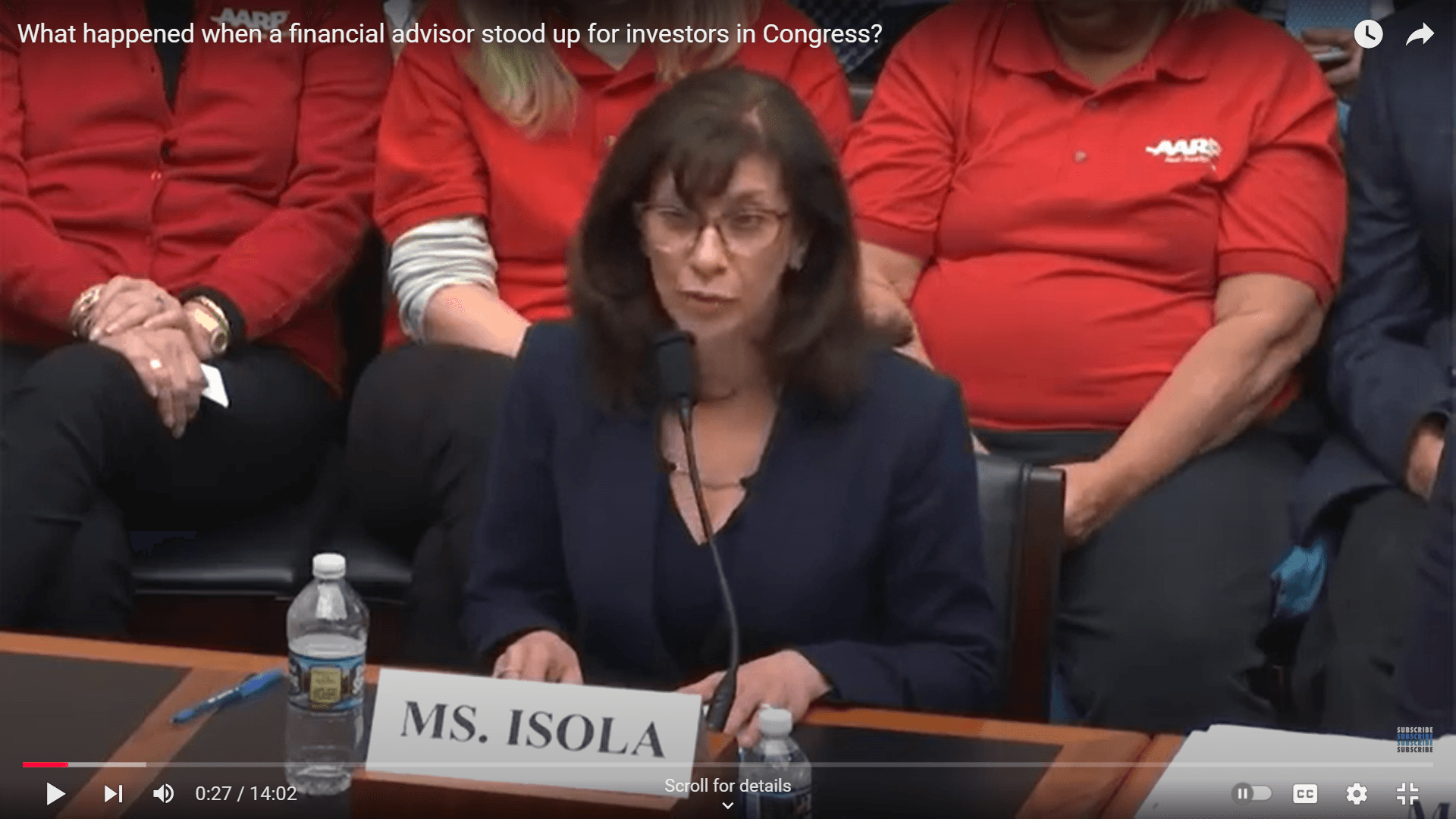
Much of the financial services industry relies on a sales model. As a fiduciary (and one who doesn’t possess a sales-y bone in my body), my appeal is the fact that I am genuine in my interest in advising people. When there is a lot of fakeness in the world, just being genuine is refreshing to people. I remember being worried about the types of people who could have steered my mother wrong in her most vulnerable moment – and I don’t want anyone to fall prey to that. I spend a great deal of my time educating investors (teachers, in particular) about how to look out for themselves, the questions to ask, what types of fees they should not be paying, etc. I have testified before Congress about the lack of transparency and fiduciary oversight that is damaging to investors. As I tell clients – no matter who they are – friend, relative, stranger – they get the same advice because I am always looking for what is in their best interest. I’ve had to get investors out of some very predatory “investments” – and it still angers me that this garbage is sold to people. I think anyone who works me knows they can trust that I will do right by them 1000%.
Contact Info:
- Website: www.realsmartica.com and www.dinamarieisola.com
- Instagram: @teachermoneymatters
- Facebook: teachermoneymatters
- Linkedin: Dina Grasso Isola
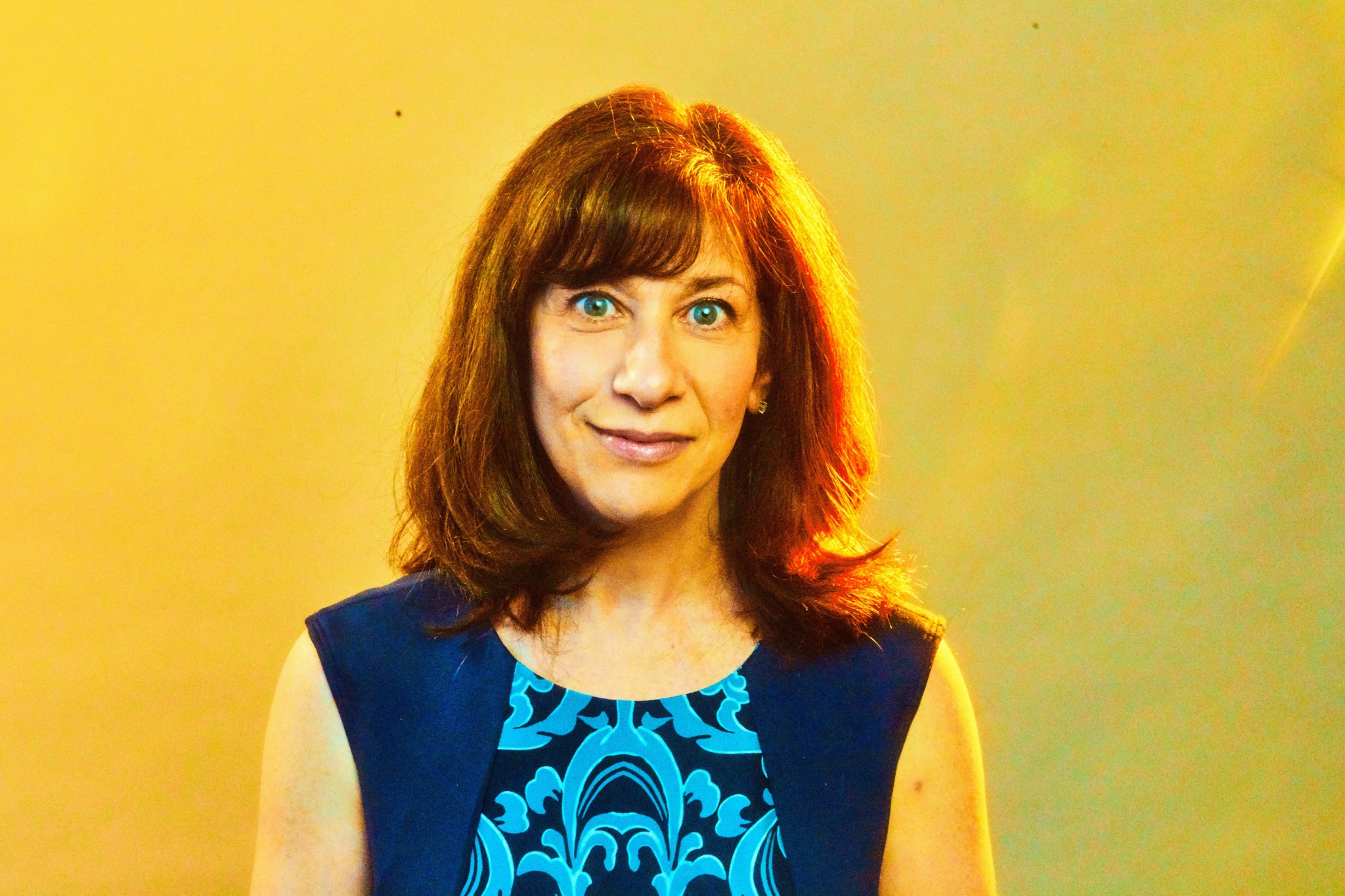
Image Credits
Savanna Ruedy (headshot of my with bright yellow background)